
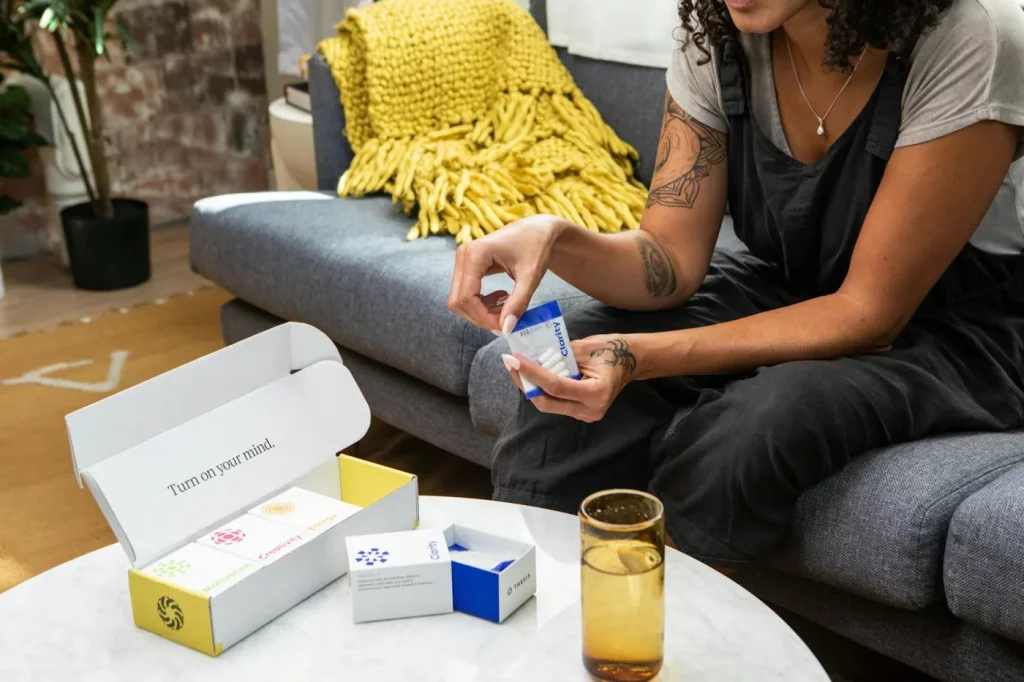
If you’re wondering which nootropics actually work for healthy adults, here’s the short answer: most have small, inconsistent, or very context-dependent effects. Caffeine still has the strongest real-world evidence for alertness and attention, a few ingredients may help specific outcomes, and your sleep, stress, and study system usually matter more than any pill. So when people ask which nootropics actually work, the honest answer is: fewer than marketing suggests, and often less than you’d hope.
That matters because the usual promise is seductive. You want better focus, cleaner energy, sharper memory, maybe a studying edge before exams — but are nootropics actually good for you, or are you paying for expensive placebo with side effects? And here’s the kicker — even when a supplement does something, the benefit may show up mainly in people who are sleep-deprived, under-alert, or starting from a low baseline, not in already healthy, well-rested adults.
In this article, you’ll get a practical way to judge which nootropics actually work by outcome, evidence quality, effect size, and safety. We’ll compare common ingredients against what they actually do for healthy people, show why attention and working memory are better targets than vague “brain boost” claims, and put supplement effects next to bigger levers like retrieval practice vs rereading. You’ll also see where hype collapses: memory vs alertness, caffeine vs nootropics for focus, and nootropics for sleep deprivation study performance.
My angle here is simple. I’m a software engineer who built FreeBrain’s learning tools after years of self-directed study, but this guide leans on human trials, systematic reviews, and sources like the National Center for Biotechnology Information, not supplement folklore or productivity bro-science. And yes, we’ll keep one eye on benefits and one on risks, because are nootropics safe for healthy adults is just as important as whether they work.
📑 Table of Contents
- Short answer: what actually works
- How to judge a nootropic claim
- Which nootropics actually have evidence?
- What changes in real life
- How to test one safely
- Frequently Asked Questions
- Do nootropics work for healthy adults?
- Which nootropics actually work for focus?
- Do nootropics improve memory in healthy adults?
- Are nootropics safe for healthy adults?
- Can a normal person take nootropics?
- Are nootropics worth it for students?
- What nootropics work under sleep deprivation?
- Who should not use nootropics?
- Conclusion
Short answer: what actually works
So here’s the direct answer. If you’re asking which nootropics actually work for healthy adults, the honest shortlist is pretty short: caffeine has the strongest practical evidence for short-term alertness and attention, caffeine plus L-theanine may help some people feel smoother focus, and a few ingredients like creatine or bacopa have narrower, slower, or more context-dependent benefits.
But wait. Evidence from ADHD treatment, dementia, depression, or older adults doesn’t automatically tell you much about a healthy student pulling a normal study session. And outcome matters more than hype: a supplement might improve vigilance or reaction time while doing little for long-term learning, exam scores, or durable memory. After building FreeBrain tools and watching how often learners chase focus fixes instead of fixing workflow, I lean on human trials, reviews, and safety sources—not anecdotes.
The one-paragraph answer
Do nootropics work for healthy adults? Sometimes, a little. The one with the clearest real-world effect is caffeine, and many marketed stacks rely on weak evidence, borrowed patient data, or fuzzy outcomes like “mental clarity” instead of hard measures tied to attention and working memory.
Personally, I think this is the part most people get wrong. Which nootropics actually work depends on four things: evidence quality, effect size, safety, and whether the benefit only shows up when you’re sleep-deprived rather than functioning normally. If you also care about tradeoffs, start with our nootropics side effects guide.
How this article was evaluated
OK wait, let me back up. This guide prioritizes healthy adults only, randomized controlled trials over testimonials, and systematic reviews over before-and-after stories. I also separate sleep-deprivation findings from normal baseline performance, and supplements from prescription stimulants.
For source quality, I’m leaning on databases and reference pages like PubMed’s index of human clinical research and the NIH Office of Dietary Supplements, plus MedlinePlus, Mayo Clinic, and major journals when they’re relevant. Why so strict? Because placebo and expectancy effects are huge in this category, especially for subjective focus, motivation, and “feeling switched on.”
- Healthy adults only
- Human trials first
- Systematic reviews preferred
- Sleep-loss effects kept separate
What readers will get from this guide
You won’t get a giant ingredient dump. You’ll get a practical framework for spotting which nootropics have actual evidence, what helps under normal conditions versus sleep loss, and what’s probably too small to matter.
And yes, we’ll also cover the boring alternatives that often work better. Before buying a stack, try a deep work warm-up ritual, tighten your sleep, and fix your study method—because wakefulness isn’t the same as learning. Which brings us to the next question: how do you judge a nootropic claim before you waste money on it?
How to judge a nootropic claim
So now we’ve got the short answer. The next step is figuring out which claims deserve your attention and which are mostly marketing.

If you’re trying to decide which nootropics actually work, start with a simple rule: compare every claim against benefit, cost, and downside. That matters because a cheap, predictable stimulant like caffeine is usually the benchmark, and many products don’t beat it once you factor in tolerance, jitters, and the points covered in our nootropics side effects guide.
What counts as a nootropic here
In this article, “nootropic” includes supplements, caffeine, and commonly discussed cognitive enhancers sold to healthy adults. Online, these often get lumped together with “smart drugs,” but that blurs an important line.
Prescription stimulants and modafinil are different. They’re not casual brain supplements, and they require medical oversight. So when asking which nootropics have actual evidence, separate wellness products from prescription drugs used for specific conditions or sleep-loss scenarios.
Match the claim to the outcome
This is the part most people get wrong. “Better focus” can mean sustained attention, working memory, reaction time, task persistence, or just feeling more awake.
If you’re studying for 3 hours, coding late, or reading dense material, those are not the same outcome. A product might improve reaction time on a vigilance task yet do nothing for delayed recall the next day. For students, that’s huge. FreeBrain’s guide to attention and working memory helps you define what you actually want to improve before you buy anything.
What good evidence looks like
Look for randomized controlled trials, systematic reviews, and meta-analyses in healthy adults. Not rodent studies. Not ingredient pages. And not military sleep-deprivation studies unless the claim is specifically about functioning under sleep loss.
A statistically significant result can still be tiny in real life. In plain English: the numbers may move, but you may not notice the difference on an exam or during deep work. For a useful primer, the National Library of Medicine database is the best place to check human trials, and Wikipedia’s overview of effect size gives a decent plain-language starting point.
Common mistakes to avoid
- Trusting proprietary blends that hide ingredient doses
- Adding multiple new ingredients at once
- Assuming “natural” means safe for healthy adults
- Confusing feeling stimulated with learning more
And placebo effects are real. If you expect to feel sharper, subjective alertness often improves before objective performance does. Which brings us to the next question: which nootropics actually work when you look at the evidence ingredient by ingredient?
Which nootropics actually have evidence?
So here’s the practical answer after all that claim-checking: if you’re asking which nootropics actually work in healthy adults, the list is shorter than supplement marketing suggests. And the real question isn’t just “does it do anything?” but whether it helps alertness, memory, or persistence enough to matter in daily life.
Most people should judge these against basics like sleep, stress, and study method first. If you want a sharper framework for outcomes, start with attention and working memory, and keep our nootropics side effects guide in mind while weighing small benefits against real downsides.
📋 Quick Reference
| Ingredient | Support | Likely benefit | Onset | Safety |
|---|---|---|---|---|
| Caffeine | Strongest practical support | Alertness, vigilance, reaction time | 30–60 min | Usually OK; sleep/jitters/tolerance matter |
| Caffeine + L-theanine | Mixed to decent | Smoother attention for some | 30–60 min | Generally well tolerated |
| Creatine | Context-dependent | Some cognitive tasks, especially under stress or low intake | Days to weeks | Usually good in healthy adults |
| Bacopa | Mixed/limited | Memory over weeks | 4–12 weeks | GI issues common |
| Rhodiola | Mixed/limited | Fatigue resistance | Hours to days | Product quality varies |
| Racetams/stacks | Weak support | Unclear in healthy adults | Varies | Hard to judge |
Best-supported options
Caffeine is still the baseline. Research summarized by the NIH’s review of caffeine in coffee and health supports short-term gains in alertness, vigilance, and reaction time, but higher doses bring jitters, anxiety, sleep disruption, and diminishing returns.
Caffeine plus L-theanine is one of the better “best evidence based nootropics for focus” combos, though the effect is usually modest, not magical. Creatine is worth a look for mentally demanding work, especially if you’re vegetarian, sleep-deprived, or under heavy load; evidence in healthy adults is plausible but not guaranteed. Personally, I’d still pair any supplement experiment with a deep work warm-up ritual before expecting major gains.
Slower or narrower options
Bacopa monnieri is mostly a memory play, not a same-day focus booster. Some trials suggest benefits after weeks, but evidence quality is mixed and GI side effects are common. Rhodiola rosea is more about stress and fatigue resistance than clear cognitive enhancement, and inconsistent standardization makes it harder to recommend confidently. If you want to read scientific papers quickly, this is exactly the kind of detail to check.
Prescription drugs and overhyped stacks
Modafinil and prescription stimulants don’t belong in the same bucket as supplements. There’s evidence for wakefulness and task persistence, especially under sleep loss, but wakefulness is not the same as learning; see NCBI’s overview of sleep deprivation and performance. They also carry side effects, legal issues, and medical risks, so this is educational, not medical advice—talk to a qualified clinician.
- Strongest practical support: caffeine
- Context-dependent support: caffeine + L-theanine, creatine
- Mixed/limited support: bacopa, rhodiola
- Weak support: racetams and many multi-ingredient stacks
So, which nootropics have actual evidence? Mostly a few narrow tools with modest effects. Which brings us to the part that matters most: what any of this changes in real life.
What changes in real life
Evidence is one thing. Real life is messier. If you’re asking which nootropics actually work, the answer changes a lot depending on whether you’re rested, stressed, or running on four hours of sleep.

Normal days vs sleep-deprived days
Sleep loss changes the picture fast. Some compounds look useful mainly because they help you stay awake, not because they improve learning itself. That’s why sleep and memory consolidation matters so much: better vigilance during an all-nighter doesn’t mean better encoding for tomorrow’s exam.
Research on wakefulness-promoting drugs and stimulants often shows stronger effects under sleep deprivation, sustained workload, or jet lag, with gains in reaction time and alertness more than deep memory formation; the broader sleep literature summarized by NCBI’s overview of sleep and performance helps explain why. So, what nootropics work under sleep deprivation? Usually the ones that prop up alertness. On a normal study day, the benefit is often smaller.
From experience: where people misread the problem
After building learning tools at FreeBrain, I’ve noticed a pattern. Many learners search for a pill when the real bottleneck is weak attention and working memory, poor sleep timing, or stress that wrecks focus before the session even starts.
- All-nighter before an exam: you may feel less sleepy, but recall still suffers.
- Programmer near a deadline: alertness can improve, judgment less so.
- Dense reading after bad sleep: caffeine may help you push through, not necessarily understand more.
- Healthy, well-rested adult: supplement effects are usually modest or inconsistent.
Higher-leverage alternatives first
Personally, I think this is the part most people get wrong. For study performance, sleep, stress control, retrieval practice vs rereading, active recall, and a short pre-study routine usually beat the best nootropics for studying adults.
And yes, caffeine vs nootropics for studying is often the wrong debate. First fix the obvious bottlenecks, then test supplements carefully. Which brings us to the next question: how do you try one safely without fooling yourself?
How to test one safely
So now you know what changes might show up in real life. The next question is simpler: if you’re trying to figure out which nootropics actually work, how do you test one without fooling yourself or wrecking your sleep?
A 5-step self-experiment
How to test a nootropic carefully
- Step 1: Pick one goal only. Not “be smarter.” Try “fewer 3 p.m. crashes,” “90 minutes of steady coding,” or “less jittery caffeine.”
- Step 2: Get a 5-7 day baseline. Track time-on-task, distractions, sleep hours, and whether your work quality actually improved.
- Step 3: Test one ingredient at a time at a conservative dose, with the same timing each day. Don’t start with a stack.
- Step 4: Log benefits and costs. Include anxiety, GI issues, headaches, sleep disruption, heart palpitations, and rebound fatigue.
- Step 5: Set stop rules before you begin. If side effects beat benefits, sleep worsens, or the boost fades after novelty, stop.
If you’re wondering can a normal person take nootropics, the practical answer is: sometimes, cautiously, and only after checking the nootropics side effects guide and any interactions.
What to track so placebo doesn’t fool you
Subjective “clarity” matters, but performance matters more. Track pages read with next-day recall, practice questions completed, coding errors, words drafted in a deep work block, and how fast you recover after interruptions.
- Perceived focus: 1-10
- Actual output: tasks finished
- Work quality: errors, recall, revision load
Bottom line: worth it or not?
For healthy adults, caffeine is still the most reliable answer to which nootropics actually work. A few others may help in narrow contexts, but habits, sleep, and better study methods usually beat supplements on real outcomes. And yes, that’s less exciting. Next up, I’ll answer the common questions and wrap this up clearly.
Frequently Asked Questions
Do nootropics work for healthy adults?
Sometimes, yes — but the effects are usually small, inconsistent, or highly context-dependent. If you’re asking do nootropics work for healthy adults, the clearest practical answer is caffeine for short-term alertness, while many other supplements have mixed or limited evidence in healthy people without a diagnosed deficiency. Personally, I think this is the part most people get wrong: they expect a dramatic boost when the research usually points to modest changes at best.
Which nootropics actually work for focus?
If you want the shortest honest answer to which nootropics actually work for focus, it’s caffeine. It has the strongest real-world support for improving alertness, vigilance, and the ability to stay on task for a few hours, and some people also find that caffeine plus L-theanine feels smoother with fewer jitters. So when readers ask which nootropics actually work, caffeine is usually the first evidence-based place to look, not a giant proprietary stack.
Do nootropics improve memory in healthy adults?
Do nootropics improve memory in healthy adults? Sometimes a little, but usually not in the fast, obvious way people hope for. Some ingredients are studied for memory, yet effects tend to be modest and slower to show up than focus-related effects, and long-term learning still depends far more on sleep, spaced repetition, and active recall than on supplements. If your goal is better retention, you’d usually get more from improving your study system first — for example, using FreeBrain learning tools to make recall more effortful and consistent.
Are nootropics safe for healthy adults?
Are nootropics safe for healthy adults? That depends on the ingredient, dose, your health history, and whether you’re taking other medications or supplements. Even common options can cause anxiety, sleep disruption, stomach issues, headaches, or drug interactions, so “natural” doesn’t automatically mean low-risk. Quick sidebar: if you have any medical condition, take prescriptions, or notice side effects, talk with a qualified healthcare professional before trying anything new.
Can a normal person take nootropics?
Yes, can a normal person take nootropics is mostly a legal and practical question, and some over-the-counter products are widely available. But legal access is not the same as proven benefit or safety, and prescription stimulants or modafinil shouldn’t be treated like casual wellness products just because people talk about them online. But wait — if a product meaningfully changes alertness, heart rate, sleep, or anxiety, it’s worth treating with more caution than the label marketing suggests.
Are nootropics worth it for students?
Are nootropics worth it for students? Usually only after the basics are already in decent shape: sleep, stress, workload, and study method. For many students, active recall, spaced repetition, and getting even 30 to 60 more minutes of sleep produce bigger gains than supplements, especially for exams that depend on memory rather than just staying awake. If you’re trying to figure out which nootropics actually work, start by asking whether your current bottleneck is really chemistry — or just poor recovery and inefficient studying.
What nootropics work under sleep deprivation?
If you’re wondering what nootropics work under sleep deprivation, stimulants can help with wakefulness and vigilance in the short term. That’s real, and organizations like the CDC are very clear that sleep loss still harms performance and health even if you feel more awake for a while. And here’s the kicker — feeling less sleepy does not mean your learning, judgment, reaction quality, or memory consolidation are back to normal.
Who should not use nootropics?
Who should not use nootropics? Anyone who is pregnant, under 18, has significant anxiety, heart issues, blood pressure problems, sleep problems, or takes medications should be especially cautious and should consult a healthcare professional first. Some compounds can worsen symptoms or interact with prescriptions in ways that aren’t obvious from supplement labels, and anyone using prescription stimulants without medical oversight should stop treating them like supplements. Three things matter here: your health status, your dose, and your reason for taking it.
Conclusion
If you’re still wondering which nootropics actually work, the practical answer is pretty simple: for healthy adults, the best-supported options are usually the least flashy ones. Caffeine can improve alertness and reaction time, L-theanine may smooth out the jittery side of caffeine for some people, and creatine has some evidence for cognitive support in certain situations, especially when you’re sleep-deprived or mentally taxed. But wait. The bigger skill is learning to judge claims well: look for human studies in healthy adults, ignore miracle language, and test one compound at a time with a clear goal, dose, and tracking plan.
And honestly, that’s good news. You don’t need a 12-ingredient “brain booster” to think better. Most people get more from fixing sleep, study structure, stress, and consistency than from chasing exotic supplements. Personally, I think this is the part most people get wrong. If you stay skeptical, keep your experiments small, and pay attention to real-life outcomes like focus, recall, and mental stamina, you’ll make better decisions than someone buying every trending stack online.
Want to go deeper? Explore more evidence-based learning and brain performance content on FreeBrain.net, including Best Study Techniques and How to Improve Focus and Concentration. Which brings us to the real next step: use what you learned here to cut through hype, focus on what has actual evidence, and build a sharper system around your brain — starting today.