
What is the best evidence-based “brain diet” for cognition? What is most supported by research isn’t a magic smoothie—it’s a MIND/Mediterranean-style pattern: lots of plants, especially leafy greens and berries, regular fish and olive oil, nuts/beans/whole grains, and minimal ultra-processed sugar and fried foods. That’s the short answer. And yes, we’ll still get specific.
Here’s the fast list you came for. 7 best brain foods: fatty fish (salmon/sardines), extra-virgin olive oil, leafy greens, berries, nuts (especially walnuts), beans/lentils, and eggs or yogurt (protein + choline). 5 worst foods: sugary drinks/candy, refined white breads/pastries, deep-fried fast food, processed meats, and heavy alcohol—classic bad food for brain patterns that wreck energy stability and, over time, brain health.
If you’ve ever tried to study on a “coffee + muffin” breakfast, you know the crash. One hour you’re flying. Then you’re rereading the same paragraph like it’s written in another language. Research on Mediterranean-style eating patterns links them with better cognitive aging and brain health outcomes (a useful overview is on a PubMed Central review on Mediterranean diet and cognitive function), but the real question is: how do you turn that into brain foods for studying and focus today?
This article answers that—without hype. You’ll get evidence-graded picks (strong vs weaker claims), serving targets, foods to eat before studying with timing, the best breakfast for focus and concentration, and snacks for studying that help focus. We’ll also cover caffeine and l-theanine for focus (including how to protect sleep using the Caffeine Cutoff Calculator) and give you a practical 7-day MIND/Mediterranean-style meal plan for beginners with a grocery list, budget swaps, and dietary variants—plus myth-busting for “what are the top 5 brain foods” and “what is the number one food for memory” style questions. And yes, I’ll point you to the Focus & Productivity Tools so you can pair nutrition with a study plan that actually sticks.
Quick trust note: I’m a software engineer who builds learning tools, and I’ve spent an embarrassing amount of time translating cognitive and nutrition research into routines that work for students in the real world.
📑 Table of Contents
- What is “brain food” (and what research actually supports)?
- What is the best diet pattern for cognition? (MIND vs Mediterranean vs DASH)
- 7 best brain foods for studying and focus (evidence grade + targets)
- What are the 5 worst foods for memory (and the #1 worst habit)?
- Foods to eat before studying: step-by-step timing + snacks + caffeine
- From experience: a 7-day MIND/Mediterranean meal plan + personalization
- Frequently Asked Questions
- Conclusion
What is “brain food” (and what research actually supports)?
If the intro made you wonder what is actually worth eating for your brain, this section sets the bar for evidence. And yes, we’ll keep it practical for real study days—pair it with our Focus & Productivity Tools so you can see whether food choices are helping your output. For more on productivity and focus, see our productivity and focus guide.
So what is “brain food”? It’s not a single miracle ingredient. It’s a MIND/Mediterranean-style pattern that supports steadier energy, better vascular function, and lower chronic inflammation—factors linked to better cognition over time, not instant IQ boosts or overnight memory upgrades.
Quick preview before we go deeper: what is most consistently helpful tends to look boring. That’s good news, because boring is repeatable.
- 7 best brain foods (preview): fatty fish, extra-virgin olive oil, leafy greens, berries, nuts, beans/lentils, whole grains
- 5 worst foods/habits (preview): sugary drinks, ultra-processed snacks, frequent deep-fried foods, heavy alcohol patterns, “study all day” caffeine that wrecks sleep (use the Caffeine Cutoff Calculator to protect bedtime)
What diet can (and can’t) do for focus and memory
Let’s set expectations. What is realistic from food is fewer energy crashes, better sustained attention, and a calmer “background” for memory work—especially across 2–4 hour study blocks.
What is not realistic? “Eat this and your memory doubles.” If a headline promises a dramatic boost, assume the effect is either tiny, short-lived, or not actually measured with real cognitive tests.
Three outcomes matter, and they happen on different timelines. First: short-term focus and energy stability (today). Second: learning efficiency (this week), meaning you can hold attention longer and recall with less friction. Third: long-term brain aging (years), where research often finds risk-reduction associations rather than guarantees.
Student reality check: blood sugar swings can hijack a whole session. A “crash day” looks like sweet coffee + pastry at 9:00, a fast spike, then a 10:30 fog and snack-hunting. A “steady day” is protein + fiber (eggs + oats, Greek yogurt + berries, or tofu + whole-grain toast), and you stay usable until lunch.
Now the part most people get wrong: diet interacts with the big 3 confounders—sleep, stress, and total calories/protein adequacy. If you’re under-eating or sleeping 5 hours, the best “brain foods” won’t rescue your focus; they’ll just make you slightly less miserable. Speaking of which — if sleep and stress are messy right now, start tracking them alongside meals using our Stress & Sleep Tools.
Quick safety note: this is educational, not medical advice. If you have diabetes, an eating disorder history, are pregnant, are a teen, have anxiety/heart conditions, or you’re dealing with post-concussion symptoms, talk with a qualified RD/MD before changing diet, caffeine, or supplements—interactions and sensitivity are real.
Evidence ladder: RCTs vs observational vs mechanistic claims
Nutrition evidence comes in layers. And what is “strong” depends on which layer you’re looking at.
- Randomized controlled trials (RCTs): people are assigned to diets; best for cause-and-effect, but often short and hard to control perfectly.
- Observational cohorts: researchers track what people eat and how they age; great for long-term patterns, but confounding is always a risk.
- Mechanistic studies: cells, animals, or biomarkers; useful for “how it might work,” but not proof it improves cognition in humans.
Example of mechanistic-only hype: “antioxidants protect neurons, therefore this supplement boosts memory.” Maybe. But unless cognition is tested in humans, it’s just a plausible story.
Example of pattern-level evidence: higher adherence to Mediterranean-style eating is repeatedly associated with better cognitive aging in cohorts, and it’s biologically plausible because vascular health and inflammation matter for the brain. For a broad overview of the Mediterranean diet and what it includes, see the Mediterranean diet overview (food pattern and evidence summary).
And yes, effects are often small-to-moderate. That’s normal. If your baseline diet is already solid, improvements will be subtle; if it’s mostly ultra-processed, you’ll usually feel the difference faster.
How to read headlines without getting played:
- Population: older adults, students, athletes, or people with medical conditions?
- Duration: 2 weeks vs 10 years?
- Baseline diet: were they already healthy eaters?
- Effect size: is it a tiny score change or a meaningful shift in daily function?
- Outcome: did they measure cognition or just biomarkers?
If you want one credible starting point on how diet patterns relate to brain outcomes, the NIH has accessible summaries and links into the research, like healthy eating and brain health from the National Institute on Aging.
Your 3 tracking targets: focus today, learning this week, brain aging long-term
Tracking beats guessing. But wait—don’t track everything; track what is actually sensitive to change.
- Focus today: rate energy stability 1–10 and note when the post-lunch dip hits (time + what you ate).
- Learning this week: log quiz accuracy or active-recall hits/misses; if recall improves after steadier meals, you’ll see it.
- Brain aging long-term: score adherence to a pattern (MIND/Mediterranean) instead of chasing single “superfoods.”
Personally, I think this is where “brain food” becomes useful: you connect meals to output. What is the point of perfect nutrition advice if your study blocks still collapse at hour two?
Next up, we’ll get specific about the best overall diet pattern for cognition—MIND vs Mediterranean vs DASH—and how to choose based on your goals and constraints.
What is the best diet pattern for cognition? (MIND vs Mediterranean vs DASH)
In the last section, we covered what “brain food” really means when you look past the hype. Now the useful question is what is the best diet pattern for cognition when you’re studying, working, and trying to stay sharp long-term.
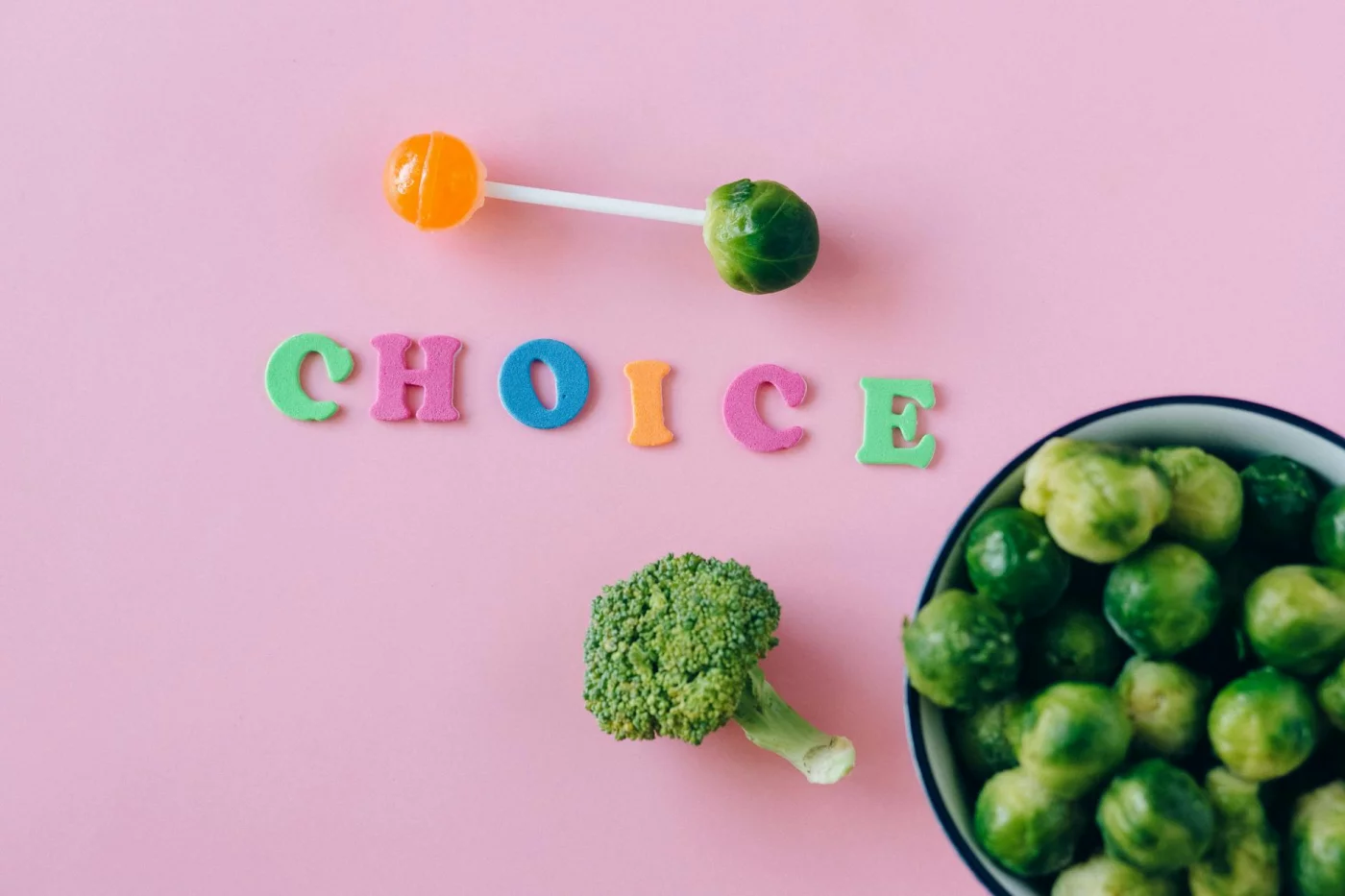
Good news: you don’t need perfection. You need a repeatable pattern, plus a workflow that supports focus (I like pairing food habits with Focus & Productivity Tools), and caffeine timing that doesn’t wreck sleep (use the Caffeine Cutoff Calculator).
Why patterns beat single foods (and why that’s good news)
Single foods rarely move cognition much on their own. Patterns do, because they stack fiber, polyphenols (plant compounds), unsaturated fats, and micronutrients in the same week.
And here’s the kicker — adherence beats “perfect ingredients.” What is most predictive in nutrition research is usually the overall pattern you can keep, not whether you ate one “superfood” on Tuesday.
Take a concrete example: switching your default cooking fat to extra-virgin olive oil changes dozens of meals per week. That one habit nudges your Mediterranean diet style intake toward more monounsaturated fat and polyphenols, without adding decision fatigue.
Evidence-wise, the Mediterranean diet and DASH diet are both strongly linked to cardiovascular health, and brain outcomes often follow vascular health. The MIND diet is basically a brain-focused hybrid of Mediterranean + DASH, designed to emphasize foods most consistently associated with slower cognitive decline in observational work.
📋 Quick Reference
If you want one answer: MIND is the most “cognition-targeted” pattern; Mediterranean is the most broadly studied; DASH is great if blood pressure is a concern.
Student rule: steady energy comes from protein + fiber + healthy fat at breakfast and lunch, not sugar + caffeine.
MIND basics: the 10 brain-healthy groups (plus the ‘limit’ list)
So what is the MIND diet in plain language? It’s a scoring system built around 10 “encourage” groups and 5 “limit” groups, created to track dietary patterns linked with brain aging outcomes.
The original MIND diet work was led by Martha Clare Morris and colleagues; you can read the overview on the MIND diet summary page and then follow the citations into the primary papers.
- 10 brain-healthy groups: leafy green vegetables, other vegetables, berries, nuts, beans, whole grains, fish, poultry, olive oil, wine (optional).
- Limit groups: butter/margarine, cheese, red meat, fried/fast food, pastries/sweets.
What is the “best diet for brain health and memory” between MIND vs Mediterranean vs DASH? If you want the most brain-specific checklist, MIND usually wins because it forces two high-signal items people skip: leafy greens and berries.
Hate fish or greens? OK wait, let me back up. You don’t need gourmet meals; you need substitutes you’ll actually eat: canned salmon or sardines, frozen spinach tossed into eggs/pasta, and frozen mixed berries blended into yogurt or oats.
Quick health note: alcohol is not required. Wine is “allowed” in MIND, but it’s not recommended for everyone; if you don’t drink, don’t start, and if you have health risks, talk to a qualified clinician.
Serving targets you’ll actually follow (weekly scorecard idea)
Targets make this real. What is a “diet for brain health and memory” you can execute during exams? One that uses weekly ranges and a simple score, not a fragile meal plan.
Try this 0–10 scorecard: give yourself 1 point for each target you hit in a week. Aim for 7+ most weeks, then adjust.
- Leafy greens: most days (5–7x/week)
- Other vegetables: daily (7x/week)
- Berries: 2+ times/week
- Nuts: most days (5+ times/week)
- Beans/lentils: 3+ times/week
- Whole grains: daily (at least 1 serving/day)
- Fish: ~1–2 times/week
- Poultry: ~2 times/week
- Olive oil: main added fat
- Limit sweets/fried/fast food/red meat/cheese/butter: keep most days “low”
Budget swaps help you stay consistent: frozen berries, canned beans, tinned fish, store-brand olive oil, and bulk oats or brown rice. Personally, I think this is where people save the most money while eating better.
Minimum viable MIND for students (three defaults): breakfast = oats + Greek yogurt + frozen berries + nuts; lunch = bean-and-grain bowl with olive oil + veggies; snack = apple + peanut butter or hummus + whole-grain crackers. That combo hits fiber + protein + healthy fats, which reduces energy crashes.
And because diet doesn’t work in a vacuum, track the basics (sleep, stress, consistency) with Memory & Brain Health Tools and protect recovery with Stress & Sleep Tools. Research on Mediterranean-style patterns and cognition is summarized in the PubMed Central research library, which is a solid place to verify claims and check study quality.
Next up, we’ll get tactical: 7 best brain foods for studying and focus, with evidence grades and exactly what each food is “for.”
7 best brain foods for studying and focus (evidence grade + targets)
If you’re aiming for MIND/Mediterranean-style eating, this section is the “OK, tell me exactly what to buy” part. And yes, the point is performance: steadier energy, better recall, and fewer 3pm crashes.
If you want to turn food into a repeatable study routine, pair these picks with Focus & Productivity Tools and protect sleep with the Caffeine Cutoff Calculator. Because what is “brain food” without the recovery that locks learning in?
Before the list, quick PAA answer: what are the top 5 brain foods I’d bet on for most students? Leafy greens, berries, fatty fish, extra-virgin olive oil, and nuts/seeds. Practical, affordable, and backed by the strongest pattern-level evidence.
| Food | Key nutrients/compounds | Proposed mechanism | Evidence strength | Practical serving target |
|---|---|---|---|---|
| Leafy greens | Folate, vitamin K, lutein, nitrates | Supports vascular function and neuronal maintenance; nitrates may aid blood flow | High | Most days (1–2 cups raw or 1/2–1 cup cooked) |
| Berries | Anthocyanins, flavonoids (polyphenols) | Anti-inflammatory/antioxidant signaling; may support synaptic plasticity | High–Moderate | 2+ times/week (1/2–1 cup) |
| Fatty fish | Omega-3 fatty acids (DHA/EPA), vitamin D | DHA is a structural fat in brain membranes; may support learning and mood | High | 1–2 times/week (3–4 oz / 85–115 g) |
| Nuts & seeds | Vitamin E, magnesium, ALA, polyphenols | Stable energy + micronutrients tied to cognitive aging; healthy fats for satiety | Moderate | Most days (~1 small handful / 1 oz / 28 g) |
| Extra-virgin olive oil | Monounsaturated fat, polyphenols | Cardiometabolic support; polyphenols may reduce oxidative stress | High | Daily (1–2 Tbsp) |
| Beans & whole grains | Fiber, resistant starch, B vitamins, minerals | Lower glycemic load; steadier glucose delivery for attention | Moderate | Beans 3+ times/week (1/2–1 cup); whole grains daily (1–3 servings) |
| Fermented foods | Live microbes (varies), organic acids | Gut–brain axis signaling; may influence inflammation and stress response | Emerging | Several times/week if tolerated (1/2–1 cup) |
High-evidence picks: greens, berries, fish, olive oil
So here’s the deal: if you only upgrade four things, start here. What is “high-evidence” in practice? These foods show up repeatedly in MIND/Mediterranean research and align with known mechanisms like vascular support, antioxidant signaling, and omega-3 fatty acids for brain structure.
Leafy greens are the boring hero. Folate and vitamin K show up in cognition research, and nitrates may support blood flow—useful when you’re trying to stay sharp for a 90-minute block. Cheap + convenient: frozen spinach stirred into eggs, or frozen kale dumped into soup.
Berries are basically polyphenols with a side of fiber. Anthocyanins (a flavonoid) are linked to brain benefits in observational work, and they’re an easy “no-cook” add-on. Cheap + convenient: frozen mixed berries in oats, or blueberries in plain yogurt.
Fatty fish is your most direct food source of DHA/EPA. And yes, that matters: DHA is a major fat in neuronal membranes, which is why omega-3 fatty acids keep showing up in brain-health conversations. Cheap + convenient: canned salmon wrap, or sardines on toast.
Extra-virgin olive oil is my default fat for a reason. It’s rich in polyphenols, and it’s a consistent feature of diet patterns tied to better cognitive outcomes; see the overview at PubMed Central (NIH) full-text research library. Cheap + convenient: make it your default salad dressing, or use it as a sauté base for veggies and eggs.
Daily stability foods: nuts/seeds + beans/whole grains
This is the part most people get wrong. They chase “smart” ingredients, then build a day that spikes and crashes. What is the fix? Daily stability foods that keep glucose and attention steadier—especially during long reading or problem sets.
Nuts and seeds are a simple brain food for memory and concentration because they combine vitamin E, magnesium, and fats that keep you full. Cheap + convenient: walnuts with a banana, or chia pudding made the night before.
Beans and whole grains are your best breakfast for focus and concentration when you need hours of output. Fiber lowers the meal’s glycemic load, which often means fewer “why can’t I focus?” moments. Cheap + convenient: lentil bowl (lentils + rice + greens), or oats + peanut butter.
- Pre-study meal (60–120 min before): oats + berries + nuts, or a bean-and-grain bowl with olive oil.
- Pre-study snack (10–30 min before): yogurt + berries, or a small handful of nuts + fruit.
- Hydration baseline: 1–2 cups water in the hour before you start; mild dehydration can hurt attention.
And wait—sleep and stress still run the show. If your diet is solid but focus is chaotic, use Stress & Sleep Tools to tighten the recovery side, because what is a “brain diet” without sleep-driven memory consolidation?
Emerging: fermented foods and the gut–brain axis
Fermented foods are promising, not magic. Evidence on the gut–brain axis is growing, including links between diet, inflammation, and mental states—but cognition outcomes are still mixed and not definitive; a good starting explainer is the gut–brain axis overview.
So what is a smart way to use fermented foods? Treat them as an optional add-on: yogurt/kefir, kimchi/sauerkraut, or miso in soup. Start small, watch tolerance, and be careful with high-sodium options if you’re sensitive or have a medical condition—talk to a qualified clinician for personalized guidance.
Next up, we’ll flip the script: the foods that most reliably drag down memory and focus—and the #1 worst habit that quietly cancels your progress.
What are the 5 worst foods for memory (and the #1 worst habit)?
The “best brain foods” list only helps if you stop the stuff that quietly wrecks your focus. So before we talk timing and pre-study snacks, here are the biggest diet mistakes that make studying feel harder than it should.
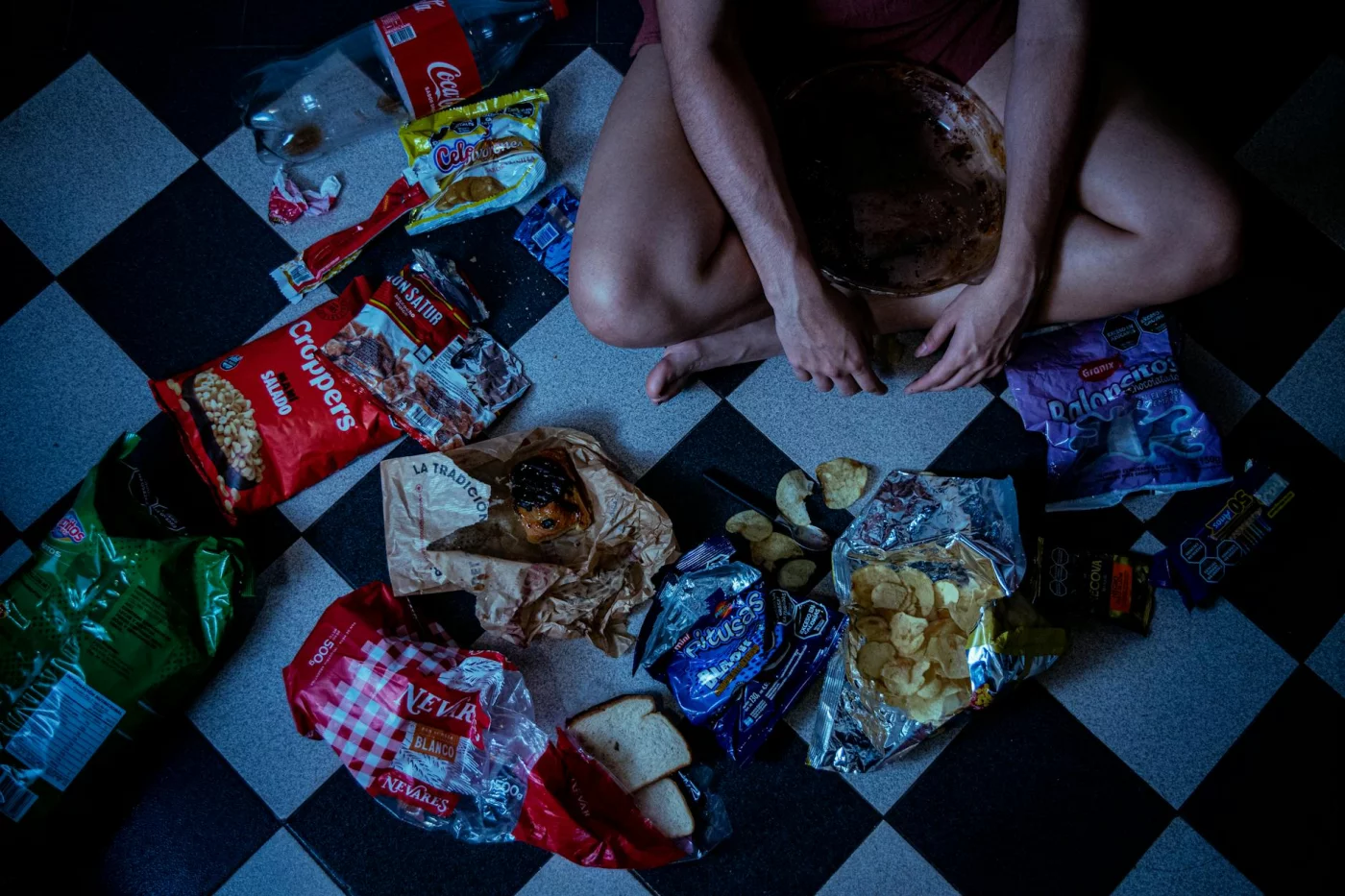
If you want a quick way to spot your personal triggers and build a plan, start with the Focus & Productivity Tools and protect sleep with the Caffeine Cutoff Calculator. Sleep is the multiplier. And yes, that’s annoyingly true.
Mistake #1–#3: ultra-processed foods, sugary drinks, refined carbs
First, ultra-processed foods. If you’re asking what is the common thread, it’s simple: lots of calories, not much fiber or protein, and a “bliss point” that makes overeating easy.
As a practical definition, what is a bad food for brain performance during study? It’s often the thing that displaces real meals—chips, packaged pastries, instant noodles—so micronutrients (iron, folate, magnesium) drop while cravings go up.
Second, sugary drinks. If you’ve ever slammed an energy drink and felt sharp for 20 minutes… then foggy, you’ve met the spike-and-crash pattern. Liquid sugar hits fast, doesn’t fill you, and can push you toward more added sugar later—especially when you’re stressed.
Third, refined carbohydrates on their own. Refined carbohydrates (white bread, bagels, many cereals) aren’t “evil,” but eating them without fiber/protein/fat usually steepens the glucose curve, which can feel like jittery focus followed by a slump. Example: a white bagel alone vs. a bagel + eggs (protein) + fruit (fiber) changes the whole session.
- Energy drink → better: coffee + water → best: coffee + yogurt/nuts (buffer the crash)
- Pastry → better: granola bar with >8g protein → best: oatmeal + milk/soy + berries
- Chips → better: popcorn + cheese stick → best: hummus + carrots + pita
- Fast food meal → better: grilled option + side salad → best: rice bowl with beans/chicken + veggies
- Sugary cereal → better: higher-fiber cereal (≥5g fiber) → best: Greek yogurt + fruit + seeds
Now this is where it gets interesting: if you want a single research-backed reason to care, insulin resistance risk tends to rise with long-term high-sugar, low-fiber patterns, and that’s linked (associationally) with worse cognitive outcomes over time. A readable overview is on a PubMed Central review on insulin resistance and brain function.
Mistake #4–#5: excess alcohol + highly fried/trans-fat sources
Alcohol is the “dose matters” one. If you’re wondering what is the realistic problem for students, it’s less about one night and more about how alcohol fragments sleep and blunts next-day attention, even when you think you slept “enough.”
Personally, I think the exam-season move is boring but effective: plan alcohol-free weeks when you’re doing heavy learning. You’ll feel it in morning recall. And your mood, too.
Then there’s deep-fried and trans-fat-adjacent food. True industrial trans fats are restricted in many places, but the practical target is still frequent deep-fried fast food (and repeatedly heated oils), which tends to come with high sodium, low micronutrients, and inflammatory markers in observational research. If you’re asking what are the 5 worst foods for memory, “often deep-fried fast food” is a real contender because it’s a whole package of issues, not one ingredient.
The #1 worst habit: chronic under-fueling + irregular meals
OK wait, let me back up—because this is the part most people get wrong. The #1 worst habit isn’t a single “bad food for brain.” It’s chronic under-fueling plus irregular meals.
If you skip meals to “stay in the zone,” your brain doesn’t magically run on willpower. You usually get rebound hunger, more impulsive snacking, and bigger hits of added sugar at night, which makes the next day harder again. If you’re asking what is the simplest fix, it’s structure: eat every ~3–5 hours during intense study blocks.
Use a minimum-meal template when you’re busy: protein + fiber + fluid. Think: tuna sandwich on whole grain + fruit + water; or tofu/rice/veg bowl; or yogurt + oats + berries. Not perfect. Just stable.
Mini self-audit for the next 7 days: write down (1) when you eat, (2) when you crash, (3) cravings, (4) late-night snacking, and (5) alcohol/caffeine timing. Then pair it with a 60-second reset from the Stress & Sleep Tools—and if you like breathing drills, the box breathing technique is a clean way to cut stress-eating loops mid-session.
Next up, we’ll get tactical: exactly what to eat before studying, how to time it, and which snacks keep you steady without turning your desk into a vending machine.
Foods to eat before studying: step-by-step timing + snacks + caffeine
After cutting the worst memory-killers, the next question is practical: what do you eat so your brain stays steady instead of spiking and crashing? And yes, “what is” a good pre-study routine comes down to timing, protein, fiber, and not wrecking your sleep.
If you want this to feel automatic, pair your meals with a repeatable study block from Focus & Productivity Tools. OK wait, let me back up: first we build the food routine, then we stack it onto your sessions.
How to build a no-crash pre-study routine
- Step 1: Eat a “pre-study plate” 2–3 hours before deep work: protein + fiber + slow carbs + fluids.
- Step 2: If you’re studying soon (30–60 minutes), choose a small snack combo, not a heavy meal.
- Step 3: Use caffeine only if it won’t steal sleep; add L-theanine if you tend to feel jittery.
- Step 4: Plan a snack + water break every 60–90 minutes to prevent impulsive sugar grabs.
Pre-study meal templates (breakfast + lunch) that don’t crash
So here’s the deal: “what is” the best breakfast for focus and concentration? It’s usually a protein-forward breakfast with fiber and slow carbs, because research consistently links higher-protein breakfasts to better satiety and steadier blood sugar than carb-heavy options (see overview at NCBI).
- Greek yogurt + berries + oats (add chia or walnuts). Fast, high-protein, and easy to scale.
- Eggs + greens + whole-grain toast (olive oil or avocado). Simple salt helps if you’re under-eating sodium.
- Tofu scramble + avocado (plus salsa). Dairy-free, high-protein, and surprisingly filling.
Lunch matters more than most people think. “What is” the goal for afternoon focus? A high-protein lunch with fiber and fats that slow digestion, so you don’t get the 2–4 pm slump.
- Lentil/bean bowl + olive oil (add brown rice or quinoa, plus veggies). Cheap and stable energy.
- Chicken or tuna salad wrap + fruit (use whole-grain wrap; add leafy greens). Easy to prep in bulk.
- Quinoa + roasted veg + feta (swap: tofu or chickpeas if dairy-free). Good texture, good micronutrients.
Exam day timing is the trap. Eat your main meal 2–3 hours before the test (full plate), then a small snack 30–60 minutes before if you need it; this reduces GI distraction and avoids a mid-exam glucose dip.
Study snacks: 10 portable combos + hydration rules
When people ask what to eat before studying for focus, they usually mean “snacks for studying that help focus” without brain fog. “What is” the pattern? Pair carbs + protein/fat so glucose enters slower and you stay steady.
- Nuts + a piece of fruit
- Hummus + carrots
- Yogurt + berries
- Edamame (salted)
- Cheese or soy snack + whole-grain crackers
- Peanut butter on toast
- Sardines on toast (high omega-3)
- Kefir (or lactose-free kefir)
- Dark chocolate (10–20g) + nuts
- Trail mix with low added sugar (watch portions)
Hydration doesn’t need to be fancy. Use cues: pale-yellow urine, fewer headaches, less dry mouth, and steadier energy; dehydration is linked to worse attention and working memory in controlled studies (summary at NCBI).
Electrolytes? Only when they actually matter: heavy sweating, long hot days, endurance training, or a low-carb transition where you’re losing more sodium and water. Otherwise, water + normal meals is enough.
Caffeine + L-theanine: dose, timing, and who should be cautious
Let’s make this concrete. “What is” a reasonable caffeine dose for studying without crashing? For most adults, ~50–200 mg (about 1 small coffee to 2 coffees) is the common effective range, but tolerance varies a lot.
Caffeine’s half-life is often ~5 hours (it can be longer), so late-day use can punch your sleep even if you “feel fine.” And sleep and cognition are glued together; the classic sleep restriction research shows attention and reaction time drop across days when sleep is shortened.
L-theanine is the “smooth it out” option. Evidence suggests caffeine + L-theanine can improve attention and reduce jitteriness versus caffeine alone in some studies, but effects aren’t identical for everyone (reviewed in Nutritional Neuroscience). Common ratios people try are 1:1 or 2:1 (theanine:caffeine), like 100 mg caffeine with 100–200 mg theanine.
Which brings us to your routine: build your “foods to eat before studying” plan once, then repeat it. Next, I’ll share a 7-day MIND/Mediterranean-style meal plan (with swaps) and how I personalize it for different schedules and budgets.
From experience: a 7-day MIND/Mediterranean meal plan + personalization
The last section handled pre-study timing and snacks. Now you need a default system you can repeat without thinking.
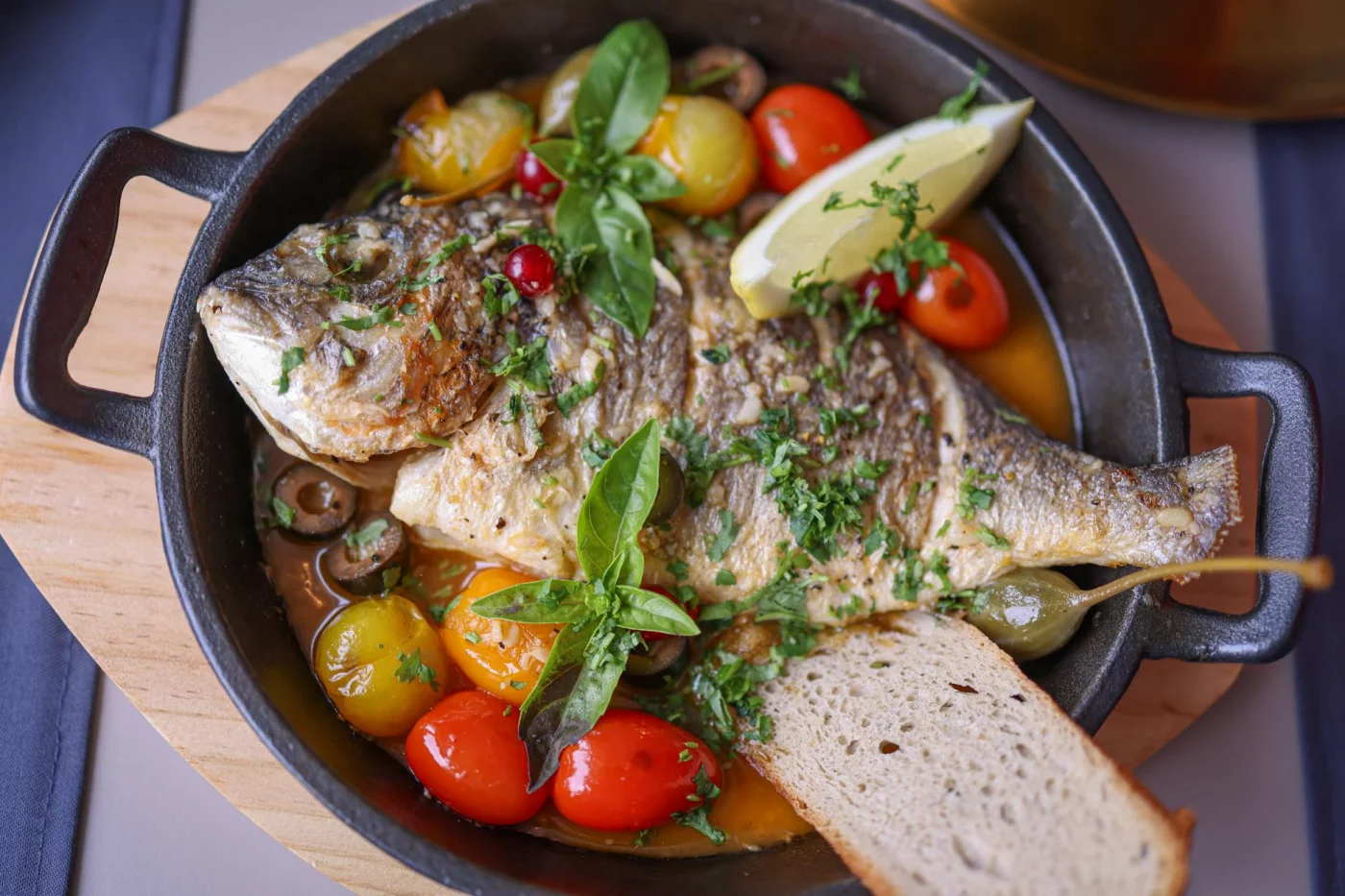
So here’s what I set up when people ask what is the simplest way to eat for steady focus: a 7-day MIND/Mediterranean rotation, plus swap rules that keep your brain fed and your schedule sane. If you want to pair meals with consistent work blocks, I’d stack this with Focus & Productivity Tools so your food and study routine reinforce each other.
How to use the plan (swap rules + portions + budget)
First, what is the point of a “meal plan for focus”? Fewer decisions, fewer crashes, and more repeatable prep. After building study tools, I’ve noticed the same pattern: people stick with routines when the default is boring (in a good way) and friction is low.
Swap rules (keep these constant): protein, fiber, and low added sugar. If you swap within categories, the plan still works.
- Protein constant: fish, eggs, Greek yogurt, tofu/tempeh, beans/lentils. Aim ~1 palm per meal.
- Fiber constant: vegetables + legumes + whole grains. Aim 2 fists of veg/day minimum, plus 1 fist of whole grains or starchy veg per meal if you need energy.
- Fats smart: olive oil, nuts, seeds, avocado. Aim ~1–2 thumbs per meal.
- Swaps: beans ↔ lentils; oats ↔ brown rice/quinoa; salmon/sardines ↔ trout/mackerel; spinach ↔ kale/romaine.
Portions without tracking. Palm = protein, fist = carbs, thumb = fats, and “two fists” = vegetables. OK wait, let me back up: if you’re training hard or you’re in exam week, bump carbs at lunch, not late-night, to avoid sleep disruption.
Budget matters. Here’s a 5-item starter cart for students that still fits a mind diet meal plan for beginners: oats, frozen berries, canned beans, olive oil, eggs (or tofu). Add whatever veggies are cheapest that week, and you’ve got the base of a mediterranean diet for brain health meal plan.
7-day menu + grocery list (with variants)
If you’re wondering what is a realistic 7 day meal plan for brain health and focus, it’s one where 2–3 meals repeat. That’s the trick that cuts cost and prep time.
- Day 1: B: Overnight oats + berries + walnuts. L: Chickpea salad wrap. D: Salmon, quinoa, roasted broccoli. Snack: Greek yogurt + cinnamon.
- Day 2: B: Veggie omelet + olive oil toast. L: Lentil soup + side salad. D: Chicken (or tofu) stir-fry + brown rice. Snack: Apple + peanut butter.
- Day 3: B: Yogurt bowl + oats + berries. L: Tuna/white bean salad. D: Sardine pasta (whole wheat) + spinach. Snack: Carrots + hummus.
- Day 4: B: Overnight oats repeat. L: Leftover lentil soup. D: Turkey (or tempeh) chili + mixed veg. Snack: Handful of nuts.
- Day 5: B: Omelet repeat. L: Quinoa bowl (beans, veg, olive oil, lemon). D: Baked trout (or tofu) + sweet potato + greens. Snack: Berries (frozen thawed) + yogurt.
- Day 6: B: Yogurt bowl repeat. L: Chickpea salad repeat. D: Mediterranean “sheet pan” (chicken/tofu, peppers, onions, zucchini) + rice. Snack: Dark chocolate (1–2 squares) + nuts.
- Day 7: B: Oats repeat. L: Tuna/bean salad repeat. D: Egg shakshuka (or chickpea version) + salad. Snack: Orange + pumpkin seeds.
Grocery list (repeat ingredients on purpose):
- Proteins: eggs, Greek yogurt, canned tuna/sardines/salmon, chicken/turkey, tofu/tempeh, canned beans, lentils.
- Plants: spinach/kale, broccoli, peppers, onions, zucchini, carrots, mixed salad greens, frozen berries, apples/oranges, lemons.
- Carbs: oats, brown rice, quinoa, whole-wheat pasta or wraps, sweet potatoes.
- Fats/flavor: extra-virgin olive oil, walnuts, peanut butter, pumpkin seeds, garlic, cumin, cinnamon.
- Pantry staples: salt, pepper, vinegar, canned tomatoes, low-sodium broth, herbs.
Budget swaps: frozen veg/berries instead of fresh, canned beans/fish instead of fresh fish, and bulk grains. And yes, it still counts as a mediterranean diet for brain health meal plan when the base is legumes, whole grains, olive oil, and fish a few times a week.
Variants (simple rules): vegetarian = fish/chicken → tofu/tempeh/beans; dairy-free = yogurt → soy yogurt/kefir alternatives; gluten-free = certified GF oats, quinoa, rice, corn tortillas. If you’re vegetarian and thinking about algae-based omega-3, talk with a clinician first—especially if you take blood thinners.
Supplements + myth-busting (what’s worth considering, what’s hype)
Food first. Supplements are most defensible when they fix a gap or deficiency, not when they “promise” cognition.
Evidence-graded, practical targets: fish (especially fatty fish) about 2 servings/week is common in Mediterranean patterns; nuts most days; legumes 3+ times/week; and leafy greens frequently. For supplement safety and dosing ranges, I rely on NIH Office of Dietary Supplements fact sheets like Omega-3 Fatty Acids and Vitamin D.
- Omega-3 supplements: most reasonable if you rarely eat fish. Benefits are mixed across trials, and dose/type matters; discuss with a clinician if you’re pregnant, have bleeding risk, or take anticoagulants.
- Vitamin D: consider if you have low sun exposure or known low levels—test-guided is best. High doses aren’t harmless.
- B vitamins (B12/folate): B12 is especially relevant for vegans/vegetarians and some older adults; check labs with your provider. NIH ODS has a clear overview: Vitamin B12.
- Magnesium: might help if intake is low, but it can interact with some meds and can cause GI issues; food sources (nuts, legumes, greens) are the safer first step.
- Creatine: interesting for high cognitive demand and sleep loss in some studies, but it’s not a magic focus pill; talk to a clinician if you have kidney disease risk.
Myth-busting time. When you see “a vitamin cuts dementia risk by 40%,” ask: was it observational (correlation) or a randomized trial (causation)? And when you see “X causes 70% of dementia,” check whether that’s a population-attributable estimate—useful for public health, but not a personal prediction, and it depends heavily on assumptions and baseline risk.
So what is the sane takeaway? Build the food pattern, then only consider supplements for clear gaps with professional guidance. This is educational, not medical advice—if you have a condition, are pregnant, or take medication, consult a qualified healthcare professional before changing supplements.
📋 Quick Reference
- Quick-start checklist: pick 2 breakfasts, 2 lunches, 2 dinners; shop once; cook once; repeat.
- Minimum targets: fatty fish 2x/week (or vegetarian omega-3 discussion with clinician), legumes 3x/week, nuts most days, greens frequently.
- Crash prevention: protein + fiber at every meal; keep added sugar low; hydrate regularly.
- Printable plan: save this menu and grocery list as a one-page note for your fridge.
If you want to tie this routine to better recall, stack the meal plan with a daily 10-minute review habit using Memory & Brain Health Tools. Next up, I’ll answer the common questions people ask once they try this for a week.
Frequently Asked Questions
What are the best brain foods for studying and focus?
The best brain foods for studying and focus are less about one magic ingredient and more about a repeatable pattern: leafy greens, berries, fatty fish, extra-virgin olive oil, nuts, beans/whole grains, and (optionally) fermented foods. And what is the “student advantage” here? Steady energy—so pair carbs with protein + fiber (like oats + Greek yogurt, or whole-grain toast + eggs) to reduce crashes during long study blocks. If you want a simple rule, build your plate around a slow carb, add a protein, then finish with a fat or fiber.
What should I eat before studying for better concentration?
For what to eat before studying for focus, think in two time windows. What is ideal 2–3 hours before? A full meal with protein + fiber + slow carbs (for example, a lentil bowl with olive oil, veggies, and a side of fruit) so your brain gets stable glucose. Then 30–60 minutes before, go smaller: a snack like fruit + nuts or yogurt + berries plus a full glass of water to avoid “fake hunger” from dehydration.
What is the best diet for brain health and memory: MIND or Mediterranean?
The best diet for brain health and memory is honestly whichever you’ll stick to most weeks, because adherence usually beats perfection. What is the practical difference? The Mediterranean diet is broad and heart-healthy overall, while the MIND diet is more explicit about brain-focused targets like leafy greens and berries. If you want the evidence base, the MIND pattern was designed from research linking diet patterns to cognitive outcomes—see the overview on NCBI (MIND diet and cognitive decline).
What are the top 5 brain foods?
If you’re asking what are the top 5 brain foods, here’s a practical list: leafy greens, berries, fatty fish, extra-virgin olive oil, and nuts/seeds. But what is the “quiet MVP” for students? Beans and whole grains, because they act as a focus-stability backbone that helps prevent mid-session energy dips. Try building a weekly rotation: greens daily, berries 3–5x/week, fish 1–2x/week, olive oil as your default fat, and nuts as your go-to snack.
What are the 5 worst foods for memory (and what’s the #1 worst eating habit)?
For what are the 5 worst foods for memory, common culprits include ultra-processed foods, sugary drinks, refined carbs eaten alone, excess alcohol, and frequent deep-fried foods. But what is the #1 worst eating habit I see in students? Irregular meals and under-fueling, because it sets you up for crashes, irritability, and impulsive snacking later. If this is you, start with one fix: schedule a real meal before your longest study block and keep a protein-forward snack ready.
How much caffeine is best for studying without crashing?
For how much caffeine is best for studying without crashing, many people do well around 50–200 mg depending on tolerance, body size, and how fast you metabolize caffeine. What is the easiest way to avoid the crash? Start lower (like 50–100 mg), don’t stack doses too close together, and pair caffeine with food and water. And protect sleep with a cutoff—caffeine has a long half-life—so check a trusted overview like Sleep Foundation’s caffeine and sleep guide and set your last dose accordingly.
Is caffeine and L-theanine good for focus, and what ratio should I use?
The caffeine l-theanine ratio for studying most commonly discussed is 1:1 or 2:1 (theanine:caffeine), and some research suggests the combo may feel smoother than caffeine alone for certain people. What is a sensible starting point? If you’re trying 100 mg caffeine, consider 100–200 mg L-theanine, then judge focus and jitters over a few sessions. If you have anxiety symptoms, heart conditions, or you’re unsure about supplements, be cautious and talk with a qualified clinician before experimenting.
What foods cause brain fog and poor concentration?
When people ask what foods cause brain fog and poor concentration, it’s usually the pattern that matters: sugary drinks + refined carbs without protein/fiber, combined with under-eating and dehydration. What is a quick fix you can test today? Swap the “naked carb” snack (like pastries or candy) for a carb + protein/fiber option (banana + peanuts, or whole-grain crackers + hummus) and drink water before you assume you need more caffeine. Alcohol and late caffeine can also wreck next-day focus by disrupting sleep, so if your mornings feel foggy, check your evening habits first.
Conclusion
If you remember four things, make them these. First: pick a diet pattern you can repeat—MIND-style (Mediterranean + DASH principles) tends to be the easiest “default” because it nudges you toward leafy greens, berries, beans, nuts, olive oil, fish, and whole grains. Second: build your studying plate around the 7 best brain foods we covered—especially fatty fish (omega-3s), berries (polyphenols), leafy greens (folate + carotenoids), and nuts/seeds (healthy fats + vitamin E). Third: cut the biggest cognitive “taxes” fast—ultra-processed snacks, sugary drinks, and frequent fried foods—and fix the #1 worst habit: inconsistent eating that leads to energy crashes mid-session. And fourth: use timing like a tool—eat a balanced meal 2–3 hours before studying, then a small carb+protein snack 30–60 minutes before, and keep caffeine earlier and measured so it helps focus without wrecking sleep.
And hey, if you’re thinking, “OK, but what is realistic for my schedule?”—that’s the right question. You don’t need a perfect pantry or chef-level meal prep. You need a few repeatable defaults you actually like, plus one small change per week that sticks. Personally, I think this is the part most people get wrong: they chase novelty instead of consistency. Start with one upgrade (swap soda for water/tea, add berries 3x/week, or do fish once), then stack the next. That’s how “what is best?” turns into “what is working for me?”
Want a simple next step? Keep learning with FreeBrain: read Spaced Repetition (How to Remember More with Less Time) and Deep Work for Studying: A Practical Focus System to pair your food choices with better study structure. Pick one meal tweak and one study tweak today, put them on your calendar, and start your next session with momentum.