

You probably don’t need more motivation. You need a better deep work checklist before you start. Most people fail to focus because they try to jump from messages, tabs, and mental clutter straight into hard thinking, when what actually helps is a short attention warm-up ritual before deep work that makes starting feel lighter and staying locked in more realistic.
Sound familiar? You sit down to study, write, or code, and your brain still feels half-stuck in the last thing you were doing. Research on attention residue helps explain why that happens, and if you’ve read our breakdown of attention and working memory, you already know your focus system doesn’t switch modes instantly.
So here’s the deal. This article gives you a practical deep work checklist, plus ready-to-use 2-, 5-, 10-, and 15-minute routines you can start today. You’ll learn how to prepare for deep work, how to get into deep work fast, which attention priming exercises actually help, and how to build a pre deep work routine that fits students, writers, and remote workers.
And yes, we’ll keep the neuroscience plain-English. I’ll show you why a focus ritual before studying works, how a deep work routine vs pomodoro setup changes the transition into serious concentration, and why your brain handles intentional focus and surprise distraction through different systems — something I unpack more in this guide to dorsal vs ventral attention.
I’m a software engineer, not a neuroscientist, but I’ve spent years building FreeBrain tools and testing these rituals during coding, writing, and self-study sessions. Personally, I think this is the part most productivity advice misses: before deep work starts, your attention needs a warm-up, not a pep talk. And once you have a simple deep work checklist, the whole process gets easier.
📑 Table of Contents
- Why focus fails before work starts
- The deep work checklist
- Ritual lengths that match your day
- Real-world examples and common mistakes
- Build your own repeatable routine
- Frequently Asked Questions
- What is the ritual before deep work?
- How do you warm up your attention before deep work?
- How do you prepare for deep work?
- How can I get into deep work fast?
- How long should a deep work warm-up be?
- What are the four rules of deep work?
- What are some deep work examples?
- Can a short ritual improve focus before studying?
- Conclusion
Why focus fails before work starts
So here’s the deal: the real bottleneck usually isn’t motivation. It’s task initiation. A good deep work checklist helps, but deep work often succeeds or fails before you even hit start. Curious about productivity and focus beyond this article? Our productivity and focus guide goes deeper.
Deep work starts before the timer
Deep work means sustained attention on mentally demanding work. But going from messages, open tabs, and half-finished thoughts into an essay or hard coding task isn’t a clean switch.
That’s where an attention warm-up ritual helps. In plain English, it’s a short pre deep work routine that reduces friction, clears mental leftovers, and makes the first minutes of focus less expensive. If starting feels weirdly hard, read this on task aversion vs laziness and our guide to attention and working memory.
What attention residue does to your first 10 minutes
Research by Sophie Leroy suggests that after you switch tasks, part of your attention stays stuck on the previous one. That “attention residue” makes your first 10 to 15 minutes weaker: more rereading, more tab switching, slower starts.
OK wait, let me back up. If your brain is still juggling Slack, email, and unfinished thoughts, your working memory is already crowded. And attention control gets shakier, which fits what we know about dorsal vs ventral attention and task switching. For background, see Wikipedia’s overview of attention residue.
- Unfinished messages keep looping
- Context switching drains executive control
- Your “bad focus” may just be a bad transition
A quick evidence note and when to get help
This framework is based on published cognitive science plus routines we’ve tested around coding, writing, and study sessions at FreeBrain. Research suggests sleep and stress strongly affect executive function and focus readiness; the National Institute of Mental Health on stress is a useful starting point.
This section is educational, not medical advice. If you have persistent concentration problems, severe stress, ADHD concerns, or sleep issues, talk with a qualified healthcare professional. Next, I’ll turn this into a practical deep work checklist you can actually use inside a 60-minute deep work block.
The deep work checklist
If focus usually falls apart before you begin, use a deep work checklist instead of relying on willpower. This 5-step reset works because attention is easier to guide when you reduce friction first; if you want the cognitive background, see FreeBrain on attention and working memory and the dorsal vs ventral attention systems that compete for your focus.
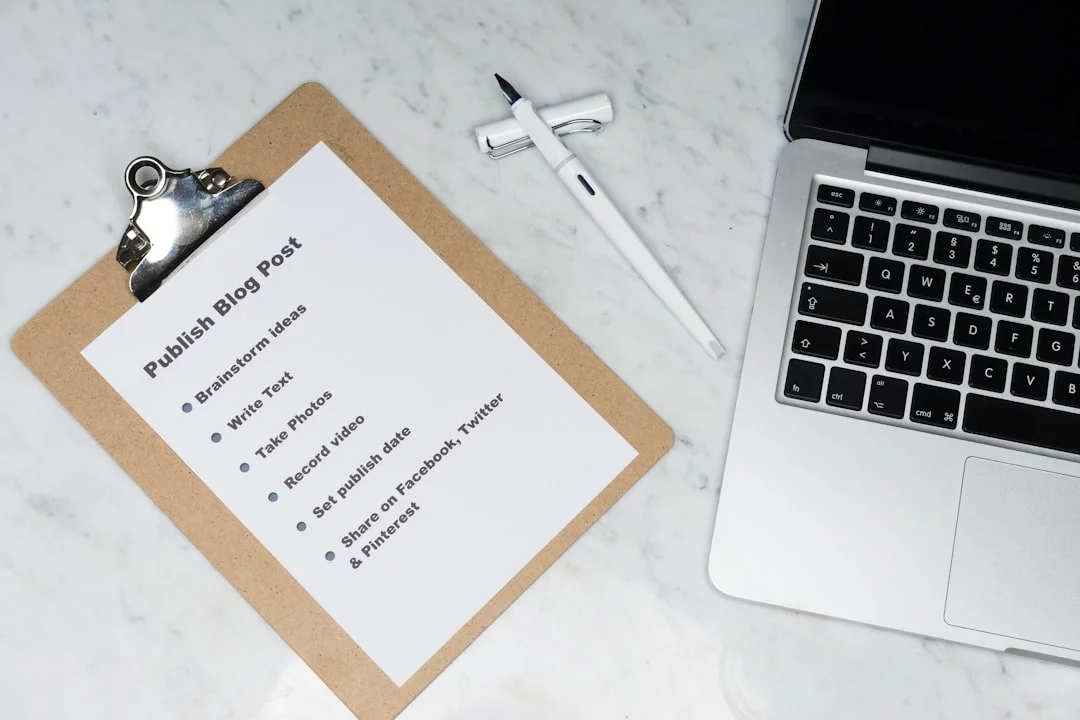
How to run this checklist
- Step 1: Write one visible outcome: “draft 300 words” or “solve Q1–4.”
- Step 2: Put your phone in another room, close extra tabs, mute alerts, reduce noise.
- Step 3: Do 60–90 seconds of breathing, then sit upright and read the prompt once.
- Step 4: Scan the materials you’ll use for 30 seconds.
- Step 5: Start a 2-minute entry task: one ugly sentence, one easy problem, one outline line.
1. Clear the target
Don’t start with “study” or “work on project.” Be specific. A visible target lowers task initiation friction because your brain isn’t forced to decide what “start” means.
2. Remove distractions
If you can see your phone, it can still pull attention. Put it outside the room, keep only the tabs you need, and use a cleaner setup if you’re building better digital minimalism for students.
3. Reset your body and prime attention
Try 60 seconds of slow breathing, then 30 seconds of visual fixation on one point. Research on selective attention and cognitive control supports brief attentional preparation, and the NIH overview of attention in the NCBI Bookshelf gives the bigger picture; for a simple guided option, use this 2 minute meditation script.
4. Start with a tiny entry task
Make the first move almost laughably small. Open the file, write one rough sentence, or solve the easiest subproblem. That shrinks the blank-page effect and gets momentum going.
- 2-minute version: target, phone away, tiny task
- 5-minute version: add breathing and material scan
- 10-minute version: include fuller environment cleanup
Want a printable-style deep work checklist you can keep on your desk? Save or download this routine, then pair it with your actual 60-minute deep work block. And yes, the best ritual length depends on the day—which brings us to that next.
Ritual lengths that match your day
Now turn that deep work checklist into something you can actually use on messy days. Attention warm-ups work because they reduce switching costs and help stabilize attention and working memory; research on task switching and cognitive control points the same way, including findings summarized by the NCBI overview of attention.
2-minute emergency reset
Use this when you need the minimum viable start: one sentence goal, phone away, three slow breaths, open the work file. That’s your 2 minute focus ritual before work. If distractions keep hijacking you, a quick read on dorsal vs ventral attention helps explain why novelty keeps pulling you off task.
The 5-minute script
- Minute 1: define one clear target.
- Minute 2: remove distractions.
- Minute 3: do a breathing or posture reset.
- Minute 4: review your prompt, outline, or notes.
- Minute 5: begin a tiny entry task.
This 5 minute attention warm up for deep work is the default for most sessions. Mind still scattered? Add one more breathing minute, or make the first action smaller. For breathing options, compare patterns in box breathing vs 4-7-8 and the APA’s guidance on stress and the body.
10- and 15-minute versions
Go to 10 minutes for hard writing, coding, or exam prep. Use 15 after meetings, commuting, or emotional overload. Optional add-ons: short walk, handwritten brain dump, workspace reset, source review.
- 10 minutes: normal prep plus one deeper review step
- 15 minutes: full reset before the real session
How long should a deep work warm up be? Choose the shortest ritual that reliably gets you started, then adjust after one week against your 60-minute deep work block.
Next, let’s make this concrete with real-world examples and the mistakes that quietly ruin a good startup routine.
Real-world examples and common mistakes
Ritual length matters, but only if it fits the work you’re about to do. A good deep work checklist should shrink startup friction, not add more of it.

Student, writer, and remote work examples
Here’s what that looks like in real life. And yes, the first tiny task matters most because it aims your attention before motivation shows up.
- Student, 5 minutes: silence phone, open one chapter, write today’s goal, then solve one practice problem or read one page. This is often the best deep work routine for students because it’s short enough to repeat.
- Writer, 10 minutes: close tabs, skim outline, set a 45-minute timer, then draft one rough paragraph. A solid deep work routine for writers reduces blank-page resistance fast.
- Remote worker, 15 minutes: leave chat, review meeting notes, list top 3 decisions, then analyze one metric or one document section. That reset helps clear attention residue, which connects to attention and working memory and the shift between dorsal vs ventral attention.
From experience: where routines usually break
After building and testing focus workflows, I’ve found the biggest failure point usually isn’t the work block. It’s the fuzzy start. Research on task switching and attention from the National Library of Medicine lines up with that: transitions carry a real cognitive cost.
Most people overfocus on apps and underfocus on transition design. Your ritual should feel repeatable, not impressive, and it should hand you cleanly into the actual 60-minute deep work block.
What to avoid
- Turning the pre-deep-work routine into procrastination, like cleaning your desk for 20 minutes.
- Making it too long. If the warm-up takes 15 minutes for a 25-minute session, that’s a bad trade.
- Copying someone else’s setup instead of testing what fits your energy, space, and job.
- Changing five variables at once instead of holding one routine for a full week.
- Forgetting to define the first task, which often feels like task aversion vs laziness when it’s really unclear starting.
So before you tweak anything else, build a routine you can repeat tomorrow. Which brings us to your own version.
Build your own repeatable routine
Examples help, but routines are what make focus repeatable. If you want a deep work checklist that survives busy days, build a short entry sequence you can run without thinking.
And here’s the useful distinction: a ritual gets you into focus, while Pomodoro structures the work after you’ve started. If you want the block itself, pair this with FreeBrain’s 60-minute deep work block article.
A simple template you can copy
Keep it lean. Your pre work routine should fit on one note and take 2 to 15 minutes max.
- Cue: “Headphones on, timer visible, one tab open.”
- Target: “Finish problem set Q1–3” or “Draft 200 words.”
- Distraction rule: “Phone out of reach; ideas go on scratchpad.”
- Body reset: 3 slow breaths, stand tall, unclench jaw.
- Attention primer: read the prompt, highlight the next action.
- First tiny task: open file, write first sentence, solve first line.
- Block length: 25, 45, or 60 minutes.
- Review note: “What slowed me down?”
Quick reference and one-week review
📋 Quick Reference
2 min: cue + target + first tiny task. 5 min: add distraction rule and body reset. 10 min: add attention primer and workspace setup. 15 min: use only for hard context switches or mentally heavy work.
For one week, track four things: start friction (0-5), time-to-focus in minutes, distraction count, and whether you completed the first target. That’s your deep work checklist scorecard.
Personally, I’d start with one ritual length today, run it for five sessions, then change only one variable at a time. Next up, I’ll answer the common questions and show where to go deeper with FreeBrain focus resources.
Frequently Asked Questions
What is the ritual before deep work?
What is the ritual before deep work? It’s a short transition sequence you do right before focused work begins so your brain stops drifting and starts locking onto one task. A good pre-focus ritual usually includes five things: a clear target, distraction removal, a quick body reset, attention priming, and one tiny first task. If you’re building a deep work checklist, keep it simple: define the next outcome, silence your phone, sit down properly, take a few slow breaths, and begin with the easiest meaningful action.

How do you warm up your attention before deep work?
How do you warm up your attention before deep work? Use a short sequence that cuts context switching and lowers startup friction instead of trying to “feel ready” first. A practical example is this: set one goal, put your phone out of reach, breathe for 60 seconds, then start a tiny task like opening the document and writing the first sentence. That kind of warm-up works because it moves you from scattered attention into action fast.
How do you prepare for deep work?
How do you prepare for deep work? Clarify the exact task, remove the obvious distractions, and make the first action painfully obvious. Preparation should be brief and directly tied to starting the session, not a long setup spiral where you reorganize your desk, rename folders, and never begin. If you need structure, a short deep work checklist can help: define the task, gather only what you need, close extra tabs, and start within a few minutes.
How can I get into deep work fast?
How can I get into deep work fast? Use the shortest ritual that reliably gets you moving, which for most people is about 2 to 5 minutes. The key is to remove visible distractions and begin with a tiny entry task, like outlining three bullet points, solving one easy problem, or writing a rough opening line. Personally, I think this is the part most people get wrong: they try to force intensity, when what actually helps is making the start friction almost zero.
How long should a deep work warm-up be?
How long should a deep work warm up be? Five minutes is a solid default, but 2, 10, or even 15 minutes can make sense depending on how hard the transition is. If you’re going from social media or meetings into demanding thinking, you may need a longer reset than if you’re already in a quiet environment. Match the ritual length to the difficulty of switching states, not to some fixed rule.
What are the four rules of deep work?
What are the four rules of deep work? Cal Newport’s framework is usually summarized as: work deeply, embrace boredom, quit social media, and drain the shallows. That’s useful context, but this article is focused on the entry ritual before a work block rather than the full deep work philosophy. If you want Newport’s broader framework straight from the source, see his book page at Cal Newport; your warm-up ritual is just the front door, not the whole house.
What are some deep work examples?
What are some deep work examples? Solving hard problem sets might need a 5-minute warm-up, writing a draft may only need 2 to 3 minutes, coding a feature often benefits from 5 to 10 minutes, and analyzing research papers may need closer to 10 minutes if the material is dense. The pattern is simple: the more mentally demanding and abstract the task, the more useful a deliberate transition becomes. And yes, if you’re studying, you can adapt the same approach using a short routine from your own deep work checklist.
Can a short ritual improve focus before studying?
Can a short ritual improve focus before studying? It can help you start faster and reduce distraction in the first few minutes, which often matters more than people expect. The claim should stay modest, though: a ritual supports focus readiness, but it doesn’t guarantee high performance if you’re exhausted, overwhelmed, or constantly interrupted. For a practical study setup, you can pair this idea with FreeBrain’s study tools and planning resources, or review general attention guidance from the American Psychological Association.
Conclusion
Your best focus usually starts before the first task. The practical move is simple: use a short attention warm-up ritual, match its length to the time you actually have, remove obvious distractions before you begin, and rely on a repeatable cue sequence instead of waiting to “feel ready.” And if you want this to stick, keep your deep work checklist small enough to use every day: one reset action, one environment change, one intention, and one clear first step.
That’s the good news. You don’t need a perfect morning, a silent room, or superhuman discipline to get into deep concentration. You just need a reliable start. Personally, I think this is the part most people underestimate — the first five minutes shape the next fifty. So if your focus has felt inconsistent lately, don’t treat that as a character flaw. Treat it as a setup problem you can fix, test, and improve.
If you want to build a stronger system around this habit, explore more on FreeBrain.net. Start with How to Study Effectively for practical focus strategies, and then read Spaced Repetition to make your work sessions easier to sustain over time. Save your routine, refine your deep work checklist, and use your next session to practice the start — because better focus begins before the work does.