

Here’s the short answer: some nootropics can help a little, many are oversold, and the real outcome depends on the ingredient, dose, your sleep, and whether you’re dealing with an actual medical condition. And yes, nootropics side effects matter just as much as the promised focus boost, because a pill that makes you jittery, anxious, or sleep worse can easily hurt your grades more than it helps.
If you’re a student, you’ve probably seen the same claims everywhere: better memory, laser focus, all-night productivity. But wait. Do nootropics actually help, or are you just paying for expensive caffeine with nicer branding? Research on cognitive enhancers is mixed, and even medical reviews of stimulant and supplement safety make one thing clear: benefits are often modest, while nootropics side effects, interactions, and misuse risks are very real.
So here’s the deal. Before you spend money on capsules and powders, it’s smarter to fix the basics that usually move performance more — like the best time to drink coffee, your sleep schedule, and whether you actually know how to study complex topics efficiently. Personally, I think this is the part most people get wrong. They reach for “brain boosters” before checking the obvious bottlenecks.
In this guide, you’ll get a practical breakdown of what nootropics actually work, which ones are mostly hype, how effective nootropics tend to be in real life, how long nootropics take to work, and whether nootropics work immediately or only under specific conditions. You’ll also see how to judge ingredients by effect size, timing, legality, and nootropics side effects — especially if you’re sleep-deprived, stressed, healthy, or wondering whether prescription-style cognitive enhancers are a different category entirely.
I’m a software engineer, not a neuroscientist, and I built FreeBrain after years of testing learning systems on myself and studying the research behind what actually improves performance. Which brings us to the point of this article: not a supplement sales pitch, but a clear decision framework that treats safety, opportunity cost, and nootropics side effects as seriously as any possible benefit.
📑 Table of Contents
- The short answer on nootropics side effects: do nootropics actually work?
- What nootropics are, how they work, and why nootropics side effects differ by category
- How to judge whether nootropics are worth it before you try them
- Evidence table: what nootropics actually work, onset time, and nootropics side effects
- The ingredients students ask about most: benefits, timing, and nootropics side effects
- Nootropics side effects and safety: what students should know first
- How to test a nootropic safely in 6 steps
- Better first moves than nootropics for most students
- Frequently Asked Questions
- Conclusion
The short answer on nootropics side effects: do nootropics actually work?
Now that we’ve framed the hype, here’s the direct answer. Some nootropics help a little, many are oversold, and results depend on the ingredient, dose, your sleep, and whether you have a diagnosed condition—while nootropics side effects can matter just as much as any upside. For more on memory and brain health, see our memory and brain health guide.
The balanced verdict in plain English
If you’re asking what are nootropics and do they work, the honest answer is: sometimes, modestly. Effect sizes are usually small to moderate, not dramatic, and nootropics side effects, legality, and sleep disruption deserve equal attention.
Caffeine is the easiest example. It may help you stay alert through a 90-minute study block, especially if you time it well—see our guide on the best time to drink coffee—but being more awake is not the same as learning better. You still need retrieval, spacing, and structure if you want material to stick.
So, how effective are nootropics in real life? Think in three buckets:
- Modest evidence: caffeine, caffeine plus L-theanine, and creatine in some contexts.
- Mixed evidence: ashwagandha, some mushroom blends, and many “focus stacks.”
- High-risk or condition-specific: modafinil and prescription stimulants, where nootropics side effects and medical context matter a lot.
Research on caffeine is well established, and NCBI’s overview of caffeine in food and supplements is a useful starting point. For broader background, the Wikipedia summary of nootropics captures the big split between supplements, synthetic compounds, and prescription drugs.
Editor’s note: Last updated March 2026. I’m applying a simple evidence standard here: human studies first, plausible mechanisms second, marketing claims last. This section is educational only, not medical advice.
Who may notice benefits and who probably will not
Sleep-deprived people often feel the biggest short-term boost from stimulants. But wait—feeling sharper under fatigue doesn’t mean the compound is making you smarter; it may just be masking sleep loss, which is why nootropics side effects can include rebound fatigue, anxiety, or worse sleep later.
Healthy, well-rested adults usually notice subtler effects, and expectancy bias is real. This is the part most people get wrong: if you expect a “brain booster” to work, you may interpret normal variation in focus as proof that it did.
People with ADHD or other diagnosed conditions are different. Do any nootropics actually work for them? Sometimes prescription treatment helps a lot, but that’s condition-specific care, not a generic supplement hack, and it belongs with a qualified clinician.
If your real problem is poor study method, not chemistry, you’ll usually get more from learning how to study complex topics efficiently than from chasing another stack. Which brings us to the next question: what these compounds actually are, how they work, and why nootropics side effects vary so much by category.
What nootropics are, how they work, and why nootropics side effects differ by category
So the short answer is: yes, some nootropics can change how you feel or perform, but nootropics side effects depend heavily on what you’re actually taking. “Nootropics” is a broad label, not a single class, and that’s why a caffeine capsule, a prescription stimulant, and an herbal blend can’t be judged by the same standard.

In plain English, nootropics are substances marketed to improve attention, memory, mental energy, or productivity. That bucket includes prescription drugs, wakefulness drugs, over-the-counter brain supplements, herbs, amino acids, and lab-made compounds. Personally, I think this is where most people get misled: the label sounds unified, but the biology isn’t.
And mechanism matters. Caffeine mainly works by blocking adenosine receptors, which reduces the feeling of sleep pressure; if you want the practical version, timing often matters as much as dose, which is why many students do better by fixing their best time to drink coffee before adding extra supplements. Racetams are usually discussed through glutamate and cholinergic theories, though evidence quality varies and the exact effects in healthy users are still debated. Ashwagandha is often framed around stress-response systems, while modafinil is tied to wakefulness pathways and has a very different evidence and risk profile than typical brain supplements.
Prescription stimulants vs supplement nootropics vs natural nootropics
Here’s the cleanest way to think about it: legal status, evidence quality, and risk profile all differ. Prescription stimulants and modafinil are regulated drugs used for specific medical reasons, not casual study aids. Supplement nootropics and natural nootropics are easier to buy, but that doesn’t mean they’re better studied or automatically safer.
- Prescription stimulants: stronger effects, tighter regulation, higher misuse potential, more meaningful medical risks.
- Synthetic nootropics sold as supplements: mixed legality by country, inconsistent evidence, variable product quality.
- Natural nootropics: herbs or mushroom blends may sound gentler, but “natural” says nothing reliable about dose, purity, or interactions.
Research from the NCBI overview of modafinil makes it clear that wakefulness-promoting drugs act on systems that are not trivial. And dietary supplements in the U.S. are regulated under a different framework than prescription drugs, as explained by the NIH Office of Dietary Supplements. Which means “over the counter” is not the same as “well proven.”
Attention, wakefulness, memory, and executive function are not the same thing
OK wait, let me back up. When people ask how do nootropics work, they usually mean, “Will this help me study better?” But studying better can mean several different things: staying awake, focusing on one task, holding information in working memory, resisting distractions, or actually retaining material a week later.
Caffeine may improve alertness today. That does not guarantee better recall on next Friday’s exam. Motivation can also rise without comprehension improving, which is one reason students sometimes confuse feeling “locked in” with learning more.
Three things matter: retention, fewer pointless rereads, and better problem solving. If your real issue is poor study structure, a supplement may do less than learning how to study complex topics efficiently. Speaking of which — if you’re trying to do five things at once, read our piece on whether can your brain multitask, because nootropic marketing often quietly promises impossible productivity.
Why side effects often come from the mechanism itself
This is the part most people get wrong. Nootropics side effects are often not random accidents; they’re linked to the same mechanism that creates the desired effect. If a compound pushes wakefulness or stimulation, you should not be shocked by jitteriness, anxiety, elevated heart rate, headaches, or insomnia.
The flip side is true too. If an herb is marketed as calming or stress-reducing, drowsiness or slowed reaction time may be part of the package. And some natural nootropics can interact with medications, which is why educational content about nootropics side effects has to separate “mild supplement” from “harmless.”
So, are nootropics safe? Some are reasonably manageable for some people, in some contexts, at some doses. But nootropics side effects differ because the categories, mechanisms, and evidence differ. Which brings us to the next question: how do you judge whether a nootropic is actually worth trying before you spend money or take the risk?
How to judge whether nootropics are worth it before you try them
Now that you know what different categories do, the real question is whether the likely benefit beats the likely nootropics side effects for your situation. And honestly, that decision gets much easier when you stop trusting hype and start using a simple filter.
Before buying anything, ask whether a better first move would be fixing caffeine timing with this guide on the best time to drink coffee, improving how you study complex topics efficiently, or using the active recall study method for memory. If the root problem is bad study design, weak sleep, or stress, nootropics side effects may be more noticeable than the actual benefit.
Step 1: Define the problem you are actually trying to solve
Start here. If you can’t name the problem clearly, you can’t judge whether are nootropics worth it for you.
Is it sleepiness at 3 p.m.? Distractibility while reading? Stress before exams? Poor recall because your study method is passive? Or possible ADHD symptoms that need proper evaluation rather than self-experimenting with supplements? These are very different problems, and they don’t respond to the same fix.
Quick example: if you crash every afternoon, caffeine timing, lunch size, hydration, and sleep debt may matter more than a new capsule. If you keep rereading notes and forgetting them, the issue may be technique, not brain chemistry. That’s why “do nootropics actually help?” is the wrong first question. The better one is: help with what, exactly?
- Pick one symptom, not five.
- Choose one measurable outcome, like “stay focused for 45 minutes” or “reduce afternoon sleepiness from 8/10 to 4/10.”
- Track baseline for at least 3 to 7 days before trying anything.
Step 2: Check evidence quality, dose, and realistic effect size
This is where most people get fooled. Five-star reviews, influencer stacks, and “doctor-formulated” branding tell you almost nothing about whether a product works or about its nootropics side effects.
Look for ingredient-specific human evidence first: randomized controlled trials, then systematic reviews and meta-analyses. A good starting point is the general hierarchy of evidence summarized in the NCBI explanation of levels of evidence. And if a brand only cites animal data or vague “clinical studies” without naming the ingredient and dose, be skeptical.
Then compare the studied dose with the label. If a trial used 200 mg of L-theanine with caffeine, but the product hides amounts inside a proprietary blend, you can’t know whether the formula matches the evidence. Same problem if a supplement combines eight ingredients at tiny doses just to make the label look impressive.
Also, keep effect size realistic. Stronger nootropics evidence usually means modest changes, like slightly better alertness, less mental fatigue, or a small improvement on attention tasks. Not a huge IQ jump. For a plain-language overview of why systematic review methods matter, this summary of systematic reviews is useful.
- Check for human clinical studies.
- Match the ingredient, dose, and population to your case.
- Ask how fast it should work: 30 minutes, 2 weeks, or longer.
- List likely nootropics side effects and any medication interactions before you buy.
Common mistakes and what to avoid
Big mistake number one: starting a stack of 4 to 8 ingredients at once. If you feel better, worse, jittery, sleepy, or nauseated, you won’t know what caused it. And that makes nootropics side effects much harder to track.
Mistake two: taking stimulants late, sleeping badly, then assuming you “just need a stronger nootropic.” But wait, that’s often a sleep problem you created with timing. Mistake three: using supplements to push through burnout, chronic stress, repeated all-nighters, or symptoms that could reflect anxiety or ADHD. In those cases, are nootropics safe? Sometimes not, especially without checking interactions or talking to a qualified clinician.
One more bad reasoning pattern: “It has amazing reviews, so it must work.” Reviews are noisy. Placebo effects are real, and people who had no effect rarely write long testimonials. A better standard is ingredient-specific evidence, a disclosed dose, realistic expectations, and a clear plan for monitoring nootropics side effects.
Next, I’ll put that framework into a practical evidence table so you can compare what nootropics actually work, how long they take, and which nootropics side effects matter most.
Evidence table: what nootropics actually work, onset time, and nootropics side effects
Now we can get specific. If you want a fast answer on nootropics side effects and what nootropics actually work, the short version is this: a few ingredients have decent evidence for narrow use cases, but most claims are much bigger than the data.
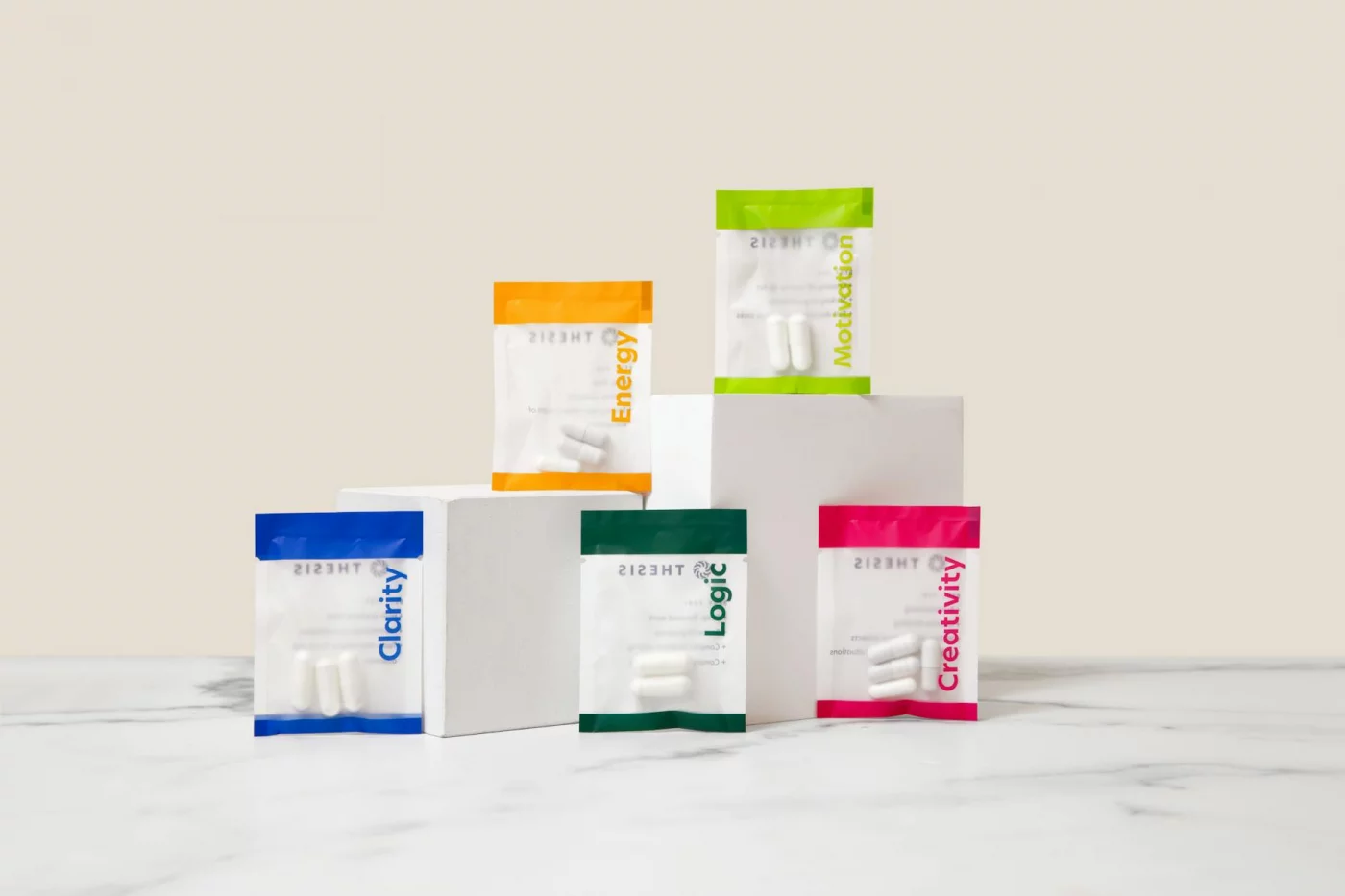
Before you buy anything, fix the obvious performance leaks first: caffeine timing, study method, and sleep pressure. For many students, the best time to drink coffee, learning how to study complex topics efficiently, and using the active recall study method will move grades more than most supplement nootropics.
Best-supported options for healthy adults
If you’re asking “how long do nootropics take to work?”, the best-supported fast option is usually caffeine and L-theanine. Caffeine can improve alertness and reaction time, and L-theanine may make that focus feel smoother rather than jittery. Onset is often 30 to 60 minutes, which is why timing matters more than people think.
Creatine for cognition is different. It’s less about a dramatic same-day focus boost and more about mental fatigue, sleep deprivation, vegetarian diets, and periods of high cognitive demand. Personally, I think this is the part most people get wrong: they expect stimulant-like effects from something that works more gradually.
| Ingredient | Best-supported benefit | Evidence | Typical studied dose | Onset time | Common side effects | Who should avoid it |
|---|---|---|---|---|---|---|
| Caffeine + L-theanine | Alertness, attention, smoother focus | Stronger | ~50-200 mg caffeine + 100-200 mg L-theanine | 30-60 min | Jitters, anxiety, faster heart rate, sleep disruption | People sensitive to caffeine, anxiety-prone users, late-day studiers |
| Creatine | Mental fatigue support, possible help under sleep loss or high demand | Mixed to stronger in specific cases | 3-5 g/day | Days to weeks | Bloating, stomach upset, water retention | People with kidney concerns should ask a clinician first |
| Ashwagandha | Stress support more than direct cognition | Mixed | Often 240-600 mg/day extract | Days to weeks | GI upset, drowsiness, headache | Pregnancy, thyroid issues, people on sedating or other interacting meds |
| Modafinil | Wakefulness | Condition-specific | Prescription use only | 1-3 hours | Headache, insomnia, anxiety, appetite changes | Not for casual use; requires medical oversight |
| Racetams | Claims exceed evidence in healthy adults | Weak to mixed | No standard reliable range across products | Unclear | Headache, agitation, GI issues | Anyone expecting predictable effects or verified product quality |
| Lion’s mane / mushroom blends | Possible mood or nerve-related support; cognition data limited | Weak | Highly variable by extract | Weeks if anything | GI upset, allergy risk | People with mushroom allergies; caution with blends |
Ingredients with mixed, weak, or condition-specific evidence
Ashwagandha stress support has more plausible backing than “instant brain boost” marketing. If your real problem is stress-driven brain fog, that matters. But wait — that doesn’t mean the cognitive effect will be obvious in a healthy, rested student.
Modafinil is in a different category entirely. It has stronger wakefulness evidence than most natural nootropics, but it isn’t equivalent to over-the-counter supplements and it’s not a casual study hack. For a useful overview of the drug class and safety context, see the modafinil overview with medical and pharmacology references.
Racetams and mushroom blends are where hype really outruns evidence. Do any nootropics actually work in these categories for healthy adults? Sometimes maybe, inconsistently, and often with poor product transparency. And proprietary blends make evidence matching difficult because the real dose of each ingredient is often hidden, which makes both benefit estimates and nootropics side effects harder to predict.
📋 Quick Reference
Use the table in this order: evidence strength first, then side effects, then whether the ingredient fits your actual problem.
- Fast onset does not equal better long-term learning.
- “Natural” does not mean low-risk; nootropics side effects can still include anxiety, sleep disruption, GI issues, or drug interactions.
- Healthy adults, sleep-deprived people, and people with diagnosed conditions are not the same use case.
- If the label hides doses in a proprietary blend, assume uncertainty is part of the product.
Quick Reference: how to read the table without getting fooled
So what nootropics actually work often depends on the problem you’re trying to solve. Need short-term alertness? Caffeine plus L-theanine is plausible. Need better memory for exams? A better first move is almost always sleep, retrieval practice, and realistic work blocks — not chasing bigger stacks while ignoring nootropics side effects.
- Stronger = useful evidence in healthy adults for a specific outcome
- Mixed = some positive studies, but inconsistent or small effects
- Weak = limited human data or poor-quality product category
- Condition-specific = may help in medical or sleep-loss contexts, not as a general enhancer
And here’s the kicker — a supplement that makes you feel more “on” for an hour may not improve learning if you’re overstimulated, underslept, or reviewing badly. That’s why nootropics side effects belong in the same decision column as benefits, not buried in fine print.
Next, we’ll break down the ingredients students ask about most — one by one — including expected benefits, timing, and the nootropics side effects that matter in real study situations.
The ingredients students ask about most: benefits, timing, and nootropics side effects
Now we can get more practical. The evidence table gives the big picture, but students usually want specifics: what might help during exam week, what works fast, and which nootropics side effects are mild versus deal-breakers.
Before you buy anything, fix the obvious bottlenecks first: sleep, study method, and timing. If your real problem is poor review structure, study complex topics efficiently will usually move your grades more than another capsule, and getting the best time to drink coffee right can beat taking more caffeine.
Caffeine plus L-theanine and creatine
Caffeine and l theanine is popular for a reason. Caffeine can improve alertness and reaction time quickly, often within 30 to 60 minutes, while L-theanine may take the edge off jitters and help the focus feel smoother rather than buzzy.
For the anxious test taker, that matters. Research on caffeine and L-theanine suggests the combo may support attention better than either alone in some tasks, but nootropics side effects still show up: faster heart rate, shakiness, reflux, headache, and worse sleep if timing is bad.
Who should be careful? Anyone with panic symptoms, uncontrolled blood pressure, significant insomnia, or a habit of taking caffeine late in the day. And if you already have a high tolerance, adding more often gives you more side effects than benefit.
Creatine for cognition is a different story. It does not usually work immediately, so if you’re asking “do nootropics work immediately?” creatine is mostly a no. It builds up over days to weeks, and some evidence suggests it may help more during sleep deprivation, heavy mental demand, or in people with lower baseline creatine intake, such as vegetarian students.
- Caffeine + L-theanine: faster onset, better for acute focus, more obvious nootropics side effects
- Creatine: slower buildup, less “felt” effect, may be more useful in long study blocks or sleep loss
- Racetams: heavily discussed on Reddit, but evidence quality and product reliability are far less reassuring than the hype
Ashwagandha, mushroom blends, and stress-driven brain fog
Ashwagandha stress support is usually about lowering stress perception or helping you feel less frazzled, not turning you into a memory machine. Well, actually, that distinction is the part most people miss. If your concentration drops because you’re tense, underslept, and overloaded, reducing stress may help indirectly.
That makes ashwagandha more relevant for the student with stress-driven brain fog than for the sleep-deprived coder trying to brute-force an all-nighter. It may take days to weeks, not one pre-exam dose, and nootropics side effects can include stomach upset, drowsiness, and possible interactions with medications or thyroid issues. For health questions here, talk to a qualified clinician.
Mushroom blends are trickier. Many “natural nootropics” products combine lion’s mane and other mushrooms with vague proprietary blends, weak standardization, and marketing that outruns the evidence.
So do nootropics help with brain fog? Sometimes a little, but brain fog is often a stress, sleep, or overload problem first. If that sounds familiar, this guide on stress and brain fog facts is a better next step than chasing a five-ingredient stack.
Modafinil, prescription stimulants, and why this is different
Modafinil is not the same category as over-the-counter supplements. Neither are prescription stimulants used for ADHD. They can have real effects, but they also come with legal, ethical, and safety issues that make casual student use a bad comparison with standard supplement discussions.
For a sleep-deprived coding sprint, modafinil may sound tempting because it can promote wakefulness. But wait. That does not mean it safely replaces sleep, and nootropics side effects here can include anxiety, headache, appetite suppression, insomnia, elevated blood pressure, and rare but serious adverse reactions.
And here’s the kicker — if you’re asking whether nootropics actually work for ADHD, the right answer is not “try a stack from Reddit.” ADHD symptoms need proper evaluation, because the treatment question is clinical, not a supplement-shopping problem. Racetams sit in another gray zone: lots of online enthusiasm, much less clarity on quality control, legality, and dependable benefit in healthy students.
Which brings us to the next section: before you think about benefit, you need a clear safety framework for nootropics side effects, interactions, and who should avoid these products entirely.
Nootropics side effects and safety: what students should know first
Now that we’ve covered the ingredients students ask about most, here’s the part that matters first: nootropics side effects are often more predictable than the benefits. And for many students, the real issue isn’t a missing supplement at all — it’s sleep debt, stress, or burnout, which is why these burnout recovery tips may help more than another capsule.

Personally, I think this is the part most people skip. They ask what might boost focus, but not what could disrupt sleep, raise heart rate, worsen anxiety, or interact with meds they already take.
Common side effects by category
The short answer? Nootropics side effects depend heavily on the category, dose, and what you combine them with. That sounds obvious, sure, but side effects and risks change a lot between caffeine, ashwagandha, racetams, and prescription wakefulness drugs.
- Stimulant-like compounds such as caffeine or stronger stimulant-like products can cause jitteriness, elevated heart rate, anxiety, headaches, appetite changes, and insomnia. Research on caffeine is strong, but the dosage range matters a lot; 50–200 mg may feel useful, while higher doses can push some students into shakiness and poor sleep.
- Calming herbs and “stress support” supplements like ashwagandha or L-theanine may cause drowsiness, stomach upset, or dizziness in some people. Product quality can also vary, and herbal compounds may interact with thyroid medication, sedatives, or other drugs.
- Synthetic compounds such as racetams sit in a murkier zone. Evidence is mixed, regulation is inconsistent, and nootropics side effects may be underreported because products differ so much by seller and purity.
- Prescription or wakefulness drugs like modafinil or ADHD medications can have stronger effects and stronger risks. These can include blood pressure changes, anxiety, insomnia, headaches, appetite suppression, dependency concerns, and legal issues if used without a prescription.
Quick sidebar: “natural” doesn’t mean low-risk. Even supplements with modest evidence can create side effects and risks when stacked, taken late in the day, or used during exam periods when you’re already underslept.
Who should avoid nootropics or talk to a clinician first
Are nootropics safe for everyone? No. And this is where a lot of online advice gets sloppy.
You should talk to a clinician, psychiatrist, pharmacist, or registered dietitian before experimenting if you have anxiety, insomnia, cardiovascular issues, are pregnant or breastfeeding, have bipolar symptoms, a seizure history, or take any medication. That includes antidepressants, stimulants, sleep meds, blood pressure meds, anticoagulants, and thyroid medication.
Why so much caution? Because interactions are real. A supplement that seems mild on its own can amplify sedation, raise blood pressure, affect serotonin signaling, or change how another drug feels in practice.
- High-risk groups: students with panic symptoms, frequent palpitations, uncontrolled hypertension, bipolar spectrum symptoms, epilepsy, pregnancy, or complex medication regimens
- Use extra caution if: you’re stacking multiple products, using pre-workout plus caffeine, or taking anything for sleep, mood, or attention
- Get assessed first if you suspect: ADHD, anxiety, depression, or a sleep disorder
Well, actually, that last point matters more than most supplement reviews admit. If you’re searching “do nootropics actually work for ADHD,” what you may need first is a proper assessment, because self-treating attention problems can delay the right support.
From experience: the pattern I see most often
After building study tools and reviewing how students describe their focus problems, I keep seeing the same pattern: they want a pill for a systems problem. Poor sleep, chaotic study blocks, unrealistic workload, and nonstop context switching create symptoms that look like “low dopamine” but often aren’t.
Are nootropics worth it in that situation? Usually less than people hope. The biggest gains tend to come from fixing timing, reducing overload, and using better study methods before adding anything that carries nootropics side effects.
That doesn’t mean every supplement is useless. It means expectations should be realistic: healthy adults may notice small or inconsistent effects, sleep-deprived students may feel short-term stimulation with a performance crash later, and students with an untreated condition deserve proper care instead of guesswork.
Which brings us to the practical question: if you still want to experiment, how do you test one variable at a time and lower the odds of avoidable nootropics side effects? That’s exactly what the next section covers.
How to test a nootropic safely in 6 steps
So you’ve read about nootropics side effects. The next question is practical: if you still want to try one, how do you test it without fooling yourself or creating a bigger problem?
Start small. And be boring about it. Personally, I think that’s the part most people skip when they want a quick boost for studying or focus.
How to run a simple nootropic self-test
- Step 1: Pick one ingredient only.
- Step 2: Define one goal and one main metric.
- Step 3: Record a 3- to 7-day baseline before taking anything.
- Step 4: Track dose, timing, benefits, and side effects daily.
- Step 5: Use clear stop rules before you start.
- Step 6: Don’t keep raising the dose to chase a stronger feeling.
Step 1 to Step 3: choose one ingredient, set a baseline, and track timing
Step 1: Test one ingredient, not a “brain stack.” If you try caffeine, L-theanine, creatine, and an herbal blend at once, you won’t know what helped or what caused the nootropics side effects. Well, actually, you’ll know one thing: your experiment is messy.
Step 2: Pick one goal. Not “be smarter.” Something measurable, like fewer distractions during one 50-minute study block, faster reaction time on a simple app, or lower jitteriness during work. If you’re asking “do nootropics actually help,” this is how you answer it for your real life rather than for Reddit.
Step 3: Get baseline data for 3 to 7 days first. Track the same study session, same time of day, and same task difficulty. Good metrics include:
- Reaction time
- Study duration completed
- Number of distractions
- Perceived focus score from 1 to 10
- Jitteriness score from 1 to 10
- Sleep latency: how long it takes you to fall asleep
- Resting heart rate
Timing matters too. Some compounds act within an hour, while others may need days or weeks. That’s why “how long do nootropics take to work” has no single answer. For caffeine, timing matters enough that adjusting your best time to drink coffee may change focus more than adding a new supplement.
Step 4 to Step 6: monitor benefits, side effects, and stop rules
Step 4: Keep a daily log with dose, time taken, food intake, sleep, and outcomes. This is where you catch both benefits and nootropics side effects instead of relying on vague memory. And yes, memory is terrible at this.
Step 5: Write stop rules before day one. Stop if you get worse anxiety, insomnia, palpitations, headaches, digestive issues, or a clear drop in performance. Also stop if there’s no meaningful benefit after a fair trial window for that ingredient. If you’re discussing prescription drugs, sleep problems, heart symptoms, or mental health conditions, consult a qualified healthcare professional rather than self-experimenting.
Step 6: Don’t escalate the dose just because you don’t “feel” something. Do nootropics work immediately? Sometimes. But a stronger sensation isn’t the same as better cognition. This is where people trade subtle gains for obvious nootropics side effects.
Why Reddit anecdotes and placebo can distort your results
Expectancy bias fools skeptical people too. If a supplement is expensive, branded as “premium,” and hyped as a focus enhancer, you may rate it as more effective even when your actual output doesn’t improve. Thing is, feeling sharper and performing better aren’t always the same.
Controlled studies try to separate real effects from placebo by comparing groups under the same conditions. Anecdotes can still be useful for spotting patterns in nootropics side effects, but they’re weak evidence for benefit because sleep, stress, workload, and motivation change from day to day. The same hype problem shows up in other productivity trends, which is why I’d treat internet claims the way we break down dopamine detox evidence: interesting, but not proof.
If practical, blind your test. Have a friend randomize caffeine timing, or use identical capsules for a simple compound. That won’t make your self-test perfect, but it will make your answer to “do nootropics actually help” much more honest.
Once you’ve got a safe testing method, the bigger question is whether nootropics should be your first move at all. Which brings us to the options that usually matter more for students than another supplement.
Better first moves than nootropics for most students
If you’re thinking about a trial run after the safety steps, pause for a second. For most students, the biggest gains come from fixing the basics first, because nootropics side effects are real while the upside is often modest in healthy adults.
That’s the blunt answer to “are nootropics worth it for students?” Usually, not at first. Personally, I think this is the part most people get wrong: they try to patch bad sleep, scattered study habits, and stress with memory supplements, then blame themselves when focus still feels inconsistent.
A better hierarchy looks like this:
- Sleep quality and a stable sleep window
- Workload design and realistic daily targets
- Study method: active recall, spaced repetition, practice testing
- Exercise, stress control, and fewer digital distractions
- Supplements last, if you still want to experiment
Why this order? Because each layer below supports attention and concentration all day, not just for a few hours. And unlike many stacks, these moves improve learning itself, not only temporary alertness.
Sleep, caffeine timing, and stress control
No supplement fully cancels chronic sleep loss. Research from the CDC and sleep researchers has been consistent on this point: when you’re sleep deprived, reaction time, working memory, and self-control all slide, even if you feel “mostly fine.”
So when people ask how long do nootropics take to work, I usually think they’re asking the wrong question. OK wait, let me back up. If your real problem is 5.5 hours of sleep, late caffeine, and constant background stress, the answer may be that nootropic effects are too small to matter much.
Caffeine timing is a classic hidden variable. Drinking it at 4 p.m. can still interfere with sleep that night, which then makes the next day feel like proof you need stronger help. Before you experiment with supplements, fix the obvious stuff like the best time to drink coffee, because that change alone often beats the benefit students expect from nootropics side effects risk.
Stress matters too. Elevated stress can narrow attention, increase mind-wandering, and make reading feel weirdly slippery. And yes, that can look like a “focus deficiency” when it’s really overloaded physiology.
Study systems that beat supplements over a semester
This is where the long game wins. An alert brain that studies passively still forgets a lot, while a moderately tired brain using strong methods can retain far more.
The big four are simple:
- Active recall instead of rereading
- Spaced repetition instead of cramming
- Deep work blocks instead of constant switching
- Fewer notifications and tabs
For exam prep, that means closing notes and pulling answers from memory. For coding, it means building small projects and debugging from recall instead of watching one more tutorial. For reading-heavy courses, it means turning each section into 3-5 test questions using an active recall study method rather than highlighting everything.
Do nootropics actually help in some cases? Sometimes, a little. But what are nootropics and do they work better than a semester of better retrieval practice and lower context switching? For most healthy adults, no. That’s why nootropics side effects deserve more attention than the marketing usually gives them.
And here’s the kicker — better methods improve retention, transfer, and exam performance. Supplements may change how alert you feel, but they rarely teach your brain how to learn.
Real-World Application: what to try this week instead
Want a fair test before deciding are nootropics worth it for students? Try this for seven days first. It’s boring. It also works better than most people expect.
- Set one sleep window and keep it within 30 minutes every day.
- Move caffeine earlier so it doesn’t sabotage the next night.
- Do two 50-minute study blocks with active recall, not passive review.
- Respect a rough 90-minute focus cycle by taking a real break before your next hard block.
- Put your phone out of reach or in another room while studying.
- Add 20-30 minutes of light exercise, even just brisk walking.
After a week, check your attention and concentration again. Many students find their baseline improves enough that the question shifts from “which stack should I buy?” to “do I even need this?” That’s the right moment to weigh small possible benefits against nootropics side effects.
Mid-article CTA, plain and simple: improve sleep, study systems, and focus habits before experimenting with supplements. If you still test one after that, you’ll be judging it against a cleaner baseline instead of chaos.
Next, I’ll wrap this up with the most common questions and a clear verdict on when nootropics side effects may outweigh the upside.
Frequently Asked Questions
Do nootropic supplements actually work?
Sometimes, but it depends on the ingredient. If you’re asking, do nootropic supplements actually work, the honest answer is that a few ingredients have modest evidence behind them, while many flashy blends are mostly marketing. Sleep quality, dosage, baseline stress, and whether you’re using proven study methods often matter more than the supplement itself — and nootropics side effects can easily outweigh small benefits if you’re taking the wrong product or dose.
Do nootropics actually work for ADHD?
If you’re wondering, do nootropics actually work for adhd, it’s important to separate diagnosed ADHD from everyday distractibility. For suspected or diagnosed ADHD, proper medical evaluation matters far more than supplement marketing, because attention problems can have different causes and nootropics side effects may complicate things or interact with other substances. This is educational, not medical advice, so if focus problems are persistent, talk with a qualified clinician rather than trying to self-treat with a stack.
How long do nootropics take to work?
How long do nootropics take to work depends almost entirely on the ingredient. Fast-acting compounds like caffeine may kick in within 30 to 60 minutes, while others such as creatine or some herbal products may take days or weeks to show any effect, if they help at all. And here’s the part most people miss: noticing a sensation quickly doesn’t cancel out nootropics side effects, which can show up just as fast.
Do nootropics work immediately?
Do nootropics work immediately? Some do, some don’t. The onset depends on what you’re taking and what outcome you’re measuring, because feeling more alert right away is very different from actually improving memory, learning, or long-term focus — and nootropics side effects like jitters, anxiety, or headaches can also appear before any real cognitive benefit does.
Are nootropics safe for healthy adults?
If you’re asking are nootropics safe, the best answer is some are lower risk than others, but none are automatically risk-free. Safety depends on your health status, the dose, possible medication or supplement interactions, and product quality, especially since labeling accuracy can vary in the supplement market. Even for healthy adults, nootropics side effects matter, so it’s smart to check evidence-based sources like the NIH Office of Dietary Supplements and speak with a healthcare professional if you have any medical conditions.
Can nootropics help with dementia?
Can nootropics help with dementia is the wrong question if someone is showing real cognitive decline, because supplements shouldn’t be framed as treatment for dementia. Memory loss, confusion, and changes in thinking need professional evaluation since they can have serious causes, and nootropics side effects may add risk without addressing the underlying problem. This is educational, not medical advice — if dementia is a concern, seek medical care promptly.
Do nootropics get you high?
Do nootropics get you high? Usually, no — most are marketed for focus, alertness, or wakefulness rather than euphoria. But wait: if you’re chasing a strong feeling from a “brain supplement,” that’s a red flag, because misuse risk goes up fast and nootropics side effects become more likely when people keep increasing the dose to feel something.
Are nootropics worth it for students?
If you’re wondering are nootropics worth it, usually only after you’ve fixed the basics: sleep, consistent study blocks, active recall, and distraction control. For many students, the better return comes from smarter caffeine timing, retrieval practice, and fewer context switches, not expensive stacks with unclear evidence and real nootropics side effects. Personally, I’d start with proven systems first — and if you want practical study strategies, read FreeBrain’s guide to active recall before spending money on supplements.
Conclusion
Here’s the practical bottom line: start with the lowest-risk options, not the flashiest ones. For most students, that means fixing sleep, caffeine timing, hydration, and study structure before buying a stack. If you do try something, test one ingredient at a time, use the lowest effective dose, track focus, sleep, and mood for at least a week, and stop if the nootropics side effects outweigh the benefit. And yes, category matters a lot — caffeine has a very different risk profile from prescription stimulants, herbal blends, or “proprietary” formulas with unclear dosing.
If you’ve been feeling behind, tired, or tempted by bold supplement claims, you’re not lazy and you’re not broken. A lot of students look for a shortcut when what they really need is a system that makes learning easier to sustain. Personally, I think this is the part most people miss: the best cognitive boost often comes from better recovery and better study methods, not from chasing stronger compounds and then dealing with more nootropics side effects. Small changes compound fast. One better sleep routine, one smarter study block, one careful decision at a time.
Want a better next step? Explore more evidence-based strategies on FreeBrain.net, especially our guides on how to study effectively and spaced repetition. If this article helped you think more clearly about nootropics side effects, keep going with tools and articles that improve focus and memory without adding unnecessary risk. Build the fundamentals first, test carefully, and make your next move a smart one.