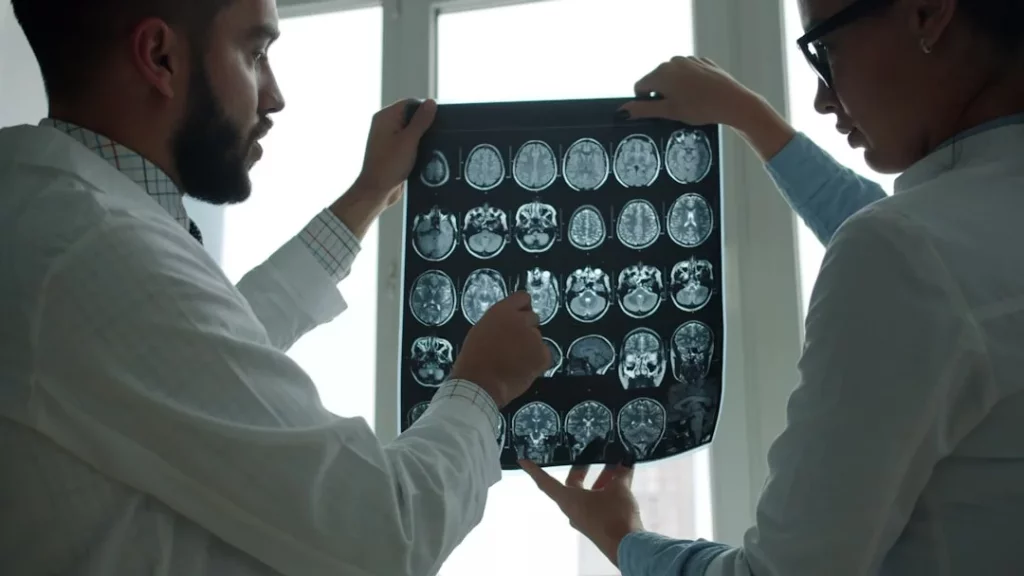

If you’re searching for how to improve cognitive function naturally, start here: most “brain hacks” are oversold, but a small set of habits really does help. The goal isn’t to magically raise your IQ overnight. It’s to improve how your brain works in real life—your memory, focus, processing speed, and decision-making—using methods that match what research from the National Institutes of Health on brain health broadly supports.
You’ve probably felt the problem already. You read the same paragraph three times, forget what you meant to do the moment you switch tabs, or hit that weird afternoon slowdown where your brain feels half a second behind everything. Sound familiar? That’s why learning how to improve cognitive function naturally matters more than chasing trendy “intelligence” shortcuts.
So here’s the deal. This article breaks cognition into the functions that actually affect your day: memory, attention, processing speed, and executive function. You’ll see what tends to help each one, what’s mostly hype, and how to improve cognitive performance in adults and students without turning your life into a full-time optimization project.
You’ll also get a realistic 30-day plan, ways to use simple habit tracking for sleep, exercise, and focus, and practical advice if stress keeps wrecking your concentration. And yes, we’ll cover the messy questions people actually ask—supplements, caffeine, brain games, fasting, music, and whether any of them truly improve cognitive function and memory.
Quick trust note: I’m a software engineer, not a neuroscientist, but I’ve spent years building FreeBrain learning tools, testing these habits in real study and work settings, and grounding recommendations in published research reviewed by our FreeBrain reviewers. This is educational content, not medical advice, so if you’re dealing with major memory changes, attention problems, sleep issues, or mental health symptoms, talk with a qualified clinician.
📑 Table of Contents
- What actually helps fastest
- Match the habit to the skill
- The habits that move the needle
- A 30-day plan that works
- What to avoid and when to get help
- Frequently Asked Questions
- What is the fastest way to improve cognitive function?
- Can cognition really be improved in adults?
- How can I improve my cognitive processing speed?
- Does caffeine improve cognitive performance?
- What supplements improve cognitive performance?
- What are the 7 cognitive skills?
- What are 5 signs of cognitive decline?
- Does fasting or music improve cognitive performance?
- Conclusion
What actually helps fastest
So here’s the direct answer. If you’re wondering how to improve cognitive function naturally, the fastest realistic gains usually come from better sleep, lower stress load, hydration, light-to-moderate exercise, and fewer distractions—not supplements, nootropics, or flashy brain games. Curious about memory and brain health beyond this article? Our memory and brain health guide goes deeper.
This section focuses on day-to-day cognitive performance: memory, attention, processing speed, executive function, and mental clarity. And yes, that’s different from raising IQ. We’re grounding the advice in peer-reviewed research and major health sources such as PubMed and the National Library of Medicine and CDC guidance on healthy sleep habits, with added review support from FreeBrain reviewers.
📋 Quick Reference
Within hours to 3 days: better alertness from sleep recovery, hydration, smarter caffeine timing, and fewer interruptions.
Within 2-6 weeks: better focus, mood, and stress resilience from regular exercise and stress reduction.
Within 1-3 months: stronger memory and mental stamina from consistent routines and targeted practice.
If your memory changes feel persistent, you’re getting confused, your attention is severely impaired, or you suspect depression, anxiety, ADHD, a sleep disorder, or cognitive decline, talk with a qualified healthcare professional. For practical support between appointments, our guides on simple habit tracking can help you measure sleep, exercise, and focus patterns.
The 5 biggest levers
Five things matter most because each one affects a different part of cognitive function. That’s the part most people miss.
- Sleep: supports attention, working memory, and mental clarity.
- Exercise: helps mood, blood flow, and cognitive performance.
- Stress control: protects focus and decision-making under pressure.
- Nutrition and hydration: prevent avoidable drops in energy and concentration.
- Targeted skill practice: improves the specific task you train, not generic “brain power.”
Exercise deserves special attention because even modest aerobic and strength work can help attention and mood over time; if you want the practical version, see our guide to the best exercise for focus.
Days vs weeks vs months
What is the fastest way to improve cognitive function? Usually, fix the obvious bottlenecks first. One good night of sleep can improve attention span the very next day, while aerobic fitness and stress regulation usually need several weeks before processing speed and consistency noticeably improve.
Then the slower gains compound. After 1-3 months, routines start to feel less like effort and more like baseline capacity.
What this guide covers
We’re separating memory, focus, processing speed, working memory, and executive function because they don’t respond equally to the same habit. Personally, I think too much “brain health” advice stays vague, which is why this guide stays practical for students, stressed adults, and self-learners trying to think clearly in real work and study settings.
I’m a software engineer and self-directed learner, and while I’m not a neuroscientist, building FreeBrain tools has made one pattern obvious: can cognition be improved? Yes—but usually by matching the right habit to the right mental skill. Which brings us to that next.
Match the habit to the skill
If you want to know how to improve cognitive function naturally, start here: cognitive function isn’t one thing. Before you try fixes, get clear on what feels off — and if you want a trust check on how we review evidence, see our FreeBrain reviewers page.

Memory, attention, speed, and control
Four domains matter most. Working memory is your ability to hold and use information for a few seconds, like keeping three lecture points in mind while taking notes. Attention is staying on task without drifting. Processing speed is how quickly you read, respond, or switch between simple mental steps. Executive function is planning, resisting distraction, and actually following through.
What does that look like in real life? Students often notice weak working memory as poor memory retention after class. Knowledge workers see attention problems when they reread the same paragraph or check Slack every four minutes. Slow processing speed shows up as sluggish task switching. And poor executive control is when you know what to do but still don’t start deep work.
Research from the National Institute of Mental Health on stress and mental health supports what many people feel day to day: stress can wreck mental clarity and self-control fast. Sleep loss, meanwhile, tends to hit attention and working memory especially hard. If that’s your issue, this guide on how to improve focus under stress is a better starting point than another “brain hack.”
Why generic brain hacks fail
This is the part most people get wrong. A brain game can make you better at that game, but that doesn’t always carry over to exams, writing, coding, or meetings. That gap is the difference between near-transfer and real-world transfer.
Well, actually, some training can help specific skills. But if you’re asking whether can working memory improve, the better question is: improve for what task? Reviews in cognitive training research, including summaries indexed by PubMed’s research database, suggest transfer is often limited unless practice closely matches the real demand.
A quick self-assessment
From building learning and habit tools, I’d say the biggest mistake is trying random fixes when the real bottleneck is obvious sleep debt, overload, or poor study design. So here’s the deal: ask yourself what feels most broken right now — forgetting, drifting, slowing down, or poor follow-through?
- Rate memory, attention, processing speed, and follow-through from 1 to 5.
- Track one output per domain for 7 days.
- Use simple habit tracking to log sleep, exercise, distraction count, recall after reading, or focused work minutes with simple habit tracking.
If you’re wondering how to improve cognitive function naturally, this self-check gives you a target. Which brings us to the habits that actually move the needle.
The habits that move the needle
Once you’ve matched the habit to the skill, the next question is simple: which habits give you the biggest return? If you’re figuring out how to improve cognitive function naturally, start with the boring stuff that actually works.
Sleep and recovery first
Sleep is where learning gets stabilized. Research on REM sleep and memory suggests sleep supports memory consolidation, while even modest sleep restriction can drag down attention, working memory, and reaction time the next day.
So what helps most? A fixed wake time, morning light exposure, a caffeine cutoff 8-10 hours before bed, and protecting the last hour before sleep from intense work and scrolling. For students in exam week, this matters more than one extra late-night review session.
Stress steals mental bandwidth
Chronic stress narrows attention and makes you easier to distract. And yes, this is the part most people miss: when your brain is busy tracking threats, uncertainty, and unfinished tasks, decision quality drops too. If that’s your pattern, this guide on improving focus under stress can help.
- Take a 1-minute slow-breathing break
- Walk for 5-10 minutes
- Turn off nonessential notifications
- Write down the next physical action for each open loop
Food, hydration, and movement
Nutrition doesn’t need to be fancy. If blood sugar swings wreck your focus, regular meals with protein, fiber, and enough fluids often help more than supplements; the CDC’s adult activity guidance also supports pairing diet with movement for brain health.
For mentally demanding jobs, avoid heavy lunches before deep work. For most people, aerobic exercise is the best-supported habit for mood, attention, and long-term brain health, while strength training supports overall health and may help executive function. Public-health guidance points to 150 minutes of moderate activity weekly plus 2 strength sessions, and the best exercise for focus depends on your goal: cardio for alertness, lifting for resilience, movement breaks for immediate wake-up effects. Evidence reviewed by the National Academies report on sleep and performance also reinforces how tightly these basics interact.
That’s really how to improve cognitive function naturally: better sleep quality, lower stress load, steadier fuel, and consistent movement. Next, let’s turn those foundations into a 30-day plan you can actually stick to.
A 30-day plan that works
Habits matter, but systems stick. If you want to know how to improve cognitive function naturally, use a 30-day plan with one target, a few measurable actions, and weekly upgrades.
Research on exercise, sleep, and stress from the National Institutes of Health points in the same direction: consistency beats intensity. So here’s the practical version.
Step 1: Find your bottleneck
Pick one primary goal for the next 30 days: memory, attention, processing speed, or executive control. This is the part most people get wrong—they try to improve every cognitive skill at once.
- Memory: track recall accuracy after 10 minutes
- Attention: track uninterrupted focus minutes
- Speed: track timed reading pace or simple reaction time
- Executive control: track planned tasks completed
Step 2: Build the daily checklist
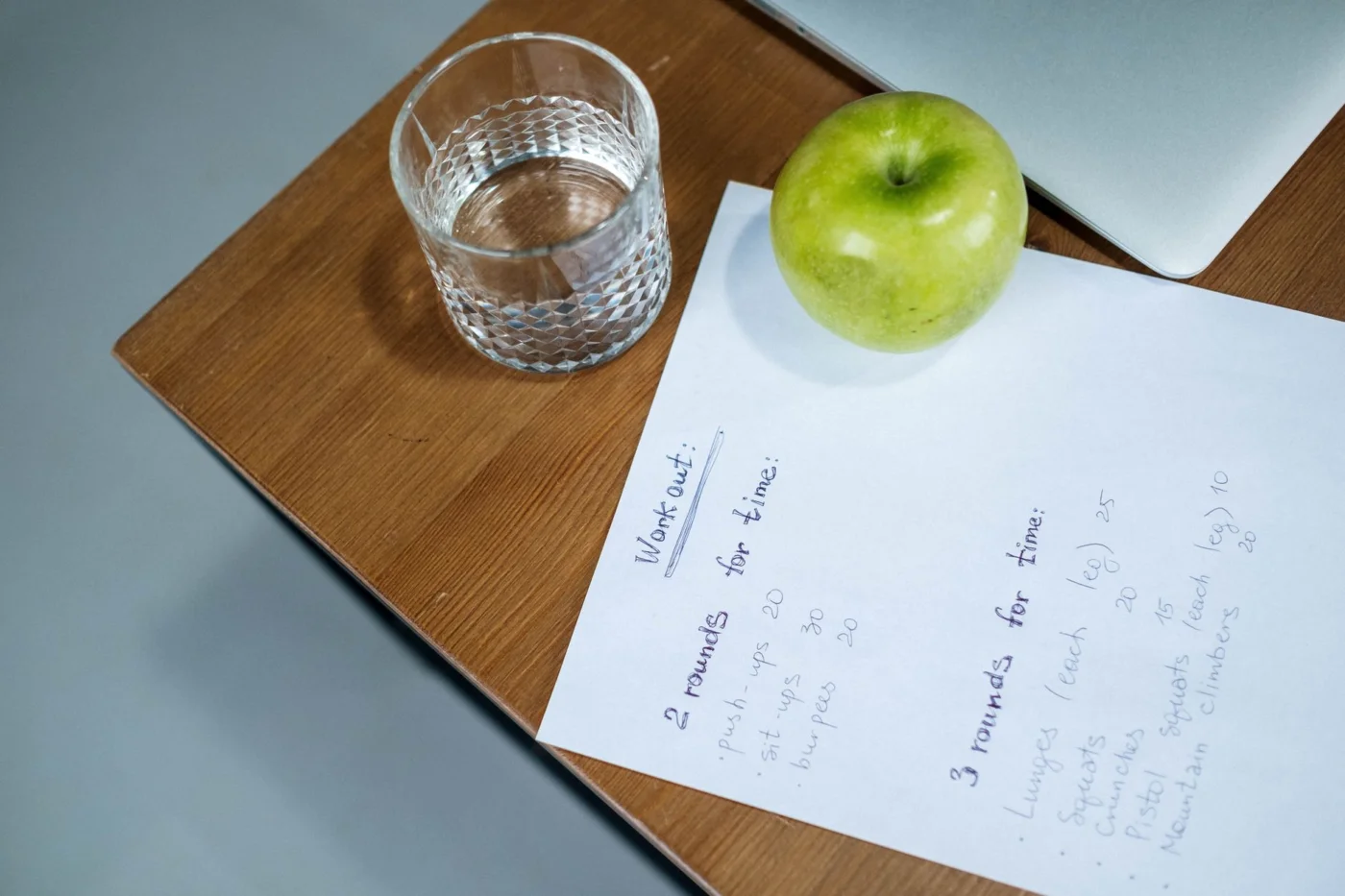
Keep it short enough to win daily. Use simple habit tracking and log these six items for 30 days:
- Sleep: 7-9 hours, same wake time
- Hydration: start the day with water
- Stress reset: 1-3 minutes
- Focused work: 25-45 minutes
- Exercise: 20-30 minutes; see our guide to the best exercise for focus
- Reading retention and mood/energy: score each from 1-10
Week 1 builds foundations. Week 2 adds one targeted practice. Week 3 increases deep-work consistency, improves meal timing, and reviews metrics. Week 4 transfers the routine into real study sessions, meetings, writing, coding, or exam prep.
Step 3: Adapt it to real life
If you’re a student, anchor the plan to classes and study blocks; that’s one of the simplest ways to improve cognitive skills in students. If you’re a stressed adult or shift worker, shorten movement breaks to 5 minutes and lock down notifications harder.
Miss three days? OK wait, let me back up. Don’t restart from zero—restart from the smallest repeatable version: sleep target, one focus block, one stress reset. That’s also how to improve cognitive performance in adults when life gets messy. Next, let’s cover what to avoid and when getting help makes sense.
What to avoid and when to get help
If the 30-day plan gave you traction, protect it from shiny distractions. A big part of learning how to improve cognitive function naturally is knowing which tools help a little, which mostly help marketing, and when symptoms need real evaluation.
What has some evidence
Caffeine can improve alertness and reduce perceived fatigue, so yes, does caffeine improve cognitive performance? Sometimes. But wait — it doesn’t replace sleep, and in some people it worsens anxiety, jitters, heart palpitations, or sleep quality, which can cancel out any short-term benefit.
For supplements, the evidence is narrower than ads suggest. Omega-3 may help some people, especially if dietary intake is low, and creatine has plausible benefits for demanding mental tasks, sleep loss, or vegetarian diets, but effects are usually modest and context-dependent. If you want a practical breakdown of which nootropics actually work, start there before buying a stack.
- Best first lever for most adults: sleep, exercise, stress control, and regular meals
- Healthy eating patterns matter more than one “brain pill”
- If pregnant, on medication, or managing a condition, talk to a clinician before trying supplements
What gets overhyped
The best apps to improve cognitive function and best games to improve cognitive function often improve performance on the trained task itself. The harder question is transfer: do you remember more in class, focus longer at work, or make better decisions? Often, gains there are limited.
Random nootropic stacks are similar. Fasting claims and “study music hacks” are mixed and highly individual; some people feel sharper, others get distracted, irritable, or underfueled. So if you’re asking how to improve cognitive function naturally in adults, improve the system first, not one isolated trick.
When to talk to a clinician
- Persistent memory changes or confusion
- Major mood changes, depression, or anxiety
- Severe inattention or ADHD concerns
- Suspected sleep disorder, like sleep apnea
- Signs of possible cognitive decline affecting daily life
That’s especially true if symptoms are new, worsening, or affecting work, study, driving, or relationships. Next, let’s answer the most common questions and wrap this up clearly.
Frequently Asked Questions
What is the fastest way to improve cognitive function?
If you’re asking what is the fastest way to improve cognitive function, the biggest short-term wins usually come from fixing the basics first: sleep recovery, hydration, light movement, fewer distractions, and lower stress. A 10- to 20-minute walk, one solid night of catch-up sleep, and a focused work block without constant notifications can improve mental clarity faster than most “brain hacks.” Caffeine may boost alertness for a few hours, but it won’t repair sleep debt, mental overload, or poor study habits. If you’re working on how to improve cognitive function naturally, start with recovery before stimulation.
Can cognition really be improved in adults?
Yes — if you’re wondering how to improve cognitive performance in adults, the answer is that adults can absolutely improve attention, memory efficiency, and day-to-day mental sharpness. But wait, the biggest gains usually don’t come from fancy tricks; they come from better sleep, regular exercise, stress control, and repeated practice on the kinds of tasks you actually care about. Personally, I think this is the part most people get wrong: they chase quick fixes instead of building routines that support better thinking every day.
How can I improve my cognitive processing speed?
If you’re asking how can i improve my cognitive processing speed, start by reducing the things that commonly slow it down: poor sleep, fatigue, stress, and too much task-switching. Then add simple drills that lower friction, like timed reading, short reaction-time tasks, movement breaks every 30 to 60 minutes, and cleaner workflows with fewer open tabs and decisions. And here’s the kicker — “slow thinking” is often a recovery problem before it’s a training problem. For a broader framework on how to improve cognitive function naturally, build speed on top of rest, not on top of exhaustion.
Does caffeine improve cognitive performance?
Does caffeine improve cognitive performance? In the short term, yes — it can improve alertness, vigilance, and perceived energy, especially when you’re mildly tired. But it can also raise anxiety, make you jittery, and interfere with sleep later, which can backfire the next day. So here’s the deal: caffeine works best as a small tool, not as a substitute for recovery, focus habits, or decent sleep timing.
What supplements improve cognitive performance?
If you’re wondering what supplements improve cognitive performance, a few options like omega-3s and creatine may help in some situations, but the effects are usually modest and not universal. Research on supplements is mixed, and results depend on your diet, sleep, training, and overall health. Three things matter most first: sleep, exercise, and nutrition basics. If you’re considering supplements, it’s smart to review the evidence from sources like the NIH Office of Dietary Supplements and check with a qualified healthcare provider when needed.
What are the 7 cognitive skills?
The most commonly discussed cognitive skills are attention, working memory, long-term memory, processing speed, executive function, language, and visuospatial skills. For most students and self-learners, though, the practical targets are simpler: attention, memory, processing speed, and executive control because those affect studying, problem-solving, and daily work the most. OK wait, let me back up — you don’t need to train every skill equally. You need to identify which one is actually limiting your performance right now.
What are 5 signs of cognitive decline?
Possible signs of cognitive decline include persistent memory loss, confusion, trouble following familiar tasks, language problems, and noticeable changes in judgment or daily functioning. The key word here is persistent — not just “I had a distracted week” or “I forgot one name.” This content is educational, not medical advice, and symptoms like these should be evaluated by a qualified clinician rather than self-diagnosed. For a general overview, see the National Institute on Aging.
Does fasting or music improve cognitive performance?
Does fasting improve cognitive performance? Maybe for some people, but the evidence is mixed, and the same goes for music. Some people feel more alert with fasting or focus better with instrumental music, while others get distracted, anxious, or simply underfueled. Which brings us to the real test: does it improve your actual reading, recall, writing, or problem-solving results? If not, it’s probably more of a productivity ritual than a reliable method for how to improve cognitive function naturally.
Conclusion
If you want a real answer to how to improve cognitive function naturally, keep it simple and consistent. Start with the habits that work fastest: protect your sleep, move your body most days, eat in a way that keeps your energy stable, and use focused study or work blocks with real breaks. Then match the habit to the skill you want most — aerobic exercise and sleep for attention, retrieval practice for memory, and stress reduction for clearer thinking under pressure. And yes, the 30-day plan matters because small daily wins beat occasional “perfect” days every time.
Personally, I think this is the part most people underestimate: you do not need a dramatic life overhaul to think better. You need a few reliable habits repeated long enough for your brain to trust the pattern. If your focus has felt scattered or your memory has felt off, that doesn’t mean you’ve failed. It usually means your system needs support. Start with one change today, stack a second next week, and let the momentum build.
Want help turning this into something you’ll actually follow? Explore more practical guides on FreeBrain, including how to focus better while studying and our spaced repetition guide. If you’re still wondering how to improve cognitive function naturally, the next step isn’t more reading — it’s picking one habit, tracking it, and starting now.