
If you’re asking what is motor learning theory, the practical answer is this: it’s the science of how your brain and body turn awkward practice into smoother, more reliable skill. But here’s the problem — many people practice more without improving because they confuse temporary performance with lasting learning.
You know the pattern. Your tennis serve looks better during the lesson, your handwriting improves while the therapist is watching, or your dance sequence works after ten blocked repetitions… then falls apart tomorrow. So here’s the deal: understanding what is motor learning theory helps you stop chasing “good reps” and start designing practice that actually transfers, whether you’re working on fine and gross motor skills, sport movement, balance, typing, rehab drills, or physical education tasks. For a broad research definition, motor learning is commonly described as relatively permanent changes in movement capability produced by practice or experience.
By the end, you’ll be able to spot your current motor learning stage, pick the right amount of feedback, move from blocked practice to variable practice at the right time, and protect consolidation with rest and sleep. You’ll also get a simple FreeBrain-style practice loop: make the error visible, change one variable, test under realistic conditions, then log what transferred — ideally somewhere you can track your practice habits instead of relying on memory.
Personally, I think motor learning makes the most sense when you treat it like debugging code. I’m a software engineer and self-taught learner, not a neuroscientist, but building interactive learning tools has made one pattern obvious: better practice usually comes from better feedback loops, not just more effort.
Table of Contents
- Why practice doesn’t always stick
- What is motor learning theory?
- The 3 stages and brain systems
- Use the FreeBrain practice loop
- Mistakes, examples, and quick reference
- Frequently Asked Questions
- What is motor learning theory?
- What is motor learning theory in simple terms?
- What are the 3 stages of motor learning?
- Which brain regions are involved in motor learning?
- What is the difference between motor learning and motor control?
- How does sleep improve motor skill learning?
- What are implicit and explicit motor learning examples?
- How is motor learning used in occupational therapy and physical therapy?
- Conclusion: Practice Better, Not Just Longer
Why practice doesn’t always stick
You can repeat a skill 100 times, feel sharper by the end, then wake up tomorrow like your brain deleted the file. That’s the frustrating gap we need to solve before asking, “what is motor learning theory?” For more on learning and study skills, see our learning and study skills guide.
So here’s the deal. Performance during practice isn’t the same as lasting learning, because motor skill acquisition depends on a loop: attempt, feedback, error correction, rest, retest, and transfer. As a software engineer building learning tools, I think of practice like debugging code — make the error visible, change one variable, test again, then log what actually transfers.
That applies whether you’re working on typing, handwriting, throwing, balance, or other fine and gross motor skills. The brain doesn’t just “record” repetitions; it updates predictions, movement plans, and timing through feedback and neuroplastic change, which the NCBI Bookshelf overview of neuroplasticity explains as the nervous system’s ability to adapt structurally and functionally.
The real goal: retention and transfer
Retention means you can perform later, not just during the session. Transfer means you can use the skill in a new or realistic context — like playing a piano scale inside a song instead of only drilling it alone.
This is the part most people get wrong. A basketball player might make 20 free throws in a row during calm blocked practice, then miss when tired, rushed, or distracted by crowd noise. Did they improve? Maybe. Did skill consolidation hold under pressure? That’s the better test.
A simple practice loop looks like this:
- Attempt: perform the movement with a clear target.
- Feedback: notice the result, coach cue, video, or body signal.
- Error correction: change one variable, not five.
- Rest and retest: check whether the skill survives time.
- Transfer: try it in a realistic context.
If that sounds like a dashboard problem, it is. You can build a study dashboard for movement practice the same way you’d track what to review next: what failed, what changed, and what needs retesting.
How to use this guide safely
Quick sidebar: this section is practice-planning education, not medical advice. Examples from occupational therapy, physical therapy, sports training, music practice, and rehabilitation are categories for learning — not prescriptions.
If you’re recovering from injury, stroke, chronic pain, neurological disease, or disability, work with a licensed clinician. Clinicians personalize practice based on diagnosis, safety, pain, fatigue, and function, especially when applying motor learning theory in occupational therapy or discussing stages of motor learning in rehabilitation.
For a professional anchor, the APA Dictionary of Psychology: Motor Learning defines the term around changes in motor behavior through practice and experience. Plain-English version? How does the brain learn motor skills? It compares what you tried to do with what happened, then updates the next attempt.
Track practice instead of guessing
Don’t trust vibes. Track repetitions, errors, feedback received, sleep quality, and a next-day transfer test before changing your whole routine.
Personally, I’d start small: log one skill for seven days and look for patterns. You can track your practice habits with a simple habit tracker or spreadsheet before adding fancy drills.
By the end of this guide, you’ll be able to identify your learning stage, choose feedback frequency, move from blocked to variable practice, and protect consolidation with sleep. Which brings us to the core question next: what motor learning theory actually says about how practice becomes skill.
What is motor learning theory?
If practice didn’t stick, the issue usually isn’t effort alone. Motor learning theory explains how people acquire, refine, retain, and transfer movement skills through practice, feedback, adaptation, and consolidation.
That applies to tiny movements like typing, handwriting, and piano, plus bigger skills like throwing, walking, lifting, and balance; if you’re sorting examples, this breakdown of fine and gross motor skills helps. So here’s the deal: log repetitions, errors, sleep, and transfer tests the same way you’d track your practice habits, because motor skill progress is easier to improve when you can see the pattern.
A plain-English definition
What is motor learning theory in simple terms? It’s the science of how practice changes your future movement ability, not just your current performance.
Take typing. You don’t only memorize where the keys are; your fingers become faster and more accurate because each attempt produces sensorimotor feedback, your brain detects small errors, and the next attempt gets adjusted.
This is the part most people get wrong: errors aren’t proof you’re failing. They’re information. Wulf, Shea, and Lewthwaite discuss how practice conditions and feedback shape skill performance in Motor Skill Learning and Performance.
A practical analogy: don’t rely on memory to know what to practice next; build a study dashboard mindset for movement too. Track what breaks, what improves, and what transfers to real conditions.
Motor learning vs motor control
Motor learning vs motor control is simple once you separate “now” from “later.” Motor control is how your nervous system organizes a movement right now; motor learning is how practice changes what you can do next week.
- Motor control: controlling your hand during one tennis serve.
- Motor learning: improving that serve across weeks of practice.
- Why it matters: a coach can fix today’s motion, but practice design decides whether it sticks tomorrow.
Well, actually, this is why random repetition can feel productive but produce weak transfer. The nervous system needs useful feedback, varied attempts, and enough recovery for consolidation.
The brain systems doing the work
Here’s motor learning theory explained through the brain systems: motor cortex and premotor areas help plan and refine movement, the basal ganglia help select and reinforce actions, and the cerebellum helps update timing and error correction.
Key terms sound technical, but they’re manageable. Procedural memory means “knowing how,” visuomotor adaptation means adjusting movement based on what you see, error-based learning means using mistakes to recalibrate, and reinforcement learning means actions are shaped by outcomes; Dayan and Cohen review these neuroplastic changes in Neuroplasticity Subserving Motor Skill Learning.
A useful flow diagram after this section would be: practice input → movement attempt → sensory feedback → error correction → consolidation → next attempt. Which brings us to the next piece: the stages and brain systems that make that loop work.
The 3 stages and brain systems
So here’s the deal: once you know what is motor learning theory, the useful question becomes, “Where am I in the skill curve, and what should practice look like now?” Whether you’re training handwriting, sprint mechanics, piano, balance, or rehab movements, you’ll improve faster if you track your practice habits instead of guessing from memory.
| Stage | Main goal | Best practice type | Feedback frequency | Brain demands | Example |
|---|---|---|---|---|---|
| Cognitive | Understand the task | Short, blocked, slow practice | Frequent and immediate | High attention, working memory, premotor planning | New pianist names finger numbers during a C major scale |
| Associative | Reduce errors | Repetition with controlled variation | Faded over time | Cerebellum, basal ganglia, sensorimotor correction | Basketball player adjusts shot arc after misses |
| Autonomous | Transfer under pressure | Random, realistic, pressure-tested practice | Selective and delayed | Procedural memory, motor cortex efficiency, context control | Surgeon, athlete, or musician performs while distracted |
The main brain regions involved in motor learning include the primary motor cortex, premotor cortex, supplementary motor area, basal ganglia, cerebellum, and sensorimotor feedback loops. Simple version? The cortex helps plan and send movement commands, the cerebellum helps detect and correct errors, and the basal ganglia help reinforce useful action patterns.
Cognitive: understand the task
Beginners need clarity. This motor learning stage is attention-heavy, instruction-heavy, and error-heavy, which is why too many cues can overload attention and working memory fast.
A new pianist practicing C major might go slowly, name finger numbers, and watch hand position. That’s explicit motor learning: useful early, but mentally expensive.
Associative: reduce errors
Now the learner knows the goal but still needs reps. Thing is, feedback should fade, or the learner can become dependent on a coach, mirror, app, metronome, or therapist.
- Knowledge of results: what happened — the ball missed left.
- Knowledge of performance: how it happened — the wrist collapsed early.
Personally, I think this is where practice logs shine, almost like when you build a study dashboard to decide what needs work next.
Autonomous: perform under pressure
Advanced performers need realism. Less conscious control usually means smoother execution, more attention for the environment, and better transfer to actual performance.
Use random practice, fatigue-aware sets, time pressure, changing environments, and realistic tests. But wait: too many explicit cues can backfire here, because skilled movement often depends on procedural memory running without micromanagement.
Sleep helps stabilize the skill
Practice changes the system, but rest helps stabilize it. Consolidation means your nervous system keeps processing the skill after practice ends, and evidence supports sleep as one factor in that process.
Walker and colleagues described this in Practice with Sleep Makes Perfect, and Harvard Sleep Medicine gives a helpful plain-English overview of Sleep, Learning, and Memory. If you want the deeper sleep angle, connect this with REM sleep and memory.

Which brings us to the practical part: turning these stages into a simple FreeBrain practice loop you can actually use this week.
Use the FreeBrain practice loop
Now that you know the stages and brain systems, here’s the practical answer to what is motor learning theory: it’s a way to design practice so the brain keeps useful changes, not just “does reps.” Think of it like choosing what to practice next in a dashboard; you can build a study dashboard for skills too, then track your practice habits with reps, errors, sleep, and retests.
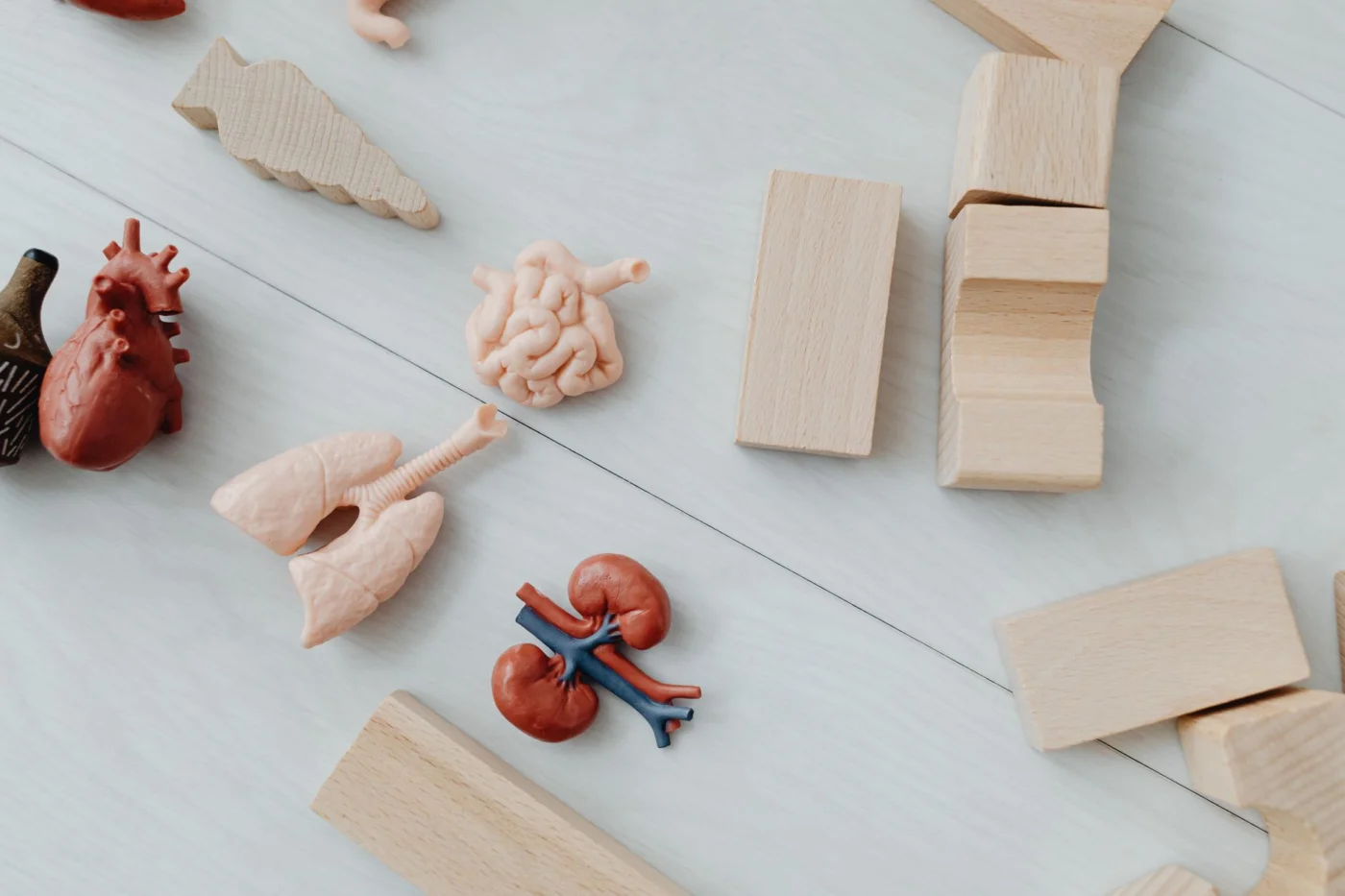
How to run the FreeBrain practice loop
-
Step 1: define the target
Pick one movement and one success signal. For typing, that might be “type for 60 seconds with fewer than three errors”; for a free throw, it might be “same routine, balanced finish, ball on line.” Vague goals like “get better at piano” hide the error, which makes motor learning exercises messy.
- Target movement
- Main error
- Transfer test
-
Step 2: block, then vary
Start with blocked practice: same movement, same conditions, short rounds. But wait. Once you can describe the target and spot the main error, add practice variability by changing speed, rhythm, distance, surface, or context.
Then use random practice: mix related skills, like free throws, mid-range shots, and layups. This is the part most people get wrong — blocked practice feels better today, but variable practice often wins for retention and transfer.
-
Step 3: use feedback wisely
Use immediate feedback when you truly don’t know what happened. Then fade it: predict the result first, compare with outside feedback second.
Knowledge of results means outcome feedback: “you typed 54 words with six errors.” Knowledge of performance means movement quality: “your wrist collapsed before release.” In rehab or physical therapy, these are common practice categories, but follow clinician guidance; don’t self-prescribe treatment.
-
Step 4: retest after rest
Don’t cram every repetition into one tired session. Space practice, sleep, then run a next-day retention test without warm-up if safe and appropriate.
Your transfer test should be more real: type actual notes, not only isolated drills. For the consolidation background, read FreeBrain’s guide to REM sleep and memory; for a broader technical overview, see the motor learning overview on Wikipedia.
So here’s the deal: create a one-week plan with this checklist, log each session, and retest after rest. That will make the next section — mistakes, examples, and quick reference — much easier to use.
Mistakes, examples, and quick reference
Now that you’ve got the FreeBrain practice loop, here’s the part that keeps it honest: don’t confuse “I did well today” with “I actually learned it.” That’s the simplest answer to what is motor learning theory in practice.
Common mistakes to avoid
- Chasing practice scores: A good typing test, piano run, or basketball free throw session means less if retention and transfer disappear tomorrow.
- Using constant feedback too long: High feedback frequency can help early, but it can also make you dependent on cues.
- Staying in blocked practice: Once the basic movement is understood, mix contexts: different paragraphs, songs, court spots, handwriting tasks, or gait surfaces.
- Changing five variables: If speed, posture, grip, target, and feedback all change at once, the useful error signal gets messy.
- Ignoring safety: For pain, injury, neurological symptoms, disability, or post-stroke recovery, work with an occupational therapist, physical therapist, physician, or qualified clinician.
From Experience: debug the skill
From tool-building work, better practice loops look a lot like good debugging loops. Observe the error, change one variable, test under realistic conditions, then log what transferred; you can track your practice habits with repetitions, errors, sleep, and transfer tests.
Example: for typing accuracy, run a one-minute test, slow down or adjust hand position, then retest with a real paragraph. Same logic fits piano, free throws, handwriting, gait practice, daily living tasks, occupational therapy, physical therapy, and motor learning in physical education.
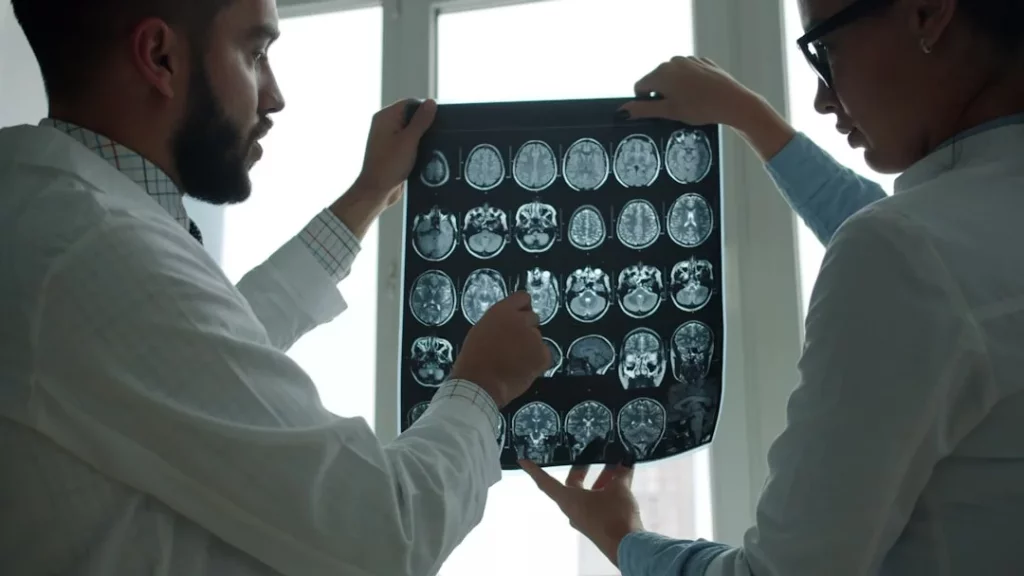
Quick research note: from 2022–2026, check new claims around visuomotor adaptation, error-based learning, reinforcement learning, variability, sleep, and neuroplasticity against the actual papers, not just brain-scan images. PubMed is useful for this kind of verification, especially searches on visuomotor adaptation and motor learning. Brain activity matters, but it doesn’t create one universal practice recipe.
Quick Reference
Quick reference checklist
- Cognitive stage: use simple blocked practice, clear cues, and more frequent feedback.
- Associative stage: reduce errors, fade feedback, and add controlled variation.
- Autonomous stage: use random practice, pressure, realistic context, and transfer tests.
- Checklist: identify your stage, choose one target, pick feedback type, add variation, sleep, then retest transfer.
So, what is motor learning theory useful for? It gives students, coaches, therapists, and clinicians a practical way to turn movement errors into better future performance. Speaking of which — let’s answer the common questions next.
Frequently Asked Questions
What is motor learning theory? – practical framework
What is motor learning theory? It’s the framework for understanding how people acquire, refine, retain, and transfer movement skills through practice, feedback, adaptation, and consolidation. The part most people miss is this: looking better during one practice session doesn’t always mean you’ve learned the skill long-term, because true learning shows up later when you can repeat the movement under new or realistic conditions.
What is motor learning theory in simple terms?
What is motor learning theory in simple terms? It’s the science of how your brain and body get better at movements after repeated attempts and useful feedback. Think of learning to type faster, shoot a free throw, play piano, walk more smoothly after injury, or improve handwriting — each one improves because your nervous system keeps adjusting the movement based on results.
What are the 3 stages of motor learning?
What are the 3 stages of motor learning? The common model breaks them into cognitive, associative, and autonomous stages. In the cognitive stage, you think hard about what to do; in the associative stage, you reduce errors and smooth out the skill; in the autonomous stage, the movement becomes more automatic and easier to perform under realistic pressure.
Which brain regions are involved in motor learning?
If you’re asking which brain regions control motor learning, the honest answer is: it’s a network, not one magic “movement center.” Key areas include the primary motor cortex, premotor cortex, supplementary motor area, basal ganglia, cerebellum, and sensory feedback systems that help compare what you intended to do with what actually happened. For a deeper neuroscience overview, the NCBI Bookshelf overview of motor systems is a useful starting point.
What is the difference between motor learning and motor control?
The difference between motor learning and motor control is mostly about time. Motor control is how your nervous system organizes a movement right now — for example, balancing, reaching, gripping, or stepping. Motor learning is how practice changes your ability to perform that movement later, especially when the task, environment, speed, or pressure changes.
How does sleep improve motor skill learning?
How does sleep improve motor skill learning? Research suggests sleep supports memory consolidation, including some forms of motor sequence learning, which means the skill may keep stabilizing after practice ends. That’s why a next-day retest can tell you more than a same-session improvement: did the movement stick, or did you only get temporarily warmed up?
What are implicit and explicit motor learning examples?
Implicit and explicit motor learning examples are easiest to see in coaching. Explicit learning uses conscious rules like “keep your wrist straight,” “bend your knees,” or “use finger 3 on this note.” Implicit learning relies more on feel, rhythm, analogy, constraints, and repeated exposure — for example, “swing like you’re brushing the ground” — which can sometimes help skilled movement hold up better under pressure.
How is motor learning used in occupational therapy and physical therapy?
Motor learning principles for occupational therapy and physical therapy often include task-specific practice, repetition, feedback, variation, and transfer to real daily activities. For example, a clinician might help someone practice reaching, walking, dressing, writing, or gripping in ways that gradually become more realistic. Because rehabilitation depends on diagnosis, safety, pain, fatigue, and function, work with a licensed occupational therapist, physical therapist, or qualified healthcare professional for personal guidance.
Conclusion: Practice Better, Not Just Longer
If you remember one thing, make it this: better practice is designed practice. Motor skills stick when you break the movement into clear parts, get useful feedback, vary the context, and repeat with enough spacing for your brain to update the pattern. That’s the practical answer to what is motor learning theory: it’s a way to understand how your nervous system turns awkward effort into smoother, more automatic action. So don’t just “do more reps.” Choose the target, notice the error, adjust one variable, then repeat.
And yes, this takes patience. Early practice can feel messy because your brain is still building the map, not because you’re bad at the skill. Personally, I think this is the part most learners underestimate: improvement often looks like confusion before it looks like control. If you keep your sessions focused and small enough to learn from, you give yourself a much better chance of making progress that actually lasts.
Want to keep improving how you learn? Explore more practical learning systems on FreeBrain.net, especially our guides on spaced repetition and active recall. Start with one skill today, run one focused practice loop, and make your next rep smarter than your last.