A lifelong learning plan is a simple, repeatable way to keep growing through reading, local classes, hands-on hobbies, discussion groups, or free online courses for seniors. If you want brain-healthy structure without turning your life into a full-time tech project, you’re in the right place. And yes, free online courses for seniors can be part of that plan, but they’re only one option.
Maybe you’ve thought, “I want to keep my mind active after retirement, but where do I even start?” Or maybe you’ve tried a class, forgot about it a week later, and wondered if the problem was motivation. Thing is, the problem usually isn’t motivation. It’s that most people never get a clear, low-friction system for lifelong learning for seniors that actually fits real life.
This article will help you build that system. You’ll learn how to create a lifelong learning plan for older adults, how to choose a new skill that feels meaningful, and how to build a weekly schedule that doesn’t feel rigid or exhausting. We’ll also cover low-tech and local options for people who prefer paper, libraries, community centers, and senior education programs over screens.
And here’s the bigger reason this matters: research suggests staying mentally and socially engaged supports healthier aging, with guidance from the National Institute on Aging on cognitive health and older adults pointing to learning, activity, and connection as part of the picture. Personally, I think this is the part most articles miss. I’m a software engineer and self-taught learner who builds FreeBrain tools and tests learning methods, but this guide is focused on practical, low-friction options first — whether that means online learning for older adults, a notebook at the kitchen table, or a class down the street.
📑 Table of Contents
- Start With a Simple Learning Plan
- How to Build a Plan That Sticks
- Best Free Online Courses for Seniors
- Frequently Asked Questions
- Why is lifelong learning important for seniors?
- Is 70 too old to get a degree?
- What should a 70 year old be doing every day at home?
- What are examples of lifelong learning goals for older adults?
- How can seniors start learning something new if they do not like technology?
- How do I find continuing education for seniors near me?
- Conclusion
Start With a Simple Learning Plan
If the introduction got you thinking, good. Now turn that interest into something you can actually do next week.

A lifelong learning plan is a simple, repeatable system older adults can use to keep learning through reading, classes, hobbies, discussion groups, or online lessons. That includes retirees, caregivers, and family members looking for mentally active routines without assuming strong tech skills, perfect health, or lots of free time. If you’re exploring free online courses for seniors, start small: pick one topic, one format, one weekly time slot, one support person, and one review point after two weeks. As a software engineer and self-taught learner who built FreeBrain tools, I focus on low-friction systems, not pushing technology. If you need help narrowing your topic, start by using this guide to choose a new skill.
Research from the National Institute on Aging on cognitive health and older adults suggests mentally stimulating and socially engaging routines are linked with healthier aging. But wait: learning plans don’t diagnose, prevent, or treat cognitive disorders.
What a lifelong learning plan really is
So what is a lifelong learning plan for older adults? It’s not “I should keep my brain active someday.” It’s a short plan with a goal, an interest, a schedule, a budget, mobility limits, and your level of tech comfort.
- Goal: learn beginner Spanish or digital basics
- Interest: art history, gardening, memoir writing, local history
- Format: book club, workbook, class, video, radio lecture
- Schedule: 30 minutes twice a week
What makes it realistic if you dislike tech
Low-tech counts fully. Library talks, printed workbooks, museum programs, community classes, book clubs, and hands-on hobbies all work. And yes, free online courses for seniors can help too, but only if they match your energy, hearing, transportation, cost, and password tolerance.
A homebound learner might use mailed materials and phone-based discussion. A caregiver-supported learner may need one bookmarked class and one helper. A social learner may do better with nearby senior education programs, while a budget-conscious learner can build a weekly schedule around free library events and community college lectures.
Why learning supports healthy aging
Personally, I think this matters because learning is one of the few habits that can stay flexible as life changes. The CDC’s healthy aging resources and NIA both point in the same direction: cognitive stimulation, social engagement, and physical activity are associated with healthier aging. If your goal is to improve memory and concentration, keep expectations realistic and educational.
No course or routine replaces medical evaluation for memory loss, depression, sleep problems, or loss of daily function. Which brings us to the next question: how do you build a plan that actually sticks?
How to Build a Plan That Sticks
A simple plan is a good start. Now you need one you can actually follow, especially if you’re exploring free online courses for seniors and don’t want your week to feel overloaded.
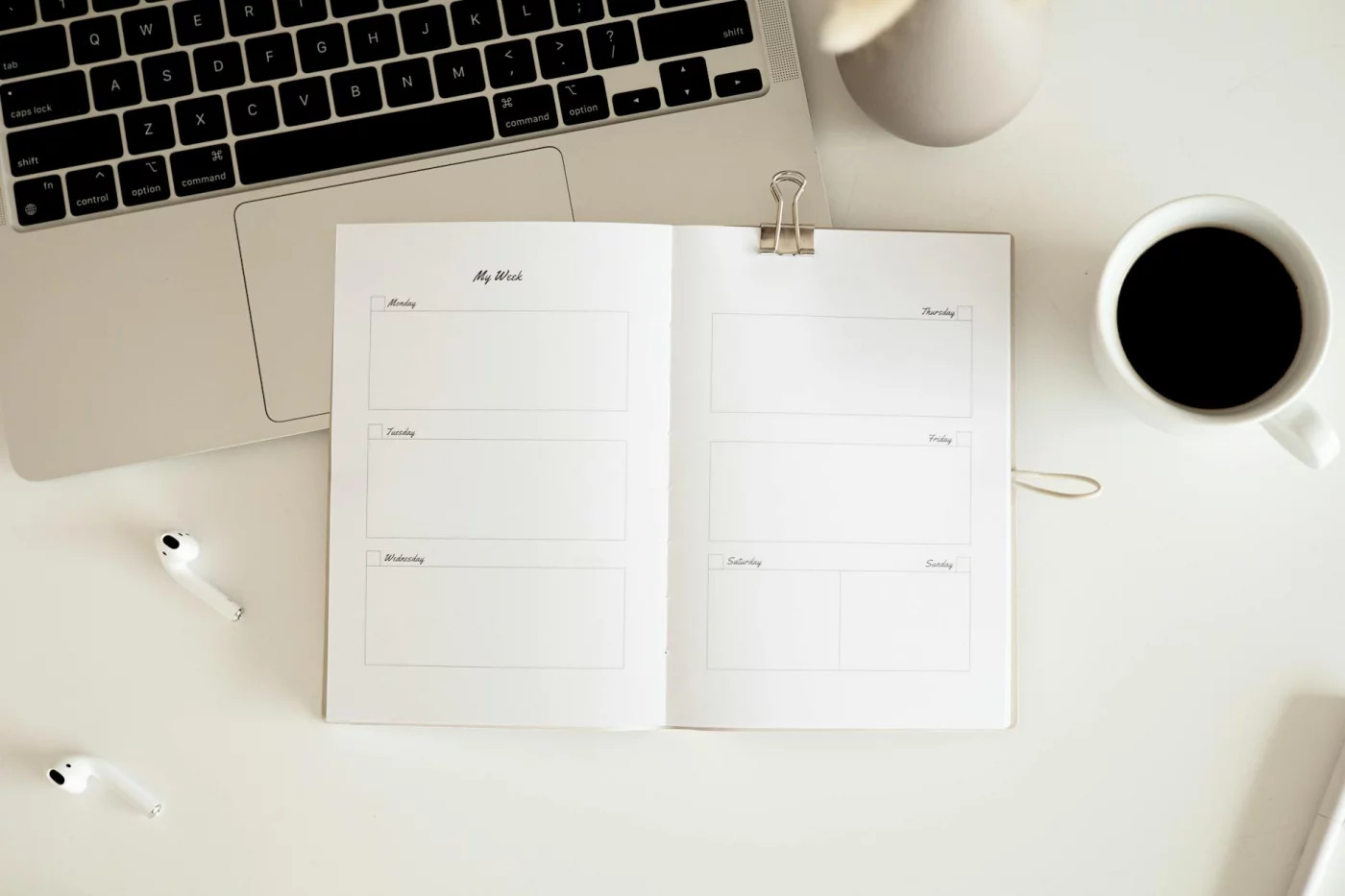
How to build a learning plan that lasts
- Step 1: Pick one meaningful goal with a visible result in 2-4 weeks.
- Step 2: Choose a format that fits your tech comfort, budget, mobility, and social style.
- Step 3: Put learning into your week with small, repeatable blocks.
- Step 4: Review after two weeks and adjust before you quit.
Step 1: Pick one goal that matters
Start with one target, not three. Personally, I think this is the part most people get wrong. Choose a goal that feels useful now: write family stories, learn smartphone basics, study local history, improve nutrition literacy, or try art appreciation.
Meaning beats novelty. If you’re unsure, choose a new skill that gives you a clear win after 2-4 weeks.
Step 2: Match the format to your life
Not every learner wants a screen. And that’s fine. Research on older adult learning and cognitive engagement, including evidence indexed by PubMed Central at the National Library of Medicine, suggests regular mentally engaging activity matters more than picking a trendy format.
| Option | Cost | Format | Tech difficulty | Best fit |
|---|---|---|---|---|
| Library | Free | Talks/workshops | Low | Social learners |
| Senior center | Free-low cost | Group classes | Low | Routine and community |
| Community college | Low-moderate | Structured classes | Medium | Formal learners |
| OLLI | Low-moderate | Peer learning | Low-medium | Discussion-based learning |
| Beginner-friendly online platforms | Often free | Self-paced video | Medium | Independent learners |
Step 3: Build a weekly routine
Keep it realistic: 20 minutes three times per week or 45 minutes twice per week. That’s enough to build momentum with free online courses for seniors, library talks, or a home workbook.
Try this learning schedule template: Monday 20 minutes reading, Wednesday 30 minutes class or video, Friday 20 minutes notes, Saturday social discussion or practice, Sunday 10 minutes review. Better yet, tie each block to morning coffee or after-walk time, and build a weekly schedule you can print and check off.
Step 4: Review after two weeks
Ask three questions: Did I enjoy it? Was it easy to start? Do I want more, less, or a different format? OK wait, let me back up: don’t judge the whole plan by one tired week.
Adjust first. Shorter sessions, easier material, or a local class may work better than quitting entirely. Consistency beats intensity, especially in retirement.
Common mistakes to avoid
- Signing up for 3 courses at once
- Choosing a format that clashes with transportation or tech comfort
- Treating learning like homework instead of a meaningful routine
- Ignoring sleep, movement, and social contact
Thing is, the best lifelong learning plans for older adults are boring in one way: they’re doable. Next, let’s look at where to find the best free course options.
Best Free Online Courses for Seniors
Once your plan is simple, the next question is where to start. The best free online courses for seniors are usually the ones that feel easy to begin, not the ones with the biggest catalog.
Beginner-friendly options worth trying
Start selective. Coursera works well for independent learners because many classes are free to audit, though free online courses for seniors with certificates usually cost extra. If you want discussion and structure, the Osher Lifelong Learning Institute model is a strong fit. And if tech feels annoying, libraries and community college continuing education pages are often better first stops because staff can help you register.
📋 Quick Reference
- Local support: library classes, senior centers, community colleges
- Low-tech: library help desks and printed course calendars
- Online: Coursera audit mode and similar open courses
- Social: OLLI-style discussion groups
- Home-based: short reading, notes, practice, and movement routines
A simple daily routine at home
For daily learning activities for seniors at home, keep it small. A 20-minute version: 10 minutes reading, 10 minutes notes. A 45-minute version: 10 minutes reading, 10 minutes notes, 10 to 15 minutes practice or discussion, then a short walk. That pairing matters because movement and recovery support follow-through; our guide on weekend brain health habits can help you round that out.
How to find local programs near you
Want continuing education for seniors near me? Search your ZIP code plus one of these:
- “[ZIP code] library classes”
- “[city] OLLI”
- “[county] senior center classes”
- “[community college] continuing education”
- “[parks and recreation] adult classes”
Before enrolling, ask about cost, transportation, accessibility, hearing support, class pace, and whether beginners are welcome. If online search gets frustrating, ask a librarian or family member to help with one 10-minute search session.
From experience: keep the first week easy
After building FreeBrain resources, I’ve noticed low-friction systems work better when the first session takes under 10 minutes to start. So keep week one to just 1 to 3 sessions. One topic, one session, one week, then review. That’s how lifelong learning for seniors becomes real momentum instead of another abandoned plan. Which brings us to the common questions people ask before they begin.
Frequently Asked Questions
Why is lifelong learning important for seniors?
Why lifelong learning is important for seniors comes down to four big benefits: mental engagement, purpose, confidence, and social connection. Research suggests these patterns are linked with healthier aging and better well-being, but they don’t guarantee protection from cognitive decline. Personally, I think this is the part most people miss: enjoyable, repeatable learning matters more than intense study, so a short weekly class or one of the many free online courses for seniors can be more sustainable than an ambitious plan you quit after two weeks.
Is 70 too old to get a degree?
No — is 70 too old to get a degree? Not if the goal, workload, and format fit your life. But wait, a full degree isn’t the only smart option: many older adults prefer single classes, certificates, auditing university courses, or noncredit programs because they’re lower-cost and easier to enjoy. Choose based on purpose, energy, cost, and whether you’d actually like doing the work each week.
What should a 70 year old be doing every day at home?
If you’re asking what should a 70 year old be doing every day at home, the best routine is usually balanced, not packed: some learning, some movement, some social contact, and enough rest. A realistic example might be 20-45 minutes of reading, classwork, writing, puzzles, or practice, plus a walk, one phone call or visit, and regular meals and sleep. And if there are concerning changes in memory, mood, or daily functioning, it’s worth discussing them with a qualified healthcare professional rather than trying to self-diagnose.
What are examples of lifelong learning goals for older adults?
What are examples of lifelong learning goals older adults can actually stick with? Good options include memoir writing, beginner language study, digital basics, gardening, music, art history, local history, and health literacy. The best goals are meaningful, specific, and easy to schedule, so pick one with a visible result in 2-4 weeks — for example, “write three family stories,” “learn 50 Spanish words,” or “complete two modules from free online courses for seniors.”
How can seniors start learning something new if they do not like technology?
How can seniors start learning something new without relying on screens all day? Start low-tech: library classes, senior centers, printed guides, book clubs, faith-community groups, and community college noncredit classes are all solid options. Technology is optional, not required, for a strong lifelong learning plan, and if an online course really is the best fit, getting help for one setup session can remove most of the frustration. For practical memory-friendly study ideas, you can also read FreeBrain’s learning resources.
How do I find continuing education for seniors near me?
If you’re wondering how do I find continuing education for seniors near me, use a simple search workflow: type your ZIP code plus “library classes,” “OLLI,” “senior center,” “parks and recreation classes,” or “community college noncredit.” If the results are messy, call your local library or area agency on aging and ask for beginner-friendly programs, including in-person options and free online courses for seniors. Before enrolling, ask about cost, accessibility, transportation, time commitment, and whether the class is designed for true beginners; the National Institute on Aging is also a useful place to find healthy aging information.
Conclusion
The best lifelong learning plan is usually the simplest one. Pick one topic that genuinely interests you, choose just one or two free online courses for seniors, set a realistic weekly study time, and write down a clear reason you want to learn it. Then make the plan easy to follow: break lessons into small sessions, review what you learned at the end of each week, and adjust if the schedule starts feeling too heavy. And yes, that matters more than finding the “perfect” course.
If you’ve been out of a classroom for years, that doesn’t mean you’re behind. It just means you’re starting from real life experience, which is often an advantage. Personally, I think this is the part most people underestimate: learning later in life can be more focused, more meaningful, and honestly more enjoyable because you’re doing it for yourself. Start small. Stay consistent. A few lessons each week can turn into real skill, confidence, and momentum faster than you’d expect.
Want help making your study plan stick? Explore more on FreeBrain.net, including How to Study Consistently and Spaced Repetition Guide. Which brings us to the only next step that really counts: choose your first course, put your first study session on the calendar, and begin. Your lifelong learning plan starts now.