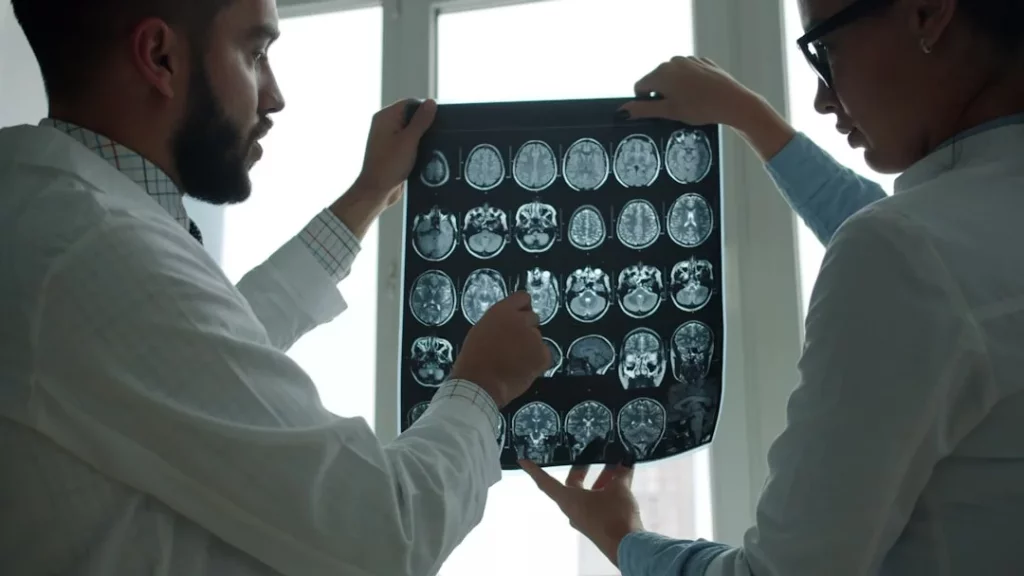
If you’re asking does education protect against dementia, the short answer is: partly, but not in the way many headlines imply. Research suggests more education is linked to lower dementia risk and stronger cognitive reserve, yet that doesn’t clearly mean schooling stops the underlying biology of brain aging. That’s the big tension behind this topic — and yes, it’s why the answer to does education protect against dementia can sound contradictory depending on what, exactly, a study measured.
Here’s the part most people get wrong. A person with more years of education may function well for longer because the brain can compensate better, not necessarily because harmful changes never happened in the first place. In fact, the NCBI overview of cognitive reserve explains why life experiences like education can help the brain cope with damage without being the same thing as preventing that damage.
So what does that mean for you or someone you care about? Maybe you’re wondering whether college, adult classes, language learning, or mentally demanding hobbies actually help. Or maybe you’ve seen claims about lifelong learning and brain health and thought, “OK wait, but does education slow brain aging — or just hide symptoms for a while?” Fair question.
This article will sort that out clearly. You’ll get a plain-English explanation of cognitive reserve and education, a realistic look at how education affects dementia risk, and step-by-step actions for early life, midlife, and older adulthood. And because theory alone isn’t very useful, I’ll also point you toward practical learning habits, including how to learn better and science-backed study methods that make mental effort more meaningful.
I’m a software engineer, not a neuroscientist, and I built FreeBrain by testing evidence-based learning tools for self-learners. But this article leans on peer-reviewed research, not hype, and it’s meant as education — not medical advice. If you’re worried about memory changes or possible cognitive decline, talk with a qualified clinician.
📑 Table of Contents
- The short answer
- Cognitive reserve, in plain English
- Reserve is not slower brain aging
- How to read the research
- What helps, what doesn't, and common mistakes
- Build brain resilience at any age
- Your weekly brain-health plan
- Frequently Asked Questions
- Does education protect against dementia or just delay symptoms?
- How does education build cognitive reserve?
- Does education slow biological brain aging?
- Does more schooling prevent dementia?
- Can adult learning help prevent cognitive decline?
- Why is education linked to lower dementia risk?
- Is education protective or just correlated with better health?
- Can lifelong learning keep your brain sharp?
- Conclusion
The short answer
So here’s the direct answer. Research suggests more education is associated with lower dementia risk and stronger cognitive reserve, but that’s not the same as saying schooling prevents dementia or slows the biology of brain aging. For more on learning and study skills, see our learning and study skills guide.
That distinction matters. Some people with more education show symptoms later even when Alzheimer’s-related changes may still be developing underneath, which is exactly why the search results can seem contradictory.
If you’re worried about persistent memory problems that affect daily life, talk with a qualified healthcare professional. I’m a software engineer and FreeBrain builder translating peer-reviewed research into practical learning systems, not a clinician, and if you want the practical side of learning habits, our guide on how to learn better is a good next step.
What the evidence suggests
Does education protect against dementia? The balanced answer is: maybe partly at the level of symptoms and functional resilience, but not in a simple, guaranteed, cause-and-effect way.
Observational studies often find lower dementia rates among people with more years of schooling. Reviews in aging and neurology research have repeatedly linked education with higher cognitive reserve, and the basic concept is summarized well in the NCBI overview of cognitive reserve. But wait. Association isn’t proof that education alone caused the difference.
This is the part most people get wrong. “Lower dementia risk,” “slower cognitive decline,” “normal aging,” and “less Alzheimer’s pathology” are not interchangeable.
- Dementia risk means the chance of developing impairing symptoms severe enough to disrupt daily life.
- Cognitive decline means worsening thinking skills over time, which can happen with or without dementia.
- Normal aging often includes slower recall or processing speed, but not major loss of independence.
- Alzheimer’s pathology refers to disease processes in the brain, not just visible memory symptoms.
- Cognitive reserve is your brain’s ability to cope with damage and still function reasonably well.
So how education affects dementia risk may be less about “protecting” brain tissue directly and more about helping the brain compensate longer. Speaking of which — the U.S. government’s dementia overview also separates disease processes from the symptoms families actually notice.
What this article will help you judge
OK wait, let me back up. The useful question isn’t just “does education protect against dementia,” but “what kind of protection are we talking about?”
This article will help you judge three things: education vs cognitive decline, reserve vs aging, and what practical habits still matter in adulthood. And yes, adult learning still counts, especially when it’s effortful, focused, and meaningful rather than passive review. If you want examples, our breakdown of science-backed study methods shows what active learning actually looks like.
Which brings us to the next section: cognitive reserve in plain English.
Cognitive reserve, in plain English
So the short answer needs one big clarification. When people ask, “does education protect against dementia?” they’re often really asking whether learning helps the brain keep working even when damage starts to build.
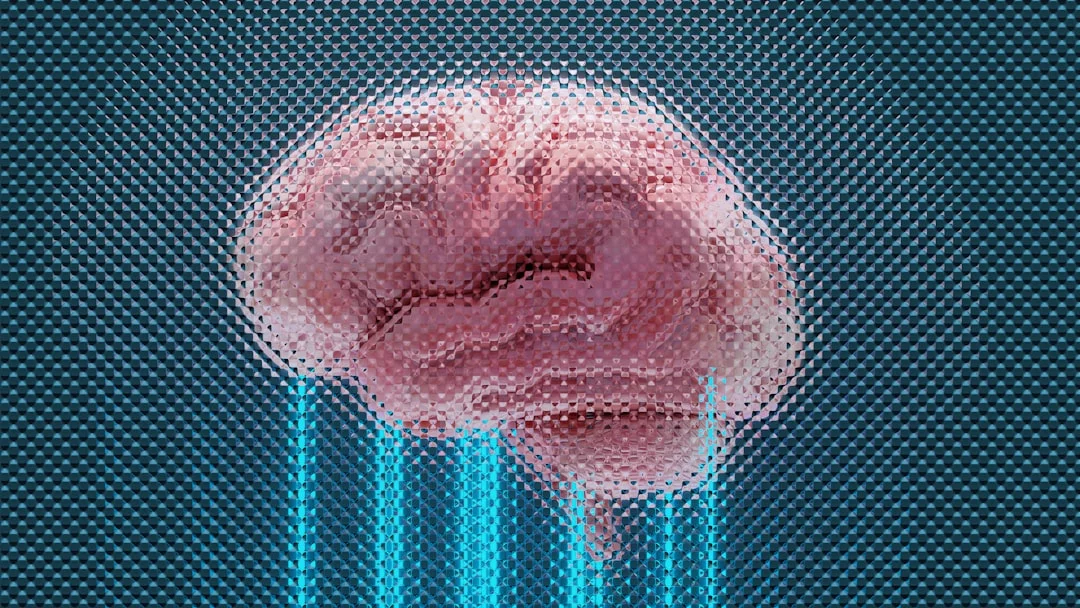
That idea is called cognitive reserve. In plain English, it means your brain may cope better with age- or disease-related changes by using networks more efficiently, or by finding alternate routes when the usual ones aren’t working as well.
Reserve vs brain reserve
These terms sound similar, but they’re not the same. Cognitive reserve is about flexibility and strategy; brain reserve is more about structural capacity, like starting with more “hardware” resources such as larger brain volume or more synaptic redundancy.
A simple analogy helps. Brain reserve is the hardware. Cognitive reserve is the software — how well the system adapts, reroutes, and keeps performing under stress.
And that distinction matters. Two people can show similar Alzheimer’s-related pathology on scans, yet one functions independently for longer because their brain uses different networks or better compensatory strategies. That basic framework is widely discussed in the research literature, including the overview of cognitive reserve.
- Brain reserve: baseline structural capacity
- Cognitive reserve: efficient, flexible use of that capacity
- Not interchangeable: one is “how much,” the other is “how well used”
How schooling may help the brain cope
So, how does education build cognitive reserve? Not by making you biologically immune to disease, but by repeatedly training language, memory, planning, abstraction, and problem-solving over years. That’s the core of cognitive reserve and education.
Personally, I think this is the part most people get wrong. Schooling may help you perform better on memory and thinking tasks even when underlying pathology is similar, which helps explain why education and memory in old age are linked in many studies without proving that school slows the disease process itself.
And school isn’t the whole story. Occupation, social engagement, physical activity, literacy, and continued learning all seem to matter too, which is why practical habits from how to learn better and even projects like learn a language with Netflix fit the bigger picture of lifelong mental challenge. For broader background, the National Institute on Aging’s overview of dementia risk factors also emphasizes that many influences work together.
From experience: effort matters more than exposure
After building FreeBrain learning tools, one pattern keeps showing up: effortful recall and concept linking create deeper mental engagement than passive review. OK wait, let me back up — rereading feels productive, but active challenge usually demands more from memory, attention, and flexible thinking.
That’s why I’d put more weight on mentally demanding habits than on sheer exposure time. If you want examples, compare passive review with retrieval practice vs rereading; the second forces your brain to reconstruct knowledge, not just recognize it.
Which brings us to the next key point: reserve can delay visible symptoms, but that doesn’t necessarily mean the brain is aging more slowly underneath.
Reserve is not slower brain aging
So here’s the distinction that matters most. When people ask does education protect against dementia, the best evidence often points to better compensation for damage, not clearly slower underlying disease or slower biological brain aging.
That sounds subtle. It isn’t. It changes how you should read almost every headline on this topic.
Why later symptoms can be misleading
Education may raise your “symptom threshold.” In plain English, two people can build up similar Alzheimer’s-related pathology, but the one with higher reserve keeps functioning well for longer because the brain is using networks more efficiently or recruiting alternatives.
OK wait, let me back up. If you want a practical analogy, think of reserve as extra performance headroom, not a different engine. That’s one reason research on how to learn better matters: mentally demanding learning may help you build useful skills and flexibility, even if it doesn’t automatically mean slower disease buildup.
Simple timeline example:
- Person A and Person B accumulate similar pathology from age 65 to 80.
- Person A has lower reserve, crosses the symptom threshold at 72, and gets diagnosed earlier.
- Person B has higher reserve, stays independent until 76, then symptoms appear later.
Did education slow the pathology itself? Maybe, maybe not. But a later diagnosis alone doesn’t prove a slower rate of decline in the brain; it may only mean symptoms were masked longer.
What researchers mean by decline and dementia
This is the part most people get wrong. “Brain aging,” “cognitive decline,” mild cognitive impairment, incident dementia, pathology, symptom onset, and rate of decline are related terms, but they are not interchangeable.
For example, the National Institute on Aging’s overview of what happens in the brain in Alzheimer’s disease separates biological changes from the point when symptoms become noticeable. And standard definitions of cognitive decline cover a broad range, from normal aging to more serious impairment.
So, does education slow brain aging? Sometimes studies suggest small associations with better test performance or later incident dementia, but that’s not the same as proving slower pathology. Speaking of which — training tasks like can working memory be improved can sharpen specific skills, yet transfer to broad real-world protection is much harder to show.
What headlines often get wrong
When you see claims that schooling “prevents” dementia, slow down. Personally, I think three shortcuts cause most confusion:
- Association gets reported as causation.
- Delayed diagnosis gets reported as prevention.
- Education gets treated as the only protective factor, ignoring health, occupation, income, and lifelong habits.
And here’s the kicker — that’s why the question does education protect against dementia can’t be answered from headlines alone. To judge education vs cognitive decline properly, you have to inspect what outcome the study actually measured, which brings us to how to read the research.
How to read the research
The last section matters here: reserve is not the same thing as slower brain aging. So if you’re asking whether does education protect against dementia, the real job is reading the claim with precision, not taking headlines at face value.
How to judge education-and-dementia claims
Step 1: Check the study type
Start with the design. Most papers on how education affects dementia risk are observational or longitudinal, which means they can show patterns over time but can’t fully settle correlation vs causation. Randomizing people to decades of more or less schooling? Not realistic.
Reviews are useful because they summarize many studies, but they’re only as good as the underlying evidence. Personally, I trust “associated with” much more than “prevents.” If you want a practical model for judging evidence in learning research too, see how to learn better.
Step 2: Check what outcome was measured
This is where people get tripped up. One study may track diagnosed dementia, another may test memory or executive function, and another may look at brain scans or pathology markers. Those are related, but they’re not interchangeable.
So can two studies conflict and both be right? Yes. Education might be linked with lower diagnosis rates while showing little effect on amyloid, atrophy, or biological brain aging.
Step 3: Look for confounders
Now ask what traveled with education. Income, job complexity, literacy, healthcare access, hearing treatment, exercise, smoking, blood pressure control, and social connection can all shape later-life cognition.
- Higher schooling may reflect broader life advantage
- Complex work may keep people mentally engaged for decades
- Better healthcare can delay diagnosis or reduce vascular risk
Step 4: Judge the claim carefully
Quick rule: trust “linked with lower dementia risk” more than “does more schooling prevent dementia.” Well, actually, education is often acting as a proxy for lifelong mental engagement, not a magic shield. Focused learning still matters in adulthood because attention affects learning, and effortful methods beat passive review; that’s why I like science-backed study methods when people want practical next steps.
For source quality, check review papers indexed in PubMed’s research database and compare claims against public-health summaries.
| Likely association | Uncertain mechanism |
|---|---|
| Lower diagnosed dementia risk | Less pathology or slower biological aging |
Which brings us to the next question: what actually helps, what probably doesn’t, and where people make the biggest mistakes.
What helps, what doesn’t, and common mistakes
So here’s the deal. Once you know how to read the research, the next question is practical: does education protect against dementia, and if so, in what way?
The best evidence points to cognitive reserve, not invincibility. That means education may help your brain cope better with damage or age-related change, but it doesn’t automatically stop disease processes.
📋 Quick Reference
| Education may help with | Education does not clearly change |
|---|---|
| Better performance on cognitive tests | Alzheimer’s pathology itself |
| Stronger language and executive strategies | Guaranteed protection from dementia |
| Later symptom threshold | Need for exercise or vascular risk control |
| Coping with pathology for longer | Reversal of serious cognitive symptoms |
| More engagement in demanding mental activity | A clearly slower biological brain-aging rate |
What education seems to help
Research on education and memory in old age often finds that people with more schooling perform better on language, reasoning, and executive tasks. Why? Probably because years of effortful learning build efficient mental strategies and richer knowledge networks.
For students, that might mean learning how to explain ideas, retrieve facts, and connect concepts. For professionals, it can show up as problem-solving under pressure. For older adults, continued learning may help maintain engagement — especially when the activity is challenging, focused, and meaningful, not just passive exposure. If you want that kind of effortful practice, these science-backed study methods are a better model than simply rereading.
What remains uncertain
But wait. Does more schooling prevent dementia in the strict biological sense? That’s still not established. Reviews in journals like PubMed consistently suggest reserve can delay symptoms, while disease-related changes in brain structure may still develop underneath.
That’s the part most people get wrong. Higher reserve and ongoing pathology can coexist. So education vs cognitive decline isn’t a simple yes-or-no story.
Common mistakes to avoid
- Assuming a degree equals lifelong protection. It doesn’t. Formal education helps, but it’s not a permanent shield.
- Confusing passive exposure with real learning. Watching videos or scrolling articles feels productive; mentally demanding practice usually matters more.
- Ignoring health basics. Hearing loss, poor sleep, high blood pressure, diabetes, and social isolation all affect cognitive health.
- Treating brain games as the whole plan. They may improve specific tasks, but they don’t replace exercise, medical care, or real-world learning.
Personally, I think the safest summary is this: education can help you function better for longer, but it can’t do every job by itself. Which brings us to the more useful question — how do you build brain resilience at any age?
Build brain resilience at any age
So what do you actually do with all that nuance? If you’re still wondering whether does education protect against dementia, the most useful answer is this: education may build cognitive reserve, but age-specific habits matter just as much.
Early life and school years
Early learning lays the base. Literacy, staying in school when possible, reading broadly, and tackling hard subjects all seem to matter for how education affects dementia risk later on.
But wait. Formal schooling isn’t the whole story. Quality, challenge, and engagement count too, which is why lifelong learning and brain health start with strong study habits, not just years in a classroom.
Midlife habits with the biggest payoff
Midlife is where reserve meets real-world protection. Research from the Lancet Commission highlights hearing loss, hypertension, physical inactivity, and social isolation as major modifiable dementia risk factors.
So yes, adult learning and brain aging are linked, but mentally demanding work or hobbies work best when paired with sleep, exercise, blood pressure control, hearing care, and social connection. Personally, I think this is the part most people miss.
Older adulthood: keep challenge and enjoyment together
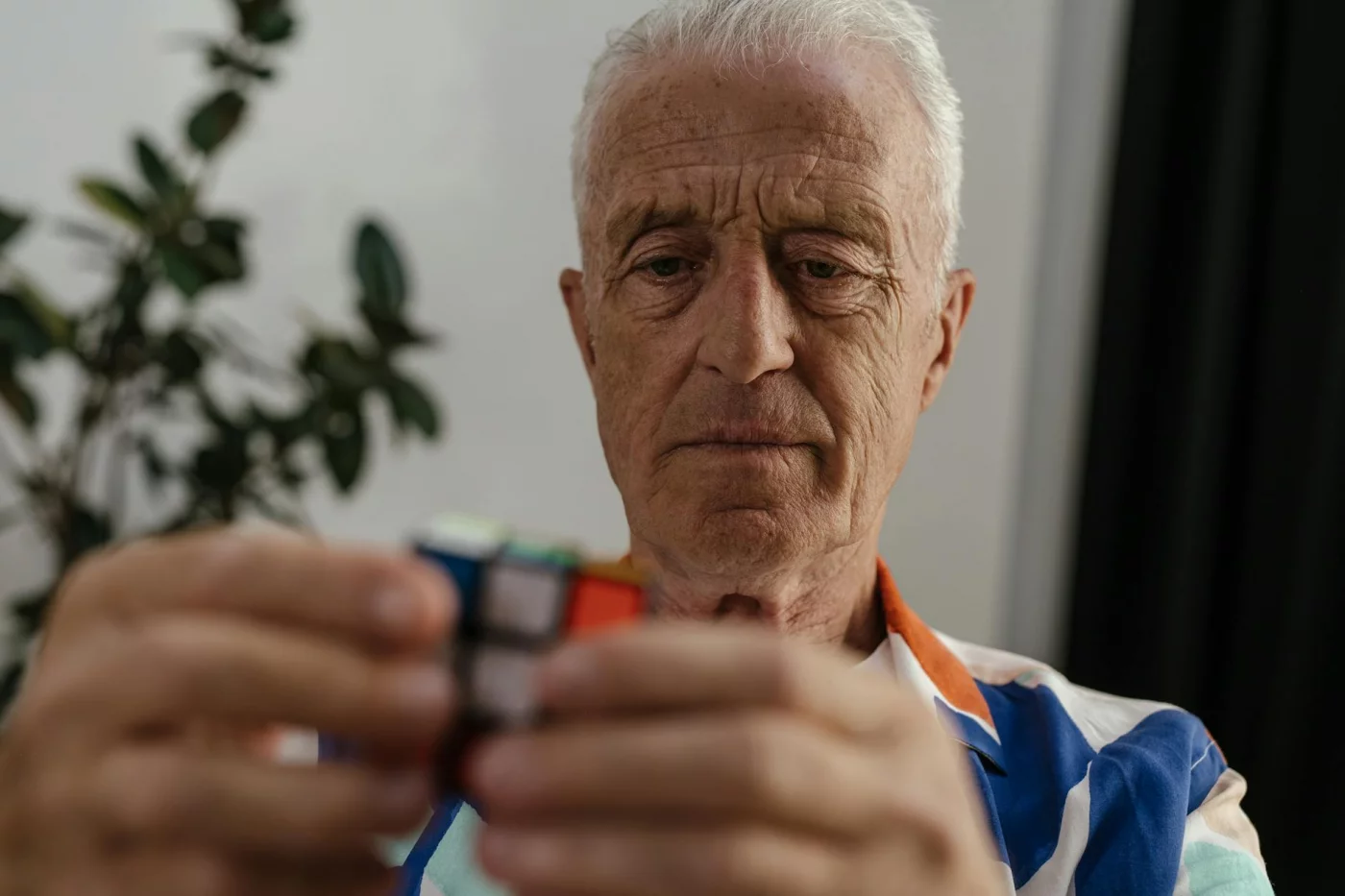
Can learning prevent cognitive decline completely? No. But older adults still benefit from effortful, enjoyable learning like language study, music, teaching grandchildren, volunteering, and book clubs.
And active learning beats passive exposure. Try 20 minutes of language recall, teaching a concept out loud, note synthesis, spaced review, or problem-solving instead of just watching videos. For practical methods, see retrieval practice vs rereading.
Real-world application: active habits that fit real life
- Mon/Wed: 20 minutes of language recall
- Tue/Fri: brisk walk plus a 5-sentence article summary
- Thu: one discussion group or social learning session
- Weekend: concept map or memory technique practice block
That’s the practical answer to does education protect against dementia: not just more schooling, but better brain healthy learning habits across life. Which brings us to your weekly brain-health plan.
Your weekly brain-health plan
So here’s the practical version. If you’re still wondering whether does education protect against dementia, the best evidence-based answer is: learning may build reserve, but your weekly routine matters just as much.
Quick Reference: the 5-part plan
📋 Quick Reference
- 3 learning sessions: 20–45 minutes each, effortful and focused
- 150 minutes of moderate activity weekly, like brisk walking
- Consistent sleep and wake time, even on weekends
- 1 daily stress habit: breathing, journaling, or relaxation
- 1 social-cognitive activity: discussion group, class, or game night
For healthy brain aging, combine brain health habits instead of betting on schooling alone. Pair learning with movement, sleep, stress control, and food quality; our mind diet for brain health guide fits well here.
When to talk to a professional
Occasional forgetfulness is common. But worsening memory, getting lost, trouble managing finances or medication, language problems, or changes that affect daily life deserve evaluation by a qualified clinician. This is educational content, not medical advice.
A realistic final takeaway
Can lifelong learning keep your brain sharp? Often, yes—especially for resilience and memory performance—but does education protect against dementia in a guaranteed way? No. Worth doing anyway? Absolutely. Next, we’ll wrap up the biggest questions and the smartest next steps.
Frequently Asked Questions
Does education protect against dementia or just delay symptoms?
When people ask, does education protect against dementia or just delay symptoms, the most accurate answer is: probably some of both, but the “delay symptoms” part has stronger support. Research suggests education is linked to lower diagnosed dementia risk and stronger cognitive reserve, which means the brain may cope better with damage before daily problems become obvious. But wait — that doesn’t necessarily mean schooling directly stops the underlying disease process; in many cases, it may help symptoms show up later rather than prevent pathology itself.
How does education build cognitive reserve?
How does education build cognitive reserve? Think repeated mental effort over years: learning may strengthen language networks, executive function, problem-solving, memory strategies, and flexible thinking. That can help your brain use alternate routes or more efficient strategies when age- or disease-related changes begin. Personally, I think this is the part most people miss — reserve isn’t magic, it’s the long-term result of practicing hard mental work.
Does education slow biological brain aging?
If you’re wondering does education slow biological brain aging, current evidence doesn’t clearly show that more schooling slows the core biological processes of brain aging. In other words, education may not stop neurodegeneration, vascular change, or other disease mechanisms. What it may do is help people function better for longer despite those processes, which is still meaningful in real life.
Does more schooling prevent dementia?
No — a careful, evidence-based summary should not say that more schooling prevents dementia. A better phrasing is that more education is often associated with lower dementia risk in observational research, including evidence summarized by sources like the National Institute on Aging, which emphasizes that risk reduction is not the same as guaranteed prevention. So, does education protect against dementia? It may help lower risk or delay clinical expression, but “prevent” goes too far.
Can adult learning help prevent cognitive decline?
Can adult learning help prevent cognitive decline? It may help support brain resilience, especially when the learning is active, challenging, and consistent rather than passive. Three things matter most: novelty, effort, and repetition. And here’s the kicker — adult learning works best alongside exercise, sleep, stress management, and good vascular health, so it should be part of a broader brain-health routine, not the whole plan.
Why is education linked to lower dementia risk?
There are several plausible reasons behind why education is linked to lower dementia risk: cognitive reserve, better literacy, healthier habits, more cognitively demanding work, and greater access to healthcare. That mix matters because correlation doesn’t automatically prove direct causation. Well, actually, that’s the key point — education may play a real role, but it also tends to travel with other life advantages that affect brain health.
Is education protective or just correlated with better health?
If you’re asking is education protective or just correlated with better health, the honest answer is probably both. Education may contribute directly to reserve and coping ability, while also tracking with income, healthcare access, lower smoking rates, and healthier daily routines. For a practical next step, focus on the factors you can still change now — mentally demanding activity, movement, sleep, and blood pressure control — and you can also build consistency with FreeBrain’s study tools and learning resources at FreeBrain.
Can lifelong learning keep your brain sharp?
Can lifelong learning keep your brain sharp? Yes, it can help maintain engagement, mental flexibility, and useful skills over time, which is worth a lot. But it shouldn’t replace other brain-health basics like exercise, social connection, sleep, and medical care for conditions such as hypertension, diabetes, or hearing loss. If your concern is personal risk, talk with a qualified healthcare professional — especially if you’ve noticed memory or thinking changes.
Conclusion
So here’s the practical bottom line: formal schooling can help build cognitive reserve, but it’s only one piece of the picture. If you’re asking, does education protect against dementia, the most accurate answer is this: education may help your brain cope better with damage, but it doesn’t make you immune. What matters now is staying mentally active, moving your body most days, protecting sleep, managing hearing and cardiovascular health, and keeping up real social connection. And yes, this is the part most people get wrong — reserve isn’t about “using your brain more” in a vague way. It’s about consistent habits that challenge, support, and protect brain function over time.
That’s good news. Why? Because your future brain health isn’t fixed by how many years of school you had at 18 or 22. You can still build resilience now, whether you’re in your 20s, 50s, or well past retirement. Small weekly actions count. A brisk walk, learning a new skill, better sleep routines, fewer long stretches of isolation — these aren’t dramatic, but they add up. And if you’re worried about memory changes, don’t just sit with that fear. Talk to a qualified healthcare professional and get clarity early.
If you want to turn this into a real routine, start with more evidence-based guides on FreeBrain. Read How to Improve Memory for practical daily strategies, and Spaced Repetition to learn one of the most reliable ways to keep knowledge active over time. Keep going, stay curious, and build your brain resilience on purpose.