
If you want to learn better, the goal is not to spend more time staring at notes. It is to remember what you studied, pull it back when you need it, and use it under real conditions. That is where many study routines break down: rereading feels productive, but it often leaves you with recognition instead of recall.
This guide gives you a simpler system. You will learn which study methods actually help information stick, when to use each one, and how to build a short review cycle that fits exams, skill-building, and busy adult learning. We will cover active recall, spaced review, interleaving, realistic practice, and a practical way to track whether your system is working. If you want a method you can start today without turning studying into a full-time project, start here.
📑 Table of Contents
- Why better learning matters now
- How learning works in plain English
- How to learn better in 7 steps
- Use the right method for the job
- 7-day plan, mistakes, and next steps
- Frequently Asked Questions
- What is the most effective way to learn?
- How can you learn faster and better?
- What are some ways to improve learning?
- How to study smarter not harder?
- How do you use spaced repetition for studying?
- What is the 7 3 2 1 study method?
- What are the 5 C's of learning?
- How do you remember what you study longer?
- Conclusion
Why better learning matters now
If the introduction felt familiar, here’s why it matters. Figuring out how to learn better isn’t a nice extra anymore; it’s a survival skill for students, self-taught learners, and busy professionals. For more on learning and study skills, see our learning and study skills guide.
The real problem: more input, less retention
You’re taking in more than ever: lectures, tabs, videos, PDFs, Slack messages, email, and half-finished notes. But passive review still dominates, even though rereading feels productive mainly because it’s easy and familiar.
That’s the trap. Many of the so-called best ways to learn aren’t the methods people actually use day to day. If you want a broader overview first, start with FreeBrain’s science-backed study methods.
- More content doesn’t automatically mean more learning.
- Recognition is not the same as recall.
- Comfortable study methods often underperform harder ones.
What effective learning actually looks like
Effective learning is simple to define, even if it’s harder to do: get information into long-term memory, retrieve it later, and use it under pressure. That last part matters most. Remembering a formula at your desk is different from applying it on an exam or inside a coding problem.
I’m a software engineer, not a neuroscientist. But after building FreeBrain resources and testing recall prompts, note workflows, and active recall flashcards in real study systems, I’ve seen the same pattern again and again: the best studying methods and tips are the ones that force retrieval, not just review.
A quick note on evidence and limits
Research in learning science points in a clear direction. A widely cited review by Dunlosky and colleagues, available via PubMed Central’s summary of effective learning techniques, found that methods like practice testing and spaced practice tend to beat rereading alone. And yes, that’s why this article will give you 7 science-backed steps, when to use each one, a 7-day plan, and a simple way to track retention over time.
But wait. No single method fits every subject or learner, which is why we’ll also cover the active recall study method in context rather than as a magic fix. And if sleep loss, anxiety, chronic stress, or concentration problems are severe or persistent, consult a qualified professional; guidance from the CDC on sleep deprivation shows just how much those factors can affect memory and performance.
So now that the stakes are clear, let’s make learning feel less mysterious. Next, we’ll break down how learning works in plain English.
How learning works in plain English
If better learning matters, the next question is obvious: what’s actually happening in your brain when you study? To understand science-backed study methods and how to learn better, you only need three ideas.
📋 Quick Reference
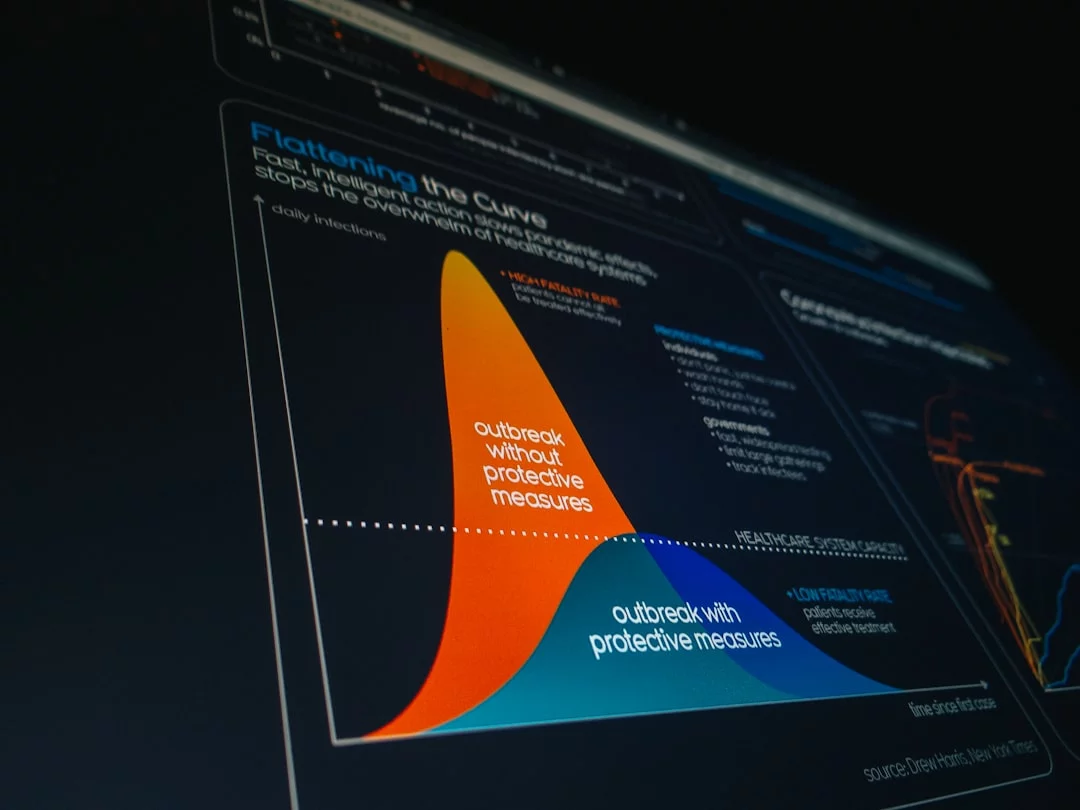
Working memory is small. Long term memory stores patterns. And the forgetting curve means new material fades quickly unless you retrieve and review it on purpose.
Working memory vs stored knowledge
Your working memory can only juggle a few new things at once, which is why 12 biology terms in one sitting often turn into mush. But recalling 3 terms, then adding 3 more, works better because you’re building patterns in long term memory, not trying to brute-force everything.
That’s chunking. Not magic memory. Research on working memory explains why shorter, focused sessions beat marathon cramming when cognitive load gets too high.
- Too much new material = overload
- Smaller sets = cleaner recall
- Stored patterns = faster future learning
Why forgetting is normal, not failure
Forget something tomorrow? That’s normal. The forgetting curve shows memory drops fast after first exposure, so timing matters more than one huge session.
And here’s the kicker — effort helps memory retention. Using the active recall study method or active recall flashcards strengthens retrieval more than easy review.
Why rereading feels good but often fails
This is the part most people get wrong. Rereading feels productive because familiar notes look recognizable, but recognizing an answer isn’t the same as producing it on a quiz.
Quick test: can you say the definition before looking? If not, you don’t know it yet. Rereading helps least, active recall helps more, and spaced repetition usually works best over time. Which brings us to the practical part: how to learn better in 7 steps.
How to learn better in 7 steps
Now that you know how learning works, the next move is simple: build a study loop that matches your brain. If you’re wondering how to learn better without wasting hours, these seven steps are the shortest path I know.
If you want a broader overview first, start with science-backed study methods. But here’s the practical version you can use today.
7-step learning loop you can use on any topic
Use these seven steps as one repeatable loop, not seven separate tricks.
Step 1: Set a finish line. Replace vague goals like “review chapter 3” with a visible output such as “answer 6 questions on photosynthesis without notes” or “solve 4 derivative problems from memory.” If you cannot tell when the session is done, the target is too fuzzy.
Step 2: Test early. Within the first 10 minutes, try to recall key ideas before rereading. This shows what is already weak and stops you from wasting time on material that only feels familiar.
Step 3: Shrink the study set. Work on a small batch first: one concept, one page of notes, one problem type, or one short section. Smaller sets reduce overload and make feedback clearer.
Step 4: Space the reviews. After the first session, schedule follow-ups instead of waiting until you forget everything. A simple pattern is 1 day, 3 days, and 7 days, then longer gaps if recall stays solid. The Spaced Repetition Generator can help you map that out.
Step 5: Mix similar material once the basics are stable. Interleaving works best when you already have a rough handle on each item. For example, mix algebra problem types, grammar forms, or anatomy structures only after you can identify each one on its own.
Step 6: Practice in the format that matters. If the real task is timed, practice timed. If the real task is writing, speaking, coding, or explaining, do that exact output. Flashcards help facts, but performance practice shows whether the knowledge transfers.
Step 7: Log the result. After each session, record three things: recall score, main error, and next review date. If recall is below about 60%, go back to a smaller chunk. If recall is partial, keep the next review close. If recall is strong and fast, widen the gap.
If you want help turning notes into prompts, the Active Recall Builder is a practical next step.
Steps 1-2: Start with a target and retrieval
Vague goals feel productive, but they’re a trap. “Read notes” gives you no finish line; “solve 4 stoichiometry problems from memory” does. For step 2, convert notes into active recall flashcards or question prompts, then use the active recall study method to test yourself before re-reading.
Steps 3-5: Space, mix, and explain
Research summarized by the American Psychological Association on memory and learning supports spaced practice over cramming. And interleaving? Best for discrimination tasks: algebra types, ECG patterns, grammar forms. Explain ideas in plain language only after you roughly get them—otherwise you’re just decorating confusion.
Steps 6-7: Practice for performance and track it
If the real test is timed, practice timed. If your job needs output, write code from memory or teach the concept aloud. Evidence discussed in review research on effective learning techniques at NCBI points the same way: retrieval plus feedback beats passive review.
- Method: Active recall | Best for: facts, concepts | Not alone for: first exposure
- Method: Spaced repetition | Best for: retention | Not alone for: deep application
- Method: Interleaving | Best for: mixed problem sets | Not alone for: brand-new material
A simple tracker works: topic, recall score out of 5, confidence, next review date. That’s how to learn better and how to study smarter not harder. Which brings us to the next question: which method fits which task?
Use the right method for the job
The 7 steps matter, but how to learn better also depends on what you’re learning. If you want the broader logic behind these choices, start with science-backed study methods; research on retrieval practice and spacing, including work summarized in a review on effective learning techniques in cognitive psychology, points in the same direction.
Best setup for exams and test prep
Exam prep works better when your method matches the clock and the test format.
If you have 7 or more days, build around retrieval first. Spend most of your time answering questions from memory, doing mixed problem sets, and reviewing an error log. A simple split is: most time on recall and practice, some time on timed sets, and a smaller block on fixing repeated mistakes.
If you have 3 to 6 days, narrow the scope. Stop trying to cover everything equally. Sort topics into three groups: strong, shaky, and weak. Keep strong topics on short review, spend most of your effort on shaky topics, and rescue only the highest-value weak topics that are likely to appear.
If you have 1 to 2 days, switch from coverage to performance. Use short recall bursts, one or two realistic timed sets, and a final pass through your mistake log. This is not the time to create perfect notes or start brand-new chapters unless the exam requires it.
Match the practice to the exam:
For multiple-choice tests, answer before looking at options when possible. That reduces guessing based on familiarity.
For problem-solving exams, mix problem types so you practice choosing the right method, not just repeating one pattern.
For essay or short-answer exams, practice producing outlines, definitions, and examples from memory under time pressure.
Two common mistakes: spending the last day rereading everything, and treating all errors the same. A missed definition, a careless sign error, and a wrong method choice need different fixes. If you want a cleaner plan for what to review next, see How to Build a Study Dashboard That Shows What to Review Next.
Best setup for skills and deep work
For coding, languages, analytics, design, or presentations, passive review isn’t enough. The best ways to learn here are worked examples, deliberate practice, and realistic output: write the code, speak the language, build the dashboard, give the talk. Flashcard apps can help facts, but pair them with active recall study method practice and real performance.
From experience: what actually sticks
After building study workflows at FreeBrain, I keep seeing the same pattern. Fewer notes, more testing, shorter sessions, better retention. Tools only help when they support review instead of becoming another place to collect information, which is why many students do better with active recall flashcards than with endless highlighting.
Busy professionals usually do best with 15-25 minute sessions, mobile spaced review, and one weekly review block. And if you want deeper help, our guides on Anki, note-taking, and active recall are a good next stop before we build this into a 7-day plan.
7-day plan, mistakes, and next steps
Once you’ve matched the method to the task, the next move is consistency. This is where science-backed study methods stop being theory and start showing you how to learn better in real life.
A simple 7-day plan you can actually follow
Use 25-35 minutes a day, then one 45-60 minute review on day 6 or 7. That’s enough for most students and professionals, and research from cognitive psychology consistently supports spaced retrieval over cramming if you want to learn things faster and better.
- Day 1: learn one chapter, then write 8-12 recall prompts
- Day 2: retrieve from memory without notes
- Day 3: spaced review plus mixed practice
- Day 4: explain the topic aloud
- Day 5: do timed practice
- Day 6: review errors
- Day 7: cumulative recall
Example: turn one biology chapter into 10 questions, 10 flashcards, and review dates on days 2, 4, and 7. Simple study schedule. Better memory retention.
What to avoid if you want faster progress
Three mistakes wreck progress: multitasking, highlighting without retrieval, and stuffing everything into one long session. Task switching hurts focus and concentration, while passive review feels productive but rarely survives a blank-page test.
And here’s the kicker — if you never check what you can recall unaided, you can’t study smarter not harder. Long sessions also raise cognitive fatigue, so accuracy drops even when time spent goes up.
How to tell if your system is working
Track four things after each session: recall accuracy, confidence, lag time, and recurring errors. For example, score yourself at 70% correct, confidence 3/5, next review in 2 days, with errors tagged as “careless,” “definition gap,” or “mixed-up steps.”
Quick start checklist
Today: pick one topic, write 5 recall questions, and schedule 3 reviews. This is one of the simplest ways to learn better and improve retention tracking over time.
Personally, I think this is the missing piece: measurement. Pick one topic today, test it, adjust based on results, and build a repeatable routine. If you want the next step, use FreeBrain guides to refine your system — which brings us to the most common questions and final takeaways.
A simple review workflow for when you do not know what to study next
Many people understand active recall and spaced repetition in theory but still get stuck at the same moment: you sit down to study and do not know what to review, what to skip, or what to repeat. A simple triage rule fixes that.
Start each session by choosing one topic and testing yourself before opening your notes. Use 5 to 10 prompts, a blank page summary, or a short problem set. Then sort the result into one of three buckets.
Bucket 1: Missed or blank. If you cannot produce the answer at all, do not keep pushing through a huge chapter. Shrink the material. Review one smaller chunk, rebuild 3 to 5 prompts, and test again the same day. This is where the Active Recall Builder helps because it turns notes into usable questions faster.
Bucket 2: Partial recall. If you remember some of it but miss steps, examples, or details, schedule the next review soon. A good rule is within 1 to 2 days. Keep the prompts, add one worked example, and test again without notes. This is usually the sweet spot for improvement because the material is not brand-new, but it is not stable yet either.
Bucket 3: Fast and correct recall. If you can answer accurately and with little hesitation, widen the gap. Move the next review farther out instead of repeating it tomorrow. The Spaced Repetition Generator is useful here because it helps you avoid over-reviewing easy material.
Here is a concrete example. Say you are learning cell respiration. On day 1, you write six prompts: purpose, inputs, outputs, location, main stages, and one comparison with photosynthesis. You test yourself. If you miss the stages completely, that topic stays in Bucket 1 and gets a same-day rebuild. If you remember the stages but mix up inputs and outputs, that goes in Bucket 2 for a near review. If you can explain the whole process clearly, it moves to Bucket 3 and gets a longer gap.
This workflow also works for skills. If you are learning coding, your prompts might be “write a loop from memory” or “explain when to use a dictionary.” If you are preparing for an exam, your prompts might be definitions, worked steps, or mini outlines. The format changes, but the decision rule stays the same: blank means shrink, partial means review soon, strong means space it out.
If you want to make this easier to run each day, pair your review list with the Focus Session Planner or use How to Build a Study Dashboard That Shows What to Review Next to organize weak, shaky, and strong topics. The point is not to study everything equally. The point is to review the right material at the right time.
Frequently Asked Questions
What is the most effective way to learn?
If you’re asking what is the most effective way to learn, the best-supported answer is usually a combination of active recall and spaced repetition. In plain English: try to pull the answer from memory, then review it again after a delay instead of rereading everything in one sitting. But wait — the best setup still depends on the task, because exam prep, concept-heavy reading, and skill practice each need slightly different practice formats.

How can you learn faster and better?
How can you learn faster and better? Start by setting one specific target for each session, test yourself within the first 10 minutes, and schedule follow-up reviews instead of cramming the night before. Short, focused blocks with retrieval practice usually beat long passive sessions, which is a big part of how to learn better without spending more time.
What are some ways to improve learning?
If you want to know what are some ways to improve learning, five methods matter most: retrieval practice, spaced review, interleaving, elaboration, and realistic practice. And here’s the kicker — your environment matters too, so cut distractions, protect your sleep, and track what you can actually recall without notes. Research summarized by the American Psychological Association points in the same direction: memory improves more from active use than from passive review.
How to study smarter not harder?
If you’re wondering how to study smarter not harder, replace rereading with self-testing, study in shorter sessions, and keep a mistake log you review every few days. The goal isn’t more effort. It’s better-designed effort — the kind that shows you what you know, what you don’t, and what needs another pass.
How do you use spaced repetition for studying?
How to use spaced repetition for studying starts with a simple review schedule: revisit material after 1 day, 3 days, 7 days, and then at longer intervals if recall stays strong. Use flashcards, question prompts, or blank-page recall, and keep reviewing only the material you can’t reliably remember. Personally, I think this is one of the clearest answers to how to learn better because it matches how forgetting actually works.
What is the 7 3 2 1 study method?
If you’ve seen people ask what is the 7 3 2 1 study method, here’s the catch: versions of it vary online, so you should define exactly which version you’re using before following it. Most versions treat it as a scheduling framework for review timing, not as a replacement for retrieval practice and spaced repetition. So here’s the deal — it can help organize your calendar, but the learning still comes from testing yourself and revisiting weak material.
What are the 5 C’s of learning?
When people ask what are the 5 c’s of learning, the answer depends on the educator or framework because several versions exist. Well, actually, that’s why the labels matter less than the mechanics: whatever set of C’s you use, connect it back to retrieval, feedback, reflection, and consistent review if you want it to improve performance. For a practical evidence-based approach, you can also compare methods in FreeBrain’s study strategy content and cross-check memory principles with NCBI’s overview of how people learn.
How do you remember what you study longer?
If you want to know how to remember what you study longer, do three things: recall it from memory, revisit it after delays, and use it in realistic contexts like practice questions, teaching, or problem-solving. Speaking of which — tracking both your errors and your confidence helps you focus review where it matters most, instead of wasting time on material you already know. That’s a practical way to answer how to learn better for the long term, not just for tomorrow’s quiz.
Conclusion
If you want to know how to learn better, start with four moves: use active recall instead of rereading, space your review sessions across several days, mix related topics rather than drilling one thing for hours, and test yourself before you feel fully “ready.” That’s the core. Add short study blocks, clear feedback, and the right method for the job, and your study time starts working a lot harder. Personally, I think this is the part most people miss: better learning usually doesn’t mean more effort. It means better design.
And yes, changing your study habits can feel awkward at first. That’s normal. The best methods often feel harder because your brain is actually doing the work of retrieval, comparison, and reconstruction. But wait — that discomfort is usually a good sign, not a failure signal. You don’t need a perfect system this week. You just need one small upgrade today, then another tomorrow. Stick with that, and your focus, retention, and confidence can improve faster than you expect.
Which brings us to your next step: don’t stop at theory. Try one method in your next study session, then build from there. If you want more practical help, explore FreeBrain’s guides on active recall and spaced repetition. They’ll help you turn these ideas into a repeatable system you can actually use. Read less passively, test more often, review on purpose — and start learning smarter today.