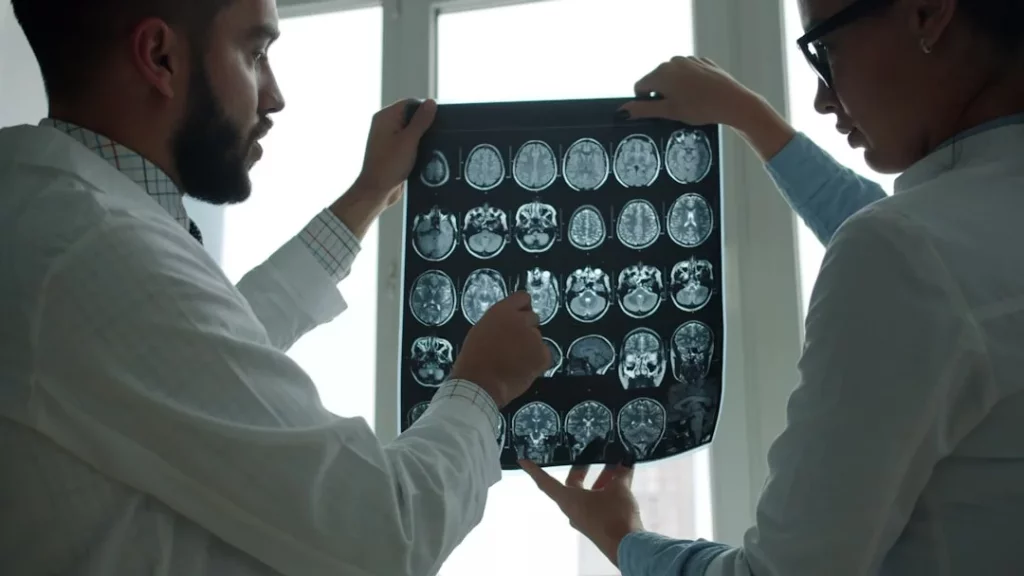

Short answer: yes, can working memory be trained? To a point, yes. You can usually get better at the exact tasks you practice, but whether those gains spread to IQ, attention, grades, or everyday performance is a different question entirely. That spread is called transfer—basically, does practice on one task help you in other situations, or just make you better at that one task?
📋 Quick Reference
- What usually improves: performance on trained working memory tasks and closely related exercises.
- What probably does not improve much: broad IQ, general attention, or school performance in a reliable, lasting way.
- What tends to help more in real life: better study systems, lower cognitive load, sleep, stress control, and evidence-based learning habits.
If you’ve ever walked into a room and forgotten why, blanked during an exam, or lost track of a multi-step task at work, you’ve felt the limits of working memory. And that’s why this topic gets so much hype. Research reviews, including summaries of working memory training research, keep landing on the same frustrating pattern: people improve on the drills, but far transfer is often weak or inconsistent.
So what should you actually do with that? This article turns the evidence into a decision guide. You’ll see what working memory is, whether can working memory be trained means anything useful outside a lab, which programs and exercises hold up better than others, and what “near transfer vs far transfer” means in plain English. We’ll also compare brain training claims with approaches that more reliably help you learn better right now and use science-backed study methods that show up in actual school and work outcomes.
Quick sidebar: I’m a software engineer, not a neuroscientist. But I build FreeBrain learning tools, test study systems obsessively, and base the conclusions here on published evidence—meta-analyses, randomized trials, and expert reviews—not wishful thinking. If you’re wondering whether working memory training is worth your time, good. That’s exactly the question this article answers.
📑 Table of Contents
- Quick answer: what the evidence says
- What working memory is — and why transfer matters
- Near transfer, far transfer, and real life
- What the best studies actually show
- Does it help IQ, focus, or grades?
- Programs compared: what’s worth your time?
- A 5-step plan that helps in real life
- Bottom line: what to do next
- Frequently Asked Questions
- Can working memory actually be improved?
- What is the difference between near transfer and far transfer?
- Does working memory training improve IQ?
- Does working memory training improve attention?
- Does working memory training improve school performance?
- How long do working memory training benefits last?
- Do brain training apps improve working memory?
- Is working memory training worth it?
- Conclusion
Quick answer: what the evidence says
So here’s the deal. If you’re asking whether brain-training programs really change your mind in a broad, lasting way, the evidence is more restrained than the marketing. For more on memory and brain health, see our memory and brain health guide.
📋 Quick Reference
- What usually improves: the exact working memory tasks you practice, plus sometimes very similar tasks.
- What probably doesn’t improve much: IQ, broad academic performance, or wide real-world gains across attention and daily functioning.
- What often helps more in real life: better study systems, sleep, stress control, and reducing mental overload.
I’m coming at this as a software engineer who builds learning tools at FreeBrain, not as a neuroscientist. And yes, I care a lot about what actually works — which is why this guide leans on meta-analyses, systematic reviews, and randomized trials, not anecdotes or miracle claims. If your goal is to learn better right now, you’ll usually get more from practical systems and science-backed study methods than from narrow brain games.
The short answer in one paragraph
Yes, can working memory be trained? Usually, yes — in the limited sense that people get better at the trained exercises. But is working memory training effective in a broader sense? That depends on transfer, which simply means whether practice carries over beyond the exact task you drilled. Near transfer to similar tasks shows up fairly often; far transfer to IQ, school performance, or daily life is mixed at best.
What usually improves — and what usually doesn’t
Here’s the distinction most people miss. If you practice dual n-back, you’ll often improve at dual n-back or close cousins of it. Can working memory be improved on those trained tasks? Often, yes. Does working memory training improve IQ or reliably raise grades? The better-controlled evidence usually says not by much, if at all.
Research reviews in the PubMed Central evidence archive on cognitive training and summaries from the working memory training overview point in the same direction: task-specific gains are common, broad transfer is the real test.
How this guide judges the evidence
OK wait, let me back up. Not all studies deserve equal weight. I prioritize randomized trials with an active control group, where the comparison group also does something engaging, because expectancy and placebo effects can make weak studies look more impressive than they are.
Small studies can overstate benefits. And here’s the kicker — if a program only beats “do nothing,” that’s not very convincing. This article is a decision guide, not a hype piece. Which brings us to the next question: what is working memory, exactly, and why does transfer matter so much?
What working memory is — and why transfer matters
So the quick answer was: maybe a little, but the real question is broader. When people ask can working memory be trained, they usually don’t care about getting better at one app task—they care about school, work, and daily focus.
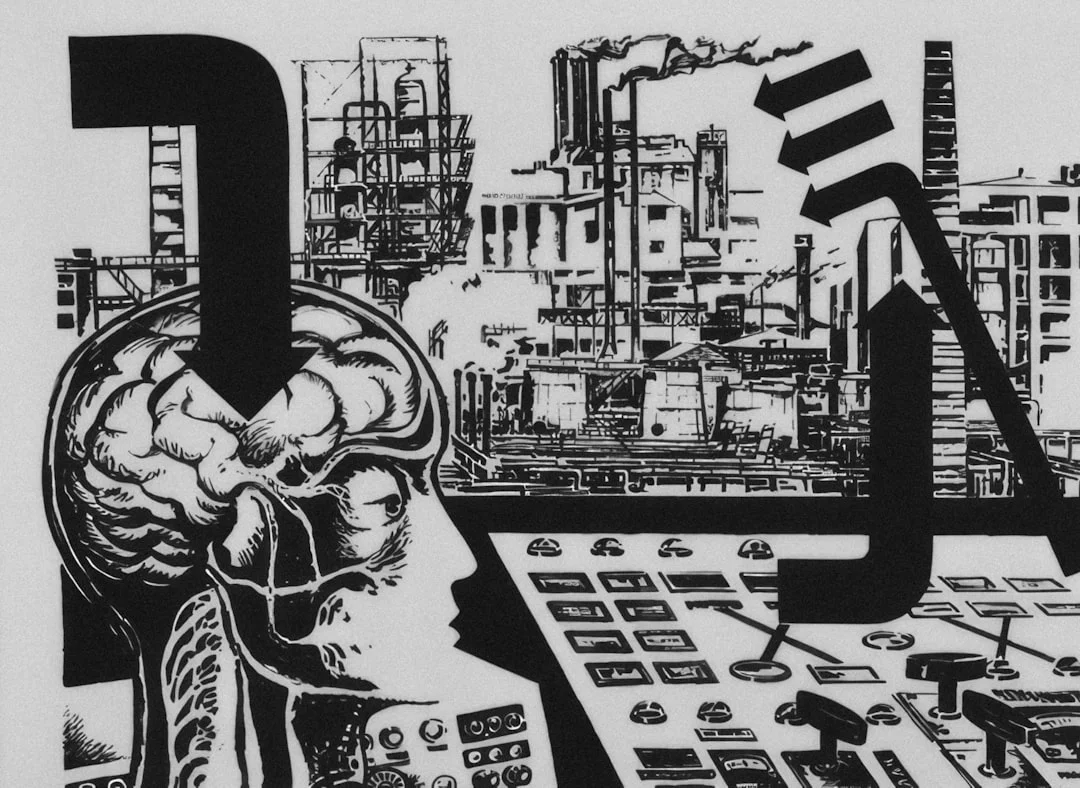
That’s why transfer matters more than raw score gains. If you want to learn better right now, or use science-backed study methods that improve real performance, you need to know what working memory actually does.
Working memory vs short-term memory
What is working memory? It’s the system that briefly holds information and works with it at the same time. Think: keeping a phone number in mind while dialing, tracking carries in mental arithmetic, or holding the start of a dense sentence while you finish reading the end.
Short term memory is narrower. It’s mostly storage. Working memory adds manipulation, updating, and control—functions closely tied to executive function, as described in the standard overview of working memory.
OK wait, let me make that concrete:
- Repeat digits forward = mostly short-term storage
- Repeat digits backward = storage plus mental processing
- Follow one instruction = easier
- Follow four steps while ignoring distractions = working memory under load
What researchers mean by transfer
This is the part most people get wrong. Training gains on the practiced task are called near transfer when they carry over to very similar tasks, and far transfer when they show up in different abilities like reading, reasoning, or classroom performance.
Why does that distinction matter? Because evidence reviews, including research indexed in PubMed Central on working memory training, often find stronger near transfer than far transfer working memory effects. So yes, practice can improve trained or closely related tasks. Broad life improvement is a much tougher bar.
Why this matters in daily life
Low performance under load can look like forgetfulness, distraction, or “brain fog.” But wait—poor results don’t always mean low working memory capacity. Stress, sleep loss, anxiety, multitasking, and messy study systems can all drag performance down.
Three situations where working memory shows up fast:
- Solving a multi-step math problem without losing track of earlier steps
- Reading a dense paragraph and holding the argument together
- Switching between tasks in a meeting while remembering what comes next
And here’s the kicker—working memory interacts with attention control and inhibition, but improving one lab task doesn’t guarantee broad executive gains. Which brings us to the next section: what near transfer, far transfer, and real-world outcomes actually look like.
Near transfer, far transfer, and real life
Now we can ask the question that actually matters: can working memory be trained in a way that helps outside the training app? That’s where “transfer” comes in — and why readers looking to learn better right now should care more about generalization than flashy score gains.
Near transfer: where gains are most common
Near transfer is the most common finding in working memory training programs compared across studies. Practice digit span, updating, or n-back tasks, and you’ll often improve on very similar span, updating, or n-back tasks. Real improvement? Yes. Broad improvement? Usually not.
For example, getting better at digit span and then scoring higher on a similar span test counts as near transfer. Researchers discussing cognitive training in PubMed Central’s cognitive training literature repeatedly point out this distinction, because training effects are often strongest when the outcome test closely resembles the practice task.
Far transfer: the big promise
Far transfer is the bigger claim. This is where people ask, does working memory training improve IQ, attention, or grades? A classic example: training on dual n-back and then expecting gains in fluid intelligence or report-card performance.
But wait. This is also where findings get mixed, especially when studies use active controls instead of passive ones. Why does that matter? Because expectancy effects matter: if one group gets an engaging task and the other gets nothing, the “training” group may improve partly because they expect to improve, not because capacity changed. If your goal is school results, methods like the active recall study method and other science-backed study methods usually have a clearer path to better performance.
Why real-world outcomes are harder to move
Real world outcomes are messy. A student’s grade depends on prior knowledge, teaching quality, attendance, sleep, and test anxiety. An adult’s focus at work depends on interruptions, workload, and environment. So can working memory be trained enough to survive all that noise? Sometimes maybe, but better task scores don’t automatically carry over.
- Near transfer: better scores on similar span, updating, or n-back tasks
- Far transfer: gains on different abilities like reasoning, broad attention, or school performance
- Real-world outcomes: changes in grades, job performance, daily focus, or learning speed
| Type | Examples | Typical evidence |
|---|---|---|
| Near transfer | Digit span to similar span task | Usually strongest |
| Far transfer | Dual n-back to reasoning or attention | Mixed, often smaller |
| Real-world outcomes | Grades, work output, daily focus | Weakest and hardest to show |
From experience building learning tools, the more reliable gains usually come from reducing task load and improving retrieval practice, not from chasing a higher general capacity score. And here’s the kicker — that practical view lines up with broader summaries of transfer effects, including the overview of transfer of learning. Next, let’s look at what the best studies actually show.
What the best studies actually show
So here’s the deal. Once you separate near transfer from real-world transfer, the big question becomes: can working memory be trained in a way that meaningfully changes everyday performance?

The short answer is mixed. If your goal is broader learning results, you’ll usually get more reliable payoff from learn better right now strategies and science-backed study methods than from commercial brain-training claims alone.
What meta-analyses tend to agree on
Across many meta analysis papers and systematic review articles, the recurring pattern is pretty consistent: people get better at the exact tasks they practice, and sometimes at closely related tasks too. But when researchers test far transfer—things like fluid intelligence, grades, or broad daily functioning—the effects are often small, inconsistent, or missing.
Why do reviews disagree, then? Mostly because they include different age groups, training programs, outcome measures, and quality standards. And yes, that sounds nerdy, but it matters. A review that includes weaker studies will usually look more optimistic than one that filters hard for rigorous trials.
- Strongest finding: gains on trained tasks
- Moderate at best: some near-transfer effects
- Least reliable: IQ, academic performance, and broad real-life benefits
Why study design changes the answer
This is the part most people get wrong. In a randomized controlled trial, an active control group might do another demanding activity—say trivia, visual search, or educational games—while the training group does working memory drills. A passive control group does little or nothing.
Why does that matter? Because passive controls can exaggerate benefits through engagement, novelty, and plain old placebo effects. If you expect a program to make you sharper, your test effort can change even if the claimed mechanism doesn’t. For background and review access, PubMed from the National Library of Medicine is the best place to start.
Better studies also use larger samples, blinding where possible, and preregistration. Those steps don’t make results exciting. They make them trustworthy.
What newer trials add
Well, actually, newer and stricter trials often find narrower benefits than early marketing suggested. Some early excitement softened as methods improved and researchers demanded stronger controls.
And how long does working memory training last? Maintenance effects are still uncertain. Some gains fade without continued practice, and long-term real-world improvement is much less clear than short-term task improvement.
Educational note: If you or your child has major attention problems, memory complaints, or possible ADHD symptoms, talk with a qualified clinician or psychologist. This article is educational, not medical advice. Which brings us to the next question: does any of this actually help IQ, focus, or grades?
Does it help IQ, focus, or grades?
So what does that mean in plain English? When people ask whether can working memory be trained, they usually mean three things: will it raise IQ, improve focus, or help in school. The short answer: sometimes on similar tasks, rarely in broad life-changing ways.
IQ and fluid reasoning
If you’re asking, does working memory training improve IQ, the evidence is mixed at best. Some early studies suggested gains in fluid intelligence, but later meta-analyses found that higher-quality trials usually show smaller or no meaningful far-transfer effects. That’s the key term: near transfer means you get better at similar memory tasks; far transfer means better reasoning in general life. And that’s where support gets weak.
Attention and focus
Does working memory training improve attention? Sometimes people feel more focused after training, sure. But attention problems can also come from stress, poor sleep, anxiety, overload, or a distracting environment, which is why broad attention gains are inconsistent; for many adults, it helps more to understand why stress can cause brain fog than to keep drilling n-back tasks.
Grades, reading, and math
Does working memory training improve school performance? Usually not much. Academic performance depends heavily on knowledge, practice, feedback, and study behavior, so students often gain more from science-backed study methods than from narrow cognitive drills.
- A biology student benefits more from retrieval practice.
- A math student benefits more from worked examples.
- An office worker often benefits more from reducing interruptions and externalizing tasks.
Real-World Application: what helps more day to day
Twenty minutes a day on a brain app, or 20 minutes on active recall, planning tomorrow’s tasks, and sleeping on a regular schedule? Personally, I think the second path wins for most people. If your goal is to learn better right now, real-world systems usually beat isolated drills.
Next, let’s compare the actual programs and tasks so you can judge what’s worth your time.
Programs compared: what’s worth your time?
So if IQ and grade gains are shaky, the real question is simpler: can working memory be trained in a way that matters outside the app? Short answer: sometimes on the practiced task, less reliably in daily life. If your goal is better studying, you’ll usually get more from active recall study method than from narrow drills alone.
| Type | Typical gains | Far transfer | Cost/time | Verdict |
|---|---|---|---|---|
| Dual n-back | Strong on task | Mixed, debated | Low cost, high effort | Fine experiment, not magic |
| Cogmed | Improves trained WM tasks | Limited for grades/attention | High cost, structured | May help some users stick with practice |
| Span/updating tasks | Narrow near transfer | Weak overall | Low cost | Useful for targeted practice |
| Generic brain apps | Better game scores | Usually weak | Low-medium | Engaging, but evidence often oversold |
Dual n-back and similar apps
Dual n-back asks you to track visual and audio items at once. That’s why dual n back got popular: it feels demanding, measurable, and very “brainy.” People usually improve at n back training itself. But broad transfer—meaning gains on different tasks, real studying, or work performance—remains debated across meta-analyses.
Commercial programs like Cogmed
Cogmed’s appeal is obvious: sessions, progress tracking, coaching, and strong marketing to parents and students. Well, actually, that’s not nothing. Structure can increase adherence. But evidence for broad academic gains or lasting attention improvements is still limited, and claims should be checked against independent reviews, not just company summaries.
Common mistakes and red flags
- Paying for vague promises like “rewire your brain” or “boost IQ fast”
- Confusing fun engagement with effectiveness
- Trusting “clinically proven” without accessible citations
- Measuring only app scores instead of real outcomes
Ask six questions before paying: What exact outcome is promised? Active control? Real-world outcomes? How long do benefits last? Independent replication? What’s the opportunity cost? That’s the part most people skip. Next, I’ll show you a 5-step plan that targets real-life performance instead.
A 5-step plan that helps in real life
So what’s worth doing if narrow training tasks don’t change much outside the app? Here’s the practical answer to “can working memory be trained”: maybe a bit on similar tasks, but real-life gains usually come faster from reducing load, learning better, and fixing the bottleneck.
How to improve day-to-day working memory performance
- Step 1: find the real bottleneck
- Step 2: reduce mental load
- Step 3: use methods that transfer
- Step 4: support performance with sleep, stress, and exercise
- Step 5: track outcomes that matter
Step 1: find the real bottleneck
Before you search for a working memory test online, ask: when do failures happen? During dense reading, meetings, math, or when you’re underslept? Well, actually, that distinction matters more than most people think. Trouble holding information in mind can come from overload, distraction, weak encoding, anxiety, or unrealistic multitasking—not just low capacity.
Step 2: reduce mental load
If you want to know how to improve working memory naturally, start by using less of it. Capture tasks externally, chunk instructions into 2-3 parts, use checklists, and simplify your workspace. Students can use a note system or a GTD-style setup; professionals can turn meetings into next-action lists and calendar blocks.
- One inbox for tasks
- One checklist per repeat process
- One visible next step
Step 3: use methods that transfer
This is the part most people get wrong. “Transfer” means whether practice helps outside the exact task: near transfer is similar drills, far transfer is better grades, reading retention, or job performance. Evidence reviews often find stronger academic gains from retrieval practice and spaced review than from generic brain games, so try active recall flashcards first.
Step 4 and 5: support performance and track results
Can working memory be improved in daily life? Often, yes—by sleeping enough, managing stress, and exercising regularly, even if that doesn’t “increase capacity” in a simple way. Track fewer forgotten steps, better quiz scores, stronger meeting follow-through, and fewer task-switching mistakes over 2-4 weeks.
And if you want a practical next move, FreeBrain’s study and focus resources can help you build a system that actually transfers. Which brings us to what to do next.
Bottom line: what to do next
So here’s the practical verdict. Research across major reviews suggests the answer to “can working memory be trained” is yes, but mostly on tasks that look a lot like the training itself—not as a reliable shortcut to higher IQ, better grades, or broadly better daily functioning.
If your real goal is learning more effectively, you’ll usually get more from better study design, sleep, stress control, and reducing overload. Personally, I’d start with systems that help you learn better right now before paying for another app.
If you want better task performance
Can working memory actually be improved? Well, actually, often yes—narrowly. If you need to get better at mental math, following multi-step instructions, or holding code chunks in mind, practice that exact skill and add external supports like checklists, notes, timers, and simpler workflows.
- Train the specific task you care about
- Reduce cognitive load in your environment
- Judge progress by real world outcomes, not drills alone
If you’re considering a brain training app
Ask four questions: What exact goal am I targeting? What evidence exists for transfer? What am I giving up to do this? And how long do working memory training benefits last for outcomes I actually care about?
That last point matters. Near transfer means getting better at similar tasks; far transfer means gains on different abilities; real-world outcomes mean fewer mistakes, better studying, or smoother workdays. And here’s the kicker—maintenance and transfer are the whole game.
📋 Quick Reference
- If you want better test scores, use retrieval practice.
- If you want fewer daily slips, externalize tasks and reduce overload.
- If you’re considering an app, judge it by real-world results, not in-app scores.
So, is working memory training worth it? Sometimes—but usually as a targeted tool, not magic. Improvement is possible, just more specific and less dramatic than marketing suggests. Which brings us to the final FAQ and conclusion.
Frequently Asked Questions
Can working memory actually be improved?
Yes — can working memory actually be improved? Usually, yes, on the specific tasks you practice. Research suggests people often get better at trained working memory exercises and sometimes on very similar tasks, but broader transfer to daily life, grades, or general thinking ability is much less reliable. So if you’re asking can working memory be trained, the honest answer is yes for the practiced skill, but not always in a way that changes everything else.
What is the difference between near transfer and far transfer?
What is the difference between near transfer and far transfer? Near transfer means you improve on tasks that closely resemble the one you trained, like getting better at another digit-span or updating task. Far transfer is the bigger claim: improvement in different abilities or real-world outcomes such as reasoning, school performance, or everyday attention — and that’s where the evidence gets much shakier.
Does working memory training improve IQ?
Does working memory training improve IQ? Maybe a little in some studies, but the overall evidence for meaningful gains in IQ or fluid intelligence is mixed, and higher-quality studies often find smaller effects than early headlines suggested. Personally, I think this is the part most people get wrong: doing better on a trained memory task is not the same as proving a broad increase in intelligence. For a research-based overview, see PubMed, where reviews on cognitive training often separate task improvement from broader intelligence claims.
Does working memory training improve attention?
Does working memory training improve attention? Some people do report better focus after training, especially if the exercises make them more aware of distraction, but broad attention improvements are inconsistent across studies. And here’s the kicker — attention problems often come from sleep loss, stress, anxiety, overload, or a noisy environment, so memory drills may not fix the real bottleneck. If your focus is slipping, it usually makes sense to work on both attention habits and the conditions around them.
Does working memory training improve school performance?
Does working memory training improve school performance? Usually not by much, at least compared with methods that directly target learning. Students tend to get more reliable results from retrieval practice, spaced repetition, worked examples, and reducing test anxiety than from general brain-training routines. If your goal is better grades rather than better game scores, you’re often better off using stronger study systems like FreeBrain’s learning tools and articles on active recall and review planning.
How long do working memory training benefits last?
How long do working memory training benefits last? Gains on trained tasks can stick around for a while, but the timeline varies a lot by study, by person, and by how narrow the skill was to begin with. Without continued practice, some benefits fade — especially when the improvement was tied closely to one task format rather than a broader habit you use in real life. So yes, can working memory be trained for a period of time? Often yes. Do the benefits always last in everyday performance? That’s much less clear.
Do brain training apps improve working memory?
Do brain training apps improve working memory? Many apps can help you improve at the games or closely related tasks they include, and that’s not nothing. But wait — better app performance doesn’t automatically mean better everyday memory, productivity, or academic outcomes. If you use these apps, treat them as skill-specific practice, not proof of broad cognitive change; the American Psychological Association has discussed this gap between game gains and real-world transfer.
Is working memory training worth it?
Is working memory training worth it? It can be, if your goal is narrow and realistic — for example, improving performance on a specific type of memory task and you enjoy the format enough to stick with it. But if you want better grades, stronger focus, or smoother daily performance, your time is often better spent on a few higher-return basics:
1. Better study methods like retrieval practice and spaced repetition.
2. Enough sleep and lower stress.
3. Reducing cognitive load by simplifying your environment and task list.
Thing is, when people ask whether can working memory be trained, they’re often really asking how to think and learn better. And for that bigger goal, training is only one small piece.
Conclusion
So here’s the practical answer. If you’re asking whether can working memory be trained has a simple yes-or-no answer, it’s really this: you can improve performance on memory-heavy tasks, but broad real-world gains usually come from combining targeted practice with better systems. Focus on three things first: train the exact skill you need, use external supports like checklists and chunking, and build habits that protect attention, sleep, and stress levels. And if you try a brain-training program, judge it by whether it helps your actual work, studying, or daily life — not just your score inside the app.
That might sound less exciting than “upgrade your brain in 10 minutes a day.” But honestly, it’s more useful. You don’t need perfect memory to think clearly, learn faster, or stay on top of complex tasks. Small changes stack up. A tighter study routine, fewer distractions, better note structure, and consistent retrieval practice can make your working memory feel more reliable where it counts. Personally, I think that’s the part most people miss: progress often looks less like a mental superpower and more like fewer dropped details, better focus, and smoother follow-through.
If you want to turn this into action, keep going on FreeBrain.net. Start with our related guides on how to improve focus and concentration and spaced repetition to build a system that supports memory in real life. Which brings us to the real next step: don’t just ask whether working memory can improve — test what helps you, measure it in your daily tasks, and keep the strategies that actually stick.