

If you’re wondering whether a 7 day MIND diet can actually help your brain, here’s the short answer: the research is promising, but it’s more nuanced than most headlines make it sound. In this guide, you’ll see what a 7 day MIND diet can realistically do, what the evidence says about Mediterranean-style eating and cognitive decline, and how to turn that evidence into a practical starter week you can follow.
Most people don’t want another “eat more greens” article. You want to know: does the Mediterranean MIND diet really help memory, focus, and brain aging — or is it just another healthy-eating label? And if you try a 7-day MIND plan, what happens to your brain on the Mediterranean diet after a week, a month, or a few years?
So here’s the deal. We’re going to separate observational studies from randomized trials, compare the MIND diet vs Mediterranean diet vs DASH diet for brain outcomes, and explain what researchers can prove versus what they can only suggest. If you’ve ever felt lost reading nutrition claims, this will help — and if you want a better framework for evaluating evidence, our guide on how to read research papers pairs well with this article.
You’ll also get a beginner-friendly 7-day starter plan. Not a fantasy meal prep routine. A realistic one. And because brain health isn’t just about food, I’ll point out where sleep, movement, and habits matter too — speaking of which, FreeBrain’s breakdown of exercise and memory research is a useful companion if you want the bigger picture.
I’m a software engineer, not a neuroscientist. But I spend a lot of time building learning tools, translating published research into practical systems, and filtering hype from signal — and yes, that includes nutrition claims about cognition. This article is educational, not medical advice, and if you have a medical condition or need personal nutrition guidance, consult a qualified professional. One more thing: diet affects brain health over time, not overnight, which is exactly why research on Mediterranean-style dietary patterns and cognitive health matters more than quick-fix promises.
📑 Table of Contents
- Start Here: What the Evidence Really Says
- Mediterranean, MIND, and DASH Explained
- How These Diets May Help the Brain
- What Human Studies Actually Show
- Quick Evidence Table and Best Comparison
- Common Mistakes and What Research Can't Prove
- How to Start a 7-Day MIND Diet
- 7-Day Meal Plan and Final Takeaways
- Frequently Asked Questions
- What does research say about the Mediterranean diet and brain health?
- Does the Mediterranean diet help prevent cognitive decline?
- Can the Mediterranean diet reduce dementia risk?
- What happens to your brain on the Mediterranean diet?
- Is the Mediterranean diet or MIND diet better for brain health?
- What is the difference between the MIND diet and Mediterranean diet?
- Does olive oil help brain health?
- How do you start a 7-day MIND diet as a beginner?
- Conclusion
Start Here: What the Evidence Really Says
Now that you’ve got the big picture, let’s make this practical. In this section, you’ll see what research suggests about Mediterranean-style eating, the 7 day MIND diet approach, memory, focus, cognitive aging, and dementia risk—then we’ll use that evidence to build a realistic beginner-friendly plan.
First, a reality check. Food patterns shape brain health over months and years, not after two salads and a handful of walnuts. And diet works best alongside other habits that matter for cognition, including sleep, movement, and exercise and memory research.
📋 Quick Reference
Best current read: Mediterranean-style and MIND-style eating patterns are promising for long-term brain health, with stronger evidence from large observational studies than from short-term trials.
- Most supported outcomes: slower cognitive decline and lower dementia risk associations
- Less certain: fast improvements in focus, memory, or executive function
- Best expectation: think long-term support, not guaranteed prevention
One more thing. This article is educational, not medical advice. If you have diabetes, kidney disease, food allergies, an eating disorder history, or possible medication-food interactions, talk with a qualified clinician before changing your diet.
The 2-minute answer
If you’re asking what does research say about the Mediterranean diet and brain health, here’s the short version: the signal is encouraging, but it’s not magic. Many cohort studies report that people who stick more closely to Mediterranean or MIND-style eating tend to have slower cognitive decline and lower dementia risk over time.
That matters. But wait—association isn’t the same as proof. Observational studies can show links, while randomized trials test whether changing diet actually causes measurable differences in memory or executive function.
And here’s the kicker—trial evidence is usually more mixed and the effects, when they appear, are modest. Reviews indexed by PubMed’s human nutrition and cognition research database consistently suggest Mediterranean diet and cognitive decline outcomes look more convincing over the long run than in short, tightly controlled interventions.
- Observational evidence: stronger for long-term brain aging patterns
- Randomized trials: useful, but often smaller and shorter
- Best takeaway: promising, low-risk eating patterns with realistic benefits
What remains uncertain
This is the part most people skip. Self-reported food intake is messy, adherence varies, and healthier eaters often also sleep better, exercise more, and smoke less. So Mediterranean diet dementia risk research can be influenced by confounders even when researchers adjust for them.
Reduced risk doesn’t mean guaranteed prevention of Alzheimer’s disease or dementia. Personally, I think the smartest frame is probability, not promises. You’re stacking the odds in your favor, not buying certainty.
And yes, that distinction matters. A pattern can be helpful without being a cure, which is exactly how you should think about a MIND diet for beginners.
How this guide evaluates evidence
FreeBrain’s whole approach is evidence first. I’m a software engineer, not a neuroscientist, so I try to separate hype from signal by reviewing study types in order: observational studies first, then each randomized controlled trial, then systematic review and meta-analysis papers that combine the broader literature.
If you want to understand why one headline overstates results and another doesn’t, read our guide on how to read research papers. For background on how research summaries are built, the NCBI explanation of systematic reviews and meta-analyses is also useful.
Which brings us to the next question: what exactly counts as Mediterranean, MIND, or DASH eating—and where do they overlap?
Mediterranean, MIND, and DASH Explained
So now that we’ve covered what the evidence can and can’t prove, here’s the practical question: what are these diets actually asking you to eat? If you want to learn better right now, food helps most when it supports the same big systems that also show up in exercise and memory research: blood flow, inflammation, energy regulation, and long-term brain resilience.
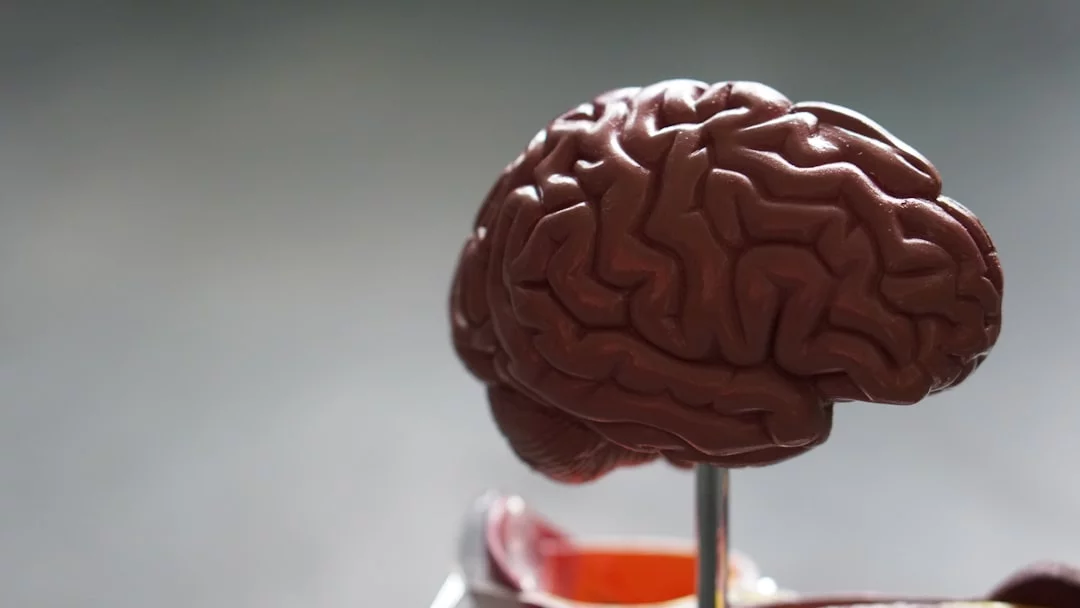
The big thing most people miss? Mediterranean, DASH, and the 7 day MIND diet are not rigid meal plans. They’re eating patterns, really more like scorecards or templates than exact menus.
Mediterranean diet in plain English
The Mediterranean diet is a broad pattern based on common features seen in traditional eating habits around parts of the Mediterranean region, not one single country’s menu. In plain English, it means you eat lots of vegetables, beans, fruit, whole grains, olive oil, nuts, seeds, and fish, with moderate dairy and less red or processed meat.
That matters for brain aging because the pattern tends to support cardiovascular and metabolic health, and your brain depends on both. Research reviews indexed by PubMed’s nutrition and cognition literature consistently show stronger links for overall dietary patterns than for single “superfoods.”
- Base meals around plants
- Use olive oil as a main fat
- Eat fish regularly
- Keep ultra-processed foods occasional
How MIND adapts Mediterranean and DASH
MIND stands for Mediterranean-DASH Intervention for Neurodegenerative Delay. OK wait, let me back up. It basically blends Mediterranean eating with DASH, a pattern originally built to help lower blood pressure, then adds extra emphasis on foods most associated with brain-related outcomes.
The Mediterranean MIND diet usually highlights 10 food groups: leafy greens, other vegetables, nuts, berries, beans, whole grains, fish, poultry, olive oil, and in some versions wine. It also asks you to limit red meat, butter or stick margarine, cheese, pastries and sweets, and fried or fast food. And yes, many people skip alcohol entirely and still follow the pattern well.
For a MIND diet for beginners, think weekly habits, not one perfect lunch. One salad with olive oil doesn’t mean full adherence. Regular intake does.
Which pattern is easiest to start
Personally, I think Mediterranean is easiest for most people because it’s flexible. MIND is often easier if you want a simple brain-focused checklist. DASH may matter most if blood pressure is part of the picture, because vascular health strongly affects cognitive aging, a point also reflected in the NHLBI’s DASH eating plan guidance.
So what is the difference between the MIND diet and Mediterranean diet? Mediterranean has broader evidence across heart and metabolic health, while MIND was designed more specifically around brain outcomes. Which brings us to the next question: how might these patterns actually help the brain?
How These Diets May Help the Brain
Now that the Mediterranean, MIND, and DASH patterns are on the table, the obvious question is: why would food affect cognition at all? The short answer is that the 7 day MIND diet and similar eating patterns may support the brain through blood vessels, inflammation, oxidative stress, blood-sugar control, and possibly the gut-brain axis.
And one more thing. Diet works best as part of a bigger system that includes sleep, movement, and learning habits, which is why I usually pair nutrition advice with exercise and memory research rather than treating food like magic.
Vascular health comes first
Your brain uses a huge share of your body’s energy, so it needs steady blood flow. That’s why what helps your heart often helps your brain too: healthier blood pressure, better blood sugar control, and improved blood lipids can all support long-term brain aging.
Research on Mediterranean diet and cognitive decline often points in this direction. People who follow these patterns tend to eat more beans, nuts, vegetables, fish, and minimally processed foods, and less of the ultra-processed stuff linked with metabolic strain. Personally, I think this is the part most people skip: dementia risk isn’t only about neurons, it’s also about vessels.
Three mechanisms matter most:
- Less chronic inflammation that may damage blood vessels over time
- Lower oxidative stress, which means less wear-and-tear from unstable molecules
- Better insulin sensitivity, helping the brain get energy more reliably
Stress overlaps with all of this, by the way. If you want the non-diet side of the picture, our guide on stress and memory loss explains why high stress can muddy cognitive performance even when your diet is solid.
Olive oil, fish, greens, and berries
Does olive oil help brain health? Maybe, in a cautious, pattern-level sense. Extra-virgin olive oil contains monounsaturated fats and polyphenols, and the NCBI overview of oxidative stress is useful background for understanding why antioxidant-rich foods keep showing up in brain-health research.
Fish matters for similar reasons. Whole fish gives you omega-3 fats plus protein and micronutrients, and that’s usually a stronger bet than supplement hype alone. Leafy greens and berries also appear again and again in MIND-style scoring because they pack nutrients associated with healthy aging, though no single food carries the whole plan.
Why brain fog is more complicated
What happens to your brain on the Mediterranean diet in real life? Some people feel steadier energy, fewer blood-sugar swings, and less afternoon sluggishness. But wait, brain fog is messier than that.
Sleep debt, stress, burnout, medication effects, and medical issues can all play a role, so Mediterranean diet brain fog research shouldn’t be oversold. If that sounds familiar, read our piece on stress and brain fog—because food may help, but it doesn’t “cure” every concentration problem. For a broader overview of dietary patterns and cognition, the Harvard Health review on foods linked to better brainpower gives a solid high-level summary.
So the 7 day MIND diet isn’t about one miracle mechanism. It’s about stacking several modest, plausible advantages. Which brings us to the harder question: what do human studies actually show?
What Human Studies Actually Show
Mechanisms are useful. But human outcomes matter more. To judge a 7 day MIND diet fairly, you need to separate association from proof—basically the same skill behind how to read research papers.
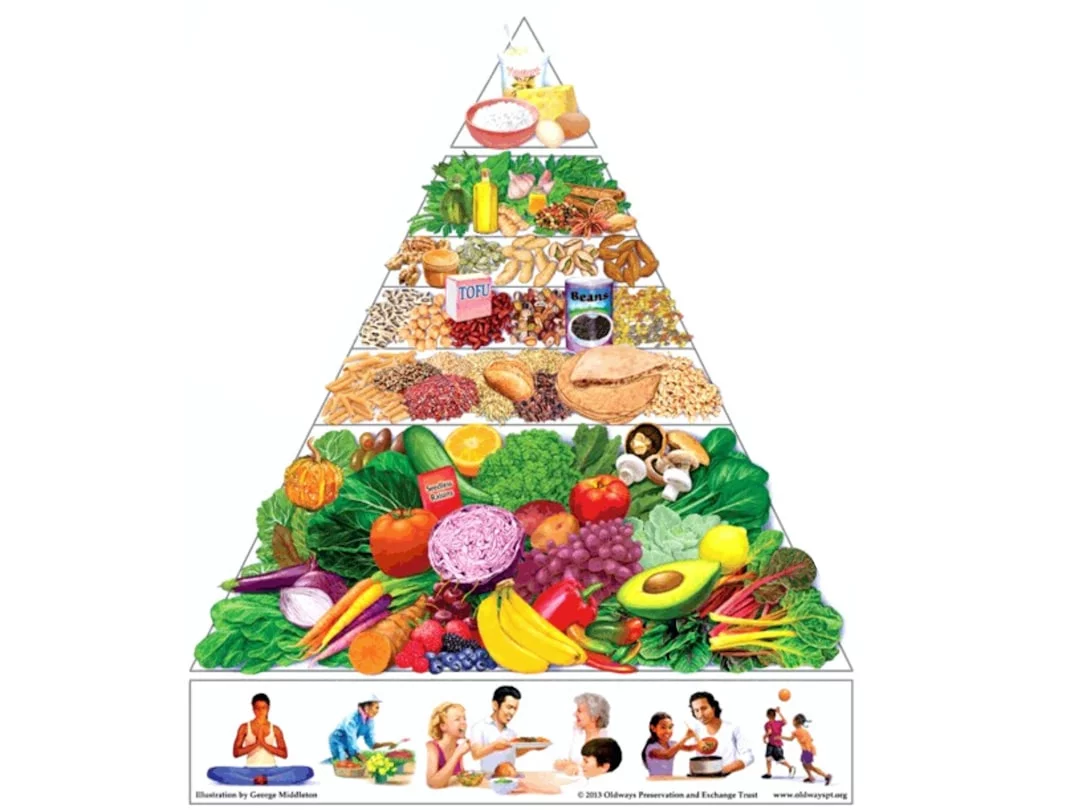
And one more reality check: diet is only one part of brain health. Sleep, movement, and stress load matter too, which is why evidence on food usually makes more sense alongside exercise and memory research and what we know about stress and memory loss.
Observational studies: useful, but limited
Most Mediterranean diet dementia risk research starts with the observational study. Researchers track large groups for years, score how closely people eat to Mediterranean, MIND, or DASH-style patterns, and then compare rates of cognitive decline or dementia.
The broad pattern is fairly consistent: higher adherence is often linked with slower decline and lower risk. But wait—these studies can’t fully solve healthy-user bias. People who eat more greens, beans, fish, and olive oil also tend to exercise more, smoke less, and manage health better.
Reverse causation is another problem. If cognition is already slipping, food habits may worsen before diagnosis. And food-frequency questionnaires are noisy; people forget what they ate, underestimate snacks, and overreport “healthy” foods.
Randomized trials: more rigorous, less tidy
A randomized controlled trial gives stronger evidence, but diet trials are hard. You can’t blind olive oil the way you blind a pill, adherence fades over time, and meaningful brain outcomes may take years.
The PREDIMED research program is important context here, because it tested Mediterranean-style eating against lower-fat advice in older adults at cardiovascular risk. Cognitive sub-studies have suggested modest benefits in some groups, but results vary by population, follow-up length, and outcome measured—global cognition, memory, or executive function aren’t always affected equally.
Reviews and meta-analyses: the big picture
A systematic review or meta-analysis helps because it pools many studies. Still, pooled evidence is only as good as what goes in. If most included papers are observational, the headline should be “consistent association,” not “prevents dementia.”
That said, reviews generally support a real signal between Mediterranean diet and cognitive decline, especially compared with the much weaker long-term evidence for isolated supplements. For a broad research index, PubMed’s biomedical literature database from the National Library of Medicine is the best place to verify the underlying papers.
How to read brain-health headlines
- Was it a cohort study or a trial?
- How long did it last—weeks, months, or years?
- Was the effect clinically meaningful or just statistically significant?
- What was actually eaten, and compared against what?
Personally, I think this is the part most people skip. What does research say about the Mediterranean diet and brain health in 2025? Promising, yes. Certain, no. And that’s exactly why the next section compares the evidence side by side.
Quick Evidence Table and Best Comparison
So what does that human evidence look like when you line it up side by side? If you want a cleaner framework for judging study types, this short guide on how to read research papers helps, because a 7 day MIND diet headline can sound stronger than the underlying design really is.
And here’s the practical bottom line: diet matters, but it works best with other habits. Brain outcomes are also shaped by sleep, movement, and exercise and memory research, so no eating pattern should be judged in isolation.
📋 Quick Reference
| Outcome | Best signal | Typical evidence summary | Confidence |
|---|---|---|---|
| Memory | MIND/Mediterranean | Older adults; mostly cohort studies, some trials; months to years; stronger for association than intervention | Moderate |
| Executive function | Mediterranean | Midlife and older adults; mixed RCTs and cohorts; weeks to years; mixed trial evidence | Moderate |
| Global cognition | MIND/Mediterranean | Older adults; observational plus meta-analyses; years; stronger association evidence | Moderate |
| Dementia risk | MIND | Older populations; long-term cohorts; years; association stronger than intervention | Low-Moderate |
| Brain aging markers | Mediterranean | Smaller imaging studies; cross-sectional and some longitudinal work; limited direct evidence on brain volume | Low-Moderate |
- MIND: most brain-specific scoring
- Mediterranean: strongest broader health evidence
- DASH: promising, but less brain-focused
How to read the table
Use the labels literally: “stronger association evidence” means higher adherence score tracks with better cognitive function in real populations, not that the diet alone caused the effect. But wait — don’t compare one dramatic dementia statistic from a long cohort with a short randomized trial. Those designs answer different questions.
Where MIND may have an edge
The 7 day MIND diet gets attention because its scoring gives extra weight to leafy greens and berries, two food groups often tied to better brain outcomes in observational work. Personally, I think that’s the smartest part of the Mediterranean MIND diet idea. Still, best diet for brain health Mediterranean or MIND? We can’t call that settled for every age group or population.
Where Mediterranean is broader
Mediterranean eating has deeper evidence for cardiovascular and metabolic health, including outcomes that indirectly shape brain aging. Which brings us to the real comparison: Mediterranean diet vs MIND diet for brain health is close, but Mediterranean diet for brain aging may be the more practical first choice because it’s flexible, familiar, and supported far beyond cognition.
- MIND: sharper brain-specific hypothesis
- Mediterranean: broader evidence base and often easier adherence
- DASH: useful, especially when blood pressure is a major concern
Next, I’ll show where people overread these findings — and what the research still can’t prove.
Common Mistakes and What Research Can’t Prove
The comparison table helps, but it can also create false certainty. A 7 day MIND diet is a useful experiment, not proof that one week of eating differently will change your long-term brain aging risk.

Research limits you should know
Most Mediterranean diet dementia risk research is based on observational study data. That matters because people who eat better often also differ in income, education, healthcare access, sleep, and activity level—classic confounders that can blur cause and effect.
And diet data is often self-reported. People forget, underreport ultra-processed foods, or overestimate adherence, which adds more limitations. Reverse causation is another issue: early cognitive decline can change shopping, cooking, and appetite before diagnosis.
Publication bias can also make positive findings look more common than they are, while survivorship bias in older cohorts may leave healthier participants overrepresented. If you want a better filter for evidence strength, our guide on how to read research papers helps.
Beginner mistakes to avoid
- Replacing meals with supplements. Food-pattern evidence is stronger than most claims around nootropics for students.
- Adding olive oil while keeping the rest of your diet ultra-processed.
- Treating wine as required. It isn’t.
- Expecting the 7 day MIND diet to undo years of poor sleep, stress, or inactivity.
Personally, I think this is the part most people get wrong. What happens to your brain on the Mediterranean diet likely depends on the full pattern, not one “brain food,” and Mediterranean diet brain fog research doesn’t support overnight miracles.
When to get professional help
Worth trying? Yes, for many people. But wait—safety first, especially if you’re managing a medical condition. Next, I’ll show you how to start simply and make the plan realistic.
How to Start a 7-Day MIND Diet
If the research feels messy, start simpler. A 7 day MIND diet works best when you turn broad food rules into a few repeatable defaults.
How to start this week
- Step 1: Put one leafy-green meal on autopilot.
- Step 2: Replace one refined snack with nuts or fruit.
- Step 3: Switch your main cooking fat to olive oil where appropriate.
- Step 4: Add beans or lentils at least 3 times this week.
- Step 5: Swap one red-meat meal for fish or a legume-based dinner.
- Step 6: Make a 10-item shopping list and use a repeatable meal template.
- Step 7: Track adherence, not perfection, with a simple weekly score.
Step 1–3: Build the base
For a MIND diet for beginners, consistency beats variety. Pick one salad, greens-and-eggs breakfast, or grain bowl and repeat it 3 times. Then swap chips or pastries for nuts, berries, or an apple, and use olive oil as your default cooking fat when it fits the dish.
Step 4–5: Upgrade protein and carbs
Next, make beans or lentils easy: canned counts. Add them to soup, pasta, or rice bowls 3 or more times, use whole grains like oats or brown rice, and plan fish once or twice if you eat it. These are some of the best Mediterranean diet foods for brain health because they make the pattern easier to follow, not just healthier on paper.
Step 6–7: Make it stick
Three things matter: fewer decisions, visible food, and a score you can actually use. Write a 10-item list, repeat breakfasts, rely on one-pan dinners, and give yourself 1 point for each target met. Want help turning that into a routine? Start with how to build habits that stick.
Real-World Application: from planning to routine
After building learning tools, I’ve noticed people stick with systems that reduce choices, not diets that demand willpower all day. So batch 2 lunches, 2 dinners, and 1 snack formula for the week. And if your goal is better learning, pair this with sleep, stress control, and effective study methods. Next, I’ll turn this framework into a practical 7-day meal plan.
7-Day Meal Plan and Final Takeaways
Now that you know how to start, the next step is making it real. A good 7 day MIND diet plan should feel simple, repeatable, and doable on a busy week.
A beginner-friendly 7-day menu
Think patterns, not perfect recipes. Personally, I think that’s what makes a Mediterranean diet for brain health meal plan stick.
- Day 1: Oatmeal with berries and walnuts; lentil soup and salad; salmon, quinoa, and greens; yogurt with nuts.
- Day 2: Veggie omelet; hummus whole-grain wrap; bean chili; apple with peanut butter.
- Day 3: Greek yogurt, oats, berries; leftover chili; sardines, brown rice, and spinach; carrots with hummus.
- Days 4–7: Repeat your best meals with small swaps like tofu for fish, edamame for beans, or whole-grain toast with eggs.
Budget and convenience swaps
Use frozen berries, canned beans, canned salmon or sardines, store-brand olive oil, and pre-washed greens. And yes, microwaveable whole grains count. Vegetarian? Go with lentils, tofu, tempeh, and edamame as your protein base.
Bottom line and next steps
Research on Mediterranean-style and MIND-style eating suggests promising links with slower cognitive decline, especially in long-term observational studies, but not instant dramatic change. So here’s the deal: this is a low-risk pattern worth trying alongside sleep, movement, and active recall study method habits if you care about brain performance.
For this week, choose 3 anchor meals, buy 10 core foods, and track 7 days of servings, energy stability, and meal consistency. Over the next month, watch prep friction, blood sugar stability if relevant, and whether this way of eating fits real life. Up next: the most common questions people still have.
Frequently Asked Questions
What does research say about the Mediterranean diet and brain health?
If you’re asking what does research say about the Mediterranean diet and brain health, the short answer is this: most evidence points in a positive direction, especially from observational studies that track people over years. Higher adherence is often linked with slower cognitive decline and lower dementia risk, but randomized trials tend to show modest benefits rather than dramatic short-term changes. So yes, the pattern looks promising, but it’s better to think of it as a long-game brain health habit, not a quick fix. For a research overview, PubMed is a good place to review human studies directly.
Does the Mediterranean diet help prevent cognitive decline?
For the question does the Mediterranean diet help prevent cognitive decline, the most accurate answer is: it may help lower risk or slow decline, but it doesn’t guarantee prevention. Research suggests Mediterranean-style eating is associated with better long-term cognitive outcomes in many populations, especially when it replaces highly processed foods. And here’s the kicker — consistency matters more than doing it perfectly for one week, which is also true when you’re trying a 7 day MIND diet as a starting point.
Can the Mediterranean diet reduce dementia risk?
Mediterranean diet dementia risk research generally suggests that people who follow the pattern more closely may have a lower risk of developing dementia over time. But wait, there are limits: many studies rely on self-reported food intake, and lifestyle factors like exercise, education, sleep, and income can muddy the picture. Reduced risk is not the same as preventing dementia in every person, so it’s best to see this eating pattern as one helpful piece of a bigger brain-health system.
What happens to your brain on the Mediterranean diet?
If you’re wondering what happens to your brain on the Mediterranean diet, think slow support, not instant transformation. Over time, this eating pattern may help support vascular health, reduce chronic inflammation, and improve the overall conditions linked with healthy brain aging. Most people shouldn’t expect sharper memory or better focus after just a few days, though. Personally, I think this is the part most people get wrong — brain-friendly diets tend to work quietly in the background.
Is the Mediterranean diet or MIND diet better for brain health?
When people ask about the best diet for brain health Mediterranean or MIND, the honest answer is that both can be useful, just in different ways. The MIND diet was designed specifically around foods linked with cognitive health, while the Mediterranean diet has broader evidence for heart and metabolic health, which also matters a lot for your brain. So which is better? Usually the one you can actually follow for months, not the one that looks best on paper. If you want a practical starting point, a simple 7 day MIND diet plan can make the brain-focused version easier to test.
What is the difference between the MIND diet and Mediterranean diet?
If you want to know what is the difference between the MIND diet and Mediterranean diet, here’s the simple version:
- MIND diet: a brain-focused mix of Mediterranean and DASH eating
- Extra emphasis: leafy greens, other vegetables, berries, beans, nuts, whole grains, olive oil, and fish
- More explicit limits: butter, fried food, pastries, and heavily processed foods
- Mediterranean diet: broader, more flexible, and often easier to adapt culturally
So here’s the deal: MIND is more targeted, while Mediterranean is more general. If you’re starting with a 7 day MIND diet, you’re basically trying a more brain-specific version of a Mediterranean-style pattern.
Does olive oil help brain health?
Yes, research suggests the answer to does olive oil help brain health is probably yes — but only in context. Olive oil appears to be part of a brain-supportive dietary pattern, especially when it replaces less helpful fats in Mediterranean-style eating. But olive oil alone isn’t the whole story. The bigger pattern matters more: vegetables, legumes, whole grains, nuts, fish, and fewer ultra-processed foods. For a broader evidence-based overview of healthy dietary patterns, the National Institute on Aging has useful guidance.
How do you start a 7-day MIND diet as a beginner?
The easiest way to begin a 7 day MIND diet is to focus on a few high-impact swaps instead of rebuilding your whole kitchen overnight. Start with this simple pattern: add leafy greens most days, eat beans a few times this week, include berries and nuts, use olive oil more often, choose whole grains, and cut back on fried or ultra-processed foods. Quick sidebar: perfection isn’t the goal. Track consistency for seven days, repeat what felt easy, and then build from there. If you want extra structure, pair your meals with a simple planner or habit tracker so the 7 day MIND diet becomes something you can actually stick with.
Conclusion
If you want the short version, here it is: focus on the foods the evidence supports most consistently. Build your week around leafy greens, other vegetables, beans, berries, whole grains, nuts, olive oil, and fish, while keeping butter, pastries, fried food, and heavily processed meals in the background instead of the center of your plate. And yes, that’s the real win with a 7 day MIND diet plan — not perfection, but a repeatable pattern you can actually stick with. Three things matter most: consistency across the week, simple meal structure, and avoiding the “healthy all-or-nothing” trap.
Personally, I think this is the part most people get wrong. They assume brain-friendly eating has to be expensive, complicated, or strict from day one. It doesn’t. One better breakfast, one smarter grocery list, and one solid dinner template can change your whole week. So if your current routine feels messy, that’s OK. Start where you are, keep it practical, and give yourself seven days of honest effort before judging whether the approach works for you.
Which brings us to your next step: don’t stop at reading. Use this article as your starting point, then keep building your system with more evidence-based help on FreeBrain. You might like Best Foods for Memory and Focus if you want a simple food-first upgrade, or How to Build Better Study Habits if you’re pairing better nutrition with better learning. Try the 7 day MIND diet, notice what makes it easier to follow, and turn one good week into a routine your brain will thank you for.