
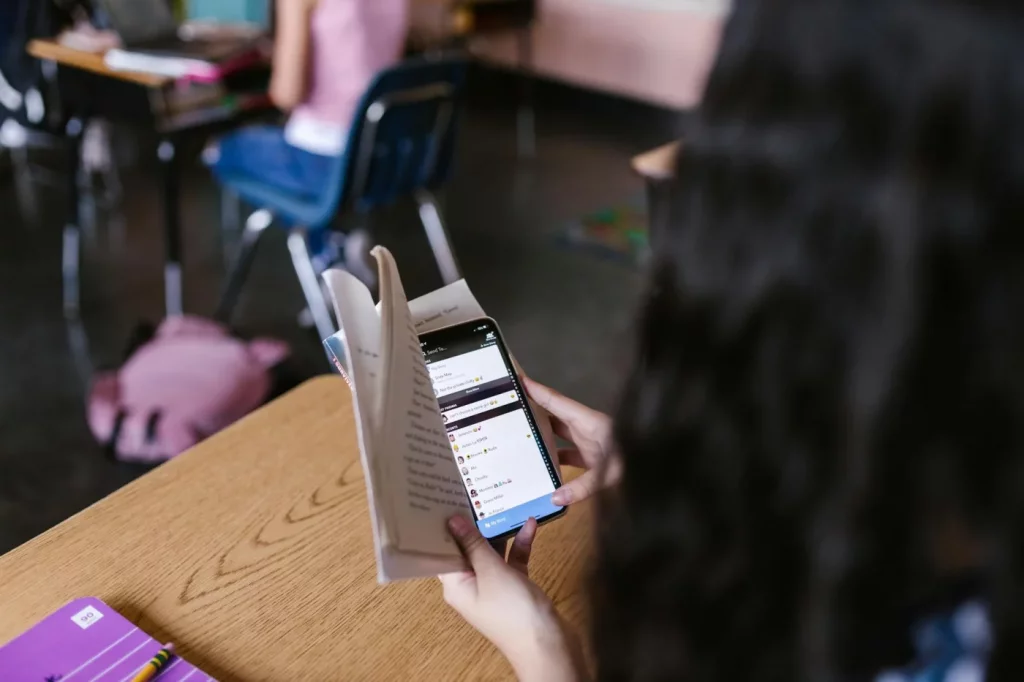
How does attention affect learning? In plain English: attention decides what gets into your brain’s limited processing system in the first place. If your focus is scattered, learning gets weaker, working memory gets overloaded, and less of what you study sticks. That’s the short answer to how does attention affect learning — and it also explains why attention problems can hurt both recall and understanding.
Why is this question suddenly everywhere again? Because “Attention Is All You Need” is trending for AI reasons, but the human version matters more to your daily life: if attention is limited, what happens to memory, studying, and performance? Research on attention in psychology and neuroscience points to a simple pattern: what you notice gets encoded, what overloads working memory gets lost, and what gets processed well is more likely to be remembered later.
You’ve probably felt this already. You read a page, check your phone, reopen the tab, and realize you remember almost nothing. Or you sit through a lecture, think you “got it,” then blank during practice questions. Annoying? Very. But wait — it’s also predictable, which means you can fix it.
In this article, I’ll connect the whole pipeline in plain English: attention affects encoding, cognitive load shapes working memory, and both influence long-term memory and retrieval. You’ll see the real role of attention in learning and memory, the difference between attention and working memory, why multitasking tanks retention, and which tactics actually help you learn better right now. I’ll also point you to evidence-based methods and explain whether working memory be improved in ways that matter for studying.
I’m a software engineer, not a neuroscientist. But I’ve spent years building FreeBrain tools, testing study systems in real learning workflows, and translating published research into practical steps you can use today. So here’s the deal: no abstract theory dump, no fake productivity hacks — just clear neuroscience and better studying that holds up in the real world.
📑 Table of Contents
- The short answer
- What attention actually is
- How attention shapes memory
- Real-world examples that make it click
- Why distraction wrecks retention
- Quick reference: attention types and memory
- 7 steps to study with better focus
- When to get help and what to do next
- Frequently Asked Questions
- How does attention affect learning and memory?
- What is the role of attention in learning and memory?
- How does attention affect working memory?
- Why is attention important for memory?
- How does multitasking affect learning and memory?
- Does poor attention lead to poor memory?
- How can I improve attention for studying?
- What is the difference between attention and working memory?
- Conclusion
The short answer
So here’s the deal. “Attention is all you need” is trending again because people are realizing that better tools, better notes, and better intentions don’t help much if your mind never fully locks onto the material in the first place. For more on learning and study skills, see our learning and study skills guide.
If you’re asking how does attention affect learning, the short answer is this: attention acts like a filter for encoding, a gatekeeper for working memory, and an indirect driver of both consolidation and retrieval. In plain English, what you notice gets processed, what gets processed can be held and organized, and what gets organized well has a much better shot at being remembered later.
Want the practical version? If your goal is to learn better right now, don’t start by blaming your memory. Personally, I think this is the part most people get wrong.
📋 Quick Reference
Attention → encoding → working memory → consolidation → retrieval
Attention selects information. Encoding turns selected input into a usable mental representation. Working memory holds and manipulates it. Consolidation helps stabilize it over time. Retrieval brings it back when you need it.
A plain-English answer
Attention is the process that selects some information for deeper processing while ignoring the rest. That matters because if information never gets enough attention, it often never gets encoded clearly enough to be remembered later.
That’s the simplest answer to how does attention affect learning and memory. Not every “memory failure” is really a storage problem; often, it’s an input problem first.
As a software engineer and self-taught learner building FreeBrain tools, I’ve seen this constantly — and yes, that sounds nerdy. Many users think they have weak recall, but once you look closer, the real issue is divided attention, overload, or unstable focus before the material ever had a chance to stick.
And attention isn’t the same thing as memory capacity. If you’ve ever wondered whether working memory be improved, that question only makes sense after you separate holding information from actually noticing and encoding it well.
The learning pipeline in one glance
Here’s the chain most people need to understand:
- What you notice affects what enters working memory.
- What working memory can handle affects what gets stored.
- What gets stored affects what you can retrieve later.
Research summarized in Wikipedia’s overview of attention in cognitive psychology and broader cognitive neuroscience literature points to the same core idea: attention is selective, limited, and deeply tied to performance. And according to the NCBI Bookshelf overview of memory systems, encoding, storage, and retrieval depend on different processes that can each break down for different reasons.
So what interferes with this pipeline? Four big things: multitasking, high cognitive load, poor sleep, and stress. But wait, there’s a deeper question here: what exactly is attention, and why does it feel so fragile in the first place?
What attention actually is
So here’s the deal. If the short answer is that focus changes what you learn, this section explains the mechanism behind it — and that’s really the heart of how does attention affect learning.
Attention isn’t just “trying harder.” In psychology, it’s the system that selects what gets processed now, while working memory handles the small amount of information you can hold and use in the moment. If you want to learn better right now, this distinction matters a lot.
Selective, sustained, and divided attention
Three types matter most in real study situations: selective attention, sustained attention, and divided attention. And yes, they sound academic, but the everyday versions are simple.
- Selective attention means choosing one stream of information and filtering out the rest. Example: following your professor’s explanation while ignoring hallway noise and someone zipping a backpack.
- Sustained attention means staying with one task long enough to do real thinking. Example: working through a problem set for 25 minutes without drifting into random tabs.
- Divided attention usually means rapid task switching, not true parallel processing. Example: listening to a lecture while checking messages, then realizing you heard the words but didn’t really encode the idea.
This is where attention span and learning performance connect. Research on selective attention in psychology shows that filtering matters because your brain can’t fully process everything at once.
Attention vs working memory
Here’s the cleanest analogy: attention is the spotlight; working memory is the small desk under the light. Attention decides what lands on the desk, and working memory decides what you can actively think with.
That desk is tiny. Evidence from cognitive psychology consistently shows working memory capacity is limited, which is why cluttered study sessions feel mentally expensive and why students ask whether working memory be improved in the first place.
OK wait, let me back up. People often say, “I have a bad memory,” when the real problem happened earlier: they didn’t attend well enough during reading, lectures, or meetings, or they overloaded working memory before the material was organized. Reviews in NCBI on working memory and attention make this overlap clear.
Why this distinction matters for studying
If your focus is weak during note-taking, memory strategies start from a bad input. You can’t recall what was never clearly encoded.
Personally, I think this is the part most people get wrong. How does attention affect learning? First by deciding what gets in, then by shaping how much of it your limited mental workspace can handle. Which brings us to the next step: how that selected information turns into memory at all.
How attention shapes memory
So now that attention is defined, the next question is practical: how does attention affect learning? In plain English, it shapes memory at three points—what gets encoded, what working memory can actually handle, and what later sticks well enough to retrieve when you need it.
If you want to learn better right now, this is the model to keep in your head. Thing is, memory failure often starts long before the test or meeting—it starts at the moment your focus gets fragmented.
Encoding: what gets in
Encoding is the entry gate. Attention determines which sights, sounds, and ideas get enough information processing to become memorable in the first place.
That’s the role of attention in learning and memory: it filters. When you actively connect a new idea to something you already know, ask a question, or summarize in your own words, memory encoding gets deeper. But rereading while mentally elsewhere? That’s mostly exposure, not learning.
Research in cognitive psychology has long shown that attention is tied to selective processing, and the broader literature on working memory in cognitive science helps explain why unattended material is less likely to become usable knowledge.
Working memory: what gets handled
Working memory is your temporary mental workspace. It’s where you compare ideas, organize steps, solve problems, and decide what matters.
But wait. This workspace is limited, which is why cognitive load matters so much. Too many unfamiliar biology terms, messy notes, phone notifications, and split attention between tabs all compete for the same small system. If you’ve wondered whether working memory be improved, the more immediate win is often reducing overload before trying to “train” anything.
- High attention + manageable load = better understanding
- High attention + excessive load = mental bottleneck
- Low attention + high load = shallow processing and fast forgetting
Personally, I think this is the part most people miss. How does attention affect learning when load is too high? Even good focus can’t fully rescue bad input design.
Consolidation and retrieval: what sticks
After study, the brain still has work to do. Evidence from sleep and memory reviews indexed by PubMed Central reviews on sleep and memory suggests that sleep, spacing, and lower interference help consolidation, while retrieval later depends on how strongly and meaningfully the material was first encoded.
Take a real example. You read a dense biology page at 11:30 p.m., tired, distracted, and checking messages every few minutes. Result? Shallow encoding, overloaded working memory, and weak next-day recall. You saw the page, sure, but attention and long term memory never got a strong handshake.
Retrieval practice vs rereading matters here because pulling information back out strengthens access paths that passive review often doesn’t. And yes, that sounds nerdy—but it works.
So the big picture is simple: attention decides what enters, cognitive load decides what gets processed, and consolidation decides what lasts. Which brings us to the part most readers care about next—what this looks like in real life.
Real-world examples that make it click
The theory is simple: attention is the gatekeeper for memory. But how does attention affect learning when you’re doing normal, messy, real-life study tasks? Usually in ways that feel like “I forgot everything,” when the real problem was split focus or too much input at once.

That’s also where attention and working memory explained in plain English starts to matter. If you want to learn better right now, you need fewer competing inputs and a smaller target for each study block.
Reading a textbook chapter
Same student, same chapter, different result. In the focused version, they preview the headings, ask one question, read one short section, then pause and recall the answer from memory. In the distracted version, they read with 12 tabs open, notifications buzzing, and their phone face-up — then wonder why nothing stuck.
That difference isn’t magic. It’s encoding. Research on working memory helps explain why overloaded attention collapses fast: when too much competes at once, less gets processed deeply enough to store well.
From building FreeBrain tools, I keep seeing the same pattern — users do better when they narrow the target, reduce inputs, and switch from passive review to retrieval practice vs rereading. Want a concrete structure? Three moves help:
- Preview headings before reading
- Ask one question per section
- Recall the answer without looking
Lectures, classes, and meetings
Miss one key idea early, and the next three points often stop making sense. Why? Because classroom attention supports the thread in working memory, and once that thread breaks, later information has nowhere to attach.
This is why trying to transcribe everything usually backfires. Short handwritten notes, a simple outline, or concept links often beat full capture because they reduce overload. Personally, I think this is the part most people get wrong: more notes can mean worse study performance if your brain never processed the meaning.
When bad memory is really bad encoding
Does poor attention lead to poor memory? Often, yes — but not because your brain “failed” later. If the material never got encoded clearly in the first place, retrieval failure before an exam isn’t surprising.
OK wait, let me back up. When students review notes for finals, the strongest gains usually come from shrinking the review set, testing themselves, and using structure. That’s also why tools like memory palace steps can help: they force attention onto meaningful cues instead of vague rereading.
Which brings us to the next problem. If focused attention builds memory, distraction and multitasking tear holes in that process.
Why distraction wrecks retention
Those examples make attention feel obvious. But this is the part most people get wrong: the damage usually comes from tiny interruptions that seem harmless in the moment.
If you’re asking how does attention affect learning, start here: distraction weakens encoding. And when encoding is fragmented, recall later gets shaky, slow, and effortful.
Task switching, not magic multitasking
Most studying “multitasking” isn’t true parallel processing. It’s task switching — your brain toggles between goals, then pays a restart cost each time.
Picture a student solving statistics problems while checking chat every 3 to 5 minutes. The interruption may last 10 seconds, but attention has to reload the problem, recover the last step, and rebuild context in working memory. If you want to learn better right now, reducing those reloads is one of the fastest wins.
Research suggests media multitasking is associated with poorer attention control and weaker retention in many contexts, though effects vary by task and person. So, how multitasking affects learning and memory depends on difficulty, timing, and whether the secondary task steals language or visual processing needed for the main one.
Common attention traps to avoid
- Phone face-up: even unread notifications can pull selective attention.
- Smartwatch pings and badges: micro-checks break encoding into fragments.
- Too many tabs: visible alternatives increase self-interruptions.
- Lyrics or content-heavy video: competing language streams hurt comprehension.
Here’s the practical pattern in digital distraction and memory retention: what looks harmless often creates weaker comprehension now and poorer recall tomorrow. That’s especially true when the material is dense, abstract, or sequential.
And yes, background noise matters. If you need strategies for shared spaces, this guide on how to focus in an open office is useful beyond office work too.
What to do instead
Do the hardest cognitive work first, in single-task mode. Batch messages between study blocks, not inside them.
Three friction moves help: full-screen mode, app blockers, and putting your phone in another room. Simple? Very. Effective? Usually, yes.
So how does attention affect learning in real life? It shapes whether information gets encoded cleanly enough to be retrieved later. Next, let’s make that concrete with a quick reference on attention types and memory.
Quick reference: attention types and memory
So here’s the deal: distraction doesn’t just feel annoying. It changes what gets into memory in the first place, which is the core of how does attention affect learning.

To keep this straight, separate short-term or working memory from long-term memory. Working memory holds and manipulates information for seconds, while long-term memory stores what was encoded well enough to keep.
📋 Quick Reference
If your studying feels inefficient, ask one question first: is the problem filtering, staying focused, splitting focus, or recovering after distraction? That bottleneck usually tells you which fix will work fastest.
The comparison table
| Attention type | What it does | Memory effect | Common failure mode | Best study fix |
|---|---|---|---|---|
| Selective attention | Filters relevant input | Better encoding and selective attention and memory retention when aimed at key ideas | Too narrow, so you miss cues, definitions, or exceptions | Preview goals before study |
| Sustained attention | Keeps processing going over time | Supports comprehension, integration, and attention and long term memory formation | Mind wandering | Use shorter blocks with checkpoints |
| Divided attention | Splits resources across tasks | Weakens encoding, overloads short term memory, and hurts retention | False sense of productivity | Remove competing inputs |
| Attentional control | Redirects focus after distraction | Improves consistency, which supports stronger transfer into long-term memory | Repeated self-interruption | Design your environment and plan tasks |
Want a practical example? If your notes are messy, selective attention may be the issue; if you fade after 12 minutes, it’s probably sustained attention. And if you keep bouncing between tabs, that’s divided attention, not “multitasking.” For a cleaner note system that lowers cognitive load, try zettelkasten for students.
How to use this table
Don’t treat every focus problem the same. This is the part most people get wrong.
- If you miss what matters, fix filtering.
- If you drift, fix staying power.
- If you get derailed, fix distraction recovery.
That’s the real answer to how does attention affect learning: the right study fix depends on which attention system is failing. Next, we’ll turn that into 7 concrete steps you can use in your next study session.
7 steps to study with better focus
Now that you’ve seen the main attention types, here’s the practical part. If you’ve been wondering how does attention affect learning in real life, this is the answer: it changes what gets encoded, what overloads working memory, and what you can still retrieve later.
How to study with better focus
- Step 1: Pick one clear target for the block.
- Step 2: Cut competing inputs before you start.
- Step 3: Match block length to your actual attention span.
- Step 4: Test yourself before rereading.
- Step 5: Lower cognitive load with cleaner materials.
- Step 6: Protect sleep and reduce stress after study.
- Step 7: Revisit the material with spaced self-testing.
Step 1-2: Set one target and cut inputs
Start narrow. “Solve 5 derivatives,” “explain glycolysis from memory,” or “draft the client summary” works better than “study biology” or “do work.” Why? Selective attention works best when your brain knows what to filter for.
Then remove extra inputs: phone out of sight, one tab open, one notebook visible. Research on digital distraction suggests even brief interruptions can hurt memory retention because attention has to reorient. That’s a big part of how attention affects studying.
Step 3-5: Match effort, use recall, lower load
If your focus is shaky, begin with 20-30 minutes. Personally, I think this is the part most people get wrong: they plan for ideal focus, not real focus.
Use active recall before review. Try a blank page, a verbal explanation, or quick questions, then compare with your notes. For a deeper breakdown, see retrieval practice vs rereading. And keep materials simple:
- chunk long notes into small sections
- use worked examples first
- strip setup friction from the task
Step 6-7: Protect sleep and revisit later
Sleep helps consolidation. High stress and poor sleep can weaken attention during study and hurt next-day recall, so don’t treat late-night cramming as free time.
Then revisit tomorrow and next week with short self-tests. That’s how to improve attention for better memory over time: better encoding now, stronger retrieval later. Next, let’s cover when focus problems go beyond normal distraction and when it makes sense to get help.
When to get help and what to do next
You’ve got the study steps. But wait. If focus problems keep showing up across classes, work, and daily life, this may be bigger than technique alone.
Poor attention isn’t always a study-skills issue
How does attention affect learning when the real problem is sleep loss, anxiety, burnout, medication side effects, ADHD, or another health issue? A lot. Poor attention can block encoding, which is one reason people ask, does poor attention lead to poor memory. Often, it can.
ADHD and memory are especially easy to oversimplify. Some people with ADHD remember highly interesting material extremely well, yet struggle to regulate focus and concentration when the task feels dull or fragmented. This article is educational, not medical advice, so if your attention problems are persistent, severe, or getting worse, talk with a qualified clinician.
Three takeaways to remember
- Attention filters what reaches memory in the first place.
- Too much cognitive load weakens learning retention.
- Lower distraction, better sleep, and recall practice improve retention.
Your next 7 days
Keep it simple. For one week, do one focused 25- to 45-minute block each day, one short retrieval session the next day, one distraction reduction change, and one sleep-protection habit. If you want routines that actually last, start with how to build habits that stick.
Personally, I think this is the cleanest answer to why attention is important for memory: what you notice well, you can learn; what you revisit, you can keep. And if you’re wondering how does attention affect learning in real life, the next FAQ will make that even clearer while pointing you to the best next article for studying better, improving working memory, or controlling distractions.
Frequently Asked Questions
How does attention affect learning and memory?
Attention shapes learning at the front door. If you don’t notice or focus on information well enough, it often never gets encoded clearly in the first place. That’s why the answer to how does attention affect learning and memory is pretty direct: better focus usually improves working-memory processing, comprehension, and later recall, while distraction weakens all three.
What is the role of attention in learning and memory?
Attention acts like a filter. It helps your brain decide what deserves deeper processing and what gets ignored, which matters because only a small part of incoming information can be handled at once. So when people ask what is the role of attention in learning and memory, the practical answer is that attention prioritizes important material and increases the chance that it gets organized well enough to reach long-term memory.
How does attention affect working memory?
The short version? Attention controls what gets into working memory and what gets pushed aside. If you’re wondering how does attention affect working memory, think of attention as the gatekeeper: distraction, stress, and information overload make it harder to hold ideas in mind, compare them, and use them for immediate thinking.
Why is attention important for memory?
Because memory starts with encoding. Without enough attention, information may never be processed deeply enough to remember later, even if you spent time looking at it. And here’s the kicker — attention also supports understanding, and material you truly understand tends to stick better than material you only skimmed.
How does multitasking affect learning and memory?
Most multitasking isn’t true parallel processing; it’s rapid task switching, and that comes with a cost. When people ask about how multitasking affects learning and memory, the main issue is fragmented encoding: switching between tabs, messages, and study material slows comprehension, increases rereading, and often leads to weaker delayed recall. If you want a better system, try using focused study blocks and active review methods like the ones covered in FreeBrain’s study tools and articles.
Does poor attention lead to poor memory?
Often, yes. If your attention is inconsistent, your brain may encode information weakly, which can look like a memory problem even when the real issue happened earlier during learning. But wait — context matters: sleep, stress, anxiety, burnout, and health conditions can also affect focus and recall, so if attention or memory problems are persistent, it’s smart to consult a qualified professional; the National Institute of Mental Health has useful background information.
How can I improve attention for studying?
If you’re asking how can i improve attention for studying, start with three things: one clear goal per study block, fewer competing inputs, and shorter focused sessions. Personally, I think this is the part most people get wrong — they try to study longer instead of studying cleaner. Use active recall, structured notes, and spaced review rather than passive rereading, and if you want help building that routine, check FreeBrain’s learning tools for planning and review support.
What is the difference between attention and working memory?
Attention selects. Working memory holds and works with what was selected. That’s the simplest answer to what is the difference between attention and working memory: attention prioritizes information, while working memory temporarily stores and manipulates it so you can solve problems, follow steps, or understand a paragraph. Which brings us to the bigger question of how does attention affect learning — if attention picks the wrong thing, working memory ends up working on the wrong material too.
Conclusion
If you want the short version, here it is: protect your attention before you study, work in focused blocks, remove obvious distractions, and use active recall right after learning. That combination does more for memory than just spending longer at your desk. And when you switch tasks every few minutes, your brain pays a cost in encoding, which makes recall weaker later. So if you’ve been wondering how does attention affect learning, the practical answer is simple: attention decides what gets processed deeply enough to stick.
That’s the good news too. Your focus isn’t fixed. It’s trainable. Personally, I think this is the part most people underestimate. You don’t need perfect concentration for three hours straight — almost nobody has that. You need a study setup that makes good attention easier: one clear goal, one task, one short session, then a quick test of what you remember. Start there. Small changes compound fast, and even a modest improvement in focus can make studying feel less frustrating and a lot more effective.
Which brings us to your next step: keep building a study system that works with your brain, not against it. If you want to go deeper, read Active Recall: The Study Method That Actually Builds Memory and Spaced Repetition: How to Remember What You Study. Both pair naturally with what you’ve just learned about attention and retention. Use what you know, test it today, and turn better focus into better results.