
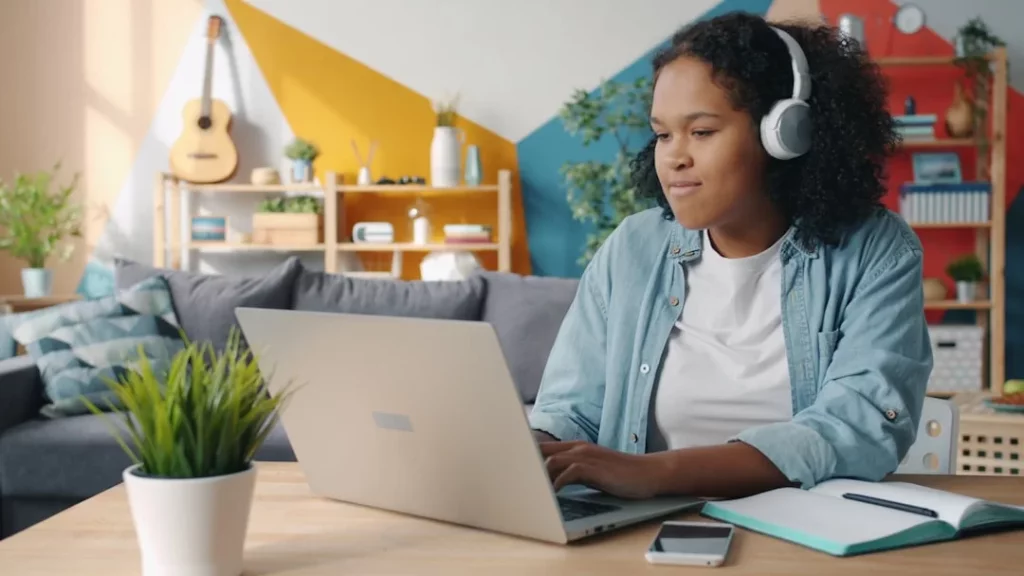
If you want the short answer, here it is: silence usually wins for reading-heavy, memory-heavy, and language-heavy work. Binaural beats for studying can help some people settle into focus, but the evidence is mixed, headphones matter, and they’re rarely the best default. Lo-fi sits in the middle. It can make repetitive work feel easier and more pleasant, especially when your real problem is boredom or background noise rather than raw concentration.
Sound familiar? You sit down to study, open your notes, and then spend 15 minutes bouncing between “deep focus beats,” lo-fi livestreams, and total silence. And here’s the kicker — the best audio for deep work often depends less on the playlist and more on the task itself. If you’re doing recall-heavy work, how attention affects learning matters a lot more than hype around focus music. If you’re trying to block chatter, audio may work more like a noise shield, which is why the setup you’d use to focus in an open office isn’t always the same one you’d use for exam revision.
So what will you get here? A fast side-by-side answer on binaural beats vs lo-fi for focus, a simple decision table, and practical recommendations by task: reading, writing, coding, deep work, and Pomodoro sessions. I’ll also cover whether binaural beats for studying actually improve focus, whether lo-fi is good for concentration, when music hurts comprehension, whether you can combine binaural beats with lo-fi, and why headphones are required if you want the binaural effect at all. For the research side, I’ll keep it grounded in what we know about auditory distraction and attention, with context from research indexed by the National Library of Medicine.
I’m coming at this as a software engineer and self-taught learner who’s tested these setups while building FreeBrain tools — and yes, that sounds nerdy. Personally, I think most people ask the wrong question. It’s not just “are binaural beats for studying better than lo-fi?” It’s “better for what, under what conditions, and for your brain on that specific day?”
📑 Table of Contents
Quick answer and comparison
So here’s the short version. For most people, silence is still the safest default for reading-heavy, recall-heavy, and language-heavy study, while lo-fi often works better for repetitive or moderately demanding tasks, and binaural beats for studying may help some listeners but the results are mixed and stereo headphones are required. For more on learning and study skills, see our learning and study skills guide.

That distinction matters. A lot of audio helps because it covers worse noise in a dorm, library, or when you need to focus in an open office, not because it directly boosts cognition. If you want the deeper why, see our guide on how attention affects learning and pair it with methods that help you learn better right now.
Quick reference table
| Audio type | Best tasks | Distraction risk | Headphone requirement | Likely ADHD fit | Fatigue risk | Main benefit |
|---|---|---|---|---|---|---|
| Silence | Textbook reading, memorization, problem solving | Lowest | No | Good if sound-sensitive | Low | Reduces interference |
| Lo-fi | Drafting, coding, review, admin | Medium | No | Can help task initiation | Medium | Masks noise, supports mood |
| Binaural beats | Some deep-work blocks, noise shielding | Medium | Yes, stereo | Mixed | Medium to high | May improve performance for some listeners |
The fastest answer by task
Reading a textbook chapter or doing retrieval practice? Start with silence. Writing an essay draft, debugging code, or doing Anki review? Lo-fi or other low-complexity instrumental audio can be fine. Deep work that depends on reasoning usually does best with silence first, then beats as an experiment if you need a noise shield. And yes, lyrics are usually the worst choice for reading.
From building FreeBrain tools and testing focus setups during coding, writing, and study sessions, task type mattered more than hype. Many users want one universal answer to “which is better for focus binaural beats or lo-fi,” but there usually isn’t one.
Who should skip audio entirely
If you’re highly sensitive to sound, doing dense reading, studying in your first non-native language, or already mentally overloaded, skip audio first. That’s especially true when working-memory demands are high; if you’re curious why, our piece on whether can working memory improve helps explain the bottleneck.
- More rereading after 10 to 15 minutes
- More backspacing while writing
- Faster mental fatigue
Those are signs the soundtrack is costing more than it’s helping. Research on auditory distraction and attention in the NCBI Bookshelf supports that basic idea, and the overview of binaural beats is a good reminder that the mechanism is still debated.
📋 Quick Reference
Use silence for comprehension and recall, lo-fi for persistence on lighter tasks, and binaural beats only as a personal test case with stereo headphones. If the audio mainly blocks chatter, great. If it makes you reread, drop it.
Next, let’s get more precise about what the evidence actually says.
What the evidence actually says
So here’s the deal: the evidence on binaural beats for studying is mixed, and task type matters more than hype. Research on how attention affects learning suggests that audio can either steady your arousal or become one more thing your brain has to filter.
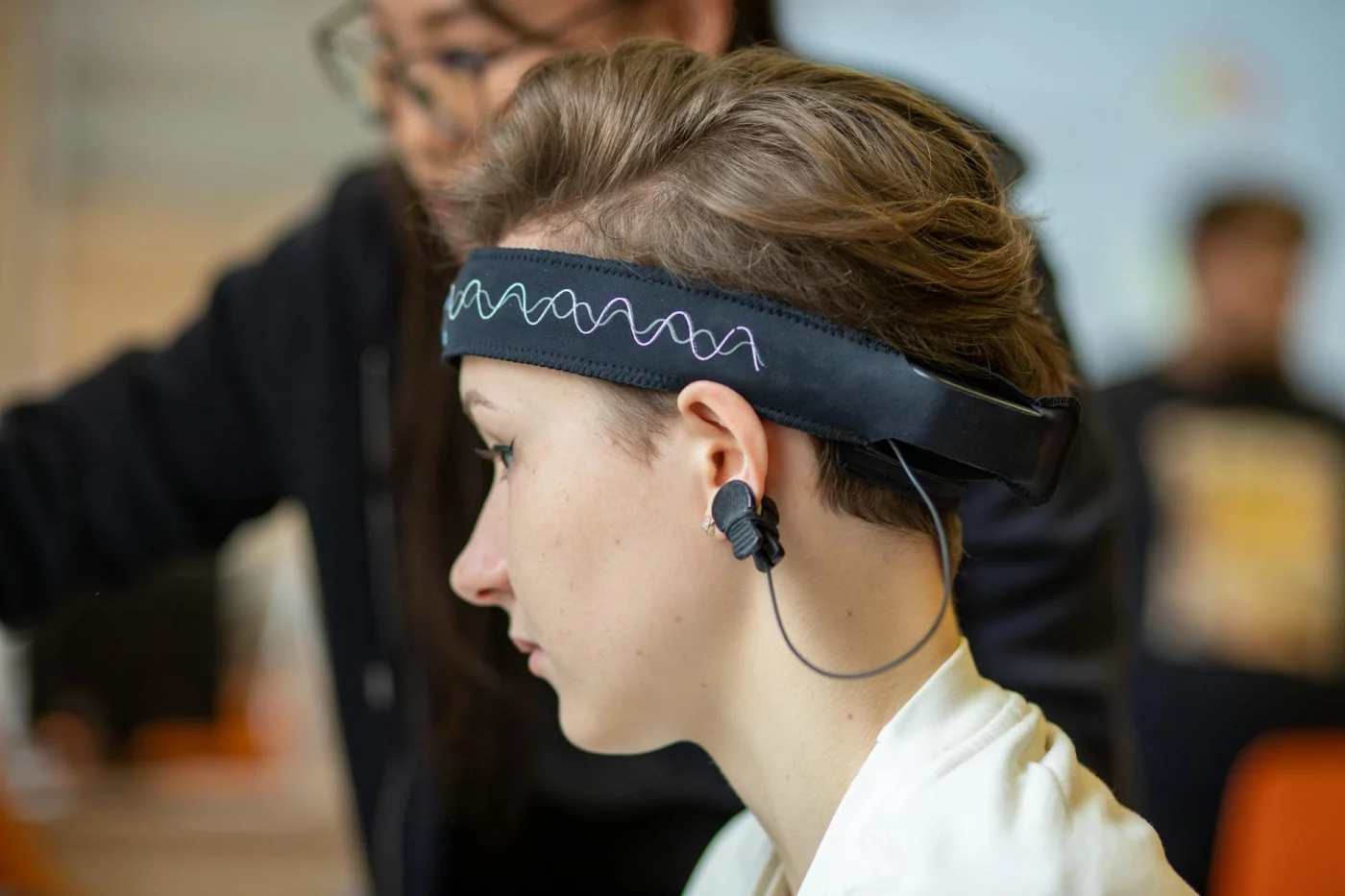
How binaural beats work
Binaural beats happen when each ear gets a slightly different tone, and your brain perceives the difference as a rhythmic beat. Alpha-range beats are usually linked with relaxed alertness, while beta-range beats are marketed for active focus—but wait, that doesn’t mean reliable brainwave entrainment in every listener.
Stereo headphones are required. If you’re asking do binaural beats work without headphones, not in the same way, because speakers don’t deliver separate tones cleanly to each ear. And many “beats” playlists are really ambient tracks with a beat effect layered underneath, which changes the experience; Wikipedia’s overview of binaural beats explains the basic mechanism clearly.
Why lo-fi helps some people
Lo-fi usually helps for simpler reasons: mood regulation, boredom reduction, and noise masking. In a noisy room—or if you’re trying to focus in an open office—steady, lyric-free background music can act more like an acoustic shield than a cognitive enhancer.
- Low-volume, predictable loops tend to distract less.
- Vocals, sharp transitions, and familiar hooks pull attention more.
- Some people with ADHD-like distractibility find it easier to start tasks with steady sound.
That last point matters. But audio isn’t a treatment, just something to test carefully.
Why silence often wins
For reading, memorization, and verbal working memory, silence often produces cleaner performance. If you want the short version of why, see can working memory improve: language-heavy tasks are especially vulnerable to interference from music and complex audio.
Evidence reviews in PubMed’s discussion of binaural beat research note small studies, different frequencies, short sessions, and inconsistent outcomes. Some studies suggest modest gains in attention, vigilance, or anxiety reduction; others find little meaningful improvement.
Which brings us to the practical question: who should use beats, who should use lo-fi, and when is silence the better bet?
Best choice by task and person
So what do you actually do with that evidence? Task type matters more than hype, because how attention affects learning changes whether audio helps you start, or actually helps you perform.

Reading, memorizing, and test prep
For textbook reading, flashcards, exam review, and second-language study, start with silence. If your room is noisy, neutral noise often beats binaural beats for studying, especially when audio is acting more like a shield than a booster in a setup similar to focus in an open office.
This is the part most people get wrong. “I started faster” is not the same as “I remembered more.” For recall-heavy work, methods like retrieval usually matter more than any playlist tweak.
- Dense reading: aim for pages understood, not pages turned
- Flashcards: track cards recalled correctly after 24 hours
- Finals prep: measure quiz scores, not just calmness
Writing, coding, and deep work
From experience building FreeBrain, silence usually worked best for dense reading and debugging. But low-key instrumental audio sometimes helped with drafting, repetitive cleanup, or getting started on low-motivation days.
Personally, I’d use lo-fi at low volume for drafting 500 words or cleaning up simple bugs, then switch to silence for architecture decisions, debugging, and concept-heavy writing. Binaural beats for studying may be worth testing for solo deep work if environmental noise is the real problem and headphones feel comfortable.
ADHD-sensitive focus and long sessions
For ADHD-sensitive work, treat audio as boredom management, not treatment. Some people do better with steady, low-complexity sound during 25-minute Pomodoro blocks; others feel more fatigued and comprehend less by minute 20.
Next, test your own numbers: pages retained, words drafted, bugs fixed, flashcards completed, and fatigue after each 25-minute block.
Test it yourself and avoid mistakes
So now you’ve got a best-fit option by task and person. But wait. The fastest way to choose binaural beats for studying is to test them against silence and lo-fi on the same work, because task demands usually matter more than hype or mood.
A 15-minute A/B test
How to run it
- Step 1: Pick one task only: read 800 words, write for 15 minutes, or solve 10 similar problems.
- Step 2: Test silence, lo-fi, and binaural beats in separate rounds, at similar times of day and matched volume. If you try binaural beats with lo-fi, keep it low and test that as a fourth condition later.
- Step 3: Track speed, errors, rereads, and fatigue on a 1-5 scale.
- Step 4: Repeat across 3 sessions before deciding your best audio for deep work.
Need a benchmark? For reading-heavy work, also compare your results with retrieval practice vs rereading, because better focus should show up in recall, not just vibe.
Common mistakes to avoid
- Comparing different tasks under different audio conditions
- Using familiar songs with lyrics for reading-heavy work
- Turning volume up too high
- Assuming headphones are optional for binaural beats
- Stacking coffee, intense audio, and notifications
This is the part most people get wrong. Don’t judge binaural beats vs music for studying by mood alone; compare output and error rate, because auditory distraction and listener fatigue can sneak up on you.
Safety, limits, and when to get help
Keep volume moderate and take breaks during long sessions. Are binaural beats safe for daily use? Usually they’re tolerated, but headaches, anxiety, sensory sensitivity, tinnitus, or migraines are real reasons to stop and switch to silence or passive noise reduction.
What is the dark side of binaural beats? Mostly overuse, too much stimulation, and using them when your nervous system is already overloaded. This article is educational, not medical advice; if you have tinnitus, seizure history, neurological issues, or mental health concerns, consult a qualified professional. And if stress or poor sleep is the real bottleneck, start with stress focus and brain health. Next, I’ll wrap up with quick answers and what to try first.
Frequently Asked Questions
Do binaural beats actually improve focus?
Sometimes, but not reliably for everyone. If you’re asking do binaural beats actually improve focus, the most honest answer is that research suggests they may help some people on certain tasks, but findings are mixed and the effects tend to be modest rather than dramatic. Thing is, your response depends on the task you’re doing, whether you’re using stereo headphones correctly, and how distracting your environment is — which matters a lot more than internet hype around binaural beats for studying.
Should I use binaural beats or lo-fi while studying?
If you’re wondering should I use binaural beats or lo-fi while studying, match the audio to the task instead of looking for one perfect answer. For reading, deep comprehension, and memorization, silence is often best; for repetitive practice or moderately demanding work, lo-fi can help by masking background noise; and binaural beats are worth testing if you study alone and want a steady sound layer without lyrics. Personally, I think a 20-minute A/B test tells you more than any trend does — try each format on the same type of work and compare focus, speed, and recall.
Can you combine binaural beats with lo-fi?
Yes — can you combine binaural beats with lo-fi? You can, but only if the beat is still clearly audible and the music doesn’t add extra fatigue or distraction. The problem with hybrid tracks is simple: lo-fi can mask the underlying tones, so you may not know whether the binaural effect, the noise masking, or just the vibe is helping; if you want to test binaural beats for studying, compare a pure beat track against a mixed one before deciding.
Do binaural beats work without headphones?
No, not in the intended way. If you’re asking do binaural beats work without headphones, binaural beats require separate tones delivered to each ear through stereo headphones so your brain can perceive the difference between them. Over speakers, you might still hear a relaxing or ambient sound, but it isn’t the same binaural effect described in research; for a basic overview, the Wikipedia explanation of binaural beats gives a clear summary.
Why does lo-fi help ADHD?
If you’re asking why does lofi help adhd, one reason is that steady, low-complexity background sound may reduce boredom, mask unpredictable noise, and make it easier to start a task. But wait — it can also become another distraction, especially if you switch tracks constantly or start paying attention to the music itself, so treat it as a study tool to test, not a treatment. This content is educational, not medical advice, and if attention problems are significantly affecting daily life, it’s worth speaking with a qualified healthcare professional; you can also experiment with different study setups using FreeBrain’s Study Method Picker.
Are binaural beats safe for daily use?
For most people, are binaural beats safe for daily use has a fairly simple answer: they’re usually tolerated at moderate volume, but some listeners do report headaches, fatigue, or sensory discomfort. Use common sense — keep the volume low, stop if you feel worse, and be extra cautious if you have migraines, tinnitus, anxiety, or neurological concerns; in those cases, consult a qualified professional before using binaural beats for studying every day. For general hearing safety, the NIDCD guidance on noise-induced hearing loss is a useful reference.
Conclusion
Here’s the practical version. If your work needs deep reading, hard problem-solving, or memory-heavy study, start with silence. If silence feels too sharp or distracting, low-key lo-fi can work well for repetitive tasks, note organization, or light review — especially if it doesn’t pull your attention into the music itself. And if you’re curious about binaural beats for studying, treat them like an experiment, not a miracle fix: keep the volume low, use the same task for comparison, and judge them by your actual output, not by whether they feel “brainy.” One more thing matters a lot: don’t switch audio styles every 10 minutes. Pick one setup and give it a fair test.
You don’t need the perfect soundtrack to focus better. You need a setup that matches your brain, your task, and your environment. That’s good news, honestly, because it means you can stop guessing. Try one condition for a few sessions, track how long you stay on task, and notice what helps you think clearly rather than what just feels productive. Small adjustments count. And yes, finding your focus style can take a bit of trial and error — but once you find it, studying gets a whole lot easier.
If you want to keep improving your study system, explore more on FreeBrain.net. You might like How to Focus While Studying for practical concentration strategies, or Best Study Music if you want to compare more audio options beyond silence, lo-fi, and beats. Test one change today, keep what works, and build a focus routine you can actually trust.