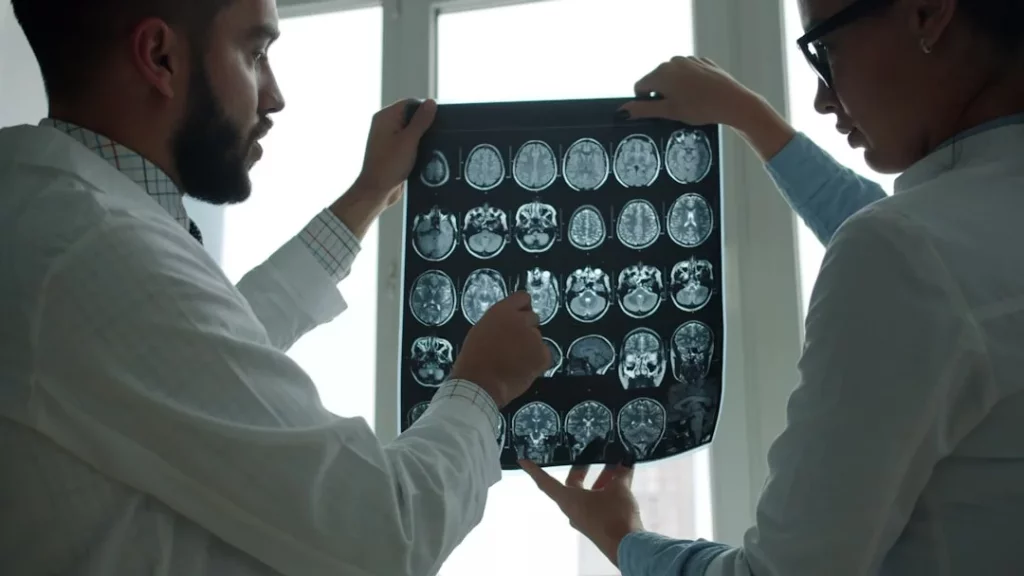
Can you learn while you sleep listening to lessons, vocabulary, or facts? The careful answer is: sleep can support memories you already formed while awake, but passive overnight audio is not a reliable way to learn brand-new complex material.
The useful distinction is encoding versus consolidation. Encoding happens when you pay attention, practice, and test yourself while awake. Consolidation is the later process where sleep helps stabilize and reorganize those memories. That means a short active review before bed can be useful, while playing a brand-new lecture all night is usually the wrong bet.
This guide explains what sleep listening can and cannot do, why targeted memory reactivation is different from ordinary sleep-learning apps, and what to do tonight if your goal is better recall tomorrow without sacrificing sleep quality.
I’m a software engineer and self-taught learner, not a neuroscientist. But I spend a lot of time testing evidence-based study methods, building learning tools, and separating useful memory science from catchy myths so you can use sleep strategically without wrecking your sleep quality.
📑 Table of Contents
Can you learn while you sleep listening?
So here’s the short version after the intro: can you learn while you sleep listening? Not really in the way most people mean it. Sleep can strengthen material you studied before bed, especially if you used something active like retrieval practice vs rereading, but passive overnight audio isn’t a reliable way to learn brand-new complex information. For more on learning and study skills, see our learning and study skills guide.
The 1-minute answer
If you’re asking can you actually learn while you sleep, the evidence says yes for memory support, no for full new learning. Research on sleep and memory, including summaries available through NCBI’s overview of sleep physiology, shows that sleep helps consolidate memories you already encoded while awake.
But wait. Sleep learning does it work for a new lecture, textbook chapter, or language lesson playing all night? That’s where the answer turns skeptical. Some lab studies find modest effects from replaying cues tied to previously learned material, yet that’s very different from “learn anything while asleep” marketing.
What sleep can and can’t do
Here’s the distinction most people miss. Encoding means getting information into memory in the first place, and that depends heavily on attention; that’s why how attention affects learning matters so much. Consolidation means stabilizing and reorganizing those memories later, often during sleep.
Plain English: the hippocampus is your brain’s temporary “save folder” for new memories. Slow-wave sleep is deep sleep that seems especially important for strengthening facts, while REM sleep is the vivid-dream stage linked to emotional and associative processing. What is it called when you learn while sleeping? Usually people mean “sleep learning,” but the research term for cue-based effects is targeted memory reactivation, not magic overnight downloading.
- Can do: strengthen recently studied flashcards
- Can’t reliably do: teach a brand-new lecture by passive exposure
- Better bet: spaced repetition tools like Anki vs SuperMemo vs RemNote
Concrete example? Listening to a history lecture overnight has weak evidence. Reviewing 10 flashcards before bed, then sleeping normally, has a much better evidence base from research on memory consolidation.
Why this article takes a skeptical view
FreeBrain looks at learning methods through an evidence-first lens. Well, actually, that means separating controlled lab findings from app-store promises about overnight audio, sleep learning apps, and “osmosis” study tracks.
This section is educational, not medical advice. If you have persistent sleep problems, anxiety, loud nighttime audio habits, or daytime sleepiness, talk to a qualified healthcare professional or sleep specialist. Which brings us to the next question: why does normal sleep help memory so much, even when it can’t teach you new lessons on its own?
Why sleep helps memory, not new lessons
So here’s the deal: the better question isn’t just can you learn while you sleep listening, but what sleep actually does for learning. In most cases, sleep helps strengthen material you studied well first—especially with methods like retrieval practice vs rereading—rather than teaching you brand-new ideas from passive audio.

Encoding happens when you’re awake
Think of memory in two stages: first you save the file, then your brain sorts and stabilizes it later. That first part is encoding, and it depends heavily on attention; if you half-hear 15 biology terms in the background, you won’t build the same memory trace as actively recalling them. That’s why how attention affects learning matters so much before sleep can help.
What sleep does for those memories
During sleep, your brain isn’t “recording lectures.” It’s cycling through stages that support restoration and memory processing, as explained in NINDS Brain Basics on sleep and Harvard Medical School’s sleep stages overview. Evidence suggests slow-wave sleep is especially relevant for declarative memory in many studies, while REM may help integrate and reorganize information.
Listening overnight: when it may backfire
Does listening to something while you sleep help you learn it? Maybe as a cue for already learned material in tightly controlled setups, but not as a reliable way to absorb complex lessons. And if the audio is loud, novel, or emotionally engaging, it can fragment sleep and hurt next-day attention more than it helps; related sleep-quality habits matter too, including blue light and sleep.
Common mistakes to avoid
- Don’t replace real study with overnight lectures.
- Don’t trade deep sleep for passive exposure.
- Don’t confuse relaxing audio with actual learning.
If you listen to something while sleeping will you remember it? Sometimes you may recognize a familiar phrase, but recognition isn’t the same as understanding. Which brings us to what the real sleep-learning research actually shows.
What the real sleep-learning research shows
So sleep does help memory. But that doesn’t mean can you learn while you sleep listening has a simple yes answer. In practice, sleep strengthens material you encoded while awake, especially if you used active methods like retrieval practice vs rereading instead of passive review.
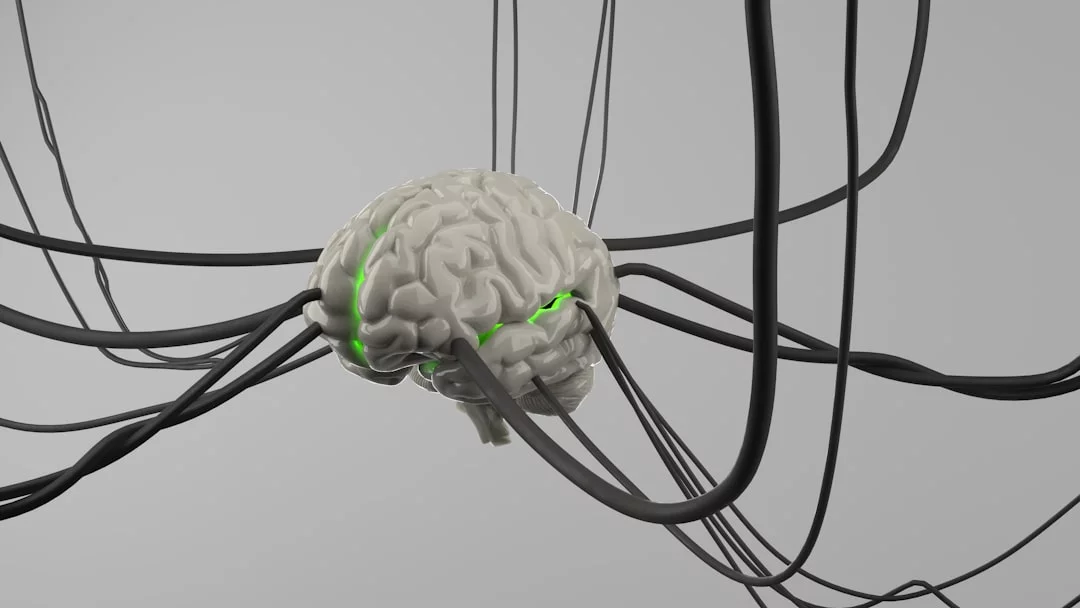
Targeted memory reactivation, in plain English
The strongest real-science angle is targeted memory reactivation sleep. Here’s the basic setup: you study word pairs, map locations, or sounds while hearing a cue, then researchers replay that same cue softly during sleep to nudge the already-formed memory.
That’s very different from random overnight audio. Why? Because attention while awake matters first; the cue is more like a reminder than a new lesson.
What studies suggest — and their limits
A safer way to read the sleep-learning evidence is to ask what the audio is doing. In targeted memory reactivation, a sound is paired with material while the person is awake, then replayed softly during sleep to cue that already encoded memory. That is not the same as playing a brand-new lesson after you fall asleep.
The broad sleep-and-memory point is well supported in educational summaries such as the NCBI overview of sleep physiology and the NINDS Brain Basics guide to sleep: sleep matters for memory processing. The narrower sleep-learning claim needs more caution. If a claim depends on learning new vocabulary, exam facts, or a full language lesson while unconscious, treat it as unsupported for normal studying.
Use this filter: strongest case, a subtle cue linked to something you studied while awake; weaker case, simple sounds or familiar phrases; weakest case, complex new information played all night. If the audio wakes you, annoys you, or keeps changing, it may cost more in sleep quality than it gives back in memory support.
Can you memorize facts or a language asleep?
Short answer: not reliably. If you’re asking can you memorize something in your sleep, evidence says not for brand-new exam facts, long vocabulary lists, or nuanced pronunciation patterns.
And can you learn a language while sleeping, or can you learn spanish while you sleep? Not in the way most ads imply. You might get tiny benefits from cueing words you already studied, but conversational skill still needs listening, speaking, reading, and realistic expectations about how long it takes to learn a language.
From experience: what actually works better
After building and comparing study-method content for FreeBrain readers, I’ve found the winners are boring but effective: review before bed, test yourself, then revisit material over several days. Flashy overnight affirmation tracks feel effortless. That’s the appeal.
Personally, I think this is the part most people get wrong. For retention and recall, science-backed study methods beat passive sleep audio almost every time. Which brings us to what you should do instead tonight.
What to do instead tonight
If you want sleep to help learning, make the awake part stronger and the sleep part quieter. The goal is not to force information into your brain overnight; it is to give your brain well-encoded material to consolidate.
A 20-minute pre-sleep study routine
- Minutes 0-8: review only the highest-value material. Pick 5 to 10 facts, formulas, terms, or ideas. Do not start a brand-new chapter right before bed.
- Minutes 8-13: close the notes and recall from memory. If you need prompts, turn your notes into questions with the Active Recall Builder.
- Minutes 13-16: mark misses, not everything. Your mistakes are the items that need tomorrow’s review.
- Minutes 16-18: schedule the missed items with the Spaced Repetition Generator instead of replaying them all night.
- Minutes 18-20: stop studying and reduce stimulation. Keep the room quiet, dark, and boring enough for normal sleep.
The next morning, do a two-minute recall check before opening your notes. If you can explain the idea without looking, keep it in the rotation. If you cannot, restudy briefly and test again later.
How to judge sleep-learning apps
Before using an app or overnight track, ask four questions. Is it cueing material you already studied, or claiming to teach new content? Does it explain the difference between targeted memory reactivation and passive exposure? Can you keep the volume low enough that it does not wake you? Would a short focused session work better? If the answer is yes to that last question, use a planned study block from the Focus Session Planner and let sleep do its normal recovery work afterward.
Bottom line and next steps
Use sleep as support, not as a shortcut. Study actively before bed, sleep without unnecessary audio, then test yourself the next day. If you have ongoing insomnia, loud snoring, anxiety around sleep, or excessive daytime sleepiness, discuss it with a qualified professional rather than trying to fix it with learning audio.
2026 update: a simple decision rule for sleep audio
As of July 2026, the safest practical answer has not changed: do not use sleep audio as your main study method. Use it only if it supports material you already studied and does not disturb your sleep. A simple rule is: if the audio is trying to teach, skip it; if it is quietly cueing something you already learned, treat it as optional; if it helps you relax without new information, judge it as a sleep habit rather than a learning strategy.
Here is a quick decision test before you press play. First, can you explain the material while awake without the recording? If not, you have not encoded it strongly enough for sleep to help much. Second, is the recording short, familiar, and quiet? If it is long, surprising, emotional, or loud, it may pull attention back toward the room and reduce sleep quality. Third, do you have a next-day review plan? Without a morning recall check, you will not know whether anything improved.
For example, imagine you are learning 12 Spanish words. A weak plan is to play a two-hour vocabulary track all night and hope the words stick. A better plan is to study the 12 words while awake, cover the answers, recall them once from memory, schedule the missed words for later, then sleep normally. If you are unsure which study method fits the task, use the Study Method Picker before bed rather than adding more nighttime audio.
Also separate three different goals. Learning requires attention and retrieval. Memory support requires already encoded material and sleep. Relaxation requires comfort and consistency. One recording rarely does all three well. If your track is relaxing, fine; just do not count it as a substitute for active recall. If your track is educational, use it before sleep while awake, then turn it off. If your track keeps waking you up, it is working against the main thing sleep can do for learning: protect the brain state that helps yesterday’s study become more stable by tomorrow.
Frequently Asked Questions
Does listening to something while you sleep help you learn it?
Usually, no. If you’re asking does listening to something while you sleep help you learn it, the evidence suggests it does not work well for brand-new complex material like lectures, textbook chapters, or vocabulary lists you never studied while awake. At most, overnight audio may sometimes act as a cue for material you already reviewed earlier, which is very different from passive sleep learning. So if you’re wondering whether can you learn while you sleep listening is realistic, the practical answer is: review first while awake, then sleep normally.
If you listen to something while sleeping, will you remember it?
If you’re asking if you listen to something while sleeping will you remember it, maybe a little—but mostly only when the material was already familiar before bed. Research on sleep and memory suggests that re-exposure can sometimes nudge recognition of previously learned information, yet memory gains from overnight listening alone are inconsistent and often small. And here’s the part most people miss: if the audio wakes you up, fragments your sleep, or keeps your brain too alert, it can hurt next-day memory, focus, and learning more than it helps. For the basics on how sleep supports memory, see the NIH overview of sleep.
Can you memorize something in your sleep?
Not reliably, especially if the information is completely new. If you’re wondering can you memorize something in your sleep, a better model is this: sleep helps stabilize memories you encoded earlier, which is why a short review session before bed usually works better than playing new material all night. Personally, I think this is where the myth grows—people notice sleep helps memory, then assume the learning happened during sleep rather than before it.
Can you learn a language while sleeping?
No, sleep won’t replace active language study. If you’re asking can you learn a language while sleeping, you still need the real work: listening practice, speaking, reading, retrieval, and spaced review. At best, sleep may help consolidate words or phrases you already practiced while awake, so if you want results, study first and then use normal sleep as recovery—not as a shortcut. Speaking of which, if you want a better system than hoping can you learn while you sleep listening will somehow work, use active recall and spaced repetition instead.
What is it called when you learn while sleeping?
The popular term is sleep learning or hypnopedia. But wait—researchers usually use a more precise term, targeted memory reactivation, when sounds or cues are used during sleep to reactivate material that was already learned earlier. That’s an important distinction, because the science is mostly about strengthening existing memories, not downloading new knowledge into your brain overnight; a good starting point is this overview of targeted memory reactivation.
Do sleep-learning apps work?
For most people, sleep learning apps do they work is the wrong question—because most of these apps overpromise and don’t have strong evidence that they can teach brand-new material during sleep. A better routine is simple: study actively before bed, sleep without disruption, then test yourself the next day. That’s far more reliable than hoping can you learn while you sleep listening will replace real practice, and it protects the sleep quality your memory actually depends on.
Conclusion
So here’s the practical answer. If you’re wondering can you learn while you sleep listening, the evidence points to a clear “not in the way most people hope.” Sleep can help strengthen material you already studied, but it’s not a shortcut for learning brand-new lessons unconscious. Your best move tonight is simple: study the key ideas before bed, keep your review short and active, protect your sleep window, and if you use audio at all, use it to cue or reinforce familiar material rather than teach fresh content.
And honestly, that’s good news. Why? Because it means better learning is still under your control. You don’t need a magic track playing at 2 a.m. You need a smarter routine. Even small changes — a 10-minute recall session, fewer late-night distractions, a consistent bedtime — can make tomorrow’s memory noticeably stronger. Personally, I think this is the part most people miss: sleep isn’t a replacement for studying. It’s what helps your studying actually stick.
If you want to build a system that works in real life, keep going on FreeBrain. Start with How to Study Before Bed for a practical evening routine, then read Spaced Repetition Guide to make your review sessions far more effective. The short version? Stop asking whether can you learn while you sleep listening is the secret. Use sleep the right way, study with intention, and make your next session count.