If you’re wondering how long does it take to learn a language fluently, the honest answer is: usually hundreds to low thousands of focused hours. For most adults, how long does it take to learn a language fluently depends on three things more than anything else—your target level, the language’s distance from your native language, and how you study.
And here’s the part most people get wrong. “Fluent” usually doesn’t mean sounding native. For everyday independence, a more realistic target is often B2-level ability—holding conversations, understanding normal media with support, and handling work, travel, or study without falling apart every five minutes.
So why do some people seem to improve fast while others spend years stuck in app mode? Because 20 minutes of distracted tapping isn’t the same as 20 minutes of focused recall, listening, and speaking. Research from the U.S. Foreign Service Institute’s language training estimates makes this painfully clear: different languages require very different amounts of study time, even for motivated adult learners.
In this guide, I’ll translate those hour estimates into realistic months and years based on your daily routine. You’ll get clear benchmarks using CEFR, ILR, and ACTFL, a calculator-style breakdown by language difficulty and study time, and a practical look at science-backed learning methods that can shorten the path. We’ll also talk about immersion, apps, and whether tools like Netflix can actually help you learn a language with Netflix without fooling yourself about progress.
I’m a software engineer, not a neuroscientist—but I do build learning tools, test study systems, and spend a lot of time translating cognitive science into something you can use tonight. So if you’ve been asking how long does it take to learn a language fluently, or how many months it takes on average as an adult, you’re in the right place.
📑 Table of Contents
- Quick answer and timeline table
- What fluency actually means
- A realistic timeline by language
- 7 factors that change your speed
- Build the best plan for you
- Track progress and avoid slowdowns
- Frequently Asked Questions
- How long does it take to learn a language as an adult?
- How long does it take to learn a language fluently?
- How long does it take to learn a language on average?
- How many months does it take to learn a language?
- How long does it take to learn a language through immersion?
- How long does it take to learn a new language on Duolingo?
- What is the 15/30/15 method?
- How does the FBI learn languages quickly?
- Conclusion
Quick answer and timeline table
So here’s the direct answer after that big-picture intro. If you’re asking how long does it take to learn a language fluently, most adults need roughly 400–600 focused hours for basic conversation, around 600–900 hours for solid intermediate use, and often 1,000+ hours for practical fluency, depending on language distance, study quality, and consistency. For more on learning and study skills, see our learning and study skills guide.
And before you build a plan, it helps to ground your expectations in science-backed learning methods rather than app streaks or wishful timelines.
📋 Quick Reference
Think B2, not native-like mastery. For most readers, “fluently” means CEFR B2: you can handle daily life, work around gaps, follow normal conversation, and express yourself with some flexibility. It does not mean C2 or sounding like a native speaker.
Hours matter more than months. A 600-hour goal takes about 20 months at 30 min/day, 10 months at 60 min/day, or 5 months at 120 min/day.
The short answer most learners need
Well, actually, the better question is not just how long does it take to learn a language on average. It’s how many focused study hours you can realistically stack each week.
Three variables drive almost everything:
- your target level: A2, B1, or B2
- language difficulty for English speakers
- daily active practice, not passive exposure
Research-based benchmarks from the U.S. Foreign Service Institute are useful here because they show how language distance changes the timeline for adult learners; see the Foreign Service Institute language difficulty categories. Personally, I think this is the part most people get wrong: they count scrolling, subtitles, and half-paying attention as study, even though how attention affects learning matters a lot more than raw exposure.
I’m a self-taught learner and software engineer, not a linguistics professor. But after building FreeBrain tools and testing evidence-based study systems in practice, I’d trust focused hours over calendar promises every time.
A fast table by level and daily study time
Want a realistic timeline? Here’s the fast-scan version for adults studying consistently. And yes, using media can help, especially if you learn a language with Netflix in an active way instead of just binge-watching.
| Level | Easy (Spanish/French) | Medium (German) | Harder (Arabic/Mandarin/Japanese) |
|---|---|---|---|
| A2 | 200–300 hrs 13–20 mo / 7–10 mo / 3–5 mo |
250–350 hrs 17–23 mo / 8–12 mo / 4–6 mo |
350–500 hrs 23–33 mo / 12–17 mo / 6–8 mo |
| B1 | 400–600 hrs 27–40 mo / 13–20 mo / 7–10 mo |
500–700 hrs 33–47 mo / 17–23 mo / 8–12 mo |
700–1,000 hrs 47–67 mo / 23–33 mo / 12–17 mo |
| B2 | 600–900 hrs 40–60 mo / 20–30 mo / 10–15 mo |
750–1,000 hrs 50–67 mo / 25–33 mo / 12–17 mo |
1,000–1,500+ hrs 67–100+ mo / 33–50+ mo / 17–25+ mo |
Quick sidebar: CEFR levels A2, B1, and B2 are widely used benchmarks for functional ability; if you want the official framework, the Common European Framework of Reference for Languages overview is a solid starting point. App streaks, background podcasts, and passive review don’t count the same as active speaking, listening, reading, writing, and recall.
So, how many months does it take to learn a language? The honest answer is: fewer than most people fear if your study is focused, but longer than most apps imply. Which brings us to the next question — what does “fluent” actually mean in real life?
What fluency actually means
The quick timeline only makes sense if you know what target you’re aiming at. When people ask how long does it take to learn a language fluently, they usually don’t mean “native-like” — they mean “can I actually live my life in this language?”
CEFR in plain English
The clearest benchmark is CEFR, the six-level framework used across Europe and widely referenced elsewhere. If you want evidence-based ways to move faster between levels, start with science-backed learning methods because study quality changes the timeline a lot.
- A1: You can handle greetings, numbers, and basic personal info.
- A2: Travel basics. You can order food, ask directions, and manage simple daily tasks.
- B1: Everyday conversations with gaps. A B1 Spanish learner might explain weekend plans, talk about work, and follow slow speech, but still freeze when the topic shifts fast.
- B2: Independent use. A B2 German learner can join meetings, watch media with support, write clear emails, and keep conversations going without constant breakdowns.
- C1: Strong academic or professional use.
- C2: Near-complete command across complex contexts.
This is the part most people get wrong. Many learners asking about language fluency really mean B1 speaking confidence, while others mean B2 overall ability. Personally, I think B2 is the most useful proficiency benchmark because it’s where life gets easier, not just survivable.
How ILR and ACTFL compare
Other systems matter too. The CEFR overview on Wikipedia is a useful starting point, and in many practical discussions CEFR B2 roughly maps to ILR 2/2+ and ACTFL Advanced Mid or Advanced High — though these frameworks are not perfectly interchangeable.
And here’s the kicker — these labels describe ability, not exact study time. A classroom app badge is not the same as standardized proficiency, especially if you recognize words but can’t retrieve them under pressure. That’s where focused attention matters; FreeBrain’s piece on how attention affects learning explains why distracted exposure often feels like progress without producing usable recall.
Why B2 is the useful target
B2 is where social survival becomes real independence. You can handle travel and daily life, follow many podcasts with support, participate in meetings, and write messages people don’t have to decode.
But B2 doesn’t look identical across languages. A B2 Japanese learner may still read more slowly than a B2 German learner because script and vocabulary load change the path, even when the practical fluency target is similar. If you want better retention on that path, compare retrieval practice vs rereading; passive review feels smooth, but active recall builds the kind of access fluency actually requires.
For a more formal benchmark, the ACTFL Proficiency Guidelines show the same basic idea: usable skill is task-based, not magical. Which brings us to the next question — how long does it take to learn a language fluently when “fluently” means B2, and how does that change by language?
A realistic timeline by language
Now that we’ve defined fluency, the obvious next question is: how long does it take to learn a language fluently? The honest answer depends on total study hours, language distance, and whether you use science-backed learning methods instead of scattered, low-focus practice.
Hours by language difficulty
A useful benchmark comes from the U.S. Foreign Service Institute’s language training categories. But wait: those numbers come from intensive, professionally designed training for diplomats, not busy self-learners, so treat them as reference points, not promises.
Spanish and French are usually faster for English speakers because they’re closer in vocabulary and grammar. German is a bit heavier. Japanese, Mandarin, and Arabic often take much longer because script, sound system, and listening load add hidden time costs.
- Spanish/French: A2 180-300 hours, B1 350-550, B2 600-900
- German: A2 220-350 hours, B1 450-700, B2 750-1,100
- Mandarin/Arabic/Japanese: A2 300-500 hours, B1 700-1,200, B2 1,200-2,200+
Personally, I think this is the part most people get wrong: one hour of focused speaking, listening, and retrieval practice vs rereading is not equal to one hour of distracted app tapping. And if you regularly learn a language with Netflix using active listening, subtitles strategically, and recall afterward, your listening gains can be much more efficient than passive binge-watching.
Months at 30, 60, and 120 minutes a day
So, how many months does it take to learn a language? Roughly this:
- Spanish/French to B2 (600-900 hours): 20-30 months at 30 min/day, 10-15 months at 60 min/day, 5-8 months at 120 min/day
- German to B2 (750-1,100 hours): 25-37 months, 12-18 months, or 6-9 months
- Japanese/Mandarin/Arabic to B2 (1,200-2,200+ hours): 40-73 months, 20-37 months, or 10-18+ months
Small daily sessions still work. More slowly, yes, but they work. Research on distributed practice, summarized in the spacing effect literature, suggests that consistent exposure usually beats weekend cramming for long-term retention.
📋 Quick Reference
Estimate your timeline by total hours first, then convert to calendar time. Tourist survival French might take 150-250 hours, workplace German B2 often needs 750-1,100 hours, and conversational Japanese may arrive before reading fluency if kanji study lags behind speaking and listening.
A simple timeline calculator
Here’s the basic how long to learn a language calculator: target hours ÷ daily minutes × 60 = total days. OK wait, let me back up: if your goal is 900 hours and you study 60 minutes a day, that’s about 900 days, or roughly 30 months.
Round up by 15-25% for missed days, review, and plateaus. Worth it? Absolutely. Estimate by hours, not motivation, because the next section is exactly about why your real speed can change so much.
7 factors that change your speed
The last section gave you a rough timeline by language. But if you’re asking how long does it take to learn a language fluently, the real answer depends less on talent and more on a handful of variables you can actually control.
The variables that matter most
Three things matter first: language distance, prior experience, and your actual target. English speakers usually reach conversational Spanish faster than Arabic, Japanese, or Mandarin because the overlap in sounds, grammar, and vocabulary is much smaller in the latter group. And if you already learned French, Spanish often comes faster because you can reuse patterns instead of building everything from scratch.
Your goal changes the clock, too. Speaking-only B1 for travel or work chats is a very different project from balanced B2 reading, listening, writing, and speaking. This is where many adult language learning plans go wrong: the goal is vague, so the study method stays vague.
Adults aren’t bad at languages. They usually just have less time, more stress, and more fragmented attention. A learner doing 45 focused minutes daily will usually beat someone doing 3 distracted hours on weekends, especially once you understand how attention affects learning.
- Closer language = faster pattern recognition
- Prior language experience = less cognitive load
- Clearer target level = better study choices
- Consistency beats occasional marathon sessions
Method quality and feedback loops
Not all hours count equally. Passive input helps, sure, but active recall and correction usually move speaking faster than endless exposure alone. If you want listening gains, using media you can mostly follow can help—our guide on how to learn a language with Netflix is one example of making immersion more useful instead of just entertaining.
Speaking improves when you produce language, notice mistakes, and try again. That’s why tutoring or conversation practice can compress time to speaking confidence when the sessions are targeted. For memory, retrieval practice vs rereading isn’t a minor detail; it’s the difference between recognizing a word and being able to use it on demand.
From experience: what slows learners down
After building learning tools and analyzing study behavior, I’ve noticed the biggest gap usually isn’t intelligence. It’s inconsistent retrieval, weak feedback loops, and overestimating passive language exposure. People think, “I touched the app today, so I’m progressing.” Well, actually, not always.
Common slowdowns are predictable:
- binge studying, then disappearing for 5 days
- too much app tapping, too little listening and speaking
- a learning plateau caused by repeating easy material
- poor sleep, chronic stress, and scattered focus
Research on sleep and memory consolidation is strong, and chronic stress can hurt recall and retention; if that’s a pattern for you, read more about stress and memory problems and consider support from a qualified professional. The same goes for persistent attention issues or burnout. So, how long does it take to learn a language fluently? Often less about raw ability, more about whether your system creates enough challenge, correction, and repetition over time—something also supported by research on sleep’s role in memory consolidation.
Which brings us to the practical question: what should your plan look like for your schedule, goals, and learning style?
Build the best plan for you
Those factors explain why timelines vary. But if you want a real answer to how long does it take to learn a language fluently, you need a weekly system, not just motivation.
Pick the right method mix
The best language learning method for adults is usually a mix. Apps help habit and review, tutoring gives speaking feedback, classes add structure, immersion gives volume, and self-study gives flexibility.
So, duolingo vs immersion for language learning? Wrong fight. Apps are good for consistency; immersion works best when the input is partly understandable and paired with recall and feedback. And babbel vs rosetta stone for beginners is the same story: pick the tool that you’ll actually use inside a larger plan.
A step-by-step weekly plan
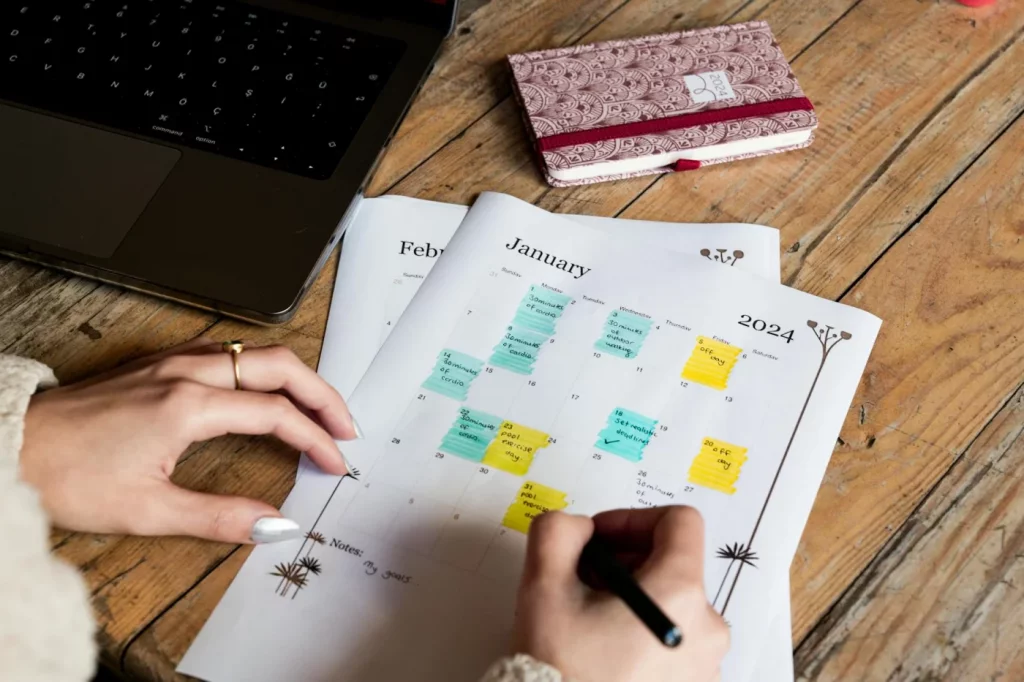
How to build your weekly study plan
- Step 1: Choose a target level and deadline. B1 in 9 months? A2 in 16 weeks?
- Step 2: Estimate total hours, then divide by weekly minutes.
- Step 3: Split time across listening, reading, speaking, vocabulary, grammar, and review.
- Step 4: Add one weekly checkpoint and one conversation session.
- Step 5: Adjust every 4 weeks based on quiz scores, recall, and speaking ease—not mood.
Research on retrieval practice and spacing suggests that recalling words from memory beats rereading notes for long-term retention. If you’re tempted to just review passively, read this on retrieval practice vs rereading.
30, 60, and 90 minute routines
- 30 minutes: 10 review, 10 input, 10 recall/output.
- 60 minutes: Use the 15/30/15 method: 15 review, 30 new input or practice, 15 output or active recall.
- 90 minutes: Keep 15 review, then 35 listening/reading, 20 grammar or vocab, 20 live speaking.
The 15/30/15 method is simple and works well for busy learners. But wait—if speaking is your weak point, longer conversation blocks often beat more app time.
Tools that actually help retention
Use spaced repetition for vocabulary acquisition and sentence review. Mnemonics can help with hard words, sure, but they shouldn’t replace repeated exposure, active recall, and real use.
Personally, I think this is where most plans fail: too much input, not enough retrieval. Which brings us to tracking progress and catching slowdowns early.
Track progress and avoid slowdowns
A good plan is only half the job. You also need a way to see whether it’s working before months slip by.
Timelines by learner type
If you’re asking how long does it take to learn a language fluently, start with hours, not hope. Adult self-learners doing 5-7 focused hours a week often reach basic conversation in 6-12 months in an easier language; classroom learners may move slower unless they add speaking outside class; immersion learners can progress faster, but only if they actively process and review what they hear; app-first learners often build recognition faster than speaking. That’s why Anki vs SuperMemo vs RemNote matters for memory retention. As a rough comparison, English as a second language learners often need hundreds of guided hours before work-ready fluency.
Monthly benchmarks that matter
- Month 1: recall 100-300 useful words, write simple sentences, follow very slow audio.
- Month 3: read graded texts, handle 3-5 minute chats, track listening comprehension by minutes understood.
- Month 9-12: in a strong method, many learners approach B1 or even B2 in easier languages.
Common mistakes that waste months
This is the part most people get wrong. They measure streaks instead of skill, avoid speaking, confuse exposure with comprehension, and study too inconsistently to build momentum.
Final takeaway and next steps
So, how long does it take to learn a language fluently? Usually longer than social media claims and shorter than you fear if your self-study plan is consistent. Fluency is a range, focused hours beat calendar time, and the best realistic language learning timeline is the one you can sustain. Next, let’s wrap this up with the biggest FAQ-style answers and what to do first.
Frequently Asked Questions
How long does it take to learn a language as an adult?
For most adults, the real answer is hundreds of focused hours, not just a vague number of months. If you’re asking how long does it take to learn a language as an adult, the biggest factors are language distance from your native language, the level you want to reach, and how consistently you study each week. Adults can learn very efficiently, but time and attention are usually limited, so progress tends to depend more on planning, review, and speaking practice than on motivation alone.
How long does it take to learn a language fluently?
If you define fluency as B2-level practical independence, easier languages for English speakers often take around 600-900 focused hours, while harder languages can require much more. So when people ask how long does it take to learn a language fluently, the best answer is in hours first, then months second. At 1 hour a day, 600 hours is about 10 months of perfect consistency—but wait, real life happens, so most learners should expect a longer calendar timeline.
How long does it take to learn a language on average?
Average timelines only help if you pair them with a target level and the language category. If you’re wondering how long does it take to learn a language on average, a better question is: average for what language, and to do what? Spanish and Japanese aren’t remotely the same project, and app-only study is very different from a plan that includes guided speaking, listening, reading, and retrieval practice, so hour ranges are more useful than one fixed month estimate.
How many months does it take to learn a language?
The simplest way to answer how many months does it take to learn a language is to convert target hours into your daily study rate. For example:
- 600 hours at 30 minutes/day = about 20 months
- 600 hours at 60 minutes/day = about 10 months
- 600 hours at 120 minutes/day = about 5 months
And here’s the kicker — most learners should add buffer time for missed days, lower-energy sessions, and review weeks, because progress is rarely perfectly linear.
How long does it take to learn a language through immersion?
Immersion can speed things up because your exposure volume gets much higher, but passive exposure alone usually builds recognition faster than usable speaking skill. If you’re asking how long does it take to learn a language through immersion, the answer depends on whether you’re actively processing what you hear, reviewing vocabulary, and getting feedback on output. Research-informed approaches like active retrieval and repeated exposure make immersion far more effective than just surrounding yourself with the language.
How long does it take to learn a new language on Duolingo?
Duolingo can be helpful for building a daily habit, basic vocabulary, and quick recognition, but on its own it usually isn’t a complete path to B2-level independence for most learners. So if you’re wondering how long does it take to learn a new language on duolingo, the honest answer is that the app can support progress, but the timeline depends on what else you add: listening, reading, speaking, and recall-based review. Personally, I think apps work best as a starter layer, not the whole system.
What is the 15/30/15 method?
The 15/30/15 method is a simple 60-minute language study structure: 15 minutes review, 30 minutes new input or focused practice, 15 minutes recall or output. It’s useful because it gives you a repeatable routine without forcing you to decide what to do every day. If you want a cleaner study plan, this kind of split works especially well when paired with active recall tools and a weekly schedule like the ones discussed in FreeBrain’s study systems content at FreeBrain, though longer speaking sessions may still be better if conversation is your main goal.
How does the FBI learn languages quickly?
Programs linked to government language training tend to use intensive schedules, high exposure, structured feedback, and clear proficiency targets rather than random study. If you’re asking how does the FBI learn languages quickly, the useful lesson isn’t to copy the intensity—most people can’t—but to copy the structure: daily practice, active recall, regular speaking, and frequent assessment against a defined level. Which brings us to the practical takeaway: a sustainable weekly plan will usually beat occasional marathon sessions, especially if your goal is figuring out how long does it take to learn a language fluently in real life.
Conclusion
If you want the short version, here it is: define fluency before you chase it, match your timeline to the language’s difficulty, study consistently instead of in bursts, and track real skills like listening, speaking, reading, and recall each week. That’s what actually answers the question, how long does it take to learn a language fluently. For many learners, the biggest mistake isn’t laziness. It’s using a vague goal, an unrealistic schedule, and no feedback loop.
And honestly, that can feel discouraging at first. But wait — it’s also good news. Why? Because once you stop comparing yourself to random “fluent in 3 months” promises, your progress starts making more sense. Personally, I think this is the part most people get wrong: language learning is less about finding a magic method and more about staying on a plan you can repeat for months. Miss a few days? Fine. Adjust and keep going. Slow progress still counts, and steady learners usually beat intense-but-inconsistent ones.
So here’s the deal: pick your target level, estimate your weekly hours, and build a plan you can actually stick to for the next 12 weeks. Then keep refining. If you want more help, explore FreeBrain’s resources on how to study effectively and spaced repetition to make your language study sessions more efficient. The real answer to how long does it take to learn a language fluently depends on what you do next — so start today, measure your progress, and give yourself enough time to win.