

Short answer: does fish oil help cognitive function? Sometimes, but not in the simple “take a capsule, get a sharper brain” way supplement ads imply. If you’re wondering whether does fish oil help cognitive function for your situation, the evidence is mixed overall and much more useful when you break it down by who’s taking it, why, and what outcome they expect.
You’ve probably seen the confusion yourself. One headline says omega-3 is great for memory, a Reddit thread says it did nothing, and then an NIH summary on omega-3 and brain function research adds another layer without giving you a clean buying decision. And meanwhile, a lot of day-to-day “brain fog” has more to do with sleep, stress, and how attention affects learning than with a missing fish oil capsule.
So here’s the deal. This isn’t a supplement sales page, and it’s not another vague yes-or-no article about whether fish oil helps memory. You’ll get a practical 7-check framework that sorts the evidence by group: healthy adults, older adults, mild cognitive impairment, dementia, mood-related symptoms, and brain injury.
We’ll also cover the stuff most articles skip: how long does omega-3 take for memory, whether DHA or EPA matters more for brain health, when fish oil vs eating fish makes more sense, what a realistic omega-3 dosage for memory support looks like, and which side effects should make you slow down and read the label twice. Personally, I think that’s the only useful way to answer does fish oil help cognitive function without overselling it.
Quick sidebar: I’m a software engineer, not a neuroscientist. But I spend a lot of time testing evidence-based learning strategies for self-directed learners, and I care a lot more about real-world payoff than hype — which is why I usually tell people to fix the basics first, like sleep, study methods, and how to learn better, before treating omega-3 as a brain shortcut.
📑 Table of Contents
- Quick answer and how we judge claims
- Who might benefit and who probably won't
- DHA, EPA, dose, and timeline
- The 7-step buying and safety checklist
- Common mistakes and what to avoid
- Real-world use for students and professionals
- Frequently Asked Questions
- Is fish oil actually working for the brain?
- Does fish oil help brain function in healthy adults?
- Does omega-3 help memory in older adults?
- DHA or EPA: which is better for brain health?
- How much omega-3 should I take for memory support?
- How long does omega-3 take for memory or focus?
- Is fish oil better than eating fish for brain health?
- Who should avoid fish oil supplements?
- Conclusion
Quick answer and how we judge claims
So here’s the direct answer after the intro: does fish oil help cognitive function? Sometimes, for some groups. But for healthy adults hoping for a clear jump in memory, focus, or study performance, the evidence is mixed and any benefit is usually modest rather than dramatic. For more on memory and brain health, see our memory and brain health guide.
That confusion makes sense. DHA and EPA are omega-3 fats with plausible roles in brain cell membranes and signaling, trial results don’t all point the same way, supplement marketing is aggressive, and Reddit-style anecdotes make weak effects sound universal. If you want better day-to-day mental performance now, I’d start with sleep, attention control, stress, and better study design before pills—FreeBrain’s guides on how attention affects learning and how to learn better will usually move the needle faster.
Our method is simple. We prioritize human clinical trials, systematic reviews, and guidance from major health institutions over biochemistry alone, influencer claims, or “it worked for me” stories.
This article is educational, not medical advice. If you’re pregnant, have a medical condition, use anticoagulants, or are considering high-dose omega-3 supplements, talk with a qualified clinician first.
The short verdict by audience
- Healthy adults and students: evidence is mixed; if fish oil helps, the effect is more likely small than life-changing.
- Older adults and mild cognitive impairment: this is a more plausible area for benefit, but results still aren’t guaranteed and cognitive decline has many causes.
- Diagnosed dementia: don’t treat fish oil as a proven therapy; that decision belongs with a clinician.
- Mood-related symptoms and concentration complaints: some evidence exists for mood outcomes, but this article stays focused on cognition and memory—and yes, stress can easily masquerade as a “brain supplement” problem, which is why stress and memory problems matter here.
How we evaluate supplement claims
This is the part most people get wrong. A mechanism is not an outcome. Fish oil may affect membranes, inflammation, or neuronal signaling, but that still doesn’t automatically mean better recall on a word-list test or sharper focus during work.
So what counts as stronger evidence? Randomized clinical trials, systematic reviews, and guidance from institutions like the NIH Office of Dietary Supplements on omega-3 fatty acids and Mayo Clinic’s overview of fish oil supplements. We’ll also pay attention to effect size, dose, DHA vs EPA balance, study length, and whether benefits show up in healthy adults, mild cognitive impairment, or other groups.
And here’s the kicker—we’re not going to give one blanket yes-or-no answer. We’re going to split the omega-3 brain study results by audience, because “do fish oil supplements work for memory?” means very different things in a healthy 22-year-old, a stressed parent sleeping five hours, and an older adult with cognitive concerns. Which brings us to who might benefit—and who probably won’t.
Who might benefit and who probably won’t
Here’s where the answer gets more useful: population matters. If you’re asking “does fish oil help cognitive function,” the honest answer changes a lot depending on whether you’re a healthy student, an older adult with decline, or someone dealing with stress, dementia, or brain injury.

And this is the part most pages blur together. Memory complaints can come from poor sleep, overload, depression, constant phone checking, or weak study habits just as much as low omega-3 intake. For day-to-day performance, how attention affects learning and how to learn better usually matter more than any capsule.
📋 Quick Reference
| Group | Evidence strength | Likely benefit | Typical study duration | Practical takeaway |
|---|---|---|---|---|
| Healthy adults | Weak-mixed | Small or none | 6-24 weeks | Don’t expect obvious focus gains |
| Older adults | Mixed | Possible modest support | 3-12 months | More reasonable group to discuss |
| Mild cognitive impairment | Mixed but plausible | Sometimes small benefit | 6-12 months | Use as one part of a bigger plan |
| Diagnosed dementia | Weak for treatment | Unclear | Months | Not a proven treatment |
| Mood/stress complaints | Some support for mood, not memory | Indirect at best | 4-12 weeks | Check stress and sleep first |
| Brain injury | Specialized, limited | Unknown without supervision | Varies | Needs clinician guidance |
Healthy adults and students
For healthy adults, evidence that fish oil noticeably improves memory, concentration, or exam scores is inconsistent. That means “does fish oil help brain function in healthy adults” doesn’t get a strong yes.
Concrete example? A student sleeping 5-6 hours, rereading notes, and studying with notifications on probably won’t notice much from omega-3 for brain memory compared with fixing sleep and using retrieval practice vs rereading. Personally, I think this is where expectations go off the rails.
Older adults and mild cognitive impairment
This group is more interesting. Mild cognitive impairment means measurable decline beyond normal aging, but not severe enough to count as dementia, according to guidance from the National Institute on Aging.
Does omega-3 help memory in older adults? Sometimes, maybe modestly, especially over months rather than days. But wait: broader factors matter too—education, physical activity, blood pressure, diet quality, sleep, and vascular health often have a bigger long-term signal than one supplement.
Dementia, mood, and brain injury
For diagnosed dementia, don’t read fish oil as a proven treatment. Reviews indexed by PubMed’s clinical literature database generally show mixed or limited effects, not a reliable reversal of cognitive decline.
Mood is different. Some people asking “do fish oil supplements work for memory” are really dealing with stress, low mood, or bad sleep, and those can crush mental performance. If that sounds familiar, read our guide on stress and memory problems before assuming you need a brain supplement.
- Diagnosed dementia: don’t self-treat with fish oil.
- Mood and stress complaints: possible indirect benefit, but confounders are huge.
- Concussion or traumatic brain injury: high dose omega-3 for brain injury is a clinician conversation, not a DIY experiment.
Which brings us to the next question: if you are going to try it, what kind of omega-3 matters—DHA, EPA, dose, and how long before you’d notice anything?
DHA, EPA, dose, and timeline
So now we get practical. If you’re comparing bottles and wondering whether does fish oil help cognitive function, the first thing to know is that the useful part isn’t the front-label “fish oil” number by itself.
DHA and EPA are the two main omega-3s people care about. And for day-to-day mental performance, basics like how attention affects learning and how to learn better usually matter more than any supplement.
When DHA matters more
DHA is a structural omega-3. It’s heavily represented in brain tissue and the retina, which is why it gets so much attention in brain health discussions; even the Wikipedia overview of DHA notes its major role in the central nervous system.
So, how much DHA for brain health daily? There isn’t one magic number, but many brain-focused products aim to provide a meaningful DHA amount per serving rather than just boasting “1,000 mg fish oil.” Quick example: a capsule labeled 1,000 mg fish oil might contain only 180 mg EPA and 120 mg DHA. That means just 300 mg of the omega-3s you’re actually shopping for.
This is the part most people get wrong. More total fish oil doesn’t automatically mean more brain support, and does fish oil help cognitive function is really a DHA-plus-EPA question, not a “how big is the softgel” question.
When EPA or a mixed formula makes sense
EPA isn’t useless. Not even close. It’s often discussed more in inflammation and mood-related research, while mixed fish oil formulas are common for general wellness.
If you’re mainly worried about concentration, low mood, or feeling mentally off, check confounders too—especially stress and memory problems. And because mood symptoms can overlap with health conditions, it’s smart to consult a qualified clinician rather than self-treat.
- DHA amount per serving
- EPA amount per serving
- Serving size and capsule count
- Form used and third-party testing
- Freshness and cost per effective dose
What timelines are realistic
Not immediate. If any memory support shows up, it’s unlikely to feel like caffeine in 45 minutes. Many omega-3 trials look at multi-week windows—often around 6, 12, or 24 weeks—rather than same-day changes, as reflected across the NIH Office of Dietary Supplements omega-3 fact sheet.
So how long does omega-3 take for memory? Think weeks to months, not days. If you expect fish oil to fix afternoon brain fog by Friday, that’s probably unrealistic.
Next, let’s turn that label-reading logic into a simple 7-step buying and safety checklist.
The 7-step buying and safety checklist
Now that you know the usual DHA/EPA ranges and timeline, here’s the practical part: what to buy, what to skip, and who should pause before adding a supplement. If you’re asking does fish oil help cognitive function, this checklist keeps you from judging the answer by marketing instead of evidence.
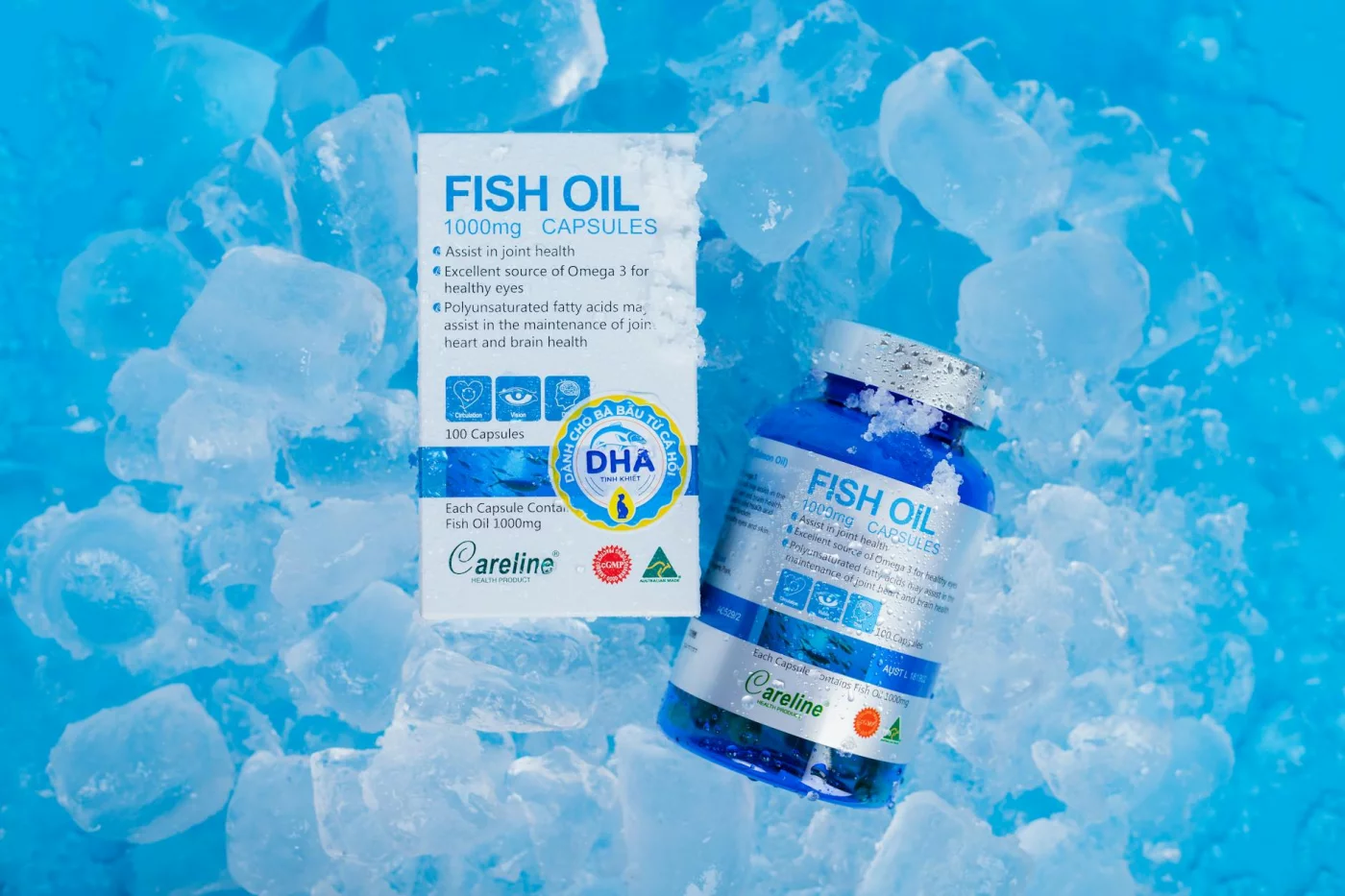
How to choose a fish oil supplement safely
- Step 1: Define your goal: general brain health, memory support, filling a low-fish diet gap, or clinician-directed use.
- Step 2: Ask whether food-first is realistic. Two servings of fatty fish per week may make more sense for some people than capsules.
- Step 3: Compare DHA + EPA per serving, not just “1,000 mg fish oil” on the front label.
- Step 4: Check the form: triglyceride or re-esterified triglyceride vs ethyl ester.
- Step 5: Look for third-party testing, freshness, and a clear expiration date.
- Step 6: Calculate cost per meaningful daily dose, not cost per bottle.
- Step 7: Screen for side effects, bleeding risk, allergy issues, and medication interactions before buying.
Step 1-3: Start with need, food, and label math
First, get specific. A healthy student hoping for sharper focus may get more from how attention affects learning and how to learn better than from any brain supplement. And if stress is driving forgetfulness, read stress and memory problems before you spend money.
Food first is often the smarter baseline. If you already eat salmon, sardines, trout, or mackerel regularly, the extra benefit from a capsule may be smaller; if you rarely eat fish, a supplement may be more reasonable, alongside a 7-day MIND diet-style approach to overall diet quality.
Label math matters most. Two bottles can both say “1,000 mg fish oil,” but one may give 300 mg DHA+EPA while another gives 700 mg. Compare the active omega-3s per serving, not the front-label number.
Step 4-5: Form, freshness, and quality
Triglyceride form means the fats are packaged in a structure similar to what you find naturally in fish. Ethyl ester is a processed form often used in concentrates. Personally, I think people overrate this difference; actual DHA/EPA content, oxidation control, and quality testing usually matter more for the best fish oil for brain function.
Look for third-party testing, a lot number, and an expiration date. The NIH Office of Dietary Supplements omega-3 fact sheet is a solid place to verify basic safety points. A strong paint-like or rancid smell can be a freshness warning, though smell alone doesn’t prove oxidation.
Step 6-7: Cost and safety screen
Now do the money check. A $14 bottle with 300 mg DHA+EPA per serving can be worse value than a $24 bottle with 800 mg per serving. Cost per effective daily dose beats cost per capsule every time.
- Common fish oil side effects brain supplements users report: fishy aftertaste, nausea, reflux, loose stools, and general GI upset.
- Talk to a clinician first if you use anticoagulants or antiplatelet drugs, have a fish allergy, are pregnant, have a medical condition, or are considering high dose omega-3.
- Older adults with long medication lists should be extra careful about bleeding risk and medication interactions.
So, does fish oil help cognitive function? Sometimes, maybe modestly, for the right person with the right need and product. Next, let’s cover the common mistakes that make people buy the wrong supplement—or expect the wrong result.
Common mistakes and what to avoid
Once you’ve checked quality and safety, the next problem is expectations. A lot of confusion around whether does fish oil help cognitive function comes from using it like a same-day focus booster instead of a slow, uncertain nutrition intervention.
Expectation traps
Fish oil doesn’t work like caffeine. If your focus swings day to day, that’s often sleep debt, stress, or constant task-switching — not a sudden change in DHA status. Research reviews generally find small or inconsistent effects in healthy adults, especially for short-term memory and concentration.
OK wait, let me back up. If you’re sleeping 5-6 hours, checking Slack every 3 minutes, and feeling brain fog by 2 p.m., nutrition may not be the main bottleneck. In that case, how attention affects learning matters more than any capsule.
- Don’t expect results in days; if there’s any benefit, it may take weeks or months.
- Don’t assume more fish oil means more brain benefit.
- Don’t use supplements to self-treat dementia or major cognitive decline without a clinician.
Buying traps
This is the part most people get wrong. They compare bottle size, Reddit hype, or “brain formula” branding instead of actual EPA/DHA per serving. So, do fish oil supplements work for memory? Sometimes modestly, maybe, but no label can promise better memory in healthy adults.
And yes, fish oil side effects brain supplements discussions often miss the basics: higher doses can raise bleeding concerns for some people and may interact with medications, so purpose and safety both matter. Next, let’s make this practical for students and professionals deciding whether it’s worth using in real life.
Real-world use for students and professionals
So what does this mean in daily life? If you’re wondering whether does fish oil help cognitive function in a way you’ll actually notice during study sessions or long workdays, the honest answer is: sometimes modestly, but usually not dramatically.
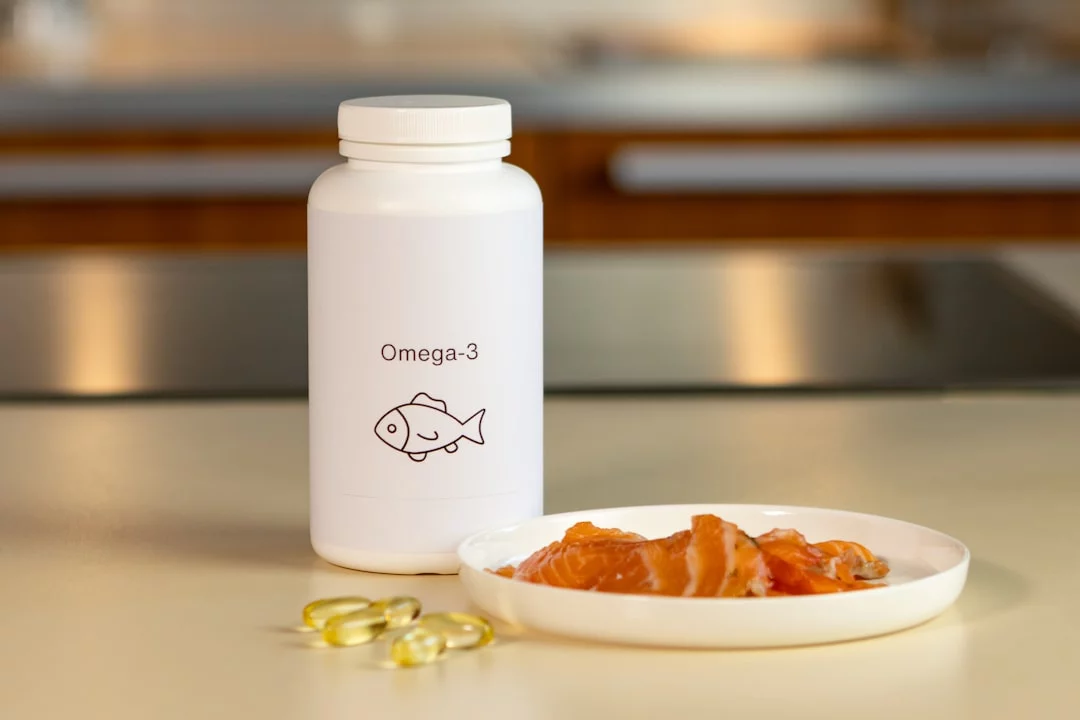
From experience: what usually moves the needle first
As a software engineer building learning tools, I’ve found the biggest gains usually come from better study systems, fewer distractions, and better recovery. Not capsules. Learners often need structure and recall practice more than another supplement, which is why retrieval practice vs rereading matters more for exam performance than omega-3 for brain memory.
- Sleep quality usually beats supplements for next-day focus.
- Stress control often improves recall faster than fish oil.
- Attention management drives mental performance at work.
A practical decision framework
If you rarely eat fatty fish, omega-3 may be a reasonable add-on for brain health. But if you want a sharp focus boost by next week, fish oil is probably the wrong tool. And if you’re older, have memory concerns, take blood thinners, or are considering high doses, talk with a clinician first.
📋 Quick Reference
Fix the big rocks first: sleep, stress, attention, and retrieval practice. Then consider fish oil vs eating fish for brain health if your diet is low in fatty fish or a clinician recommends it. That framing answers does fish oil help cognitive function more realistically than supplement marketing does.
Next, let’s cover the most common questions and the bottom-line verdict.
Frequently Asked Questions
Is fish oil actually working for the brain?
If you’re asking is fish oil actually working for the brain, the honest answer is: sometimes, for some people, but not as a universal brain booster. Research is more mixed in healthy adults, while possible benefits look a bit more plausible in some older adults or people with lower omega-3 intake to begin with. So, does fish oil help cognitive function? It can in certain contexts, but you shouldn’t expect dramatic changes from a supplement alone.
Does fish oil help brain function in healthy adults?
For people wondering does fish oil help brain function in healthy adults, the evidence suggests any benefit is usually modest and not always noticeable day to day. Personally, I think this is the part most people get wrong: sleep quality, stress load, and attention habits often have a bigger effect on focus and mental sharpness than adding fish oil. If your basics are off, a supplement usually won’t outwork them.
Does omega-3 help memory in older adults?
When people ask does omega-3 help memory in older adults, this is one of the more reasonable places to look for possible benefit, but results are still inconsistent across studies. Some older adults may benefit more than younger healthy groups, especially if diet quality is low, but memory concerns that are persistent or worsening deserve a conversation with a qualified clinician. And yes, broader habits still matter: regular activity, good sleep, blood pressure control, and mentally demanding routines all support brain health too.
DHA or EPA: which is better for brain health?
If you’re comparing dha or epa better for brain health, DHA is usually more central in discussions about brain structure because it’s a major fatty acid in brain tissue. EPA, on the other hand, often comes up more in mood-related research. For general-use buyers, a mixed DHA/EPA formula is often the practical middle ground unless a clinician gives you a more specific reason to prioritize one.
How much omega-3 should I take for memory support?
There isn’t a one-size-fits-all answer to how much omega-3 should i take for memory, because study doses vary a lot and supplement labels can be misleading if you only look at the total fish oil amount. What matters is the actual DHA and EPA listed on the label, not just the size of the capsule. If you’re thinking about higher doses, using omega-3 for a medical reason, or taking other medications, speak with a clinician first and review trustworthy guidance such as the NIH Office of Dietary Supplements omega-3 fact sheet.
How long does omega-3 take for memory or focus?
If you want to know how long does omega-3 take for memory, think in terms of weeks to months, not hours or days. Any effect is unlikely to feel immediate, and if you notice anything at all, it may be subtle rather than dramatic. So if you’re testing whether does fish oil help cognitive function for you personally, give it enough time and keep the rest of your routine stable.
Is fish oil better than eating fish for brain health?
For the question is fish oil better than eating fish for brain health, food usually wins on overall nutritional value because fish also provides protein and other nutrients, not just omega-3s. But wait — supplements can still be useful as a convenience tool if you rarely eat fish or have trouble getting it consistently in your diet. They’re not automatically superior; they’re just sometimes easier.
Who should avoid fish oil supplements?
If you’re asking who should avoid fish oil supplements, the main groups to be careful are people taking anticoagulants or antiplatelet drugs, people with certain medical conditions, pregnant readers, and anyone considering high-dose omega-3 use. This content is educational, not medical advice, and those situations really should be discussed with a qualified clinician before starting a supplement. For a broader evidence-based look at what actually moves memory and focus, you can also read FreeBrain’s learning and brain performance resources.
Conclusion
If you remember four things, make them these: check the label for actual DHA and EPA amounts rather than “fish oil” total, match the dose to your goal instead of guessing, give it enough time to judge results, and run through a basic safety screen before buying. That means looking for third-party testing, freshness, sensible serving sizes, and possible interactions if you take medication or have a health condition. And if you’re still asking, “does fish oil help cognitive function,” the honest answer is that it may help some people more than others—especially when diet, baseline omega-3 intake, and expectations are part of the picture.
That’s actually good news. You don’t need a perfect supplement stack or a premium bottle with flashy marketing to make a smart decision. You just need a clear process. Personally, I think this is the part most people get wrong: they buy on hype, then quit too early or expect a dramatic mental boost in three days. But steady, evidence-based choices tend to work better. If you’re a student, knowledge worker, or self-learner trying to think more clearly, small improvements in consistency can add up fast.
Want to keep building a brain-friendly system instead of chasing one-off fixes? Read How to Improve Focus and Concentration and Spaced Repetition next on FreeBrain.net. They’ll help you connect supplements, study methods, sleep, and workload into something that actually holds up in real life. Start with the basics, track what changes, and make your next decision with evidence—not marketing.