If you’re looking for a practical test anxiety strategies pdf, here’s the short answer: CBT techniques for test anxiety work by helping you catch the thoughts that spike panic, question the distortions behind them, calm your body, and practice exam-like situations until your brain stops reading tests as danger. This article gives you exactly that — a student-friendly set of tools you can use as-is or turn into your own test anxiety strategies pdf and worksheet pack.
You probably know the feeling. You studied, you sit down, and suddenly your mind goes blank, your heart speeds up, and even easy questions look unfamiliar. Why does that happen? Because stress can disrupt recall and attention in the moment, which I break down more in this stress and memory guide, and anxiety can also narrow the focus your brain needs to think clearly — something I explain in this piece on how attention affects learning.
And here’s the good news: these reactions are common, and they’re trainable. Research summarized by the American Psychological Association’s overview of anxiety shows that anxiety involves both thought patterns and physical arousal, which is exactly why cognitive behavioral therapy for test anxiety can be so useful. Not magic. But very workable.
So here’s the deal. Instead of giving you generic “just relax” advice, this guide is organized by when you actually need help most: while studying, the night before, 10 minutes before the exam, during the test, and right after. You’ll get 7 practical tools, including worksheet-style exercises, a thought record for test anxiety, realistic coping scripts, and test day anxiety coping strategies you can use even if your brain is already spiraling.
I’m a software engineer, not a psychologist, and I built FreeBrain after struggling with self-directed learning myself. Well, actually, that’s why I care so much about making this useful: I test these methods through the tools we build and through what consistently helps students reduce overwhelm, study more effectively, and stop treating every exam like a threat. If you want a printable test anxiety strategies pdf, you can use this article as the blueprint.
📑 Table of Contents for Test Anxiety Strategies Pdf
What test anxiety is and why CBT helps
So now we can get specific. CBT techniques for test anxiety help you catch threat-based thoughts, question distorted predictions, lower physical arousal, and practice exam situations until they feel less dangerous. If you want a printable, this section can double as the core of a test anxiety worksheet or test anxiety strategies pdf, especially if anxiety is messing with recall the way we explain in this stress and memory guide. For more on stress and sleep, see our stress and sleep guide.
A quick definition in plain English
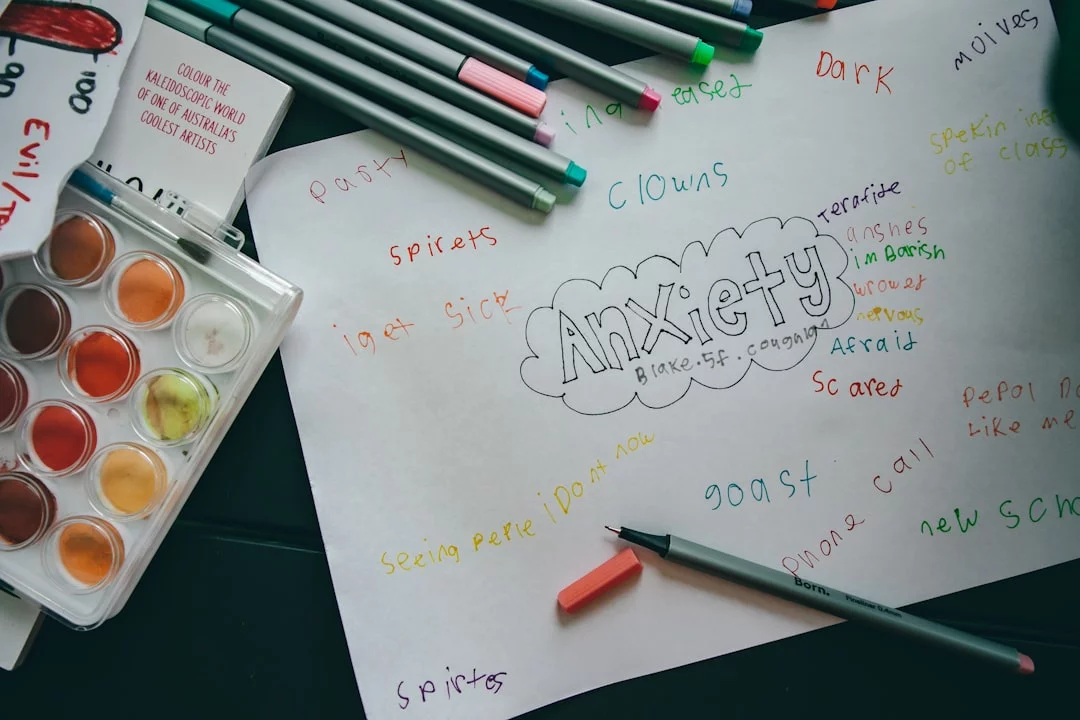
CBT, or cognitive behavioral therapy for test anxiety, is a practical way to work on three things at once: your thoughts, your body reactions, and the habits that keep anxiety going. Put simply, if you change what you say to yourself, how you breathe, and how you practice, tests start to feel less like threats.
Some anxiety is normal. It can sharpen focus. But when it causes a racing heart, poor sleep, blanking on easy material, or procrastination because studying feels threatening, it stops helping. Basic anxiety guidance from the American Psychological Association on anxiety lines up with that distinction.
How anxiety hurts performance
Here’s the loop. You think, “I’m going to fail,” your body shifts into alarm mode, attention narrows, and working memory gets crowded by worry instead of the question in front of you. Which brings us to why attention affects learning so much during exams: you may know the formula at home, then go blank under pressure.
- Thought: “If I mess up one question, I’m done.”
- Body: faster heartbeat, tense muscles, shallow breathing.
- Behavior: avoidance, rushing, or second-guessing easy answers.
Research summaries in PubMed’s CBT and exposure literature suggest this cycle can improve when you pair cognitive reframing with repeated practice under realistic conditions.
From experience: what students usually get wrong
I’m a software engineer, not a clinician, and I built FreeBrain tools because I’m a self-taught learner who needed evidence-based systems that actually worked. Well, actually, this is the part most students miss: they try to calm down only on test day. The bigger win comes earlier, when studying includes timed recall, error review, and pressure rehearsal instead of passive rereading. That’s why I often point students to retrieval practice vs rereading.
Next, I’ll walk through seven CBT tools you can use the night before, 10 minutes before, and during the exam itself—including ideas you can turn into your own test anxiety strategies pdf.
7 CBT tools that work before and during tests
Now we move from theory to action. If you want a practical test anxiety strategies pdf equivalent, these seven CBT tools cover the moments that matter: the night before, 10 minutes before, and during the exam.
Research on cognitive behavioral therapy and exposure supports this basic idea: anxiety drops when you change both your thoughts and your behavior, not when you keep avoiding the trigger. And yes, stress can disrupt recall and focus, which is why our stress and memory guide and article on how attention affects learning matter here.
How to use these 7 tools
- Step 1: Catch the thought.
- Step 2: Test it with evidence.
- Step 3: Swap in coping statements.
- Step 4: Run a behavioral experiment.
- Step 5: Practice under test-like conditions.
- Step 6: Lower physical arousal.
- Step 7: Ground and return to one question.
1) Catch the thought, don’t obey it
Write the anxious thought word-for-word. Not “I feel bad,” but “If I don’t get an A, I’m done” or “Everyone else is calmer than me.”
This is where most students miss the real trigger. Common distortions include catastrophizing, mind reading, all-or-nothing thinking, and fortune telling.
2) Test the thought with evidence
Use a thought record for test anxiety. Example: Situation: chemistry exam tomorrow. Thought: “I’m going to blank out and fail.” Emotion: anxiety 85/100. Evidence for: I felt shaky in the last quiz. Evidence against: I finished three review sets, passed the last unit, and anxiety has eased before. Balanced thought: “I may feel anxious, but that doesn’t predict failure.”
That’s cognitive restructuring. You’re not forcing positivity; you’re aiming for accuracy. For a readable overview, the American Psychological Association’s CBT page explains the logic well.
3) Rehearse pressure on purpose
Two tools fit here: behavioral experiments and exposure. Predict, “If I do one timed practice set, I’ll panic and score terribly,” then test it. Compare prediction versus result.
Next, build exposure: timer on, phone away, same room setup, no notes, one 15-minute block first, then longer blocks. Avoidance teaches your brain that tests are dangerous; practice teaches the opposite. If prep is weak, use retrieval practice vs rereading so your study plan reduces uncertainty instead of feeding it.
4) Lower arousal and refocus fast
Right before or during the exam, try this: inhale for 4, exhale for 6, for 60 to 90 seconds. Longer exhales help downshift arousal. For practice before test day, use this progressive muscle relaxation script.
Then do a 30-second grounding reset: feet on floor, shoulders drop, exhale longer than inhale, name 3 things you can see, return to one question. Need the symptom-to-tool map from this test anxiety strategies pdf section? Here it is.
- Catastrophic thinking → thought record
- Racing heart → breathing or PMR
- Blanking out → grounding
- Avoidance → exposure
These are among the best CBT techniques for anxiety because they target the exact loop keeping test fear alive. Next, I’ll show you how to turn the thought record into a fast worksheet and pair it with a timing plan without the common mistakes.
Thought record + timing plan + common mistakes
Those CBT tools work better when you attach them to a moment, not just a vague plan. Anxiety can disrupt recall and focus, which is why understanding the stress and memory guide and how attention affects learning helps this feel less personal and more fixable.
A simple thought record you can actually use
Use a basic thought record for test anxiety on paper or as a cbt worksheet for test anxiety students. Keep these fields: situation, automatic thought, emotion + intensity, evidence for, evidence against, balanced thought, and action.
- Situation: Sitting outside my biology midterm, seeing everyone review notes.
- Automatic thought: “I’m going to blank out and fail.”
- Emotion intensity: Anxiety 85/100.
- Evidence for: I felt shaky on the last quiz. I don’t know every chapter perfectly.
- Evidence against: I passed the practice quiz, finished my review, and anxiety has eased before once I started.
- Balanced thought: “I might feel anxious and forget a few things, but that doesn’t mean I’ll fail. I can start with what I know and recover if I spike.”
- Action: Do 3 slow breaths, read question 1 carefully, answer the easiest part first.
If you want something printable, this section can easily become a one-page download or test anxiety strategies pdf you keep in your bag or notes app.
What to do by timing
Timing matters more than motivation. High school students, college students, and adult learners all do better with short scripts tied to specific moments.
- Night before: Stop cramming at a set time, pack materials, do 5 minutes of breathing or a short walking meditation practice. Script: “Studying is done; rest helps recall tomorrow.”
- 10 minutes before: Exhale longer than you inhale, loosen shoulders, avoid comparing with classmates. Script: “Other people’s panic isn’t my plan.”
- During: Start with one manageable question, mark and move, reset after a panic spike with one slow breath and one line of self-talk. Script: “One question, not the whole exam.”
- After: Do a 2-minute review for logistics, then stop. Script: “I can learn from this later without replaying it all night.”
Common mistakes that make anxiety worse
This is the part most people get wrong. They try to erase anxiety instead of staying functional through it.
- Using affirmations you don’t believe, which your brain rejects immediately.
- Cramming late to reduce guilt, even though it raises arousal and cuts sleep.
- Rereading passively instead of practicing recall.
- Checking classmates for reassurance right before the exam.
- Treating exam anxiety symptoms as proof you’ll fail, rather than signs your body is activated.
A believable plan beats fake confidence. In the next section, I’ll pull this into a study plan, quick reference, and signs it’s time to get extra help.
Study plan, quick reference, and when to get help
If the thought record helped you challenge the fear, this part helps you act on it. A simple plan turns vague dread into visible next steps, which is why a good test anxiety strategies pdf should include a real schedule, not just calming tips.
Build a prep routine that lowers fear
Start small. For one week, try 3 retrieval sessions, 2 short review blocks, 1 timed practice block, and 1 error-review session. Why does this help? Because retrieval practice vs rereading gives honest feedback, and honest feedback is usually less scary than uncertainty.
- Mon/Wed/Fri: 20-30 minutes of active recall
- Tue/Thu: 10-15 minutes reviewing weak spots
- Sat: 25-40 minutes timed practice
- Sun: 15-20 minutes reviewing mistakes
Procrastination often lowers anxiety for a few hours, then raises it later. Phone checking, distraction, and last-minute cramming feel relieving in the moment. But wait. They also keep exam conditions unfamiliar, which hurts confidence. For bigger exams or certifications, use the same study plan for test anxiety pattern across 4-12 weeks.
Quick reference: match the tool to the problem
📋 Quick Reference
- Racing heart: slow breathing or grounding; use 5-10 minutes before the test
- Blanking out: cue sheet + brief reset; use during the exam
- Avoidance: tiny start rule + timed block; use when you keep delaying
- Catastrophic thoughts: cognitive restructuring; use the night before and after practice tests
- Post-test rumination: limit review window; use right after the exam
When self-help isn’t enough
This content is educational, not medical advice. If you have severe panic, repeated physical symptoms, major sleep disruption, school or work impairment, or think you may need accommodations, talk with a counselor, clinician, physician, or testing office. If you’re searching for a test anxiety strategies pdf because you want to know how to reduce test anxiety without medication, that’s reasonable. But persistent or intense symptoms deserve real support.
Next, I’ll wrap this up with the most common questions and the best next steps for student stress management.
Frequently Asked Questions
What are CBT techniques for test anxiety?
CBT techniques for test anxiety are practical skills that target three things: anxious thoughts, physical stress reactions, and avoidance around exams. Common examples include thought records to challenge “I’m going to fail” thinking, coping statements like “I can feel anxious and still think clearly,” exposure practice with timed mock tests, slow breathing, and grounding exercises that bring your attention back to the present. If you want a simple worksheet format, a test anxiety strategies pdf can help you practice these tools in a repeatable way instead of trying to remember them under pressure.
How do CBT techniques help test anxiety?
If you’re wondering how do CBT techniques help test anxiety, the short answer is this: they reduce catastrophic thinking, lower body arousal, and make exam conditions feel less unfamiliar. That matters because when your brain stops treating the test like a threat, you usually get better attention, steadier recall, and more follow-through on questions you actually know. Research-based CBT approaches are often used for anxiety because they help people change both their interpretation of stress and their response to it; for a general overview, the American Psychological Association explains cognitive behavioral therapy here.
What is the best CBT technique for test anxiety?
There isn’t one universal answer to what is the best CBT technique for test anxiety because the best tool depends on what’s driving your stress. If your main problem is spiraling thoughts, cognitive restructuring may help most; if it’s panic symptoms, breathing and grounding can work faster; and if you freeze because tests feel unfamiliar, exposure through realistic timed practice is often the missing piece. Personally, I think many students do best with a combination: challenge the thought, then prove it wrong by practicing under exam-like conditions.
How can students reduce test anxiety without medication?
How to reduce test anxiety without medication usually comes down to better preparation and better stress response skills, not one magic trick. Start with a clear study plan, use retrieval practice instead of rereading, simulate timed conditions, and pair that with slow breathing plus thought-challenging when your mind starts predicting disaster. And if symptoms are severe, persistent, or affecting daily life, it’s worth talking with a qualified mental health professional; this is educational content, not medical advice. You can also pair these ideas with a printable test anxiety strategies pdf so your plan is visible before exam day, not just in your head.
What should you do the night before an exam to reduce anxiety?
If you’re asking what should you do the night before an exam to reduce anxiety, keep it boring and predictable. Set a firm stop time for heavy studying, pack your materials, choose one short calming routine like 5 minutes of breathing or a brief walk, and aim to sleep on your normal schedule as closely as possible. But wait — this is the part most people get wrong: late-night cramming and constant reassurance-seeking usually make you feel less prepared, not more. For practical prep ideas, you might also like FreeBrain’s study tools and planning resources at FreeBrain.
How do you stop panic during a test?
For how to stop panic during a test, use a short sequence: pause, exhale longer than you inhale for a few breaths, ground yourself by noticing a few things you can see and feel, then return to one manageable question. The goal isn’t to make anxiety vanish instantly; it’s to stop the spiral long enough for your thinking brain to come back online. And here’s the kicker — a panic spike is usually temporary and survivable, not proof that you’re failing. If you’ve practiced this sequence ahead of time, including from a test anxiety strategies pdf, it tends to work much better when the pressure hits.
Conclusion
If you want this article to actually help on your next exam, keep it simple. Use a thought record to catch the “I’m going to fail” spiral before it gains speed, pair that with a timing plan so you know exactly what to do in the first 5-10 minutes of the test, and practice one calming reset you can use on command, like slower breathing or a brief grounding cue. And don’t skip the study plan. Personally, I think this is the part most people get wrong: test anxiety usually gets worse when your prep is vague, rushed, or inconsistent. A printable test anxiety strategies pdf can help, but only if you rehearse the tools before test day.
You do not need to feel perfectly calm to perform well. That’s the big shift. The goal isn’t zero nerves; it’s being able to think clearly even when your body is activated. OK wait, let me back up. If you’ve been freezing, blanking, or second-guessing yourself, that doesn’t mean you’re bad at tests or “just not disciplined.” It usually means your stress response is outrunning your system. And that can be trained. Start with one tool today, test it in your next study session, and build from there.
If you want more practical help, explore the study and memory resources on FreeBrain.net next. You might like How to Study for Exams Effectively for building a calmer prep routine, and Active Recall Study Method if you want a study approach that reduces panic by making practice feel more like the real thing. Speaking of which — if a test anxiety strategies pdf helps you stay consistent, use it as a checklist, not a crutch. Pick one technique, practice it this week, and make your next test a training rep.