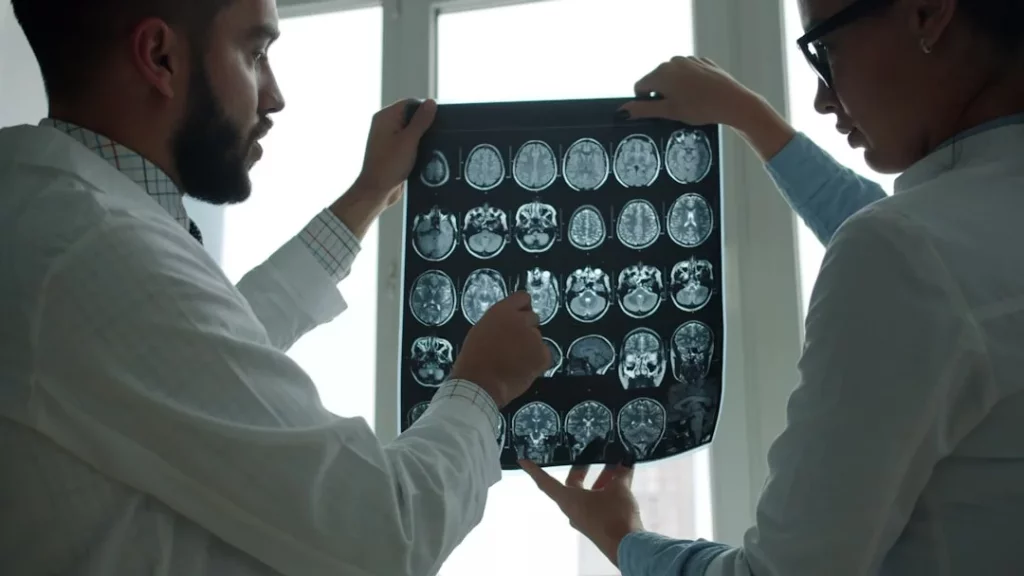
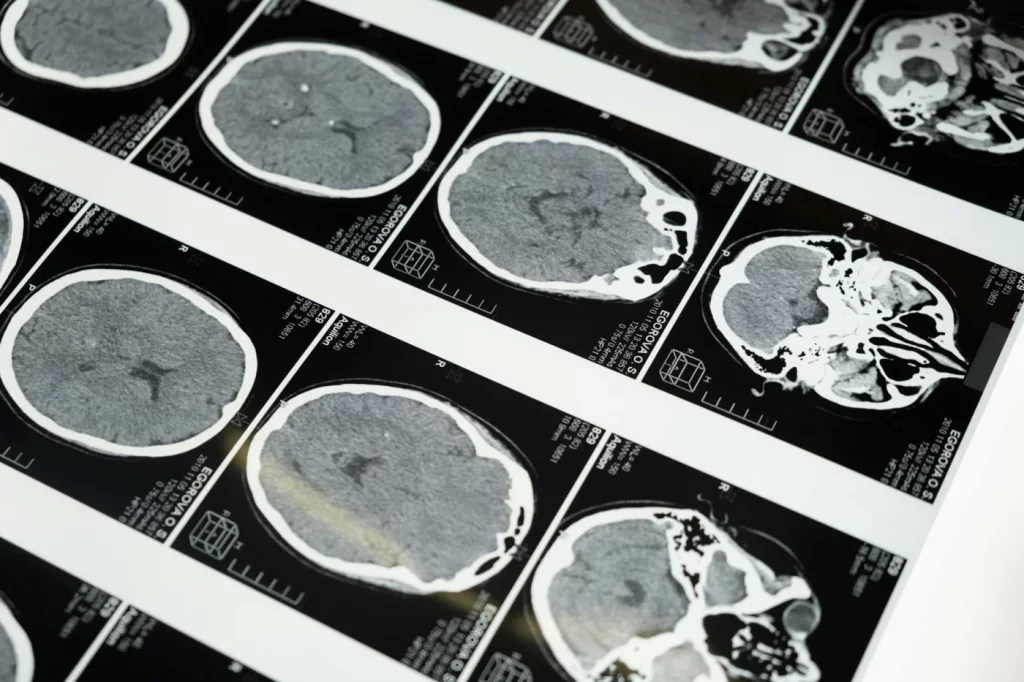
If you’re wondering what part of the brain controls balance and coordination, the short answer is this: the cerebellum does most of the fine-tuning. But balance isn’t handled by one brain part alone. It also depends on the brainstem, the vestibular system in your inner ear, your vision, and proprioception — your brain’s sense of where your body is in space.
Why do so many people search this? Usually because something felt off. Maybe you felt dizzy getting out of bed, noticed clumsiness while walking, or saw one of those viral “brain facts” that makes balance sound like it lives in a single tiny spot. And that’s where the confusion starts: what part of the brain controls balance and coordination sounds like a one-part answer, but your body actually runs it like a team sport.
In this article, you’ll get a clear map of which part of the brain controls balance and posture, what part of the brain controls balance and walking, and why dizziness doesn’t always point to the same system. I’ll also break down cerebellum vs vestibular system balance, show what symptoms tend to fit each one, and explain when loss of balance may need urgent medical attention. Speaking of which — if you’ve ever wondered how repeated movement patterns become automatic, it helps to understand what muscle memory means, because coordination depends heavily on learned timing.
One more thing. Your brain doesn’t process movement signals in isolation; focus matters too. That’s part of why divided attention can make you feel less steady, especially when you’re tired or overloaded, which is also why I often point readers to our guide on attention and learning explained. For background, the National Institute of Neurological Disorders and Stroke explains ataxia as a coordination problem often linked to cerebellar dysfunction.
I’m a software engineer, not a neuroscientist. But building FreeBrain has pushed me to translate real neuroscience into plain English for self-learners who want practical answers, not vague brain talk.
📑 Table of Contents
Quick answer: what controls balance?
Now to the direct answer. If you’re wondering what part of the brain controls balance and coordination, the cerebellum is the main brain region involved, but stable movement also depends on the brainstem, the inner ear’s vestibular system, vision, and proprioception. For more on memory and brain health, see our memory and brain health guide.
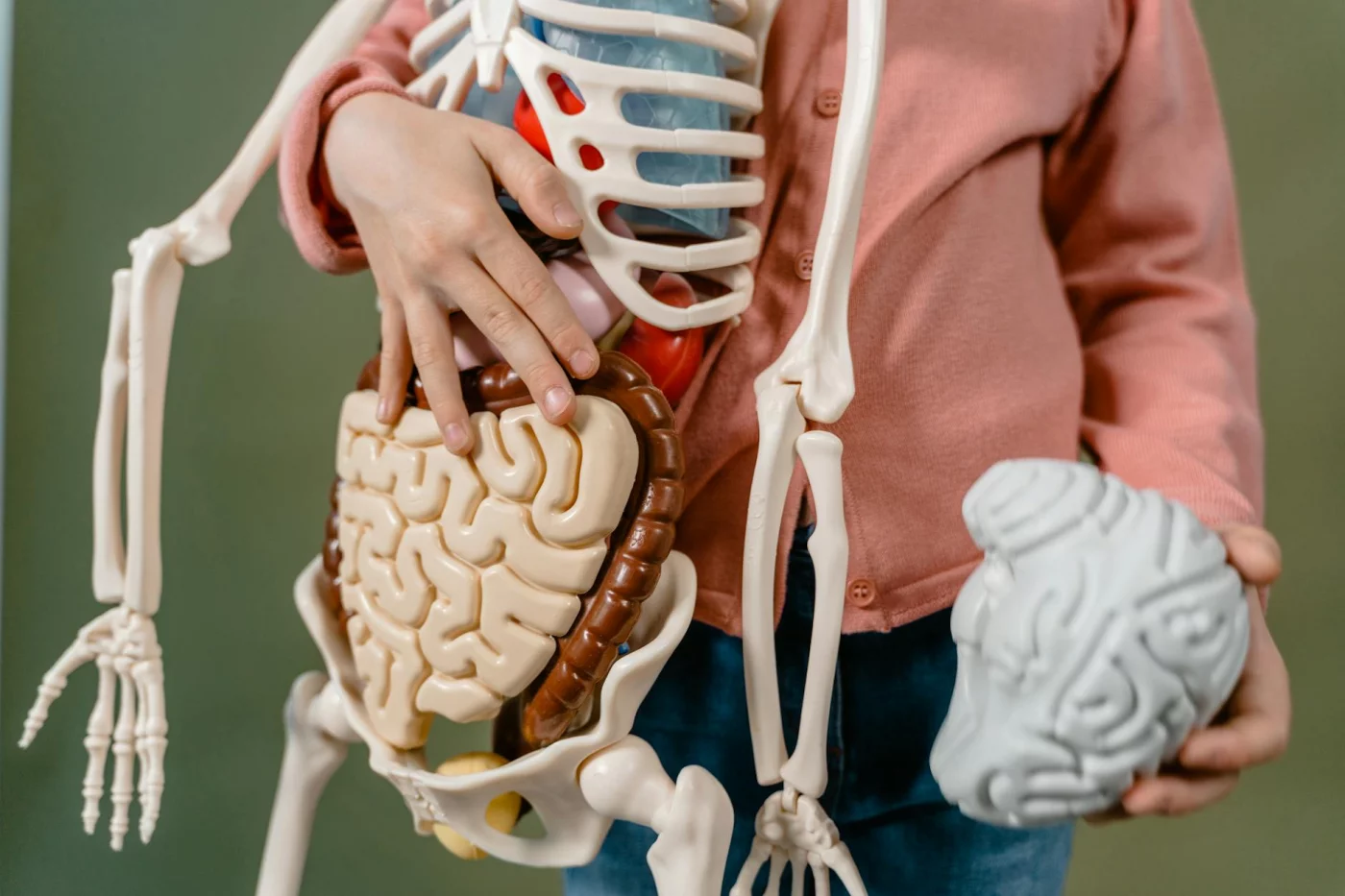
That matters because people often search this after dizziness, clumsiness, falls, or unsteady walking — and viral brain posts blur very different symptoms together. FreeBrain translates neuroscience research for general readers, not diagnosis, and sudden severe neurological symptoms need urgent medical care.
The short definition
The cerebellum sits at the back of the brain, underneath the larger cerebral hemispheres. Its main job is to fine-tune balance and coordination by adjusting timing, force, posture, and accuracy rather than starting movement on its own, which is also why it matters for learned skills and what muscle memory means.
Research summaries such as the NCBI overview of cerebellar dysfunction describe how cerebellar problems can lead to unsteady gait, poor targeting, and shaky movement. So yes, the cerebellum is central — but that’s only part of the picture.
Why the simple answer is incomplete
Well, actually, balance isn’t handled by one isolated “balance center.” The brainstem relays and integrates signals, the vestibular system in the inner ear detects head motion, your eyes provide visual orientation, and proprioceptors in muscles and joints tell the brain where your body is in space — a process closely tied to attention and learning explained.
Try standing on one foot. Easy with eyes open, harder with eyes closed, right? That’s because eyes and balance work together, and when vision drops out, your brain has to lean more on vestibular input and proprioception.
- Cerebellum: fine-tunes movement
- Brainstem: routes and integrates signals
- Inner ear: detects head position and motion
- Eyes and joints: confirm orientation and body position
Which part of the brain controls balance and coordination, then? The cerebellum leads, but the full answer is a network — not a cartoonish single switch, much like the oversimplifications behind the 10 percent brain myth. For a broad anatomy overview, the Wikipedia page on the vestibular system gives a useful starting map.
Safety note before going deeper
If loss of balance appears suddenly with one-sided weakness, slurred speech, double vision, severe headache, new confusion, or sudden trouble walking, don’t self-diagnose. Get urgent medical evaluation.
Next, let’s look at how this balance system actually works moment by moment.
How the balance system works
So here’s the deal: if you’re asking what part of the brain controls balance and coordination, the real answer is a network, not one isolated spot. That’s why balance gets oversimplified so often — a bit like the 10 percent brain myth.

Inner ear, brainstem, and the vestibular signal
Your inner ear starts the process. The semicircular canals detect rotation, while the otolith organs detect head tilt and linear movement; then the vestibular nerve sends that data to the brainstem, which helps stabilize gaze and posture through fast reflexes, as outlined in NCBI Bookshelf’s overview of the vestibular system. Spinning after a quick turn points more toward vestibular input, and true vertigo means a false spinning sensation, not just “feeling off.”
Vision and body-position sense
But wait. Your brain also compares vestibular signals with vision and proprioception — your built-in sense of where your limbs are without looking. That’s why you can type without watching every finger, and why feeling wobbly in the dark can suggest weaker sensory input from the eyes or body-position system; attention matters here too, which is why attention and learning explained is more relevant than most people realize.
- Dizziness = broad symptom
- Vertigo = false spinning
- Imbalance = unsteadiness
- Coordination problems = poorly timed or inaccurate movement
Why walking is a coordination task
Walking isn’t just leg strength. Each step updates for speed, surface, and head movement, with the cerebellum, brainstem, and sensory systems constantly comparing signals — which helps explain what part of the brain controls balance and coordination during gait. Miss your target when reaching? That leans more toward cerebellar timing trouble than a pure vestibular problem, and it connects closely to what muscle memory means.
Personally, I think this is the part most pages miss: balance and walking depend on rapid correction, body awareness, and attention, especially on uneven ground or while multitasking. For symptom patterns and red flags, the next section maps which system is most likely involved, with symptom distinctions supported by Mayo Clinic’s dizziness guide.
Match symptoms to the likely system
Now that you’ve seen how balance works, the useful question is pattern-matching. When people ask what part of the brain controls balance and coordination, the honest answer is: not just one part, and the symptom pattern matters more than the label.
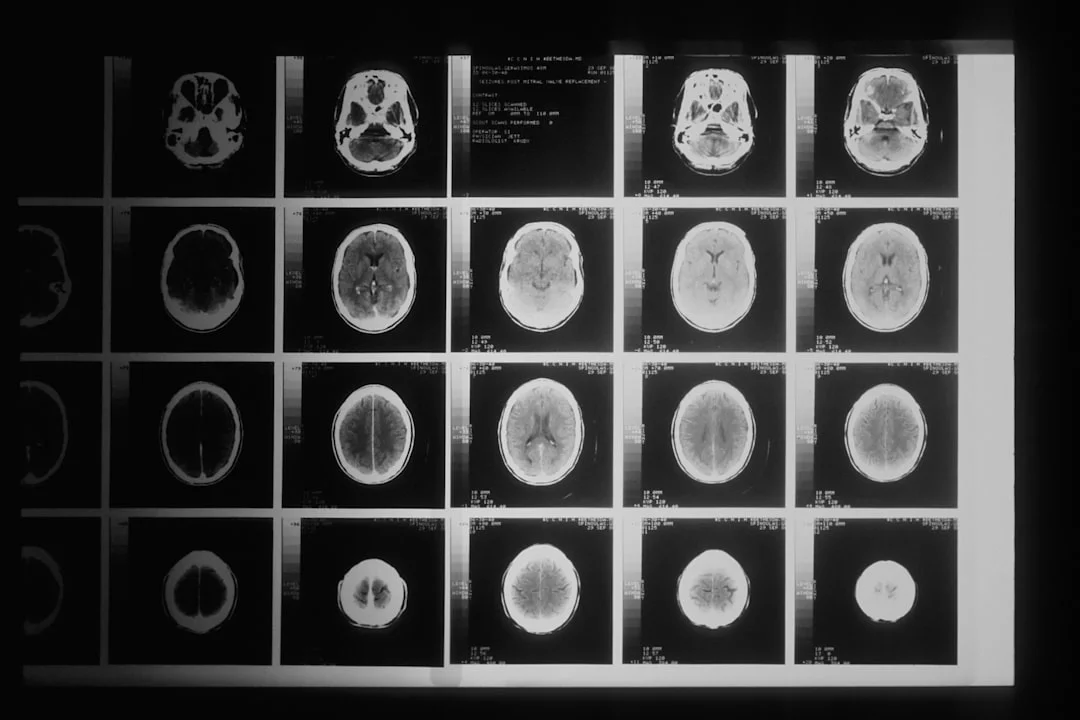
Cerebellum, vestibular system, or something else?
Cerebellar problems usually look like inaccurate movement, not just “dizziness.” Think clumsy reaching, a wide-based gait, trouble with rapid alternating movements, and sometimes slurred speech. If you miss a cup when reaching or your walking looks ataxic, that leans cerebellar; speaking of which, learned movement timing also connects to what muscle memory means.
Vestibular patterns lean the other way: spinning vertigo, nausea, nystagmus, and symptoms that get worse when you turn your head. Lightheadedness on standing? That may be dehydration, low blood pressure, medication effects, infection, fatigue, poor sleep, anxiety, or reduced attention to body signals—see stress and brain health.
- Vertigo + head turns: more vestibular
- Unsteady, wide-based walking + poor limb accuracy: more cerebellar
- Woozy when standing: often circulatory, not brain damage
Common mistakes to avoid
Don’t treat dizziness, vertigo, imbalance, and coordination problems as identical. And don’t assume every spell answers “what part of the brain controls balance and dizziness” with “the cerebellum.” Sudden severe loss of balance with double vision, facial weakness, trouble swallowing, or multiple neurological symptoms together needs urgent evaluation.
From experience: how readers usually misread symptoms
After building FreeBrain explainers for self-learners, I’ve noticed people lump stress, sleep loss, grogginess, and true balance problems into one bucket. But wait—fatigue can make coordination feel worse without meaning the cerebellum is damaged. That’s why symptom overlap matters, and why the next step is knowing when patterns are annoying versus urgent.
What to do next and when to get help
Matching symptoms is useful, but it’s not a diagnosis. If you came here asking what part of the brain controls balance and coordination, the practical next step is sorting your symptoms clearly and knowing when not to wait.
A 5-step way to think about symptoms
How to think through balance symptoms
- Step 1: Name the symptom: spinning, lightheadedness, loss of balance, unsteady walking, or clumsy movement.
- Step 2: Note triggers: head turns, standing up, darkness, fatigue, illness, or medication changes.
- Step 3: Check red flags: sudden severe headache, one-sided weakness, slurred speech, double vision, or new trouble walking and gait.
- Step 4: Consider non-neurological factors like dehydration, poor sleep, or stress; FreeBrain’s article on stress and brain health helps with that distinction.
- Step 5: Get evaluated if symptoms are sudden, persistent, worsening, or paired with other neurological signs.
Can the cerebellum recover?
Sometimes, partly. Research on neuroplasticity suggests the nervous system can adapt with rehab and time, but can the cerebellum repair itself fully? Well, actually, that depends on the cause, severity, and how fast treatment starts. Stroke, inflammation, injury, and degenerative disease don’t behave the same, so consult a qualified clinician.
Quick reference: who does what?
📋 Quick Reference
- Cerebellum: fine-tunes movement and coordination.
- Vestibular system: senses head motion and spatial movement.
- Brainstem: relays signals and stabilizes reflexes.
- Vision: provides orientation.
- Proprioception: tracks body position.
So, which part of the brain controls balance and posture, or what part of the brain controls balance and walking? The cerebellum is central, but balance depends on the whole pathway, not one structure alone. Next, I’ll wrap this up with quick FAQ answers and a few practical next reads, including brain-health basics like omega-3 and learning.
Frequently Asked Questions
What part of the brain causes loss of balance?
If you’re asking what part of the brain causes loss of balance, the cerebellum is the main region most closely tied to balance and coordination. But wait — loss of balance doesn’t point to one exact structure by itself. Problems can also involve the brainstem, vestibular pathways, or non-brain causes like inner ear disorders, medication effects, dehydration, or low blood pressure, which is why symptoms alone can’t tell you exactly what part of the brain controls balance and coordination.
What will happen if the cerebellum does not function?
What will happen if the cerebellum does not function? Usually, movements become less accurate and less steady: you might see poor coordination, shaky reaching, an unsteady gait, trouble maintaining posture, slurred speech, or unusual eye movements. That said, not every clumsy moment means cerebellar dysfunction — fatigue, stress, poor sleep, and even rushing can affect coordination too.
Can the cerebellum repair itself?
If you’re wondering can the cerebellum repair itself, some recovery is possible through neuroplasticity, rehabilitation, and practice, depending on the cause, severity, and how quickly treatment starts. Research on brain recovery suggests that other circuits can sometimes help compensate, but the outcome varies a lot from person to person. And here’s the important part — sudden or ongoing balance, speech, or coordination changes need prompt evaluation by a qualified clinician; for a general overview of cerebellar function, see NCBI’s summary of the cerebellum.
Which part of the brain controls balance and posture?
The short answer to which part of the brain controls balance and posture is the cerebellum, but it doesn’t work alone. Posture also depends on vestibular input from the inner ear, brainstem pathways, vision, and proprioception — your sense of where your body is in space. A simple example: when you stand still with your eyes closed, your brain has to rely more heavily on vestibular and body-position signals to keep you upright, not just one balance center.
What part of the brain controls balance and walking?
If you’re asking what part of the brain controls balance and walking, the cerebellum plays a big role in smoothing gait, timing steps, and correcting movement errors as you move. The brainstem and sensory systems also help keep you upright and oriented, which is why walking depends on a network rather than one isolated spot. So yes, the answer overlaps with what part of the brain controls balance and coordination — but gait problems can come from several systems, including the inner ear, nerves, muscles, or vision.
What are 5 signs your brain is in trouble?
If you’re searching what are 5 signs your brain is in trouble, treat these as urgent warning signs, not a self-diagnosis checklist: sudden trouble walking, one-sided weakness or numbness, slurred speech, double vision, and new confusion or a severe headache. Those symptoms can signal a neurological emergency and need immediate medical attention, especially if they appear suddenly. For stroke warning signs, the NIH’s Act in Time to Stroke page is a reliable reference.
Conclusion
If you remember four things, make them these: the cerebellum is the brain region most closely tied to smooth balance and coordination, but your inner ear, vision, and body-position sensors all work together to keep you steady. Pay attention to the pattern of symptoms, because spinning vertigo, clumsiness, leg weakness, numbness, and vision changes can point to different parts of the balance system. And don’t just “wait it out” if symptoms are sudden, severe, or paired with trouble speaking, walking, or one-sided weakness. If you came here asking what part of the brain controls balance and coordination, the short answer is the cerebellum — but the useful answer is that balance depends on a whole network, and the symptom pattern matters.
And here’s the reassuring part — balance problems can feel scary, but understanding the system gives you a much better starting point. Once you know what signals to watch for, it gets easier to decide whether you’re dealing with something mild, something that needs prompt medical attention, or something worth tracking and discussing with a professional. Personally, I think this is where clear explanations help most: less guessing, more useful action. You don’t need to memorize neuroanatomy. You just need to know what matters next.
Want to keep learning? Explore more evidence-based guides on FreeBrain, including How Memory Works and How to Improve Focus and Concentration. The more you understand how your brain and body work together, the better decisions you can make for your learning, health, and daily performance. Start there, stay observant, and take the next smart step.