Muscle memory isn’t stored in your muscles. If you’re wondering what is muscle memory in the brain, the short answer is this: it’s mostly a brain-and-nervous-system process where repeated practice makes a movement faster, smoother, and more automatic. Your muscles do adapt too, especially with strength training, but when people ask what is muscle memory in the brain, they’re really asking how your motor system learns a skill and keeps it ready for later.
Think about riding a bike, typing without staring at the keys, or picking up a piano piece after years off. Why does your body seem to “remember” even when your conscious mind feels rusty? That’s the part most people get wrong. The answer involves motor circuits in the cortex, cerebellum, basal ganglia, and spinal pathways working together — and research on muscle memory and motor learning helps separate real neuroscience from the usual myths.
So here’s the deal. In plain English, this article will show you where muscle memory is stored, what part of the brain controls muscle memory, how does muscle memory work, and whether muscle memory is permanent or just easier to rebuild after time off. You’ll also get practical examples, a simple model of motor memory vs muscle memory, and a step-by-step way to build skills faster using the same learning principles behind how to learn better and why attention affects learning more than most people realize.
I’m a software engineer, not a neuroscientist. But after building FreeBrain’s learning tools and digging through evidence on skill practice, feedback, and repetition — yes, that sounds nerdy — I’ve found that the best explanations are usually the simplest ones.
Quick table of contents: what muscle memory really is, where it lives in the brain, what causes it, how long it lasts, common myths, and how to train or relearn movement more effectively.
📑 Table of Contents
- What muscle memory really is
- Where muscle memory is stored
- How the brain builds automatic skill
- How to build and rebuild it
- Mistakes, myths, and quick answers
- Frequently Asked Questions
- What is muscle memory in the brain?
- Does the brain have muscle memory?
- What part of the brain controls muscle memory?
- Where is muscle memory stored in the brain?
- What causes muscle memory in the brain?
- How does muscle memory work in the brain?
- Is muscle memory permanent?
- Can muscle memory come back after years?
- Conclusion
What muscle memory really is
Now that we’ve defined the big idea, let’s make the term less slippery. This is where most people mix up skill learning, brain changes, and muscle changes. For more on memory and brain health, see our memory and brain health guide.
What is muscle memory in the brain? In plain English, it’s mostly procedural or implicit motor learning: repeated practice trains the brain and nervous system to run movements more smoothly and with less conscious effort. Muscles also adapt to training, but they don’t store the sequence of a piano piece or the timing of a jump shot by themselves.
If you want the broader learning angle, FreeBrain’s guide on how to learn better connects this kind of repetition-driven skill building to attention, feedback, and neuroplasticity.
- Muscle memory usually means learned movement patterns
- Those patterns depend mainly on the nervous system
- Muscle tissue still changes through training, just in a different way
The 1-minute answer
Yes, the brain does have muscle memory. More precisely, repeated practice changes how movements are planned, timed, corrected, and executed across a brain and nervous system process involving the motor cortex, cerebellum, basal ganglia, and spinal pathways.
So when people ask what is muscle memory in the brain, the best answer is: it’s learned motor performance that becomes more automatic over time. Automaticity comes from repetition plus feedback, especially when practice is focused rather than distracted, which is one reason attention affects learning so much.
Procedural memory is different from other kinds of memory. Typing your password without looking is procedural memory; holding a phone number in mind for ten seconds is working memory; recalling a biology fact from class is declarative memory. If you want that distinction unpacked, see our article on whether working memory can be trained.
Why the term confuses people
Here’s the problem: gym culture often uses “muscle memory” to mean getting strength or size back faster after time off, while neuroscience usually means motor memory vs muscle memory as two related but separate ideas. Both matter. But they’re not the same thing.
Think about typing, guitar, basketball shooting, or driving. Your muscles help produce the movement, sure, but the learned sequence, rhythm, and error correction come from the nervous system. Research summaries on procedural memory and overviews from the NCBI Bookshelf on neuroanatomy of motor control both support this basic distinction.
And no, these patterns aren’t always permanent. They can fade without use, get rusty under stress, or need rebuilding after injury. Which brings us to the next section: where the learned movement pattern is stored, and where muscle adaptation fits in.
Quick note on evidence and safety
I’m a software engineer who built FreeBrain learning tools, not a clinician. So here’s the deal: this article translates published neuroscience into practical advice for learners, athletes, and musicians without pretending to offer diagnosis or treatment.
This section is educational, not medical advice. If you’re dealing with injury, unusual neurological symptoms, rehab after surgery, stroke recovery, or a movement disorder, talk with a physician, physical therapist, or occupational therapist.
One more thing. Some models here are simplified on purpose so they’re easier to use in real life. Next, we’ll separate brain storage from muscle adaptation more carefully.
Where muscle memory is stored
So if muscle memory is really learned movement, where does it live? Short answer: not in one tiny brain drawer. What is muscle memory in the brain is better understood as a distributed movement network shaped by practice, attention, and repetition—the same broader learning rules behind how to learn better.
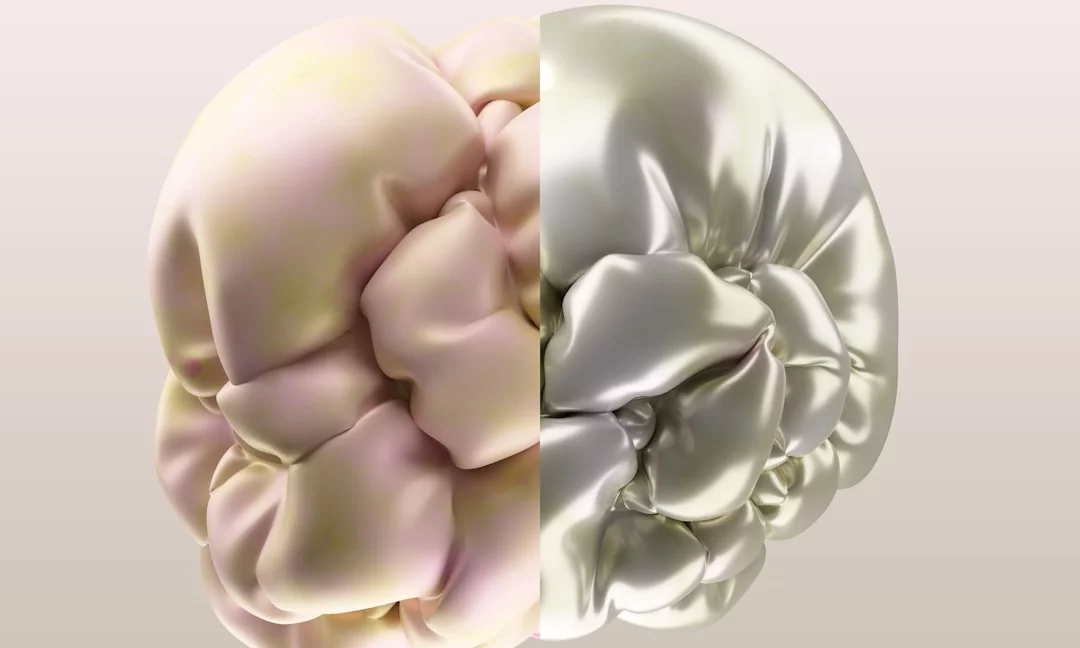
The brain network behind skilled movement
Where is muscle memory stored in the brain? It isn’t stored in just one spot. Skilled movement depends on a neural network that includes the motor cortex, cerebellum, basal ganglia, and spinal pathways working together.
That matters because practice doesn’t just “strengthen muscles.” It changes communication patterns across the nervous system, which is why focused repetition beats distracted reps; if your attention affects learning, it affects motor learning too. Research summaries from NCBI Bookshelf and StatPearls on motor systems describe these regions as parts of coordinated movement control rather than isolated memory bins.
And yes, the spinal cord belongs in this conversation. Well-practiced actions can become more efficient through spinal circuits and repeated signaling patterns, which helps explain why typing, pedaling, or fingering scales can start to feel almost reflex-like.
📋 Quick Reference
- Location: Distributed across brain and spinal movement pathways, not stored in muscles alone.
- Function: Remembers how to perform a movement sequence.
- Muscle adaptation: Changes in size, strength, and cellular training response.
- Example: A pianist may recover finger patterns faster than finger strength.
What each region actually does
What part of the brain controls muscle memory? Three regions do most of the heavy lifting:
- Motor cortex: plans and sends voluntary movement commands.
- Cerebellum: fine-tunes timing, coordination, and error correction during practice.
- Basal ganglia: help select actions, chunk sequences, and make skills more automatic.
Personally, I think this is the part most people miss. The motor cortex helps you initiate the move, the cerebellum helps you clean it up, and the basal ganglia help the sequence run with less conscious effort. Britannica’s overview of procedural memory is useful here because it separates “knowing how” from fact-based memory.
Which brings us to working memory. Holding instructions in mind during early practice is not the same as long-term motor skill storage, which is why questions like working memory be trained sit next to—but not inside—procedural learning.
Brain memory vs muscle adaptation
Is muscle memory stored in the brain or muscles? Both can change with training, but they store different things. The brain remembers movement patterns; muscles show physical adaptation, like regaining size or force more quickly after detraining.
A cyclist may quickly recover smooth pedaling rhythm even before fitness fully returns. A pianist can regain finger patterns faster than concert stamina. And a lifter might recover bar path technique separately from lost muscle size.
So, what is muscle memory in the brain? It’s the nervous system’s learned efficiency for skilled action—not proof that your muscles “remember” a sequence on their own. Next, let’s look at how repeated practice actually builds that automatic skill.
How the brain builds automatic skill
If the last section answered where this skill memory lives, this one answers how it forms. Put simply, what is muscle memory in the brain? It’s the result of repeated, corrected practice changing brain circuits through neuroplasticity, not muscles “remembering” on their own.
That makes it a skill-learning problem, which is why many of the same principles behind how to learn better apply here too. Motor cortex, cerebellum, basal ganglia, and spinal pathways all help turn clumsy effort into smoother, more automatic performance.
Repetition plus feedback
Here’s the core idea: practice strengthens the pathways you actually use. In plain English, synaptic plasticity means the connections between neurons can become stronger, faster, and more efficient when the same useful pattern fires again and again.
But wait. Repetition without correction can automate mistakes. Focused repetition beats mindless repetition.
So what causes muscle memory in the brain? Repetition matters, yes, but feedback is what shapes it. A basketball player uses the result of each free throw, a pianist hears timing errors in scales, a typist notices missed keys, and a rehab patient may rely on tactile cues during hand exercises.
- Mirrors help with form
- Coaches catch hidden errors
- Metronomes refine timing
- Video reveals patterns you don’t feel
- Tactile cues improve hand placement
Repeated use may also support more efficient signaling through changes that can include myelination, though it’s not accurate to say all learning is “just more myelin.” A broad overview of neuroplasticity is helpful here because skill learning involves several kinds of brain change at once.
Attention changes the quality of practice
This is the part most people get wrong. Distracted reps teach the brain a noisy version of the movement, while clean reps give it a pattern worth keeping. If you want to know why attention affects learning, motor learning is a perfect example.
Would you rather do 50 sloppy free throws or 10 fully focused ones with correction after each shot? Personally, I’d take the 10. Motivation and reward signals matter too, because the brain tags successful patterns as worth repeating.
And yes, this differs from short-term holding and manipulation of information; working memory be trained is a separate question from procedural motor memory, even though both interact during early learning. After building FreeBrain tools and studying learning behavior, I keep seeing the same pattern across domains: feedback-rich, focused practice beats passive repetition.
Why sleep locks in motor learning
Now this is where it gets interesting. Sleep helps consolidate motor learning, which means the brain stabilizes and refines what you practiced so the skill is easier to perform later. Research summarized by the National Center for Biotechnology Information on sleep and memory describes this overnight strengthening process clearly.
So, how does muscle memory work in the brain after practice ends? During sleep, recently used circuits are more likely to be reinforced. Late-night practice followed by poor sleep can blunt that process, especially after effortful sessions.
Keep the fix simple: finish intense practice early enough to wind down, dim bright screens, and protect your sleep routine. Which brings us to the next question—how do you actually build, rebuild, and speed up this process in real life?
How to build and rebuild it
So now you know how automatic skill forms. The practical question is simpler: what is muscle memory in the brain when you’re actually trying to train it? It’s motor memory built through repeated, focused firing across the motor cortex, cerebellum, basal ganglia, and spinal pathways—not muscles “remembering” on their own.
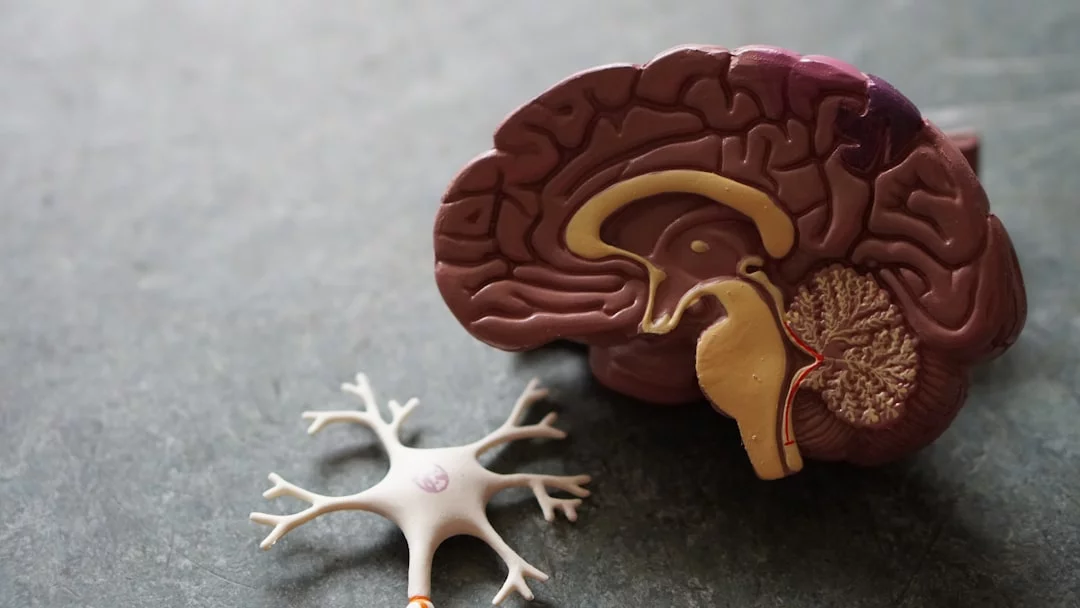
That means better practice beats more practice. And if you want the learning side of this clearer, see how to learn better and why attention affects learning more than most people realize.
7-step practice method
How to build motor memory
- Step 1: Pick one exact pattern: one chord change, one jump-shot release, one keyboard shortcut, one handwriting stroke, or one rehab hand motion.
- Step 2: Go slow first. Slower reps improve sequencing, control, and error detection.
- Step 3: Use short blocks: 10-20 minutes or a few clean sets across the week. Quality wins.
- Step 4: Get feedback fast with video, mirrors, metronomes, coaches, or simple accuracy metrics.
- Step 5: Add variability after the basics hold up. Change tempo, context, distance, or starting position.
- Step 6: Sleep and recover. Fatigue, stress, and excess tension disrupt performance and consolidation.
- Step 7: Test recall tomorrow without cues. It’s movement retrieval, much like retrieval practice vs rereading for facts.
Research on motor learning summarized in Wikipedia’s overview of muscle memory also separates motor memory from muscle size or conditioning. Quick distinction: muscles adapt physically, but the movement program is stored and refined in the nervous system. That’s also why it’s different from asking whether working memory can be trained.
A simple 2-week rebuild plan
- Week 1: low speed, low load, high accuracy, frequent short sessions, lots of feedback.
- Week 2: add speed gradually, vary context, and include delayed recall checks.
Can you rebuild muscle memory after a break? Usually, yes. Even muscle memory after 10 years can return faster than first-time learning, though timelines depend on the skill, prior experience, injury history, and time away.
Real-world application
Typing? Rebuild accuracy before chasing words per minute. Music? Isolate one transition, then place it back into the full piece. Sports? Train one movement component before full-speed play.
And rehab-style relearning is different. If pain, weakness, numbness, or neurological symptoms are involved, work with a qualified clinician. Next, let’s clear up the biggest mistakes and myths people believe about muscle memory brain exercises and skill retention.
Mistakes, myths, and quick answers
Once you know how to build and rebuild a skill, the next question is usually what ruins it. And honestly, this is where most people sabotage progress without noticing.
What to avoid in practice
If you’re asking what is muscle memory in the brain, start here: it’s learned motor patterns shaped by the brain and nervous system, not just your muscles. Research on motor learning points to the motor cortex, cerebellum, basal ganglia, and spinal pathways working together to refine movement.
- Mindless reps: repeat a bad tennis serve, piano fingering, or typing pattern often enough, and the error gets automated.
- Too fast too soon: speed can hide weak sequencing and sloppy timing.
- No feedback loop: without a coach, mirror, recording, or score check, wrong patterns stick.
- Ignoring recovery: poor sleep, stress, and fatigue can hurt execution and consolidation. If pressure wrecks performance, learn how to reduce stress before a test.
Myths vs facts
Myth: muscles remember by themselves. Fact: does the brain have muscle memory? Sort of. The memory is mostly neural, while muscles also show physical adaptation from training.
Myth: more reps always help. Not if they’re low-quality. Myth: is muscle memory permanent? Not exactly. Skills can last for years, but speed, precision, and strength fade at different rates, and relearning is often faster than starting from zero.
Quick reference and next steps
📋 Quick Reference
- Where is muscle memory stored in the brain? Mostly across motor networks, not in muscle tissue alone.
- What causes muscle memory in the brain? Repetition, attention, feedback, and neuroplastic change.
- Muscle memory after 10 years can return faster than beginner learning, but it depends on the skill, age, health, and time away.
- Bad reps build bad habits.
- Sleep and recovery help lock in motor learning.
- Injury, numbness, tremor, or rehab needs call for a qualified clinician.
So the big idea is simple: what is muscle memory in the brain? It’s a brain-led skill-learning process supported by repetition, correction, and recovery. For better practice systems, use FreeBrain guides instead of collecting more theory. Next, let’s wrap this up with the most common reader questions.
Frequently Asked Questions
What is muscle memory in the brain?
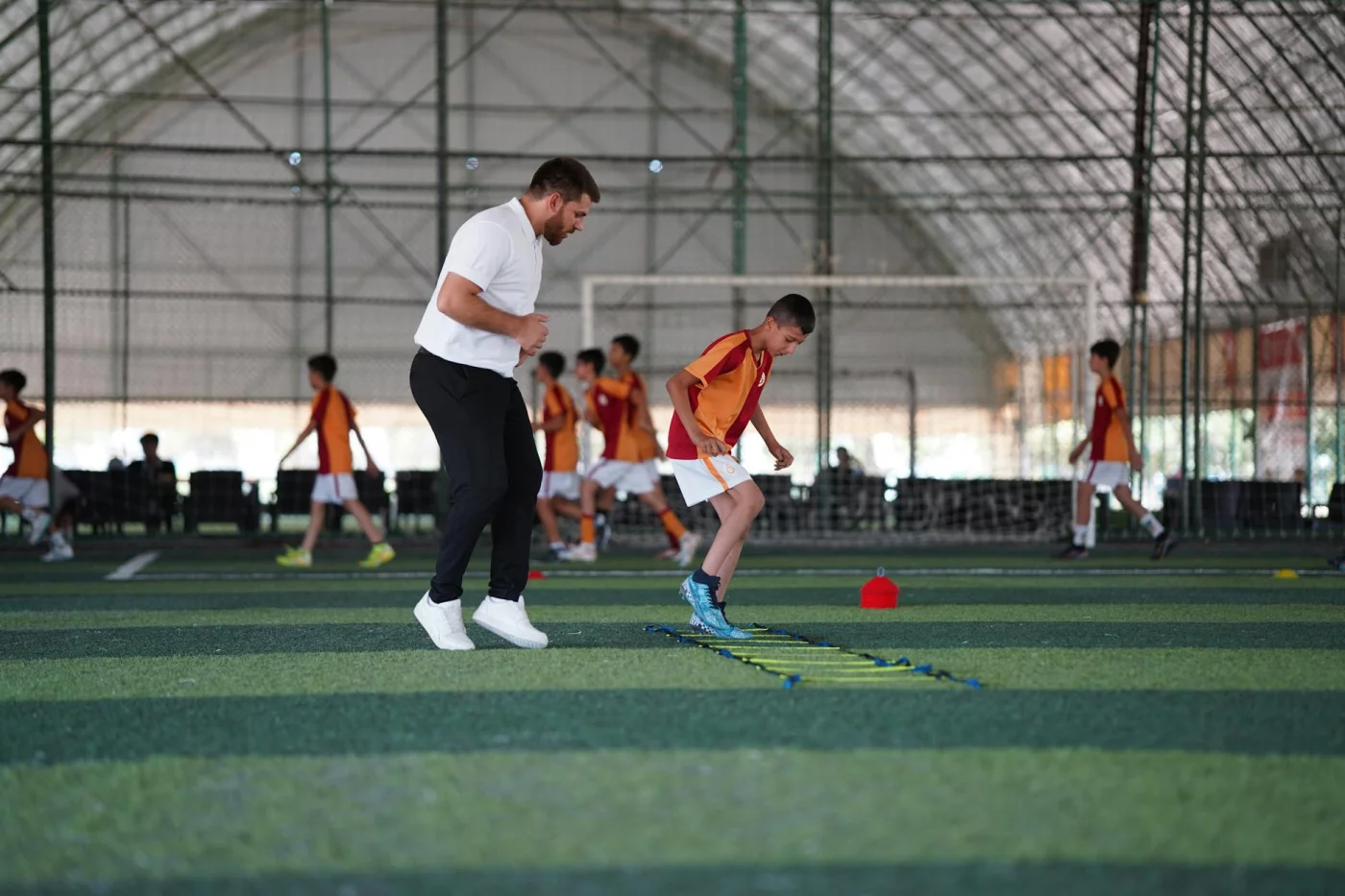
What is muscle memory in the brain? It’s a form of procedural or implicit motor learning that helps movements become faster, smoother, and more automatic through repeated practice. Despite the name, muscle memory mostly reflects changes in the brain and nervous system, not memory stored inside the muscles themselves. When you repeat a skill like typing, playing piano, or shooting a basketball, your movement networks get better at running that pattern with less conscious effort.
Does the brain have muscle memory?
Yes — does the brain have muscle memory is really a question about whether the nervous system can learn movement patterns, and the answer is clearly yes. Repeated practice changes neural circuits involved in planning, timing, and coordinating movement, so actions start to feel more natural and require less step-by-step attention. That’s why skills you’ve practiced a lot often seem to “come back” even after time away.
What part of the brain controls muscle memory?
What part of the brain controls muscle memory? No single brain area does the whole job alone. Three big players matter most: the motor cortex helps plan and send movement commands, the cerebellum fine-tunes timing and corrects errors, and the basal ganglia help build efficient habitual movement patterns; spinal pathways also support repeated motor output. So here’s the deal: muscle memory is more like a team effort across connected systems than a single control center.
Where is muscle memory stored in the brain?
If you’re asking where is muscle memory stored in the brain, the best answer is: across distributed movement-related networks, not in one exact spot. Learned motor patterns are supported by coordinated changes in the cortex, cerebellum, basal ganglia, and spinal circuits that work together during practice and recall. That’s different from muscle-level adaptations like increased enzyme activity or strength changes, which happen in the body but aren’t the same as brain-based motor memory.
What causes muscle memory in the brain?
What causes muscle memory in the brain is repeated practice combined with attention, feedback, and neuroplastic change. In simple terms, your brain updates movement circuits when you practice, notice errors, and correct them — which is why focused reps beat mindless repetition almost every time. Personally, I think this is the part most people get wrong: doing 100 sloppy repetitions can train the wrong pattern, while fewer high-quality reps can build a much better one. For practice methods that support this kind of learning, you might also like FreeBrain’s guide to active recall vs passive review.
How does muscle memory work in the brain?
How does muscle memory work in the brain follows a pretty clear cycle: practice a movement, make errors, adjust based on feedback, strengthen useful neural pathways, and then consolidate that learning so the skill becomes more automatic. And yes, sleep helps. Research on motor learning suggests that sleep supports consolidation, which is one reason a skill can feel a bit cleaner the next day after focused training.
Is muscle memory permanent?
Is muscle memory permanent? Not exactly. Some parts of a learned skill can last a very long time, but speed, precision, timing, and strength can fade at different rates if you stop practicing. But wait — that doesn’t mean you’re back at zero, because relearning is often faster than first-time learning, especially when the original skill was practiced deeply and consistently.
Can muscle memory come back after years?
Yes, can muscle memory come back after years is one of those questions where the evidence and real-world experience mostly point in the same direction: many old skills return faster than they were first learned. Recovery depends on the type of skill, how well it was learned before, your age, health, and how long you’ve been away from it. If the gap is long or you’re dealing with injury or neurological issues, it’s smart to consult a qualified professional; for a research overview on motor learning and brain plasticity, see the NCBI overview of neuroplasticity.
Conclusion
So here’s the practical version. If you want better automatic performance, repeat the exact movement you want to keep, use slow and accurate reps before speeding up, space practice across days instead of cramming, and fix errors early so you don’t train the wrong pattern. That’s the real answer to what is muscle memory in the brain: not memory in your muscles, but a skill pattern built through repeated firing across brain networks and strengthened through consistent, specific practice. And yes, rebuilding it after time away works the same way — just with a little patience.
If you’ve ever felt frustrated because a skill got rusty, you’re not behind. You’re normal. The good news is that automaticity comes back faster than most people expect once you return to deliberate, well-structured reps. Personally, I think this is the part that gives people the most hope: your brain is trainable, and small sessions done consistently can beat long, messy practice every time.
Want to keep going? Explore more evidence-based learning and brain training strategies on FreeBrain.net, including how to learn faster and spaced repetition. If you came here asking what is muscle memory in the brain, the next step is simple: practice with intention, recover well, and build the right pattern until it feels effortless. Start your next rep smarter.