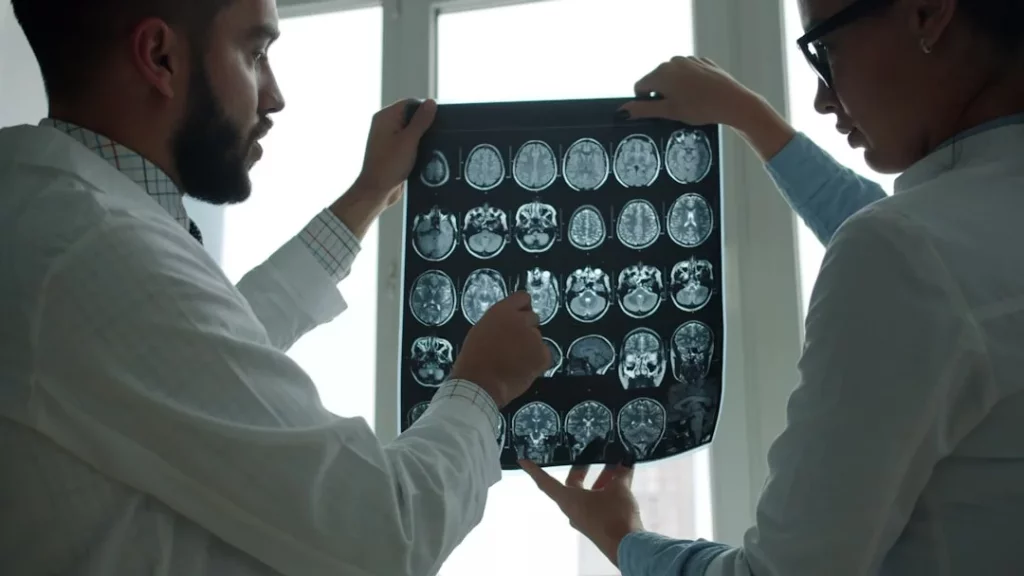

If you are asking what is an engram in psychology because of a quiz, the short answer is simple: an engram is a memory trace. It means the lasting physical or biological change linked to a memory, not a tiny file stored in one brain folder.
The harder part is knowing what an engram is not. If the question asks for the trace of a memory, answer engram. If it asks what helps organize new memories, the hippocampus may be part of the answer. If it asks about the basic cells or connections involved, think neurons and synapses. This article gives you the direct definition first, then shows how the term fits with memory storage, retrieval, and practical studying.
📑 Table of Contents
Quick answer: what is an engram in psychology?
An engram is the memory trace: the lasting pattern of change in the brain that is linked to a remembered experience. In plain English, it is the mark a memory leaves behind. The important catch is that an engram is not usually described as one single object, one cell, or one storage location. It is better understood as a distributed pattern across brain cells and their connections.
Use this decision rule when the terms blur together: if you are naming the trace, say engram. If you are naming a brain structure that helps organize many new memories, say hippocampus. If you are naming the basic cell involved in brain signaling, say neuron. If you are naming the connection where signals can change with experience, say synapse.
For example, remembering your first day at a new school might involve sights, sounds, emotions, and facts. Those features are not packed into one neat memory box. The engram idea points to the linked changes that make that memory possible to reactivate later. That is why the phrase ‘storage unit of memory in the brain’ can be useful for a quick quiz, but it is too simple for the full neuroscience meaning.
How memory traces actually work
So, if the last section gave you the short definition, here’s the working model. When people ask what is an engram in psychology, the useful answer is a memory trace built through changing brain networks, not a tiny file sitting in one spot.
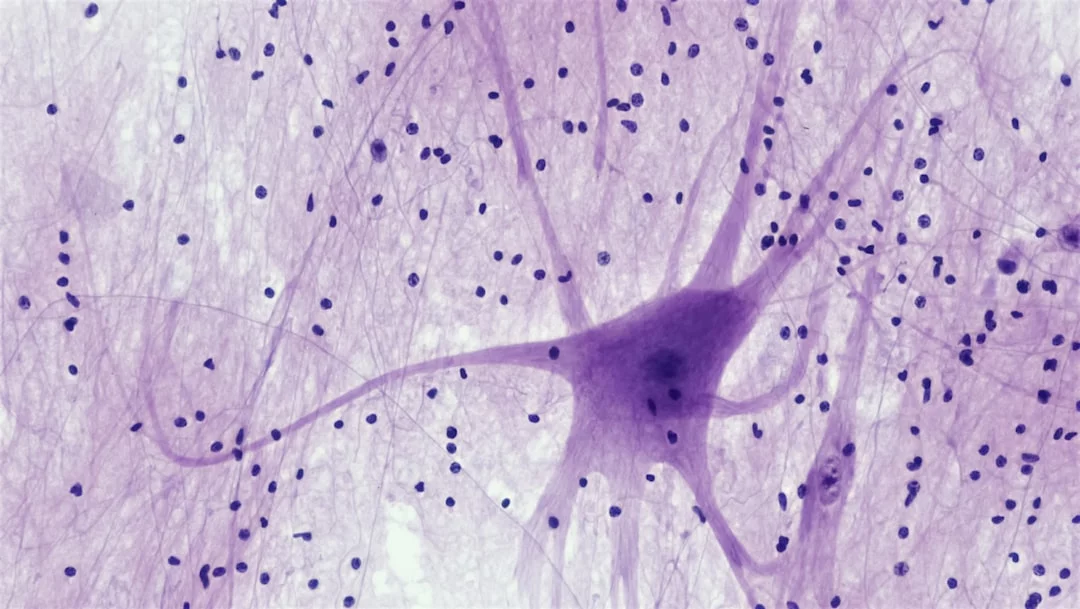
Encoding, consolidation, retrieval
Say you study a biology term on Monday and recall it on Friday. First comes memory encoding: attention and meaning make the trace more likely to stick, which is why how attention shapes memory matters more than passive rereading. Synaptic plasticity simply means connections between neurons can strengthen or weaken with experience; long-term potentiation is the classic example, though it doesn’t explain all learning.
Next is memory consolidation. Sleep helps stabilize and reorganize new learning, but claims that you can fully absorb lessons overnight are often overstated; I break that down here: can you learn during sleep. Then comes memory retrieval, and here’s the kicker — recalling the term on purpose can strengthen access to that trace, which helps explain why retrieval practice works better than rereading.
Where different memories live
Where is memory stored in the brain? Not in one box. Where is long term memory stored in the brain? Also not one place. Evidence from the neuroscience overview of engrams and NCBI’s chapter on memory systems points to distributed systems shaped by memory type.
- Episodic, semantic: hippocampus plus cortex
- Emotional salience: amygdala, which helps explain why emotional memories stick
- Procedural skills: basal ganglia and cerebellum
The hippocampus helps form and index many new episodic memories, while cortical networks carry more of the long-term representation over time. The prefrontal cortex helps organize, hold goals in mind, and guide strategic recall.
A simple diagram readers can picture
Picture it like this: experience enters through attention, the hippocampus helps index it, the cortex stores distributed features, the amygdala adjusts emotional weight, and retrieval reactivates the network. That’s how are memories stored in the brain in practice — as patterns across systems, not a single storage unit of memory in the brain diagram.
📋 Quick Reference
Encoding: attention + meaning build the initial trace.
Consolidation: sleep and time help stabilize it.
Retrieval: recall reactivates and can strengthen access.
Best answer to what is an engram in psychology: a distributed, biologically grounded memory trace supported by multiple brain systems.
Which brings us to the next question: if an engram is a memory trace, how is that different from the hippocampus, a neuron, or a synapse?
Engram vs hippocampus, neuron, and synapse
So now we can name the parts more clearly. If you’re wondering what is an engram in psychology, the short answer is this: it’s the lasting memory trace, not a single brain part or cell, and how attention shapes memory helps determine whether that trace forms well in the first place.
Engram, hippocampus, neuron, and synapse compared
| Term | What it is | Role in memory |
|---|---|---|
| Engram | A lasting pattern of change linked to a memory | The trace distributed across a network |
| Hippocampus | A brain structure in the medial temporal lobe | Helps form and index many memories |
| Neuron | An individual nerve cell | One participant in the network |
| Synapse | The connection point between cells | A site where plasticity can strengthen or weaken links |
That’s the core of engram vs hippocampus, engram vs neuron, and engram vs synapse. An engram isn’t one neuron, one synapse, or the hippocampus itself.
From Lashley to modern engram research
Karl Lashley used lesion studies in animals to ask what did Lashley believe was the unit of memory storage in the brain. Well, actually, his work didn’t reveal one tiny memory spot; his lashley engram theory pushed ideas like mass action and equipotentiality, meaning memory depended on broader cortical systems. Hebb’s cell assembly concept became the bridge.
Modern studies in journals like Nature and Science identify “engram cells,” but the picture is still network-based and distributed. And yes, emotional salience matters too, which helps explain why emotional memories stick.
Common mistakes to avoid
- Don’t say memories are stored like files in one exact spot.
- Don’t treat the hippocampus as the permanent home of every memory.
- Don’t assume one memory equals one neuron or one synapse.
- Don’t overgeneralize animal findings to every human memory process.
That’s the practical answer to what is an engram in psychology. Which brings us to what this means for learning.
What this means for learning
So what does this mean in practice? If what is an engram in psychology comes down to a usable memory trace, then better learning depends less on seeing information again and more on building, reactivating, and stabilizing that trace.
And that shifts your study skills fast. Attention starts encoding, meaning strengthens memory formation, and recall checks whether the trace can actually be reactivated.
A 5-step study routine that fits the science
How to build stronger memory traces in one study session
- Step 1: Study for 20-30 minutes with distractions off. No real focus, no solid encoding.
- Step 2: Add meaning. Use a worked example, a mnemonic, or explain the idea in your own words.
- Step 3: Wait a few minutes, then retrieve from memory. This is why retrieval practice works better than rereading alone.
- Step 4: Review again tomorrow and a few days later. Spacing helps long term memory far more than cramming.
- Step 5: Sleep, then test recall the next day. Sleep supports consolidation, while chronic stress can disrupt both encoding and retrieval.
From experience: what learners usually get wrong
After building learning tools and reviewing how students use study systems, the biggest pattern is simple: people confuse exposure with memory. Seeing notes again feels fluent. But wait, that feeling is not proof.
Structured cues can help, yes. A mnemonic or peg system supports access, but it isn’t the engram itself; retrieval is the cleaner test of what is storage in memory that you can actually use.
Why the GB comparison breaks down
People ask about brain memory capacity in gb or how many gb of storage is a human brain. Fair question, but the hard-drive analogy is rough and misleading because brains are dynamic, associative biological networks, not fixed digital storage devices.
Scientists can study mechanisms and limits, yet converting the memory capacity of the brain into neat gigabytes oversimplifies how long term memory works. What is an engram in psychology isn’t a single file saved in one spot.
Educational note on memory symptoms
Which brings us to the final questions and key takeaways.
How to use the engram idea in one study session
The useful takeaway is not that you can see your own engrams forming. It is that memory depends on attention, meaning, and later reactivation. Here is a simple 20-minute workflow you can use when learning a term, formula, date, or concept.
- Minute 0 to 3: choose the target. Pick one small item, such as ‘engram means memory trace.’ If you are unsure which method fits the material, start with the Study Method Picker.
- Minute 3 to 8: make it meaningful. Write the idea in your own words and attach one example. For engram, you might write: ‘A memory is not a single file; it is a changed pattern that can be reactivated.’
- Minute 8 to 13: test without looking. Close the notes and answer two prompts: ‘What is an engram?’ and ‘How is it different from the hippocampus?’ The Active Recall Builder can turn your notes into recall questions.
- Minute 13 to 17: repair the weak spot. Check only what you missed. If you confused engram with synapse, add a contrast sentence: ‘The engram is the trace; synapses are part of how the trace can be supported.’
- Minute 17 to 20: schedule reactivation. Add a brief later review instead of rereading immediately. The Spaced Repetition Generator can help you choose follow-up review points.
Decision rule: if you can explain the term, give an example, and contrast it with a nearby concept, you have a stronger study target than a memorized definition alone. If you keep drifting, set a short block with the Focus Session Planner and test only one concept at a time.
Frequently Asked Questions
What is an engram in neuroscience?
An engram is the physical or biological trace of a memory. If you’re asking what is an engram in neuroscience, the short answer is that researchers use the term for the lasting pattern of changes that helps encode and store an experience. And not in one tiny “memory cell,” either — in modern neuroscience, an engram usually means changes spread across groups of neurons, their connections, and the activity patterns linking them. That’s also the core idea behind what is an engram in psychology, just framed from a more behavior-and-memory perspective.
Where is long term memory stored in the brain?
If you want to know where is long term memory stored in the brain, the best answer is: across distributed brain networks, especially in cortical areas involved in perception, language, movement, and meaning. The hippocampus plays a major role in forming, organizing, and indexing many memories — particularly episodic memories — but long-term storage itself isn’t packed into one tiny spot. For a solid overview of how memory systems work, the NCBI memory overview is a useful starting point.
Is an engram the same as a neuron?
No. A neuron is a single brain cell, while an engram is the memory trace linked to a pattern of lasting changes across many cells and connections. If you need engram vs neuron explained simply, think of it this way: a neuron is one player, but the engram is the whole playbook for that memory. Some neurons may be part of an engram, but the terms are not interchangeable — which is a big part of understanding what is an engram in psychology and neuroscience.
Is an engram the same as a synapse?
No — and this is where people mix things up. In engram vs synapse in memory, a synapse is the connection point where neurons communicate, while an engram is the broader memory-related pattern of biological change that may include synaptic strengthening, altered firing patterns, and network-level reorganization. So yes, synapses matter a lot for memory, but one synapse by itself is not the whole engram.
What did Lashley believe was the unit of memory storage in the brain?
Karl Lashley spent years trying to find the physical basis of memory — what did Lashley believe was the unit of memory storage in the brain? He was searching for the engram, the biological trace left by learning, using lesion experiments in animals to see whether removing specific brain areas erased memories. His results pushed the field away from the idea that memory lives in one tiny, neatly isolated spot and toward more distributed, network-based views of memory. If you want the practical version of that idea, our guide on how memory works connects the theory to real learning strategies.
How many GB of storage is a human brain?
There’s no precise, agreed-upon number, so brain memory capacity in gb explained usually starts with a correction: the brain does not store information like a hard drive. Biological memory is associative, distributed, and constantly changing, which makes gigabyte comparisons catchy but oversimplified. Personally, I think the more useful takeaway is this: your brain isn’t just “saving files” — it’s rebuilding memories through networks shaped by attention, emotion, repetition, and context.
Conclusion
So here’s the practical bottom line: if you’ve been asking what is an engram in psychology, think of it as a physical memory trace spread across networks of brain cells, not a single “memory spot.” That matters because strong memories usually come from repeated retrieval, meaningful connections, and spaced practice over time. And one more thing — the hippocampus helps organize and stabilize new memories, but it isn’t the memory itself. If you want learning to stick, your best moves are simple: test yourself, revisit material after delays, connect ideas to what you already know, and stop relying on rereading alone.
If this feels a little abstract, that’s normal. Memory science can sound technical at first, but the useful part is surprisingly down to earth. Every time you recall an idea, explain it in your own words, or come back to it a few days later, you’re giving that memory trace a better chance to hold. Personally, I think this is the most encouraging part: your memory isn’t fixed. It responds to how you study.
Want to turn that into a system you can actually use? Explore more on FreeBrain.net, starting with How Spaced Repetition Works and Active Recall Study Method. If understanding memory traces helped answer what is an engram in psychology, the next step is obvious: build study habits that work with your brain, not against it. Start small, stay consistent, and make your next review session count.