

If you’re asking what is memory consolidation in psychology, here’s the short answer: it’s the process your brain uses to stabilize and store newly learned information so you can keep it over time. In simple terms, you don’t remember something just because you saw it once — you remember it because the brain strengthens that memory trace after learning. That’s really what is memory consolidation in psychology: turning a fragile new experience into something more durable and easier to retrieve later.
Why are so many people suddenly searching this? Because everyone wants to learn faster, sleep better, and stop forgetting what they studied yesterday. Maybe you’ve had that annoying moment where notes looked familiar, but your mind went blank during recall — which is exactly why methods like retrieval practice vs rereading matter so much. And yes, social media keeps pushing the idea that you can absorb entire subjects overnight, but the real science on sleep and memory is more interesting than that, as explained in what is an engram and broader NCBI explanations of memory and learning.
So here’s the deal. This article will show you how memory consolidation works in 7 clear steps, where it happens in the brain, what sleep actually does, how long consolidation can take, and why it matters for studying, skill-building, and everyday forgetting. You’ll also get concrete memory consolidation examples and practical habits you can use the same day — not just abstract theory.
Personally, I think this topic gets overcomplicated fast. I’m a software engineer and self-taught learner who built FreeBrain tools around evidence-based study methods, and I’ve spent a lot of time testing what actually helps information stick. This is educational content, not medical advice, but if you want a readable answer to what is memory consolidation in psychology — plus the study tactics that follow from it — you’re in the right place.
📑 Table of Contents
- What Is Memory Consolidation in Psychology?
- The 7-Step Memory Process
- Where in the Brain Does It Happen?
- Synaptic vs Systems Consolidation
- Sleep, Timing, and What Helps It Stick
- Real-World Examples That Make It Click
- How to Improve It — and What to Avoid
- Quick Reference and Key Takeaways
- Frequently Asked Questions
- What is meant by memory consolidation?
- What is memory consolidation in simple terms?
- What is memory consolidation in sleep?
- Does memory consolidation occur during sleep?
- How long does memory consolidation take?
- Where does memory consolidation occur?
- What happens to a memory if it is not consolidated?
- How much sleep is needed for memory consolidation?
- Conclusion
What Is Memory Consolidation in Psychology?
Now we can get specific. If the introduction framed memory as a process, this section answers the question most readers actually have: what is memory consolidation in psychology, and why should you care? For more on memory and brain health, see our memory and brain health guide.
A simple definition first
Memory consolidation is the process that stabilizes newly encoded information and makes it more durable over time, helping it move from a fragile state toward long-term storage. In simple terms, it’s your brain strengthening a fresh memory so it’s less likely to fade, distort, or get pushed out by new information.
That’s the plain-English answer to what is memory consolidation in simple terms. It doesn’t make memories magically permanent. But it does make them less fragile, especially when learning is followed by sleep, spaced review, and active recall instead of passive rereading.
Personally, I think this is where a lot of study advice goes off the rails. People hear “sleep helps memory” and jump to myths about overnight learning, when the real story is more nuanced. If you want the practical side of strengthening recall, see retrieval practice vs rereading.
How it differs from encoding and retrieval
OK wait, let me back up. Attention and encoding come first. If you barely noticed the lecture, there’s not much for the brain to consolidate later.
| Stage | What it means | Student example |
|---|---|---|
| Encoding | Taking in new information | Hearing a class explanation and understanding it |
| Consolidation | Stabilizing and strengthening that new memory | Reviewing later, then getting sleep that supports retention |
| Storage | Maintaining information over time | Still knowing the concept next week |
| Retrieval | Pulling information back out | Recalling it on a quiz |
Retrieval isn’t the same as storage. But here’s the kicker — trying to recall something can strengthen it for later, which is one reason testing yourself works so well. Research summarized by the American Psychological Association on learning and memory and broader evidence on memory consolidation both point in that direction.
A simple timeline looks like this: lecture now, short review later, sleep that night, quiz two days later. Which part is consolidation? Mostly the strengthening that happens after learning, not the first exposure and not the final recall.
Why this topic matters now
You care because the memory consolidation process affects how you study, how you sleep, and how much time you waste. If a method helps encoding but not later stabilization, you may feel productive and still forget most of it by Friday.
As a software engineer who built FreeBrain learning tools, I’ve tested retrieval practice, spacing, and sleep-aware study routines both personally and through user behavior patterns. And yes, that sounds nerdy. But the pattern is consistent: shorter, repeated recall sessions beat cramming for durable memory.
- Sleep can support consolidation, but it doesn’t replace active learning.
- Spacing review usually beats one long session.
- Low-friction recall tools make consolidation-friendly study easier to repeat.
If you want a practical system for that, tools built around spaced recall matter more than most people realize; a useful next step is comparing Anki vs SuperMemo vs RemNote. Worth it? Absolutely.
This section is educational, not medical advice. If you have a sleep disorder, head injury, major memory concerns, or mental health symptoms affecting cognition, consult a qualified clinician. Next, we’ll map where consolidation fits inside the full 7-step memory process.
The 7-Step Memory Process
So now that you know the definition, the useful question is this: what is memory consolidation in psychology when it unfolds in real time? Think of it as a chain, not a single event. Miss one link, and the memory gets weaker fast.
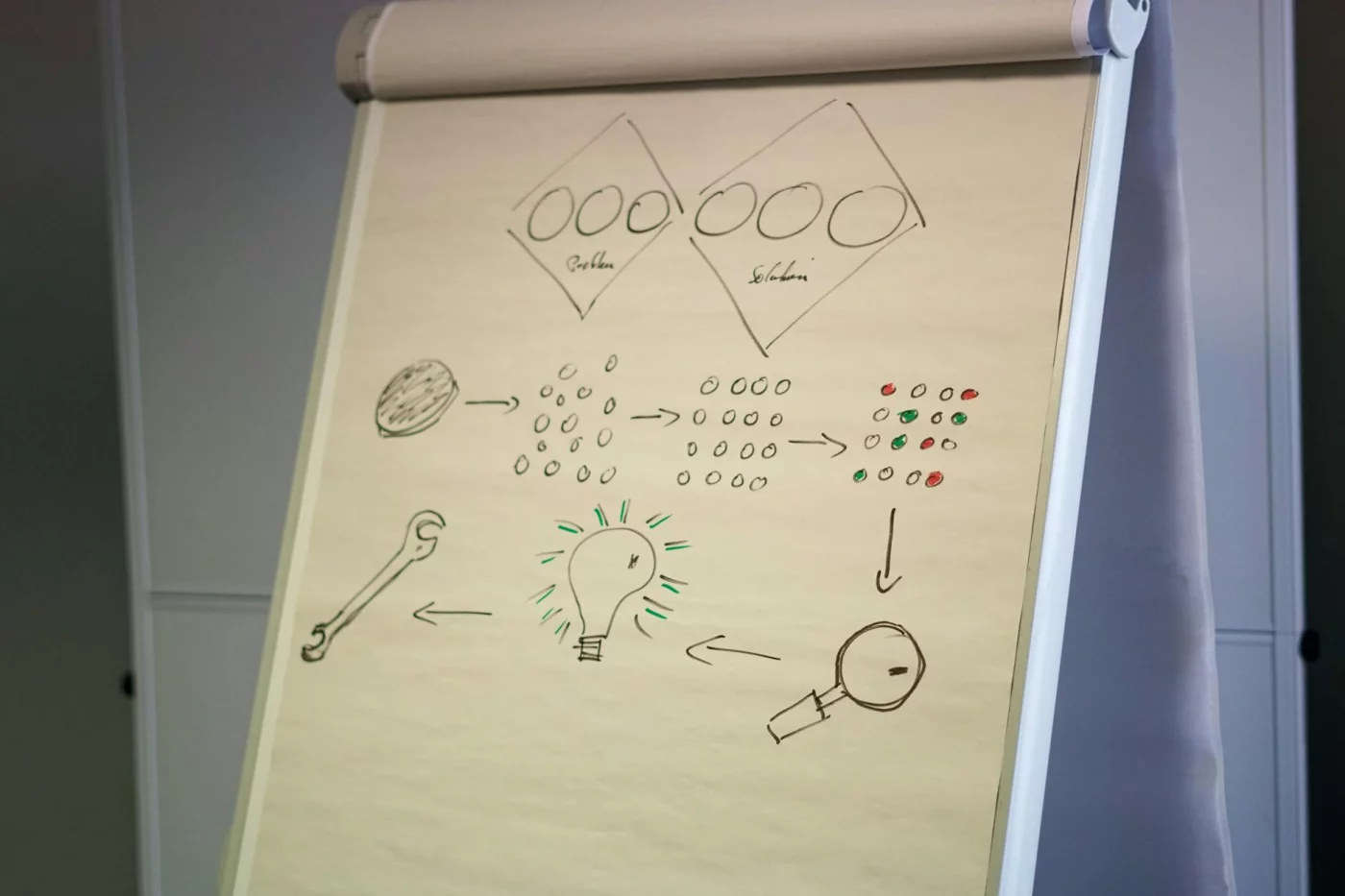
How memory moves from first exposure to later recall
- Step 1: Attention and encoding
- Step 2: Working memory holds it briefly
- Step 3: Early stabilization begins
- Step 4: The hippocampus links the pieces
- Step 5: Sleep supports replay and strengthening
- Step 6: Cortical patterns become more durable
- Step 7: Retrieval strengthens future access
Step 1: Attention starts the chain
Weak attention usually means weak encoding. Selective attention is the gatekeeper, which is why half-listening to a biology lecture rarely sticks, while focused note-taking on “mitochondria = ATP production” gives your brain something clear to store. If you want the practical version, this guide on how attention affects learning explains why multitasking wrecks the first step.
And yes, this is the part most people get wrong. They think forgetting means they “have a bad memory,” when often the real problem is that the material never got encoded well in the first place.
Steps 2-4: From working memory to a trace
Step 2 is working memory. It holds information for seconds unless you refresh it, like repeating a new Spanish phrase or mentally rehearsing the first four notes of a piano sequence.
Step 3 is early stabilization. Within minutes to hours, synaptic changes begin to make that fresh memory trace less fragile. Step 4 adds the hippocampus, which acts like a temporary binder for many declarative memories, linking the sound of a term, its meaning, and the context where you learned it. For a broad overview, the Wikipedia summary of memory consolidation gives the standard psychology-and-neuroscience model.
- Biology: “Golgi apparatus” gets linked to its function and diagram
- Language: “¿Dónde está la estación?” gets tied to pronunciation and meaning
- Piano: finger order gets connected to timing and movement cues
Steps 5-7: Sleep, storage, and recall
Step 5 is where sleep helps. Evidence supports replay and strengthening after learning, especially during sleep, but sleep doesn’t magically teach brand-new material. Research discussed by the NCBI Bookshelf chapter on memory consolidation describes how systems-level changes can unfold across days or longer.
Step 6 is neocortical pattern strengthening. Over time, the memory depends less on the hippocampus and becomes more distributed and durable across cortical networks. That’s the deeper answer to how does memory consolidation work and how information moves from short term to long term memory.
Step 7 is retrieval-based reinforcement. Testing yourself on biology terms or recalling a language phrase from memory strengthens later access far better than passive review, which is why retrieval practice vs rereading matters so much.
That’s the full memory consolidation process in everyday terms. Which brings us to the next question: where in the brain are these steps actually happening?
Where in the Brain Does It Happen?
Now that you’ve seen the 7-step process, the obvious next question is: where does memory consolidation occur? The short answer is that what is memory consolidation in psychology isn’t about one “memory spot” in the brain. It’s a coordinated process across interacting systems, especially the hippocampus and widespread neocortical networks.
And this matters for learning. If you’ve read about retrieval practice vs rereading, you already know active recall helps stabilize memories. But wait — the brain still has to reorganize and strengthen those traces after encoding, and sleep appears to support part of that process according to NCBI’s overview of memory consolidation.
The hippocampus as a fast linker
Does memory consolidation occur in the hippocampus? Yes, especially early on for many episodic and declarative memories. But it’s not the whole story.
Think of the hippocampus as a fast linker. You meet someone at a café, hear their name, notice the song playing, and remember the joke they told. The hippocampus helps bind those separate pieces — place, sound, meaning, timing — into one episode you can later recall.
This is why hippocampal involvement is especially strong when you remember facts and events you can consciously report. Well, actually, calling it the brain’s only memory center is misleading. A memory trace, sometimes called an engram in plain English, is the physical pattern of change left by experience; if you want the deeper version, see what is an engram.
The neocortex as long-term support
Over time, the neocortex appears to support more distributed, durable representations. So if you’re asking where does memory consolidation occur, the better answer is: across cortical networks that gradually carry more of the load for some memories.
Take photosynthesis or grammar rules. At first, you may rely on recent study sessions and context cues. After repeated exposure, review, and sleep — not magic sleep-learning, despite myths around can you learn while you sleep — the knowledge becomes more generalized and easier to access in new situations.
- Hippocampus: rapid linking of new episodes and facts
- Neocortex: broader, longer-term storage across networks
- Time and replay: may reduce hippocampal dependence for some memories
Why memory type changes the circuit
Not all memory uses the same pathway. Declarative memory covers facts and events. Procedural memory covers skills like piano fingering, tennis serves, or typing without looking.
That’s why what is memory consolidation in psychology depends partly on the memory type. Evidence summarized in Wikipedia’s memory consolidation overview and broader neuroscience research points to structures such as the basal ganglia and cerebellum playing major roles in skill learning, alongside cortical change.
Which brings us to the next layer: synaptic consolidation versus systems consolidation — same big process, different timescales and mechanisms.
Synaptic vs Systems Consolidation
Now that we’ve covered where memory formation happens in the brain, the next question is timing. If you’re wondering what is memory consolidation in psychology, the short answer is this: some memory changes happen fast at synapses, while others unfold slowly across larger brain networks.
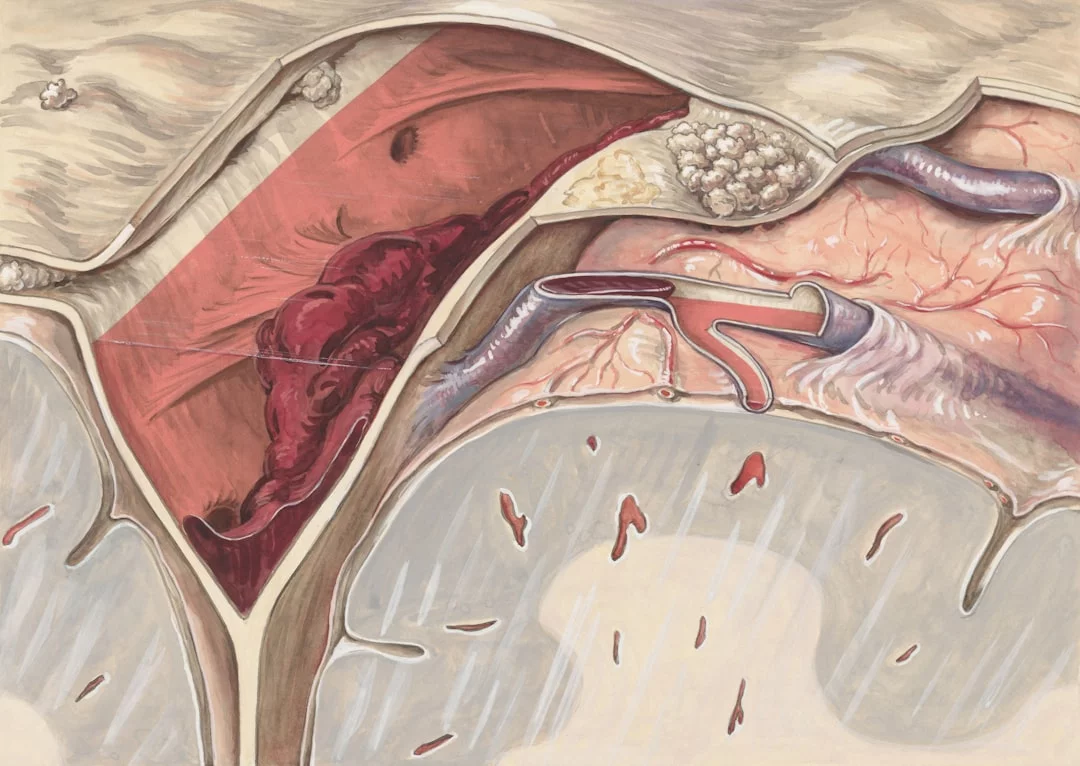
That difference matters for studying. A focused recall session can help right away, especially if you use retrieval practice vs rereading, but durable learning usually needs more than one strong pass.
The fast version: synaptic change
Synaptic consolidation is the minutes-to-hours phase. In plain English, the brain starts stabilizing a fresh memory by changing the strength of connections between neurons soon after learning.
One commonly discussed mechanism here is long-term potentiation in neuroscience, which refers to a lasting increase in synaptic strength after repeated activation. But wait — it’s part of the story, not the whole story. Memory stabilization involves multiple cellular processes, not one magic switch.
Example? You study a biology definition, test yourself once or twice, and can still recall it an hour later. That early gain depends a lot on attention during encoding, which is why how attention affects learning matters more than most students think.
The slower version: network reorganization
Systems consolidation is the slower phase in memory consolidation theory. Over days, weeks, and sometimes longer, the memory becomes better integrated across brain systems, so you can use it more flexibly and with less dependence on the original learning context.
Think about a semester-long course. At first, you can repeat notes. Weeks later, after repeated retrieval, practice problems, and sleep, you can explain the topic without looking anything up. That’s systems consolidation doing its work.
📋 Quick Reference
| Type | Timescale | Mechanism | Brain level | Learner takeaway |
|---|---|---|---|---|
| Synaptic consolidation | Minutes to hours | Local synaptic strengthening | Neural connections | One good session matters |
| Systems consolidation | Days to weeks+ | Reorganization across networks | Distributed brain systems | Repeated retrieval matters more |
What this means for studying
This is the part most people get wrong. Cramming can boost short-term performance because synaptic changes happen quickly, but that doesn’t guarantee strong learning and retention a week later.
- Use one focused session to build the memory.
- Revisit it across multiple days to strengthen it.
- Test yourself, don’t just reread.
Personally, I think this is the clearest practical answer to what is memory consolidation in psychology: first the memory gets stabilized, then it gets woven into a broader knowledge network. If you want a tool-based way to apply that, see Anki vs SuperMemo vs RemNote for spaced review options.
Which brings us to the next big factor: sleep, timing, and what helps these fragile new memories actually stick.
Sleep, Timing, and What Helps It Stick
So far, we’ve looked at what changes in the brain and what changes across brain systems. Which brings us to the question most learners actually care about: what is memory consolidation in psychology when sleep enters the picture?
In plain English, it’s the process of stabilizing and strengthening what you learned so it’s easier to retrieve later. And yes, evidence strongly suggests sleep helps that process—but sleep won’t magically save material you barely encoded in the first place, which is why retrieval practice vs rereading matters so much before bed.
What sleep actually does
If you’re asking what is memory consolidation in sleep, the short answer is this: after learning, the brain appears to reactivate or “replay” patterns linked to recent experience, helping make those memories more stable. Research from sleep labs at places like Harvard and NIH-linked institutions suggests this replay is one reason sleep dependent memory consolidation is taken seriously in psychology and neuroscience.
Does memory consolidation occur during sleep? Very likely, yes. Slow-wave sleep is often linked with strengthening facts and events, while REM sleep may support emotional memory, pattern extraction, and some skill learning—but wait, no single stage does everything. Procedural learning and declarative learning both benefit from sleep, just not in exactly the same way.
That’s also why oversimplified “sleep-learning” claims miss the point. Sleep helps organize and protect what you already learned; it doesn’t download new knowledge into your brain. If you want the fuller myth-vs-reality version, see can you learn while you sleep.
How long it takes
How long does memory consolidation take? Layered answer. Working memory lasts seconds, early stabilization can begin within minutes to hours, one night of sleep can improve recall the next day, and durable knowledge usually takes repeated review across days or weeks.
- Vocabulary for an exam: often better after overnight sleep, but strongest after spaced review
- Piano fingering or a tennis serve: motor performance may look smoother the next day
- Complex concepts: usually need several retrieval sessions before they really stick
Thing is, the timeline depends on memory type, study quality, and interference. A messy cram session and a focused 30-minute recall session don’t consolidate the same way.
What gets in the way
Common disruptors are pretty predictable: sleep deprivation, back-to-back study of highly similar material, chronic stress, alcohol close to learning, and heavy multitasking. Each one can weaken learning and retention by reducing attention during encoding or disrupting later stabilization.
Naps can help some learners, especially after intense study or skill practice. But timing matters: a short nap may refresh you, while a longer one can leave you groggy for a while—what people call sleep inertia. And that sets up the next question nicely: what does memory consolidation actually look like in real life?
Real-World Examples That Make It Click
Sleep and timing matter, but they’re easier to understand when you see them in real life. If you’ve been asking what is memory consolidation in psychology, this is the practical version: it’s the process that turns a fresh trace into something you can actually use later.
Studying and exam prep
Picture two students learning AP Psych terms, biology pathways, or chemistry formulas. One crams by rereading for 4 hours the night before. The other does short recall sessions across 3 to 7 days, using quizzes and retrieval practice vs rereading. Which one remembers under test pressure? Usually the second.
Why? Recognition isn’t the goal. Transfer is. If you can define “operant conditioning” on a flashcard but can’t apply it to a new scenario, the memory hasn’t stabilized in a very useful way.
- Helps: delayed recall, spacing, sleep after study
- Hurts: cramming, passive highlighting, back-to-back massed review
Language, skills, and everyday memory
Language learning shows memory consolidation examples really clearly. Vocabulary and grammar start as declarative memory, while pronunciation and fluent sentence production become more automatic with practice. Recalling a word tomorrow, then using it in conversation next week, is very different from just recognizing it today.
Music and sports add procedural memory. You can know the fingering chart or tennis grip in words, but smooth performance comes from repeated practice plus rest — similar to what muscle memory really means. And everyday memory? Names stick better when you connect them to meaning, repeat them once, and attach a face, place, or emotion to the moment.
From experience: what learners miss
After building FreeBrain tools and testing study workflows, the biggest pattern is simple: learners overvalue rereading and undervalue delayed recall plus sleep. Passive review feels fluent. But wait, fluency isn’t retention.
Emotion helps too. That’s why an awkward introduction, a surprising conversation, or vivid exam mistake often sticks better than a bland fact. So when people ask why is memory consolidation important, my practical answer is this: it’s what turns exposure into durable learning. Next, let’s look at how to improve it — and what to avoid.
How to Improve It — and What to Avoid
Those examples are the “click.” Now let’s turn that into action. If you’re still asking what is memory consolidation in psychology, think of it as the period after learning when fragile information becomes more stable—or fades if you handle it badly.
The habits that help consolidation
The best combo is spaced repetition plus retrieval practice. Research summarized by PubMed consistently supports spacing and active recall because they fight the forgetting curve better than passive review, which is why I recommend learning retrieval practice vs rereading early.
A practical workflow: finish a lecture, close your notes, write 5 things you remember, then check gaps. Good notes matter too—clear structure, examples, and associations give your brain plasticity-friendly material to store. And if you can, sleep soon after intense learning; evidence suggests sleep supports stabilization.
Common mistakes that weaken memory
- Marathon rereading: feels productive because the page looks familiar.
- Recognition = mastery: if you can’t recall it cold, you don’t own it yet.
- Back-to-back similar topics: interference makes details blur together.
- Multitasking: divided attention weakens encoding before consolidation even starts.
- Late-night doom-scrolling after studying: more interference, less recovery.
What happens to a memory if it is not consolidated? Usually, it becomes harder to retrieve, easier to distort, or just disappears. This is the part most people get wrong: familiar isn’t the same as learned.
A simple routine you can use today
Try this 20–30 minute routine after studying: 5 minutes of quick self-test, 5 minutes checking mistakes, 5-minute break, then a 5-minute recall round. Review again the same day, next day, 3 days later, and 1 week later; if recall is strong, stretch the gaps.
Screenshot checklist: encode clearly, self-test fast, separate similar subjects, sleep, and review at the right intervals. That’s the practical answer to what is memory consolidation in psychology—and next, I’ll condense it into a quick reference you can keep handy.
Quick Reference and Key Takeaways
That gives you the practical side. Now let’s compress the big ideas so you can actually remember them.
If you’re still asking what is memory consolidation in psychology, think of it as the process that stabilizes a new memory after learning so it’s easier to keep and retrieve later.
📋 Quick Reference
Memory moves through a simple timeline: encoding first, consolidation next, retrieval later. Sleep, spaced review, and active recall help that process stick.
Quick answers at a glance
- Definition: consolidation turns fragile new learning into a more stable memory trace.
- Where it happens: early on, the hippocampus helps bind details; over time, cortical networks store more of the memory.
- How long it takes: synaptic changes can begin within hours, while systems-level stabilization may unfold over days to years.
- Why sleep matters: research suggests slow-wave sleep supports replay and strengthening of recently learned material; see can you learn while you sleep for what sleep can and can’t do.
- Top 5 study actions: test yourself, space reviews, mix topics, reduce interference, and protect 7-9 hours of sleep.
- Consolidation vs reconsolidation: when you recall a memory, it can briefly become changeable again before it restabilizes.
One-minute AP Psych review
For AP Psychology memory, use this test-ready line: memory consolidation is the process by which encoded information becomes stored more durably over time. Short enough to memorize. Accurate enough for an exam.
- Encoding: getting information in
- Storage: keeping information over time
- Retrieval: bringing it back
- Hippocampus: supports formation of new episodic memories
- Synaptic consolidation: short-term cellular strengthening after learning
- Systems consolidation: longer-term reorganization across brain networks
- Reconsolidation: recalled memories can be updated before restabilizing
Next steps for better retention
Personally, I’d keep this simple. Do one retrieval session today, one spaced review tomorrow, and protect sleep tonight. If you want a practical starting point, compare retrieval practice vs rereading and apply it to your next study block.
So, what is memory consolidation and why is it important? Because if learning isn’t stabilized, it fades fast or gets disrupted by new input. Next, we’ll answer the most common questions and wrap up with the best FreeBrain memory, sleep, and study strategy resources.
Frequently Asked Questions
What is meant by memory consolidation?
What is meant by memory consolidation? It’s the process your brain uses to stabilize newly learned information so it becomes more durable over time. In psychology, that’s different from encoding the information in the first place and different from retrieving it later when you need it. If you’re wondering what is memory consolidation in psychology, the short answer is this: it’s the “making it stick” phase between learning and later recall.
What is memory consolidation in simple terms?
What is memory consolidation in simple terms? It’s how your brain helps new learning stick after you study, practice, or experience something. Say you review vocabulary tonight and remember more of it tomorrow — that improvement often reflects consolidation, not just effort in the moment. Plain English? You learned it once, and then your brain kept working on it.
What is memory consolidation in sleep?
What is memory consolidation in sleep? It refers to the way sleep supports the strengthening and reorganization of recently learned information, especially after focused study or practice. But here’s the catch — sleep helps most when the material was encoded reasonably well to begin with, so poor attention during learning can limit the benefit. For a practical overview of sleep and learning, you can also read FreeBrain’s sleep and memory content if your article links to that hub.
Does memory consolidation occur during sleep?
Does memory consolidation occur during sleep? Yes, evidence suggests sleep plays a major role in strengthening many kinds of memories, especially facts and skills you practiced recently. But wait, it’s not only a sleep process — consolidation can continue while you’re awake too, so sleep is a major support rather than the whole story. Research summaries from sources like NCBI Bookshelf describe sleep as an important part of memory processing, not a magical substitute for studying well.
How long does memory consolidation take?
How long does memory consolidation take? Some stabilization can begin within minutes to hours after learning, especially for simpler material. But durable long-term retention usually takes repeated review across days or weeks, which is why spaced repetition works better than one long cram session. Personally, I think this is the part most people miss: consolidation starts quickly, but strong memory takes time.
Where does memory consolidation occur?
Where does memory consolidation occur? It involves multiple brain regions rather than one single “memory center.” For many declarative memories — facts and events — the hippocampus and areas of the neocortex are especially important, while procedural memories like motor skills rely on somewhat different circuits. So if you’re asking what is memory consolidation in psychology, part of the answer is that it’s a distributed brain process, not a one-location event.
What happens to a memory if it is not consolidated?
What happens to a memory if it is not consolidated? It often fades, becomes harder to retrieve, or stays too fragile to use reliably later. Three common reasons this happens are distraction right after learning, interference from too much similar information, and poor sleep. If you want to reduce that risk, review the material briefly, test yourself, and give your brain some recovery time instead of immediately switching tasks.
How much sleep is needed for memory consolidation?
How much sleep is needed for memory consolidation? There isn’t one perfect number that fits everyone, but a full night of sleep generally supports learning better than cutting sleep short. And yes, that sounds obvious, but people still trade sleep for study time and then wonder why recall feels shaky the next day. If you have chronic sleep problems, loud snoring, insomnia, or daytime impairment, consult a qualified clinician; educational content about what is memory consolidation in psychology can help you study better, but it isn’t a substitute for medical care.
Conclusion
If you remember just four things, make them these: learning sticks better when you space practice over time, test yourself instead of only rereading, protect sleep after studying, and keep new information connected to what you already know. That’s the practical answer to what is memory consolidation in psychology. It’s not just “storing” information. It’s your brain stabilizing and strengthening a memory through repeated activation, time, and the right conditions. And yes, small choices matter — a 10-minute recall session, a good night of sleep, and fewer back-to-back cramming sessions can make a bigger difference than another hour of passive review.
And here’s the encouraging part — you don’t need a perfect brain or a perfect routine to make this work. You just need a better process. Personally, I think this is where a lot of learners get stuck: they assume forgetting means failure. It doesn’t. Forgetting is often part of learning, especially when retrieval brings the memory back and strengthens it. So if this topic felt a bit technical at first, that’s OK. Once you understand how consolidation works, you can study in a way that actually matches how memory is built.
Want to keep going? Explore more practical, research-based strategies on FreeBrain.net, starting with How to Study Effectively and Spaced Repetition. Which brings us to the real next step: don’t just understand what is memory consolidation in psychology — use it. Pick one method today, apply it to your next study session, and give your brain the conditions it needs to make learning last.