

If you want to know how to stop perfectionism procrastination, the short answer is this: lower the standard for starting, make the task smaller than your fear, and finish a rough version before you try to improve it. How to stop perfectionism procrastination isn’t about becoming less ambitious; it’s about breaking the loop where high standards turn into avoidance, delay, and guilt.
You’re probably not lazy. You’re stuck in a fear-avoidance pattern. You open the document, think “this has to be good,” freeze, then do something easier instead — maybe reorganizing notes, rereading the same page, or promising yourself you’ll start later. Research on perfectionism has linked it with distress, rigid self-evaluation, and avoidance behaviors, which helps explain why perfectionism can become a self-defeating pattern.
So here’s the deal. This guide will show you how to stop perfectionism procrastination with an 8-step plan you can use for studying, writing, deep work, and messy real-life projects. You’ll learn what perfectionism procrastination actually is, why the “perfect start” keeps backfiring, how to use tiny-entry tactics like the 2-minute rule for procrastination, and when to use structured work blocks such as Pomodoro vs time blocking to get moving before your brain starts negotiating.
I’m a software engineer and self-taught learner, not a psychologist. But after building FreeBrain tools and testing these methods in studying, writing, and project work, I’ve noticed the same thing again and again: people make progress faster when they aim for clear, limited, finishable work instead of ideal work.
If you only do one thing today, do this: define the ugliest acceptable first draft and work on it for 10 minutes. That one move is often the fastest way to learn how to stop perfectionism procrastination, because action cuts through rumination better than more planning ever will.
📑 Table of Contents
- Why perfectionism procrastination happens — and how to stop perfectionism procrastination fast
- How to Stop Perfectionism Procrastination: 8 Steps
- Why perfectionism causes procrastination — the loop, the research, and the common mistakes
- The 8-step action plan in real life: studying, work, writing, and creative projects
- Perfectionism procrastination ADHD, fast tools, and a 10-minute reset
- Quick reference, FAQ, and next steps to stop perfectionism procrastination
- Frequently Asked Questions
- What is perfectionism procrastination?
- Does perfectionism cause procrastination?
- How does perfectionism lead to procrastination?
- How do you break the perfectionism procrastination loop?
- What is the 70 30 rule for perfectionism?
- What is the 5 4 3 2 1 rule for procrastination?
- Is perfectionism OCD or ADHD?
- How can students stop perfectionism procrastination when studying?
- Conclusion
Why perfectionism procrastination happens — and how to stop perfectionism procrastination fast
If the introduction felt uncomfortably familiar, here’s the core issue. Perfectionism procrastination is delaying a task because your standards feel so high that starting, finishing, or submitting feels risky. If you’re searching for how to stop perfectionism procrastination, the first move is simple: shrink the task until action feels safer than avoidance. For more on productivity and focus, see our productivity and focus guide.
You’re not lazy. More often, you’re dealing with fear of failure, fear of judgment, overwhelm, or plain task ambiguity. Research on procrastination and self-regulation suggests avoidance can bring short-term mood relief, which then reinforces the cycle over time; the American Psychological Association’s overview of procrastination explains that emotional regulation sits near the center of the problem.
Healthy high standards can guide effort. Rigid standards, though, turn every draft into a threat and every task into a test you might fail.
If you only do one thing today, do this: define the smallest visible next step and work on it for 10 minutes. Not the whole project. Just the next action. If that still feels heavy, make it even smaller with the 2-minute rule for procrastination.
As a software engineer and self-taught learner who built FreeBrain tools, I’ve had to use these methods to ship imperfect drafts, study more consistently, and reduce avoidance in real workflows. So here’s the deal: progress usually starts when the task gets concrete enough to begin. For more practical help, check FreeBrain’s focus resources, including Pomodoro vs time blocking and systems to build a second brain.
What is perfectionism procrastination?
What is perfectionism procrastination, in plain English? It’s when the need to do something perfectly makes you delay doing it at all. And yes, that includes perfectionism procrastination paralysis, where choosing, starting, or submitting feels weirdly impossible.
A student might spend 45 minutes choosing the perfect study plan instead of doing 10 practice questions. A professional might rewrite the first paragraph of an email five times, then delay sending it until tomorrow. Sound familiar?
- The standard feels unclear or impossibly high
- The task starts to feel emotionally risky
- You avoid, feel relief, then fall behind
Which brings us to the perfectionism procrastination loop. Evidence summarized in Wikipedia’s research-backed overview of procrastination notes strong links with impulsive delay, stress, and self-regulation problems.
You’re probably not lazy
This is usually fear plus friction, not a character flaw. Unclear expectations, emotional discomfort, and all-or-nothing thinking can make starting feel heavier than the task itself. That’s why how to stop perfectionism procrastination often begins with reducing uncertainty, not increasing pressure.
Personally, I think this is the part most people get wrong. They try to motivate themselves with harsher self-talk, when what they really need is a smaller target, a time limit, and a clear definition of done. That’s also how to overcome perfectionism and procrastination in real life, not just in theory.
Next, I’ll walk you through an 8-step plan for how to stop perfectionism procrastination, including real-life scenarios, ADHD-friendly adaptations, and a 10-minute reset you can use the moment avoidance kicks in.
How to Stop Perfectionism Procrastination: 8 Steps
Now we move from theory to action. If you want to know how to stop perfectionism procrastination today, use this sequence in order instead of waiting to “feel ready.”
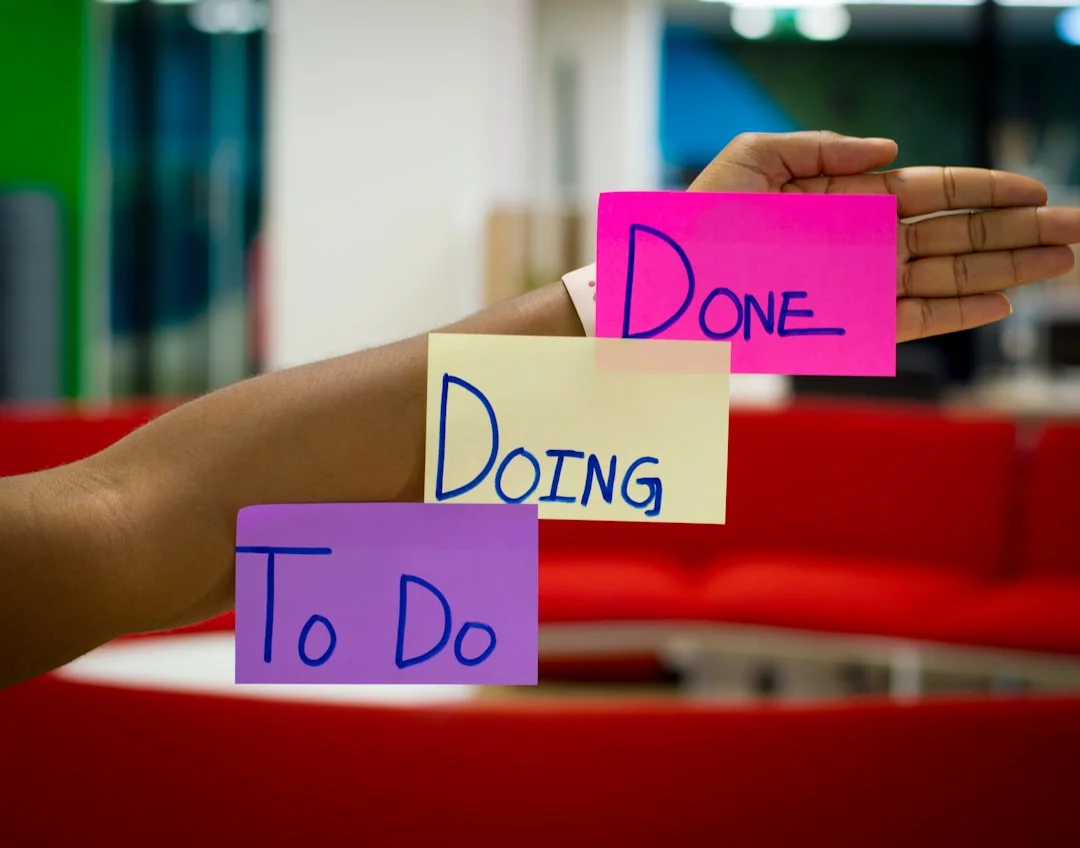
How to stop perfectionism procrastination
- Step 1: Name the loop.
- Step 2: Shrink the task until it feels easy.
- Step 3: Timebox the first 10 minutes.
- Step 4: Use the 70% rule and submit sooner.
- Step 5: Separate drafting from editing.
- Step 6: Replace self-criticism with next-step feedback.
- Step 7: Lower starting friction in your environment.
- Step 8: Review what finished work actually required.
That’s the short version. Want the detailed action plan for how to stop perfectionism procrastination when you’re studying, writing, or stuck on work? Start with Steps 1 through 4, then layer in the rest.
Step 1-4: Name the loop, shrink the task, timebox 10 minutes, use the 70% rule
Step 1: Name the loop before fixing it. Ask one blunt question: “Am I avoiding because this is hard, or because I want it to be flawless?” That tiny label matters because it turns vague dread into a visible pattern. And once you can name the perfectionism procrastination loop, you can interrupt it.
Step 2: Shrink the task until it feels almost too easy. This is the part most people get wrong. They keep the giant goal and try to “be disciplined,” when the better move is to make the first action embarrassingly small: open the document and write three ugly bullet points, or solve one practice problem, not the whole chapter. If that sounds basic, good. The 2-minute rule for procrastination works for the same reason: small starts cut resistance.
Step 3: Use a 10-minute reset and timebox the first block. Starting friction is often the hardest part, not the work itself. Set a timer for 10 minutes and give yourself one job only: begin. For many people, a short sprint works better than an open-ended promise, which is why it helps to compare Pomodoro vs time blocking and pick one simple structure before you start.
Step 4: Apply the 70/30 rule before you feel ready. Done at 70% usually beats delayed at 100%. In practice, that means submitting the report when it meets the goal, not when it matches the fantasy version in your head. A student might turn in a clear draft with solid evidence instead of spending four more hours polishing one paragraph.
Step 5-8: Build a first-draft mindset, replace self-criticism, lower friction, review finished work
Step 5: Create a first-draft mindset. Separate creating from editing. Research on procrastination points to emotion regulation as a big part of the problem, not just laziness, and the American Psychological Association’s overview of perfectionism is useful background here. So give your brain one mode at a time: first produce, then improve.
Step 6: Replace self-criticism with useful feedback. Don’t say, “This is terrible.” Ask, “What is the next fixable issue?” Well, actually, that one shift is one of the best strategies for perfectionist procrastination because it keeps you in problem-solving mode. For writing, the next fixable issue might be “add a topic sentence,” not “be a better writer.”
Step 7: Lower friction in your environment. Pre-open the tabs you need, put your phone out of reach, define the materials, and remove choices. If your brain gets overwhelmed by scattered inputs, it can help to build a second brain so tasks, notes, and next actions live outside your head. That’s especially useful when you’re figuring out how to overcome perfectionism and procrastination at work.
Step 8: Review what finished work actually required. Compare the real result with the imagined standard. Was the final presentation successful because it was flawless, or because it was clear, on time, and useful? Evidence summarized in the NCBI overview of procrastination suggests procrastination is tied to short-term mood repair, which means your review should focus on outcomes, not feelings in the moment.
- Finished beats fantasized.
- Minimum viable effort often creates momentum.
- Progress over perfection is a skill, not a personality trait.
If you’re serious about how to stop perfectionism procrastination, don’t just understand these eight steps. Try them on your very next task, in order, and notice which step breaks the loop fastest for you. Which brings us to the deeper question: why does perfectionism cause procrastination so reliably in the first place?
Why perfectionism causes procrastination — the loop, the research, and the common mistakes
Now that we’ve covered how to stop perfectionism procrastination in steps, here’s the mechanism underneath it. Yes — perfectionism can absolutely cause delay when your standards become rigid, your self-worth gets tied to performance, and avoidance gives you short-term relief.
That’s why how to stop perfectionism procrastination isn’t just about better calendars. Research suggests procrastination is often an emotion-regulation problem, not only a time-management problem, which is one reason the 2-minute rule for procrastination works so well: it lowers the emotional cost of starting.
How does perfectionism lead to procrastination?
So here’s the deal. The loop is usually simple: high standards lead to fear of failure or judgment, fear leads to avoidance, avoidance brings temporary relief, then the deadline gets closer, stress spikes, and you attack yourself for “wasting time.” Next time, you raise the standard even more. That’s the trap people miss when searching for how to stop perfectionism procrastination.
How does perfectionism lead to procrastination in real life? Often through all-or-nothing thinking: “If I can’t do it well, I’d rather not start.” And when the imagined standard is huge, the first step feels emotionally expensive. Does perfectionism cause procrastination because you’re lazy? Usually not. It’s more often a protection strategy.
Example: a task that should take 2 hours turns into 6 hours of avoidance, tab-switching, and “preparing to prepare,” followed by 90 rushed minutes at the deadline. Sound familiar? That pattern fits what research on procrastination as an emotion-regulation failure has been arguing for years.
And yes, perfectionism procrastination paralysis gets worse when everything stays in your head. External systems help. If you need fewer moving parts and less decision fatigue, it can help to build a second brain so the task becomes visible, smaller, and easier to begin.
Common mistakes that keep the perfectionism procrastination loop alive
This is the part most people get wrong. They try harder, but they keep the same mental rules.
- Waiting to feel ready before starting. You usually feel ready after beginning, not before.
- Making the plan too detailed and calling it progress. Planning can become polished avoidance.
- Editing while drafting. That splits your brain between creating and judging.
- Using self-criticism as motivation. It may create urgency, but it also increases avoidance.
- Setting vague standards like “do my best” instead of defining what done looks like.
Personally, I think mistake #5 is huge. “Do my best” sounds noble, but it’s unusable. For how to stop perfectionism procrastination, a better target is concrete: one rough outline, one solved problem set, one 25-minute draft. If you’re unsure whether to use short sprints or fixed blocks, compare Pomodoro vs time blocking and pick the one that makes starting easiest.
Short-term relief is the trap
Avoidance works fast. That’s why it’s sticky. You postpone the task, your nervous system calms down for a moment, and your brain learns, “Good — do that again.” But wait. The relief is temporary, while the cost compounds: deadline compression, worse sleep, lower-quality output, and more self-criticism.
Which brings us to the research. Perfectionism and procrastination research points to a nasty pairing: threat sensitivity plus self-judgment. The American Psychological Association’s overview of perfectionism also notes that perfectionism is linked with distress when standards become harsh and self-worth depends on meeting them.
If fear is the real blocker, productivity tricks alone won’t fully solve it. You may need to reduce anxiety immediately before you start, then work from a “good enough for this draft” rule. That’s often the missing piece in how to stop perfectionism procrastination.
Next, I’ll show what this looks like in real life — studying, work tasks, writing, and creative projects — so how to stop perfectionism procrastination becomes something you can actually do today.
The 8-step action plan in real life: studying, work, writing, and creative projects
So here’s the deal. If the last section explained why the perfectionism-procrastination loop happens, this section shows how to stop perfectionism procrastination when real tasks are staring back at you.

The pattern is simple: shrink the start, define “done,” timebox the first block, and judge the result after action, not before. That’s the core of how to stop perfectionism procrastination, and it works far better than waiting to “feel ready.”
I’ve used this constantly in software, writing, and self-study. When I’m building a feature, I don’t start with the polished version; I start with the smallest working version. Same with articles: ugly outline first, cleaner draft later. And yes, when learning technical material myself, rough retrieval beats beautiful notes almost every time.
If you want a low-friction starting rule, the 2-minute rule for procrastination is a good first move. But wait. Starting tiny only helps if you also stop expanding the task into an imaginary masterpiece.
- Define the smallest useful output.
- Work in one short timed block.
- Review for gaps, not for elegance.
- Improve only after something exists.
Studying for an exam without over-perfecting your notes
Here’s the most common student trap: spending 90 minutes rewriting notes that already exist. If you’re trying to learn, not decorate, that’s usually the wrong move. Research on retrieval practice suggests that pulling information from memory improves retention better than passive review; a solid overview is available through the testing effect.
So how to stop perfectionism procrastination when studying? Try this instead: set a 20-minute block, answer 10 retrieval questions from memory, then check what you missed. That gives you a gap list. And gap lists are gold.
For students, active learning beats perfect-looking notes. Use rough notes, question lists, and short review blocks. If you need a faster capture method, this guide on how to take notes from a textbook fast fits this exact problem.
Personally, I think this is where most people get stuck. They confuse “organized” with “learned.” If you want to know how to stop perfectionism procrastination for students, the answer is usually less rewriting, more recall.
Writing an essay, report, or email when the blank page feels heavy
Use a 3-part first-draft formula: ugly outline, rough body, quick edit. That’s it. Write a bad first paragraph in five minutes, keep going, and fix the opening later.
What does “good enough” mean? For a low-stakes email, clear and accurate. For a medium-stakes report, correct structure and useful evidence. For a high-stakes essay, one rough draft plus one focused revision pass before polishing sentences.
And here’s the kicker — timeboxing matters. If you keep “working on it” with no edge, perfectionism expands to fill the day. Use a short first block and decide whether Pomodoro vs time blocking fits your writing style better.
That’s how to stop perfectionism procrastination at work, too. You don’t need your first pass to impress anyone. You need it to exist.
Creative projects and unclear work tasks
Creative work gets messy fast because the ideal version has no ceiling. So define a minimum shippable version: one landing page, not the full brand system; one finished song draft, not the whole album plan; one usable prototype, not the perfect app.
For unclear work tasks, ask three questions right away:
- What outcome matters most?
- What format do you actually want?
- What deadline is real?
Quick sidebar: this reduces both ambiguity and people-pleasing. If your manager says, “Can you put together a presentation?” don’t disappear for six hours polishing slides. Ask whether they need a decision memo, a 5-slide update, or a client-ready deck. One clarification can save half a day.
When tasks live only in your head, they grow teeth. External systems help. If you want fewer open loops and less decision fatigue, it helps to build a second brain so ideas, next actions, and drafts don’t keep recycling in working memory.
That’s the practical version of how to overcome perfectionism: smaller starts, clearer targets, rougher first passes, faster feedback. In the next section, I’ll show how to stop perfectionism procrastination when ADHD traits, overwhelm, or a bad brain day make even these steps feel hard.
Perfectionism procrastination ADHD, fast tools, and a 10-minute reset
We’ve covered the full action plan. But if you want how to stop perfectionism procrastination in the moment, you need something faster than a big system.
That’s especially true when starting friction feels intense. And for some people, perfectionist avoidance overlaps with attention issues, anxiety, or obsessive patterns, which can make how to stop perfectionism procrastination feel less like motivation advice and more like task rescue.
Why ADHD can intensify perfectionist avoidance
Perfectionism procrastination ADHD patterns often show up as “I care too much to begin.” The task feels important, visible, and emotionally loaded, so your brain looks for safer side quests instead.
Three things matter here: task initiation, working memory load, and emotional regulation. If holding the whole task in mind already feels heavy, adding “I must do this perfectly” can tip you straight into executive dysfunction.
Here’s a common example. You sit down to write a report, then spend 30 minutes organizing your desk, renaming folders, and picking the “right” playlist because starting the real draft feels too exposed.
That doesn’t mean perfectionism is the same thing as ADHD or OCD. Not at all. If you’ve wondered, “is perfectionism ocd or adhd?” the more accurate answer is that perfectionism can overlap with both, but it isn’t identical to either one, and persistent or severe symptoms are worth discussing with a qualified professional.
Research on ADHD consistently points to difficulties with inhibition, working memory, and self-regulation, which helps explain why starting can feel disproportionately hard; if that’s your pattern, this guide on focus with ADHD naturally may help you lower the barrier further. Personally, I think this is the part most people miss: you’re not always avoiding effort, you’re often avoiding the emotional hit of an imperfect first step.
Two fast tools: the 70/30 rule and the 5-4-3-2-1 start
If you want how to stop perfectionism procrastination quickly, use rules that shrink the decision. Better rules beat better intentions.
The 70 30 rule for perfectionism is simple: aim for work that is useful and complete, not flawless. In practice, 70% done today often beats 100% imagined later.
- Finish the meeting summary after one edit, not six.
- Submit the draft with clear bullet points instead of polishing every sentence.
- Study the chapter outline first instead of making beautiful notes you never review.
Then use the 5 4 3 2 1 rule for procrastination. Count backward, and at “1” move into the first tiny physical action: open the doc, type the title, read one paragraph, or send the first reply.
Why does this help? It interrupts hesitation before your brain can reopen the debate. Now this is where it gets interesting: the countdown isn’t magic, but the movement is. Starting friction drops once action begins.
A 10-minute reset for perfectionism procrastination
When task paralysis hits, don’t ask for confidence. Ask for 10 minutes. This is one of the fastest ways I know for how to stop perfectionism procrastination without waiting to “feel ready.”
📋 Quick Reference
- Minutes 1-2: Breathe slowly and label the avoided task out loud.
- Minutes 3-4: Define the smallest next step, not the whole project.
- Minutes 5-6: Decide what “good enough” looks like for this round.
- Minutes 7-10: Do one timed sprint immediately.
Use this to break the perfectionism procrastination loop, reduce task paralysis, and make timeboxing feel manageable.
Try language like this: “I’m avoiding sending the draft because I’m afraid it looks sloppy.” OK wait, let me back up. Naming the fear matters because vague dread keeps you stuck; specific fear gives you something to work with.
Next, choose one tiny step. Not “finish presentation.” More like “write slide 1 headline.” Then define good enough: “clear, accurate, and sent by 3 p.m.”
And then you work for four minutes right away. No re-planning. No extra tabs. If you’re serious about how to stop perfectionism procrastination, this immediate sprint is the hinge point.
Use the reset once, then repeat if needed. In the next section, I’ll condense how to stop perfectionism procrastination into a quick reference, FAQ, and clear next steps you can reuse anytime.
Quick reference, FAQ, and next steps to stop perfectionism procrastination
If the last section gave you tools, this one gives you the cheat sheet. When you need how to stop perfectionism procrastination in real life, simple beats clever.
Quick Reference: what to do when you freeze
📋 Quick Reference
- Name the loop: “I’m avoiding because I want this to be perfect.”
- Shrink the task until it feels almost too easy.
- Timebox the first 10 minutes. Need help starting? Try the 2-minute rule for procrastination.
- Use the 70% rule: good enough to move forward is enough.
- Draft first, edit later. Don’t do both at once.
- Lower friction: open the file, clear the tab clutter, set one next action.
- Finish one visible chunk, not the whole project.
- Review what actually mattered, then repeat. Finished beats perfect when the goal is progress.
That’s the core of how to stop perfectionism procrastination. And yes, it works for essays, work tasks, notes, emails, and creative projects. Research on perfectionism and procrastination consistently links self-criticism, fear of mistakes, and avoidance, so the goal is to reduce threat and increase action.
When to get support
This article is educational, not medical advice. If perfectionism comes with severe psychological distress, panic, compulsive checking, chronic sleep disruption, or major problems at school or work, talk with a qualified clinician.
Personally, I think this is the part people skip. But persistent self-criticism can overlap with anxiety, OCD-related symptoms, or ADHD, and those need proper assessment. For trustworthy reading, start with NIMH, APA, Mayo Clinic, or PubMed.
Your next 10 minutes: pick one stuck task, define the smallest ugly first draft, and work until the timer ends. That’s how to stop perfectionism procrastination today, not someday. Then keep going with FreeBrain’s guides on focus, stress reduction techniques, and study systems if you want more support on how to stop perfectionism procrastination for the long term. Next, I’ll answer a few common questions and wrap this up.
Frequently Asked Questions
What is perfectionism procrastination?
What is perfectionism procrastination? It’s when you delay, avoid, or drag out a task because the standard in your head feels so high that starting or finishing seems risky. It often shows up as overplanning, endless editing, researching instead of doing, or waiting for the “right” mood, time, or setup. If you’re trying to learn how to stop perfectionism procrastination, the first step is noticing that the problem usually isn’t laziness — it’s fear wrapped in very high expectations.
Does perfectionism cause procrastination?
Yes, often it does. Does perfectionism cause procrastination? In many cases, yes — especially when your standards become rigid and your performance starts to feel tied to your self-worth, because avoiding the task gives you short-term relief from stress, embarrassment, or fear of doing it badly. And that’s the trap: that relief rewards avoidance, which is why learning how to stop perfectionism procrastination usually means lowering the pressure around starting, not just pushing yourself harder.
How does perfectionism lead to procrastination?
How does perfectionism lead to procrastination? Usually through three things: fear of failure, fear of judgment, and all-or-nothing thinking. When the imagined standard is “this has to be excellent,” the first step suddenly feels much bigger than it really is, so your brain treats the task like a threat and looks for escape. If you want to figure out how to stop perfectionism procrastination, shrink the first move until it feels almost too easy to avoid.
How do you break the perfectionism procrastination loop?
To answer how do you break the perfectionism procrastination loop, name the loop first: high standards, tension, avoidance, guilt, then even more pressure next time. Then do four things: define the task in one small action, decide what “good enough” looks like before you begin, work for just 10 minutes, and review the finished result afterward to compare your fears with reality. That review matters more than people think, because if you want to learn how to stop perfectionism procrastination, you need evidence that decent work done on time is often better than perfect work that never ships.
What is the 70 30 rule for perfectionism?
The 70 30 rule for perfectionism is a practical way to favor useful, completed work over endless polishing for an ideal result that may not matter much in the real world. Think of it like this: get the work to a solid 70% quality level that meets the goal, then spend only limited energy on the final 30% instead of obsessing over tiny details; for example, a student might submit a strong draft after one revision instead of rewriting the whole paper three more times. If you’re working on how to stop perfectionism procrastination, this rule helps you protect your time, your momentum, and your sanity.
What is the 5 4 3 2 1 rule for procrastination?
The 5 4 3 2 1 rule for procrastination is a countdown method: you count backward from five, then start before your brain has time to negotiate, stall, or overthink. But wait — the countdown works best when you pair it with one tiny physical action, like opening the document, putting your hands on the keyboard, or writing a single rough sentence. That’s why it’s useful for how to stop perfectionism procrastination: you’re not trying to feel ready first, you’re training yourself to move before hesitation takes over.
Is perfectionism OCD or ADHD?
Is perfectionism OCD or ADHD? Not automatically. Perfectionism can overlap with both OCD and ADHD in some people, but by itself it isn’t enough to tell you what’s going on, and the patterns can look similar for different reasons. If symptoms are persistent, distressing, or getting in the way of school, work, sleep, or daily life, consult a qualified clinician; for a general overview of OCD, the National Institute of Mental Health is a reliable place to start. And if your main goal is how to stop perfectionism procrastination, it still helps to use small-start strategies while you get proper support.
How can students stop perfectionism procrastination when studying?
If you’re wondering how to stop perfectionism procrastination when studying, keep it simple: use active recall, study in short timed blocks, make rough notes instead of pretty ones, and begin with a minimum viable start like answering one practice question. One of the biggest mistakes students make is rewriting notes over and over because it feels productive, when it’s often just a cleaner-looking form of avoidance. For students trying to master how to stop perfectionism procrastination, methods that force retrieval and action beat methods that only make your materials look organized; if you need a practical next step, try using FreeBrain’s study tools and pair them with evidence-based retrieval practice explained in this PubMed summary of research on test-enhanced learning.
Conclusion
If you want the shortest answer to how to stop perfectionism procrastination, it’s this: shrink the task, lower the bar for the first draft, use a short timer, and finish something small before you try to improve it. That’s the pattern that breaks the loop. Three things matter most: spotting the “it has to be great” thought early, switching to a tiny next action you can start in under 2 minutes, and using a 10-minute reset when you feel stuck. And yes, this works better than waiting to “feel ready.” Most people don’t need more motivation — they need less friction.
Now this is where it gets interesting. You do not have to become a totally different person to change this pattern. You just need a better response in the moment when your brain starts chasing the perfect plan, perfect mood, or perfect result. Personally, I think this is the part most people get wrong: they treat perfectionism like a personality trait instead of a habit loop. But habits can be interrupted. If you practice these 8 steps consistently, you’ll get faster at starting, calmer while working, and less attached to doing everything flawlessly. That’s really how to stop perfectionism procrastination in real life.
If you want more help, keep going on FreeBrain.net. Read How to Overcome Procrastination for practical start-now strategies, and pair it with How to Focus While Studying if distraction keeps pulling you off track. Speaking of which — the best time to practice how to stop perfectionism procrastination isn’t later. Pick one task, set a 10-minute timer, and start badly on purpose. That’s your way out.