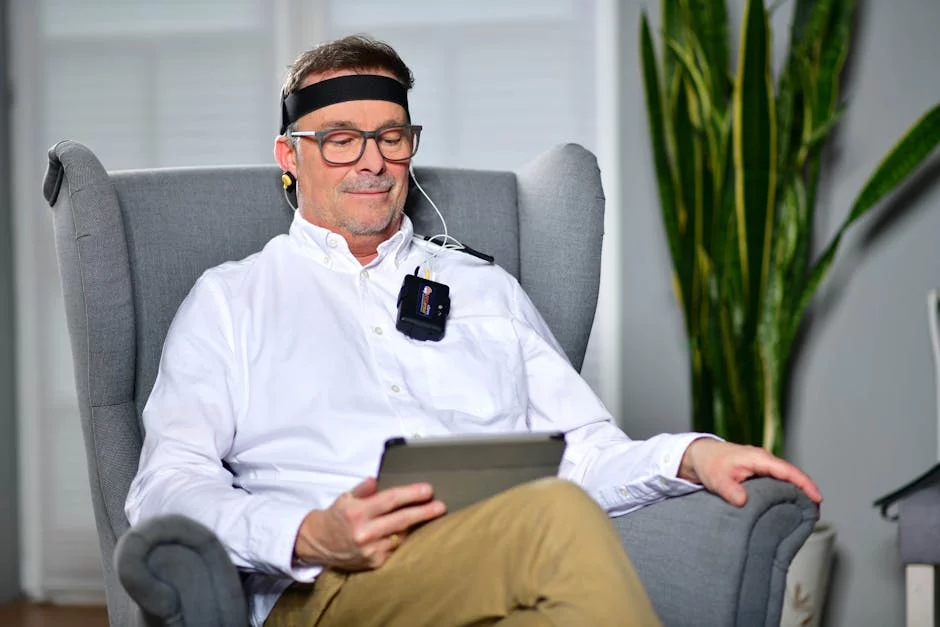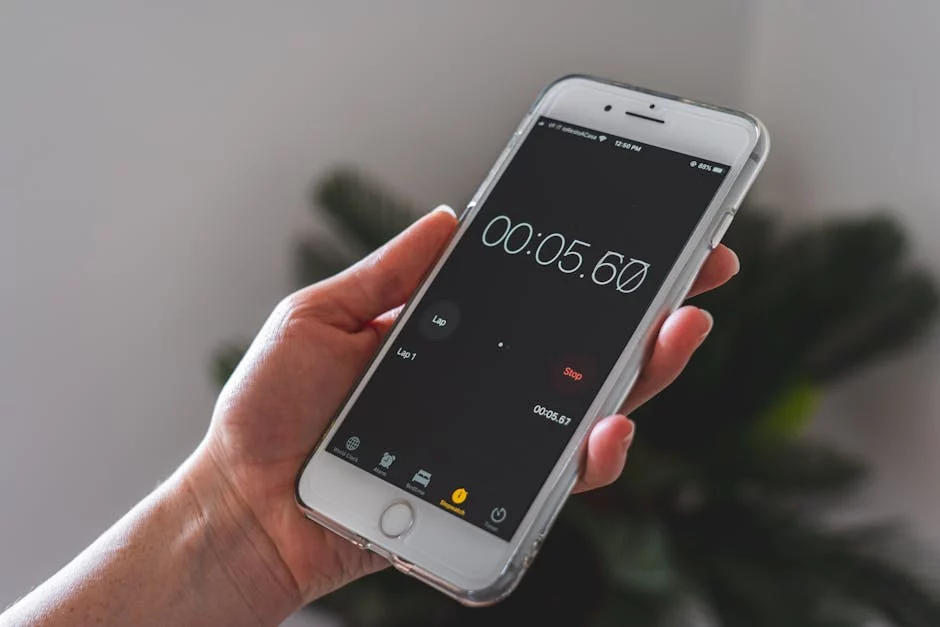
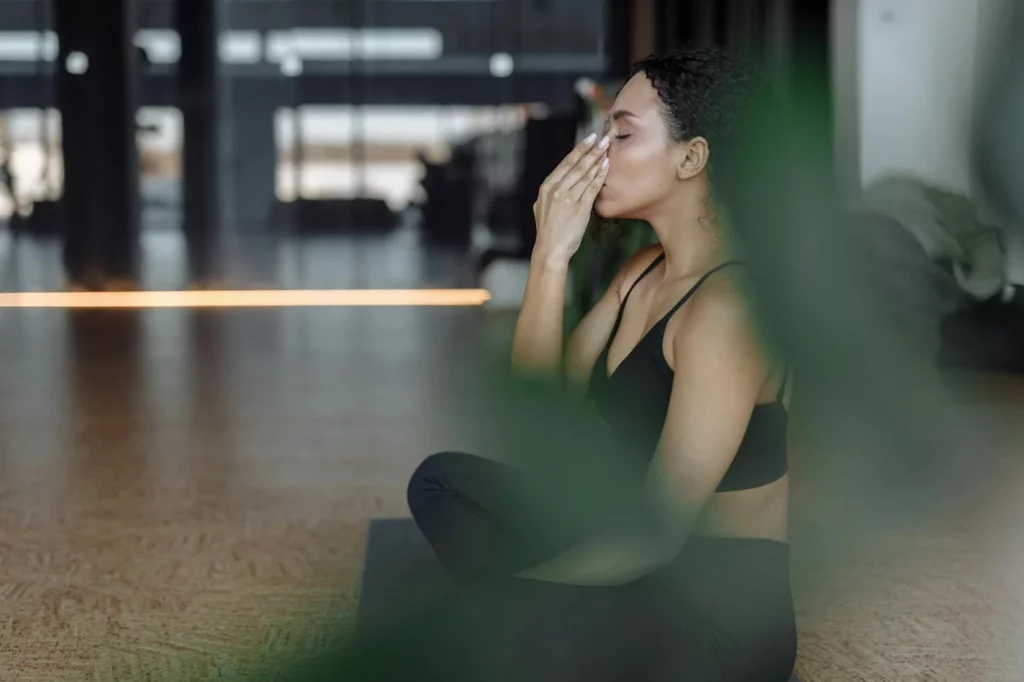
You want relief now, not a lecture. This guide gives you stress reduction techniques for anxiety that work on different timelines: what to do in the next 30 seconds, the next 5 minutes, later today, and over the long run. If your brain is buzzing or your body feels stuck on high alert, these stress reduction techniques for anxiety are meant to help you steady yourself fast — and yes, we’ll start with breathing tools like box breathing vs 4-7-8 because they’re simple and surprisingly effective.
Here’s the part that trips people up: stress and anxiety overlap, but they’re not the same thing. Stress usually starts with a demand or pressure outside you, while anxiety can keep going even when the trigger isn’t obvious — and does stress affect anxiety? Absolutely, often by amplifying a racing heart, tense muscles, shallow breathing, and worst-case thinking. The American Psychological Association’s overview of stress explains how ongoing stress can spill into both mind and body, which is why practical stress reduction techniques for anxiety matter so much.
So what will you actually learn here? The most useful stress reduction techniques for anxiety for real life: breathing patterns that calm your nervous system, grounding methods that pull you out of spirals, progressive muscle relaxation that lowers physical tension, and cognitive reframing that helps you challenge threat-heavy thoughts without pretending everything’s fine. We’ll also sort them by situation — home, work, nighttime, and social stress — and connect fast relief with daily habits like better sleep, because your sleep, stress, memory, and focus are more connected than most people realize.
I’m a software engineer, not a clinician, and I care a lot about tools that are practical enough to use when you’re overwhelmed. This article is educational, not medical advice, and if your symptoms are severe, frequent, or getting in the way of daily life, please talk with a qualified healthcare professional.
📑 Table of Contents
- Stress reduction techniques for anxiety: what stress is, what anxiety is, and why they overlap
- What helps right now: the fastest stress reduction techniques for anxiety
- How to lower stress in 5 minutes: a step-by-step reset for home, work, or school
- Best stress management techniques for social anxiety and everyday overload
- Daily habits and cognitive stress reduction techniques for anxiety that lower your baseline
- Common mistakes to avoid with stress reduction techniques for anxiety, plus the 5 R's and when to seek help
- Frequently Asked Questions
- Conclusion
Stress reduction techniques for anxiety: what stress is, what anxiety is, and why they overlap
Before getting into the fastest tools, here’s the core idea: stress reduction techniques for anxiety work best when you match them to the moment. Some help in 30 seconds, some in 5 minutes, and some lower your baseline over days and weeks — which is why comparing box breathing vs 4-7-8 can be useful, but not every breathing method works for every person. For more on stress and sleep, see our stress and sleep guide.
And yes, that matters. No single technique works for everyone, and some breathing exercises can feel uncomfortable or even increase panic in some people.
Stress vs. anxiety in plain English
Stress vs anxiety is easier to understand with one example. Stress is the tight, urgent feeling before a deadline, hard conversation, or exam; anxiety is lying awake replaying everything after the deadline is over, or worrying about what might go wrong next week.
So what’s the difference? Stress is usually tied to a current demand or threat. Anxiety can stick around even when the trigger is vague, future-focused, or hard to name.
But wait. They overlap all the time, which is exactly why people search for stress reduction techniques for anxiety instead of treating them as separate boxes. When your body feels activated and your mind starts predicting danger, stress and anxiety can feed each other fast.
How stress can make anxiety worse
Does stress affect anxiety? Yes — evidence indicates chronic stress can trigger or worsen anxiety symptoms by keeping your nervous system on high alert. According to the National Institute of Mental Health on stress and guidance from the American Psychological Association on anxiety, the body’s fight or flight response raises arousal quickly and can make normal sensations feel threatening.
Here’s the simple version. Adrenaline rises within seconds. Cortisol and other stress hormones can stay elevated longer, heart rate goes up, muscles tense, and attention narrows toward possible danger.
- Fast body alarm: adrenaline, sweating, shaky hands
- Longer stress load: cortisol, poor sleep, irritability
- Mental effect: more scanning, more “what if” thinking
This article is educational, not medical advice or a diagnosis. If your symptoms are severe, frequent, worsening, or disabling, consult a licensed healthcare professional.
What this guide will help you do right now
Personally, I think this is the part most pages miss. Good stress reduction techniques for anxiety should be organized by timeframe, not dumped into one generic list.
In the next sections, you’ll learn nine options: physiological sigh, box breathing, the 3-3-3 rule, grounding, progressive muscle relaxation, movement, cognitive reframing, sleep/caffeine habits, and social-event coping. For daily baseline support, sleep matters a lot, which I cover more in sleep, stress, memory, and focus.
Three goals matter: how to reduce anxiety stress in 30 to 90 seconds, how to reset in 5 minutes, and how to reduce stress and anxiety immediately without pretending long-term habits don’t matter. Which brings us to the practical part — what helps right now, fastest.
What helps right now: the fastest stress reduction techniques for anxiety
Now that the overlap is clearer, here’s the practical part: the fastest stress reduction techniques for anxiety are the ones you can do in 30 to 90 seconds, right where you are. If your heart starts racing after a stressful email or right before a presentation, you don’t need a perfect routine — you need something simple that works now.
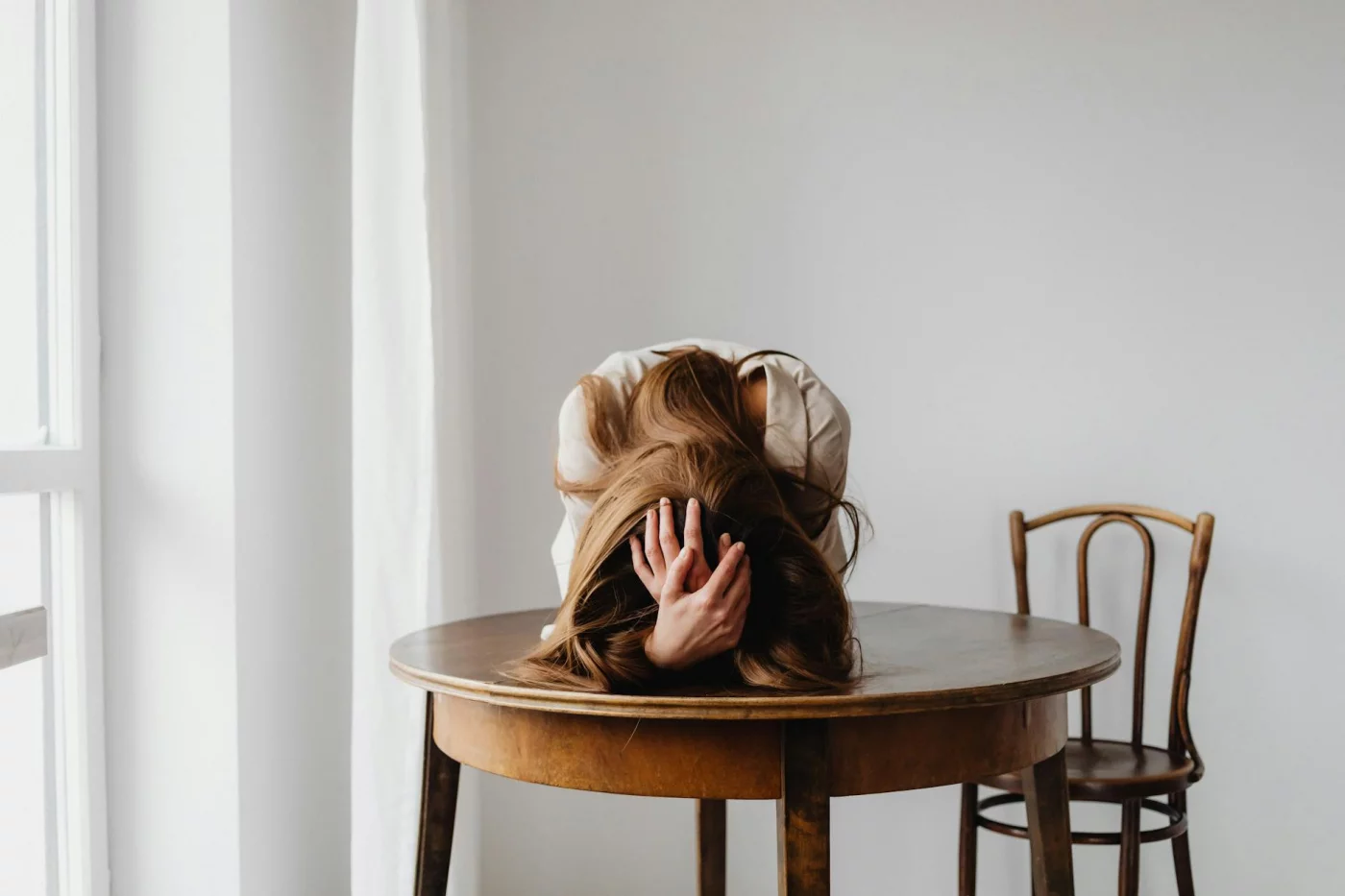
Personally, I think this is where most advice gets too vague. These stress reduction techniques for anxiety are best chosen by situation: breathing for rising arousal, grounding for racing thoughts, and muscle relaxation for a body that feels locked up.
📋 Quick Reference
Fastest picks by problem: racing thoughts = 3-3-3 rule or sensory grounding; tight jaw, chest, or shoulders = progressive muscle relaxation; pre-meeting or pre-presentation nerves = slow exhale breathing; social anxiety in class or at work = 3-3-3 plus looking outward.
Best time window: 30 seconds to 2 minutes. Try one technique for 1 minute before switching.
If breathwork makes you feel worse: skip it and use grounding instead.
Technique 1-2: Physiological sigh, slow exhale, and box breathing
If you want to know how to reduce stress and anxiety immediately, start with your exhale. Research on slow breathing suggests that longer exhales can help shift the body toward a calmer state by nudging your nervous system away from high alert; for a practical overview, see box breathing vs 4-7-8 and broader research on slow breathing and autonomic regulation.
The physiological sigh is simple: take one inhale through your nose, then a second short inhale on top of it, then one long slow exhale through your mouth. Do 1 to 3 rounds. Not 30. This is one of the most useful stress reduction techniques for anxiety when your chest feels tight or your breathing gets choppy at home.
Box breathing is more structured: inhale for 4, hold for 4, exhale for 4, hold for 4, and repeat for 4 cycles. If 4 seconds feels too long, use 3-3-3-3. And if breath-holds make you more uneasy, skip them — well, actually, skip the whole pattern and go straight to grounding.
Technique 3-4: The 3-3-3 rule and grounding with the senses
What is the 3-3-3 rule for anxiety? Name 3 things you see, 3 sounds you hear, and move 3 body parts. That’s it. It works by pulling attention out of your internal alarm system and back into the room around you.
This is one of the best stress reduction techniques for anxiety when your thoughts are spiraling but your body isn’t the main issue. Sitting in class and suddenly blanking out? On a commute and replaying an awkward conversation? Use 3-3-3 quietly without anyone noticing.
If you need a longer reset, try sensory grounding: 5 things you see, 4 you feel, 3 you hear, 2 you smell, 1 you taste. The American Psychological Association describes grounding and attention-shifting skills as useful ways to interrupt anxious spirals; see APA resources on anxiety for context. And yes, for people who hate breath-focused exercises, grounding with the senses often works better.
- Before a presentation: use 3-3-3, then one slow exhale
- After a stressful email: look away from the screen and do 5-4-3-2-1
- In a social situation: name 3 things in the room, not in your head
Technique 5: Progressive muscle relaxation for physical tension
If your anxiety shows up in your body first, use progressive muscle relaxation. Tense your shoulders for 5 seconds, then release for 10. Do the same with your fists, jaw, and legs. The whole thing takes 60 to 90 seconds.
This is a better fit than breathing when you notice a clenched jaw, tight chest, headache, shallow breathing, or restless legs. Speaking of which — if stress is wrecking your nights too, it’s worth understanding the link between sleep, stress, memory, and focus.
Which fast technique should you choose?
Here’s the shortcut most pages miss: different stress reduction techniques for anxiety solve different problems. Racing thoughts? Use grounding. Physical tension? Use muscle relaxation. Pre-meeting nerves or that “I’m about to speak” jolt? Use slow exhale breathing.
- Racing thoughts: 3-3-3 rule or 5-4-3-2-1 grounding
- Tight body: progressive muscle relaxation
- Pre-meeting or presentation nerves: physiological sigh or slow exhale
- Social anxiety: 3-3-3 plus an external focus, like noticing colors or voices in the room
Thing is, you may need to test 2 or 3 stress reduction techniques for anxiety before finding your best fit. But once you know whether your pattern is mental, physical, or social, it gets much easier to know how to relieve stress quickly. Next, I’ll show you how to turn these tools into a simple 5-minute reset you can use at home, work, or school.
How to lower stress in 5 minutes: a step-by-step reset for home, work, or school
If the last section was about what helps right now, this is the version you can actually repeat. These stress reduction techniques for anxiety give you one 5-minute reset you can use before an exam, after a tense meeting, during a concentration crash, or when your body starts acting like danger is close.
A 5-minute reset routine that actually fits real life
Five minutes matters because it’s short enough that you’ll do it and long enough to interrupt a spiral. Personally, I think that’s why most advice fails: it asks too much when your brain is already overloaded.
Research on slow breathing and downshifting physiological arousal suggests even brief practice can lower perceived stress and help you regain control, especially when paired with grounding. If breathing exercises help you, compare patterns like box breathing vs 4-7-8 and keep one simple option ready before you need it.
And here’s the kicker — this isn’t meant to solve every cause of stress. It’s a bridge between immediate relief and longer-term stress reduction techniques for anxiety, especially when work overload, constant notifications, skipped meals, or slumped posture are quietly pushing your nervous system higher all day.
At work or school, stress often feels “mental,” but your body keeps score. A buzzing phone, three half-finished tasks, lunch you skipped, and shoulders up by your ears can all make ordinary pressure feel like an emergency.
How to do the 5-minute reset
- Step 1: Breathe for 60 seconds. Exhale longer than you inhale. Try 3-4 seconds in and 5-6 seconds out. If breathwork makes you dizzy, skip it and hum softly or count backward by threes instead.
- Step 2: Orient for 60 seconds. Look around and name where you are. Notice the light, the exits, two stable objects, and three sounds. This tells your brain, “I’m here, not trapped.”
- Step 3: Unclench for 60 seconds. Drop your jaw. Lower your shoulders. Open your hands. Soften your stomach. Most people miss this part, but muscle tension feeds threat signals back to the brain.
- Step 4: Move for 60 seconds. Stand if you’ve been sitting. Walk to the door and back, shake out your arms, or stretch your calves against a wall. Small movement helps discharge stress without needing a full workout.
- Step 5: Reframe for 60 seconds. Finish this sentence: “The next helpful action is…” Not the perfect action. Just the next one. That might be drinking water, emailing one sentence, or opening your notes to page one.
How to do the 5-minute reset
Want examples? Before an exam, Step 5 might be “read the first question slowly.” After conflict at work, it might be “wait 10 minutes before replying.” During a midday crash, especially if you’re dealing with the pattern explained in why you can’t focus after lunch, the next helpful action may be water, food, and 2 minutes away from your screen.
For work and school, structure reduces uncertainty. If task overload is the trigger, use this reset and then choose one planning method — not five. A simple system like pomodoro vs time blocking can reduce the background stress that comes from constantly deciding what to do next.
- Silence nonessential notifications for 10 minutes.
- Eat something if you’ve skipped a meal and feel shaky or foggy.
- Check posture: feet on floor, screen at eye level, shoulders down.
That’s what makes these stress reduction techniques for anxiety practical. They don’t just calm you down; they remove inputs that keep winding you up again.
What to do if panic symptoms are building
If panic symptoms seem to be building, don’t force deep breaths if that makes things worse. Well, actually, that’s one of the biggest mistakes people make. For some people, exaggerated breathing increases dizziness and makes the episode feel more alarming.
Instead, try grounding first: put both feet on the floor, press your hands into your thighs, run cool water over your hands, and reduce stimulation if you can. Dim the screen. Sit down. Face one object and describe it in detail. These stress reduction techniques for anxiety work best when you stop adding more sensory load.
If you have chest pain, fainting, severe shortness of breath, or any danger to yourself or others, seek urgent medical help rather than relying on self-help tools. And if panic-like episodes are frequent, intense, or hard to predict, consult a qualified healthcare professional for evaluation; persistent symptoms deserve more than a quick reset.
Use this routine when you need to know how to lower stress in 5 minutes, then build from there. Next, which stress reduction techniques for anxiety work best for social anxiety and everyday overload?
Best stress management techniques for social anxiety and everyday overload
The 5-minute reset helps you get through the spike. But for social situations and overloaded workdays, the best stress reduction techniques for anxiety also need to handle anticipation, attention, and recovery.

Thing is, social anxiety often starts before you even walk in. Then everyday overload piles on, and your brain treats a meeting, class comment, or networking chat like a threat.
Before the event: reduce anticipatory anxiety
If you tend to spiral before a conversation, keep the plan small. The most useful stress management techniques for social anxiety are boring on purpose, because simple routines beat mental over-analysis when your body is already revved up.
A solid 10-minute pre-event routine looks like this:
- Skip extra caffeine for 1-2 hours beforehand if you’re already jittery
- Arrive 10 minutes early to reduce uncertainty and sensory overload
- Pick one grounding cue, like feeling both feet in your shoes
- Prepare 2 easy opening questions
Why arrive early? Because uncertainty is fuel for anticipatory anxiety. A few extra minutes lets your nervous system map the room, adjust to noise, and stop treating every new sound or face as urgent.
And yes, breathing can help. If you want a fast option before a meeting or class discussion, compare box breathing vs 4-7-8 and pick one pattern before you need it, not while panicking.
Two opening questions are enough. Try: “How’s your week going?” or “What did you think of the presentation?” If you’re wondering how to calm social anxiety before talking to people, this is it: reduce choices, reduce stimulation, and stop rehearsing 14 possible conversations that won’t happen.
During the event: stay anchored in the conversation
In the moment, stress reduction techniques for anxiety work better when they shift attention outward. Research on social anxiety consistently finds that self-focused attention—monitoring your heartbeat, face, voice, or awkwardness—tends to maintain anxiety, while external attention can reduce it.
So don’t ask, “How am I coming across?” Ask, “What is this person actually saying?” Notice one concrete detail: their eye color, tone, or one idea they just mentioned. Small shift, big effect.
A practical script helps:
- Ask: “How’s your week going?”
- Reflect: “Sounds like you’ve been slammed with deadlines.”
- Follow up: “What’s taking most of your time right now?”
This gives you a job. And jobs calm the brain better than vague advice like “be confident.” These stress reduction skills for social anxiety are especially useful in meetings, group projects, class participation, and networking, where the pressure to perform can pull you back into self-monitoring.
For persistent symptoms, though, self-help has limits. Evidence-based treatment for social anxiety often includes exposure-based therapy and cognitive strategies; the National Institute of Mental Health and the American Psychological Association both describe exposure as a core approach for anxiety-related avoidance.
From experience: what tends to work better than “just relax”
After building learning tools and watching how people respond under pressure, I’ve noticed something simple: people often try to think their way out of a body-state problem. Well, actually, in the moment, body-first stress reduction techniques for anxiety usually work faster.
Personally, I think most people need fewer choices, not more advice. When you’re flooded, don’t give yourself a menu of 12 coping methods. Use one tiny plan:
- One breathing cue
- One grounding cue
- One exit line
- One recovery action after the event
That kind of structure is often more useful than “just relax.” And for the best stress reduction skills for social anxiety disorder, coping tools work best alongside gradual exposure, not as a way to avoid every hard situation.
Work and school overload: reduce the stressors feeding anxiety
Now this is where it gets interesting. A lot of what feels like anxiety is amplified by overload: too many tabs, too many messages, too little recovery, and a backlog of avoided tasks.
If your stress spikes before difficult emails, meetings, or class discussions, reduce the background load first. Three things matter: boundaries, attention, and energy. If work keeps bleeding into everything else, learn how to set personal boundaries at work so chronic stress stops feeding social threat sensitivity.
Try these managing stress skills for anxiety during work or school:
- Keep only 1-3 tabs open for the task you’re doing
- Batch messages at set times instead of checking constantly
- Use short work intervals when you’re overloaded
- Draft difficult emails in plain language first, then edit once
But wait. Midday fatigue matters too. When your brain is tired, neutral social situations can feel harsher, and small mistakes feel bigger than they are.
So the next section zooms out from in-the-moment relief to daily habits and cognitive stress reduction techniques for anxiety that lower your baseline before the next trigger even starts.
Daily habits and cognitive stress reduction techniques for anxiety that lower your baseline
The last section focused on what to do when stress is already spiking. Now we shift to prevention, because the best stress reduction techniques for anxiety often work before your day goes sideways.
Thing is, baseline stress matters. When your brain is underslept, overstimulated, underfed, or running on caffeine and adrenaline, normal problems feel bigger than they are.
Sleep, caffeine, movement, and screens
If you want daily habits that reduce stress and anxiety naturally, start with sleep. Research consistently shows that poor sleep raises emotional reactivity the next day and makes threat cues feel more intense, which is one reason sleep, stress, memory, and focus are so tightly linked.
And no, this isn’t about chasing perfect sleep. It’s about giving your nervous system regulation a fair shot by keeping a reasonably steady sleep window and protecting the hour before bed from stimulation.
A practical target: cut screens 30 to 60 minutes before sleep, dim overhead lights, and stop doomscrolling when you notice your body getting more alert instead of more tired. Sleep and anxiety feed each other, so even a small wind-down routine can lower next-day reactivity.
Caffeine is another common amplifier. If you’re sensitive, had a bad night, or tend to get shaky, no caffeine after early afternoon is a smart rule, and avoid drinking it on an empty stomach if anxiety is already high.
Why does this help? Caffeine can increase heart rate, jitteriness, and the exact body sensations many anxious people misread as danger.
Movement helps too. A 10-minute walk after meals, a few flights of stairs, or short mobility breaks can reduce physical tension and support stress reduction techniques for anxiety without needing a full workout.
- Keep caffeine earlier in the day, especially if you’re sensitive
- Take 5- to 10-minute movement breaks every few hours
- Use a 30- to 60-minute screen wind-down before bed
- Don’t skip meals when stress is already high
Small routines that lower baseline stress
Personally, I think habit stacking is where this gets easier. You don’t need a wellness overhaul; you need a few repeatable anchors that make your brain less reactive by default.
Try four basics: morning light within an hour of waking, regular meals, one daily walk, and a simple shutdown routine at night. Those are boring on paper, but they’re some of the most reliable stress reduction techniques for anxiety because they reduce decision fatigue and smooth out your day.
Regular meals matter more than most people think. Long gaps without eating can make you feel wired, irritable, or lightheaded, and then your brain starts building an anxiety story around a body problem.
Quick recovery counts too. A short nap, quiet time without notifications, or ten minutes of progressive muscle relaxation can reset your stress level better than another hour of scrolling.
Evidence-based tools fit here as well. Mindfulness training, progressive muscle relaxation, and other stress management and relaxation techniques for anxiety have solid support in clinical research, especially when practiced consistently rather than only in crisis mode.
Cognitive techniques that stop stress from making anxiety worse
Now this is where it gets interesting. Stress doesn’t just change how your body feels; it also changes how certain your thoughts seem.
A simple CBT-based reframe can interrupt that spiral. Ask two questions: “What am I predicting?” and “What’s more likely, and what would I do if that happened?”
Example one: social anxiety. Instead of “Everyone will think I’m awkward,” name the prediction, then test it: “A few moments may feel awkward, but most people will be focused on themselves, and I can ask one question to keep the conversation moving.”
Example two: work mistakes. “If I send this imperfect draft, I’ll look incompetent” becomes “It may need edits, which is normal, and I can fix specific feedback.” That’s cognitive reframing, not fake positivity.
Example three: nighttime worry. “If I don’t sleep right now, tomorrow will be ruined” shifts to “Tomorrow may be harder, but I’ve handled tired days before.” Which thought will calm your system faster?
One more piece: reduce avoidance with tiny next actions. If anxiety says “don’t open the email” or “don’t start the task,” make the next step absurdly small—open the document, write one line, reply with one sentence. These stress reduction techniques for anxiety work because action gives your brain new evidence.
Well, actually, that’s the pattern behind many simple anxiety management techniques: name the thought, lower the certainty, and do the smallest useful thing anyway. In the next section, we’ll cover the mistakes that make stress reduction techniques for anxiety backfire, plus the 5 R’s and when it’s time to get extra help.
Common mistakes to avoid with stress reduction techniques for anxiety, plus the 5 R’s and when to seek help
The last section covered habits that lower your baseline. But even good stress reduction techniques for anxiety can backfire if you use them at the wrong time, in the wrong way, or with the wrong expectations.
This is the part most people get wrong. They assume more techniques means better results, when usually the win comes from using a few stress reduction techniques for anxiety consistently and early.
Common mistakes that can backfire
Mistake 1: forcing deep breaths when they make you dizzy. If you’re breathing hard, fast, or trying to “fill your lungs” over and over, you may be over-breathing, which can lower carbon dioxide and make lightheadedness, tingling, and chest tightness feel worse. In that case, slower and smaller breaths often work better than bigger ones, which is why comparing methods like box breathing vs 4-7-8 can help you pick a gentler option.
Mistake 2: waiting until you’re at a 9 out of 10 stress level to practice. Stress reduction techniques for anxiety work best when your brain can still learn from them. If you only use them in full panic mode, your body never gets enough low-stakes reps to build trust.
Mistake 3: using reassurance-seeking as your main coping strategy. Asking “Am I OK?” ten times, checking symptoms, or googling every sensation may calm you for five minutes, but it teaches your brain that uncertainty is dangerous. And here’s the kicker — that loop usually grows anxiety, not safety.
Mistake 4: ignoring sleep, caffeine, and overload while expecting one technique to fix everything. A 2023 review in World Journal of Psychiatry found strong links between sleep disturbance and anxiety symptoms, and the CDC also notes that sleep loss can worsen emotional regulation. So yes, stress reduction techniques for anxiety matter, but they work better when you also cut obvious fuel sources like late caffeine, constant notifications, and overpacked schedules.
- Practice before crisis, not only during it.
- Choose 2-3 tools, not 10 at once.
- Treat symptoms as signals, not automatic danger.
- Support the basics: sleep, food, movement, and workload.
What are the 5 R’s of stress management?
If you’ve wondered what are the 5 R’s of stress management, here’s the simplest version I know. Think of them as a sequence, not five random stress management techniques.
- Recognize — notice the trigger and name what is happening. Example: “My heart is racing because I’m overloaded before this meeting.”
- Regulate — calm the body first with one short tool. Example: exhale longer than you inhale for 60 seconds.
- Reframe — question the thought, not the feeling. Example: “This is uncomfortable, but not proof I’m in danger.”
- Reduce — remove one stressor you can control. Example: close three tabs, delay one task, silence your phone.
- Recover — restore with sleep, movement, food, or connection. Example: take a 10-minute walk and go to bed on time.
That sequence turns vague managing stress skills for anxiety into something usable. Well, actually, it also solves a common problem: people try to reframe before they regulate, when their body is too activated to listen.
When self-help is not enough
Sometimes self-help helps. Sometimes it doesn’t, and you shouldn’t have to guess when to seek professional help.
Please reach out to a qualified mental health professional or healthcare provider if anxiety is frequent, worsening, or disrupting sleep, school, work, or relationships. The same applies if you’re having panic attacks, constant dread, severe insomnia, relying on alcohol or drugs to cope, avoiding normal activities, or dealing with symptoms that last for weeks and keep intensifying.
For trusted next steps, see NIMH’s anxiety disorders overview, Mayo Clinic’s anxiety symptoms guide, and CDC advice on coping with stress. If you’re wondering how to deal with extreme stress and anxiety, those are solid starting points.
Quick Reference: your simple plan for this week
📋 Quick Reference
Keep your plan small. Pick one immediate tool, one 5-minute reset, one daily habit, and one strategy for stressful social or work moments.
- Immediate tool: one minute of longer exhales or grounding with 5 things you can see.
- 5-minute reset: step away, loosen your jaw and shoulders, walk, then write the next single action.
- Daily habit: protect sleep timing, cap afternoon caffeine, and practice your chosen tool before stress spikes.
- Social-event strategy: decide your exit plan, arrive with one conversation starter, and take a short reset break before you’re overwhelmed.
Personally, I think this is the sweet spot: simple enough to repeat, strong enough to matter. Use these stress reduction techniques for anxiety for one week before judging them, and track what actually changes — body tension, sleep, avoidance, and recovery time.
If you want the shortest possible next step, choose one fast technique, one 5-minute reset, and one daily habit to practice this week. That gives your stress reduction techniques for anxiety a real chance to work instead of becoming another abandoned list, which brings us to the most common questions people still have.
Frequently Asked Questions
Does stress affect anxiety, or are they separate problems?
Yes — does stress affect anxiety? Absolutely. Stress can intensify anxiety by keeping your nervous system in a threat-ready state, which makes symptoms like racing thoughts, tight muscles, and a fast heartbeat feel stronger. In simple terms, stress is often tied to a current demand like deadlines or conflict, while anxiety can keep going even when there isn’t a clear immediate trigger. And here’s the kicker — chronic stress, poor sleep, and constant overstimulation can all raise your baseline arousal, which is why stress reduction techniques for anxiety often help even when the anxiety feels bigger than the original stressor.
How do you reduce stress and anxiety immediately when your heart is racing?
If you’re wondering how to reduce stress and anxiety immediately, start with one body-based tool first: make your exhale longer than your inhale, try a grounding exercise, or slowly tense and release muscle groups. Don’t force huge deep breaths if they make you feel more dizzy or panicky — for some people, that backfires. Instead, lower stimulation, look around the room, plant your feet, and pick one next action like sitting down, sipping water, or stepping outside. These are simple but effective stress reduction techniques for anxiety, especially when your body is already revved up.
How do you relieve stress quickly at home without special tools?
For how to relieve stress quickly at home, use a 5-minute reset: breathe, orient, unclench, move, reframe. Breathe out slowly for 6-8 seconds, look around and name what you see, relax your jaw and hands, walk for 1-2 minutes or shake out tension, then replace “I can’t handle this” with “I only need the next step.” Home-friendly stress reduction techniques for anxiety also include cool water on your hands, a short walk outside, or lying on the floor with bent knees to help your body settle.
What is the 3-3-3 rule for anxiety, and when should you use it?
What is the 3-3-3 rule for anxiety? It’s a grounding exercise where you name 3 things you see, 3 sounds you hear, and move 3 body parts, such as your fingers, shoulders, and feet. It’s most useful when your thoughts are spiraling, you feel unreal or detached, or your attention has collapsed inward onto symptoms. Personally, I think of it as one of the simplest stress reduction techniques for anxiety because it pulls your brain back to the present — but it’s a grounding tool, not a cure-all.
How do you lower stress in 5 minutes at work or school?
If you need how to lower stress in 5 minutes, keep it discreet: slow your exhale, orient to the room, drop your shoulders, unclench your jaw, stand up or walk briefly, then choose one next task. Common triggers at work or school include overload, nonstop notifications, dehydration, and skipped meals — and yes, those small things add up fast. One of the most practical stress reduction techniques for anxiety is reducing decision load before the next spike by time-blocking, silencing alerts, and keeping a short task list. If you want help structuring that, try FreeBrain’s study and planning tools at FreeBrain.
What are some stress management techniques for social anxiety before talking to people?
Good stress management techniques for social anxiety start before the conversation: have less caffeine, arrive a few minutes early, and prepare 2 simple opening questions so your brain isn’t improvising under pressure. During the interaction, focus outward on the other person — what they’re saying, their tone, your next question — instead of monitoring every symptom in your body. These outward-focused stress reduction techniques for anxiety can lower anticipatory anxiety, but if social anxiety is persistent or limiting your life, evidence-based support like CBT or exposure therapy can help; the National Institute of Mental Health has a solid overview.
What are the 5 R’s of stress management in simple terms?
If you’re asking what are the 5 R’s of stress management, here’s the simple version: Recognize what’s happening (“I’m overloaded”), Regulate your body (slow exhale), Reframe the thought (“This is hard, not dangerous”), Reduce the pressure (cut one task or one input), and Recover afterward (sleep, food, quiet, movement). It’s short, but it works. And honestly, these five steps cover many of the best stress reduction techniques for anxiety because they deal with both the body and the situation.
When should you seek professional help for stress and anxiety?
If you’re wondering when to seek professional help, get support when stress or anxiety is severe, frequent, getting worse, or interfering with sleep, school, work, or relationships. Common signs include panic attacks, avoidance, constant dread, trouble concentrating, and feeling like your coping tools aren’t working anymore. Stress reduction techniques for anxiety can help, but they aren’t a substitute for care when symptoms are persistent. Seek immediate help right away if there’s suicidal thinking, self-harm risk, chest pain that could be medical, fainting, or you feel unable to keep yourself safe.
Conclusion: Start Small, Get Relief Fast
If you remember just four things, make it these. First, use fast body-based resets when your system is overloaded: slow exhale breathing, grounding with your senses, unclenching your jaw and shoulders, and a 5-minute movement break. Second, match the tool to the moment — social anxiety often responds better to preparation and attention-shifting, while everyday overload improves when you reduce inputs and do one next task. Third, lower your baseline with daily habits that actually move the needle: consistent sleep, regular exercise, caffeine awareness, and brief cognitive check-ins. And fourth, don’t sabotage your progress by expecting stress reduction techniques for anxiety to erase every feeling instantly; the goal is to get steadier, not perfectly calm.
And yes, this can get better. If your mind feels loud all the time, that doesn’t mean you’re doing life wrong. It usually means your nervous system needs simpler, repeatable support. Personally, I think this is the part most people miss: the best stress reduction techniques for anxiety are the ones you can remember and use under pressure, not the ones that sound impressive on paper. Pick one 60-second tool, one 5-minute reset, and one daily habit. That’s enough to start.
Which brings us to your next step: keep building your system. On FreeBrain.net, you can explore more practical strategies in How to Reduce Stress Quickly and How to Stop Overthinking. Use what fits, test it in real life, and come back to refine your approach. The most effective stress reduction techniques for anxiety are the ones you practice before the next hard moment hits — so choose one and start today.