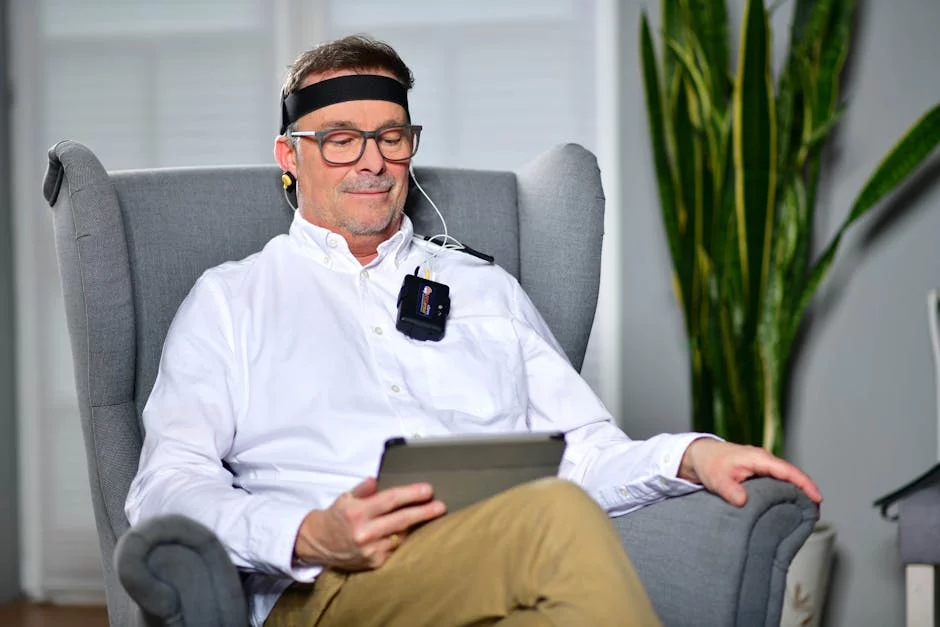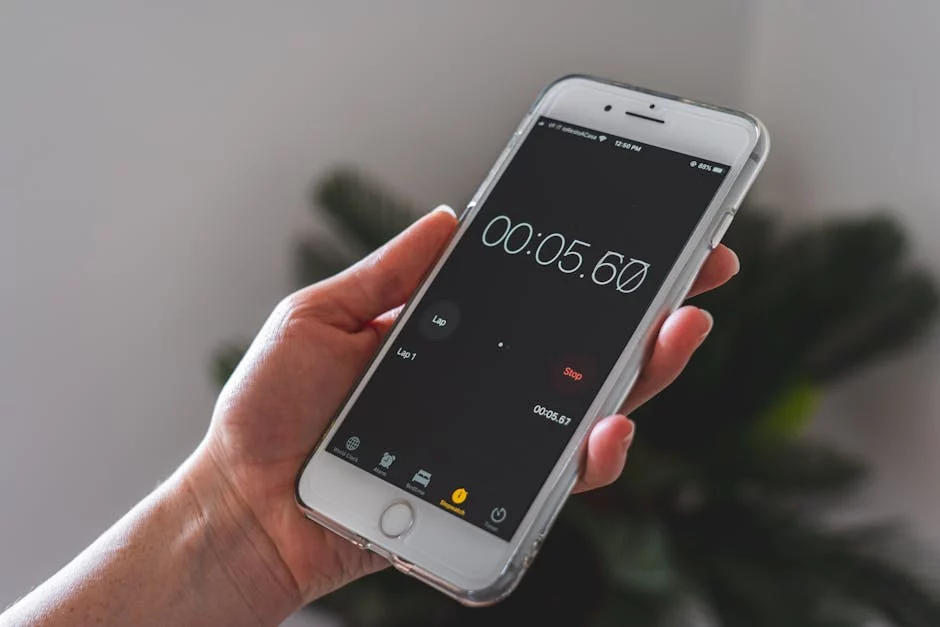
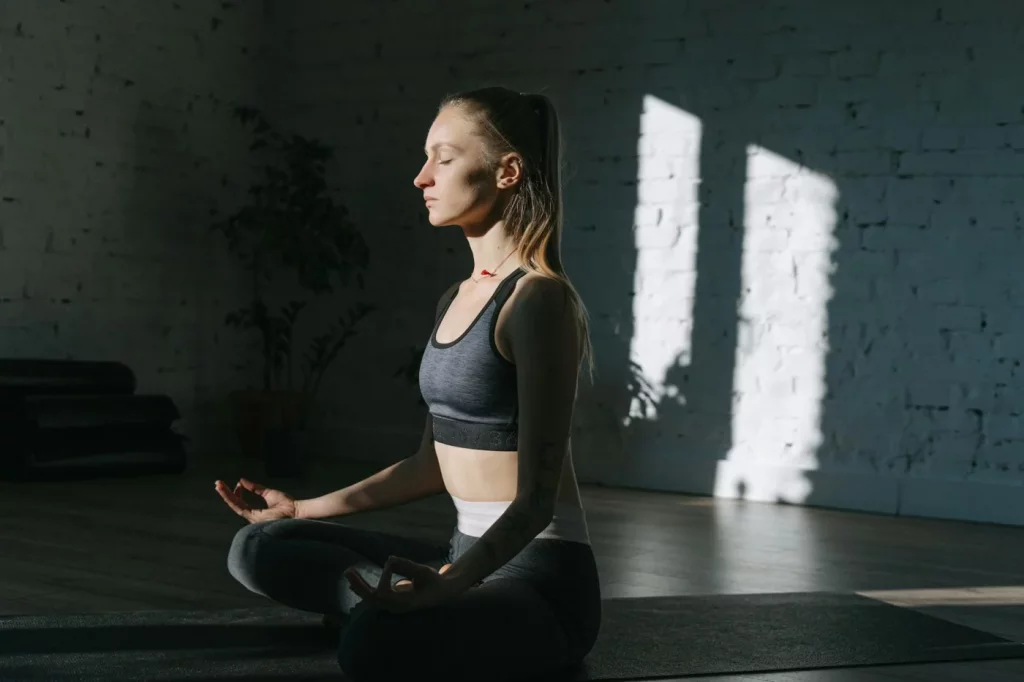
If you searched for the Google breathing tool because you need relief right now, here’s the short answer: yes, it can help. Simple breathing exercises for stress can lower your sense of tension within 1 to 5 minutes, and the Google breathing exercise is one of the easiest places to start. But wait — it’s a quick calming tool, not a cure for panic disorder, burnout, or chronic stress. If you need broader fast-relief ideas too, start with these ways to reduce anxiety immediately.
You probably know the feeling. Your chest gets tight, your thoughts speed up, and even a small task suddenly feels weirdly hard. And then you wonder: can Google breathing exercise reduce stress fast, or is it just another wellness gimmick? Research on slow breathing has been promising enough that organizations like the National Center for Complementary and Integrative Health on relaxation techniques include breath-based methods as legitimate relaxation practices.
So here’s the deal. This article will show you what the Google breathing exercise actually is, how to access it, and when it works best compared with box breathing, anxiety breathing 4-7-8, cyclic sighing, and resonant breathing. You’ll also get time-based breathing exercises for stress you can use in 30 seconds, 1 minute, 3 minutes, or 5 minutes — plus beginner fixes for dizziness, breath-hold discomfort, and that “this is making me more anxious” reaction.
I’m a software engineer, not a clinician, and I spend a lot of time building FreeBrain tools for self-learners who need practical methods that work under pressure. Personally, I think that matters, because most people don’t need vague advice — they need breathing exercises for stress that are simple enough to use before studying, during a work spiral, or right after a stressful notification. Which brings us to the bigger picture: breathing helps most when it’s part of a wider set of stress reduction techniques, and I’ll show you exactly where it fits.
📑 Table of Contents
- Quick answer: can Google breathing exercise reduce stress fast?
- What the Google breathing exercise is and how to use it for stress
- How breathing exercises for stress work fast in your body
- How to choose the best breathing exercise for stress based on how you feel
- 5 breathing exercises for stress fast: step-by-step routines
- Box breathing vs 4-7-8 vs cyclic sighing vs paced breathing: which is best?
- Real-world application: breathing exercises for stress before studying, work, sleep, or public anxiety
- Common mistakes, why breathing exercises make you dizzy, and what to do next
- Frequently Asked Questions
- Can Google breathing exercise reduce stress fast?
- What is the Google breathing exercise?
- How fast does breathing reduce stress?
- Does box breathing work for anxiety?
- Is 4-7-8 breathing good for stress?
- Which breathing exercise works fastest for stress?
- Why do breathing exercises make me dizzy?
- What breathing technique is best for panic?
- Conclusion
Quick answer: can Google breathing exercise reduce stress fast?
So here’s the short version after the intro. Yes, the Google breathing exercise can help some people feel calmer within about 1 to 5 minutes, especially during mild to moderate stress, but it won’t reliably stop severe panic or fix chronic stress on its own. For more on stress and sleep, see our stress and sleep guide.
Most people asking about breathing exercises for stress mean the simple guided animation or timer that appears in Google Search, not a special medically validated treatment. If you need broader fast-relief options too, see how to reduce anxiety immediately and explore these wider stress reduction techniques because breathing works best as one tool, not the whole system.
Quick safety note: breathing exercises for stress are self-help tools, not medical treatment. If you have panic disorder, a trauma history, asthma or other respiratory issues, cardiovascular conditions, or you often get dizzy, talk with a qualified healthcare professional before trying breath-hold-heavy methods; the Mayo Clinic overview of box breathing is a useful general reference, and NCCIH guidance on relaxation techniques explains where self-help fits.
The 40-60 word answer for featured snippets
If you’re wondering, can google breathing exercise reduce stress fast, the answer is usually yes for mild stress: many people feel some relief in 1 to 5 minutes. How fast does breathing reduce stress? Often 30 seconds interrupts spiraling, 1 minute lowers mental overload, 3 minutes creates a noticeable reset, and 5 minutes helps you wind down.
When it helps most and when it will not be enough
As a software engineer building FreeBrain learning and focus tools, I test tiny resets that people can actually use between study blocks, before meetings, or when their brain feels noisy. And honestly, breathing exercises for stress work best when the goal is immediate downshifting, not total emotional shutdown.
- Best use cases: pre-study nerves, work tension, bedtime overactivation, and “I need to stop spiraling right now” moments.
- Less reliable: severe panic, trauma triggers, intense shortness of breath, or ongoing anxiety disorders without broader support.
- If you feel worse, more air-hungry, or dizzy, stop and switch to normal breathing.
What about the best breathing exercise for immediate stress relief? Usually, the simplest one you can follow without strain wins. For beginners, breathing exercises for stress are most effective when the exhale is slightly longer than the inhale and there are no aggressive breath holds.
Which brings us to the next question: what exactly is the Google breathing exercise, and how do you use it properly for stress?
What the Google breathing exercise is and how to use it for stress
If you need fast relief, this is one of the lowest-friction breathing exercises for stress you can try. And if breathing alone isn’t enough, start with these broader ways to reduce anxiety immediately and other evidence-based stress reduction techniques.
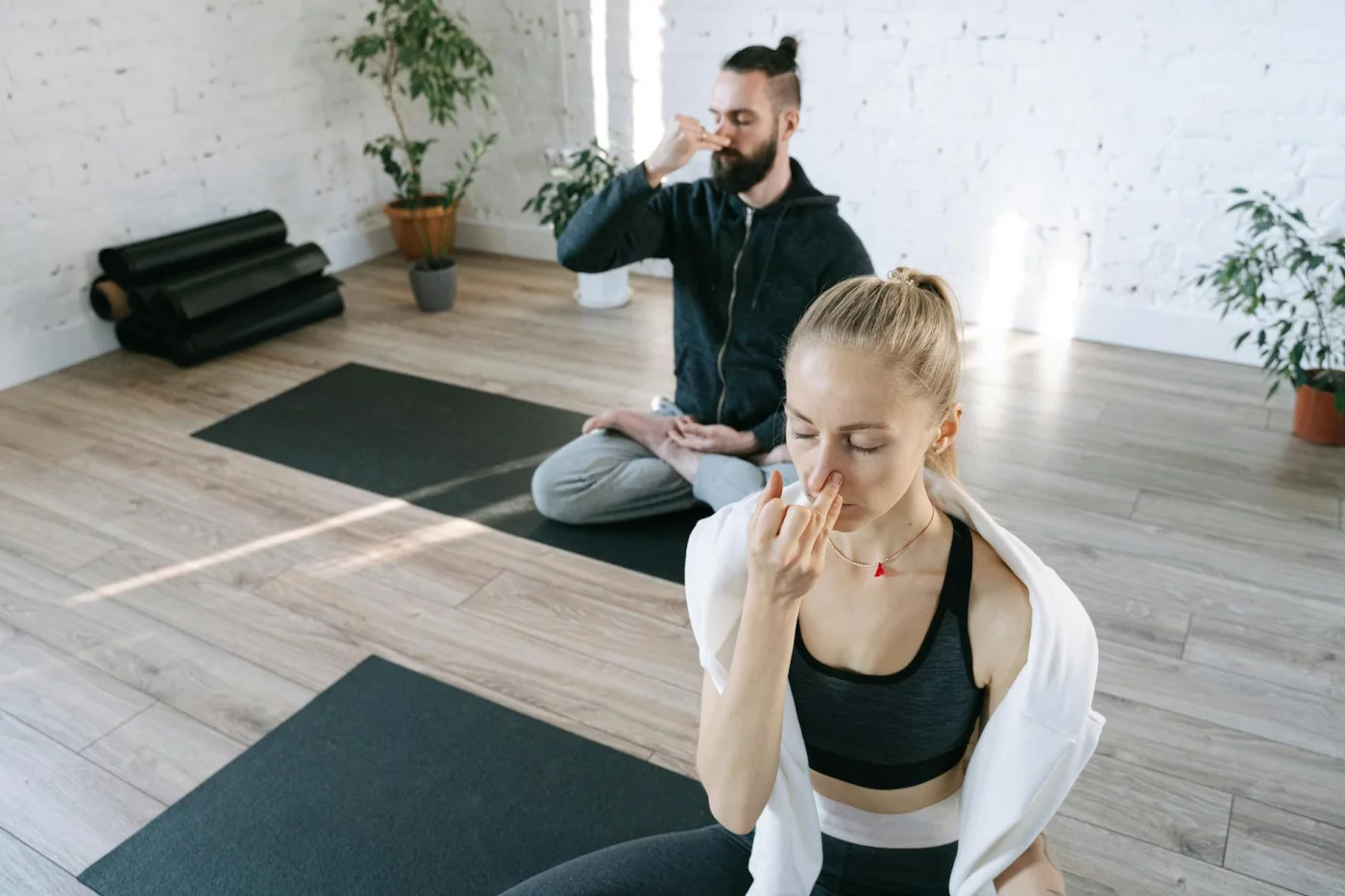
What users usually mean by Google breathing exercise
When people ask what is the google breathing exercise, they usually mean a simple guided breathing visual that sometimes appears right inside Google Search. It’s not a named method like box breathing or 4-7-8. It’s more like a built-in breathing timer that tells you when to inhale and exhale.
That distinction matters. Why? Because many people search “Google breathing exercise” when they’re already overwhelmed and want something immediate, not a long explanation of breathing exercises for stress. They want a familiar tool, on a device they already have, with zero setup.
Google’s version is useful for one reason above all: it reduces friction. No app install. No account. No decision fatigue. And when you’re stressed, that tiny reduction in effort can be the difference between actually doing guided breathing and just thinking about it.
Research on slow breathing suggests it can help shift your body toward a calmer state, especially when the exhale is slightly longer than the inhale. The American Psychological Association’s overview of the stress response explains why simple down-regulation tools can matter in the moment.
Step-by-step: how to access it in Google Search
OK wait, let me back up. The Google breathing prompt doesn’t show for every user, device, or region, so the exact interface can vary. Usually, though, how to use google breathing exercise is pretty simple.
How to access Google guided breathing
- Step 1: Open Google Search on your phone or browser.
- Step 2: Try search phrases like “breathing exercise,” “guided breathing,” “breathing timer,” or “google breathing exercise.”
- Step 3: Look for a built-in animation or prompt that guides inhale and exhale timing.
- Step 4: Follow the moving visual for 1 to 5 minutes without forcing deep breaths.
- Step 5: If it doesn’t appear, use any simple breathing timer and keep your exhale a little longer than your inhale.
What does the interface usually look like? Often it’s a clean visual cue that expands and contracts, acting like a metronome for breathing exercises for stress. You breathe in as it grows, then breathe out as it shrinks.
If you feel dizzy, don’t push harder. Breathe more gently, skip breath holds, and return to your normal pace. For health concerns, panic symptoms, or breathing conditions, consult a qualified healthcare professional rather than trying to self-treat with breathing exercises for stress.
How long to use it for stress, focus, or a pre-study reset
Personally, I think duration is where most people overcomplicate this. You do not need a 20-minute session to get value from breathing exercises for stress. You need the shortest dose that matches the moment.
- 1 minute: Use a 1 minute breathing exercise for stress before opening email, notes, or a difficult task. This works well as a quick reset when your mind is scattered.
- 3 minutes: Try a 3 minute breathing exercise for stress relief before a meeting, exam, or presentation. Three minutes is often enough to slow your pace and reduce that rushed feeling.
- 5 minutes: Use a 5 minute breathing exercise to calm down after a stressful interaction, commute, or before bed. Longer sessions can feel easier at night because you’re not trying to jump straight into performance mode.
And here’s the kicker — if Google’s tool isn’t available, almost any guided breathing timer can work similarly. The key is simple pacing, not brand loyalty. Evidence summarized by the NCBI overview of the autonomic nervous system helps explain why slower breathing can change how “amped up” your body feels so quickly.
So that’s the practical answer: the Google breathing exercise is basically a built-in guided breathing visual, and it’s useful because it makes starting easy. Which brings us to the next question: why can breathing exercises for stress change how your body feels so fast?
How breathing exercises for stress work fast in your body
Now that you know how the Google breathing exercise works, the next question is simple: why can breathing exercises for stress change how you feel so quickly? The short version is that stress usually speeds up breathing, tightens muscles, and pushes heart rate up, while slower, steadier breathing can help nudge your body in the other direction.
That matters because your brain doesn’t just create stress signals; it also reads signals coming back from your body. So if you need broader ways to reduce anxiety immediately, breathing helps because it’s one of the few tools that can affect your body state within seconds, not hours. And yes, it works best as part of a bigger set of stress reduction techniques, not as magic.
Here’s the basic physiology in plain English:
- Acute stress tends to make breathing faster and shallower.
- Your sympathetic “go” system becomes more active.
- Slower breathing can support the parasympathetic nervous system, your body’s “settle down” mode.
- The rhythm of your breath can also influence heart rate variability, which is one useful marker of how flexibly your body responds to stress.
Personally, I think this is the part most people miss. Breathing exercises for stress aren’t mainly about stuffing your lungs with more air. They’re about changing rhythm, lowering reactivity, and giving your nervous system a calmer pattern to follow.
Why a slower exhale often works fastest
A slower exhale often feels calming faster because it lines up well with how the parasympathetic nervous system works. OK wait, let me back up. Think of it like this: inhaling slightly revs the system, while exhaling tends to encourage more settling, so extending the exhale can make stress relief breathing feel more immediate.
That’s why a quiet 3-second inhale and 5- to 6-second exhale often works better than dramatic chest-filling breaths. The best breathing technique for immediate stress relief is usually not the biggest breath. It’s the smoothest one.
And here’s the kicker — overbreathing can make you feel worse. If you breathe too hard or too fast, you may get lightheaded, tingly, or even more anxious. For beginners, a slow exhale beats an intense inhale almost every time.
What research suggests about paced breathing and stress
Research suggests that paced breathing for anxiety and slow breathing can reduce perceived stress and lower physiological arousal in the short term, though effects vary by person and method. A useful overview from the National Center for Complementary and Integrative Health on relaxation techniques notes that breathing practices may help people manage stress, especially when used consistently.
There’s also a growing research base suggesting that slow breathing can influence heart rate variability and autonomic regulation. If you want the physiology background, a PubMed-indexed review on slow breathing and psychophysiology summarizes how slower respiratory rhythms may support calmer, more stable body responses.
But wait. This doesn’t mean every method works equally well for every moment. Box breathing research is promising, but breath holds can feel hard when you’re already overloaded, which is why comparisons like box breathing vs 4-7-8 matter in practice.
Why simple usually beats complicated when you are already stressed
When stress is high, your working memory gets crowded. So adding counts, holds, and perfect timing can backfire. From building FreeBrain tools, I’ve noticed that short guided timers work best when they remove choice overload and keep the pattern simple.
For most people, start with no-hold breathing exercises for stress:
- Inhale gently through the nose for 3 to 4 seconds
- Exhale slowly for 5 to 6 seconds
- Repeat for 30 seconds, 1 minute, or 3 minutes
That’s often enough to help you reset before work, studying, or switching tasks. Speaking of which — if stress is wrecking concentration, the same reset can support attention before you try to focus with ADHD naturally or do any demanding mental work.
So yes, breathing exercises for stress can work fast, but simpler usually works faster. Next, let’s compare which breathing style fits your exact state — tense, panicky, restless, or mentally overloaded.
How to choose the best breathing exercise for stress based on how you feel
Now that you know why breathing exercises for stress can change your body fast, the next question is simpler: which one should you use right now? The best choice usually depends on three things — how intense your stress feels, how sensitive you are to breath control, and what situation you’re in.
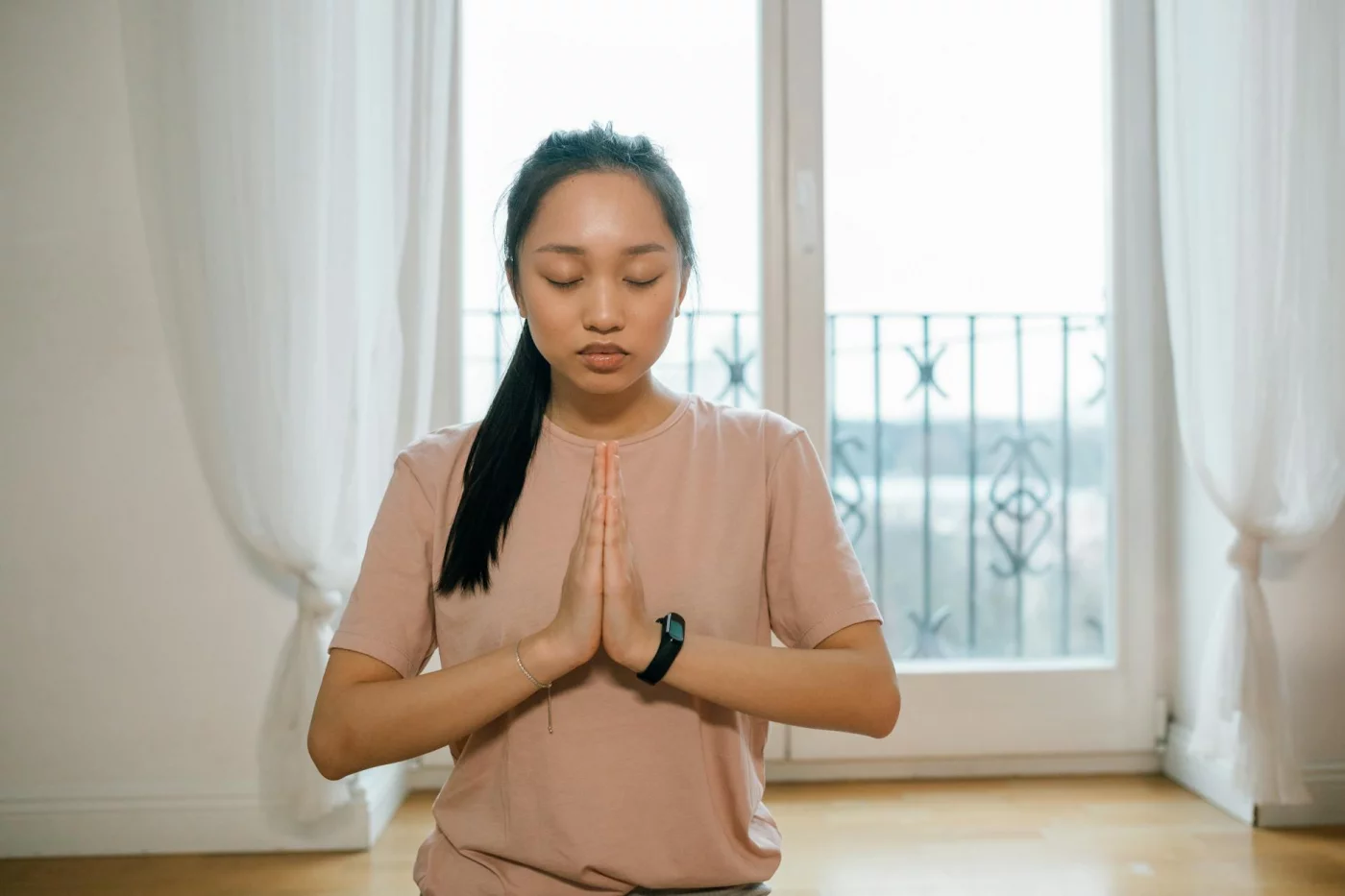
That part gets missed a lot. People compare techniques like they’re picking the “best” workout, but breathing exercises for stress work better when matched to your state, not to hype. If you need broader ideas beyond breathing, start with ways to reduce anxiety immediately and build them into a wider set of stress reduction techniques.
📋 Quick Reference
If you feel mildly overloaded, start with inhale 4, exhale 6 for 1 minute. If your thoughts are racing, use a counted pattern like box breathing or resonant breathing for 3-5 minutes. If you feel panicky, dizzy, or hate breath holds, skip aggressive techniques and use gentle exhale-focused breathing plus grounding.
- If you feel scattered but functional, start with paced breathing for 1 minute.
- If you feel keyed up and can’t stop thinking, start with a structured count for 3-5 minutes.
- If you feel air hunger, dizziness, or panic symptoms, keep it soft and avoid long holds.
Mild stress or mental overload
For mild overload, the best breathing technique for immediate stress relief is usually the simplest one you’ll actually do. Think pre-study tension, post-commute irritability, or that “my inbox just exploded” feeling.
Start with a 1 minute breathing exercise for stress: inhale through your nose for 4 seconds, exhale for 6. That longer exhale nudges your nervous system toward slowing down, and it’s easier for beginners than fancy ratios. Personally, I think this is where most people should begin.
If you searched for a “Google breathing exercise,” you’re probably looking for a quick guided visual in Google Search or on your phone. That can work well because it removes decision fatigue. And yes, that matters when you’re already overloaded.
Use this when you want to know how to relieve stress quickly without stopping your day. One minute is enough to interrupt the spiral, and two to three minutes is often better if you can spare it. Evidence reviewed in research on slow breathing and autonomic function in PubMed Central suggests slower breathing can shift heart rate variability and calm arousal.
High anxiety or racing thoughts
When your mind is sprinting, structure helps. This is where breathing exercises for stress with counting often beat “just take deep breaths,” because counting gives your attention a job.
Try box breathing if you like clear edges: inhale 4, hold 4, exhale 4, hold 4. Or use resonant breathing — often around 5 to 6 breaths per minute — if holds feel annoying. A 3 minute breathing exercise for stress relief is a solid starting point, and 5 minutes is even better when you’re stuck in loops.
Does box breathing work for stress fast? For many people, yes, especially when the problem is mental noise more than physical panic. But wait — if holds make you tense, switch. That’s not failure; it’s useful feedback. If you want the tradeoffs, see this comparison of box breathing vs 4-7-8.
And here’s the kicker — 4-7-8 is often better for winding down than for acute anxiety. The long hold can feel calming at bedtime, but in the middle of a stress spike it may feel too intense. Cyclic sighing for stress relief can also work as a fast interrupt for tension spikes: one bigger inhale, a second short inhale, then a long slow exhale, repeated gently for a few rounds.
Panic symptoms or breath sensitivity
If you feel chest tightness, air hunger, dizziness, or rising panic, don’t force big breaths. For this state, breathing exercises for anxiety and panic should be gentler, not more intense.
Start with soft exhale-focused breathing: inhale normally for 3 to 4 seconds, exhale for 4 to 6, without trying to “fill” your lungs. Add grounding at the same time — name five things you see, press your feet into the floor, relax your shoulders. What breathing technique is best for panic? Usually the one that feels safe enough to continue.
Some people dislike breath holds, and that’s normal. Really. If box breathing, 4-7-8, or any breath-hold pattern makes you more anxious, skip it and use gentle paced breathing for anxiety instead.
So the rule is simple: match the method to the moment. Next, I’ll walk through 5 breathing exercises for stress fast with exact step-by-step routines you can use in 30 seconds, 1 minute, 3 minutes, and 5 minutes.
5 breathing exercises for stress fast: step-by-step routines
Now that you know how to match a method to how you feel, here are the actual routines. These breathing exercises for stress are ordered by speed, so you can pick a 30-second reset before a presentation or a longer pattern before sleep; if you need more fast relief beyond breathing, see these strategies to reduce anxiety immediately.
Quick sidebar: breathing helps, but it’s one tool, not the whole toolbox. If your stress is piling up from workload, sleep loss, or constant mental switching, pair these breathing exercises for stress with other evidence-based stress reduction techniques.
How to use these routines safely
- Step 1: Sit or stand comfortably and relax your shoulders.
- Step 2: Breathe through your nose if possible, but don’t force it.
- Step 3: If you feel air hunger, dizziness, or rising panic, shorten the counts and skip the holds.
- Step 4: Aim for smooth, quiet breaths. Comfort beats perfect timing.
30-second physiological sigh or cyclic sighing variation
This is the fastest option when stress spikes suddenly. Research discussed by Stanford researchers has highlighted cyclic sighing for stress relief as a promising way to lower arousal quickly, especially when you feel that “I need to calm down right now” surge.
The pattern is simple: take one short inhale through the nose, then a second smaller top-up inhale, then one long slow exhale through the mouth. Do 2 to 4 rounds, which takes about 30 seconds.
- Best for: sudden tension, pre-presentation nerves, or right after an argument
- Who it suits: beginners who want the best breathing exercise for immediate stress relief
- Caution: don’t do it forcefully or over and over if you feel lightheaded
Before opening a textbook, this can work like a mental reset button. But wait — if repeated sighing makes you dizzy, switch to slower paced breathing instead.
1-minute simple paced breathing and 3-minute box breathing
If you want easy breathing exercises for stress that don’t feel complicated, start here. Paced breathing is usually easier than box breathing because there’s no hold, which matters if breath holds make you tense.
1-minute simple paced breathing: inhale for 4 seconds, exhale for 6 seconds, and repeat for 1 minute. That’s a solid 1 minute breathing exercise for stress before studying, before replying to a stressful email, or when your mind feels scattered.
3-minute box breathing: inhale 4, hold 4, exhale 4, hold 4 for 3 minutes. This pattern is popular in high-pressure settings, and box breathing research suggests slow controlled breathing can help regulate stress responses, though the “best” method depends on what feels sustainable for you.
- Use paced breathing when: you want calm without effort
- Use box breathing when: you want structure before a test or presentation
- Caution: if holds make you more anxious, shorten them or skip box breathing entirely
Personally, I think the 1-minute version is underrated. One minute is short enough that you’ll actually do it.
4-7-8 breathing and 5-minute resonant breathing
These breathing exercises for stress are better when you have a little more time. And yes, this is where comfort matters more than strict counting.
4-7-8 breathing: inhale for 4 seconds, hold for 7, exhale for 8, usually for 4 rounds. Anxiety breathing 4-7-8 can feel especially useful at bedtime because the long exhale slows you down, but it’s not ideal for everyone; if you’re panic-sensitive or hate long holds, it can feel too intense.
5-minute resonant breathing: aim for about 5 to 6 breaths per minute for 5 minutes, often by inhaling for 5 seconds and exhaling for 5 or 6. This is a great 5 minute breathing exercise to calm down after a hard meeting, during a study break, or when you’re trying to sleep and your thoughts won’t shut off.
- Best for: winding down, evening stress, and steady recovery
- Who it suits: people who want a gentle rhythm without big breath holds
- Caution: don’t chase huge breaths; breathe lightly and comfortably
If stress shows up most at night, 4-7-8 or resonant breathing are usually the better picks. For more bedtime-specific help, see FreeBrain’s guide on how to sleep when stressed.
So which of these breathing exercises for stress should you start with? Use the physiological sigh for sudden spikes, paced breathing for quick resets, box breathing for structure, 4-7-8 for winding down, and resonant breathing for a longer calm-down window. Next, I’ll compare box breathing, 4-7-8, cyclic sighing, and paced breathing head-to-head so you can see which one fits best.
Box breathing vs 4-7-8 vs cyclic sighing vs paced breathing: which is best?
You’ve seen the step-by-step routines. Now the practical question: which of these breathing exercises for stress should you actually use when your heart is racing, your mind is noisy, or you need to focus again fast?
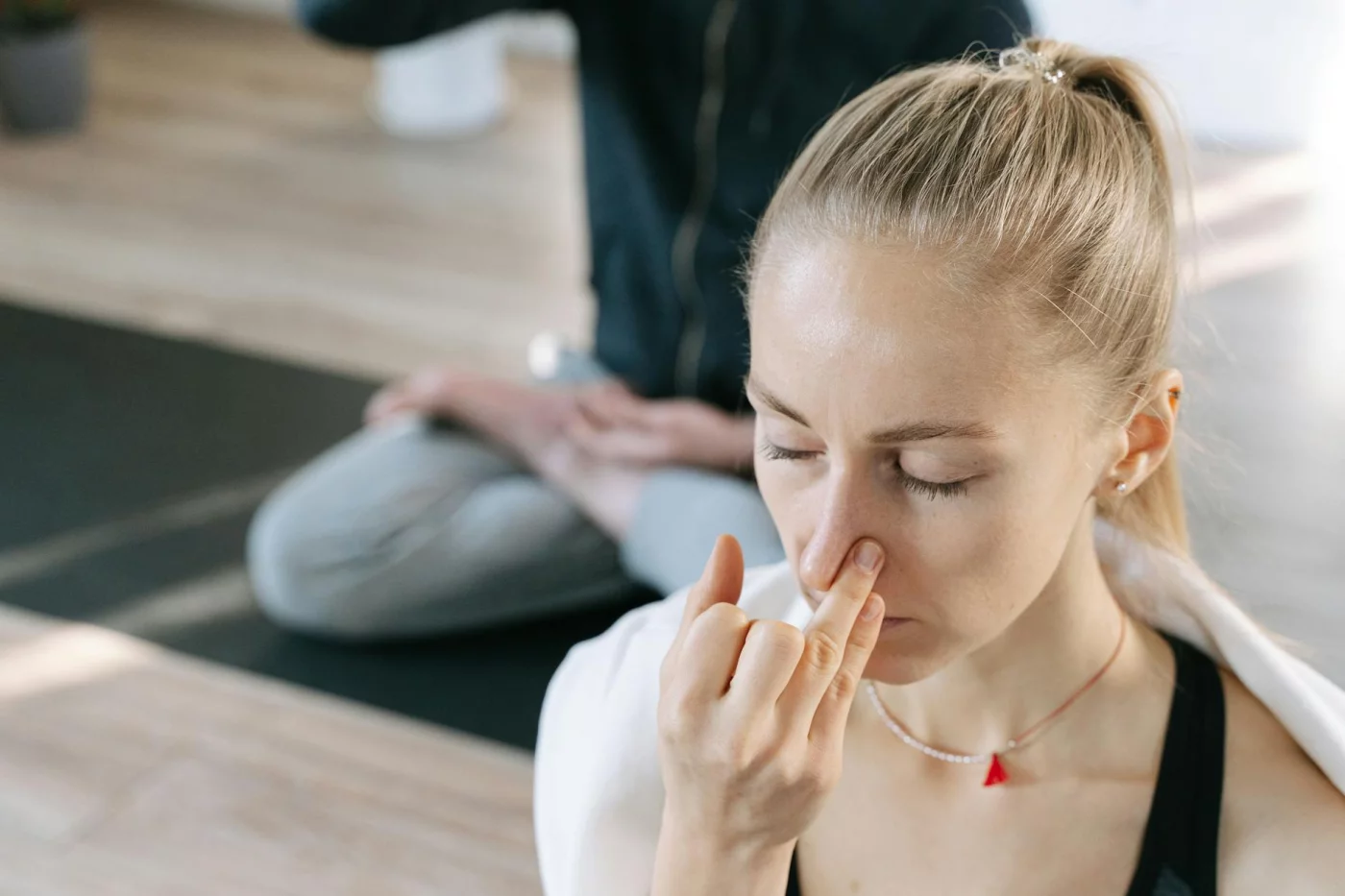
Short answer? There isn’t one universal winner. The best breathing exercises for stress depend on whether you want a fast interrupt, an easy beginner pattern, a structured reset, or a wind-down routine that feels calming rather than effortful.
Research from Stanford has drawn attention to cyclic sighing as a fast downshifting tool, while broader evidence on slow breathing suggests the shared benefit often comes from controlled, slower exhalation and a lower breathing rate—not just the brand name of the method. If you want a deeper breakdown of box breathing vs 4-7-8, that comparison helps when you’re choosing between focus and relaxation.
📋 Quick Reference
- Fastest interrupt: Cyclic sighing or a physiological sigh variation
- Easiest for beginners: Simple paced breathing, especially 4-6 breaths per minute or an easy inhale/exhale count
- Best structured focus reset: Box breathing
- Best for winding down: 4-7-8 or resonant breathing
- If breath holds bother you: Skip long holds and use exhale-focused paced breathing instead
Which works fastest and which lasts longer
If you want the best breathing exercise for immediate stress relief, cyclic sighing usually gets the nod. Why? It’s simple: two inhales, then one long exhale. That longer exhale tends to create a quick “drop” feeling, which is why many people feel a shift within 30 to 60 seconds.
But wait. Fastest doesn’t always mean best for the next 10 minutes. For a steadier 3- to 5-minute reset, paced breathing or box breathing often works better because the rhythm is easier to sustain without overthinking it.
So, does box breathing work for stress fast? Yes, often within a minute or two. Still, it’s usually less abrupt than cyclic sighing. Personally, I think of it this way:
- 0-60 seconds: cyclic sighing is often the quickest interrupt
- 1-3 minutes: box breathing can stabilize attention and reduce mental scatter
- 3-5 minutes: paced breathing tends to feel smoother and more sustainable
- Before bed: 4-7-8 or resonant breathing usually feels more sedating
And here’s the kicker — when people ask how fast does breathing reduce stress, they usually mean “when will I feel different?” Realistically, some shift can happen in under a minute, but sustained calm usually takes a few minutes of consistent breathing exercises for stress.
Which is easiest for beginners
Paced breathing usually wins. No fancy sequence. No long hold. Just breathe in for a comfortable count and out a little longer, like 4 in and 6 out.
That’s why paced breathing for anxiety is often the best entry point. It asks less from you when you’re already overloaded. And yes, that matters.
Box breathing comes next for people who like structure. Inhale, hold, exhale, hold. Four equal parts. Clean, memorable, and useful when your brain wants a task. That’s the strongest case in box breathing vs 4-7-8 for stress: box breathing is usually easier during the day because it feels orderly, while 4-7-8 feels more like a wind-down drill.
OK wait, let me back up. Box breathing vs 4-7-8 isn’t really about which is “better.” It’s about context. If you want calm plus alertness, choose box breathing. If you want heavier relaxation, 4-7-8 often makes more sense.
Which to avoid if breath holds make you uncomfortable
If breath holds make you tense, skip long holds. Seriously. Some people feel lightheaded, air-hungry, or more anxious with 4-7-8 or strict box breathing, especially under acute stress.
In that case, cyclic sighing vs box breathing for anxiety usually favors cyclic sighing or simple exhale-focused pacing. Try inhale for 3 or 4, then exhale for 5 or 6. No hold needed. Many breathing exercises for stress work just fine when you adapt the count.
That’s also a useful rule for breathing exercises for anxiety and panic: if a pattern makes you feel trapped, simplify it. Research on slow breathing suggests the calming effect often comes from slower, controlled breathing overall, not from forcing a specific named protocol.
So what should you pick? Use cyclic sighing when you need a fast interrupt, paced breathing when you want the easiest option, box breathing for a structured focus reset, and 4-7-8 when you’re trying to downshift toward sleep. Next, let’s make this practical and match breathing exercises for stress to real situations like studying, work, bedtime, and public anxiety.
Real-world application: breathing exercises for stress before studying, work, sleep, or public anxiety
So now we move from comparison to actual use. The best breathing exercises for stress are the ones you’ll remember in the moment, whether you’re opening Anki before an exam or trying not to spiral before speaking.
After building FreeBrain tools for self-learners, I kept seeing the same pattern: people don’t need a perfect ritual. They need low-friction breathing exercises for stress that fit into real routines and help them start the next useful action fast.
There’s also a performance angle here. Research suggests slower breathing can help regulate arousal, which matters because high stress tends to hurt working memory, attention control, and recall. If you need broader fast-relief options beyond breathing, start with ways to reduce anxiety immediately and then layer breathing into your study or work routine.
Before studying or an exam
If you’re frozen before a study block, don’t aim for “fully calm.” Aim for “ready enough to begin.” That’s why breathing exercises to reduce stress before studying work best when they’re short and paired with a tiny first task.
My favorite setup is simple: do a 1 minute breathing exercise for stress, then start one action that takes under two minutes. Open the doc. Write one flashcard. Solve the first line of the problem. That pairing cuts task friction better than breathing alone.
Use paced breathing at about 5 to 6 breaths per minute, ideally through your nose if comfortable. Inhale for 4 to 5 seconds, exhale for 5 to 6 seconds, and keep your shoulders loose. Why does this help? Because you’re not just calming down fast; you’re shifting from threat mode into task mode.
- 1 minute paced breathing
- Pick one tiny academic action
- Start before your brain renegotiates
Personally, I think this is the part most students miss. Breathing exercises for stress help most when they reduce the startup cost of studying, not when they become another thing to procrastinate with.
Before a meeting or presentation
Need something discreet? Use a 3 minute breathing exercise for stress relief right before the meeting starts, while you’re in the hallway, elevator, bathroom stall, or seated with your camera off.
Box breathing works well here, and yes, for many people the answer to “does box breathing work for anxiety?” is yes, especially for anticipatory nerves. Try 4 seconds in, 4 hold, 4 out, 4 hold for up to 3 minutes. If holds feel awkward, switch to paced breathing with a longer exhale.
Posture matters more than people think. Sit or stand tall, drop your shoulders, unclench your jaw, and breathe quietly through the nose if possible. That combo makes breathing exercises for stress look normal and feel steadier, which is exactly what you want before speaking.
At night or during a public anxiety spike
Bedtime stress is different. You’re not trying to perform; you’re trying to downshift. A 5 minute breathing exercise to calm down is often enough, especially if you combine it with less doomscrolling and dimmer light in the last 30 to 60 minutes before bed.
Use 4-7-8 if it feels soothing, or resonant breathing around 5 to 6 breaths per minute if holds make you tense. Well, actually, many people sleep better with the gentler option because it’s easier to stick with when they’re tired. For nighttime use, breathing exercises for stress should feel boring in the best possible way.
Public anxiety is different again. If you’re on a bus, in class, or standing in line and your stress spikes, skip long breath holds. Use gentle exhale-focused breathing instead: inhale normally for 3 to 4 seconds, exhale for 5 to 6, then orient to five things you can see around you.
- Loosen your jaw and shoulders
- Breathe out a little longer than you breathe in
- Name a few objects or sounds around you
That’s often safer and more comfortable than forcing deep breaths, especially when you already feel lightheaded. Which brings us to the bigger point: breathing exercises for stress are practical because they can support focus, memory, and sleep without needing special gear or a perfect environment.
If this section helped, explore FreeBrain’s related breathing, sleep, and focus resources next. And in the next section, I’ll cover the common mistakes, why breathing can make you dizzy, and what to do when the usual advice backfires.
Common mistakes, why breathing exercises make you dizzy, and what to do next
Breathing can help fast. But breathing exercises for stress can also feel weird if you push too hard, too soon. If you need broader fast-relief options alongside breathing exercises for stress, see reduce anxiety immediately.
Why breathing exercises can backfire if you force them
The biggest mistake is overbreathing. If you take very deep or very fast breaths, you can blow off too much carbon dioxide, and that can trigger lightheadedness, tingling, tightness, or a floaty sense of unreality. So if you’ve wondered, “why do breathing exercises make me dizzy,” that’s often the reason.
And yes, breath hold dizziness can make things worse, especially if you jump straight into long holds like 4-7-8 or box breathing when you’re already keyed up. Slouching can also make breathing feel strained. Personally, I think this is the part most people get wrong: they try to “win” at breathing exercises for stress by making every inhale huge and every count perfect.
- Shorten the inhale instead of forcing a deep breath
- Lengthen the exhale gently, not aggressively
- Remove breath holds for now
- Sit upright with your ribs free to move
- Return to normal breathing if symptoms start
When to stop self-guided breathing and get professional help
Some discomfort is common. But wait. Breathing exercises for stress are educational tools, not medical care, and some stop signs matter.
Stop and get medical or mental health evaluation if you have chest pain, fainting, severe shortness of breath, repeated panic symptoms, trauma activation, or frequent dizziness. Research on hyperventilation and panic suggests breathing changes can mimic anxiety symptoms, which is exactly why persistent or intense reactions deserve qualified help.
Quick next steps
Keep it simple this week. Test one 1-minute method for immediate stress relief, like 3-second inhale and 5-second exhale, and one 5-minute method with a calm, steady rhythm. What breathing technique is best for panic? Usually the one you can do without strain.
Save this article for future stress spikes. And remember, breathing exercises for stress work best as one tool in a bigger system that includes sleep, movement, and recovery habits that support sleep stress memory focus. Next, I’ll answer the most common questions and wrap this up with a clear plan.
Frequently Asked Questions
Can Google breathing exercise reduce stress fast?
Yes — for many people with mild to moderate stress, the answer to can google breathing exercise reduce stress fast is yes, at least as a short-term reset. Google’s guided breathing prompt can help slow your breathing rhythm and reduce tension within about 1 to 5 minutes, which is why simple breathing exercises for stress often work surprisingly well in the moment. But wait — it’s a guided prompt, not a treatment for panic disorder, chronic anxiety, or severe distress, so if stress feels overwhelming or keeps happening, it’s smart to talk with a qualified professional.
What is the Google breathing exercise?
If you’re wondering what is the google breathing exercise, most people mean the guided breathing visual or timer that sometimes appears directly in Google Search. It usually gives you a simple animation to follow for inhale and exhale timing, making it one of the easiest breathing exercises for stress to try without downloading an app. Availability can vary by device, region, and search layout, so if you don’t see it, you can still use a simple paced-breathing timer or FreeBrain’s study and focus tools to build a calmer routine.
How fast does breathing reduce stress?
The honest answer to how fast does breathing reduce stress is: it depends, but often faster than people expect. Some people feel a shift in 30 to 60 seconds, while others need 3 to 5 minutes of steady breathing exercises for stress before their body starts to settle. Three things matter most: your stress level, the breathing pattern you’re using, and whether breath holds feel OK or make you more tense.
Does box breathing work for anxiety?
For the question does box breathing work for anxiety, yes, it can help some people because the structure gives your mind something simple to follow and naturally slows the breath. That said, not everyone likes the hold phase, and some people find that box breathing makes them feel more aware of their body in an unhelpful way, especially during high stress. If that happens, gentler breathing exercises for stress — like inhale for 4 and exhale for 6 with no hold — are often a better place to start.
Is 4-7-8 breathing good for stress?
Yes, is 4-7-8 breathing good for stress is a fair question, and for many people the answer is yes — especially when you’re trying to wind down at night. The long exhale can make breathing exercises for stress feel more calming, and some people use it before sleep with good results. Personally, I think it’s not always the best first choice if you’re panic-sensitive, because the 7-second hold can feel intense; in that case, a simpler no-hold pattern may be easier to tolerate.
Which breathing exercise works fastest for stress?
If you’re looking for the best breathing technique for immediate stress relief, a physiological sigh or a short exhale-focused pattern often works fastest as an interrupt. That’s why many breathing exercises for stress start with one or two quick rounds to break the stress spike, then shift into slower paced breathing for a few minutes. For a research-based overview of how slow breathing affects stress regulation, see this review on PubMed Central.
Why do breathing exercises make me dizzy?
If you’re asking why do breathing exercises make me dizzy, the most common reason is that you’re breathing too fast or too deeply, which can lead to lightheadedness. OK wait, let me back up: breathing exercises for stress should usually feel gentle, not forced. If you get dizzy, sit down, return to normal breathing, and switch to a softer no-hold pattern with a relaxed exhale instead of trying to take huge breaths.
What breathing technique is best for panic?
For what breathing technique is best for panic, gentle, no-hold, exhale-focused breathing is usually safer than aggressive deep breathing. In other words, the best breathing exercises for stress during panic tend to be simple: breathe in softly through your nose, then breathe out a little longer than you breathed in, without forcing it. And here’s the kicker — if panic is frequent, severe, or disrupting daily life, breathing should be paired with professional support rather than used as your only strategy; the National Institute of Mental Health has a solid overview.
Conclusion
If you want breathing exercises for stress to work fast, keep it simple. Start with the method that matches how you feel: use cyclic sighing when you’re keyed up, box breathing when you need control, 4-7-8 when you’re trying to wind down, and paced breathing when you want something steady and easy to follow. Keep your inhale gentle, don’t force extra-deep breaths, and stop if you get lightheaded. And yes, timing matters — even 1 to 3 minutes before studying, a meeting, bedtime, or a stressful conversation can make these techniques much more useful in real life.
Thing is, you don’t need to do this perfectly for it to help. You just need a repeatable reset you can actually use when stress hits. Personally, I think that’s the part most people miss: the best technique isn’t the fanciest one, it’s the one you’ll remember under pressure. So if one method felt easier than the others, stick with it this week and give your nervous system a fair chance to learn the pattern.
If you want to go further, explore more practical tools and guides on FreeBrain.net. You might like our Study Method Picker if stress is getting in the way of focus, or our guide on how to focus when studying for strategies that pair well with breathing exercises for stress. Pick one method, practice it today, and turn it into a skill you can use on command.