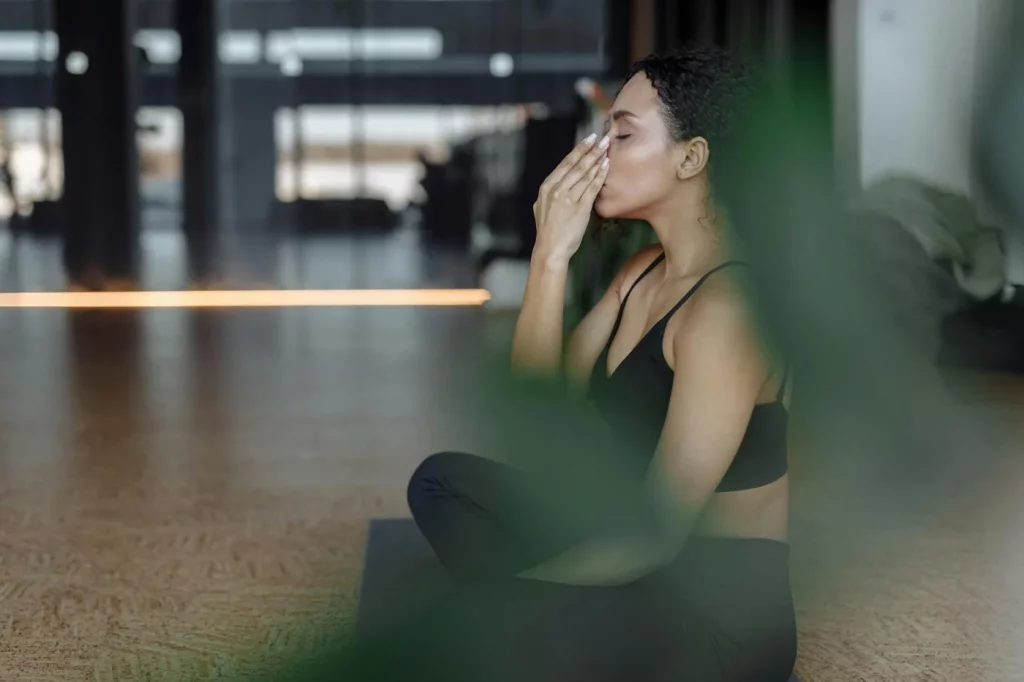
If you’re wondering how to reduce anxiety immediately, start with four things: slow your exhale, look around and name what’s actually here, unclench your jaw and shoulders, and ground your body against a chair or floor. That’s the fastest answer to how to reduce anxiety immediately because it gives your nervous system a simple message: you’re safe enough to come down a notch.
Maybe your heart is pounding. Maybe your chest feels tight, your thoughts are racing, and you need to know how to reduce anxiety immediately without overthinking it. Thing is, anxiety can feel intense and physical, but it’s often your body’s alarm system firing hard — not proof that something terrible is happening. If you want a broader toolkit beyond this page, these stress reduction techniques are a solid next stop.
Here’s what matters: you do not need the perfect method. You need the fastest useful one. Research from the National Institute of Mental Health on stress and the body explains why the fight-or-flight response can speed breathing, tense muscles, and narrow attention — which is exactly why short breathing drills and grounding can help you calm anxiety fast.
So this article is built for speed. I’ll show you how to reduce anxiety immediately in time blocks — 30 seconds, 2 minutes, 5 minutes, and 10 minutes — plus what to do at home, at work, at night, and in panic-like moments. And yes, we’ll compare fast breathing options, including box breathing vs 4-7-8, so you can pick one without guessing.
I’m a software engineer, not a clinician, but I spend a lot of time translating solid research into practical systems people can use under pressure. Quick note: this article is educational, not medical advice. If you have chest pain, fainting, trouble breathing, or thoughts of self-harm, get urgent help right away.
📑 Table of Contents
- How to reduce anxiety immediately: the short answer and what’s happening in your body
- What to do in the first 30 seconds and 2 minutes to calm anxiety fast
- A 7-step protocol for how to reduce anxiety immediately during a spike or anxiety attack
- How to calm anxiety in 5 minutes naturally: grounding, movement, and real-world application
- Common mistakes when trying to reduce anxiety immediately and what to avoid
- Quick reference: how to reduce anxiety immediately at home, work, at night, and after you calm down
- Frequently Asked Questions
- Conclusion
How to reduce anxiety immediately: the short answer and what’s happening in your body
If you need relief fast, start here. When people ask how to reduce anxiety immediately, the best first move is simple: slow your exhale, orient to the room, relax your jaw, shoulders, and hands, and name a few neutral things you can see to signal safety to your nervous system. For more on stress and sleep, see our stress and sleep guide.
If you want a broader toolkit after the spike passes, these stress reduction techniques can help. But in the moment, how to reduce anxiety immediately is less about “winning” against thoughts and more about lowering body arousal fast.
The fastest way to calm an anxiety spike
How to reduce anxiety immediately in the first minute? Do four things, in this order. If you’re wondering how to reduce anxiety immediately without overthinking it, keep it mechanical.
- Exhale longer than you inhale for 3-5 breaths.
- Look around and name 3 neutral objects: “lamp, wall, window.”
- Unclench your jaw, drop your shoulders, and open your hands.
- Plant both feet and feel the floor for 10 seconds.
That combination works because it tells your brain, “I’m here, and nothing is attacking me right now.” Personally, I think this is the part most people miss: many fast tools help by reducing arousal, not by making anxious thoughts vanish on command.
Why anxiety feels so intense so fast
Anxiety can feel dangerous within seconds because your fight or flight response ramps up heart rate, breathing rate, muscle tension, and threat scanning almost instantly. Attention narrows. Your brain starts searching for danger everywhere.
And here’s the kicker — racing thoughts often follow the body alarm, not the other way around. Plain-English neuroscience: interoception, or your brain’s reading of body signals, can make a normal flutter in your chest or a slightly fast breath feel alarming, which can create a loop of fear about fear.
Research summaries from the National Institute of Mental Health on anxiety disorders and the Mayo Clinic’s overview of panic attack symptoms both note that anxiety symptoms can include pounding heart, sweating, dizziness, and shortness of breath. Longer exhales may help shift autonomic balance, which is why breathing methods matter; if you want a practical comparison, see box breathing vs 4-7-8.
Anxiety or emergency? Know the red flags
This section is educational, not medical advice. Chest pain, fainting, severe trouble breathing, new confusion, stroke-like symptoms, or thoughts of self-harm need urgent help right away.
OK wait, let me back up. Anxiety symptoms can overlap with medical problems, which is why diagnosis and treatment decisions belong with a licensed healthcare professional. MedlinePlus and the APA both make this point clearly in their patient education materials.
Next, let’s get even more practical: what to do in the first 30 seconds and first 2 minutes to calm anxiety fast.
What to do in the first 30 seconds and 2 minutes to calm anxiety fast
If the last section explained why your body hits the alarm button, this section is the immediate response plan. When you want to know how to reduce anxiety immediately, timing matters: do one set of actions in the first 30 seconds, then a different set over the next 2 minutes.
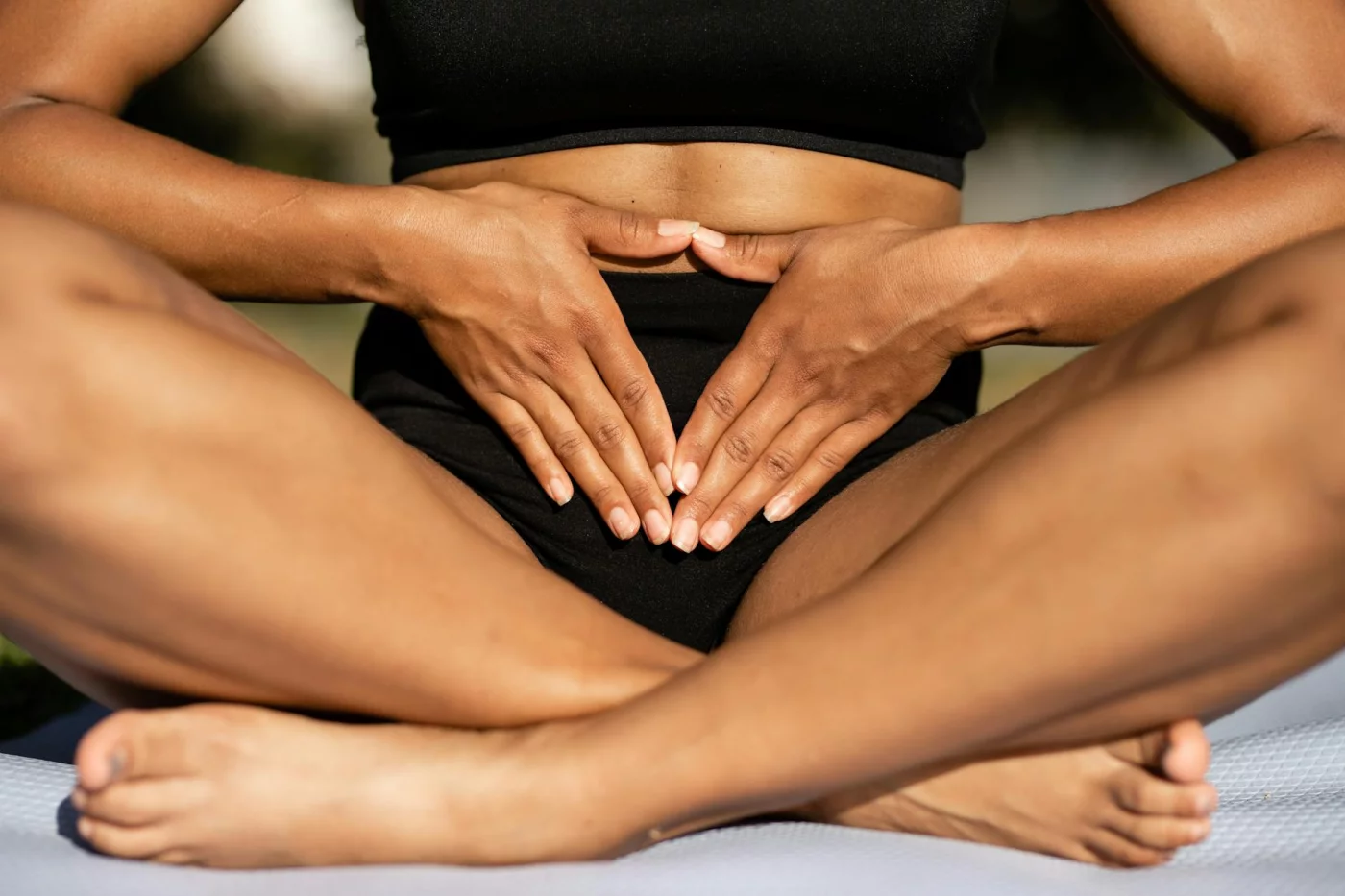
Personally, I think this is where most advice gets too vague. If you need a broader toolkit after the spike passes, these stress reduction techniques can help, but for how to reduce anxiety immediately, start with the shortest window first.
In the first 30 seconds: orient before you overthink
Your first job is simple: stop feeding the alarm with more alarm. A fast way to how to reduce anxiety immediately is sensory grounding, because it shifts attention from your internal threat signals back to the actual room around you.
OK wait, let me back up. Anxiety narrows attention. You get tunnel vision, your thoughts loop, and your body starts scanning for danger. So do the opposite on purpose: look left to right slowly, widen your visual field, and remind your brain, “I’m here, not in the thought.”
- Name 3 things you see.
- Name 2 things you feel, like your shirt on your skin or both feet on the floor.
- Name 1 sound you hear.
This works a lot like the 3-3-3 rule, but with more emphasis on orienting. Research on grounding and interoception suggests attention can change how strongly you experience bodily alarm, and the American Psychological Association’s overview of how stress affects the body is a useful plain-English explanation of that loop.
Then release obvious muscle guarding. Unclench your jaw. Drop your shoulders. Loosen your hands. Soften your belly. Why bother? Because a braced body can keep sending “still unsafe” signals upward even when no real threat is present.
If you need an extra reset, use a cool object on your face or splash cold water briefly. Not ice torture. Just enough temperature change to interrupt the spiral and help how to calm anxiety fast feel physically possible.
In 2 minutes: use breathing that doesn’t backfire
Now add breathing. But wait. Not giant dramatic breaths. For some people, very deep breathing makes dizziness and panic worse, so if you’re trying to figure out how to reduce anxiety immediately, gentler breathing is often better than “take a huge breath.”
Start with long-exhale breathing if your heart is pounding or the surge feels panic-like. Inhale through your nose for 4 seconds, then exhale for 6 to 8 seconds. Repeat for 8 to 10 cycles. That longer exhale helps shift your body toward a calmer state, and evidence on slow breathing collected in this review on breathing practices and the nervous system helps explain why slower respiratory patterns can reduce arousal.
Box breathing is different. It gives structure when your thoughts are scattered: inhale 4, hold 4, exhale 4, hold 4, for 4 rounds. Worth it? Absolutely, if you want a clear rhythm to follow. And if breath holds make you feel worse, skip them and go back to exhale-focused breathing instead.
Speaking of which — if you’re deciding between methods, this comparison of box breathing vs 4-7-8 can help you choose the right pattern for the moment. Box breathing helps with structure. Long-exhale breathing usually works better for how to calm anxiety fast heart rate when the body is already revved up.
Which method should you use right now?
Use the symptom to choose the tool. That’s the practical answer to how to reduce anxiety immediately, and yes, it’s faster than cycling through random tips.
- If your heart is racing, use longer exhales first.
- If your thoughts are chaotic, use box breathing for structure.
- If you’re in public, do subtle breathing plus hand, jaw, and shoulder release.
One more note: 4-7-8 breathing can help some people, but the 7-second hold is too intense during a sharp spike. This is the part most people get wrong. When you need how to stop anxiety fast, the “best” breathing pattern is the one that feels doable, not the one that sounds impressive.
Next, I’ll walk you through a full 7-step protocol for how to reduce anxiety immediately during a spike or anxiety attack, so you know exactly what to do from start to finish.
A 7-step protocol for how to reduce anxiety immediately during a spike or anxiety attack
If the first 30 seconds helped you interrupt the surge, this is the next layer. Here’s a simple protocol for how to reduce anxiety immediately when your system is loud, your thoughts are racing, and you need something clear enough to follow under pressure.
The goal isn’t to force calm on command. It’s to stop feeding the alarm loop so your body can come down on its own. If you want a broader toolkit after this section, these stress reduction techniques can help you build prevention, not just rescue.
How to reduce anxiety immediately in 7 steps
- Step 1: Pause and plant both feet.
- Step 2: Orient to the room and widen your gaze.
- Step 3: Use 6-10 longer exhales.
- Step 4: Release jaw, shoulders, hands, and belly.
- Step 5: Label the experience without treating it as danger.
- Step 6: Reduce stimulation.
- Step 7: Choose one tiny next action.
Quick distinction. Some episodes feel like a sharp anxiety spike; others feel more intense and panic-like, with stronger body sensations such as chest tightness, dizziness, or a sense of unreality. I’m not diagnosing anything here, but in both cases, what to do during an anxiety attack starts with the same principle: stabilize the body first, then simplify the moment.
Step 1-3: Stop the spiral at the body level
Step 1: Pause and plant both feet. Don’t pace, scroll, or keep switching tasks. Press both feet into the floor for 5-10 seconds and notice the support under you. That small physical cue tells your brain, “I’m here, not falling, not chasing.”
Step 2: Orient to the room and widen your gaze. Look left, right, up, and behind you. Name five neutral things you can see: a lamp, a door, a blue folder, a window, a chair. This is a fast grounding technique because threat mode narrows attention; orienting widens it again.
Step 3: Use 6-10 longer exhales before trying to think clearly. Inhale normally, then exhale a little longer than you inhale. A 2020 review in Frontiers in Human Neuroscience found that slow breathing can influence autonomic regulation and reduce arousal. If you’re comparing methods, this breakdown of box breathing vs 4-7-8 can help, but during a spike, simpler is better: just make the exhale longer. That’s one of the fastest ways to practice how to calm anxiety fast without overthinking it.
Step 4-5: Reduce the fear loop
Step 4: Release muscle tension on purpose. Unclench your jaw. Drop your shoulders. Uncurl your hands. Soften your belly. Panic symptoms often get amplified by interoception — your brain’s reading of internal body signals — and tight muscles can make those signals feel more dangerous than they are.
Step 5: Label the experience. Try this script: “My body is activated. I’m safe enough right now. This will peak and pass.” Research on affect labeling, including work from UCLA, suggests that naming emotions and sensations can reduce reactivity by engaging regulatory brain networks. Personally, I think this is the part most people skip, and it matters. If you want to know how to reduce anxiety immediately, stop treating every sensation as proof that something is terribly wrong.
- Don’t chug caffeine.
- Don’t argue with every thought.
- Don’t keep checking your pulse every 10 seconds.
Step 6-7: Shift from alarm to action
Step 6: Reduce stimulation. Dim the screen. Step away from noise. Stop doomscrolling. If this happens more at night, sleep loss can make your nervous system more reactive the next day, which is one reason recovery habits matter; this guide on sleep stress memory focus explains the connection well. For many people asking how to reduce stress and anxiety quickly at home, lowering input is the missing move.
Step 7: Choose one tiny next action. Sip water. Walk for 60 seconds. Wash your face. Send one message: “I need 5 minutes, then I’ll reply.” Tiny actions work because they replace helplessness with motion. And yes, that sounds almost too simple, but it’s one of the most reliable immediate coping skills I’ve seen.
If you need to regain focus for work or studying, don’t jump straight back into a 90-minute task. Restart with something friction-free, like the 2-minute rule for procrastination, then build from there. That’s often the most realistic answer to “how do I stop anxiety immediately at home?” when you still need to function afterward.
This 7-step sequence is one of the most practical ways I know for how to reduce anxiety immediately: body first, fear loop second, action third. Next, I’ll show you how to stretch this into a full 5-minute reset using grounding, movement, and real-world examples for home, work, and public settings.
How to calm anxiety in 5 minutes naturally: grounding, movement, and real-world application
If the 7-step protocol from the last section feels like too much in the moment, simplify it. When you need to know how to reduce anxiety immediately, the best method is often the one you can remember while your brain is noisy.
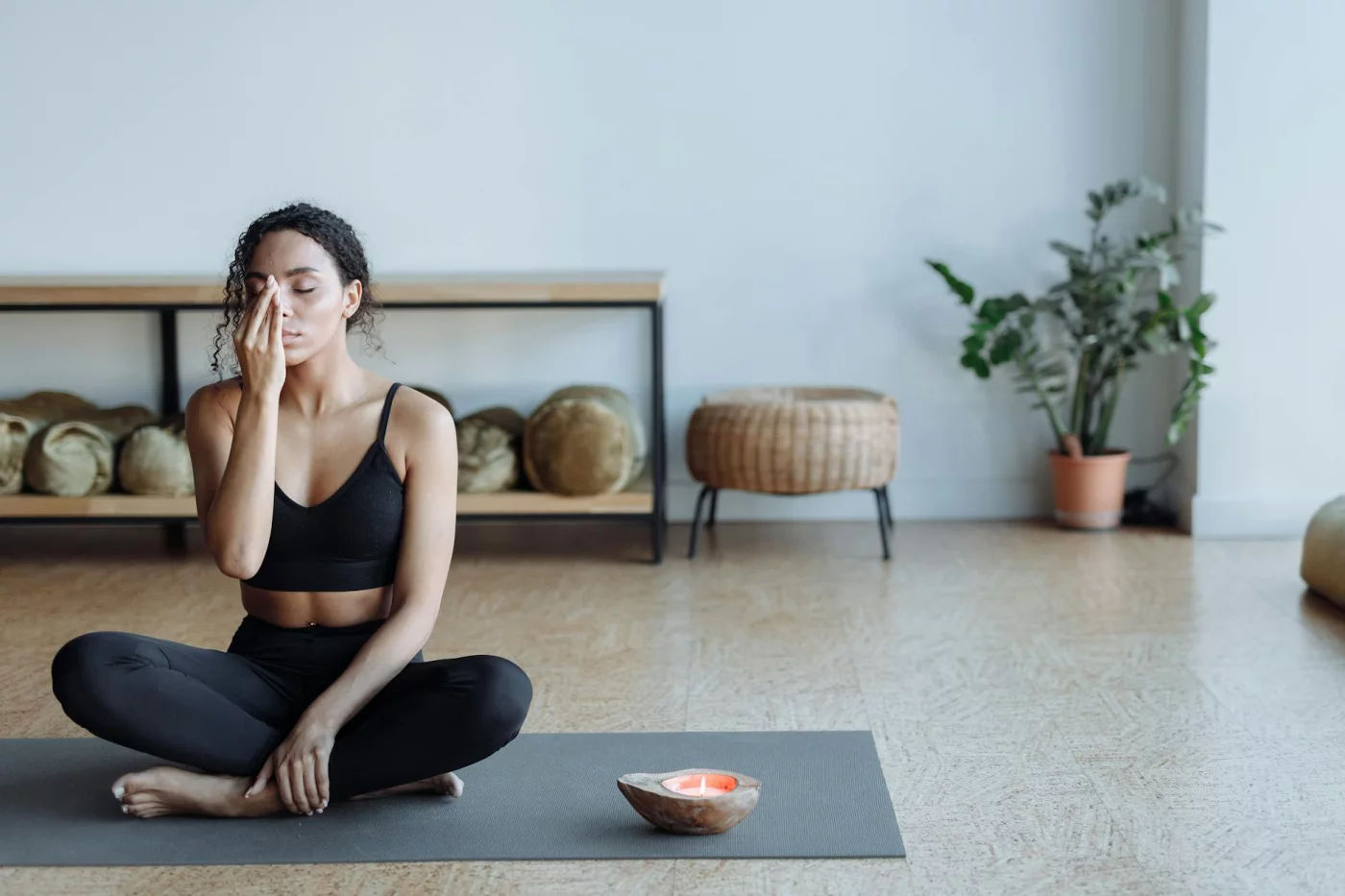
Personally, I think this is where most people get stuck. They search for how to reduce anxiety immediately, then find advice that’s technically good but too complicated to use under pressure. After building learning tools for stressed students and professionals, I’ve noticed quick protocols work better when they’re simple enough to recall without effort. If you want a broader toolkit after this section, FreeBrain has a solid guide to stress reduction techniques.
Use the 3-3-3 rule when your mind won’t slow down
The 3-3-3 rule for anxiety is a fast grounding exercise. You name 3 things you see, 3 sounds you hear, and move 3 body parts. That’s it.
Why does it help? Because anxiety narrows attention and pulls you into threat scanning, future prediction, or derealization. A simple mindfulness exercise like this redirects attention to your senses and body, which can interrupt spiraling thoughts long enough for your nervous system to settle.
If you’re wondering how to reduce anxiety immediately during racing thoughts, this is one of the easiest places to start. It works especially well when your thoughts feel “sticky,” when the room feels unreal, or when your attention keeps bouncing back to the same fear.
- See: “Blue notebook, window, coffee mug.”
- Hear: “Air vent, keyboard clicks, hallway voices.”
- Move: “Wiggle toes, roll shoulders, open and close hands.”
Quick example: you’re in a classroom or office, your heart jumps, and you can’t focus on what’s in front of you. OK wait, let me back up. Don’t try to “think” your way out first. Look at three visible objects, notice three sounds, then move three body parts under the desk or at your seat. Quiet, fast, and usually doable without anyone noticing.
Release tension with movement and muscle relaxation
Stillness isn’t always best. When your body feels charged, light movement can help discharge stress energy and break rumination, which is why it’s one of the most practical answers to how to reduce anxiety immediately.
Research on progressive muscle relaxation has found it can reduce subjective anxiety and physical tension by increasing awareness of what “relaxed” actually feels like. A short version works well in five minutes:
- Tense both hands for 5-10 seconds, then release.
- Shrug shoulders up for 5-10 seconds, then drop them.
- Tighten your face or jaw briefly, then soften it.
- Press legs or thighs firmly for 5-10 seconds, then let go.
- Walk for 60-90 seconds, shake out your arms, or climb one flight of stairs slowly.
And here’s the kicker — the movement should be calming, not intense. You’re not trying to “burn off” anxiety with a hard workout in the middle of a spike. You’re giving your body a safer task: move, release, orient, settle.
Add posture cues too. Uncross your arms, let your chest open slightly, and look farther away instead of locking onto one threat cue. This wider visual field may reduce the tunnel-vision effect that often comes with anxiety. Small shift, big payoff.
From experience: what works in real life at home, work, night, and in public
This is the part most people get wrong. They use the same strategy everywhere, even though context matters. If you want to know how to reduce anxiety immediately, match the tool to the situation.
At home, try three things: splash cold water on your face, slow your exhale, and take a short walk around the room or outside. If you’re asking, “how do I stop anxiety immediately at home?” start there before reaching for your phone.
At work, keep it invisible and practical. Press both feet into the floor, count a silent longer exhale, and pick one task you can finish in 2-5 minutes. If your mind says everything is urgent, one-task reset beats trying to solve your whole day at once.
At night, don’t feed the spiral. Dim the lights, stop scrolling, and use longer exhales without checking the clock every 30 seconds. If bedtime anxiety is tied to overstimulation, this guide on how to stop doomscrolling before bed can help reduce the input that keeps your brain activated.
In public, keep it subtle. Loosen your hands, widen your gaze, and focus on one neutral object like a sign, a tree, or a shelf label. That’s often enough to create a little distance from the panic loop.
If symptoms are severe, frequent, or feel hard to control, talk with a qualified mental health professional or healthcare provider. These tools can help you learn how to reduce anxiety immediately, but they’re educational strategies, not a substitute for treatment.
Next, let’s cover the mistakes that make anxiety worse fast — because sometimes what you do after the first wave matters just as much as the relief technique itself.
Common mistakes when trying to reduce anxiety immediately and what to avoid
If the last section was about what to do, this one is about what not to do. And honestly, knowing the mistakes can matter just as much when you’re figuring out how to reduce anxiety immediately.
This is the part most people get wrong. They try to reason their way out of a body-level alarm state first, when the faster path for how to reduce anxiety immediately is usually to calm the nervous system enough so your thinking brain can come back online.
When anxiety spikes, your attention narrows. Heart rate climbs, muscles tense, and your brain starts prioritizing threat detection over careful reasoning. Research from the National Institute of Mental Health notes that anxiety can involve intense physical symptoms and fear responses that make clear thinking harder, not easier, so trying to “just think positive” in the first minute often backfires.
- Don’t debate every scary thought while your body is still in full alarm mode.
- Don’t chase a perfect 30-second fix every time.
- Don’t keep checking whether the anxiety is gone yet.
Personally, I think a better goal is smaller and smarter: reduce intensity by 10% to 30%, then repeat. That’s usually the real answer to how to reduce anxiety immediately, especially during a panic-like surge.
Breathing mistakes that can make anxiety feel worse
Big dramatic breaths aren’t always better. For some people, breathing too deeply and too fast can lead to overbreathing, which may increase dizziness, tingling, chest discomfort, and that awful “I can’t get enough air” feeling.
OK wait, let me back up. If you’re anxious, you may already be blowing off too much carbon dioxide, and forcing huge inhales can make that worse. That’s why gentler breathing exercises for anxiety fast often work better than aggressive deep breathing.
If you’re wondering how to calm anxiety fast heart rate, think slower exhale, not bigger inhale. A simple pattern like inhaling through the nose for 3 to 4 seconds and exhaling for 5 to 7 seconds is often more tolerable than long breath holds or intense techniques.
And yes, breath holds can help some people. But if holds make you feel trapped, dizzy, or more panicky, skip them. The goal in how to reduce anxiety immediately is to lower threat signals, not create a new one.
Mental habits that keep the alarm loop going
Another common mistake is constant checking. You feel a flutter, then check your pulse. You feel lightheaded, then Google worst-case scenarios. You scan your body every few seconds and ask, “Is this getting worse?”
But wait. Attention amplifies sensation. A 2023 review in PubMed on anxiety-related interoception discusses how threat-focused attention can intensify normal body signals, which helps explain why symptom checking can keep panic symptoms going.
Reassurance loops do the same thing. You ask someone if you’re OK, feel better for two minutes, then need reassurance again. That’s not failure — it’s a very human pattern — but it doesn’t teach your brain that the alarm can settle on its own.
Try this replacement sequence instead if you want what helps anxiety fast naturally: orient, label, move, return. Look around and name five neutral things. Say, “This is anxiety, not proof of danger.” Move your shoulders, hands, or feet for 30 to 60 seconds. Then return to one small task.
And skip quick-fix substances as an immediate plan. Caffeine and nicotine can raise arousal in some people, while alcohol may briefly numb anxiety but often worsens sleep and rebound symptoms later. Supplements aren’t instant solutions either; if you’re considering them, read our guide on best supplements for high cortisol and discuss options with a qualified clinician before making treatment decisions.
So what’s the realistic target for how to reduce anxiety immediately? Not zero symptoms every time. It’s enough relief to think, function, and stop feeding the loop.
When self-help is not enough
Sometimes anxiety needs more than self-help tools. If episodes are frequent, getting worse, disrupting sleep, causing avoidance, or hurting your work or school performance, it’s worth getting evaluated.
The NIMH, Mayo Clinic, and CDC all point to anxiety as something that can become impairing and treatable. Options to discuss with a licensed professional may include therapy, medication, and medical evaluation to rule out other causes of panic-like symptoms or trouble with emotional regulation.
Once you avoid these common traps, how to reduce anxiety immediately gets much simpler: calm the body first, stop feeding the alarm, and aim for steady improvement instead of instant perfection. Which brings us to the practical cheat sheet most people want — what to do at home, at work, at night, and right after you’ve calmed down.
Quick reference: how to reduce anxiety immediately at home, work, at night, and after you calm down
If the earlier mistakes felt familiar, use this as your reset. When you need how to reduce anxiety immediately, simple beats clever.
📋 Quick Reference
30 seconds: exhale longer than you inhale, relax your hands, feel both feet on the floor.
2 minutes: add cold water, widen your gaze, name 3 neutral objects.
5 minutes: walk slowly, sip water, write the next tiny task.
10 minutes: lower stimulation, return to one small action, not your full to-do list.
Quick reference by situation
- Home: cold water on face or wrists, 6-8 second exhale, then a short walk. If you’re asking how do I stop anxiety immediately at home, start there.
- Work: do a silent exhale count, press feet into the floor, then a one-task reset. If workload is the trigger, these boundaries at work can help prevent the next spike.
- Night: dim lights, no doomscrolling, slow exhale, and don’t check the clock. That’s often the fastest answer to how to calm anxiety fast at night.
- Public: widen your gaze, soften your jaw and hands, then orient to exits and 3 neutral objects.
Research on slow breathing suggests longer exhales can reduce physiological arousal by shifting autonomic balance; a useful overview is available via NCBI. Personally, I think this is the most practical framework for how to reduce anxiety immediately when you can’t leave.
After the wave passes: regain focus without forcing it
Now this is where people overpush. For how to reduce anxiety immediately, calming down is only step one; re-entry matters too.
Use this mini protocol:
- Drink water.
- Write one sentence: “The next tiny task is ___.”
- Restart with 2 minutes only.
- Lower stimulation: fewer tabs, less noise, dimmer screen.
If symptoms are new, severe, or medically concerning, seek urgent care. If they keep returning, get professional support and use FreeBrain’s guides on stress, sleep, focus, and work recovery as your next layer after how to reduce anxiety immediately. Which brings us to the final FAQ and wrap-up.
Frequently Asked Questions
How can I calm anxiety quickly?
If you’re wondering how can I calm anxiety quickly, start with your body, not your thoughts. Take 6 to 10 breaths with a longer exhale than inhale, then orient to the room by naming a few neutral things you can see and feel. To how to reduce anxiety immediately, relax your jaw, drop your shoulders, and unclench your hands before trying to reason with what your mind is saying.
What helps anxiety go away fast naturally?
What helps anxiety go away fast naturally for many people is a short stack of simple actions: long-exhale breathing, grounding, cold water on the face or hands, and light movement like walking for 1 to 2 minutes. If you want how to reduce anxiety immediately, avoid caffeine, doom-scrolling, or frantic symptom checking in the moment because they can keep your alarm system switched on. And one important note: natural doesn’t always mean harmless, so if symptoms feel medically unusual, get evaluated by a qualified professional. For a medical overview of anxiety symptoms, see the National Institute of Mental Health.
How do I stop anxiety immediately at home?
If you’re asking how do i stop anxiety immediately at home, keep it simple. Sit or stand with both feet grounded, exhale slowly, and look around the room until your attention shifts outward; then use cold water on your face or hold a cool object if that feels calming. To practice how to reduce anxiety immediately, follow that with one small action such as drinking water, walking for 1 to 2 minutes, or tidying one surface so your body gets the message that you’re safe enough to act.
What is the 3-3-3 rule for anxiety?
What is the 3-3-3 rule for anxiety? It’s a grounding method where you name 3 things you see, 3 sounds you hear, and move 3 body parts. This can help how to reduce anxiety immediately because it shifts attention away from internal alarm and back to the present environment, which is exactly what you need when your mind feels scattered and jumpy.
How can I reduce anxiety in 5 minutes?
If you want to know how to calm anxiety in 5 minutes, use a quick sequence instead of one technique on repeat. Try this: 1-2 minutes of long-exhale breathing, 1-2 minutes of 3-3-3 grounding, then 1 minute of muscle release or slow walking. That’s one of the most practical ways to how to reduce anxiety immediately, because it combines body calming with attention shifting; the goal isn’t perfect calm, it’s lower intensity and better control.
What should I do during an anxiety attack?
If you’re asking what should i do during an anxiety attack, pause first. Plant your feet, orient to the room, and use slow breathing with extra focus on the exhale; then label the experience with something simple like, “This is anxiety, and it will pass”, instead of fighting every sensation. That approach can support how to reduce anxiety immediately, but if symptoms include chest pain, fainting, severe breathing trouble, or anything that feels medically unusual, seek urgent help right away. If you need more grounding strategies, you can also read FreeBrain for practical study and stress tools.
How to calm anxiety fast heart rate?
If you’re searching how to calm anxiety fast heart rate, use gentler breathing, not bigger breathing. A good starting pattern is inhale for 4 seconds and exhale for 6 to 8 seconds while loosening your chest, shoulders, jaw, and hands, since muscle tension can keep the alarm feeling high. To how to reduce anxiety immediately, avoid huge rapid breaths because they can make dizziness, tingling, or air hunger feel worse.
How to reduce anxiety immediately without medication?
How to reduce anxiety immediately without medication usually starts with grounding, exhale-focused breathing, muscle release, and light movement. These tools don’t erase anxiety on command, but they can downshift arousal and help you feel more in control within a few minutes. And if anxiety is frequent, intense, or keeps disrupting daily life, talk with a licensed healthcare professional about treatment options and use evidence-based self-help alongside that support.
Conclusion
If you want to know how to reduce anxiety immediately, keep it simple: interrupt the spiral fast, slow your exhale, ground your attention in what you can see and feel, and give your body a small job like walking, unclenching your jaw, or relaxing your shoulders. That’s the real pattern. In the first 30 seconds, your goal isn’t to “think your way out” of anxiety. It’s to lower the alarm signal. Then, over the next 2 to 5 minutes, you stack a few evidence-based moves that tell your nervous system, “We’re safe enough right now.”
And yes, this gets easier with practice. If anxiety hits hard, that doesn’t mean you failed. It means your brain and body are doing what they’re designed to do — just too intensely for the moment. Personally, I think this is the part people need to hear most: you do not need perfect calm to regain control. You just need a repeatable next step. The more often you practice how to reduce anxiety immediately when stress is mild, the more available those skills become when stress spikes.
Which brings us to your next move: don’t stop at reading. Build a small reset plan you can actually use today. On FreeBrain, you can keep learning with How to Calm Your Mind and How to Stop Overthinking. If anxiety is frequent, intense, or disrupting sleep, work, or daily life, consult a qualified mental health professional. But for everyday stress spikes, knowing how to reduce anxiety immediately gives you something powerful: a way to respond on purpose. Practice one technique now, save your favorite two, and make calm easier to reach the next time you need it.