
If you’re wondering how to take notes from textbook fast, the short answer is this: preview the chapter, read in small chunks, write down only the main idea and key terms, then turn those notes into quick recall questions. That’s the fastest real method for how to take notes from textbook fast without copying half the page and wasting an hour on one section.
And yes, not every chapter needs full notes. Sometimes the best way to take notes from textbook material is to skip detailed notes entirely and just mark definitions, diagrams, and likely test points — especially if your goal is understanding, not making pretty pages.
You probably know the feeling. You open a chapter, start highlighting, copy a few paragraphs, and 45 minutes later you’ve “studied” but can’t explain what you just read. Research on retrieval practice and learning, including guidance from the American Psychological Association on practice testing and active recall, points to a simple truth: re-reading and copying feel productive, but remembering comes from pulling ideas back out of your brain.
So here’s the deal. This article will show you how to take notes from textbook fast with a step-by-step workflow first, then compare five note-taking methods that actually save time. You’ll see when each method works best, how to handle print books, PDFs, and online chapters, and how to choose between paper, apps, and best note-taking systems compared if you want a cleaner setup.
I’ll also cover the questions students keep running into: should I take notes while reading textbook chapters? Is taking notes from textbook a waste of time? How do you handle textbook PDFs or online textbooks without getting lost in tabs? And because notes are only useful if you can review them, I’ll show you how to turn them into prompts using the best active recall apps instead of letting them sit untouched.
I’m a software engineer, not a neuroscientist. But after building FreeBrain tools and testing study workflows for self-learners, I’ve seen the same pattern over and over: the people who learn faster aren’t the ones who write more notes. They’re the ones who know how to take notes from textbook fast, keep only what matters, and review it in a way their brain can actually use.
📑 Table of Contents
- How to take notes from textbook fast: the fastest workflow that still helps memory
- 5 textbook note-taking methods compared: best way to take notes from textbook by goal
- How to take notes from textbook PDF, online, and college courses without wasting time
- Common textbook note-taking mistakes to avoid and how to review notes so they stick
- Frequently Asked Questions
- Conclusion
How to take notes from textbook fast: the fastest workflow that still helps memory
Now let’s make this practical. If you’re wondering how to take notes from textbook fast, the short answer is this: preview first, read in small chunks, write only main ideas and key terms, then turn those notes into questions. For more on learning and study skills, see our learning and study skills guide.
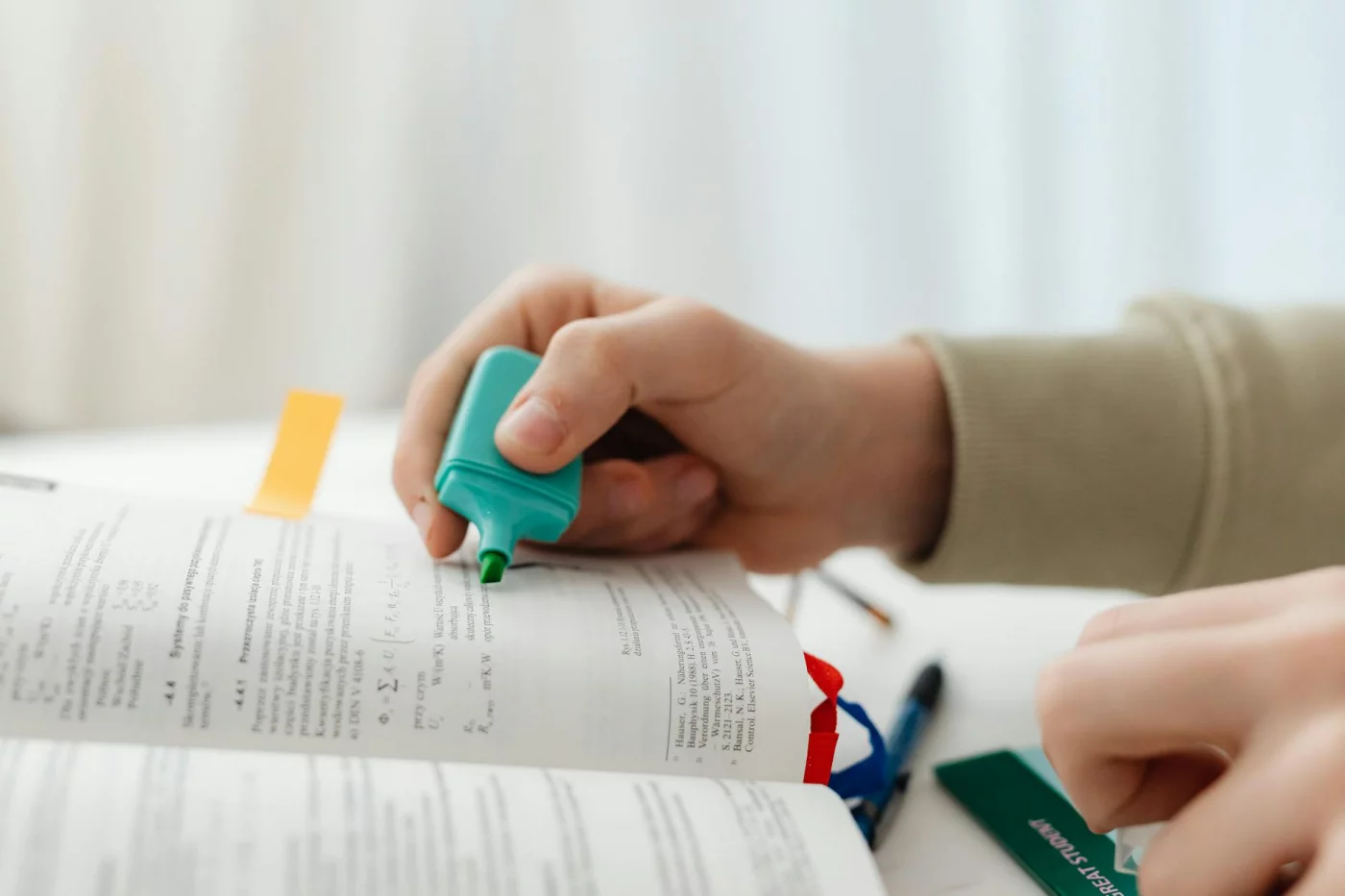
That’s the fastest workflow that still helps memory. As a software engineer and self-taught learner building FreeBrain study tools, I’ve tested a lot of systems, and speed improves when note-taking is selective, not exhaustive. If you want a format that fits your style, start with our guide to best note-taking systems compared.
A 7-step workflow for how to take notes from textbook fast
If you want to know how to take notes from textbook fast, use this exact sequence. And yes, it works for print books, PDFs, and online textbooks.
How to take notes from textbook fast
- Step 1: Preview headings, bold terms, diagrams, and chapter summary for 3-5 minutes.
- Step 2: Write one purpose question, like “How does photosynthesis store energy?”
- Step 3: Read only 1-3 pages.
- Step 4: Pause and close the book or look away from the PDF.
- Step 5: Write 3-5 bullets in your own words.
- Step 6: Add 1-2 recall questions for later review using ideas from the best active recall apps.
- Step 7: Mark a review date using the 2 7 30 memory rule.
Mini example from biology: heading, “Cell Membrane Transport.” Bullets: “Diffusion moves particles from high to low concentration,” “Osmosis is water movement across a semipermeable membrane,” “Active transport needs energy.” Recall questions: “What’s the difference between diffusion and osmosis?” and “Why does active transport require ATP?”
For a 20-page chapter, preview in 3-5 minutes, read and note in 20-35 minutes depending on density, then spend 5 minutes converting notes into questions. That’s usually the most efficient way to take notes from a textbook because it cuts copying and builds retrieval. Research on retrieval practice summarized by a review in Perspectives on Psychological Science available on PubMed Central supports the idea that recalling information beats rereading alone.
When to skip notes and just read
Should I take notes while reading textbook chapters? Sometimes. But not always.
- Skip full notes for review chapters you mostly know already.
- Skip them for simple narrative sections where the story flow matters more than details.
- Skip them for material you’ve clearly mastered through practice questions.
In those cases, use margin marks, a one-line summary, or jump straight to problems. Is taking notes from textbook a waste of time? Only when you’re copying obvious material or writing notes you’ll never review. Passive highlighting alone is weak unless you pair it with retrieval, which lines up with APA guidance on how retrieval strengthens learning and memory.
From experience: what actually speeds students up
Here’s the pattern I keep seeing. Students lose time on transcription, over-highlighting, and making notes look pretty instead of making them useful.
From experience, learners do better when they stop copying paragraphs and write one-sentence summaries plus questions. Personally, I think this is the part most people get wrong: faster note-taking doesn’t come from trying to outrun the text. It comes from fewer words and better retrieval.
The best fast system usually fits on half a page per chapter section. So if you’re asking how to take notes from textbook fast, aim for less volume and more testable prompts. Next, we’ll compare the main textbook note-taking methods so you can match the method to your goal.
5 textbook note-taking methods compared: best way to take notes from textbook by goal
Now that you’ve got the workflow, the next question is method. If you’re figuring out how to take notes from textbook fast, the best format depends less on preference and more on what the chapter is asking your brain to do.
No single method wins every time. And that’s the part most people miss. Research on learning consistently favors generative note-taking and retrieval over copying sentences word for word, which lines up with guidance from the American Psychological Association on memory and learning. If you want a digital setup for switching between methods, see our best note-taking systems compared.
Cornell notes and outline method
For recall-heavy chapters, Cornell notes are usually the best answer to how to take notes from textbook fast without hurting exam prep. Speed: moderate. Best for: memorization, self-testing, and turning headings into questions you can later review with best active recall apps.
Why does Cornell work so well? Because it forces you to write notes from textbook content in two layers: main notes now, retrieval cues later. Weakness: it’s slower than simple textbook note taking if the chapter is mostly definitions and you’re in a rush.
- Cornell notes — Speed: moderate; Best for: recall and exam review; Ideal subjects: biology, psychology, history
- Outline method — Speed: fast; Best for: structure and hierarchy; Ideal subjects: textbooks with clear headings and subheadings
Cornell example:
Cue: Mitosis stages
Notes: Prophase → metaphase → anaphase → telophase
Summary: Cell division follows an ordered sequence with distinct chromosome changes.
The outline method is the fastest option for well-organized chapters. If you need how to take notes from textbook fast for a chapter with clean headings, this is usually it. But wait — it breaks down when the author compares many categories across many pages.
Outline example:
I. Cellular respiration
A. Glycolysis
B. Krebs cycle
C. Electron transport chain
Charting method and concept map method
The charting method is the best way to take notes from textbook chapters built around comparison. Speed: fast once set up. Best for: side-by-side differences in biology, medicine, law, and social science.
Charting example:
Topic: Plant vs animal cells
Columns: Cell wall | Chloroplasts | Vacuole | Shape
Rows: Plant cell / Animal cell
If your goal is relationships rather than lists, use a concept map. Speed: slow. Best for: big-picture understanding, systems, and cause-effect chains. Evidence summarized in PubMed Central’s research archive broadly supports active processing over passive copying, and concept maps push that hard.
Concept map example:
World War I
→ alliances
→ militarism
→ nationalism
→ assassination at Sarajevo
So, how to take notes from textbook fast here? Use charting when categories repeat. Use concept maps when the chapter explains why things connect.
Chapter summary method and the quick recommendation matrix
The chapter summary method is the lowest-friction option. It’s often the best way to take notes from textbook reading when you only need the main claim, supporting ideas, and 5-7 key terms. For busy students, especially in college, this is a practical answer to how to take notes from textbook fast.
Chapter summary example:
Main argument: Memory improves when review is spaced.
Key terms: encoding, retrieval, spacing, cues, consolidation.
1-sentence takeaway: Don’t reread blindly; review on a schedule like the 2 7 30 memory rule.
📋 Quick Reference
If you need speed: outline or chapter summary.
If you need comparison: charting method.
If you need big-picture understanding: concept map.
If you need review prompts and exam prep: Cornell notes.
Personally, I think that’s the real answer to how to take notes from textbook fast: match the method to the goal instead of forcing one template onto every chapter. Next, let’s make this work for PDFs, online textbooks, and college reading without wasting time.
How to take notes from textbook PDF, online, and college courses without wasting time
Now that you’ve seen the main methods, the next question is practical: how do you actually use them fast? If you’re wondering how to take notes from textbook fast, the answer depends a lot on whether you’re reading print, PDFs, or online chapters.

Personally, I think this is where most students overcomplicate things. You don’t need a prettier system. You need fewer steps, clearer filters, and a note format you’ll actually review later—if you’re still choosing one, see our best note-taking systems compared.
A simple workflow for print, PDF, and online textbook notes
If your goal is how to take notes from textbook fast, don’t copy whole paragraphs. Research on generative learning suggests that summarizing and selecting key ideas helps more than transcription because your brain has to decide what matters.
- Print textbooks: use sticky tabs for major sections, add simple margin symbols like ? for confusion, ! for key claim, and * for test-worthy idea, then keep a separate note page for final points.
- PDFs: for how to take notes from textbook pdf, highlight sparingly, add short margin comments, then export highlights or rewrite only the top 5-10 ideas into one clean note file.
- Online textbooks: for how to take notes from textbook online, use split-screen reading and note capture, and make notes by section heading so endless scrolling doesn’t break your attention.
What should you mark? Four things: definitions, claims, formulas, and transitions. Skip most examples unless they explain the rule better than the rule itself.
And here’s the kicker — fast digital note taking works best when your final notes are shorter than your annotations. A good rule is one page of notes per chapter, then turn key points into questions using tools like these best active recall apps.
How to take notes from textbook college classes
How to take notes from textbook college is different because college books are dense, packed with examples, and often far broader than what gets tested. So here’s the deal: your notes should connect to lectures, assignments, diagrams, and likely exam questions—not every page.
A simple college format works well:
- One-page chapter summary
- Definitions and formulas
- Diagrams or processes
- “What the professor emphasized” section
Example: in biology, don’t copy the whole cellular respiration chapter. Write the stages, inputs and outputs, one labeled diagram, and the specific comparison your professor repeated in class. That’s usually the best way to study and the real answer to how to take notes from textbook fast in college.
If attention is a challenge, use shorter reading blocks and section-based notes. These strategies are educational, not medical advice; if you need personalized ADHD support, consult a qualified professional.
Can AI make notes from a textbook?
Short answer: yes, partly. If you’re asking whether you can make notes from textbook ai, or wondering about the best ai to take notes from textbook, AI is useful for extracting headings, cleaning messy notes, drafting summaries, making flashcard prompts, and generating quiz questions.
But wait. Can ChatGPT take notes from a textbook in a way that replaces your own learning? Not really. You still need to verify accuracy, decide what matters, and retrieve the ideas from memory yourself. That’s the learning part.
Use AI as a helper, not a substitute. If you want a practical framework for prompts, limits, and ethical use, read our guide on how to use AI properly.
Get the format right, keep your final notes lean, and tie them to likely questions. Which brings us to the next problem: the note-taking mistakes that quietly waste time and make your notes forgettable.
Common textbook note-taking mistakes to avoid and how to review notes so they stick
If the last section was about format, this section is about what usually goes wrong. When people search for how to take notes from textbook fast, they often need fewer notes, better review, and a cleaner study workflow—not more highlighting.
The most common mistakes in textbook note taking
Here’s the blunt truth: most textbook notes fail because they’re built for storage, not recall. And if you want to learn how to take notes from textbook fast, you need to cut anything that adds time without improving memory.
- Taking notes before finding the main idea: You copy details too early. Fix it by scanning the heading, summary, and bold terms first, then writing one sentence about the core idea.
- Copying too much: This feels productive but kills speed. Fix it by limiting yourself to 3-5 bullets per subsection.
- Highlighting before understanding: You mark everything and remember little. Fix it by highlighting only after you can explain the paragraph in your own words.
- Copying definitions without examples or questions: Recognition goes up, recall stays weak. Fix it by adding one example and one test question beside each key term.
- Making notes too pretty: Nice-looking pages often mean wasted time. Fix it by using color only for categories like definitions, formulas, and review flags.
- Never revisiting notes: One-pass notes fade fast. Fix it by scheduling short review sessions from the day you make them.
Personally, I think this is the part most people get wrong. They ask how to take notes from textbook fast, but the real bottleneck is usually bad filtering: writing everything, skipping the main idea, and treating notes like an archive instead of a practice tool.
How to review textbook notes with active recall
Want your notes to stick? Turn them into questions. That’s the shift from passive rereading to active recall, which cognitive psychology research has repeatedly linked to better long-term retention than review alone.
OK wait, let me back up. Good review notes are simple: cover the answer, try to recall it, check, then fix gaps. You can turn one page of textbook notes into flashcards, blank-page prompts, or “teach it from memory” drills. If you want a plain-language explanation method, see is the Feynman Technique effective.
- Same day: do a 3-minute quick check and answer your own questions without looking.
- After 2 days: test the main ideas, formulas, and examples again.
- After 7 days: review weak spots and mix chapters instead of doing one block only.
- After 30 days: do a final retrieval round for exam revision notes.
This 2-7-30 pattern works because memory weakens when you don’t revisit it, but retrieval strengthens it. And here’s the kicker—if you mix related chapters during review, your memory retention usually improves because your brain has to discriminate between similar ideas, not just repeat one set.
So how to take notes from textbook fast isn’t just about writing quicker. It’s about building notes you can quiz from later, which is what actually saves time before exams.
After building study tools, I’ve noticed the same pattern again and again: students improve faster when they pair note-taking with spaced repetition, focus blocks, and memory-based review instead of rereading. That’s exactly why FreeBrain’s resources on spaced repetition, focus, and memory are worth using alongside your textbook workflow.
What ADHD notes can look like
If you’ve ever wondered, what do ADHD notes look like? Usually, they work best when they remove friction. Not prettier. Not longer. Just easier to start and easier to review.
Try this low-friction template for efficient studying:
- 3 bullets: the three most important ideas
- 1 question: something you should be able to answer from memory
- 1 next step: review, quiz, or ask for help
Add one checkbox for review and use color only for categories. For example: blue for definitions, green for examples, red for “review again.” That’s it. Well, actually, that simplicity is often what makes how to take notes from textbook fast realistic when attention is inconsistent.
If attention issues significantly interfere with learning, consult a qualified professional for personalized support. This section is educational, not medical advice, but a low-friction note format can still make daily studying feel much more doable.
Next, let’s wrap this up with the most common questions and the practical bottom line.
Frequently Asked Questions
What is the most efficient way to take notes from a textbook?
The answer to what is the most efficient way to take notes from a textbook is a simple workflow: preview, read, pause, summarize, question, review. Preview the headings and diagrams first, read one short section, pause, then write 2-4 bullets in your own words plus 1-2 recall questions you can answer later from memory. If you’re trying to learn how to take notes from textbook fast, don’t copy full sentences from the book; capture the main idea, the supporting detail, and a retrieval prompt that helps you test yourself.
Should I take notes while reading a textbook?
For should i take notes while reading textbook, the short answer is yes — but not for every paragraph. Take notes when the material is dense, likely to appear on a test, or easy to forget; for easier sections, a one-line summary or jumping straight into practice questions is often faster and better for retention. That’s one of the biggest tricks behind how to take notes from textbook fast: be selective, not exhaustive.
How do I take notes from a textbook PDF?
If you’re wondering how to take notes from textbook pdf, use a two-stage system: mark the PDF lightly, then create clean notes outside it. A good flow is: (1) highlight only key definitions or claims, (2) add short margin comments in your own words, and (3) export or rewrite only the most important ideas into section-based notes with recall questions at the end. That approach makes how to take notes from textbook fast much more realistic because you’re filtering as you go instead of saving everything; if you want the memory side to stick, pair those notes with active recall techniques like the ones explained by FreeBrain’s active recall guide.
What do ADHD notes look like?
When people ask what do adhd notes look like, the most useful answer is: short, visual, and easy to start. In practice, that often means 3-5 bullets, one cue question, one example, and almost no formatting friction — not long blocks of text that are hard to revisit. If you’re trying to figure out how to take notes from textbook fast, this low-friction style can work well because it reduces overload; still, these are educational strategies, not medical advice, and if attention issues are affecting daily life, it’s smart to seek personalized help from a qualified professional.
Can ChatGPT take notes from a textbook?
Yes, can chatgpt take notes from a textbook is a fair question, and the practical answer is that it can help with first-pass summaries, heading extraction, and turning material into quiz questions. But wait — it shouldn’t replace your own thinking, because you still need to verify accuracy against the textbook and do retrieval practice if you want the material to stick. For how to take notes from textbook fast, a smart use case is letting it organize raw material while you handle the final summary and self-testing; for accuracy standards, it’s worth comparing claims against trusted sources like NCBI or your course materials.
Conclusion
If you want to learn how to take notes from textbook fast, the big wins are pretty simple: preview the chapter before you read, pull notes from headings and learning objectives instead of copying whole paragraphs, use a method that matches your goal, and finish with a short review so the material actually sticks. For most students, the fastest workflow is read in small chunks, pause, write 1-3 lines in your own words, then mark only the facts, formulas, or definitions worth revisiting later. And if you’re working with a digital book, the same rule applies: highlight less, summarize more, and turn key points into questions you can test yourself on.
Thing is, you don’t need prettier notes. You need notes that are faster to make and easier to review. If you’ve been spending an hour turning one chapter into a mini textbook, you’re not behind — you’re just using a slow system. The good news? Once you practice how to take notes from textbook fast for a few study sessions, it starts to feel much more natural. Less copying. More thinking. Better recall.
Want to keep improving your study system? Explore more practical guides on FreeBrain.net, including How to Study Fast and Remember More and Active Recall Study Method. If you’re serious about mastering how to take notes from textbook fast, start with one chapter today, use one method from this guide, and test yourself right after. Small changes add up fast. Start now.