

If you’re wondering how to prevent alzheimer’s and dementia, here’s the honest answer up front: there’s no guaranteed way to prevent Alzheimer’s disease. But research suggests you can lower your risk of dementia by improving the things that most strongly affect brain health — especially blood pressure, exercise, sleep, hearing, diabetes risk, and smoking. That’s the real starting point for how to prevent alzheimer’s and dementia: not miracle pills, but reducing the damage that builds up over decades.
Why is this question everywhere right now? Because more people are watching parents age, noticing their own memory slips in midlife, and asking the same uneasy question: is this normal, or the start of something worse? And evidence reviewed by the Lancet Commission on dementia prevention, intervention, and care suggests that a meaningful share of dementia cases may be linked to modifiable risk factors.
So here’s what you’ll get in this article. I’ll separate Alzheimer’s prevention from broader dementia risk reduction, rank habits by how strong the evidence is, and give you a practical breakdown of the cognitive reserve and dementia connection — because mentally demanding activity may help your brain stay resilient, even if it doesn’t directly stop disease. We’ll also cover supplements without hype, the best diet for brain health and dementia prevention, and what matters most in your 40s, 50s, and 60s+.
But wait. Not every memory lapse means neurodegeneration. We’ll also show you when to look into reversible issues like stress, sleep loss, medication effects, and other main causes of memory problems, so you can think more clearly about mild cognitive impairment vs dementia symptoms instead of jumping straight to worst-case scenarios.
I’m a software engineer, not a neurologist. But I’ve spent years building FreeBrain’s learning tools and translating published research into practical systems you can actually use — which, personally, is the part most health content gets wrong.
📑 How To Prevent Alzheimer's And Dementia: Contents
What prevention really means
So here’s the deal. When people ask how to prevent alzheimer’s and dementia, they usually want certainty. But the honest answer is simpler and less flashy: no single habit can guarantee prevention, yet evidence suggests several modifiable factors can lower risk over time.
That distinction matters because Alzheimer’s is one disease process, while dementia is a broader syndrome with multiple causes, including vascular disease, Lewy body disease, and mixed dementia. Major groups including the National Institute on Aging, the World Health Organization, and The Lancet Commission on dementia prevention, intervention, and care all frame this as risk reduction, not a promise.
The short answer
Can alzheimer’s be prevented? Not with certainty. But if you’re asking how to prevent alzheimer’s and dementia, the best-supported answer is to stack the odds in your favor with lifestyle habits and vascular risk management rather than chase one “brain booster.”
Risk reduction, not guarantees
Some risk factors aren’t modifiable. Age and genetics matter. But others do, too: blood pressure, smoking, physical activity, hearing care, sleep, and depression management all affect dementia risk reduction.
And here’s the kicker — brain health isn’t only about pathology; it’s also about resilience. The idea behind cognitive reserve and dementia is that education, mental activity, and engagement may help your brain cope better even when disease processes are present.
- Non-modifiable: age, family history, some genetics
- Modifiable: hypertension, inactivity, smoking, hearing loss, poor sleep
- Useful mindset: reduce risk, don’t expect guarantees
From experience: what readers usually get wrong
As a software engineer who builds learning tools, I see the same pattern a lot. People look for one magic fix — usually a supplement or brain game — when the stronger evidence points to boring-but-powerful basics like exercise, sleep, blood pressure control, and hearing support.
Quick note: this is educational, not medical advice. If you have symptoms or questions about supplements, sleep disorders, hearing loss, depression, or blood pressure, talk with a qualified clinician. And if you want practical next steps, FreeBrain’s sleep, memory, and brain health guides can help. Next, I’ll break down 10 evidence-based ways to lower dementia risk.
10 ways to lower dementia risk
So what does prevention look like in real life? If you’re wondering how to prevent alzheimer’s and dementia, the best evidence points to reducing modifiable risk factors early and consistently.
The 10 habits worth prioritizing
How to lower risk this week
- Step 1: Move more. Aim for 150 minutes a week of brisk walking or similar activity.
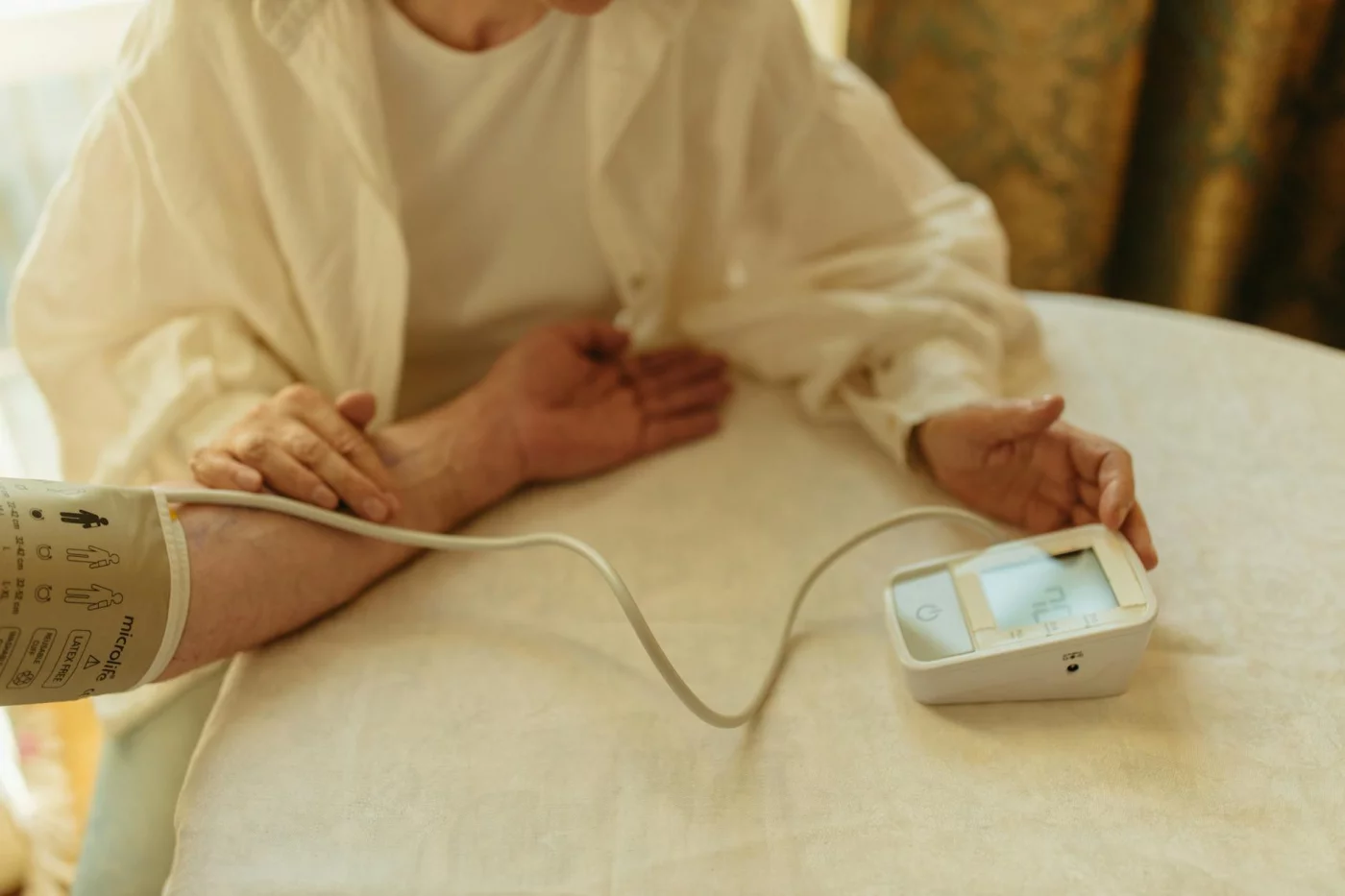
- Step 2: Control blood pressure, diabetes, and cholesterol. Use a home cuff and keep up with routine labs.
- Step 3: Protect sleep. If you snore loudly or feel sleepy in the day, ask about sleep apnea; sleep also supports memory consolidation and sleep.
- Step 4: Treat hearing loss. Get hearing checked in midlife and use hearing aids if recommended.
- Step 5: Eat a Mediterranean-style diet. Build meals around beans, fish, olive oil, vegetables, and nuts.
- Step 6: Stay social. Join a class, volunteer, or schedule weekly time with people.
- Step 7: Challenge your brain. Learn a skill or language, but don’t treat brain exercises as a substitute for vascular health.
- Step 8: Avoid smoking and limit alcohol. Especially avoid binge drinking.
- Step 9: Address depression. Persistent low mood deserves professional evaluation.
- Step 10: Prevent head injury. Use helmets, reduce fall risk, and review balance problems.
What helps most vs what’s just promising
- Stronger evidence: exercise, blood pressure control, diabetes management, smoking avoidance, hearing care.
- Promising: Mediterranean-style eating, better sleep, social engagement, depression treatment.
- Supportive but limited alone: brain games and supplements.
Personally, I think this is the part most people miss: risk is cumulative. The best evidence-based ways to prevent dementia usually come from stacking several moderate improvements, especially from midlife onward.
Common mistakes and overhyped claims
Don’t rely on supplements alone. No supplement is proven to prevent Alzheimer’s in healthy adults, and fish oil has mixed evidence rather than shortcut status.
And no, crossword puzzles don’t cancel out smoking, untreated hearing loss, or uncontrolled hypertension. If you want a practical answer to how to prevent alzheimer’s and dementia, start with the basics that change blood flow, sleep quality, injury risk, and daily function.
Next, let’s make this age-specific so you know what to focus on in your 40s, 50s, 60s, and beyond.
What to do by age and when to get checked
Those 10 habits matter most when you match them to your decade. And if you’re wondering how to prevent alzheimer’s and dementia, the honest answer is risk reduction over time, not a single magic fix.
Your 40s, 50s, and 60+ priorities
In your 40s, build the foundation early because blood vessel damage and metabolic strain accumulate for decades. If you want to know how to reduce dementia risk in your 40s, start with blood pressure, exercise, smoking, alcohol, and weight.
- 40s: Aim for consistent aerobic activity, better blood pressure control, and smoking cessation support.
- 50s: Add hearing checks, sleep apnea evaluation if you snore or feel exhausted, and tighter diabetes/cholesterol screening.
- 60+: Keep those basics going, but track symptom changes, review medications, prevent falls, and stay socially engaged.
Research summarized by The Lancet Commission suggests many dementia risk factors are modifiable, including hearing loss, hypertension, and alcohol misuse. Want a practical next step? Check FreeBrain’s memory and sleep guides after this section.
Normal aging or something more?
Normal aging usually means slower recall, occasionally forgetting names, then remembering later. Mild cognitive impairment vs dementia symptoms? MCI means decline beyond expected aging, but you’re still mostly independent; dementia means cognitive decline that disrupts finances, medications, navigation, or safety.
But wait. Stress, poor sleep, depression, thyroid issues, vitamin deficiencies, medication side effects, and alcohol misuse can all affect memory too. That’s why stress and memory loss shouldn’t be mistaken for dementia without proper evaluation.
Quick reference: what to do next
📋 Quick Reference
- Start now: weekly exercise plan, blood pressure check, Mediterranean-style meals, smoking support, sleep review, hearing screening if needed.
- Ask your doctor about: persistent memory changes, depression, sleep apnea symptoms, medication review, diabetes control, hearing evaluation.
- Don’t waste money on: miracle supplements, detoxes, prevention guarantees, or expensive brain games marketed as cures.
When to seek medical evaluation
Persistent or worsening memory changes deserve medical attention. Red flags include getting lost in familiar places, repeated missed bills or appointments, trouble managing medications, repeating the same questions, behavior changes, or decline noticed by family.
Start with a primary care clinician, then consider a neurologist, audiologist, sleep specialist, or registered dietitian depending on the pattern. This section is educational, not medical advice, and supplements can interact with medications. Next, I’ll wrap this up with the most common questions and a simple action plan for how to prevent alzheimer’s and dementia.
Frequently Asked Questions
Can Alzheimer’s be prevented with lifestyle changes?
Not guaranteed. But if you’re asking can alzheimer’s be prevented with lifestyle changes, the more accurate answer is that lifestyle habits may lower dementia risk and possibly delay cognitive decline rather than fully prevent it. The strongest evidence points to regular exercise, blood pressure control, not smoking, managing diabetes, protecting hearing, and getting solid sleep — which is why these habits show up again and again in discussions of how to prevent alzheimer’s and dementia.

Do brain exercises help prevent Alzheimer’s?
If you’re wondering do brain exercises help prevent alzheimer’s, they can help maintain certain skills and support cognitive reserve, but they shouldn’t be your whole plan. Think of them as a supplement to the bigger drivers of brain health: physical activity, vascular health, sleep, and hearing care. Useful examples include learning a new topic, reading challenging material, teaching what you know, and doing real problem-solving — not just tapping through brain-game apps.
What supplements help reduce dementia risk?
For most healthy adults, no supplement has been proven to prevent Alzheimer’s, so the honest answer to what supplements help reduce dementia risk is: none with strong enough evidence to rely on. Research on fish oil, B vitamins, vitamin D, and other products is limited or mixed unless you have a diagnosed deficiency or a specific medical reason to take them. And yes, this is the part most people get wrong — talk with a clinician before starting supplements because some can interact with medications or make bold claims that don’t match the evidence; for a research-based overview, see the National Institute on Aging.
Does sleep reduce Alzheimer’s risk?
Good sleep supports memory consolidation, attention, and overall brain health, so if you’re asking does sleep reduce alzheimer’s risk, the evidence suggests it likely helps as part of a broader risk-reduction strategy. Poor sleep is associated with worse cognitive outcomes, but sleep alone isn’t a guaranteed way to prevent Alzheimer’s. If you snore heavily, stop breathing during sleep, or feel sleepy during the day, bring it up with a healthcare professional — and if you’re working on how to prevent alzheimer’s and dementia, sleep is one of the most practical places to start.
Does hearing loss increase dementia risk?
Yes — if you’re asking does hearing loss increase dementia risk, major dementia prevention frameworks consider hearing loss an important modifiable risk factor. Untreated hearing loss may raise cognitive load, reduce social interaction, and cut down on the kind of everyday stimulation your brain benefits from. A hearing check in midlife or older adulthood is a smart move, and if you want a credible summary of the evidence, the Lancet Commission on dementia prevention, intervention, and care is one of the best-known sources on this topic.
Conclusion
If you want the shortest answer to how to prevent alzheimer’s and dementia, it’s this: protect your brain the same way you protect your heart. Move your body most days, control blood pressure and blood sugar, sleep enough, stay socially engaged, and keep your brain active with effortful learning — not just passive scrolling. And don’t wait for “old age” to start. The evidence suggests dementia risk builds over decades, which means small choices in your 30s, 40s, and 50s can still matter a lot later on.
That’s the hopeful part. You can’t control every risk factor, and no habit offers a guarantee. But you do have real influence over the big levers. Personally, I think this is where people get stuck: they assume prevention has to be extreme. It doesn’t. A brisk daily walk, better sleep timing, fewer ultra-processed meals, more challenge for your brain, and getting checked when something feels off — that’s a strong start. One step counts. Then the next one does too.
Want help turning this into action? Explore more evidence-based guides on FreeBrain.net, including How to Improve Memory and How to Focus Better. If you’ve been wondering how to prevent alzheimer’s and dementia, don’t stop at reading — pick one habit to start this week, put it on your calendar, and make brain health something you practice, not just something you worry about.