If you want the short answer, the best exercise for stress and anxiety — while also helping focus and memory — is usually aerobic exercise. Brisk walking, cycling, or any movement that raises your heart rate tends to give the best overall payoff, while yoga, tai chi, and breathing drills can be better if your main problem is tension, mental overload, or a fried attention span. If you want a deeper breakdown, our exercise and memory guide explains why cardio stands out, and our practical guide to brain exercises for concentration shows where mental training fits in.
Sound familiar? You sit down to study or work, and your brain feels noisy, your recall gets worse, and even five minutes of distraction turns into twenty. Research on physical activity and brain health has been strong enough that the CDC’s overview of physical activity benefits includes better brain health, reduced anxiety, and improved thinking as part of the picture. So which option works fastest when you’re stressed right now, and which one helps most over time?
That’s what this article answers. You’ll get a direct comparison of the best exercises for focus memory and stress relief, including what helps working memory, what helps calm your nervous system, and what’s most realistic when you only have 5 or 15 minutes. And yes, we’ll cover the best exercise for stress and anxiety for different situations, not just toss you a random list of “brain hacks.”
I’m a software engineer, not a neuroscientist — and honestly, that’s part of why I write these pieces this way. I’ve built FreeBrain tools for self-learners and tested short movement-plus-focus routines myself, but this article is grounded in published evidence, practical tradeoffs, and what actually fits into a real day. No padded list. Just the best exercise for stress and anxiety, memory, and concentration based on your goal.
📑 Table of Contents
The best exercise for stress and anxiety
So here’s the direct answer. The best exercise for stress and anxiety overall is aerobic exercise because it helps mood, attention, and memory at the same time; walking is the easiest daily version, slow breathing works fastest when you need to calm down now, and yoga or tai chi are strong low-impact options. For the full roadmap on stress and sleep, our stress and sleep guide is the best next step.
Short answer: what works best
If you want one default choice, pick brisk walking, cycling, or any steady cardio. For a quick compare, see our exercise and memory guide and pair it with brain exercises for concentration so you’re not treating physical and mental training as the same thing.
- Best overall: aerobic exercise
- Easiest to start: walking
- Fastest mental reset: slow breathing
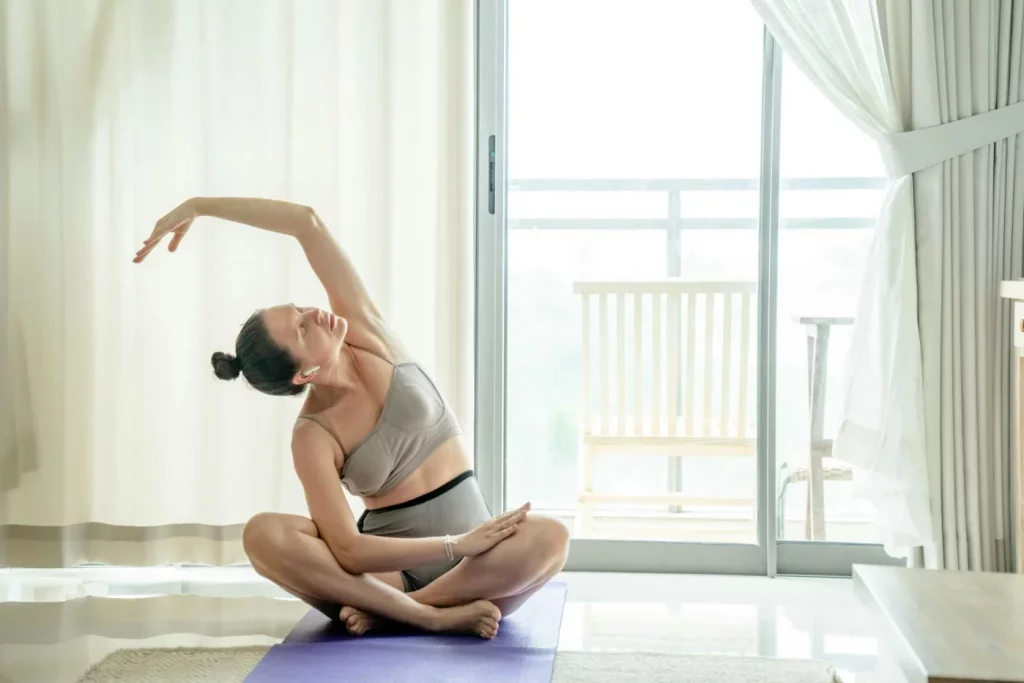
- Best low-impact option: yoga or tai chi
And which exercise is best for brain memory? Usually regular cardio wins long term, while breathing helps more with immediate stress control.
Why movement changes your brain state
Light-to-moderate movement can raise alertness, improve mood regulation, lower perceived stress, and make it easier to focus within minutes. Longer term, research suggests regular activity supports neuroplasticity and hippocampus-related memory processes, with benefits for working memory, attention span, and stress resilience as cortisol levels become easier to manage.
What the evidence says in plain English
Public-health guidance from the CDC’s physical activity basics says adults should aim for about 150 minutes of moderate activity per week, and short bouts still count. NIH’s Exercise and the Brain overview also explains why physical activity and cognition tend to improve together over time.
Quick trust note: I’m a software engineer, not a clinician, and FreeBrain relies on evidence-based summaries while testing short movement-plus-focus routines in learning tools. Exact effects vary with sleep, stress load, fitness, and consistency. Exercise can support stress management and attention, but it isn’t medical care; if you have injuries, panic symptoms, cardiovascular issues, or significant anxiety or depression, talk with a qualified healthcare professional first. Next, let’s separate what works fastest from what lasts.
What works fastest vs what lasts
So which option helps right now, and which one pays off over months? For the best exercise for stress and anxiety, the honest answer is: different tools do different jobs.
Fast-acting options before study or work
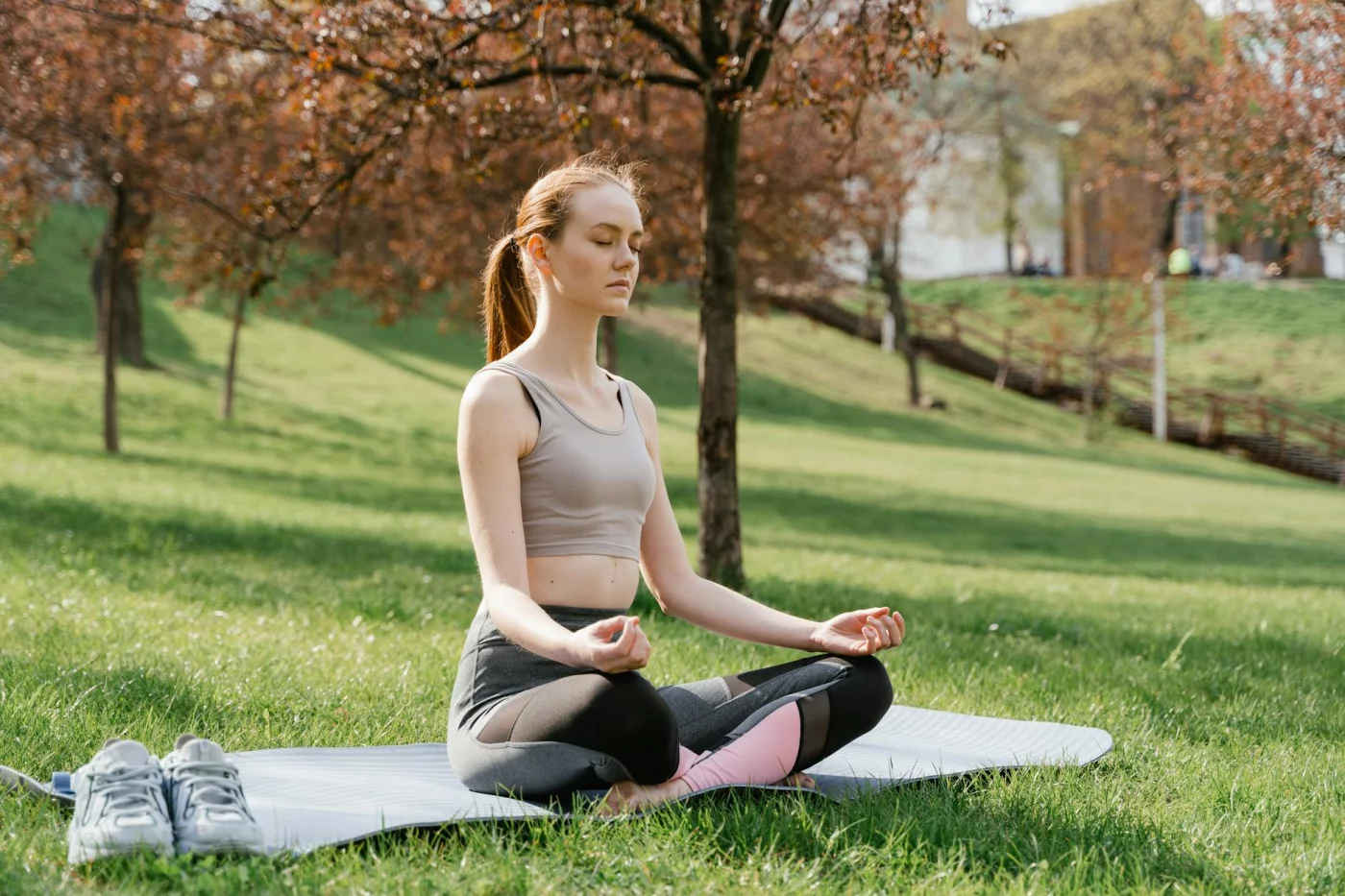
For acute stress, slow exhale-focused breathing exercises for beginners are often the fastest reset. A few rounds can lower that panicky, test-anxiety feeling within minutes, while a 5-10 minute brisk walk boosts alertness without the heaviness of a hard workout. If your problem is tension or mental overload, not low energy, yoga or tai chi usually fit better.
And puzzle-style brain exercises for concentration can sharpen task-specific skills, but they don’t replace the broader stress and cognition benefits of movement. Research reviewed by the NIH on physical activity and cognition points in that direction.
Long-term options for memory and focus
If you want the best exercise for stress and anxiety that also supports memory, regular moderate aerobic work is the strongest all-around choice. Think brisk walking, cycling, swimming, or easy jogging 3-5 times per week. Coordination-heavy movement like dance, martial arts drills, or racket sports may add extra benefits because they mix attention, timing, and sequencing.
📋 Quick Reference
- Fastest stress relief: slow breathing
- Best same-day focus boost: 5-10 minute brisk walk
- Best long-term memory support: regular aerobic exercise
- Best low-impact option: tai chi or yoga
- Best for people who hate workouts: short walks plus breathing
Real-World Application
- Student: 8-minute walk, 2 minutes of breathing, then a 25-minute study block.
- Desk worker: 3 minutes of slow breathing plus a 5-minute hallway walk between meetings, or a short stair walk after lunch before deep work.
Common mistakes to avoid
Four mistakes show up a lot: going too hard, being inconsistent, using exercise as procrastination, and expecting mental exercises to improve memory when the real issue is stress, poor sleep, or inactivity. Intense training right before demanding work can leave you flat. Consistency beats hero sessions.
Which brings us to the next step: building a weekly routine you’ll actually keep.
Build your simple weekly routine
So now you know what works fast and what keeps working. The next step is simpler: turn the best exercise for stress and anxiety into a routine you can actually repeat.
How to build a repeatable plan
- Step 1: Use a 5-minute reset before studying, meetings, or right after a stress spike: 1 minute slow breathing, 3 minutes brisk walking or marching, 1 minute to settle and start your first task.
- Step 2: Use a 15-minute pre-study routine when you have more room: 8-10 minutes brisk walking or easy cycling, 2 minutes breathing, then 2-3 minutes planning the next task.
- Step 3: Keep intensity simple: easy means you can breathe through your nose and recover quickly; moderate means you can talk but not sing; calming work should leave you clearer, not wiped out.
Step-by-step: 5-minute and 15-minute plans
The 5-minute version is perfect if you’re mentally jammed. And if you feel scattered, add breathing exercises for beginners or a 1-minute mindfulness break after the walk.
- 5 minutes: breathe, move, settle, start
- 15 minutes: move first, then breathe, then pick one clear task
Why does this help? Pairing movement with a specific first task lowers friction, which makes daily exercises to improve focus and memory while reducing stress much easier to stick with.
Weekly baseline for lasting benefits
A realistic baseline is about 150 minutes a week of moderate aerobic activity, which aligns with public health guidance from the CDC. That can mean 30 minutes on 5 days, or shorter chunks across the week.
Too much? Start with 10-15 minutes most days. Walking plus yoga or tai chi 2-3 times weekly is a solid low-impact path for stress, joint discomfort, and concentration.
How to choose based on your main problem
- If anxiety is the main issue: start with breathing, walking, yoga, or tai chi.
- If brain fog is the problem: use brisk walking or other light-to-moderate aerobic movement, ideally earlier in the day.
- If memory recall is the issue: prioritize regular aerobic exercise over time, then pair it with active recall.
Personally, I think this is where people overcomplicate things. The best exercise for stress and anxiety is usually the one that matches your bottleneck and fits your week.
Quick Reference
📋 Quick Reference
Best overall: aerobic exercise. Best easiest habit: walking. Best fastest reset: slow breathing plus a short walk. Best low-impact option: yoga or tai chi. Best rule: choose the smallest focus routine you can repeat this week.
If you want extra help building that routine, FreeBrain’s breathing, mindfulness, and stress resources can help you make it automatic. And really, the best routine isn’t the hardest one — it’s the one you’ll still be doing next week, which brings us to the final questions and wrap-up.
Frequently Asked Questions
What is the best exercise for stress and anxiety?
For most people, the best exercise for stress and anxiety is aerobic movement you can repeat consistently, like brisk walking, cycling, or easy jogging. If your stress is spiking right now, though, slow breathing is often the fastest tool because it can lower physical tension within minutes. Walking is usually the easiest place to start since it’s accessible, low-risk for many people, and much easier to stick with than hard workouts you dread.
Which exercise is best for brain memory?
If you’re asking which exercise is best for brain memory, regular aerobic exercise has the strongest overall case for supporting brain health over time. Brisk walking is a practical starting point because it’s simple, sustainable, and easier to turn into a weekly habit. And if you want an extra mental challenge, coordination-heavy movement like dancing, racket sports, or learning a new movement pattern can be a smart add-on rather than a replacement.
How much exercise do you need to improve memory?
When people ask how much exercise do you need to improve memory, a strong baseline is the public-health target of about 150 minutes of moderate activity per week, which is also supported by guidance from the CDC physical activity guidelines. But wait, shorter sessions still count. Even 10 to 20 minute walks can matter if they help you build a routine you can keep for months instead of going all-in for four days and quitting.
Does walking improve focus and memory?
Yes, does walking improve focus and memory is a fair question, and research suggests it can help attention, mood, and mental clarity, especially before demanding study or work sessions. A short walk may not feel dramatic every single time, but it is one of the most realistic habits for long-term brain benefits. Personally, I think that’s why walking works so well: it’s simple enough to actually happen.
Are brain exercises or physical exercise better for memory?
If you’re wondering are brain exercises or physical exercise better for memory, the honest answer is that they help in different ways. Physical exercise has broader benefits for stress regulation, sleep, energy, and overall cognitive function, while brain exercises can sharpen specific skills and support active learning. The best combo for most students is regular movement plus deliberate study methods like retrieval practice and spaced repetition, which you can explore in FreeBrain’s learning tools and study resources.
What is the 3 3 3 rule for exercise?
The phrase what is the 3 3 3 rule for exercise doesn’t point to one standard evidence-based exercise protocol, which is where a lot of confusion starts. You may see different versions online, so always check what the writer actually means before treating it like official guidance. And here’s the kicker — if an article mentions the 3-3-3 rule, it should explain the exact version being discussed and avoid presenting it as a formal recommendation unless it’s clearly sourced.
Conclusion
If you want the short version, here it is: brisk walking and other moderate cardio are often the best place to start when you need a practical best exercise for stress and anxiety option, strength training helps build longer-term resilience, and mind-body work like yoga or tai chi can calm your system fast when your brain feels overloaded. And timing matters. If you need relief today, do 10-20 minutes of movement you can actually stick with. If you want better focus and memory over time, aim for a simple weekly mix: 3 cardio sessions, 2 strength sessions, and 1-2 short recovery or mobility sessions.
That’s the part most people miss. You don’t need the perfect workout plan. You need a repeatable one. Even a short walk after lunch, a few bodyweight sets in the evening, or a 10-minute yoga flow before bed can start changing how you feel and how well you think. If your stress has been heavy lately, start smaller than you think you should. Consistency beats intensity, every time.
Want help building that consistency? Explore more evidence-based study and brain-health strategies on FreeBrain.net, including how to improve focus and concentration and how to reduce stress while studying. Pick one workout, schedule it this week, and give your brain the support it’s been asking for.