

If you’re wondering how long should a cold shower be for better alertness and focus, the practical answer is usually 30 seconds to 3 minutes. For most people, that’s enough to feel more awake and shake off grogginess, while the evidence for big long-term gains in memory or executive function is still limited. And if you’re asking how long should a cold shower be to study better, colder and longer aren’t automatically better.
That matters because a lot of people aren’t chasing “wellness.” You’re trying to wake your brain up before work, clear mental sludge after a bad night, or reset your brain fast before a deep-focus block. Maybe you’ve felt that jolt after turning the water cold and wondered: can a cold shower remove brain fog, or is it just a shock that fades in ten minutes?
Here’s the short version. Research suggests cold exposure may boost short-term alertness, arousal, and subjective energy, partly through the body’s stress-response systems, but that’s different from proving that cold showers improve cognitive function over weeks or months. We’ll separate “I feel awake now” from “my brain works better overall,” using outcome-specific evidence and context from research indexed by the National Library of Medicine.
In this article, you’ll get a straight answer to how long should a cold shower be for focus, plus a practical protocol for temperature, timing, and safety. We’ll also cover cold shower dopamine how long the effect may last, when a shower works best as a transition ritual alongside mindful transitions for focus, and why the best setup for studying often has more to do with what you do right after the shower than the shower itself.
I’m a software engineer, not a neuroscientist — but I spend a lot of time translating published research into study systems that people can actually use. One quick safety note: if you have cardiovascular, neurological, or mental health concerns, talk with a qualified clinician before trying cold exposure, especially if you’re tempted to push how long should a cold shower be past the sensible range.
📑 Table of Contents
- Quick answer: how long should a cold shower be for alertness?
- What cold exposure does to the brain and nervous system
- What the research says by cognitive outcome: alertness, brain fog, and performance
- How to use a cold shower for focus: step-by-step protocol and real-world application
- Common mistakes: when cold showers may hurt cognition instead of help
- Quick reference and bottom line: should you use cold showers for cognitive performance?
- Frequently Asked Questions
- Conclusion
Quick answer: how long should a cold shower be for alertness?
So here’s the practical answer before we get more technical. If you’re asking how long should a cold shower be for alertness, the sweet spot for most people is about 30 seconds to 3 minutes, usually as a cold finish after a normal warm shower. For more on stress and sleep, see our stress and sleep guide.
That range is enough to feel more awake without turning the shower into an endurance test. And if you want to reset your brain fast before study or deep work, a brief cold finish is usually more useful than several brutal minutes.
Short answer for featured snippet
For most healthy adults, how long should a cold shower be for alertness? About 30 seconds to 3 minutes. Beginners should start closer to 15 to 30 seconds, not jump straight to multi-minute exposure.
If your real goal is focus for work, coding, or studying, colder and longer aren’t automatically better. Personally, I think this is the part most people get wrong: you want a clean arousal boost, not so much stress that you come out shaky, distracted, or dreading the habit. Used well, a cold shower can work like one of several mindful transitions for focus.
- Beginner: 15-30 seconds cold at the end
- Most people: 30-90 seconds
- Upper practical range: 2-3 minutes
What the evidence supports — and what it doesn’t
Here’s the evidence hierarchy. Stronger support comes from basic physiology and acute human responses: cold exposure can increase arousal, breathing rate, and sympathetic activation, which may reduce sleep inertia and boost subjective wakefulness. Research summarized in the NCBI overview of cold stress physiology helps explain why people often feel instantly “switched on.”
But do cold showers improve cognitive function in a lasting way? Evidence is mixed to weak. Acute alertness often improves faster than objective performance on working memory, learning, or executive-function tasks, and broader evidence on the cold shock response also shows why too much cold can become counterproductive.
Well, actually, that nuance matters more than hype. If you’re chasing concentration, motivation, and a clean start to work, brief cold may help alongside routines like dopamine and motivation explained, but how long should a cold shower be still depends on tolerance, sleep, and stress load.
Educational note: If you have heart disease, uncontrolled hypertension, Raynaud’s, panic symptoms, pregnancy concerns, neurological conditions, or other health issues, consult a qualified clinician before trying cold exposure. Next, let’s look at what cold exposure actually does to the brain and nervous system.
What cold exposure does to the brain and nervous system
So now we can move from timing to mechanism. If you’re wondering how long should a cold shower be, the real answer depends on what that burst of cold is actually doing to your brain and nervous system in the first place.

In plain English, cold water hits skin receptors that flag a potential threat. Your body responds fast: sympathetic nervous system activity rises, breathing gets sharper, heart rate may jump, and you feel more awake — which is why some people use cold as one way to reset your brain fast or create mindful transitions for focus before work.
Stress response, arousal, and alertness
This is the immediate effect most people notice. Cold shower benefits nervous system function mainly through acute arousal, not magic long-term brain enhancement.
Thermoregulation and autonomic physiology are well described in NCBI’s overview of autonomic nervous system function: cold input can increase sympathetic activation, constrict blood vessels near the skin, and push you into a more alert state. That’s useful when you’re groggy, especially during sleep inertia right after waking.
But wait. Feeling stimulated isn’t the same as thinking better.
A cold shower can make you feel switched on, yet that doesn’t guarantee better working memory, reasoning, or sustained concentration. Personally, I think this is the part most people get wrong: a brief cold finish may help you feel less foggy, but “less sleepy” and “better cognitive performance” are not identical outcomes.
If you’re asking how long should a cold shower be for mental alertness, think in terms of enough cold to trigger arousal without tipping into panic or distraction. For many people, that means a short exposure works better than trying to prove toughness.
- Cold receptors signal threat quickly.
- Sympathetic activity rises within seconds.
- Breathing often becomes faster and deeper.
- You may feel more awake before you feel comfortable.
Dopamine, norepinephrine, and mood — without the hype
Cold exposure is often linked to norepinephrine and dopamine because those chemicals are involved in arousal, motivation, and attention. And yes, that sounds nerdy, but it matters if you’re trying to answer how long should a cold shower be for focus rather than for bragging rights.
Human cold exposure research discussed in PubMed often points toward catecholamine changes, especially norepinephrine, while broader stress-response context from the American Psychological Association on how stress affects the body helps explain why cold can feel energizing at first. Still, a cold shower dopamine study is not the same thing as proof that cold showers rewire your brain or reliably treat low mood.
OK wait, let me back up. Search interest around cold shower dopamine how long makes sense, but duration effects are still fuzzy because timing, water temperature, acclimation, and study design vary a lot.
So, are cold showers good for brain function? Sometimes for short-term arousal, maybe. Evidence is much weaker for broad claims about memory, executive function, or lasting motivation. If you want the motivation angle in more detail, I broke that down here: dopamine and motivation explained.
Mood lift also isn’t the same as improved planning, inhibition, or deep-work capacity. That distinction matters when people ask cold shower dopamine how long, because the answer for “I feel more alive” may differ from the answer for “I can now do hard thinking for two hours.”
When the same response can help or hurt focus
Here’s the practical distinction. The same stress response that sharpens one person can overload another.
The classic inverted-U idea applies well here: too little arousal feels sleepy, too much feels chaotic. A mildly tired student might use a brief cold finish and feel clear-headed, while an already anxious test-taker may come out tense, over-breathed, and less able to focus.
Three things matter most: your baseline stress, your sleep, and your cold tolerance. Expectations matter too. And whether you do a brief cold finish or a full cold start can completely change the experience.
That’s why how long should a cold shower be can’t have one universal answer. Someone well-rested may tolerate 60 to 120 seconds and feel great; someone sleep-deprived may find even 20 to 30 seconds dysregulating.
So do cold showers improve brain function? Sometimes they improve state, which can help performance indirectly. But if the stress load overshoots, focus and concentration can get worse, not better. We’ll unpack that next by looking at the research outcome by outcome: alertness, brain fog, and actual performance — and where how long should a cold shower be really makes a difference.
What the research says by cognitive outcome: alertness, brain fog, and performance
The previous section covered the stress-response machinery. Now the practical question is simpler: if you want sharper thinking, how long should a cold shower be for actual cognitive benefits, not just a dramatic feeling?
Short answer: the evidence is strongest for feeling more awake, weaker for measurable thinking gains. If you’re using cold exposure to reset your brain fast or as part of mindful transitions for focus, that’s reasonable — but the outcome depends on what you’re trying to improve.
📋 Quick Reference
| Outcome | Likely effect | Evidence strength | Practical takeaway |
|---|---|---|---|
| Subjective alertness | Often improves quickly | Moderate | Useful before early work, lectures, or meetings |
| Sleep inertia / wakefulness | Plausible short-term benefit | Moderate | Best fit for groggy mornings |
| Reaction time / simple attention | Small or inconsistent improvement | Mixed | May help on simple vigilance tasks more than deep reasoning |
| Working memory / executive function | Limited evidence | Weak | Don’t assume better studying just because you feel energized |
| Learning / long-term performance | No solid direct support | Weak | Use cold as a reset, not a study strategy by itself |
Attention, reaction time, and sleep inertia
This is where cold shower brain benefits are most plausible. A brief cold shower can increase mental alertness through arousal, faster breathing, and a spike in stress-related signaling that may help you feel switched on.
But wait. Feeling alert and performing better aren’t the same thing. Research on cold exposure tends to show bigger effects on subjective wakefulness than on objective tests, especially when the task is more complex than basic reaction time.
So, how long should a cold shower be if your goal is waking up fast? Usually short exposure is the point. For early lectures, morning coding, or a pre-meeting reset, you’re mainly targeting sleep inertia — that heavy, slow state after waking — not trying to become smarter in five minutes.
A good mental model is this:
- Best-case effect: you feel more awake and less sluggish
- Possible effect: slightly better reaction time on simple tasks
- Less likely effect: major gains in reasoning, planning, or memory
This lines up with broader sleep and arousal research, including NCBI’s overview of sleep inertia, which shows that grogginess after waking can temporarily impair attention and speed. Cold may interrupt that state, but it doesn’t replace sleep.
Working memory, executive function, and learning
Here’s the part most people get wrong. When people ask whether cold showers improve cognitive function, they often lump everything together: focus, memory, studying, creativity, and grades. The evidence doesn’t support treating those as one bucket.
For working memory and executive function, support is limited and indirect. And yes, that matters, because these are the skills behind holding ideas in mind, resisting distractions, and choosing the next step in a hard task.
So how long should a cold shower be if you want better studying? Honestly, duration is probably not the main variable. Task design matters more. If you shower, then immediately start multitasking, context-switching, or trying to split attention, you can erase any small alertness boost; that’s one reason can humans really multitask is the wrong question for serious study sessions.
Personally, I think this is why “I felt amazing” reports can be misleading. You may feel driven because arousal and reward systems are activated — see dopamine and motivation explained — while measurable learning stays flat. For sustained concentration, exercise, bright light exposure, hydration, and cleaner task structure often have stronger support than cold alone, including evidence summarized by the CDC on physical activity and brain health.
Brain fog, mood, and motivation
Can a cold shower remove brain fog? Sometimes temporarily, yes. Permanently or reliably? No, because brain fog isn’t one thing.
Poor sleep, dehydration, stress, illness, medication effects, screen fatigue, and attention residue can all feel like “fog.” A cold shower may sharpen alertness for 10 to 30 minutes, but it won’t fix sleep debt, and it won’t fully undo attention residue recovery problems after hours of fragmented work.
That’s why how long should a cold shower be depends on your bottleneck. If you’re just dull and sleepy, short exposure may help. If you’re overloaded, overstimulated, or exhausted, more cold can backfire and feel stressful rather than clarifying.
Three things matter: the cause of the fog, the timing, and what you do right after. If you want a real test of whether how long should a cold shower be for your brain, pair it with water, light, and one clearly defined task. Which brings us to the next section: how to use a cold shower for focus in a step-by-step way that actually fits real life.
How to use a cold shower for focus: step-by-step protocol and real-world application
The research is mixed on long-term cognition, but the short-term use case is clearer: cold exposure can work as a fast alertness tool. So if you’re asking how long should a cold shower be for focus, the practical answer is usually shorter than people think.
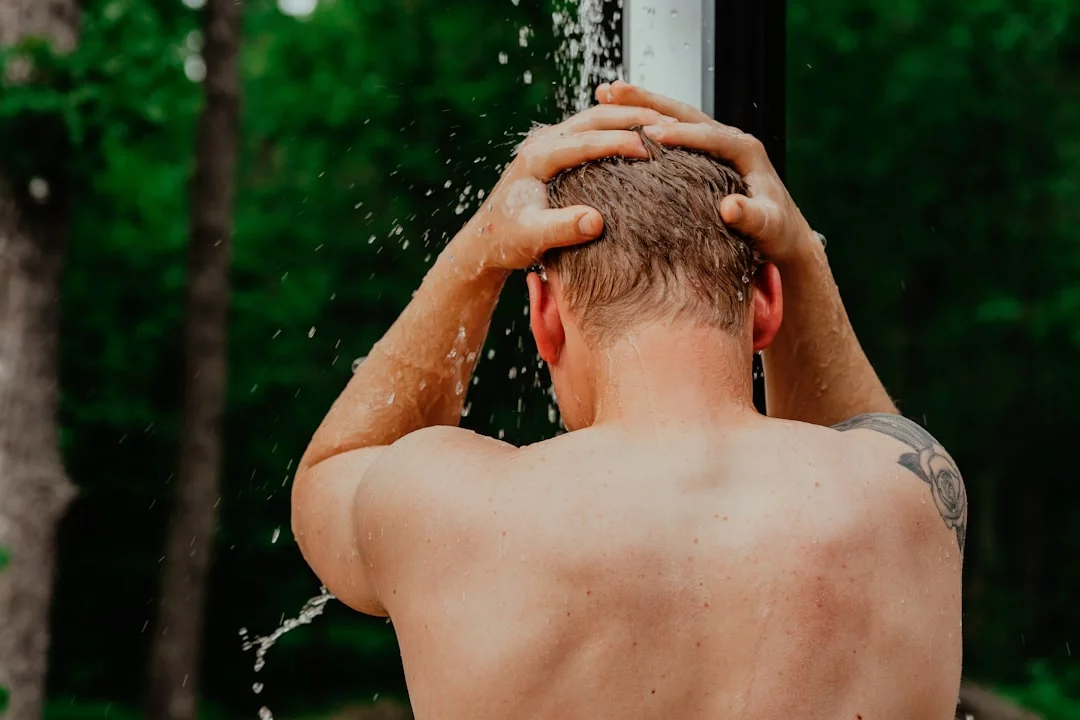
Personally, I think this is where most articles drift into extremes. If your goal is to reset your brain fast and create a clean transition into work, a cold shower should support focus, not become its own endurance event.
Step-by-step beginner protocol
If you want the simplest answer to how long should a cold shower be, start with a normal warm shower and finish with 15 to 30 seconds of cold water. That’s enough to create a noticeable jolt for many people without tipping into panic or dread.
And yes, the temperature matters. If you’re wondering how cold should a shower be for brain benefits, aim for clearly cold but still controllable — cold enough that you feel a strong contrast, not so cold that your breathing becomes chaotic.
How to build a focus-oriented cold shower routine
- Step 1: Start warm, then switch to cool-cold for 15 to 30 seconds at the end of the shower.
- Step 2: Breathe slowly through the nose if possible, or use steady controlled exhales. The goal is alertness, not a stress spike.
- Step 3: Add 15 to 30 seconds every few sessions until 60 to 90 seconds feels manageable.
- Step 4: For most focus goals, stop around 2 to 3 minutes. Longer is rarely necessary for mental clarity.
So, how long should a cold shower be once you’ve adapted a bit? For most readers, 60 to 90 seconds is the sweet spot, and 2 to 3 minutes is a sensible upper cap for focus-oriented use.
Quick sidebar: if you’re shaking hard, gasping uncontrollably, or feeling mentally scattered instead of sharper, stop. Evidence on cold exposure points to stress-response effects involving arousal systems and catecholamines, but more intensity doesn’t automatically mean better attention or motivation; even the broader overview of the cold shock response makes that tradeoff obvious.
Best timing for studying, work, and post-slump resets
The best time for cold shower for focus is often either in the morning or right before a defined work block. But wait — morning isn’t automatically best for everyone, because your chronotype, sleep quality, and work schedule change the equation.
If you deal with sleep inertia, a cold shower in the morning for concentration can help you feel switched on faster. Pairing it with bright light, water, and a phone-free start works even better, which is why I often recommend a no-phone morning routine instead of treating cold water like a magic fix.
For studying, the best use is usually a cold shower before studying for focus right before one specific task. Not “study all day.” One 60- to 90-minute block. Then sit down and start immediately using a flow state study protocol, not ten minutes of wandering around your room.
- Morning: best for sleep inertia and sluggish starts
- Pre-work block: best for a clean transition into single-task focus
- After lunch: useful for a midday slump, especially with a short walk
- Before bed: usually a bad idea if it leaves you feeling too activated
And what about the 2 p.m. crash? A short cold rinse after lunch can work better than chasing another coffee for some people, especially if you also stand up, get daylight, and move for five minutes. That combination usually beats relying on cold exposure alone.
From Experience: the lowest-friction protocol that people actually stick with
After building learning tools and watching how people handle focus routines, I’ve noticed the same pattern over and over: adherence beats intensity. The best answer to how long should a cold shower be is the shortest dose you’ll repeat three to five times a week without dreading it.
For a student, that might look like this: warm shower, 30 to 60 seconds cold, towel off, drink water, open your notes, and begin the first prewritten task. For a knowledge worker, it might be a 60-second cold rinse after lunch to break brain fog before a 90-minute deep-work block.
Cold shower vs ice bath for focus? Showers win for most people. They’re easier, safer, cheaper, and far more repeatable, while face immersion in cold water can be a solid backup when a shower isn’t possible.
One last point. If you’re still asking how long should a cold shower be, don’t miss the bigger issue: the shower only sets the stage. What you do in the next five minutes determines whether you feel briefly awake or actually focused, which brings us to the mistakes that can make cold exposure backfire.
Common mistakes: when cold showers may hurt cognition instead of help
The protocol matters. And this is exactly where people asking how long should a cold shower be often go wrong: they assume more intensity automatically means more focus.
For cognitive performance, that’s not always true. A cold shower can sharpen alertness, but if it pushes your stress response too high, you may walk out more distracted, shaky, and mentally noisy than before.
Mistake 1: confusing stimulation with better performance
Feeling activated isn’t the same as thinking better. That’s the part most people miss.
Research on cold exposure is much stronger for acute arousal than for higher-order cognition. In plain English: cold may make you feel more awake, but that doesn’t guarantee better working memory, reasoning, or executive function. So when people ask do cold showers improve cognitive function, the honest answer is, “Sometimes alertness improves first, while deeper performance may not.”
Personally, I think this shows up most clearly in studying and coding. You take an intense cold shower, sit down to review flashcards or debug a nasty function, and instead of calm concentration you get urgency. You click around more. You switch tabs. You feel “on,” but your thinking gets sloppier.
And here’s the kicker — staying in too long often makes that worse. If you’re wondering how long should a cold shower be, the answer for focus is usually shorter than people expect, because excessive exposure can turn useful stimulation into cognitive interference.
- Good sign: you feel alert, steady, and ready to start one task
- Bad sign: your breathing is ragged, your shoulders are tense, and your mind is bouncing
- Worse sign: you’re still cold and uncomfortable 10-15 minutes later
A 2021 review in PubMed-indexed cold exposure literature makes this nuance clear: physiological activation is easier to show than durable gains in memory or executive function. So if your test prep gets more impulsive after cold, that’s not failure. It’s feedback.
Mistake 2: using cold showers when you’re already overloaded
This is where cold showers can backfire fast. If you’re badly sleep-deprived, highly anxious, or already running on stress hormones, another stressor may reduce focus instead of improving it.
That matters because people often use cold as a rescue tool after terrible sleep. But severe sleep loss already impairs attention, working memory, and emotional regulation, according to research from the CDC on sleep deprivation. In that state, how long should a cold shower be becomes the wrong question; the better question is whether cold is the right tool at all.
Well, actually, a gentler reset often works better when your nervous system feels maxed out. If you’re asking are cold showers bad for cognition when stressed, they can be, especially when stress response symptoms are already high: racing thoughts, chest tightness, shallow breathing, or panic sensitivity.
Use these as stop conditions:
- chest pain or pressure
- dizziness or faintness
- intense numbness
- panic or loss of breathing control
- feeling worse, not better, after getting out
And if your brain fog is anxiety-driven, don’t assume a cold shower can remove brain fog reliably. Sometimes it interrupts the loop. Other times it amplifies it.
Mistake 3: ignoring safer alternatives and complements
Cold showers work best as one tool in a system, not as a standalone hack. Which brings us to the practical part most competitors skip.
If your goal is sustained focus and concentration, lower-friction options may outperform cold. Bright outdoor light, a 5-10 minute brisk walk, hydration, face washing or brief face immersion, a 2-minute mobility circuit, and better caffeine timing for focus often give cleaner mental clarity with less downside.
Three things matter: state, timing, and task design. The best time for cold shower for focus is usually when you’re mildly sluggish but not overloaded, and when you can transition straight into one defined task. If you’re multitasking, doom-scrolling, or sitting in a noisy workspace, the cold shower benefits nervous system activation won’t compensate for bad study habits.
So, how long should a cold shower be if you do use one? Short enough that you come out alert and composed, not rattled. And if you keep asking how long should a cold shower be because the effect feels inconsistent, that inconsistency is your clue to test easier resets first.
Next, I’ll pull this together into a quick reference so you can decide whether cold showers are actually worth using for cognitive performance.
Quick reference and bottom line: should you use cold showers for cognitive performance?
After all those caveats, here’s the short version. If you’re still asking how long should a cold shower be for mental sharpness, the practical answer is usually 30 seconds to 3 minutes, with many people doing best around 60 to 90 seconds.

Quick Reference
📋 Quick Reference
- Best use case: sleep inertia, low-energy transitions, or a pre-work wake-up.
- Best duration: if you’re wondering how long should a cold shower be, aim for 30 seconds to 3 minutes.
- Best timing: morning or right before a defined focus block.
- Not a cure for: poor sleep, chronic stress, multitasking, or screen-driven fatigue.
Research on cold exposure and cognition is mixed. Evidence suggests cold showers may briefly increase arousal and subjective alertness, but direct evidence for better memory, learning, or long-term cognitive performance is weak. So, do cold showers improve brain function in a lasting way? Probably not by themselves.
Personally, I think this is the part most people get wrong. They ask how long should a cold shower be, but skip the bigger question: what problem are you trying to solve?
- Use it for wakefulness, attention shifts, and focus and concentration before a short work sprint.
- Don’t rely on it to fix brain fog caused by bad sleep, overloaded schedules, or messy work habits.
- Be cautious if you’re already stressed, sleep-deprived, or have cardiovascular or other health concerns.
What to try next
A better protocol is simple: cold finish, 2 to 5 minutes of movement, bright light, water, then one clear task. And yes, that boring stack usually beats obsessing over how long should a cold shower be.
For sustained results, pair cold exposure with workspace changes that boost focus and a single-task block. Test it for 7 days: track alertness from 1 to 10, plus actual output, not just how “awake” you feel.
Bottom line? If you want the cold shower brain benefits, keep it short and purposeful. And if you have health concerns, consult a qualified healthcare provider, because this is educational content, not medical advice. Next, let’s answer the most common remaining questions.
Frequently Asked Questions
Do cold showers improve cognitive function?
Yes, but with an important catch: do cold showers improve cognitive function mainly in the short-term sense of alertness, wakefulness, and feeling less mentally dull. The evidence is stronger for reducing sleep inertia than for improving memory, learning, or executive function over time, so if you’re asking how long should a cold shower be, think in terms of a brief wake-up tool rather than a brain upgrade. Personally, I think this is the part most people get wrong — feeling sharper for 20 to 60 minutes isn’t the same as meaningfully improving cognition across the day.
How long should a cold shower be for alertness?
If you’re wondering how long should a cold shower be for alertness, a practical range is about 30 seconds to 3 minutes. For most people, how long should a cold shower be comes down to tolerability, and many get enough benefit around 60 to 90 seconds without needing to push longer. More time isn’t automatically better; once your breathing is controlled and you feel awake, you’ve probably already captured most of the alertness benefit.
How cold should a shower be for brain benefits?
For how cold should a shower be for brain benefits, use water that feels clearly cold but still lets you breathe steadily and stay relaxed enough not to panic. There’s no single universal temperature that works for everyone, so when deciding how long should a cold shower be, practicality and safety matter more than chasing extreme cold. OK wait, let me back up: if you can’t keep controlled breathing, the water is probably too cold for a useful daily routine.
Can a cold shower remove brain fog?
Can a cold shower remove brain fog? It may temporarily reduce grogginess, sluggishness, or that heavy just-woke-up feeling, especially in the morning or before a work block. But how long should a cold shower be won’t matter much if the real issue is poor sleep, dehydration, illness, burnout, or chronic stress — and if brain fog is persistent, it’s worth talking with a qualified healthcare professional. For a more reliable focus reset, pair a short cold shower with water, bright light, and a clear first task.
What does a cold shower do to the nervous system?
The main cold shower benefits nervous system effect is a short burst of sympathetic activation: your body ramps up arousal, your breathing changes, and you often feel more awake. That helps explain why people ask how long should a cold shower be for focus, because even a short exposure can create a noticeable shift in state. But wait — that same response can feel energizing for one person and overwhelming for another, especially if you’re already stressed, anxious, or underslept.
When is the best time to take a cold shower for focus?
The best time for cold shower for focus is usually either in the morning to shake off sleep inertia or right before a study or deep-work session as a mental transition cue. If you’re deciding how long should a cold shower be, keep it short enough that it feels activating, not draining — usually under a few minutes works well. Evening can be less ideal for some people because the stimulation may feel too activating close to bedtime; if sleep is already shaky, I’d be cautious. You can also support focus with structured work blocks like the ones in FreeBrain’s study tools at FreeBrain.
Cold shower or ice bath: which is better for cognition?
For cold shower vs ice bath for cognitive benefits, cold showers usually win on practicality, safety, and repeatability. If your goal is focus rather than endurance bragging rights, how long should a cold shower be is a much more useful question than how long you can survive in an ice bath. Ice baths are more intense, sure, but they aren’t clearly better for cognitive outcomes, and the easier habit is often the one you’ll actually keep.
How long does the dopamine effect from a cold shower last?
With cold shower dopamine how long, the honest answer is that the exact duration is uncertain and probably varies with water intensity, exposure length, the person, and how the study measured dopamine. Research often gets cited loosely, but that doesn’t mean how long should a cold shower be has one magic number that guarantees better studying or mood. A better way to think about it: use a cold shower as a short-term alertness tool, and if you want to read primary research on cold exposure claims, start with sources indexed at PubMed.
Conclusion
If you want the practical version, here it is: keep your cold shower short, targeted, and intentional. For most people using cold exposure for focus, the sweet spot is roughly 30 seconds to 2 minutes, usually after a warm start rather than an all-cold plunge from second one. If you’re still wondering how long should a cold shower be, the best answer is: long enough to feel alert, breathe steadily, and recover well afterward — not so long that you leave the shower tense, distracted, or shivering for the next hour. And timing matters too. Cold showers tend to work better as a reset before mentally demanding work than as a random endurance test.
That’s good news, honestly. You don’t need extreme cold, elite discipline, or some dramatic morning routine to get a useful effect. A brief, repeatable protocol is usually better than chasing intensity. Personally, I think this is the part most people get wrong: they assume more discomfort means more benefit. Usually, it just means harder recovery. So start small, pay attention to your focus afterward, and adjust based on what actually helps you. If your question is still how long should a cold shower be, treat it like an experiment, not a badge of toughness.
Want to build a full focus system around evidence-based habits instead of one-off hacks? Read more on FreeBrain.net, including how to improve focus and concentration and brain fog: what causes it and how to fix it. And if you came here asking how long should a cold shower be, your next step is simple: test a short protocol this week, track how you feel, and keep what works.