
If you’re trying to figure out how to get into flow state while studying, you don’t need “motivation.” You need conditions you can repeat. Flow is that narrow band where challenge meets skill, feedback is fast, and your attention stops splintering—so you can produce real work without forcing it.
And yet, most study sessions start the same way: you sit down, open five tabs, check one message “quickly,” and suddenly you can’t get into flow state. Sound familiar? I built this protocol because the question “how to get into flow state while studying” keeps coming up—especially for remote learners juggling notifications, deadlines, and noisy environments (and yes, sometimes ADHD).
Here’s the 7-step Flow Protocol you’ll use (for studying and work):
- Pick one measurable outcome
- Match task type (analytical vs creative) to block length
- Set the “frictionless” start (5 minutes)
- Control inputs (phone, tabs, people)
- Create fast feedback (checks, quizzes, outputs)
- Run a 25–90 minute deep work block
- Recover + log a simple score
You’ll learn realistic ramp times (so you stop asking how long does it take to get into flow state like there’s one magic number), re-entry steps after interruptions, and decision rules for when music helps (and the best music to get into flow state for your task). We’ll also cover how to get into flow state on command as a skill you train—not a mood you wait for—plus ADHD-specific adaptations (can ADHD people get into flow state? often yes, with different constraints). For the science backbone, I’ll reference the flow state concept as defined in psychology (Csikszentmihalyi’s model).
Before you start, set up your environment with the Focus & Productivity Tools, then grab study-friendly supports from our Learning & Study Tools. If your goal is how to get into flow state while studying consistently, your setup matters as much as your willpower.
Quick credibility note: I’m a software engineer, and I’ve spent years building and testing FreeBrain study tools—then watching what actually helps real learners stick to deep work blocks (OK wait, let me back up… what helps is usually boring, but it works).
📑 Table of Contents
- What flow is (and isn’t): how to get into flow state while studying without myths
- The 4 conditions that make how to get into flow state while studying predictable
- How long does it take to get into flow state while studying? Timelines + re-entry rules
- The FreeBrain 7-step guide: how to get into flow state while studying on command
- Common mistakes (and fixes) when you can’t get into flow state while studying
- Quick Reference: how to get into flow state while studying every week (tracking + 2-week plan)
- Frequently Asked Questions
- Conclusion
What flow is (and isn’t): how to get into flow state while studying without myths
In the intro, we talked about why “motivation” isn’t a reliable switch. Now let’s get concrete about how to get into flow state while studying without falling for the usual myths. For more on learning and study skills, see our learning and study skills guide.
Before you change your routine, set up your environment to reduce interruptions (notifications, tabs, messy desk) using our Focus & Productivity Tools. Small friction changes matter more than pep talks. And yes, they’re often the difference between starting and stalling when you’re figuring out how to get into flow state while studying.
40–60 word definition (snippet-ready)
Based on the APA Dictionary definition of flow, flow is a state of intense absorption where goals are clear, feedback is immediate, control feels high, and time can seem distorted. It feels “effortless” because attention is fully engaged, but it still burns energy. Example: solving 10 calculus integrals with immediate checking beats re-reading notes for flow state definition clarity—and for how to get into flow state while studying.
Quick test: can you name the next 60 seconds of work? If not, you’re not ready to enter into flow state yet.
Flow vs deep work vs hyperfocus (ADHD included)
Flow is goal-directed and guided by feedback. Deep work is the schedule and environment that makes flow more likely, not the state itself; use our Learning & Study Tools to turn “study” into a measurable target (questions answered, problems solved, pages outlined).
Hyperfocus is different. It can be sticky, unplanned, and hard to stop—especially with high-stimulation tasks—so “how do you get into flow state” isn’t the same question as “how do you stop once you’re locked in?” If you’re wondering “can adhd people get into flow state” or “how to get into flow state with adhd,” start with guardrails, not willpower.
- Decision rule: if you can’t describe the next action in one sentence, you’re not set up for flow yet.
- Hyperfocus trap: high stimulation + low stopping control.
- Guardrail preview: set a stopping rule (“stop after 5 problems”) and a timer.
Evidence + safety notes (what we know, what’s fuzzy)
Mihaly Csikszentmihalyi’s work made flow measurable and popular, and modern studies still debate how best to define and track it across tasks. If you want the research landscape (methods, scales, and competing definitions), start with PubMed flow state research.
But wait—neurochemistry claims (especially dopamine “hacks”) are often overstated; evidence is mixed, and flow likely involves multiple systems (focused attention, reduced self-monitoring, shifting default mode network activity, and prefrontal cortex control) depending on the task. Practically, how to get into flow state while studying comes down to clear goals, tight feedback, and interruption control—not magic brain chemicals.
Next, we’ll make this predictable by breaking flow into four conditions you can set up on purpose—so how to get into flow state while studying becomes a repeatable system, not a mood.
The 4 conditions that make how to get into flow state while studying predictable
Once you drop the myths, how to get into flow state while studying becomes surprisingly mechanical. You’re not “waiting for motivation” so much as setting four conditions that make deep focus the default.

If you want a fast setup, start with Focus & Productivity Tools to strip distractions and standardize your pre-study routine. And if your bottleneck is choosing the right study action (quiz vs outline vs problems), Learning & Study Tools helps you lock in a method that naturally creates feedback.
Condition 1: Challenge–skill balance (avoid boredom/anxiety)
The “flow channel” model is simple: if the task is too easy, you get bored; too hard, you get anxious; in the middle, you get absorbed. Which brings us to the best way to get into flow state: tune difficulty until you’re stretched but not drowning.
A practical calibration target is ~70–85% success in practice. That means you’re getting enough errors to learn, but not so many that working memory overload (the “I can’t even start” feeling) kills momentum. If you can’t get into flow state, this is the first dial I check.
- Too easy: re-reading notes you already understand, highlighting, or “reviewing” without retrieval.
- Just right: a mixed practice set where you must choose methods (interleaving), then explain errors.
- Too hard: a brand-new chapter with no scaffolding, no examples, and no checkpoints.
Use “difficulty knobs” to find the flow channel without changing the topic. Three knobs matter: time pressure (light, not brutal), mixed vs blocked practice, and fewer hints (or smaller problem sets with higher-quality solutions). Personally, I’d rather do 6 hard problems with an error log than 30 easy ones with false confidence.
Condition 2: Clear goals (a finish line you can see)
Clear goals shrink cognitive load because your brain stops renegotiating what “studying” means every two minutes. OK wait, let me back up: the real trick in how to get into flow state while studying is defining “done” in outputs, not time spent.
Use this template: “By the end of this block, I will produce X (countable) and verify Y (feedback).” Then pick a timebox that matches the task’s novelty.
- 25 minutes: “Create 20 Anki-style questions + test 10 immediately.”
- 50 minutes: “Write an outline + a 300-word ugly draft (no polishing) and mark 3 gaps.”
- 90 minutes: “Solve 6 problems and log every error with cause + fix.”
Examples by task type:
- Exam prep: “Complete 30 retrieval questions at 2 min each; re-test misses once.”
- Essay: “Draft 5 claims, each with 1 source and 1 counterpoint.”
- Coding: “Implement feature X + write 3 tests + run linter; open 1 bug ticket.”
- Work goal: “Write a one-page spec + define the next action; schedule a 15-min review.” (Yes, how to get into flow state at work uses the same rule.)
When goals are crisp, how to get into flow state while studying stops feeling mystical. You can see the finish line, so attention sticks.
Condition 3: Immediate feedback (build it into studying)
Flow loves tight feedback loops. Passive review delays feedback, which increases uncertainty, which quietly eats working memory.
So generate feedback while you study: answer keys, retrieval practice, timed checks, and “check as you go” error logging. Speaking of which — active recall is basically engineered feedback; pair it with spaced review and you get both accuracy and retention over time.
Two FreeBrain pages I built around this idea are worth bookmarking: active recall studying method and spaced repetition schedules. And for the research backbone, see the American Psychological Association’s overview of how memory works in learning.
Quick loop you can run in any subject:
- Attempt from memory (no notes) for 2–5 minutes.
- Check immediately (key, rubric, compiler, or solution).
- Log the error as: “trigger → mistake → correction.”
That loop reduces anxiety because you’re never guessing where you stand. And that’s a big part of how to get into flow state while studying consistently.
Condition 4: Single-task focus (kill attention residue)
Even tiny switches leave “attention residue,” where part of your mind stays stuck on the previous task. The cost is real: task switching degrades accuracy and slows you down, especially on complex work, as summarized in the psychology research overview on task switching.
Rule of thumb: one task, one tab set, one note surface. Close everything else, and if you need a reference, open it intentionally rather than letting it sprawl.
Use a distraction parking lot: keep a tiny list titled “Later,” write the urge (“text Sam,” “check email,” “look up X”), and return after the block. For a deeper breakdown of switching costs and why “multitasking” fails, see Humans multitask? real switching cost.
If you’re anxious or sleepy, don’t brute-force it. Take a 5–10 minute reset, then try again, and consider using Stress & Sleep Tools to track the basics that quietly control focus.
Put these four conditions together and how to get into flow state while studying becomes repeatable. Next up: the timelines—how long flow usually takes to show up, and the re-entry rules after you get interrupted.
How long does it take to get into flow state while studying? Timelines + re-entry rules
The last section made how to get into flow state while studying feel predictable. Now we’ll put a clock on it, because ramp time is real—and it’s the part most people misread.
If you want fewer “I can’t focus” sessions, set up your environment first using Focus & Productivity Tools, then match your study method to the task with Learning & Study Tools. That warm-up window isn’t wasted time; it’s the entry fee.
Typical ramp time ranges (and what shifts them)
So, how long does it take to get into flow state? For most students, a realistic range is 5–15 minutes for familiar, well-defined tasks and 15–30 minutes for complex or novel work.
Here are three common examples, from fastest to slowest ramp:
- Flashcards / spaced recall: often 5–10 minutes to lock in, because the next action is obvious and feedback is immediate.
- Problem sets: usually 10–20 minutes, since you need to load rules, constraints, and prior steps into working memory.
- Writing from scratch (lab report, essay, proof): commonly 20–30+ minutes, because you’re building structure, not just executing steps.
And here’s the kicker — if you quit at minute 8, you’re training “never ramp.” You keep restarting the hardest part of how to get into flow state while studying, then concluding you “can’t” do it.
Personally, I think “flow on command” is mostly reliable entry routines + protected time. Not magic. If you want how to get into flow state while studying to feel automatic, treat the first 10–20 minutes as setup-and-acceleration, not performance.
The big variables: novelty, difficulty, stress, sleep, interruptions
Ramp time swings because your brain’s “startup costs” change. Sleep debt raises the cost. Anxiety raises it too. Novelty does the same, because you can’t chunk the task yet.
Quick self-check (30 seconds). Which one is true right now?
- Sleepy/foggy: you’re rereading and nothing sticks.
- Anxious/amped: you’re busy, but scattered.
- Bored: you’re under-challenged and drifting.
- Unclear goal: you keep “getting ready” instead of starting.
- Interruptions likely: notifications, roommates, meetings, tabs.
Mini decision tree (use it when you can’t get into flow state):
- If sleepy → shorten the block (10–25 minutes), pick a simpler task, then schedule recovery. Your best lever is energy, so use Stress & Sleep Tools and tighten basics like light, caffeine timing, and wind-down routines.
- If anxious → shrink the target (“outline 3 bullets,” not “finish chapter”), then do 60–90 seconds of slow breathing to downshift. Evidence-based stress practices are summarized by the National Center for Complementary and Integrative Health on mindfulness.
- If bored → raise challenge: time-box, add constraints, or switch to harder questions. Flow likes a challenge-skill match.
One more variable: your “life load.” If sleep, meals, and stress are unstable, how long does it take to get into flow state stretches fast. Which brings us to interruption control.
Re-entry after interruption (shorten the cost)
Interruptions create attention residue and task-switching drag. Translation: even a “quick check” can reset your ramp, which is why how to get into flow state while studying feels inconsistent.
Use this 60-second re-entry script the moment you return:
- Recap (20s): “What was I doing?” Say the last completed step out loud.
- Goal (20s): “What’s the goal of this block?” One sentence.
- Next action (20s): “What’s the next physical action?” (Open X, solve Y, write Z.)
Then start a 10-minute mini-sprint immediately. No planning. Just execute one small unit and let momentum rebuild.
Got distracted hard? Do a two-minute repair:
- Close/clear the distraction (tab, phone, chat).
- Write a 1-line “parking note” for what pulled you away.
- Re-read the last 3 lines you produced (or last worked example).
- Restart with a 10-minute timer.
Rule I use: after two interruptions, stop pretending you’ll get a clean 60–90 minutes. Switch to Pomodoro-style containment for the rest of the session, then rebuild deeper blocks tomorrow.
And yes, remote-work setups make this worse—notifications, meetings, and tool-hopping inflate how long does it take to get into flow state. Harvard’s guidance on stress and resilience is a good reality check when your “focus problem” is actually overload: Harvard Health resources on stress.
Next up, I’ll turn these timelines into the FreeBrain 7-step guide so you can follow a repeatable sequence for how to get into flow state while studying on command, even when your day isn’t perfect.
The FreeBrain 7-step guide: how to get into flow state while studying on command
You’ve seen the timelines and the re-entry rules. Now you need a repeatable protocol for how to get into flow state while studying even when motivation is shaky.
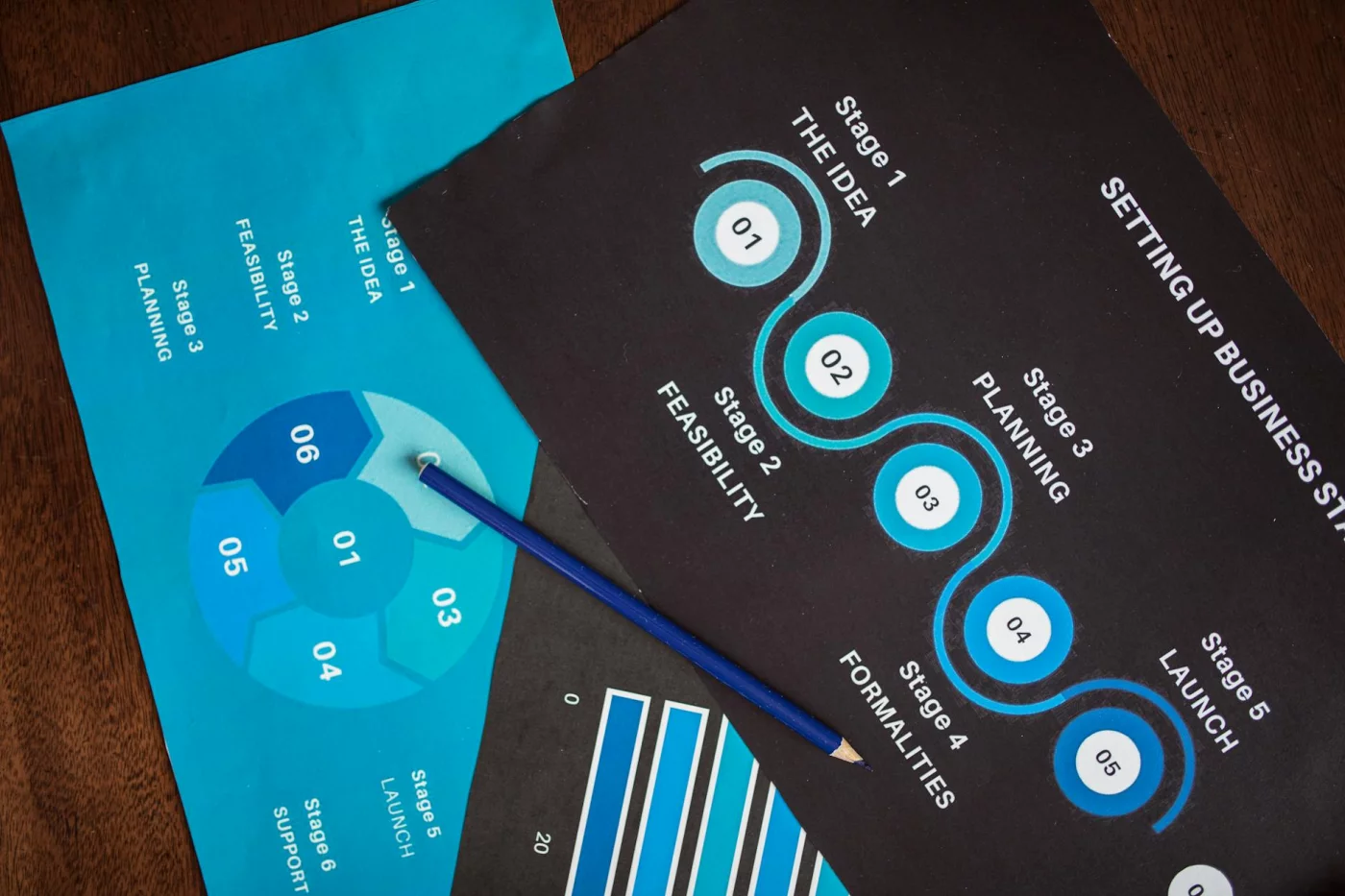
So here’s the deal: use a time-boxed setup, one protected deep-work block, and a short recovery. If you want ready-made timers, blockers, and session trackers, start with Focus & Productivity Tools and keep it open while you run the steps.
Before you begin, pick your tracking hooks. Rate a “flow score” (1–5), log minutes in deep work, and choose one output metric (problems solved, words drafted, or cards created). That’s the backbone of how to get into flow state while studying without guessing.
If your study task needs built-in feedback (quizzes, recall prompts, error logs), pull a template from Learning & Study Tools. Fast feedback is the fastest on-ramp.
How to run the FreeBrain flow protocol
- Step 1: Pick a flow-eligible task.
- Step 2: Set one measurable goal.
- Step 3: Calibrate difficulty (not too easy, not panic-hard).
- Step 4: Do a 5-minute warm-up.
- Step 5: Protect the block (distraction management).
- Step 6: Run a 25–90 minute deep-work block.
- Step 7: Recover 5–15 minutes, then review and adjust.
Step 1–2: Pick a flow-eligible task + set one measurable goal
The best way to get into flow state starts with task selection. Not every “study task” qualifies, and that’s why people fail at how to get into flow state while studying—they pick fuzzy work.
Use this flow-eligible checklist. Your task should have a clear next action, feedback available, difficulty adjustable, and a meaningful outcome.
- Clear next action: “Do problem 3a,” not “study chapter 3.”
- Feedback available: answer key, rubric, unit tests, self-quiz scoring.
- Difficulty adjustable: easier sub-problem, hint ladder, tighter prompt.
- Meaningful outcome: a solved set, a draft, a deck, a corrected error log.
Then set one measurable goal. Examples that work: “6 problems + error log,” “outline + 300 ugly words,” or “20 recall questions + score ≥70%.” Clear goals are a core ingredient in how to get into flow state while studying because your brain stops renegotiating mid-session.
Analytical vs creative tweak: for problem sets, define output as attempts + corrections; for essays, define output as structure + rough volume. Worth it? Absolutely.
Step 3–5: Calibrate difficulty + 5-minute warm-up + protect the block
Step 3 is difficulty calibration. If you’re bored, raise the challenge (timed set, harder variant, fewer hints); if you’re anxious, lower it (one sub-step, worked example, simpler prompt). That challenge-skill balance is the engine of how to get into flow state on command.
Now the 5-minute warm-up (Step 4). Don’t “ease in” for 20 minutes; you’re just procrastinating with extra steps.
- Open only the materials you’ll use.
- Write the next action on paper.
- Do 1 easy rep (one recall question or the first tiny sub-step).
- Start the timer immediately.
Step 5 is block protection. Distraction management isn’t willpower; it’s setup. Research summarized by the American Psychological Association’s overview of multitasking and attention aligns with what most students feel: switching costs are real, and “quick checks” fragment depth.
- Phone out of reach (ideally out of the room).
- Notifications off on laptop and tablet.
- Single-purpose browser window (one tab group).
- Keep a “parking lot” note for intrusive thoughts.
And yes, time blocking matters here. If you don’t defend the time, you don’t get the state.
Step 6–7: Run the 25–90 minute block + recovery/review
Step 6 is the deep-work block. Decision rules: use 25 minutes when starting friction is high or the task is new; use 50 minutes for most studying; use 90 minutes for complex builds when you’re already warm and interruptions are unlikely.
Pomodoro vs flow rule set: if you’re building consistency, start with 25/5; if you’re already engaged and getting continuous feedback, extend to 50 or 90 and don’t break momentum just because the timer chirped. This is a practical answer to how to enter into flow state without turning your session into a stopwatch ritual.
During the block, track three numbers: flow score (1–5), minutes actually focused, and one output metric. That’s how you learn how to get into flow state while studying for your specific brain, not someone else’s.
Step 7 is recovery and review. Take 5–15 minutes, ideally no screens, then jot: what worked, what broke focus, and one change for the next block; if you’re wired-anxious or sleepy-dragging, use Stress & Sleep Tools to check the basics (sleep debt, stress load) before you blame discipline.
Next up, we’ll troubleshoot the common mistakes that break this protocol—and the specific fixes to use when you can’t get into flow.
Common mistakes (and fixes) when you can’t get into flow state while studying
If you ran the 7-step protocol and still can’t get traction, you’re not broken. You’re just hitting one of the predictable failure modes that blocks how to get into flow state while studying in real life.
Before you guess, measure. A simple focus log (timer + task + distraction count) inside FreeBrain’s Focus & Productivity Tools makes the pattern obvious in a week, not a month.
Troubleshooting table: symptom → cause → fix (8+ rows)
Flow usually fails for one of three reasons: the task is unclear, the challenge-skill balance is off, or your state (sleep/stress) won’t support deep work. And yes, Reddit threads on how to get into flow state reddit often miss that last one.
Use this table like a debugger. Pick the row that matches what you feel, apply the fast fix, then schedule the longer fix so you’re not fighting the same fire tomorrow.
📋 Quick Reference
| Symptom | Likely cause | Fast fix (1–3 min) | Longer fix (this week) |
|---|---|---|---|
| Bored | Challenge too low; no stakes/feedback | Raise challenge: “Do 10 hard problems” or “teach it in 5 bullets” | Build a spaced repetition/quiz plan with immediate scoring |
| Anxious | Threat response; unclear success criteria | Box-breathing 4-4-4-4 + write “definition of done” | Stress + sleep routine; track triggers and recovery habits |
| Scattered | Too many open loops; task switching residue | 2-minute entry: list next 3 actions; close extra tabs | Weekly time blocking + single-purpose study setup |
| Sleepy | Sleep debt; low light; low glucose/hydration | Water + small snack + 2 minutes brisk movement | Consistent sleep window; morning light; caffeine cutoff |
| Stuck | No next action; problem too big | Shrink target: “Solve just part (a)” or “write ugly outline” | Deliberate practice plan; collect “stuck points” to review |
| Perfectionism | Fear of errors; over-editing early | Time-box: 10-minute “bad first pass,” no edits allowed | Separate draft vs polish sessions; rubric-based checking |
| Constant pings | Notifications + social checking habit | Airplane mode; move phone out of reach; one tab only | Redesign environment: notification hygiene + app limits |
| Unclear task | Vague goal (“study bio”) with no finish line | Write: topic + method + count (e.g., “20 recall Qs”) | Create templates: pre-study checklist + weekly review |
Two practical rules for how to increase flow state: start smaller than you think, then increase difficulty once you’re moving. That’s the fastest way to stop saying “I can’t get into flow state” and start building consistent ramp time.
Music: the rules that actually hold up (and when to skip it)
Music can help, but it’s not magic. Research on working memory and attention suggests lyrics compete with language processing, which makes reading and complex reasoning feel “foggy” even if you’re motivated (a classic cognitive load trap).
So here’s the deal: the best music to get into flow state depends on the task type. For rote or low-load work (flashcards, formatting notes), music is usually safer; for high-load work (proofs, dense reading), silence or steady noise wins more often.
- Choose instrumental first. If you must use lyrics, use familiar songs at low volume, not new tracks.
- Match sound to load. Ambient, lo-fi, classical, brown noise: test one per week and keep what reduces re-reads.
- Keep volume “below thought.” If you notice the beat, it’s probably too loud for deep comprehension.
If you’re hunting the best music to get into flow state while studying, avoid novelty during novelty. New music while learning new material doubles the attention tax.
ADHD flow: make it more likely—and safer
Can ADHD people get into flow state? Yes—often intensely, via hyperfocus. But how to get into flow state with adhd usually requires more external structure and clearer feedback than generic advice about “willpower.”
Try these adaptations:
- Externalize goals. Visible timer, checklist, and micro-goals (“5 questions, then check answers”).
- Externalize feedback. Immediate scoring beats “read another chapter.”
- Tune stimulation. Small movement, a fidget, standing desk, or steady noise can reduce the “itch” without adding distraction.
Guardrails matter. Use a stopping rule: “When the timer ends, I write the next step and stop,” especially at night, to protect sleep and prevent the spiral where you still can’t get into flow state the next day.
From Experience: what changed my ramp time (and what didn’t)
Well, actually… the biggest change wasn’t motivation. It was reducing “blank start” time with a warm-up: 5 minutes to set the target, open only what I need, and write the first tiny action.
After building and testing focus routines, I noticed single-purpose windows reduced re-entry cost more than any playlist. Measurable goals beat vague intentions every time, especially for how to get into flow state while studying on busy weeks.
Mini cases that consistently work:
- Exam prep: active recall sets (10 questions), then score immediately; flow shows up because feedback is constant.
- Essay: “ugly first draft” for 25 minutes, then a separate edit block; perfectionism stops blocking how to get into flow state while studying.
- Work: write a one-page spec + next action; it’s the same skill as how to get into flow state at work—clarity first.
Next up, we’ll turn these fixes into a weekly system with tracking and a simple 2-week plan, so how to get into flow state while studying becomes predictable instead of random.
Quick Reference: how to get into flow state while studying every week (tracking + 2-week plan)
If the last section felt like “yep, that’s me,” good. This is the weekly system that makes how to get into flow state while studying predictable instead of random.
Start by setting up your supports inside Focus & Productivity Tools, then protect 3–5 deep-work blocks per week. Batch admin and meetings into one window so your brain isn’t paying task-switching tax all day.
📋 Quick Reference
- Weekly schedule: 3–5 protected blocks (25–90 min), 1 admin batch window, 1 weekly review (10 min).
- Daily tracking: Flow 1–5, deep work minutes, one output metric, interruptions count.
- Flow protocol: 5-min setup → 25–90 min single-task work → 5–15 min recovery.
Your daily scorecard (2 minutes)
Here’s the best way to spot what’s breaking how to get into flow state while studying: track four numbers daily. Research on attention and interruptions shows even brief disruptions can cause costly re-entry time (see work on attention residue and task switching).
- Flow (1–5): 1 = scattered, 5 = “lost in it.”
- Deep work minutes: time actually single-tasking.
- Output: problems solved / words drafted / cards reviewed.
- Interruptions: count phone pings, tabs, people, self-interruptions.
Decision rule: if interruptions >2, change your environment tomorrow or contain distractions with Pomodoro. If you still can’t get into flow state, lower novelty (repeat the same task type) and raise clarity (write the next 3 actions).
2-week training progression (simple, repeatable)
Week 1 is consistency. Do 25–50 minute blocks with strict environment rules (one tab, phone out of reach), because how to get into flow state while studying usually needs a ramp time that interruptions reset.
Week 2 is challenge. Extend to 50–90 minutes and add progressive difficulty (harder problem set, tighter writing constraint), which is how to increase flow state without relying on motivation.
Recovery rule: after each block, take 5–15 minutes off-task; after two blocks, take a longer break aligned with ultradian rhythms (see Ultradian rhythm focus cycles for timing). Upgrade one recovery lever: consistent sleep window or a fixed “shutdown” time.
Next steps (CTAs + tools)
Pick one fix today, not all seven. For most people, the best way to get into flow state is simply protecting the block and measuring output—then repeating it until how to get into flow state while studying becomes your default.
And yes, this transfers to how to get into flow state at work too: same tracking, same block protection, just a different output metric. Next up, I’ll answer the most common FAQs so you can troubleshoot fast when how to get into flow state while studying isn’t happening.
Frequently Asked Questions
How do you trigger a flow state while studying?
If you’re figuring out how to get into flow state while studying, start with one measurable goal (e.g., “solve 12 problems” or “recall 20 flashcards at 90% accuracy”), then match the challenge to your current skill so it’s hard-but-doable. Build immediate feedback into the session—active recall (practice questions, closed-book retrieval, teaching it out loud) beats re-reading because it tells you instantly what you know and what you don’t. Protect a 25–90 minute block from switching: one task, one tab set, one note surface, and no “quick checks” until the timer ends.
How long does it take to get into flow state?
For how to get into flow state while studying, many people need 5–15 minutes to ramp in for familiar work and 15–30 minutes for novel or complex tasks like new problem types or writing. Interruptions reset the ramp, so treat focus like a runway: once you stop, you have to take off again. To re-enter faster, use a 60-second script: “What was I doing? What’s the goal? What’s the next action?”—and you’ll shrink your how long does it take to get into flow state time over a week.
Can you manually enter flow state on command?
You can’t force flow like flipping a switch, but you can reliably set the conditions for how to get into flow state while studying: clear goal, calibrated difficulty, fast feedback, and single-task protection. The most repeatable “on command” setup is a 5-minute warm-up (easy retrieval or a quick outline) followed by a time-boxed deep work block (25–50 minutes). If you’re searching for how to get into flow state on command, aim for “start the process on command,” not “feel effortless immediately.”
Why can’t I get into flow state even when I try?
If you can’t get into flow state, it’s usually one of five things blocking how to get into flow state while studying: unclear goal, wrong difficulty (too easy or too hard), no feedback loop, sleep debt, or constant context switching. Fix it by changing one variable at a time—goal clarity first—then track ramp time and interruptions for 7 days so you can see what actually moved the needle. If you want a research-backed definition of flow and why those conditions matter, see APA’s overview of flow.
What’s the best music to get into flow state while studying?
The best music to get into flow state while studying is usually instrumental and familiar, because lyrics often compete with reading and writing in working-memory-heavy tasks—so they can sabotage how to get into flow state while studying without you noticing. Try one playlist per task type (math problem sets vs. reading vs. coding) and keep volume low; if accuracy drops or you start re-reading lines, go silent or switch to steady noise. Quick test: do 10 minutes with music, 10 minutes without, and compare correct answers or recall—not just “vibes.”
How do I get back into flow after an interruption?
To recover how to get into flow state while studying after a disruption, do a 60-second re-entry: write what you were doing, restate the goal, pick the next action, then start a 10-minute mini-sprint. If interruptions keep happening, contain them with Pomodoro (e.g., 25/5) and fix the environment (notifications off, phone out of reach, single-tab rule) before attempting longer blocks again. This “re-entry ritual” is the fastest way to learn how to get back into flow after an interruption without wasting another 20 minutes ramping.
Can ADHD people get into flow state, and how do I do it safely?
Yes—can adhd people get into flow state? Many can, and it may look like hyperfocus, which can help how to get into flow state while studying but also needs guardrails. Use stopping rules (end time, “finish this one problem then stop”), planned breaks, hydration/food reminders, and sleep protection; externalize goals and feedback with a visible timer, checklist, and scoring (accuracy %, problems solved, minutes on task). If ADHD symptoms significantly impair school, work, or daily life, consult a qualified professional for personalized support—this is educational, not medical advice.
Conclusion: Make Flow a Skill, Not a Mood
If you want how to get into flow state while studying to be repeatable, treat it like a protocol. Start by setting a single, measurable target for the next 25–45 minutes (one problem set, one outline, one proof). Then tune the four conditions: remove friction (phone out of reach, tabs closed), raise clarity (next action written), match challenge to skill (slightly hard, not crushing), and add fast feedback (self-quiz, checkable steps). And when you drop out, don’t “start over” emotionally—use the re-entry rule: a 60–120 second reset, a tiny win, then back into the same task.
But wait—if you’re struggling, that doesn’t mean you’re “bad at focus.” It usually means your setup is noisy, your goal is fuzzy, or the task is mismatched. Personally, I think the most encouraging part is this: once you practice the same 7-step sequence for a couple of weeks, how to get into flow state while studying starts to feel less like luck and more like muscle memory. You’re not chasing motivation. You’re building conditions where motivation shows up.
Now take the next step. Use the Quick Reference plan this week, track just two metrics (start time and distraction count), and run one deliberate re-entry after your first interruption. Then explore more tools and guides on FreeBrain.net—start with Spaced Repetition to lock in what you learn, and Active Recall to create the fast feedback loop that makes how to get into flow state while studying easier. Pick your next session time, set the target, and start the timer.