
Yes — is chronotype real? It is. Research supports chronotype as a real pattern in your preferred sleep-wake timing, alertness, and performance across the day, though it’s not fixed destiny. In plain English: a chronotype is your built-in tendency to feel more awake earlier, later, or somewhere in between, shaped by biology but also influenced by light exposure, age, sleep debt, and work or school schedules. So if you’ve been wondering is chronotype real, the short answer is yes, but the useful answer is more nuanced.
You’ve probably felt this already. Maybe your brain is sharp at 8 a.m. but useless for brainstorming, or maybe you hit your best ideas at 9 p.m. after a sluggish morning. And here’s the kicker — focus and creativity often don’t peak at the same time, which is why forcing deep work, meetings, and big decisions into the same block can backfire. That’s also why broad timing matters, while shorter cycles like 90-minute focus cycles still shape how long you can sustain attention.
This article will show you what chronotype research actually says about morning, intermediate, and evening types across deep focus, studying, memory, creativity, and decision-making. You’ll see the likely chronotype effects on focus vs creativity, the best time of day for deep work by chronotype, and where the evidence on circadian rhythm and cognitive performance is solid versus messy. We’ll also cover the confounders most articles skip — social jetlag, shift work, caffeine, sleep quality, and why protecting your best hours matters if you want a real flow state for studying.
I’m a software engineer, not a neuroscientist, but I spend a lot of time translating cognitive science into practical systems. And when asking is chronotype real, I’d rather lean on evidence than personality labels — including research from the National Center for Biotechnology Information on circadian rhythms. By the end, you’ll know whether is chronotype real matters for your schedule — and what to do with that answer.
📑 Table of Contents
- What chronotype means and why is chronotype real
- Circadian rhythm and cognitive performance: focus, creativity, and the synchrony effect
- Best time of day for deep work by chronotype
- How to find your peak focus hours by chronotype: a 2-week step-by-step guide
- Chronotype and academic performance, work decisions, and real-world scheduling
- What can distort chronotype performance: common mistakes, confounders, and a quick reference
- Frequently Asked Questions
- Conclusion
What chronotype means and why is chronotype real
Now we can get more precise. Yes, is chronotype real has a research-backed answer: yes, but not as a fixed destiny. Your chronotype reflects a probabilistic tendency toward earlier or later sleep and peak alertness, while shorter performance swings across the day are also shaped by things like 90-minute focus cycles. For more on stress and sleep, see our stress and sleep guide.
In plain English, chronotype is your built-in tendency toward earlier or later sleep-wake timing, shaped by circadian biology, age, light exposure, and behavior. That’s the core idea. So when people ask, is chronotype real, the useful answer is yes—just not in a rigid, horoscope-style way.
A simple definition of chronotype
A chronotype is your general timing preference for sleep, wakefulness, and peak mental energy. Most people fall somewhere on a spectrum of morning, intermediate, and evening chronotype rather than into neat boxes. And yes, is chronotype real becomes easier to answer once you stop treating “lark” and “owl” as cartoon categories.
Three broad patterns show up again and again:
- Morning types: get sleepy earlier and often think best earlier.
- Intermediate types: sit near the middle and adapt more easily.
- Evening types: feel alert later and often struggle with early schedules.
Age matters too. Adolescents tend to shift later, then average chronotype moves earlier with aging. That’s one reason a teenager who studies best late at night may not be “undisciplined” at all. Personally, I think this is the part most people get wrong.
What research says about morningness-eveningness
Chronotype research usually studies “morningness-eveningness” with questionnaires, sleep timing logs, and sometimes biological markers like melatonin timing. Foundational overviews from NCBI Bookshelf on circadian rhythms explain why sleep timing is tied to internal clocks, not just willpower, and PubMed’s chronobiology literature includes decades of work linking chronotype to sleep timing, alertness, and performance patterns.
But wait. Many studies rely on self-report tools and student samples, so treat the findings as patterns, not rigid laws. That matters if you’re trying to time deep work or flow state for studying, because the research supports broad tendencies more than exact hourly prescriptions.
So, is chronotype real? Evidence says yes. Biological correlates exist, but mixed findings also show that context—light, work hours, stress, and sleep duration—can blur the picture.
Chronotype vs habits, laziness, and sleep deprivation
Chronotype is not the same as circadian rhythm, sleep quality, poor habits, or simple preference. Circadian rhythm is the broader 24-hour system; chronotype is your personal timing tendency within it. And chronotype and sleep quality aren’t interchangeable either—a night owl who sleeps too little will still feel awful.
A tired evening type forced awake at 6 a.m. is not evidence against chronotype. It may just be sleep debt plus a bad schedule fit. A student who learns best at 10 p.m. but sits for 8 a.m. exams can look “unfocused” when the real issue is social timing, not laziness, especially if they also need mindful transitions between tasks to recover from rushed mornings.
If you’re wondering again, is chronotype real, the practical answer is this: yes, but it can be masked by sleep deprivation, caffeine, stress, and social jetlag. Persistent insomnia, extreme daytime sleepiness, mood symptoms, or major shift-work problems should be discussed with a qualified healthcare professional. Which brings us to the next question: how does chronotype affect focus, creativity, and the synchrony effect?
Circadian rhythm and cognitive performance: focus, creativity, and the synchrony effect
So if the last section answered what chronotype means, this section answers the practical question: is chronotype real when you sit down to think, study, or work? Short answer: yes, because circadian rhythm and cognitive performance are linked, and your brain’s alertness changes across the day.

But wait. That doesn’t mean one magic hour fixes everything. If you’re wondering whether 90-minute focus cycles matter too, they do: chronotype sets the broad timing, while shorter rhythms shape how long you can stay sharp inside that window.
Alertness, executive function, and attention span
Your brain doesn’t run at one steady speed. Mental alertness, reaction time, inhibition, and working memory rise and fall across the day, which is why chronotype and cognitive functioning feel different at 8 a.m. versus 10 p.m.
Executive function sounds technical, but it’s really four everyday skills: planning, resisting distractions, holding information in mind, and staying on task. This is the part most people get wrong. They treat all “brain work” as the same, even though deep analysis, recall, and routine admin pull on different systems.
And here’s the kicker — sleep loss and circadian misalignment both hurt those systems. The National Heart, Lung, and Blood Institute’s sleep deprivation overview notes that insufficient sleep affects attention, decision-making, and memory, while the CDC’s sleep health guidance explains how poor sleep habits undermine daytime functioning.
So, is chronotype real in day-to-day performance? In practice, yes — especially for tasks that need control. If your best alertness window is late morning, that’s usually a better slot for hard reading, quantitative work, or exam-style recall than a low-energy dip.
Protect that window. Context switching burns attention fast, which is why peak hours pair well with attention residue explained and longer uninterrupted blocks instead of constant message checking.
- Use peak-alert hours for logic, planning, and error-sensitive work.
- Use medium-energy hours for review, email, and routine tasks.
- Use lower-control periods more carefully, especially for brainstorming or loose idea generation.
The synchrony effect explained with a real example
The synchrony effect is simple: people often do better on demanding tasks when the task timing matches their chronotype. Morning types tend to perform better earlier, evening types later, and intermediates land somewhere between.
Take a student. A morning type might memorize vocabulary at 8 a.m. and solve logic-heavy physics problems best around 9 or 10 a.m., while an evening type may struggle with that same problem set early but do noticeably better after lunch or in the early evening. Which brings us to the real question: should both students use the same schedule? Probably not.
At work, the pattern can look similar. Analytical writing, spreadsheet modeling, and careful editing usually go better in a synchrony-matched window, while lighter idea generation can sometimes happen outside it. If you’re chasing flow state for studying, matching your hardest task to your likely peak is often the easiest win.
Well, actually, synchrony is an average effect, not a promise for every person every day. Sleep debt, stress, light exposure, age, shift work, and social jetlag can blur the pattern, which is one reason “is chronotype real” gets debated more than it should.
Why focus and creativity may peak at different times
Analytical focus and creativity don’t always peak together. High-control tasks usually benefit from strong inhibition and sustained attention, but some creative tasks may improve when your mental filter is a bit looser.
That looser state can help with remote associations — connecting ideas that don’t seem related at first. So a morning person may do their best proof-checking at 9 a.m. but come up with more unusual brainstorming ideas later in the day, when control is slightly lower. And yes, that sounds counterintuitive.
This is where the comparison angle matters. Deep work, brainstorming, memory recall, and routine admin should not all live in the same time block:
- Schedule deep work in your likely synchrony window.
- Put brainstorming in a slightly off-peak or lower-pressure period.
- Use recall practice when you’re alert enough to resist distraction.
- Save admin for times when precision matters less.
Personally, I think this is the most useful answer to “is chronotype real.” Not “What’s my label?” but “Which task fits which state?” And don’t confuse feeling awake with doing your best creative work; those aren’t always the same thing.
The evidence is stronger for alertness, executive control, and time-of-day effects on demanding performance than for big sweeping claims about creativity. Still, sleep chronotype effects on focus creativity are useful enough to guide your calendar. Next, we’ll turn that into something concrete: the best time of day for deep work by chronotype.
Best time of day for deep work by chronotype
The last section explained why timing affects focus and creativity. Now we get practical: if you’re still wondering whether is chronotype real has any day-to-day value, this is where it starts paying off.
Broadly, your chronotype helps set the best time of day for deep work by chronotype, while shorter energy waves shape how long you can sustain it. That’s why I’d pair these time windows with 90-minute focus cycles instead of treating any hour as magically productive.
📋 Quick Reference
| Chronotype | Deep work | Creative work | Meetings | Decisions | Admin |
|---|---|---|---|---|---|
| Morning | 7:30-11:00 a.m. | 11:00 a.m.-2:00 p.m. | 1:00-3:00 p.m. | Morning | 2:00-4:30 p.m. |
| Intermediate | 9:30 a.m.-1:00 p.m. | 3:00-6:00 p.m. | 1:00-4:00 p.m. | Late morning | Late afternoon |
| Evening | 2:00-6:00 p.m. or later | 6:00-9:00 p.m. | 3:00-5:00 p.m. | After full wake-up | Late morning |
Treat these as starting hypotheses, not rules. Test them against your real life, because is chronotype real doesn’t mean your calendar, sleep debt, and light exposure stop mattering.
Research on the synchrony effect suggests people often do better when task demands match their preferred time of day, and PubMed Central research on circadian timing and performance is a good place to trace that evidence. Personally, I think the useful question isn’t just is chronotype real, but “Which tasks belong in which window?”
And don’t copy the table blindly. Try the schedule ideas for a week, protect one peak block, and see whether your deep work feels easier, faster, and less mentally expensive.
Morning chronotype schedule
For a morning chronotype, deep work often fits best around 7:30-11:00 a.m. That’s usually the best time of day for deep work by chronotype if you wake easily, think clearly early, and can get into flow state for studying before the day gets noisy.
Real life changes the shape of that window. A parent doing school drop-off might use 8:45-10:45 a.m.; a student with a 9:00 lecture may shift deep study to 10:30 a.m.-12:00 p.m.; a remote worker might block 8:00-10:00 a.m. before Slack and meetings pile up.
Late morning or early afternoon can work well for creative ideation if analytical sharpness starts fading. Then use the mid-afternoon slump for email, scheduling, expense reports, or routine review.
Intermediate chronotype schedule
Intermediate chronotypes often get the most balanced chronotype and productivity schedule. Deep work commonly lands around 9:30 a.m.-1:00 p.m., meetings fit better in early to mid-afternoon, and late afternoon can be surprisingly good for brainstorming or drafting.
This is where many people underestimate task-matching. If you’re neither clearly early nor late, you may assume is chronotype real doesn’t apply to you. Well, actually, it still does — just with less dramatic peaks.
- Use late morning for analysis, writing, coding, or exam problem sets.
- Put collaborative meetings after lunch when social energy is often better.
- Save open-ended creative work for 3:00-6:00 p.m. if your focus loosens but ideas expand.
Evening chronotype schedule
Evening chronotypes often struggle with early hard tasks, especially when sleep is cut short by work or school. In practice, the best time of day for creative work by chronotype may be evening, while deep work can become stronger from roughly 2:00-6:00 p.m. or later.
But wait. Don’t confuse “I feel alive at night” with “I should make every important decision at midnight.” Hard decisions usually go better after full wake-up, not during the groggy early period or when you’re overtired late.
Whatever your type, protect peak windows from context switching. Meetings, inbox checks, and “quick questions” create attention residue, which is why peak blocks should be defended with tools like attention residue explained and simple reset habits between tasks. The American Psychological Association’s overview of stress and cognitive load also helps explain why interruptions drain performance faster than most people expect.
So, is chronotype real? Evidence says yes, but as a useful pattern, not a rigid identity. Which brings us to the next step: finding your own peak focus hours by chronotype with a simple 2-week test.
How to find your peak focus hours by chronotype: a 2-week step-by-step guide
The last section covered the general best time of day for deep work by type. Now we move from theory to evidence you can actually use, because if you’re still asking whether is chronotype real, the best answer is to test your own pattern.
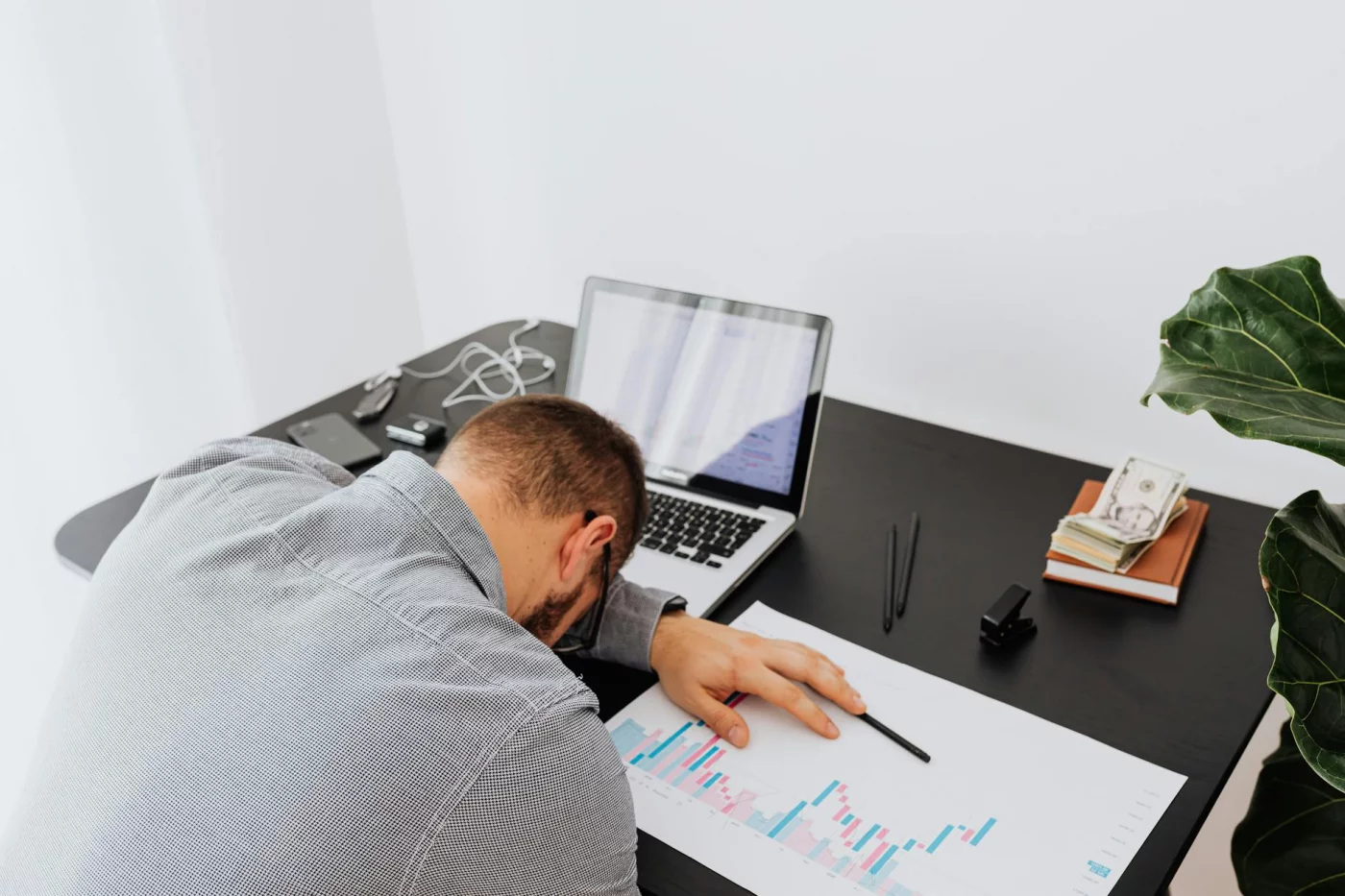
Chronotype gives you the broad timing. Your daily ups and downs still happen in shorter waves, which is why it helps to pair this experiment with 90-minute focus cycles. Personally, I think this is where most people get misled: they judge one amazing day instead of a repeatable pattern.
A practical self-assessment checklist
Start simple. Before you track anything, answer three questions honestly to begin figuring out how to find your chronotype.
- On free days, when do you wake up naturally without an alarm?
- When do you feel mentally sharpest without extra caffeine?
- When do you usually do your best studying, writing, coding, or problem-solving?
And be specific. “Afternoon” is too vague; “10:30 a.m. to 12:00 p.m.” is useful. If you’re wondering again whether is chronotype real, this checklist often reveals that your best hours are more consistent than you thought.
Quick sidebar: after building learning tools for FreeBrain, I noticed people often misjudge their peak hours until they track them. They remember the rare heroic sprint, not the normal pattern. And if you want those top blocks to produce real output, designing them for flow state for studying helps a lot.
How to run a 14-day chronotype experiment
- Step 1: For 14 days, log bedtime, wake time, total sleep, and whether your wake time was natural or alarm-driven.
- Step 2: Note morning and evening light exposure, because bright light shifts alertness and late screens can delay sleep timing.
- Step 3: For each work or study block, rate focus from 1-5 and creativity from 1-5.
- Step 4: Label the block as analytical, memory-heavy, collaborative, or routine.
- Step 5: Record task quality in plain language: finished, partial, error-prone, or unusually strong.
- Step 6: Track confounders: poor sleep, stress, illness, travel, unusual deadlines, caffeine timing, and exercise.
- Step 7: Compare at least 10 real work or study blocks before drawing conclusions.
Run the 14-day peak-hours experiment
This is the core of how to find your peak focus hours by chronotype. You’re not looking for perfection. You’re looking for repeated windows where good work feels easier.
Research on circadian timing and performance, including summaries available through PubMed Central’s circadian rhythm archive, suggests timing affects alertness, memory, and decision quality. But wait, one bad night can distort everything, so log confounders carefully. Caffeine can mask sleepiness, exercise can lift alertness, and late deadlines can push you into fake “peak” hours.
Track the block, then protect it. If your best analytical work happens from 9:30 to 11:00 a.m. or 8:00 to 10:00 p.m., don’t waste that slot on email. And yes, is chronotype real becomes a much easier question once your ratings show the same windows rising to the top.
Turn your data into a usable schedule
Now convert the ratings into a chronotype and productivity schedule. Three windows matter: A, B, and C.
- A windows: your highest combined focus and quality scores
- B windows: solid but not exceptional performance
- C windows: low-energy, low-precision periods
This is the practical answer to how to match tasks to your chronotype. Put deep work, hard studying, writing, coding, and exam prep in A windows. Use B windows for meetings, review, editing, and collaborative work. Save C windows for admin, inboxes, scheduling, and chores.
Thing is, peak hours are fragile. Protect them from switching costs, because single-tasking works better when the goal is high-quality analytical output, not just looking busy. I’d also review your logs after two weeks, then adjust for sleep debt, age, social jetlag, and workload changes.
If you still wonder whether is chronotype real, don’t argue about labels. Run the experiment, compare at least 10 blocks, and follow the pattern. Which brings us to the next question: how these chronotype differences affect grades, work decisions, and real-world scheduling.
Chronotype and academic performance, work decisions, and real-world scheduling
Now that you’ve mapped your peak hours, the obvious next question is how to use them. And this is where “is chronotype real” stops being theoretical and starts affecting grades, meetings, and the quality of your decisions.
Research suggests the answer to “is chronotype real” is yes in practice, but with nuance: performance differences often reflect timing fit, not fixed ability. In other words, many evening types don’t perform worse overall; they perform worse when schools and workplaces force them into biologically awkward hours.
Studying, memory, and test performance by time of day
For studying, task matching matters more than vague “study whenever” advice. Chronotype and academic performance are linked partly because memory encoding, sustained attention, and recall tend to work better when your alertness is aligned with the task.
A review in chronobiology research has found a clear synchrony effect: people often do better on certain cognitive tasks at their preferred time of day. That helps explain why morningness eveningness academic performance findings are mixed. Early types may look stronger in traditional school settings, but that can be an early-start advantage rather than a true learning advantage.
If you’re asking “is chronotype real” in a study context, look at recall-heavy work first. Memorizing definitions, practicing retrieval, and taking mock tests often go better during your peak alertness window, while lighter review or brainstorming can fit a lower-pressure period.
Personally, I think this is the part most people get wrong. They use their best hours for passive review, then try hard problem solving when they’re mentally flat.
- Use peak hours for memorization, quantitative problem solving, and practice tests.
- Use medium-energy hours for note organization, concept mapping, and discussion.
- Use low-energy hours for formatting notes, checking deadlines, and simple review.
Environment changes the result too. An aligned schedule works better when your setup supports the task: low-distraction space for recall, and sometimes controlled audio for lighter work. If you want a practical breakdown, FreeBrain’s guide on music vs background noise is useful for matching sound to the kind of studying you’re doing.
And exam timing matters. A student taking a statistics exam at 8 a.m. may underperform compared with that same student at 1 p.m., even with identical preparation. So yes, “is chronotype real” shows up in chronotype and academic performance, but often through schedule mismatch.
Meetings, decisions, and low-cognitive work
Your best executive-function window should be protected for decisions that actually matter. Hard tradeoffs, writing that requires judgment, and strategic planning belong in the hours when your inhibitory control and working memory are strongest.
Now this is where it gets interesting. Meetings aren’t always best in your absolute peak. For many people, medium-energy windows are better because collaboration needs responsiveness and social bandwidth, but not always your sharpest analytical edge.
A simple work schedule rule works well:
- Peak energy: deep work, analysis, writing, complex decisions
- Medium energy: meetings, feedback, collaboration, brainstorming
- Low energy: email, admin, repetitive tasks, calendar cleanup
Why does this matter? Because “is chronotype real” is partly a decision-making question. If you routinely make important calls in your low-alertness window, you’re not testing your ability fairly; you’re testing your fatigue.
And don’t ignore transitions. Quick sidebar: moving straight from Slack, email, and meetings into hard thinking usually leaves residue behind. Better workspace design, intentional noise control, and a 5-minute reset between task types can noticeably improve concentration.
Real-World Application: sample schedules that actually work
Well, actually, most people can’t create a perfect day. The useful question isn’t “What’s ideal?” but “What’s the best time to do deep work based on chronotype inside my constraints?”
For a student with classes from 9 a.m. to 2 p.m. who leans evening, a realistic pattern might be lectures and admin earlier, then deep study from 3-5 p.m., lighter review after dinner, and brainstorming later at night. That’s a better chronotype productivity schedule for students than forcing dense memorization at 7 a.m.
For a morning-type remote worker, deep work from 9-11 a.m., meetings from 1-3 p.m., and admin at 4 p.m. often works well. For an office worker with fixed meetings, protect even one 60-90 minute block before lunch for the hardest task.
Parents or caregivers usually need split blocks. Think 6:30-7:30 a.m. for one focused session, medium-cognitive work mid-morning, then a second deep block after childcare handoff or bedtime. Is chronotype real when life is messy? Yes, because even partial alignment still helps.
Which brings us to the next problem: not every “chronotype effect” is actually chronotype. Sleep debt, light exposure, stress, shift work, and noisy environments can distort what you think your pattern is.
What can distort chronotype performance: common mistakes, confounders, and a quick reference
The last section covered where chronotype can help with school, work, and scheduling. But if you’re still asking, is chronotype real, this is where the confusion usually starts: real timing differences exist, yet everyday confounders can blur them fast.
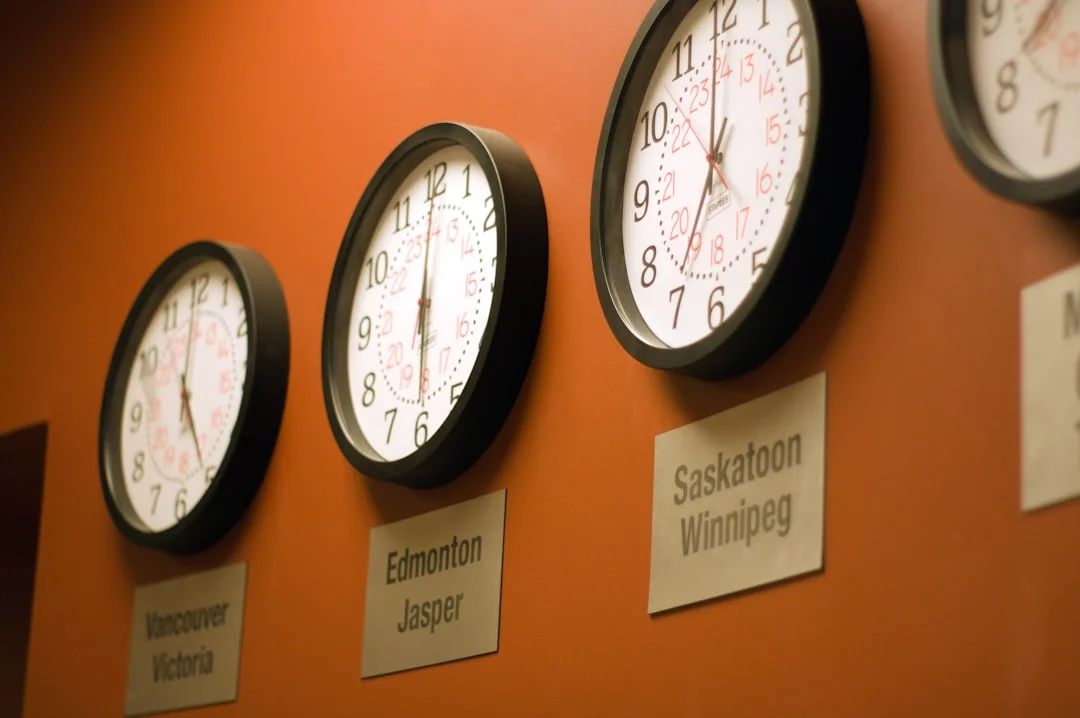
Chronotype sets a broad window, not a magic switch. And shorter rhythms still matter too, which is why pairing your schedule with 90-minute focus cycles often works better than obsessing over one “perfect” hour.
Sleep debt, social jetlag, and shift work
The biggest mistake? Testing your chronotype while underslept. If you carry sleep debt all week, the expected benefit of working at your “right” time often gets flattened by slower reaction time, worse working memory, and plain old brain fog.
Research from sleep scientist Till Roenneberg and colleagues popularized the term social jetlag: the gap between your biological timing and your actual social schedule. If you wake at 6:30 on weekdays and sleep until 10:30 on weekends, your body is effectively changing time zones twice a week. That hurts chronotype and sleep quality, even if you think you’re “catching up.”
And here’s the kicker — school start times and early work schedules can make evening types look lazy when they’re really just misaligned. The American Academy of Pediatrics has argued for later school start times partly because adolescent circadian timing naturally shifts later during puberty.
Shift work is an even bigger confounder. A 2022 review in Sleep Medicine noted that rotating shifts disrupt circadian alignment, sleep duration, and alertness across the board, often overpowering natural chronotype patterns. So if you work nights one week and mornings the next, is chronotype real as a useful planning tool? Yes, but only within the limits of a schedule your biology can actually adapt to.
- Don’t assume one productive late night reveals your true chronotype.
- Don’t treat chronotype like identity or personality.
- Do track sleep length, wake time, and alertness for at least 2 weeks.
If you snore heavily, keep falling asleep unintentionally, or have persistent insomnia, talk to a qualified sleep specialist. That’s especially important when poor chronotype and sleep quality may reflect a sleep disorder rather than just bad scheduling.
Caffeine, exercise, light, and environment
Caffeine helps, but it can also fool you. It reduces subjective sleepiness, yet evidence from controlled sleep-deprivation studies shows caffeine does not fully restore chronotype and cognitive performance when you’re sleep deprived.
So here’s the deal: using caffeine to force misaligned work is a short-term patch, not proof that your schedule fits you. If you rely on coffee at 9 p.m. to stay functional, check your timing first — FreeBrain’s guide to caffeine timing for focus explains why late doses can push sleep later and create a worse cycle the next day.
Light matters more than most people realize. Morning outdoor light tends to shift body timing earlier, while bright evening light and heavy screen use can delay melatonin release, making it harder to fall asleep when planned. OK wait, let me back up: if your environment keeps shifting your clock, you may misread the results and ask is chronotype real when the bigger issue is light exposure.
Exercise and workspace design matter too. Regular daytime exercise is linked with better sleep quality and daytime alertness, and a quieter, lower-friction workspace can reduce brain fog during your best hours. Personally, I think this is the part most people get wrong: they copy an influencer’s 5 a.m. routine instead of fixing light, movement, and distractions first.
Age changes the picture as well. Teenagers tend to shift later, many adults move earlier with age, and older adults often wake earlier still. So a schedule that worked at 19 may be a bad fit at 35.
Quick Reference: what the evidence supports and what to avoid
📋 Quick Reference
What evidence supports: broad timing differences between morning, intermediate, and evening types; synchrony effects where some tasks work better at your biologically better times; meaningful links between chronotype and cognitive performance when sleep is adequate.
What to avoid: treating chronotype as destiny, copying influencer schedules, using caffeine to override chronic misalignment, and assuming exact universal windows for creativity or deep work.
When to seek professional help: persistent insomnia, extreme daytime sleepiness, suspected sleep apnea, shift-work problems that don’t improve, or severe mood and concentration issues tied to sleep. Consult a qualified clinician or sleep specialist.
Evidence supports broad patterns, not rigid myths. A synchrony effect is real enough to matter, but claims like “all night owls are more creative” or “everyone does deep work best at 6 a.m.” are much shakier. That’s usually where the is chronotype real debate goes off track.
A better approach is simple:
- Run a 2-week experiment with stable sleep and wake times.
- Track focus, mood, and output in 2-3 daily blocks.
- Protect your best windows for demanding work.
- Review monthly, because age, workload, and season can shift the pattern.
So, is chronotype real? Broadly, yes. But use chronotype as a guide rather than a rule: test your own schedule, protect your strongest windows, and adjust when life pushes back. Which brings us to the final questions and the practical wrap-up.
Frequently Asked Questions
Is chronotype real or just a trendy label?
Yes — is chronotype real has a clear answer: chronotype is real, and research in chronobiology supports meaningful differences in when people tend to feel most alert or sleepy. But wait, that doesn’t mean your chronotype is destiny. It reflects your preferred timing for sleep and wakefulness, not your intelligence, discipline, talent, or personality.
How does chronotype affect focus and creativity?
How does chronotype affect focus and creativity? In most cases, focused analytical work gets easier when you do it near your natural alertness window, which is one reason people ask, is chronotype real in the first place. Creative thinking can be different, though. Some people generate better ideas slightly outside their sharpest focus period, so it’s worth testing whether your brainstorming, writing, or problem-solving works best at a different time than your strict concentration tasks.
What is the best time to study based on chronotype?
What is the best time to study based on chronotype depends on both your type and the kind of studying you’re doing. Morning types often learn best earlier, evening types often do better later, and intermediates usually fall somewhere in the middle — which is another practical reason is chronotype real matters. Personally, I think the best move is simple: match memorization or deep reading to your highest-energy hours, then test your results for 7 to 10 days instead of guessing.
What is the best time for deep work by chronotype?
What is the best time for deep work by chronotype? Usually, it’s your highest-alertness block — the part of the day when your attention feels steady and task switching feels least tempting. If you’re still wondering is chronotype real, try this: schedule your hardest work in that window, then protect it by turning off notifications, avoiding meetings, and keeping a single clear goal for the session.
When are morning people most creative?
When are morning people most creative is a little less predictable than when they’re best at structured work. Often, creativity shows up in late morning or early afternoon, after the sharpest analytical window has passed, which fits with why is chronotype real isn’t just an abstract question. But creative timing still depends on the task, your sleep quality, and whether you’re generating ideas, revising, or solving open-ended problems.
When are night owls best at focused work?
When are night owls best at focused work? Often later in the day or evening, especially when they’re well rested and not dragging around sleep debt. Early classes, early meetings, and alarm-driven schedules can hide their actual peak, so if you’re asking is chronotype real, it’s smart to judge performance only after looking at whether the person is chronically sleep deprived; the NHLBI explains how sleep loss can impair attention and thinking.
What is the synchrony effect in cognitive performance?
What is the synchrony effect in cognitive performance means people often do better on demanding mental tasks when the timing matches their chronotype. That’s one of the strongest practical reasons the question is chronotype real keeps coming up. It’s a pattern, not a guarantee, but evidence suggests alignment can improve performance on things like memory, reasoning, and sustained attention; if you want a practical next step, track your best study windows and compare them with your results in FreeBrain’s study planning tools.
Can sleep debt change chronotype performance?
Yes — can sleep debt change chronotype performance is one of the most overlooked questions here, and the answer is absolutely. Sleep debt can blur, delay, or flatten your expected peak windows, which means you might misread yourself and wonder is chronotype real when the bigger issue is inconsistent sleep. Before judging your chronotype, try three things for at least a week: keep a stable wake time, get enough total sleep, and track when your focus actually feels easiest; for a broader overview, see FreeBrain’s best time to study guide.
Conclusion
So, is chronotype real? Based on the research we covered, yes — but the useful question is how to work with it. Four practical moves matter most: track your energy, focus, and mood for 2 weeks instead of guessing; schedule deep work during your likely peak hours and save admin tasks for your off-peak window; use the synchrony effect to match task type to time of day, especially for analytical work versus more open-ended creative work; and control the obvious confounders first, like sleep debt, caffeine timing, light exposure, and inconsistent wake times. That’s the difference between treating chronotype like a label and using it as a scheduling tool.
And if your current schedule doesn’t match your natural timing, don’t panic. Most people can’t rebuild their whole day overnight. Thing is, you don’t need a perfect routine to get better results. Even shifting one high-value task into your best cognitive window can make your work feel easier, cleaner, and less draining. Personally, I think this is the part people miss: the goal isn’t to become a “morning person” or “night owl.” It’s to notice your pattern, test it honestly, and protect the hours when your brain does its best work. That’s where the answer to is chronotype real becomes genuinely useful.
If you want to keep going, explore more evidence-based strategies on FreeBrain.net. You might start with how to focus better while studying or our spaced repetition guide to build a study system that fits your timing instead of fighting it. Test your schedule this week, move one important task into your peak window, and see what changes. Small timing shifts can produce surprisingly big gains.