

If you’re dealing with lack of concentration and focus in adults, you don’t need more willpower—you need cleaner transitions. The fastest fix for lack of concentration and focus in adults is learning a simple “mindful transition”: a tiny reset between tasks that clears leftover mental tabs so you can lock onto the next thing.
Here’s what’s really happening. After a meeting, an email thread, or a quick “two-minute” Slack reply, part of your attention stays stuck on the previous task—researchers call this attention residue—and it quietly drags down your next block of work (we break it down in attention residue explained). Ever open your project… then reread the same line three times?
And no, it’s not just you. The American Psychological Association describes how multitasking and frequent task switching can reduce efficiency and increase mental strain—see research from the American Psychological Association on multitasking. Which raises the real question: if switching is the problem, why are you trying to “push through” it?
This article gives you a protocol you can run on autopilot: a 2 minute reset between tasks, plus 5- and 15-minute versions for heavier context shifts. You’ll also get scenario playbooks (meeting→deep work, email→project, deep↔shallow, ADHD-friendly), a close-out script (capture → decide next action → restart cue), and a quick self-test to confirm the reset worked—so lack of concentration and focus in adults stops being your default.
Quick preview of the 2-minute ritual:
1) Park the open loop (write the next action). 2) Reset your body (breath + eyes). 3) Start cue (one sentence: “Now I’m doing X for 10 minutes.”) And yes, we’ll cover the real cost of switching—see can humans multitask—so you can design your day to prevent lack of concentration and focus in adults in the first place.
Why trust this? I’m a software engineer who builds FreeBrain’s focus tools, and I’ve spent an embarrassing amount of time testing what actually helps people refocus after interruptions (then turning it into repeatable checklists).
📑 Table of Contents
- Why lack of concentration and focus in adults happens after task switching (mindful transitions meaning)
- The 2-minute reset between tasks: how do I reset my brain to focus (step-by-step)
- Choose your micro break: 2 vs 5 vs 15 minutes (how to rest your brain without sleeping)
- Scenario playbooks: how to switch focus between tasks without losing momentum
- Common mistakes that keep lack of concentration and focus in adults stuck (and what to avoid)
- From experience: foundations that make focus resets stick (plus a quick reference card)
- Frequently Asked Questions
- Conclusion
Why lack of concentration and focus in adults happens after task switching (mindful transitions meaning)
In the intro, we talked about focus as a skill, not a personality trait. Now let’s zoom in on the sneaky moment where lack of concentration and focus in adults often begins: the seconds right after you switch tasks. For more on productivity and focus, see our productivity and focus guide.
Thing is, the problem usually isn’t Task B. It’s the messy handoff from Task A to Task B—what I call the “transition gap.”
Definition: mindful transitions in 1 sentence
A mindful transition is a short closure + restart ritual that clears the previous task from attention and primes the next one. That’s the reset brain between tasks focus meaning in plain language, and it’s a big lever for reducing lack of concentration and focus in adults.
But wait—most people think they “stopped.” They didn’t. Stopping is closing the laptop lid mid-thought; closing is capturing the loose ends so your brain stops keeping them active like open tabs.
Simple example. You end a meeting, then you try to start deep work on a report. If you don’t close the meeting first (decisions, follow-ups, who’s waiting on you), those open loops keep tugging your attention while you write.
- Stopping: switching apps and hoping your mind follows.
- Closing: writing a 10-second “done/next” note so your brain can let go.
- Restarting: naming the first tiny action of the new task.
The mechanism: attention residue + switching costs (plain English)
Here’s the core mechanism: attention residue. When you leave Task A unfinished or emotionally “hot,” part of your mind stays on it, even while your eyes are on Task B. If you want a deeper breakdown (with examples and fixes), I wrote a focused hub on attention residue explained.
Concrete A→B example: you’re in a meeting taking notes (Task A), then you immediately start drafting a report (Task B). While you type the report, your brain keeps replaying the meeting: “Did we agree on Friday or Monday?” “I should message Sam.” “What did that metric mean?” That replay steals working memory slots you needed for the report’s structure and wording.
And here’s the kicker—switching has a cost even when you think you switched cleanly. Psychologists call it a task switching cost: your speed and accuracy drop when you change rules, goals, or context. The American Psychological Association has a solid overview of why multitasking and frequent switching degrade performance in research from the American Psychological Association on multitasking.
Well, actually… it’s not just “being distracted.” It’s executive control getting overloaded. Your prefrontal cortex—the front part of the brain that helps with planning and goal control—has to reconfigure: new goal, new constraints, new next step, new “definition of done.” Do that 20 times a day and lack of concentration and focus in adults starts to look like a character flaw, when it’s often a workflow flaw.
One classic finding: attention residue is stronger when you switch away from an unfinished task, and it predicts worse performance on the next task. That pattern was documented by Sophie Leroy (2009); you can read the paper details via the PubMed Central database (NCBI) (search “Leroy attention residue 2009”).
If you want the practical implication: reduce how often you switch, and when you must switch, close the loop fast. Speaking of switching myths, my breakdown on can humans multitask helps you spot when “multitasking” is really just expensive context switching.
Fast promise: the 2-minute reset you’ll use all week
So how do you regain focus after interruptions without taking a long walk or doing a full meditation session? Use a desk-friendly 2 minute reset between tasks—a tiny “close-out + restart” that tells your brain the context changed.
Here’s a 30-second preview (not the full protocol yet). When you ask, “how do I reset my brain to focus?” this is the simplest answer that works for knowledge work:
- Close-out note (15s): write “Done / Next / Waiting” for Task A.
- One slow breath (10s): exhale longer than you inhale.
- Eyes near–far (15s): look at something 6+ meters away, then back.
- Posture reset (10s): feet flat, shoulders down, screen centered.
- Water sip (10s): small sensory shift to mark the boundary.
- Restart cue (20s): write the first action of Task B (“Open doc, write the thesis sentence”).
Measurable outcome: within 60 seconds after this micro break for focus at work, you should be able to state the next action for Task B in one sentence. If you can’t, your transition wasn’t closed yet—and lack of concentration and focus in adults will keep showing up as “I’m stuck.”
Next up, we’ll turn that preview into a step-by-step 2-minute reset you can run between meetings, emails, and deep work—same desk, same day, no special gear.
The 2-minute reset between tasks: how do I reset my brain to focus (step-by-step)
Task switching feels “mental” — but the drag you feel is often attention residue: leftover thoughts that keep competing for working memory. If you’re dealing with lack of concentration and focus in adults, a tiny transition ritual beats brute force, because it tells your brain “that loop is safely handled” before you start the next one.
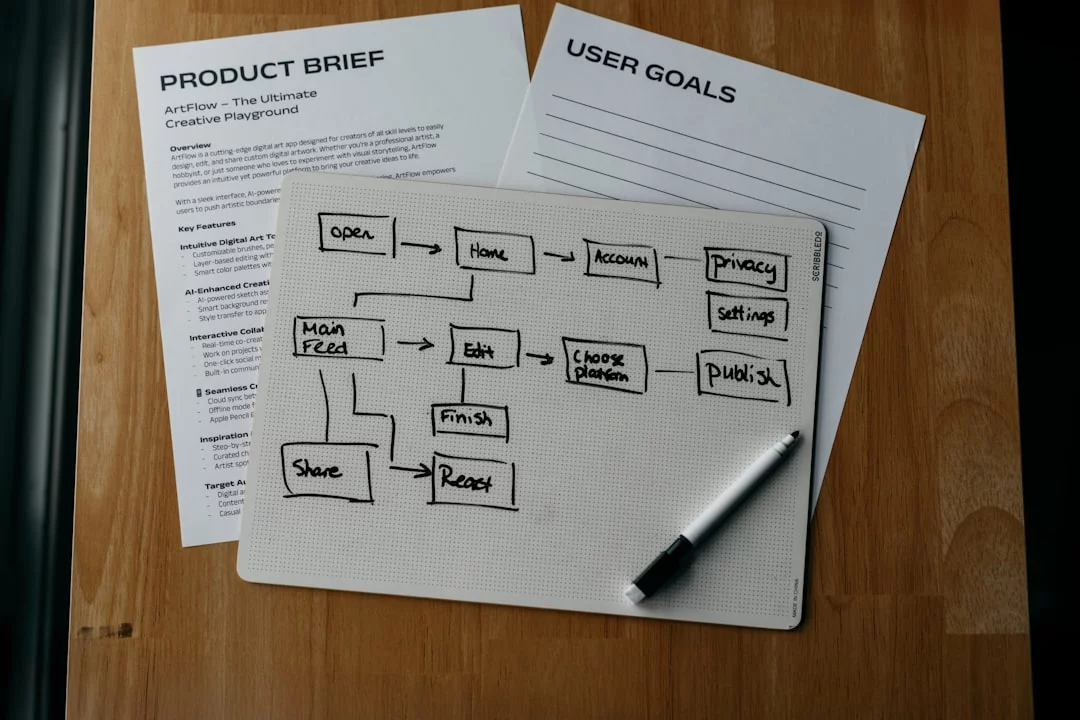
Quick sidebar: if you want the mechanism in plain English, I broke it down in our attention residue explained guide. And yes, this is why lack of concentration and focus in adults spikes right after interruptions.
Featured snippet: the exact 0:00–2:00 reset script
How to do the 2 minute reset between tasks (0:00–2:00)
- Step 1 (0:00–0:20) — Close-out note: Write one line: “Unresolved: ____.” Keep it factual, not emotional. This is the fastest way to stop mental rehearsal that fuels lack of concentration and focus in adults.
- Step 2 (0:20–0:50) — Capture → Park: Move that line into a “Task Parking Lot” list (notes app or a sticky). Add a label like (WAITING), (BLOCKED), or (NEXT). Now the open loop has a home, so you’re less likely to ruminate.
- Step 3 (0:50–1:20) — Downshift breathing: Do 2 cycles of a physiological sigh (inhale, top-up inhale, long exhale) or 3 rounds of box breathing. If you want exact timing, use this box breathing script during the 2 minute reset between tasks.
- Step 4 (1:20–1:45) — Visual reset (near–far): Look at something 20–30 cm away for 10 seconds, then something far away for 10–15 seconds, repeat once. It’s desk-friendly, and it reduces “screen carryover” that can feel like brain fog.
- Step 5 (1:45–2:00) — Restart cue: Say (or write): “When X happens, I will do Y for Z minutes.” Then open the exact file/tab you’ll start with. That’s your implementation intention, and it’s a clean answer to “how do I reset my brain to focus?”
But wait. If you’re thinking “two minutes can’t fix lack of concentration and focus in adults,” you’re right about one thing: it won’t fix everything. It does reliably reduce the friction of starting, which is often the whole bottleneck.
The close-out script (Capture → Park → Next action → Restart cue)
This is the part most people get wrong: they “take a break” without task closure, so the old task keeps reactivating. That’s a direct path to lack of concentration and focus in adults, especially in knowledge work where problems stay half-solved in your head.
- Work example: Capture: “Client email unresolved: needs scope + timeline.” Park: “Reply w/ 3 bullets (scope, timeline, next step).” Next action: “Draft bullet #1 (scope) in doc.” Restart cue: “After I start my 10:30 focus block, I’ll write 5 lines in the doc.”
- Study example: Capture: “Stuck on proof step: can’t justify lemma.” Park: “Ask about lemma / find reference.” Next action: “Rewrite given definitions + known theorems.” Restart cue: “When timer starts, I’ll do 8 minutes of definitions only.”
Rule: your “Next action” must be visible (on screen or paper) and <10 minutes to start. OK wait, let me back up: it can take longer to finish, but it must be easy to begin, or you’ll stall again.
And here’s the kicker — if you’re still tempted to multitask, it helps to remember why it fails: can humans multitask is basically a story of switching costs. That cost is exactly what this restart cue is designed to shrink.
Desk-friendly micro-resets (pick 1–2, not 6)
You don’t need a full routine every time. Pick 1–2 micro-resets based on what’s driving your “stuck” feeling, then get moving; piling on rituals can become procrastination in disguise.
- Breath (stress spike): Choose box breathing when your heart rate feels up or you’re tense after a meeting. Harvard’s overview of mindfulness and attention is a solid frame for why this helps you regain focus after interruptions: Harvard Health on mindfulness improving focus.
- Eyes (screen blur/headache): Choose near–far focus when your eyes feel “locked” to the screen. It’s a fast way to clear your mind before studying or switching from email to deep work.
- Posture (slump fatigue): Feet flat, hips back in the chair, shoulders down, jaw unclenched, then one slow exhale. Personally, I think posture is an underrated restart cue because your body position becomes a “mode switch.”
- Water (low energy): 3–5 swallows, then immediately do the next action. Dehydration is linked with worse attention and working memory in several studies; a readable starting point is a review on hydration and cognitive performance (PMC).
- Notifications (interruption risk): Batch alerts: silence everything for 25–50 minutes, then check once. This prevents immediate residue reactivation, which is a sneaky cause of lack of concentration and focus in adults.
Mini self-test (10 seconds): can you state the next action in one sentence, and is the correct tab/file already open? If not, repeat only the Capture → Park → Restart cue part.
Next up, we’ll choose the right micro break length: 2 vs 5 vs 15 minutes, and how to rest your brain without sleeping — because the best reset depends on what kind of fatigue you’re carrying.
Choose your micro break: 2 vs 5 vs 15 minutes (how to rest your brain without sleeping)
You’ve got the 2-minute reset. Now the real question: when is 2 minutes not enough? If you’re dealing with lack of concentration and focus in adults, the reset length should match what’s happening in your head right now, not what sounds “productive.”
Thing is, a lot of lack of concentration and focus in adults is just attention residue—your brain still “running” the last task. If that’s you, skim attention residue explained later; it’s the mechanism behind that sticky, half-switched feeling.
Decision logic is simple. Two variables matter: symptom severity (mild residue vs overload) and time available. And yes, multitasking makes this worse—task switching has real costs, which is why I point people to can humans multitask when they feel “busy” but unfocused.
📋 Quick Reference
Pick your micro-break (fast decision table):
- 2 minutes: you know the next action, but your mind feels “sticky” from the last task (attention residue).
- 5 minutes: after a meeting/email sprint, you can’t name the next action cleanly (open loops + nervous system rev).
- 15 minutes: cognitive overload—rereading, careless errors, intense distraction pull (brain fatigue, mental fatigue, screen fatigue).
Self-test (10 seconds): can you say your next action in one sentence and start it within 30 seconds? If not, go longer.
The 5-minute reset (meeting recovery + downshift)
This is my default “how to reset your brain after a meeting” protocol. It’s a micro break for focus at work that clears open loops, downshifts your body, and gives you a clean restart cue. If you experience lack of concentration and focus in adults mostly after meetings, this is the one to memorize.
- Minute 1 (capture): write 3 bullets: decisions made, tasks assigned to you, and any unanswered question. This reduces the Zeigarnik-style pull (unfinished items grabbing attention) so you can refocus after task switching.
- Minutes 2–3 (downshift): do two rounds of the “physiological sigh” (two quick inhales through the nose, long exhale through the mouth), then unclench jaw/shoulders and plant both feet. You’re telling your nervous system, “we’re safe; we can aim.”
- Minutes 4–5 (restart): choose one next action that takes 2–10 minutes, then open the exact workspace for it (doc/IDE/notebook) and place your cursor where you’ll start. That last part is your restart cue.
OK wait, let me back up: the magic isn’t the breathing alone. It’s the close-out script—capture, decide next action, set a restart cue—because it turns “vague pressure” into a single executable step.
The 15-minute reset (when you’re cognitively overloaded)
If you’re in true brain fatigue, treat this like an overload protocol, not a “quick break.” This is how to rest your brain without sleeping: lower input, let attention settle, then re-plan the next block. For lack of concentration and focus in adults that feels like mental noise, 15 minutes often beats forcing another hour.
Low-input rule: no feeds, no inbox, no “quick check.” Keep stimulation low so your attention system can stop chasing novelty; research on attention and distraction consistently shows salient cues pull you off-task, even when you intend to ignore them (a classic finding from Nilli Lavie’s work on perceptual load; see overview at PubMed search results for Lavie perceptual load).
- Minutes 1–5: stand up, do a near–far eye reset (20 seconds near, 20 seconds far, repeat), and drink water. Screen fatigue often masquerades as “I can’t focus.”
- Minutes 6–12: sit somewhere boring and quiet; no audio unless it’s neutral. Let your mind wander a bit—this is decompression, not entertainment.
- Minutes 13–15: write a tiny plan: “Next 25 minutes: [one outcome] → first action: [verb + object].” Then reopen only what you need.
Why 15 minutes? Many people naturally cycle through 60–90 minute focus bouts with short breaks—an ultradian rhythm pattern—so aligning breaks to that rhythm can reduce mental fatigue over the day (see ultradian rhythm focus cycles). Not everyone fits it perfectly. But it’s a solid default when overload hits.
Fast checklist: which reset do you need right now?
If you’re stuck in lack of concentration and focus in adults, don’t guess. Check symptoms, then match the smallest reset that actually works. Worth it? Absolutely.
- Choose 2 minutes if you can name the next action, but you feel “sticky” from the last task and just need a clean start.
- Choose 5 minutes if you’re coming out of a meeting/email sprint, you keep reopening tabs, or you can’t say what “done” looks like for the next 10 minutes.
- Choose 15 minutes if you’re rereading lines, making careless errors, feeling strong distraction pull, getting irritable, bouncing between tasks, or you notice physical tension + shallow breathing (classic signs that your brain needs rest).
If the reset “doesn’t work,” run the self-test again: can you state the next action and start within 30 seconds? If not, you either picked too short a break, or you didn’t close the loop with a restart cue.
Next up, we’ll turn these resets into scenario playbooks—how to switch focus between tasks without losing momentum, including rules that protect deep work (and yes, single-tasking explained will show up for a reason).
Scenario playbooks: how to switch focus between tasks without losing momentum
Your micro-break helped your brain “cool down.” Now you need a clean restart, because the real trigger for lack of concentration and focus in adults is often the messy handoff between tasks.
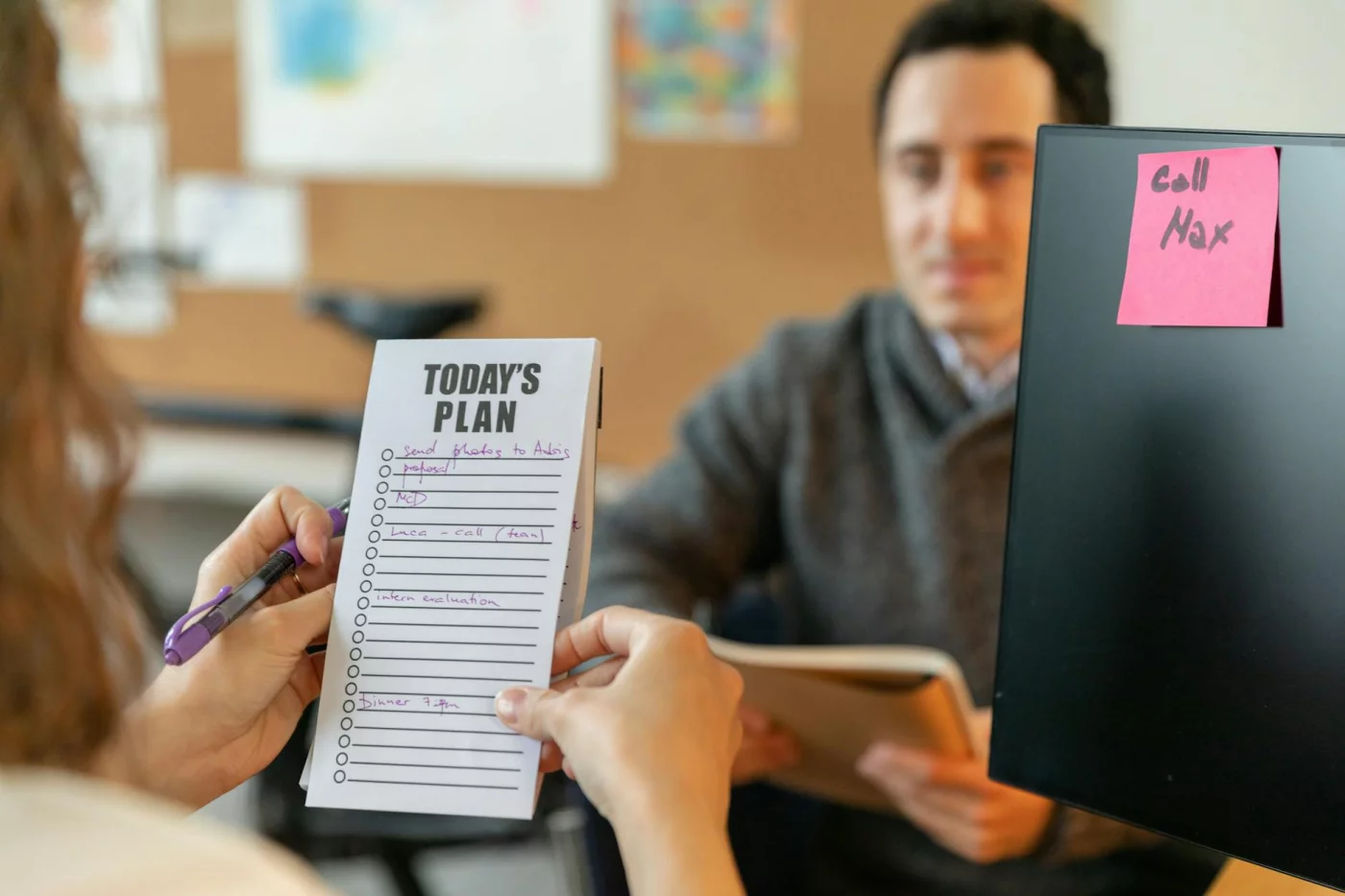
Thing is, task switching leaves “attention residue” — part of your mind stays stuck on the previous task. A classic study by Sophie Leroy in Organizational Behavior and Human Decision Processes (2009) showed that unfinished tasks keep pulling attention even after you move on, which makes lack of concentration and focus in adults feel random when it’s actually predictable. If you want the deeper mechanism and examples, read attention residue explained.
Playbook table: meeting → deep work, email → project, deep ↔ shallow
So here’s the deal. Use the table like a menu: pick your transition, follow the steps, and you should be working within 60 seconds and stable for 5 minutes.
| Transition type | Goal | Steps (micro-script) | Timing | Restart cue example |
|---|---|---|---|---|
| Meeting → deep work | Clear residue + re-enter flow | 1) Capture decisions (3 bullets). 2) Park open loops (one “Later” list). 3) Open the deep-work file and write the next action in one sentence. | 2 minutes | “When I open Project-X.md, I write: ‘Next: outline section 2 in 10 lines.’” |
| Email/social → project | Attention cleanup | 1) Close all tabs not needed. 2) Batch notifications: silence for 25–50 minutes. 3) Define next action (verb + object + done condition). | 60–90 seconds | “Start timer, then: ‘Draft the intro paragraph until it reads clean.’” |
| Deep → shallow | Safe landing (don’t lose your place) | 1) Save state (commit, save, export). 2) Write a resumption note (what, where, why). 3) Set a return timer. | 45–75 seconds | “Sticky note: ‘Resume at line 214; next fix is the edge case test.’” |
| Shallow → deep | Reduce ramp-up time | 1) One deep-work artifact open (doc/code). 2) One input source (notes). 3) One output target (what “done” looks like in 5 minutes). | 60 seconds | “5-minute target: write 3 test cases.” |
| Interruption (ping/coworker) | Stop the bleed | 1) Pause + posture reset. 2) Capture where you were (one line). 3) Restart with the same cue after the interruption ends. | 20–40 seconds | “I say out loud: ‘Back to section 3, paragraph 2.’” |
| ADHD-friendly (any transition) | Reduce friction + increase cues | 1) Visible next-action card. 2) Same timer length each time. 3) Same restart sound/phrase. | 30–60 seconds | “Card: ‘Open Jira → write 2 acceptance criteria.’” |
Three rules keep these playbooks working even when lack of concentration and focus in adults is hitting hard: notification batching (check messages at set times), time blocking (protect deep windows), and single-tasking guardrails (one “active” task only). But wait—single-tasking isn’t a vibe, it’s a boundary: no parallel tabs, no “quick replies,” no half-starts.
Did it work? Run this mini-check: within 60 seconds, can you start a concrete action (typing, calculating, outlining)? And after 5 minutes, are you still on the same task without reopening email? If not, your cue is too vague, which is a common cause of lack of concentration and focus in adults that looks like “low motivation.”
- If you keep drifting: rewrite the next action to be smaller (5-minute deliverable).
- If you keep checking messages: batch notifications harder (full mute, not “banner-only”).
- If you feel mentally sticky: add a 10-second “label” note (“I’m switching from X to Y”).
Between similar tasks (reduce interference)
Quick sidebar: proactive interference is when similar info competes in memory, so task B overwrites task A. That’s why switching between two similar contracts (or two similar textbook chapters) can spike lack of concentration and focus in adults fast.
Use a boundary cue before you switch. Change the document title you see, change the workspace layout, or write a 10-second “label the task” note: “Now I’m reviewing Contract B for termination clauses.”
And here’s the kicker — add a 1-minute summary before switching. Example: “Contract A summary: renewal is auto unless 30-day notice; risk is clause 4.2 ambiguity.” That tiny recap reduces the “Where was I?” tax when you need to refocus after task switching.
ADHD-friendly transitions (reduce friction, increase cues)
If you’re prone to distraction, don’t rely on willpower. Use external cues: a visible next-action card, a timer, and one consistent restart sound (same cue every time, even if it feels silly).
Reduce choice points. Preselect the next task during high-focus moments (end of a good session), not when you’re tired and deciding feels impossible.
Next up, we’ll cover the common mistakes that keep lack of concentration and focus in adults stuck—because sometimes your “reset” is fine, but your environment and rules are quietly sabotaging you.
Common mistakes that keep lack of concentration and focus in adults stuck (and what to avoid)
The playbooks help you switch fast. But if your resets still feel “sticky,” it’s usually because one small transition mistake keeps reloading the old task into your head.
And that’s not a character flaw. It’s a known effect called attention residue—when part of your mind stays on the previous task—so start by understanding attention residue explained and then fix the mechanics that keep lack of concentration and focus in adults looping.
The top transition mistakes (what to avoid)
Here’s the part most people get wrong: they treat switching like a vibe. Knowledge work doesn’t work that way, and lack of concentration and focus in adults gets reinforced by tiny “almost finished” loose ends.
- “I’ll remember it” (no capture): You don’t. Fix: write a 1-line close-out note: “Paused because ___; next action: ___.”
- No closure note at all: The brain keeps rehearsing. Fix: add a “park” line: “Parked until 2pm” and move on.
- Switching tasks inside your inbox/DMs: You’ll get pulled into new threads. Fix: read messages, then move the real work into a project workspace (doc, ticket, checklist).
- The “just quick check” trap: Quick becomes 14 minutes. Fix: use an if–then rule (implementation intention): “If I feel the urge to check, then I write it in my capture line and continue.”
- Keeping old tabs open: Visual cues keep the old goal active. Fix: close or minimize everything from the prior task; leave only the next task’s single entry point.
- Restarting with a vague goal (“work on report”): Vague goals create friction. Fix: the next action must be physical and visible: “Open Q2_Report.docx and write the 3-bullet intro.”
- Task switching without a restart cue: You re-enter cold. Fix: add a cue: “When I sit back down, I reread the last 2 lines and write one new sentence.”
- Stacking resets (breath + stretch + water + playlist +…): Too many signals becomes procrastination. Fix: pick 1–2 max (ex: 2 breaths + open file).
- Switching before you decide the next action: You carry an open loop. Fix: decide one next action or explicitly defer it with a time.
- Goalless “prep” (cleaning, formatting, reorganizing): Feels productive, isn’t. Fix: goal priming: write the outcome at the top of the page: “Outcome: submit draft by 4pm.”
If you’re wondering how to refocus after task switching, it’s basically this: close the old loop, reduce cues, and make the next action startable. That’s also how to regain focus after interruptions without needing a long ritual, which is a big deal for lack of concentration and focus in adults in busy workplaces.
60-second ‘did it work?’ focus check
OK wait, let me back up. Before you push harder, verify the reset actually landed—this is the fastest way to learn how do I reset my brain to focus after an interruption.
- Clarity (10 words): Can you state the next action in 10 words? If not, your goal is still fuzzy.
- Friction (under 60 seconds): Can you start in under a minute (file open, materials ready, cursor placed)? If not, remove one barrier now.
- Distraction pull (0–10): Rate your urge to check phone/email. If it’s >6, do a 5-minute reset or reduce cues (close inbox, silence notifications, full-screen the task).
Two quick rules help: If clarity is missing, you don’t need rest—you need a better next action. If distraction pull stays high and you’re seeing signs that your brain needs rest (heavy eyelids, rereading, irritability), that’s when a short break beats brute force for lack of concentration and focus in adults.
Troubleshooting table + when to take a full break
Use this table when how to regain focus after interruptions isn’t working. It turns “I’m unfocused” into a specific adjustment.
| Symptom | Likely cause | Adjustment |
|---|---|---|
| Still thinking about the meeting | Open loop not captured | Write a capture+park line; add one next action |
| Mind racing | Too many competing goals | Goal priming: write one outcome; hide other tabs |
| Sleepy fog | Low arousal / fatigue | 2-minute posture + light + water; then easiest next action |
| Scrolling urge | High cue exposure / boredom | Remove cues (phone away); set a 10-minute “finish line” |
| Rereading the same line | Cognitive overload | Switch to retrieval: outline from memory, then check |
| Irritable | Stress load / depleted control | Micro break for focus at work: 3 minutes eyes-off-screen + slow exhale |
When do you take a full break instead of “trying harder”? If errors rise, or you can’t hold the goal in mind for 5 minutes, take a 15-minute low-input break (no feeds, no email)—that’s how to rest your brain without sleeping and come back clean.
For a structured re-entry, use the pomodoro technique steps to pair breaks with a clear restart cue. And if lack of concentration and focus in adults keeps returning even with good resets, it’s time to look at the foundations that make these resets stick—next.
From experience: foundations that make focus resets stick (plus a quick reference card)
The mistakes above are why lack of concentration and focus in adults can feel “permanent” even when you’re trying hard. So here’s what actually sticks at a desk: a tiny close-out ritual that prevents attention residue from snapping you back into the last task (if you want the mechanism, see how attention residue works).

From experience: what actually makes the reset work at a desk
This is the part most people get wrong. The “parking lot” is the keystone—without it, your brain keeps rehearsing the old thread, and lack of concentration and focus in adults returns within minutes.
OK wait, let me back up. A parking lot is just one place where you dump loose ends so your mind stops guarding them. One note, one list, one timer—anything more gets skipped on busy days.
- Capture: what’s still open (decisions, questions, next files to touch).
- Decide: the next physical action (one verb, one object).
- Restart cue: the first 30 seconds when you come back (open X doc, run Y query, draft Z outline).
Meeting → deep work example (how to reset your brain after a meeting): In your close-out note, write: “Outcome: ___; Waiting on: ___; Next action (10 min): ___; Deep-work entry: open ___ and write the first ugly paragraph.” Then set a 2-minute micro-reset (eyes + posture), and start the entry action before you check anything else.
Email triage → project example (how to switch focus between tasks): End email with: “Inbox state: zero/flagged; Top 3 replies queued: ___; Project next action: ___; Restart cue: paste the task into the project doc header.” If you don’t name the next action, you’ll feel busy but directionless—classic lack of concentration and focus in adults.
How do you know the reset worked? Do a 10-second self-test: can you state the next action out loud, and do you feel a small drop in urgency about the previous task? If not, your parking lot is missing either a decision (“who owns this?”) or a restart cue (“what do I click first?”).
Foundations (brief): caffeine, hydration, sleep, screens
Resets aren’t magic. They work best when your baseline isn’t sabotaging you—especially with lack of concentration and focus in adults that spikes after lunch or late afternoon.
Caffeine timing: If caffeine pushes your bedtime later or fragments sleep, it will backfire the next day. NIH MedlinePlus notes caffeine can cause insomnia and jitteriness in some people; treat “late-day caffeine” as a variable to test, not a personality trait (NIH MedlinePlus caffeine overview).
Hydration and focus: Don’t overcomplicate it. Use a rule of thumb: drink water with your first caffeine, and again before your first deep-work block; if your mouth is dry or your urine is consistently dark, you’re probably behind. Dehydration can worsen fatigue and headaches, which often masquerade as lack of concentration and focus in adults.
Sleep baseline: The CDC recommends adults get 7+ hours of sleep per night, and it links short sleep with problems in attention, reaction time, and decision-making (CDC: how much sleep do I need?). If you’re repeatedly under-slept, your reset will feel like it “doesn’t work,” because your executive function is simply under-fueled.
Screen fatigue: If your eyes feel hot, your blink rate drops, and your focus gets “sticky,” do a near–far reset: look at something 20+ feet away for 20 seconds, then return and increase text size or contrast. And yes, lighting matters; reduce glare and avoid a bright screen in a dark room. For a desk-friendly protocol, use the screen fatigue recovery plan so you’re not guessing.
Supplements + safety boundaries (educational, not medical advice)
Quick sidebar: supplements marketed for focus are a mess. Evidence is mixed for many products, quality control varies, and interactions are real—so this is educational, not medical advice, and I’m not recommending any dosages.
If you’re considering supplements for lack of concentration and focus in adults, talk to a qualified healthcare professional first—especially if you’re pregnant, have a health condition, or take any medications. And if concentration problems come with persistent anxiety/depression symptoms, suspected ADHD, or signs of a sleep disorder (loud snoring, choking/gasping, extreme daytime sleepiness), you deserve a proper evaluation rather than another “brain pill.”
📋 Quick Reference
60–120 second desk reset (screenshot this):
- Park it: Outcome + “Waiting on” + one next action + restart cue.
- Body: shoulders down, feet planted, 3 slow breaths.
- Eyes: 20 seconds far focus, then enlarge text/raise contrast.
- Fuel check: water sip; avoid caffeine if it will hit your sleep.
- Restart: do the first 30 seconds immediately (open doc, write first line).
If you still feel stuck: your note is missing a decision or your “next action” isn’t physical enough.
Next up, I’ll answer the most common questions people ask when lack of concentration and focus in adults keeps coming back—even after you’ve built a reset routine.
Frequently Asked Questions
How do I reset my brain to focus in 2 minutes?
If you’re dealing with lack of concentration and focus in adults, try this 2-minute transition: write a 1-line close-out note (what you did + the next step), then park open loops in a quick list so they stop buzzing in the background. Next, do 30–40 seconds of slow breathing, followed by a near–far eye reset (look at something close for 5 seconds, then far for 5 seconds, repeat 3–4 times), then use a restart cue and open the next file. If you still can’t start within 60 seconds, that’s your signal for how do I reset my brain to focus with a 5-minute reset and make the next action smaller (like “write 2 sentences” or “solve 1 problem”).
How to switch focus between tasks without losing productivity?
The fastest way to reduce lack of concentration and focus in adults is to switch less often and switch more cleanly: batch email/notifications into 1–3 windows, and do task closure before you change contexts (capture what’s pending, then park it). For how to switch focus between tasks, use a restart cue like: “When I sit down after lunch, I’ll do the budget spreadsheet for 12 minutes,” because it removes the “what now?” delay. And here’s the kicker — keep the first re-entry action tiny so you can start even when motivation is low.
What is attention residue in psychology?
What is attention residue in psychology? It’s when part of your mind stays stuck on the previous task after you switch, which can lower performance and worsen lack of concentration and focus in adults on the new task. Researcher Sophie Leroy’s 2009 paper is commonly cited for showing that unfinished tasks can keep attention partially engaged after switching; you can read the abstract here: Leroy (2009) on attention residue. The practical fix is simple: end tasks with a written “next action” so your brain doesn’t keep trying to hold the thread.
How long does attention residue last?
How long does attention residue last? It can last a few minutes or longer, depending on how unfinished, urgent, or emotionally loaded the prior task feels — which is why it often shows up as lack of concentration and focus in adults after meetings or inbox checks. A written close-out note plus a clear next action usually shortens residue compared to switching cold, because your brain trusts it won’t forget. If you keep “mentally tab-switching,” that’s a sign your closure wasn’t specific enough (make the next step painfully concrete).
What are signs that my brain needs a reset?
Common signs of lack of concentration and focus in adults include rereading the same lines, making careless errors, feeling a strong urge to check your phone, getting irritable, and struggling to name the next action. For what are signs that your brain needs a reset, use a quick self-check: rate your urge-to-distract from 0–10, and if it’s >6/10, take a 5–15 minute low-input break (no feeds, no inbox). Then restart with a smaller next action so you can re-enter without friction.
How can I rest my brain without sleeping?
If lack of concentration and focus in adults is building up, the best “awake rest” is low stimulation: breathing, a near–far eye reset, water, and a 1–2 line plan note — and yes, that means no social feeds or email. For how to rest your brain without sleeping, aim for 5–15 minutes, then restart with one clear next action and a timer so you don’t drift. If you’re consistently exhausted, stressed, or your focus problems feel severe, check in with a qualified healthcare professional to rule out sleep or health issues.
How do I reset my brain after a meeting?
To reduce lack of concentration and focus in adults after meetings, do a 2–5 minute capture: write decisions, owners, deadlines, and any open loops, then park them in one place (notes app, task list, or project doc). For how to reset my brain after a meeting, choose one concrete next action for your next work block, set a restart cue (“After I refill water, I’ll draft the first paragraph for 10 minutes”), and open the exact document you’ll work in before you check email again. If you want a structured way to do this every time, use FreeBrain’s focus resources here: FreeBrain focus and study tools.
What should I do between study sessions to refocus?
Between sessions, the goal is to prevent lack of concentration and focus in adults by making re-entry obvious: close the last session with a 1-line note (what you finished + the very next problem/page to start). For what should i do between study sessions to refocus, do a 2-minute reset (breath + eyes + posture), then restart with an 8–10 minute “easy entry” task that warms you up without heavy resistance. But wait — if you keep stalling, shrink the entry task again until starting feels almost too easy.
Conclusion: Make the transition the habit
If you want better focus, treat the space between tasks like a skill. Use the 2-minute reset (stop, breathe, label the next task, and pick a single “first move”) before you switch. Match your micro break to the work: 2 minutes to clear mental residue, 5 minutes to downshift stress and reload attention, or 15 minutes when your brain’s genuinely saturated. And don’t skip the playbooks: write a one-line “return cue,” close loops with a quick capture, and restart with a tiny, visible action. Those four moves alone can noticeably reduce the lack of concentration and focus in adults that shows up after constant task switching.
And if you’ve been struggling, you’re not broken. Your brain’s just doing what brains do: clinging to the last context and resisting the next. Personally, I think this is the part most people get wrong—they try to power through instead of resetting on purpose. Start small. Run one mindful transition today between two real tasks, then repeat it tomorrow. Consistency beats intensity, and that’s how the lack of concentration and focus in adults starts to loosen its grip—one clean handoff at a time.
Which brings us to your next step: keep building your system on FreeBrain. Read Spaced Repetition to make learning stick with less effort, and check Active Recall for a simple way to stay engaged when attention drifts. Pick one reset, pick one break length, and practice it for a week—then tighten the loop and do it again.