
Quick answer: for most adults, 50 to 150 mg of caffeine is enough to improve alertness and sustained attention for desk work. If you’re asking does caffeine help you focus adhd, the short answer is: sometimes, but the effect depends a lot on dose, timing, sleep, and your baseline sensitivity. Coffee usually works best about 30 to 60 minutes before focused work, gum can kick in around 10 to 15 minutes, and if sleep matters, your caffeine cutoff time is often 8 to 10 hours before bed. And yes, task length matters too — especially if you’re working in 90-minute focus cycles or trying to protect a real flow state for studying.
Thing is, more isn’t always better. You don’t need pre-workout-level caffeine to read, write, code, or study well, and pushing the dose too high can make you jittery, anxious, distractible, or weirdly “busy” instead of deeply focused. That’s why does caffeine help you focus adhd isn’t a yes-or-no question, and it’s also why the best caffeine dose and timing for focus changes with body size, sleep debt, anxiety level, and whether you need 25 minutes of concentration or 3 hours.
You’ve probably felt this before: one cup makes you sharp, the second makes your thoughts noisy. Or you drink coffee too late, study fine at 8 p.m., then stare at the ceiling at 1 a.m. Research on caffeine’s pharmacology and half-life helps explain why that happens — and why does caffeine help you focus adhd needs careful nuance rather than Reddit-style certainty.
So here’s the deal. This article gives you the practical rules: the minimum effective caffeine dose for focus, how much caffeine for studying, when to take caffeine before studying, caffeine timing for deep work, coffee vs caffeine pills for focus, caffeine gum vs coffee for studying, how to avoid a caffeine crash while studying, and how to cycle use so tolerance doesn’t quietly wreck the benefits. I’m a software engineer, not a clinician, but I spend a lot of time translating research into usable study systems — and for ADHD-related questions, I’ll keep it evidence-based, careful, and clear that this isn’t a substitute for medical care.
📑 Table of Contents
- Quick answer: does caffeine help you focus adhd, studying, and deep work?
- How caffeine improves focus: minimum effective caffeine dose, brain effects, and what to avoid
- Best caffeine dose and timing for focus by body weight, sensitivity, and task length
- Coffee vs caffeine pills vs gum vs tea: best caffeine source for focus and studying
- How to use caffeine for studying without crashes: a 7-step protocol, ADHD nuance, and real-world application
- Caffeine cutoff time for sleep, tolerance cycling, sample protocols, and final takeaways
- Frequently Asked Questions
- Conclusion
Quick answer: does caffeine help you focus adhd, studying, and deep work?
Now to the practical question. If you’re wondering does caffeine help you focus adhd, the short answer is: sometimes, but the useful answer depends on dose, timing, sleep, and what kind of work you’re doing. For more on productivity and focus, see our productivity and focus guide.
This article is educational, not medical advice. If you have ADHD, anxiety, heart issues, pregnancy, sleep problems, or possible medication interactions, talk with a qualified healthcare professional before changing your caffeine use.
Direct answer box
For most adults doing desk work, 50 to 150 mg of caffeine is often enough to improve alertness and sustained attention. Coffee usually works best 30 to 60 minutes before work, gum can kick in around 10 to 15 minutes before, and a practical caffeine cutoff time for sleep is about 8 to 10 hours before bed.
So, does caffeine help you focus adhd? Research suggests it may help some people with alertness and vigilance, but response varies a lot with sensitivity, sleep debt, anxiety, body size, habitual intake, and whether you’re using ADHD medication. More caffeine isn’t always better for concentration. Past a certain point, shakiness, distractibility, and worse sleep can erase the benefit.
What this guide will help you decide
Here’s what this guide will answer: the minimum effective dose of caffeine, the best caffeine source for focus, when to take it for a 30-minute sprint versus a 90-minute study block, and how to avoid the classic crash. And yes, does caffeine help you focus adhd is part of that, because ADHD nuance gets oversimplified on most pages.
My recommendations here lean on human studies, FDA safety context, Mayo Clinic caffeine-content references, and peer-reviewed research indexed in PubMed’s research database and ScienceDirect. For caffeine amounts in common drinks, Mayo Clinic’s caffeine guide is a solid reference.
- How much caffeine for studying without overshooting
- Best caffeine dose and timing for focus by task length and sensitivity
- Why caffeine helps sleepiness more than poor task design
One more reality check. Does caffeine help you focus adhd if your day is fragmented? Not reliably. It can improve vigilance, reaction time, and resistance to fatigue, but it won’t fix multitasking, attention residue, or bad preparation. If your focus keeps collapsing between tasks, use a deliberate reset between tasks before reaching for another cup.
Next, I’ll break down exactly how caffeine changes brain arousal, what the minimum effective dose looks like, and what to avoid if you want cleaner focus instead of jittery pseudo-productivity.
How caffeine improves focus: minimum effective caffeine dose, brain effects, and what to avoid
So here’s the practical follow-up to the quick answer: if you’re asking does caffeine help you focus adhd, the real question is dose, task, and timing. For a 30- to 90-minute work block, caffeine can help alertness, but it works best when paired with 90-minute focus cycles and a setup that supports a real flow state for studying.

And this is the part most people get wrong. Caffeine doesn’t create magical concentration. It mostly reduces sleep pressure, which can improve vigilance and reaction time enough to make focused work easier.
What caffeine does in the brain
Caffeine mainly works by blocking adenosine receptors. Adenosine is a chemical that builds up while you’re awake and makes you feel tired, so when caffeine blocks that signal, your brain perceives less fatigue and you feel more alert. That mechanism is well described in NCBI’s overview of caffeine and adenosine signaling.
What does that mean for desk work? Usually better sustained attention, faster simple reaction time, and improved vigilance. But wait — that’s not the same as better judgment, deeper comprehension, or flawless working memory.
If you’ve ever felt “wired but scattered,” that’s the tradeoff. Personally, I think this is why does caffeine help you focus adhd gets answered so badly online: people confuse stimulation with control. For many people, especially during boring tasks, more alertness helps. For complex thinking, the sweet spot matters a lot more, which connects to how brain motivation and focus interact under pressure.
Harvard’s nutrition guidance also notes that caffeine can increase alertness and temporarily reduce fatigue, but effects vary a lot by tolerance, body size, and sensitivity. So yes, does caffeine help you focus adhd can be a useful question, but the honest answer is “sometimes, and only in the right range.”
The minimum effective caffeine dose for focus
For most people, what is the minimum effective caffeine dose for focus? Often around 40 to 75 mg. And yes, is 50 mg of caffeine enough for focus? It can be, especially if you’re sensitive to caffeine, don’t use it daily, or you’re already reasonably well-rested.
Low-dose caffeine for concentration usually falls in the 25 to 75 mg range. Moderate intake is more like 100 to 200 mg for many adults. Once you get to 250 mg or more, shakiness, anxiety, and overarousal become much more likely, especially for reading-heavy or detail-heavy work.
- 25 to 50 mg: half a small coffee, some green teas, or a small piece of caffeine gum
- 50 to 75 mg: one black tea or a light coffee
- 100 mg: a standard caffeine pill or a modest brewed coffee
- 150 to 200 mg: stronger coffee, often enough for noticeable alertness in many adults
Here’s the inverted-U idea in plain English: too little may do nothing, enough may improve alertness, too much can hurt performance. That “too much” zone often shows up as jumpiness, distractibility, and worse deep reading. If you’re wondering does caffeine help you focus adhd during studying, the better question may be: what’s the minimum effective dose of caffeine that helps without making your thoughts noisy?
For knowledge work, I’d start lower than most people expect. A 50 mg trial before a 45-minute study block tells you more than slamming 300 mg and hoping for the best.
Common mistakes and what to avoid
Now this is where it gets interesting. The biggest caffeine mistakes aren’t about coffee itself. They’re about using caffeine to fight problems caffeine can’t solve.
- Stacking caffeine on sleep deprivation and expecting normal cognitive performance
- Taking 300 mg before a dense reading task, then wondering why comprehension drops
- Drinking a late-afternoon energy drink and wrecking sleep, which worsens next-day mental fatigue
- Doing repeated top-ups every hour instead of using one measured caffeine dose for concentration
- Trying to fix fragmented attention instead of addressing how multitasking hurts focus
- Taking large doses on an empty stomach, which can increase nausea, jitters, and anxiety
And here’s the kicker — if your task design is bad, caffeine won’t save it. It won’t turn multitasking into deep work, and it won’t fully prevent the crash that comes from poor sleep and constant context switching. Research summarized in Harvard’s caffeine review makes this clear: benefits depend on amount, timing, and the person using it.
So, does caffeine help you focus adhd? Sometimes, yes. But if you want to avoid a caffeine crash while studying, use the smallest effective dose, match it to the task, and stop treating stimulation as productivity.
Next, we’ll make this more precise by breaking down the best caffeine dose and timing by body weight, sensitivity, and how long you need to stay sharp.
Best caffeine dose and timing for focus by body weight, sensitivity, and task length
So now that we’ve covered how caffeine works, the practical question is dose and timing. If you’re wondering, does caffeine help you focus adhd, the honest answer is that response varies a lot by sensitivity, task design, and sleep debt — but for desk work, lower doses often work better than people expect.
Personally, I think most focus advice gets pulled from sports nutrition, which is why it overshoots what knowledge workers need. For studying, coding, writing, or reading, it makes more sense to match caffeine to the length of your work block, especially if you use 90-minute focus cycles or you’re trying to reach a flow state for studying.
Dose by body weight and sensitivity
Here’s the simple framework. Start around 0.5 to 1 mg/kg for a conservative trial, move to 1 to 2 mg/kg if needed, and treat anything above 2.5 mg/kg as a caution zone for focus tasks rather than a default target.
Body size matters, yes. But wait — sensitivity usually matters more. Two people at the same weight can respond very differently based on genetics, sleep, anxiety, tolerance, and whether they usually consume caffeine.
If you’re asking does caffeine help you focus adhd, this is where people often get confused: more stimulation doesn’t always mean better concentration. Evidence on caffeine and attention shows mild to moderate doses can improve alertness, while higher doses are more likely to increase jitteriness and distractibility, as summarized in NIH material on caffeine’s effects on the brain and behavior.
- 60 kg: 30 to 60 mg conservative; 60 to 120 mg common effective range
- 80 kg: 40 to 80 mg conservative; 80 to 160 mg common effective range
- 100 kg: 50 to 100 mg conservative; 100 to 200 mg common effective range
A sensitivity matrix makes this more useful than body weight alone:
- High sensitivity: 25 to 75 mg may be enough
- Medium sensitivity: 50 to 125 mg often works well
- Low sensitivity: 100 to 200 mg may be tolerable
That’s why caffeine dose by body weight for focus is only a starting point. If 60 mg makes you feel wired, your ideal dose is not 120 mg just because a chart says so. Well, actually, the best dose is the smallest amount that improves alertness without pushing you into anxiety, task-switching, or shaky hands.
Timing by source and task length
Timing should match both the source and the job. Coffee and pills usually make sense 30 to 60 minutes before work, tea about 30 to 45 minutes, and gum roughly 10 to 15 minutes because absorption is faster through the mouth.
For a 30-minute task, gum is often the cleanest option if you need a fast ramp. For a 90-minute study block, coffee or a pill taken 30 to 60 minutes before starting is usually more predictable. And for longer workdays, smaller split doses beat one giant hit.
Here’s a practical way to think about best caffeine timing for a 90 minute study block:
- Take your dose before the block, not halfway through it.
- Use a clear start cue: timer on, tabs closed, task defined.
- Set a stop point so caffeine doesn’t drag you into sloppy extra work.
This is the part most people get wrong. Caffeine helps alertness, but it can’t rescue fragmented attention. If your session is full of context switching, single-tasking works better, and if you feel your attention slipping after a hard block, it’s smarter to reset between tasks than to keep stacking caffeine.
If you’re still asking does caffeine help you focus adhd, timing matters as much as amount. A poorly timed 150 mg dose can wreck sleep and hurt next-day focus, while a well-timed 50 to 100 mg dose may improve one clean work block with fewer side effects. And yes, coffee absorption time is less precise than pills or gum, which is why coffee can feel inconsistent from one day to the next.
Quick Reference
📋 Quick Reference
Conservative starting dose: 0.5 to 1 mg/kg
Common effective range: 1 to 2 mg/kg
Approach carefully: above 2.5 mg/kg for focus work
Best caffeine source for focus: gum for fast onset, pills for precision, coffee for convenience, tea for gentler stimulation
Onset: gum 10 to 15 min; tea 30 to 45 min; coffee 30 to 60 min; pills 30 to 60 min
Use cases: 30-minute task = gum or small tea; 90-minute block = coffee or pill pre-task; all-day alertness = smaller split doses
Sleep protection: set a caffeine cutoff time for sleep, often at least 8 hours before bed for sensitive people
Research reviews on caffeine pharmacology and half-life help explain why late-day doses linger longer than many people assume. So if does caffeine help you focus adhd is your question, the better version is: what dose helps this task without hurting tonight’s sleep?
Next, we’ll compare coffee, pills, gum, and tea so you can choose the best source for your study style, budget, and tolerance.
Coffee vs caffeine pills vs gum vs tea: best caffeine source for focus and studying
Once you know your dose and timing, the next question is simpler: what should you actually take? If you’re wondering does caffeine help you focus adhd, source matters more than most people think, especially across a 30-minute task versus a full 90-minute focus cycles study block.
Here’s the short answer. Coffee is flexible but inconsistent, pills are precise, gum is fastest, and tea is gentlest. And if you’re trying to get into flow state for studying, the best caffeine source for focus depends on whether you need speed, steadiness, or low anxiety.
Mayo Clinic notes that an 8-ounce brewed coffee often has about 96 mg of caffeine, black tea about 47 mg, and green tea about 28 mg, but real-world variation is huge. That’s why does caffeine help you focus adhd can’t be answered by dose alone; delivery changes onset speed, precision, convenience, and the odds that you overshoot.
- Coffee: best for routine study blocks when you know your usual brew.
- Pills: best for controlled self-testing and repeatable dosing.
- Gum: best for short-notice focus demands and fast onset.
- Tea: best for caffeine-sensitive readers and lower-anxiety work.
Coffee vs pills: precision, speed, and convenience
For coffee vs caffeine pills for focus, the main tradeoff is flexibility versus control. Coffee is easy, familiar, and often pleasant, but brew strength, cup size, roast, and café serving habits make the actual dose messy.
An 8-ounce home coffee might land near 80 to 120 mg. A large café coffee can easily go much higher. So if you’re testing the minimum effective dose of caffeine, pills make one-variable-at-a-time experiments much easier.
Pills usually come in fixed amounts like 100 mg or 200 mg. That’s boring, yes — but useful. Personally, I think pills are the cleanest option when you’re trying to answer does caffeine help you focus adhd without confusing the result with a giant mug that happened to be extra strong.
Coffee still wins on routine. If you study every morning, pair one consistent cup with food and a fixed start time, then compare how you perform across similar sessions. And don’t ignore setup: even the best caffeine source for focus won’t rescue a messy desk, constant pings, or poor workspace design for focus.
A practical example: one student I’ve seen overshot repeatedly with a large coffee, got shaky, then blamed caffeine entirely. But 75 mg from tea plus breakfast gave steadier concentration for note review and problem sets. Same person, different source, very different result.
When gum makes sense and when it doesn’t
Caffeine gum onset is usually faster because absorption starts in the mouth before the rest is swallowed. That makes caffeine gum vs coffee for studying a real question when you need focus now, not in 30 to 45 minutes.
Gum fits short tasks well:
- pre-presentation alertness
- a demanding commute
- the first 20 to 40 minutes of a meeting
- a quick focus reset before a timed quiz
But wait. Fast onset can tempt repeated redosing, and that’s where gum gets less helpful for long reading sessions. If you keep chewing every time attention dips, you may be treating task fatigue, boredom, or context switching with more stimulant instead of using a real reset between tasks.
A good example is a professional who uses 100 mg gum before a presentation because the timing is predictable and the need is immediate. Smart move. The same person avoids gum for a two-hour reading block because the sharper rise feels too “edgy” and makes sustained comprehension worse.
So, does caffeine help you focus adhd in gum form? Sometimes, yes — especially for short, high-pressure performance windows. For long desk work, though, caffeine gum vs coffee for studying often comes down to whether speed helps more than steadiness.
Tea for gentler focus
Tea is often underrated. If anxiety and caffeine are a bad combo for you, tea may be the best caffeine source for focus because the dose is lower and the stimulation usually feels smoother.
Black tea often lands around 40 to 50 mg per cup, while green tea is commonly lower. According to Mayo Clinic’s caffeine content guide, tea generally contains less caffeine than brewed coffee, which makes it easier to stay below your jitter threshold.
And here’s the kicker — lower stimulation can be better for deep reading, writing, and detail-heavy knowledge work. If you’re asking does caffeine help you focus adhd, tea may be the better test when strong stimulation makes you restless rather than attentive.
So what’s the best caffeine source for focus overall? There isn’t one winner. Coffee is best for familiar routines, pills for precision, gum for speed, and tea for gentler focus with lower anxiety risk.
Which brings us to the practical part: how to use these options without crashes, accidental redosing, or sleep sabotage — especially if does caffeine help you focus adhd is only true when the protocol is tight.
How to use caffeine for studying without crashes: a 7-step protocol, ADHD nuance, and real-world application
Now that you know which source fits your style, the next question is timing and dose. If you’re wondering does caffeine help you focus adhd or just make you jittery, the answer depends a lot on how you use it, what task you’re doing, and whether your sleep is already shaky.
For desk work, I’d keep it simple. Match caffeine timing to the length of the work block, especially if you’re using 90-minute focus cycles, and use caffeine to start focused work rather than to drag out exhausted work.
How to self-test your minimum effective dose
The best dose is usually the smallest one that improves task engagement without raising anxiety or hurting sleep. Personally, I think this is the part most people get wrong: they test caffeine by feel once, then assume more must be better.
Try a 5 to 7 session experiment. Change one variable at a time, and keep everything else stable: same source, similar task, similar sleep, similar start time.
- Track dose in mg
- Track source: coffee, tea, gum, or pill
- Track start time and task type
- Rate focus quality, anxiety, and energy from 1 to 10
- Log bedtime, sleep latency, and next-day grogginess
A practical starting range for a minimum effective caffeine dose for focus is often 25 to 50 mg for sensitive people and 50 to 100 mg for moderate tolerance. For concentration-heavy work, that’s usually enough to test a useful caffeine dose for concentration without creating a rebound crash two hours later.
7-step study and deep-work protocol
How to use caffeine for studying without crashes
- Step 1: Choose one source only. Don’t mix coffee, an energy drink, and gum in the same session.
- Step 2: Start low. Example: 50 mg at 8:30 AM before a 9:00 AM study block.
- Step 3: Time it to the task. Use caffeine 15 to 45 minutes before deep work, depending on source and your own response.
- Step 4: Pair with food if caffeine hits you hard. A light breakfast or snack can smooth the rise for some people.
- Step 5: Avoid stacking. No hourly top-ups. Decide your dose before the session starts.
- Step 6: Use breaks strategically every 60 to 90 minutes. Stand up, hydrate, and reset instead of redosing automatically.
- Step 7: Log 5 to 7 sessions. Keep the dose that improves output without increasing anxiety or delaying sleep.
Morning example: 50 mg at 8:30 AM, begin a 9:00 to 10:30 AM writing block, break at 10:30, then continue without more caffeine. Afternoon slump example: 40 to 60 mg at 1:30 PM before a 2:00 PM admin or reading session, but only if it won’t push into your sleep window.
If you’re searching how much caffeine for studying or when to take caffeine before studying, that’s the framework I’d use. And yes, how to avoid caffeine crash while studying usually comes down to smaller doses, food timing, hydration, and refusing the “just one more cup” loop.
Does caffeine help you focus with ADHD?
Short answer: sometimes, but inconsistently. Research on caffeine and ADHD suggests it may increase alertness or subjective focus for some adults, but the evidence is mixed and the effects are much less predictable than prescribed treatment.
So, does caffeine help you focus adhd? For some people, it may help them feel more awake or less mentally sluggish. But wait — that does not mean caffeine can diagnose ADHD, treat ADHD, or replace clinician-guided care.
Animal and small human studies have explored caffeine’s effects on attention, but findings vary by dose, age, sleep status, and whether the outcome was objective performance or just self-reported energy. If you’re asking does caffeine help focus for adhd adults, the careful answer is that it might improve alertness in some cases, while also worsening anxiety, restlessness, or sleep in others.
That’s why does caffeine help you focus adhd should be treated as a personal response question, not a universal rule. If ADHD is a concern, get evaluated by a qualified professional.
From Experience: what actually works in real study sessions
From building focus content and testing desk-work routines, the most reliable gains don’t come from caffeine alone. They come from a small dose, a defined study target, fewer context switches, and a sleep cutoff you actually respect.
Well, actually, caffeine is terrible at rescuing a chaotic session. If your tabs are exploding, your phone is nearby, and your task is vague, does caffeine help you focus adhd or non-ADHD? Maybe a little on alertness, but not enough to fix broken task design.
The sessions that work best are boringly consistent: one source, one block, one goal, one break plan. Which brings us to the next piece — your cutoff time, tolerance cycling, and how to build sample protocols that help today without wrecking tonight’s sleep.
Caffeine cutoff time for sleep, tolerance cycling, sample protocols, and final takeaways
So here’s the practical part. If the last section was about using caffeine without crashes, this one is about protecting the thing that matters more than any stimulant: your sleep, your consistency, and your ability to focus again tomorrow.
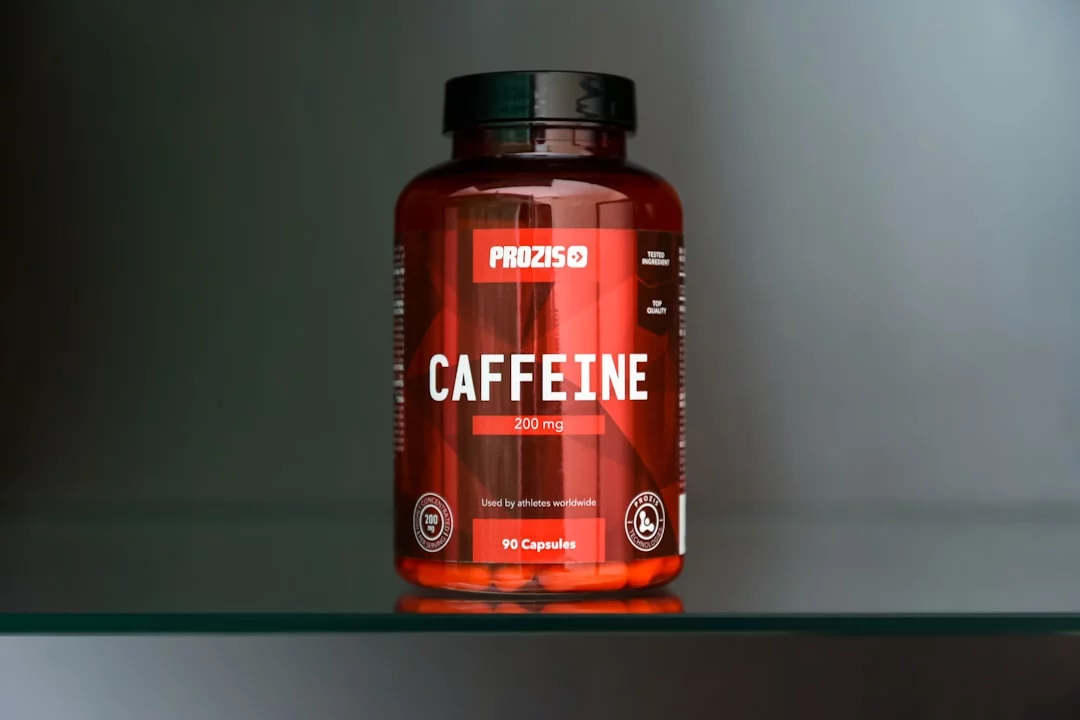
And yes, that matters even if you’re still asking, does caffeine help you focus adhd. It can help some people feel more alert in the short term, but the tradeoff changes fast when caffeine timing for deep work starts hurting recovery, mood, and next-day attention.
Sleep cutoff rules that actually work
Caffeine sticks around longer than most people think. Its average half-life is often around 5 hours, though research reviews note it can vary widely based on genetics, medications, smoking status, pregnancy, and liver metabolism; a useful overview is available from NCBI.
What does that mean in plain English? If you take 100 mg at 2 PM, a meaningful amount may still be active at 7 PM, and some may still be affecting your brain near bedtime. That’s why afternoon caffeine can feel fine but still reduce sleep depth or delay sleep onset.
A rule that works for most people: avoid caffeine within 8 to 10 hours of sleep if sleep is a priority. Sensitive users often need 10 to 12 hours. If your bedtime is 10:30 PM, your practical cutoff is usually around 12:30 to 2:30 PM.
And here’s the kicker — one late dose can improve one study session while quietly damaging the next day. A controlled study in the Journal of Clinical Sleep Medicine found that caffeine taken even 6 hours before bedtime significantly disrupted sleep.
So, how late can i take caffeine without affecting sleep? For many people, earlier than they think. If you want better focus across the week, pair your dose timing with your natural work blocks, like these 90-minute focus cycles, instead of sipping caffeine all afternoon.
- Average sensitivity: last meaningful dose 8 to 10 hours before bed
- High sensitivity or anxiety-prone: last dose 10 to 12 hours before bed
- Early bedtime, under 10 PM: be extra cautious after noon
This is also where the question does caffeine help you focus adhd gets messy. A late dose may feel useful in the moment, but if it creates sleep disruption, the next day’s sustained attention can get worse, not better.
How to cycle caffeine to reduce tolerance
Tolerance buildup is real, but people overstate it sometimes. If you use moderate amounts a few times per week, you may keep most of the alertness benefit. If you use high doses every day, especially multiple times daily, the perceived boost often shrinks.
Personally, I think the best answer to how to avoid caffeine tolerance while studying is boring but effective: stop treating caffeine like background noise. Use it strategically.
- Daily option: keep most doses in the 40 to 100 mg range instead of pushing 200+ mg by default
- Weekly option: add 1 to 2 lower-caffeine days each week
- Situational option: reserve larger doses for demanding sessions, exams, or heavy reading days only
Another simple move? Review when caffeine actually helped. A quick weekly review habit can show whether your “need” for caffeine is really poor sleep, weak task design, or tolerance buildup.
And if you’re wondering again, does caffeine help you focus adhd, research suggests caffeine is not a substitute for individualized ADHD care. Educationally speaking, some people report better alertness, but the effect is inconsistent and anxiety or sleep loss can erase the upside. For diagnosis or treatment questions, consult a qualified clinician.
Sample caffeine protocols by goal
Most desk-work advice online is weirdly vague. So here are realistic protocols by goal, not just “take some coffee and hope.”
- Low-anxiety study session: 40 to 75 mg from tea or a small coffee, 30 to 45 minutes before studying. Best for note review, writing, or a 60 to 90 minute block.
- Early-morning deep work: 75 to 125 mg from coffee or a pill, 30 to 60 minutes before starting. Best for coding, problem sets, or demanding reading when sleep was solid.
- Afternoon slump without harming sleep: 25 to 60 mg before 1 to 2 PM. If your bedtime is early or you’re sensitive, skip it.
Quick sidebar: source matters too. Tea usually gives a softer rise, coffee hits harder, gum acts faster, and pills are precise but easier to overdo. The best caffeine dose and timing for focus is usually the lowest amount that improves alertness without pushing anxiety, jitters, or task-switching.
That’s also the smartest way to think about does caffeine help you focus adhd. Don’t ask only “does it work?” Ask: at what dose, for what task, at what time, and at what sleep cost?
Conclusion and next steps
Here’s the bottom line: the best caffeine protocol is the lowest effective dose, used on purpose, with a hard caffeine cutoff time for sleep. One well-timed dose can help a session. Constant stimulation usually backfires.
Build a full focus system instead of leaning on stimulants alone: protect sleep, reduce distractions, plan work in clear blocks, and use caffeine only when the return is worth it. And if you’re still weighing does caffeine help you focus adhd, keep the answer narrow and practical: maybe for short-term alertness, but only if it doesn’t increase anxiety or damage sleep.
Next, let’s wrap this up with the most common questions and a simple decision framework you can actually use.
Frequently Asked Questions
What is the minimum effective caffeine dose for focus?
For many people, what is the minimum effective caffeine dose for focus comes down to about 25 to 75 mg, with 50 mg often enough for sensitive users who are well-rested and doing mentally steady work. And yes, that range matters if you’re also wondering does caffeine help you focus adhd, because sleep debt, caffeine tolerance, and the kind of task you’re doing can all change what feels effective. A short reading session may need less than a long problem-solving block, so start low, test once, and keep notes instead of guessing.
Is 50 mg of caffeine enough for focus?
Yes — is 50 mg of caffeine enough for focus is a fair question, and for caffeine-sensitive readers, light users, or well-rested people doing desk work, it often is. But wait, tolerance changes everything: if you drink coffee daily, 50 mg may feel too subtle to notice, even if does caffeine help you focus adhd is the question you’re trying to answer for yourself. Personally, I think 50 mg is a smart testing dose because it’s low-risk, measurable, and less likely to trigger jitters than jumping straight to a large coffee.
How much caffeine should I take before studying?
If you’re asking how much caffeine should i take before studying, a practical starting point for most adults is around 50 to 100 mg, then adjust conservatively based on how you feel. Three things matter: your body size, your caffeine sensitivity, and how long the study session will last — and those same factors shape the real-world answer to does caffeine help you focus adhd. If you’re studying late, lean lower, because a dose that helps now can quietly wreck sleep later.
When should I drink coffee before a study session?
For most people, when should i drink coffee before a study session is easiest to answer with a simple range: about 30 to 60 minutes before you start focused work. Now this is where it gets interesting: caffeine gum tends to act faster, while tea may feel gentler and more gradual, which can matter if you’re testing whether does caffeine help you focus adhd in a way that feels steady rather than edgy. If you want a practical system for timing work blocks, you can pair caffeine with structured sessions using FreeBrain’s Pomodoro Timer.
How late can I take caffeine without affecting sleep?
If you’re wondering how late can i take caffeine without affecting sleep, a useful rule of thumb is to stop 8 to 10 hours before bedtime. But some people need a longer cutoff, especially if they’re caffeine-sensitive or already dealing with insomnia, anxiety, or inconsistent sleep — and that matters even more when asking does caffeine help you focus adhd, because poor sleep can cancel out any short-term benefit. NCBI resources on caffeine and sleep metabolism show why the same dose can linger much longer than people expect.
Coffee or caffeine pills for focus: which is better?
Coffee or caffeine pills for focus which is better depends on what you’re optimizing for. Caffeine pills are better for precise dosing and self-testing, while coffee is better for routine, taste, and enjoyment — and yes, that distinction matters if you’re trying to figure out does caffeine help you focus adhd in a repeatable way. Quick sidebar: coffee strength varies more than most people think, so if you want cleaner experiments, pills usually make it easier to compare 50 mg, 100 mg, and 150 mg without guessing.
How do I avoid a caffeine crash while studying?
If you’re asking how do i avoid a caffeine crash while studying, the best approach is usually boring but effective: use smaller doses, avoid stacking drinks, eat if needed, stay hydrated, and take breaks. Crashes are often worse when you’re sleep-deprived or when the dose is simply too big for the task, which is also why the answer to does caffeine help you focus adhd can look very different from one day to the next. OK wait, let me back up — if you want stable focus, don’t treat caffeine like a substitute for sleep, because that’s where the rough rebound tends to start.
Does caffeine help you focus with ADHD?
Does caffeine help you focus adhd is a common question, and the honest answer is that caffeine may help some people feel more alert or mentally switched on, but the evidence is mixed and the effects vary a lot from person to person. Research summaries from sources like NIMH make the bigger point clear: caffeine is not a substitute for ADHD evaluation or prescribed treatment. If you suspect ADHD is affecting your work, focus, or daily life, consult a qualified clinician rather than trying to self-manage the problem with more caffeine.
Conclusion
So here’s the practical version. If you’ve been asking does caffeine help you focus adhd, the best answer is: sometimes, but dose, timing, and sleep matter more than people think. Start low, not high — often 25 to 100 mg is enough for focus, especially if you’re caffeine-sensitive. Take it 30 to 60 minutes before studying or deep work, match the dose to the task length, and avoid “chasing” fading focus with repeated large doses. And yes, this is the part most people get wrong: if caffeine cuts into your sleep, tomorrow’s attention usually gets worse, not better.
You don’t need a perfect system. You need a repeatable one. Personally, I think that’s good news, because it means you can test a few variables — dose, source, timing, and cutoff — and find what actually works for your brain. If you’re still wondering does caffeine help you focus adhd, treat it like an experiment, not an identity. Track what happens, notice whether you get calm focus or jittery overdrive, and adjust from there. Small changes compound fast.
Want to keep refining your study setup? Explore more evidence-based strategies on FreeBrain.net, including How to Focus on Studying and Spaced Repetition. If your main question is still does caffeine help you focus adhd, the next step isn’t more guessing — it’s building a study system that supports attention with or without caffeine. Start testing, keep what works, and make your focus more reliable this week.