You’re here because “dopamine” advice online is a mess. And the truth is, dopamine anticipation of reward isn’t the same thing as pleasure—it’s more about prediction, pursuit, and learning what’s worth doing next.
This article is educational, not medical advice. If you’re dealing with ADHD, addiction, depression, or medication questions, talk with a qualified clinician before changing anything.
Ever notice how you can feel fired up before you start—then instantly lose steam once you actually sit down? That swing is often dopamine anticipation of reward at work, especially when your brain is comparing “easy rewards now” vs “bigger rewards later.” And yeah, that’s a big reason procrastination feels so irrational—speaking of which, my breakdown of why you procrastinate connects those cue-driven loops to what you do (and don’t) do at your desk.
Definition (40–60 words): Dopamine anticipation of reward is the brain’s way of tracking expected value and updating it when reality differs. When a cue predicts a reward, dopamine activity can shift from the reward itself to the cue, shaping learning, attention, and effort. It’s tightly linked to “prediction error,” not simple pleasure.
So here’s the deal. You’ll get a unified 4-part model that separates dopamine into: (1) reward prediction error (a learning signal), (2) incentive salience (“wanting” vs “liking”), (3) effort/energization and cost–benefit choices, and (4) habit formation across circuits like the dopamine pathways VTA–nucleus accumbens. We’ll also connect the dopamine reward system to studying with safe tactics—no “dopamine detox” gimmicks, no “hack your dopamine” nonsense—and show how to sustain drive with structure (like the flow state studying protocol) instead of constant novelty. And yes, we’ll make the dopamine response patterns graph and dopamine reward prediction error explained actually click.
Why trust this? I’m a software engineer who builds learning tools and tests what helps people follow through—then I sanity-check it against primary sources like this peer-reviewed review on dopamine reward prediction error and learning (NCBI/PubMed Central). One more time: dopamine anticipation of reward is the thread that ties motivation, learning, and habits together—and you’re about to see how.
📑 Table of Contents
- Dopamine anticipation of reward: the 60-second model + quick reference
- What dopamine is (and isn’t): dopamine reward system, pathways, and myths to avoid
- Why dopamine spikes before reward: dopamine anticipation of reward, cues, and Pavlovian learning
- Dopamine reward prediction error explained + tonic vs phasic dopamine motivation (with graph)
- Real-world application: dopamine, effort-based decisions, and wanting vs liking in studying
- How to influence motivation safely: a step-by-step guide (no dopamine detox hype)
- Frequently Asked Questions
- Conclusion
Dopamine anticipation of reward: the 60-second model + quick reference
In the intro, we framed dopamine as a learning-and-action chemical, not a “feel good” shortcut. Now let’s make that practical with a tight model you can reuse every time you plan a study session. For more on memory and brain health, see our memory and brain health guide.
Definition (snippet-ready): what dopamine anticipation of reward means
Dopamine anticipation of reward is a cue-linked prediction signal that prepares you to act: your brain learns that a cue (notification, textbook, coffee smell) predicts an outcome, energizes pursuit, and then updates learning based on the mismatch between expected and actual results (prediction error). It’s about cues, prediction, and action—not simple pleasure.
And yes, people ask: is dopamine about pleasure or motivation? Mostly motivation and learning signals; pleasure (“liking”) also involves opioid and other systems, so reducing everything to dopamine is an oversimplification.
Quick Reference: the 4-part model you’ll use while studying
Here’s the unified model I use when designing FreeBrain study systems (OK wait, let me back up: it’s not “my” model—researchers built the pieces; I’m just packaging them so you can apply them fast). This is the cleanest way I know to think about dopamine anticipation of reward without falling into “dopamine detox” hype.
Part 1 is reward prediction error (RPE): the learning update when reality beats (or disappoints) your expectation. In studying, quizzes and immediate feedback are the workhorse here—especially when you use short cycles like the pomodoro technique steps to create frequent, low-stakes “outcome → update” loops.
Part 2 is incentive salience, aka wanting vs liking. This is where dopamine anticipation of reward gets you: a cue can create a strong “go do it” pull even if the reward isn’t that enjoyable. If you’ve ever opened your phone automatically and thought, “Why am I doing this?”, you’ve met this mechanism—speaking of which, it’s a big driver in why you procrastinate.
Part 3 is effort/vigor: how hard you’re willing to work, given the perceived payoff and costs. Personally, I think this is the part most people get wrong; they try to “feel motivated” instead of lowering friction and protecting attention. Use structure to sustain effort, like a flow state studying protocol, rather than chasing constant novelty spikes.
Part 4 is habit/action selection in striatal circuits: repeated actions become the default choice, especially in stable contexts (same desk, same time, same first step). When your environment is consistent, dopamine anticipation of reward can shift from “should I start?” to “I’m already starting.” Worth it? Absolutely.
- (RPE) Use quick feedback (1–5 questions) to create clear “expected vs actual” learning updates.
- (RPE) Track errors, not time: a wrong answer is information, and information is what updates predictions.
- (Wanting) Treat cues as steering wheels: silence the cue, and you often shrink the urge.
- (Wanting) Wanting can rise without liking; don’t assume “I crave it” means “it’ll satisfy me.”
- (Effort) Make the first 2 minutes easy (open problem set, write the first line) to reduce cost.
- (Habit) Anchor a repeatable start ritual (same time + same place + same first task) until it runs on autopilot.
📋 Quick Reference
Cue → Prediction → Effort/Action → Outcome → Learning update (RPE)
Studying example: Your phone buzzes (cue) and your brain predicts “maybe something interesting” (prediction), so you reach for it (effort/action). Outcome: it’s a random notification (meh). Next time, that cue can still trigger wanting, but if you repeatedly delay checking and reward “start problem set,” the prediction shifts toward studying—classic dopamine anticipation of reward re-training.
Trust + limits: what we can (and can’t) infer in humans
So how solid is this? Pretty solid in outline, messier in details. Evidence converges from animal electrophysiology (recording dopamine neurons), human neuroimaging (fMRI proxies), and pharmacology, but none of these alone lets us read your motivation like a dashboard.
For RPE specifically, the framework is strongly associated with Wolfram Schultz’s work; see his overview in Nature Reviews Neuroscience on dopamine reward prediction error. For a grounded map of pathways and functions, the NCBI Bookshelf overview of dopamine is a reliable starting point.
But wait—does dopamine anticipation of reward mean dopamine is only “reward”? No. Dopamine also tracks salience, uncertainty, movement, and action selection, depending on circuit and context, so we’ll label what’s strong evidence vs what’s still emerging when we get to tactics.
Next, we’ll zoom out and clarify what dopamine is (and isn’t): the dopamine reward system, major pathways, and the myths that waste your study time.
What dopamine is (and isn’t): dopamine reward system, pathways, and myths to avoid
In the last section, we used a fast mental model for dopamine anticipation of reward. Now we’ll make that model accurate enough to use without falling into the “dopamine = pleasure” trap.
Dopamine as a neuromodulator (not a simple pleasure chemical)
Dopamine is a neuromodulator. That’s a fancy word for “it changes how strongly circuits respond,” rather than carrying one simple message like an on/off switch.
So here’s the deal: dopamine often tunes learning, motivation, and action selection across the dopamine reward system. And dopamine anticipation of reward is usually about “approach” and “pursue,” not guaranteed enjoyment.
This is the part most people get wrong. Dopamine is tightly linked to incentive salience: the brain tagging something as “wanted” (pulling you toward it), which is not the same as “liked” (actually pleasurable when you get it).
Researchers often describe this as “wanting vs liking.” Wanting is dopamine-heavy; liking depends more on opioid and endocannabinoid “hedonic hotspots” in specific regions, not dopamine alone. Which means dopamine anticipation of reward can feel like craving, curiosity, or urgency even when the reward itself is… meh.
And yes, dopamine also shows up in learning signals like reward prediction error (RPE): the difference between what you expected and what happened. Better-than-expected outcomes tend to drive brief bursts (phasic dopamine), and worse-than-expected outcomes tend to reduce that signal, helping your brain update future expectations.
What this means for studying: you can build dopamine anticipation of reward for a task before you “love” it. If you’ve ever opened a problem set and felt a weird pull to start (even while not enjoying it yet), that’s incentive salience doing its job—sometimes the same cue loops that show up in why you procrastinate.
Where dopamine comes from: VTA, SNc, nucleus accumbens, striatum
When people say “dopamine reward system,” they’re usually pointing at a few dopamine pathways VTA nucleus accumbens connections. But wait—there isn’t one single “reward pathway.” There are multiple loops interacting with context, goals, stress, sleep, and other neurotransmitters (like serotonin, norepinephrine, glutamate, and GABA).
Three big dopamine pathways matter most for everyday behavior:
- Mesolimbic: VTA → nucleus accumbens (NAc). Cue-triggered motivation, incentive salience, and dopamine anticipation of reward (“that looks worth doing”).
- Mesocortical: VTA → prefrontal cortex (PFC). Planning, value comparisons, self-control, and holding goals online when the reward is delayed.
- Nigrostriatal: substantia nigra pars compacta (SNc) → dorsal striatum. Habit learning, action selection, and “autopilot” routines.
Quick sidebar: the VTA isn’t the only dopamine source, but it’s a major one in motivation research. The dopamine pathways VTA nucleus accumbens route is why cues (a notification, a snack smell, a “start studying” playlist) can create dopamine anticipation of reward before you do anything.
If you want a grounded overview, start with the NCBI Bookshelf chapter on dopamine and MedlinePlus’s dopamine overview. They’re not study-hack articles, but they’ll keep your mental model honest.
Common mistakes / what to avoid when thinking about dopamine
OK wait, let me back up. The biggest errors happen when people treat dopamine anticipation of reward as a moral story (“good” motivation vs “bad” distraction) instead of a learning-and-action system.
- Myth: “More dopamine = more happiness.” Reality: dopamine is more about wanting/drive than liking/pleasure; too much or too little can both cause problems depending on circuit and context.
- Myth: “A dopamine detox resets you.” Reality: avoiding cues can reduce cue-triggered dopamine anticipation of reward, but there’s no simple neurological “reset button.”
- Myth: “Just increase dopamine.” Reality: you want stable motivation and good control loops, not constant spikes; sleep, exercise, and light exposure have better evidence than supplements or extreme hacks.
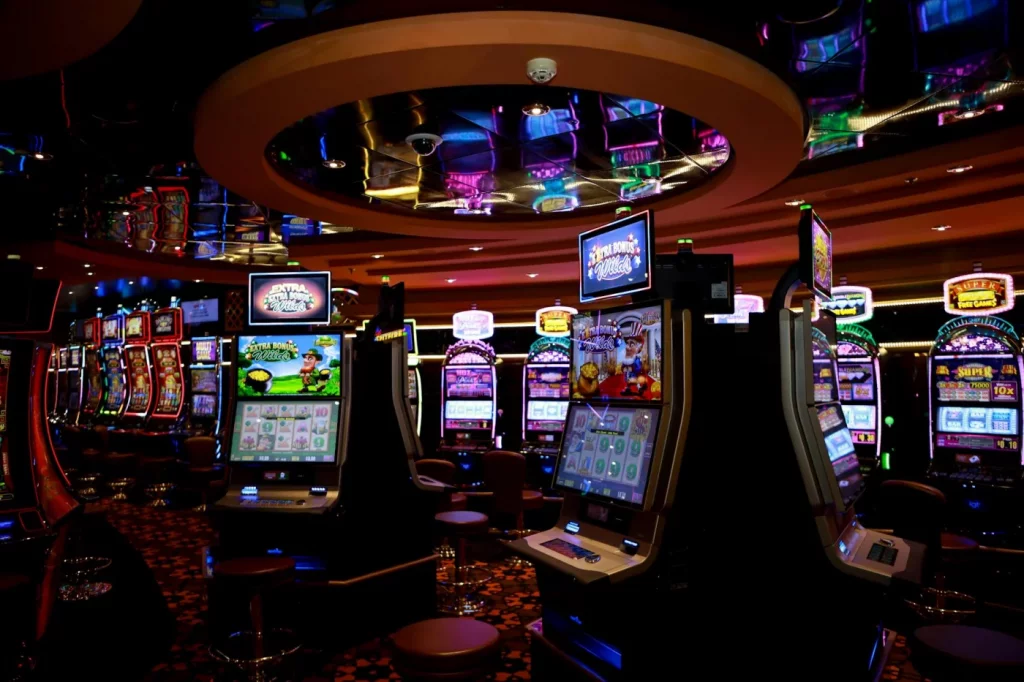
- Myth: “Novelty is always good.” Reality: variable rewards (feeds, messages, random content) can fragment attention and train your brain to seek quick wins over slow progress.
Personally, I think “novelty chasing” is the sneakiest one. If you keep swapping tasks for micro-rewards, you teach your brain that dopamine anticipation of reward should come fast and often—so deep work starts to feel unrewarding.
Try a cleaner feedback loop instead: structured effort with predictable breaks. The pomodoro technique steps work partly because they create a small, reliable “finish line,” which can support dopamine anticipation of reward without turning your day into a slot machine.
And if you’re dealing with persistent low mood, anhedonia, ADHD symptoms, compulsive behavior, or medication questions, don’t self-treat with dopamine “hacks.” Talk to a qualified clinician; this is educational, not medical advice.
Want a practical middle ground? Use deep engagement to generate its own momentum—see the flow state studying protocol—and then we’ll zoom in next on why dopamine spikes before reward, how cues drive dopamine anticipation of reward, and what Pavlovian learning has to do with it.
Why dopamine spikes before reward: dopamine anticipation of reward, cues, and Pavlovian learning
In the last section, we cleared up what dopamine is (and isn’t) so you don’t confuse it with “pleasure juice.” Now we can explain the weird part: dopamine anticipation of reward often rises before you get anything, especially when a cue predicts what’s coming.
Pavlovian conditioning: how cues gain motivational power
Pavlovian conditioning is simple: a cue (signal) predicts an outcome (reward), and your brain learns a conditioned response (a ready-to-act state). Think “notification sound” (cue) → “social update” (outcome) → “grab phone” (response). And yes, it can happen with studying too.
Early in learning, dopamine activity tends to show up around the reward itself. But with repetition, that activity shifts earlier—toward the cue that predicts the reward. That shift is the core of dopamine anticipation of reward: your brain starts responding to information about the future, not just the payoff.
This cue-shift is why cue-induced craving can feel automatic. Your environment becomes a control panel for motivation. If you’re stuck in a loop, it’s often not “laziness”—it’s learned cue → response wiring, which also explains a lot of why you procrastinate even when you care about the goal.
Concrete studying example. You open your laptop to study, and instantly feel an urge to check messages. The laptop isn’t the problem; the first screen is the cue. Redesign it so the cue predicts work:
- Auto-open a notes doc or problem set, not your browser
- Pin a “2-minute start ritual” checklist (water, timer, first question)
- Keep your phone out of sight so it can’t become the strongest cue in the room
If you want a structured way to do this, I like treating your desk like a “behavior interface.” The ideas in workspace design for focus map directly to cue control: make study cues loud and distraction cues quiet.
Anticipation isn’t daydreaming—it’s prediction that prepares action
When people ask “why does dopamine spike before reward,” they’re usually imagining dopamine as a reward itself. But wait—anticipation here is closer to a prediction signal that ramps readiness. It pulls attention, increases approach behavior, and biases you toward the option your brain expects will pay off soon.
Micro-example: you plan 30 minutes of calculus. Then a notification appears. That cue predicts a fast social reward, so your action system pivots: attention snaps to the phone, and the “cost” of starting calculus suddenly feels higher. That’s dopamine anticipation of reward in the wild—priority assignment, not a moral failure.
Neuroscience researchers often discuss dopamine in terms of motivation (“wanting”) and learning, not just pleasure (“liking”). If you want a plain-language overview of the pathway story, the Wikipedia dopamine article is a decent starting map before we get into prediction error details.
Three roles to keep separate (most people mash them together): (1) learning signals that update predictions, (2) incentive salience that makes cues feel “grabby,” (3) energization/effort that helps you initiate, and (4) attention/priority that decides what gets processed first. In this section we’re mainly talking about (2) and (4)—the “cue power” side of dopamine anticipation of reward.
Habituation vs sensitization: why some cues fade and others get stronger
Not all cues stay powerful. Some habituate. Example: you use the same “focus playlist,” and after a week it stops feeling motivating because your brain stops treating it as new information.
Other cues sensitize—especially when rewards are intermittent. A like, a DM, or a new post doesn’t arrive every time you check, so the cue stays uncertain and attention-grabbing. Evidence on variable reinforcement schedules comes from classic learning research and is a major reason digital habits can produce persistent cue-induced craving; a readable overview is the American Psychological Association’s coverage of screen habits and behavior.
So what do you do with dopamine anticipation of reward if you’re trying to study? Reduce high-frequency, high-variance cues (notifications, inbox tabs), and increase stable cues that predict work (same desk, same start time, same first task). Then use a predictable feedback loop—like the timed structure in pomodoro technique steps—so effort reliably leads to a small “done” signal.
And here’s the kicker — you don’t need novelty every five minutes. You need a ramp into sustained engagement. Once you’re moving, the structure in a flow state studying protocol can help you stay with one challenge long enough for focus to become rewarding.
Next up, we’ll put a name on the “shift to the cue” mechanism and graph it: dopamine reward prediction error, plus how tonic vs phasic dopamine changes motivation over time.
Dopamine reward prediction error explained + tonic vs phasic dopamine motivation (with graph)
So far we’ve talked about why dopamine spikes before reward: cues train dopamine anticipation of reward to kick in early, not at the finish line. Now we need the “update rule” that makes those cue loops smarter over time: reward prediction error (RPE).
RPE in one paragraph + a real studying example
Here’s the simplest version of dopamine reward prediction error explained: your brain compares what you expected with what actually happened, and the mismatch (the RPE) updates future expectations. In reinforcement learning terms (Montague/Dayan/Sejnowski), prediction errors adjust the “value” of actions and cues so next time your dopamine anticipation of reward is closer to reality. This framing matches classic dopamine recordings summarized by Schultz, including how dopamine neurons respond to surprises and to learned predictors of reward.
Concrete example. You predict you’ll score 60% on a quiz, but you get 85%: that’s a positive RPE, and your strategy (say, retrieval practice + error correction) gets reinforced. Or you get 40%: negative RPE, and your brain updates the value of that strategy downward (maybe rereading felt productive, but the feedback says it wasn’t).
This is why active recall works so well: every question creates a mini prediction, and the answer gives immediate error feedback. If you want a practical library of formats, see these active recall examples—they’re basically engineered RPE generators, which keeps dopamine anticipation of reward tied to real progress instead of vibes.
For a deeper background on how dopamine signals shift from reward to cue across learning, Schultz’s review is a solid starting point: overview of reward prediction error and reinforcement learning.
Positive vs negative prediction errors: better/worse than expected
Positive prediction error = outcome is better than expected, so the value of the preceding cue/action tends to increase. Negative prediction error = outcome is worse than expected (including omission), so that value tends to decrease. And no, dopamine isn’t “happy juice”; these are teaching-like signals that tune dopamine anticipation of reward and future choices.
But wait—why is “no feedback” so demotivating? Because without a clear prediction error, learning updates are small and slow, so your brain can’t confidently assign credit. That’s why vague rereading often feels busy but doesn’t reliably change what you do tomorrow.
- What creates strong RPEs: quick checks, clear answers, and immediate correction.
- What creates weak RPEs: passive exposure, delayed grades, and fuzzy goals (“study more”).
- What this does to motivation: weak RPEs flatten dopamine anticipation of reward, so effort starts feeling “not worth it.”
In practice, frequent low-stakes tests beat rereading because they produce many small prediction error signaling events. If you’re stuck in cue-driven avoidance loops (scrolling, snacking, tab-hopping), that same learning machinery can wire procrastination fast—see why you procrastinate for how cues hijack “wanting” even when you don’t actually like the activity.
Tonic vs phasic dopamine: two modes, different effects
Now this is where it gets interesting. Phasic dopamine is the brief burst (or dip) tied to cues and outcomes—great for learning what predicts what, and for shifting dopamine anticipation of reward from the reward to the cue. Tonic dopamine is the slower-changing baseline level, often discussed as relating to vigor, persistence, and how “worth it” effort feels in a given state (an opportunity-cost style framing, not a moral one).
OK wait, let me back up. Think of phasic as “teaching signals” and tonic as “energization,” and you’ll avoid a lot of confusion. They interact, but they’re not the same job.
Here’s the classic dopamine response patterns graph, described in words so you can read it without a picture:
- Unexpected reward: no cue yet, then reward arrives → a sharp phasic burst at reward time.
- Predicted reward: cue appears → burst shifts to the cue; reward itself produces little/no burst because it’s expected.
- Omitted reward: cue appears → burst at cue; then at the expected reward time → a dip below baseline (negative RPE).
So what do you do with tonic vs phasic dopamine motivation in real life? Personally, I think the cleanest move is to design your environment so baseline “costs” are low: schedule hard work when your energy is naturally higher, and remove competing rewards during deep work blocks. Pair that with a structure that keeps feedback coming—short timed sessions (like the pomodoro technique steps) and a deeper engagement plan (the flow state studying protocol) so you’re not relying on novelty hits to feel motivated.
Which brings us to the next section: how dopamine relates to effort-based decisions, and why “wanting” can rise even when “liking” doesn’t—especially when you’re studying.
Real-world application: dopamine, effort-based decisions, and wanting vs liking in studying
In the last section, we broke down reward prediction error and the difference between tonic vs phasic dopamine. Now let’s connect that to what you actually feel at your desk: dopamine anticipation of reward pulling you toward cues, while effort costs quietly push you away from deep work.
Wanting vs liking: why motivation can outgrow pleasure
Motivation isn’t the same thing as pleasure. In neuroscience terms, “wanting” is largely about incentive salience—cue-triggered approach drive—while “liking” is the hedonic enjoyment of the reward itself (and it relies heavily on opioid and other circuits, not just dopamine).
So here’s the weird part: dopamine anticipation of reward can spike when you see a cue (a notification, a new tab, a snack), even if the thing you’re about to do won’t feel good afterward. If you’ve ever “wanted” to scroll and then felt oddly empty two minutes later, you’ve experienced wanting without liking.
Studying often flips that pattern. You may not “like” the first 5–15 minutes, but you can end up liking mastery later: the clean explanation you can finally give, the problem set you can finally solve, the confidence bump after a quiz. And yes, that sounds slow compared to instant apps—because it is.
If procrastination feels like you’re being yanked by cues, it’s worth reading our breakdown of why you procrastinate—the cue loop is basically incentive salience in everyday clothing. The studying goal can still matter to you, but dopamine anticipation of reward is reacting to what’s most vivid and immediate, not what’s most meaningful.
Effort discounting + vigor: why hard tasks feel “not worth it”
Effort-based decision making is cost–benefit math your brain does fast. Effort is a cost, and when the reward is delayed (grades next month, career later), the “net value” can shrink in the moment—especially if dopamine anticipation of reward is lighting up for easier options.
Think of a choice at 7:30 pm: a 45-minute deep work block (high effort, delayed payoff) versus easy scrolling (low effort, immediate payoff). Opportunity cost matters too: if you start studying, you’re “giving up” the immediate rewards you could be consuming instead, and that lost reward can make the study task feel heavier than it objectively is.
Task switching makes it worse. Each switch adds reorientation costs in the prefrontal cortex (PFC), and subjectively that feels like “ugh, this is hard,” even when the material isn’t that hard.
- Incentive salience (“wanting”): cues pull you toward the easiest reward.
- Energization/vigor: tonic dopamine is linked to how willing you are to expend effort right now (not just whether you “care”).
- Learning signal: phasic dopamine signals prediction errors that help update what you expect next time.
And here’s a non-reductive comparison I wish more study articles included. These systems interact, and none of them is a “single cause” for motivation:
| System | Often associated with | Study-relevant angle (practical) |
|---|---|---|
| Dopamine | Prediction errors, incentive salience (“wanting”), effort/vigor | Dopamine anticipation of reward can bias you toward immediate cues; frequent feedback can also reinforce study habits. |
| Serotonin | Mood regulation, patience, behavioral inhibition (context-dependent) | When mood and stress are stable, delayed goals can feel more tolerable; impulsive “escape” behaviors can drop. |
| Norepinephrine | Arousal, alertness, attention allocation | Too low: foggy and distractible. Too high: jittery and scattered. The sweet spot supports sustained focus. |
What this means for studying: reduce competing rewards during the first 10 minutes. That’s when dopamine anticipation of reward is most likely to be captured by “easier” cues, before your task starts generating its own feedback and momentum.
From Experience (FreeBrain): what actually predicts follow-through
After building and iterating on FreeBrain’s study workflows, I’ve noticed a consistent pattern in usage: friction + fast feedback predicts follow-through better than hype. Users who start with short, timed sessions and end with a clear “win” come back more reliably than users who write vague 2-hour plans.
Well, actually… it’s not the timer itself. It’s what the timer creates: a stable cue (start), a bounded effort cost (25 minutes), and a predictable reward (finish + checkmark + a quick score). That structure produces frequent mini prediction errors (“I thought I’d quit, but I finished”), which can update future expectations and make starting feel less costly.
In plain terms, you want your studying to generate its own dopamine anticipation of reward, instead of competing with your phone’s variable rewards. Three “wins” that work in real sessions:
- Visible progress: 10 flashcards graded, 5 problems checked, 1 page summarized.
- Immediate feedback: a quick self-test, answer key, or rubric-based check.
- Clean stopping point: end mid-momentum, with the next step written down.
If you want a practical pathway that sustains engagement without constant novelty, use the flow state studying protocol. Structure beats hype, almost every time.
Next, we’ll turn this model into a safe, evidence-based step-by-step guide for influencing motivation (sleep, light, movement, environment), without “dopamine detox” myths.
How to influence motivation safely: a step-by-step guide (no dopamine detox hype)
In the last section, we separated “wanting” from “liking” and why effort-based decisions can make studying feel weirdly hard even when you care. Now we’ll use that same lens to shape dopamine anticipation of reward in a safe, boring (effective) way—without chasing viral “detox” rules.
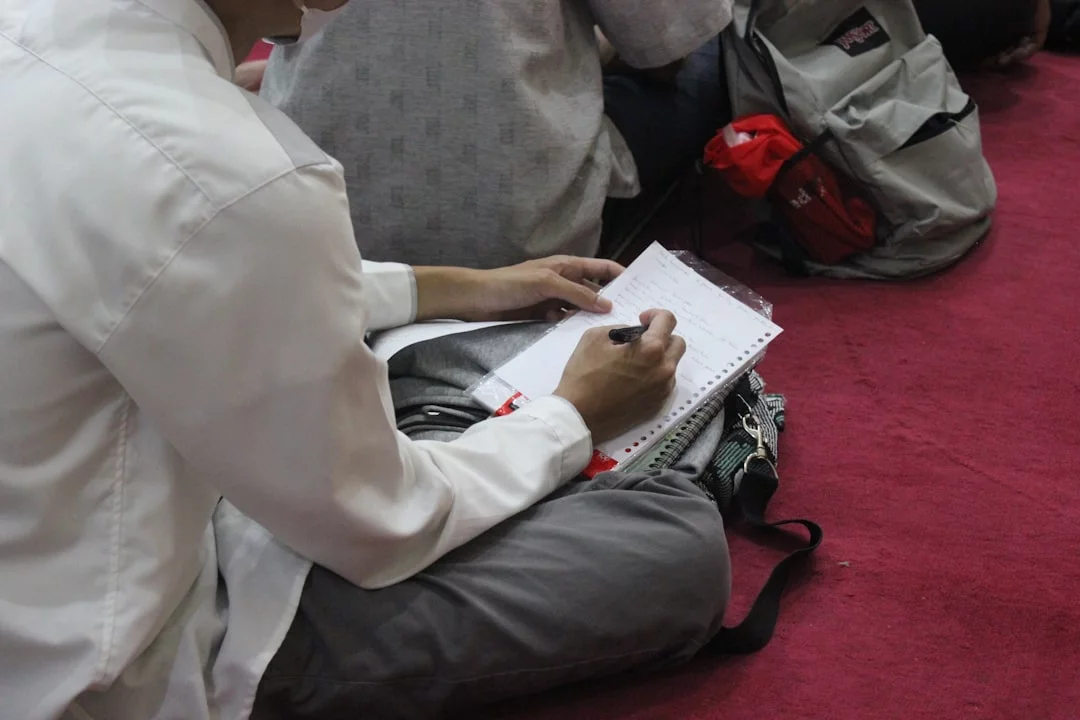
The levers you can pull (evidence-graded): sleep, light, exercise, novelty, friction
First, a quick model check. Dopamine isn’t just “pleasure.” It’s involved in reward prediction error (teaching), incentive salience (“wanting”), effort/vigor, and habit learning—different circuits and time-scales (phasic bursts vs tonic background levels) all matter.
So does dopamine increase motivation or learning? Evidence suggests it supports both, but through different mechanisms: dopamine anticipation of reward can energize action, while prediction errors help update what your brain expects will pay off.
- High-evidence levers (start here): sleep regularity, morning light, moderate exercise, and reducing late-night variable rewards (doomscrolling, gambling-like feeds).
- Moderate/uncertain levers: novelty in small doses, friction design, and feedback frequency.
- Emerging/uncertain (be cautious): cold exposure, fasting protocols, and supplements. Effects vary, risks exist, and they can backfire if they worsen sleep, anxiety, or eating patterns.
Sleep (strong evidence): Aim for a consistent sleep window, ideally within ~60 minutes day-to-day. Sleep loss changes reward sensitivity and self-control; a 2007 study in Sleep linked sleep restriction to increased reward responsivity, which can amplify cue-driven behavior when you’re tired.
Morning outdoor light (strong evidence): Get 5–15 minutes outside soon after waking (longer if it’s cloudy). Bright light anchors circadian timing and can improve daytime alertness; for a research overview, see the NIH page on circadian rhythms: Circadian Rhythms (NIGMS).
Exercise (strong evidence): Do 20–40 minutes of moderate movement most days (brisk walk counts). Meta-analyses in Psychological Bulletin have found exercise reliably improves executive function, which helps you act on goals even when dopamine anticipation of reward is low.
Novelty + friction (moderate evidence): Novelty can spike interest, but constant novelty trains your dopamine reward system to expect fast payoffs. Better: add tiny novelty (new practice problems, a different room once a week) while increasing friction for distractions—this is the part most people get wrong.
And yes, this ties directly to procrastination loops: cues trigger dopamine anticipation of reward for the easier option, which is why I recommend reading why you procrastinate alongside this section.
How to build a motivation loop for studying (cue → effort → feedback → habit)
- Step 1: Pick one cue, then delete competing cues. Choose a single time + place (e.g., 7:30pm at the desk). Put your phone in another room and close extra tabs—otherwise you’re feeding dopamine anticipation of reward for “just checking” messages.
- Step 2: Timebox the effort (10–25 minutes) and define “done.” Start small: “25 minutes, finish 6 flashcards” or “10 minutes, outline 3 bullet points.” Effort shaping works because your brain learns the task is survivable, not endless.
- Step 3: Add fast feedback with 1–5 retrieval questions. Use tiny quizzes right after the block (“Explain X without notes,” “Solve one problem variant”). This creates a reward prediction error: you expected you knew it, but you didn’t (or vice versa), which is where dopamine and learning and memory intersect.
- Step 4: Log one metric, then end with a small non-hijacking reward. Log score or “% recalled” in one line. Then do a short walk, stretch, or tea—something that doesn’t turn into a second attention economy.
- Step 5: Weekly review to keep errors informative, not crushing. If you’re scoring ~95% every time, increase difficulty. If you’re at ~20% and dreading it, reduce scope. The goal is steady calibration so dopamine anticipation of reward stays linked to progress signals, not panic.
What to avoid + when to get help (educational, not medical advice)
Avoid building your life around constant stimulation. Chasing novelty, stacking extreme protocols, or “biohacking” your way out of low mood often increases volatility—more spikes, more crashes, and stronger cue-induced craving.
Here’s the addiction-relevant lesson: cues can stay powerful even when enjoyment drops. That’s a known feature of dopamine and addiction—“wanting” can outlive “liking,” which is why harm-reduction beats willpower myths; for evidence-based info, see NIDA’s Drugs, Brains, and Behavior: The Science of Addiction.
Next up, we’ll answer the most common questions people ask about dopamine anticipation of reward—quick definitions, practical clarifications, and what to do when motivation still feels flat.
Frequently Asked Questions
What is dopamine anticipation of reward?
What is dopamine anticipation of reward? It’s the brain’s cue-linked prediction signal that helps you prepare an action and update learning, not a simple “pleasure chemical” hit; in other words, dopamine anticipation of reward ramps up when something suggests a reward is likely. With learning (classic Pavlovian conditioning), dopamine activity often shifts from the reward itself to the cue that predicts it, like a notification sound or the sight of your textbook. So the cue becomes the “go” signal, and dopamine anticipation of reward helps your brain decide what to do next.
Why does dopamine spike before the reward arrives?
Why does dopamine spike before reward? Because once a cue reliably predicts a reward, the brain starts responding to the predictor, not the payoff—so dopamine anticipation of reward shows up earlier in time. And here’s the kicker — that early spike can energize pursuit (scrolling, snacking, studying) even before you get the outcome. Action tip: identify your strongest cues (time, place, app icons) and either remove them (for distractions) or attach them to a good routine (for study) so dopamine anticipation of reward works for you, not against you.
Is dopamine about pleasure or motivation?
Is dopamine about pleasure or motivation? Research strongly links dopamine to motivation and learning signals (wanting, reward prediction error), while pleasure (“liking”) is supported by other systems too—so dopamine anticipation of reward often reflects drive, not delight. That’s why you can crave something you don’t even enjoy much anymore: wanting can stay high while liking drops. If you want a deeper, research-grounded overview of dopamine’s roles, see this review on dopamine, reward, and motivation (NCBI), and notice how dopamine anticipation of reward fits the “pursuit” side of the story.
What is reward prediction error (RPE) in dopamine—explained simply?
Dopamine reward prediction error explained simply: it’s the gap between what you expected and what happened, and dopamine anticipation of reward helps your brain update future choices based on that gap. If the outcome is better than expected, dopamine signals tend to rise; if it’s worse, the signal can dip, pushing you to adjust. Studying example: you predict an 80% on a quiz but score 60%, so you change what you practice next (more retrieval, less rereading) because dopamine anticipation of reward and RPE-based learning nudge your plan toward what actually works.
What is tonic vs phasic dopamine?
What is tonic vs phasic dopamine? Phasic dopamine is a brief burst tied to cues or outcomes (a “pop” of dopamine anticipation of reward), while tonic dopamine is the baseline level associated with vigor, persistence, and how “ready” you feel to keep going. But wait — they don’t operate in isolation: sleep, stress, context, and other neurotransmitters can change how both feel and function, which also changes dopamine anticipation of reward. Practical move: protect sleep and reduce chronic stressors first, because a shaky baseline can make cue-driven bursts feel chaotic and harder to steer.
How does dopamine affect motivation and learning?
How does dopamine affect motivation and learning? A useful model has four parts—(1) learning updates via RPE, (2) “wanting” via incentive salience, (3) effort/vigor to keep working, and (4) habit/action selection—and dopamine anticipation of reward shows up across all four. For studying, that translates to:
- Frequent feedback (quick quizzes) to drive learning updates
- Stable cues (same desk/time) to trigger starting
- Fewer distractions (mute notifications) so cues don’t get hijacked
Personally, I think this is the part most people get wrong: hype fades, but systems that shape dopamine anticipation of reward through cues + feedback keep working.
What is the difference between wanting and liking?
What is the difference between wanting and liking? Wanting is cue-triggered motivation to pursue (often powered by dopamine anticipation of reward), while liking is the felt enjoyment during/after the experience. That split explains why cravings can persist even when enjoyment drops—your cues still trigger pursuit even if the payoff is “meh.” If cravings or compulsive behaviors are impairing your life, sleep, finances, or relationships, it’s worth talking to a qualified mental health professional; dopamine anticipation of reward is a learning signal, not a diagnosis.
How do cues trigger dopamine and cravings?
How do cues trigger dopamine and cravings? Through learning: cues become predictors, and once they predict reward reliably, dopamine anticipation of reward can increase attention and approach behavior before you’ve chosen consciously. Quick fix, two directions:
- Reduce high-frequency cues (turn off notifications, move apps off the home screen)
- Build study cues (same time/place, same first step like opening a specific doc)
OK wait, let me back up: the goal isn’t “more willpower,” it’s fewer trigger loops—so dopamine anticipation of reward gets attached to the work you actually want to do.
Conclusion
If you remember nothing else, remember this: motivation is often built in the seconds before the payoff. First, design better cues—same time, same place, same “start” ritual—so your brain learns a reliable trigger for action (that’s dopamine anticipation of reward doing its job). Second, make the first step tiny and concrete (open the doc, write one sentence, solve one problem), because prediction error works best when you can actually start and get feedback. Third, stop chasing “more dopamine” and start shaping the curve: reduce random notifications, add immediate progress signals, and use short, frequent wins to keep effort-based decisions from feeling too expensive. And fourth, separate wanting from liking—if you “want” to scroll but don’t “like” how you feel after, that’s a cue problem, not a character flaw.
But wait—if you’ve been stuck for weeks, you’re not broken. You’re just running a motivation system that learned the wrong pattern. The good news? Learned patterns can be relearned. Try one change for three days, not ten changes for one day. Track what happens, adjust, and repeat. That’s how you turn dopamine anticipation of reward from a random spike into a predictable push that shows up when you need it—especially on the boring days.
Which brings us to your next move: keep building your system. Start with our study-focused guides on how to study and spaced repetition, then plug your cue-and-reward plan into your next session. Keep it simple, keep it measurable, and keep the loop tight—dopamine anticipation of reward responds fast when you do. Now go set your cue, start the first 60 seconds, and earn the momentum.