

Yes — can stress cause memory loss? In many cases, yes. Chronic stress can make you feel forgetful, mentally slow, and oddly “blank” under pressure, partly through poor sleep, cortisol effects, inflammation, and oxidative stress. A lot of people call this memory loss when it’s really a mix of brain fog, weak recall, and attention problems, and if that sounds familiar, our breakdown of stress and brain fog facts is a useful place to start.
Maybe you’ve walked into a room and forgotten why. Or reread the same sentence three times. Or blanked on a name you definitely knew. Frustrating, right? And here’s the part most people miss: stress-related memory problems are often functional, not permanent, which means they can improve when you fix the drivers.
This article will answer can stress cause memory loss in plain English, then go one layer deeper into what oxidative stress in the brain actually means. We’ll separate stronger human evidence from animal and cell research, explain how oxidative stress affects memory without the jargon, and give you a practical step-by-step plan covering sleep, exercise, blood sugar, diet, and stress reduction. Speaking of which — if you want one habit with surprisingly broad benefits, start with this exercise and memory guide.
We’ll also cover when “brain fog” might point to something else, what oxidative stress and memory loss research can and can’t tell you, and when it makes sense to talk with a clinician about testing or a broader medical workup. For background, the NIH’s overview of oxidative stress gives the core biology: when your body makes more reactive molecules than it can comfortably neutralize, cells can take a hit — including brain cells.
I’m a software engineer, not a neuroscientist, but I’ve spent years building FreeBrain tools for learners and digging through the research to turn messy science into useful systems. So here’s the deal: if stress has been messing with your memory, you don’t need panic. You need a clearer map.
📑 Table of Contents
- Quick answer: can stress cause memory loss?
- What oxidative stress means in the brain
- How stress, sleep, and blood sugar form a loop
- What research says about memory and focus
- Common causes, symptoms, and mistakes
- 7 steps to lower oxidative stress naturally
- Best foods, antioxidants, and testing
- Real-world plan and quick reference
- Frequently Asked Questions
- Can stress cause memory loss or just temporary forgetfulness?
- What is oxidative stress in the brain?
- How does oxidative stress affect memory and learning?
- Does oxidative stress cause brain fog?
- How can you reduce oxidative stress naturally?
- Can oxidative stress cause memory loss in aging adults?
- What are biomarkers of oxidative stress, and should you get tested?
- What is the difference between oxidative stress and inflammation in the brain?
- Conclusion
Quick answer: can stress cause memory loss?
Now let’s answer the question directly. Yes — can stress cause memory loss? It can, especially when stress becomes chronic and starts disrupting sleep, attention, cortisol balance, inflammation, and the oxidative processes that affect brain cells. For more on memory and brain health, see our memory and brain health guide.
For most people, this means temporary forgetfulness, poor recall under pressure, or that “my brain feels full” feeling — not automatically a progressive neurological disease. If you’re also dealing with focus problems, our guide to stress and brain fog facts may help connect the dots.
The plain-English answer
Stress doesn’t just feel bad. It can interfere with attention in the moment, and if your attention is fragmented, your brain never encodes the information well in the first place.
That’s the part most people miss. They think they “forgot” something, when really they never stored it clearly because they were overloaded, underslept, or emotionally maxed out.
Research from the American Psychological Association on stress and broader evidence summarized by the NCBI overview of memory support this basic idea: stress and memory problems often show up through poorer concentration, weaker learning, and harder retrieval.
When forgetfulness is often temporary
Common examples? Forgetting names during exam week. Losing your train of thought after three bad nights of sleep. Rereading the same paragraph at work and realizing nothing stuck.
And yes, burnout can do this too. So can all-nighters, nonstop multitasking, deadline pressure, and emotional overload. If that sounds familiar, pairing recovery habits with smarter workload control — like our guide on study without overload — usually helps more than pushing harder.
- Temporary forgetfulness from stress often improves when sleep improves.
- Brain fog is more likely when you’re switching tasks constantly.
- Poor recall under pressure doesn’t always mean long-term damage.
When to stop self-diagnosing
But wait. Memory symptoms in adults can have many causes that mimic “stress damage,” including anxiety, depression, thyroid issues, anemia, concussion, sleep apnea, medication effects, alcohol, substance use, and neurological disease.
Get medical review if you notice sudden confusion, rapidly worsening memory, getting lost in familiar places, new speech problems, seizures, a recent head injury, severe depression, or symptoms after a medication or substance change. This article is educational, not medical advice, and persistent, worsening, or sudden memory changes should be evaluated by a qualified clinician.
📋 Quick Reference
How to read this guide: We’ll separate evidence by tier: cell and animal findings, observational human studies, randomized trials, and meta-analyses. That matters because a mechanism can look convincing in the lab but have weaker proof in real-world adults.
Which brings us to the next question: what does oxidative stress actually mean in the brain, and why does it keep showing up in discussions of memory?
What oxidative stress means in the brain
So if the quick answer is yes, the next question is why. One biological pathway researchers look at is oxidative stress, which may help explain why stress can affect focus, recall, and the symptoms covered in our stress and brain fog facts.

A short definition you can actually use
Oxidative stress in the brain happens when reactive oxygen species outpace the body’s antioxidant defenses, leading to oxidative damage in lipids, proteins, DNA, and cell signaling systems. In plain English: the brain makes more chemically reactive byproducts than it can safely neutralize, so wear-and-tear starts to build up.
If you’re wondering what is oxidative stress in the brain, that’s the practical definition. And no, it doesn’t automatically mean disease. It means the balance between damage and repair has shifted in the wrong direction.
📋 Quick Reference
Reactive oxygen species: highly reactive molecules made during normal energy production.
Free radicals: unstable molecules that can react with nearby cells and tissues.
Antioxidant defenses: the body’s built-in systems that neutralize excess reactivity.
Oxidative damage: harm to fats, proteins, DNA, or signaling when that balance is lost.
Why the brain takes the hit
The brain is especially vulnerable because it uses a lot of oxygen, burns huge amounts of energy, and contains many fat-rich cell membranes that are easier to damage. Mitochondria — the cell’s energy factories — are a major source of reactive oxygen species during normal metabolism.
Three things matter here: high oxygen use, high fat content, and nonstop energy demand. Some brain tissues also have relatively limited antioxidant reserves compared with how hard they work. That’s why brain oxidative stress gets so much attention in aging, neurodegeneration, and chronic stress research.
For a broad overview of how oxidation and antioxidant systems work, Wikipedia’s oxidative stress overview is a useful starting point, and the NCBI StatPearls explanation of free radicals and antioxidants does a good job translating the biology.
Normal signaling vs too much damage
This is the part most people get wrong. Oxidative stress vs normal metabolism isn’t a clean good-versus-bad split, because small amounts of reactive oxygen species are normal and even useful for cell signaling, immune defense, and adaptation to exercise.
- Low to moderate ROS: normal signaling and adaptation
- Persistent excess ROS: higher risk of oxidative damage
- Weak antioxidant defense: less buffering capacity under stress
So, can stress cause memory loss through this pathway alone? Well, actually, the biology is plausible, but direct symptom attribution in real people is messier. Evidence supports oxidative imbalance as one piece of the puzzle, yet memory problems usually involve multiple factors at once: sleep loss, blood sugar swings, inflammation, mood, and cognitive overload.
Personally, I think the useful takeaway is practical, not dramatic. Habits that improve sleep, movement, and metabolic stability may help shift that balance over time, which is why our exercise and memory guide fits into this conversation so well. Which brings us to the next layer: how stress, sleep, and blood sugar can lock into a self-reinforcing loop.
How stress, sleep, and blood sugar form a loop
Oxidative stress in the brain doesn’t happen in isolation. In real life, it often shows up inside a loop: chronic stress raises mental load, poor sleep cuts recovery, and unstable energy intake adds more strain — which is one reason people ask, can stress cause memory loss?
Short answer: it can affect memory, but often by hurting attention first. If you’ve been dealing with overload, our guide to stress and brain fog facts breaks down the day-to-day signs in plain English.
What chronic stress does to attention first
This is the part most people get wrong. Memory problems under stress often start before memory encoding even happens, because stress and attention compete for the same limited mental bandwidth.
When cortisol stays elevated for days or weeks, your brain tends to prioritize threat monitoring over deep focus. So you reread the same paragraph, miss details in meetings, or forget what was said five minutes ago because your attention was fragmented from the start. Multitasking during exam prep, constant Slack pings, startup deadlines, caregiving, and nonstop notifications all push executive function in the same direction: more switching, less stable focus.
And here’s the kicker — evidence is strongest that chronic stress impairs attention, sleep, and executive control. Brain fog and oxidative stress may be part of that picture, but oxidative damage is one plausible mechanism among several, not the whole story.
Why poor sleep makes everything worse
Sleep deprivation memory problems are common because sleep helps consolidate new learning and regulate emotional reactivity. Miss enough sleep, and the next day often feels slower: more mistakes, slower reading, more caffeine, and that “wired but tired” feeling students and shift workers know too well.
The CDC’s sleep duration guidance is a good practical baseline for adults, and consistent short sleep is strongly linked to worse cognitive performance. If your stress has tipped into burnout, a structured burnout recovery reset can help you lower the load while you rebuild sleep.
But wait. If insomnia is persistent, not just situational, it deserves separate attention. Readers dealing with recurring wake-ups or long sleep-onset delays may find these sleep restriction therapy steps useful, and should consider talking with a qualified clinician.
The blood sugar piece most people miss
Blood sugar control matters because your brain needs a steady fuel supply. Skipped meals, ultra-processed snacks, or late-night sugar can set up energy spikes and crashes that worsen mental fatigue, irritability, and concentration problems.
- Morning: under-eat, then over-caffeinate
- Afternoon: crash, lose focus, make more mistakes
- Night: snack late, sleep worse, repeat the cycle
Personally, I think this is why stressed learners feel like their memory suddenly vanished. Well, actually, what often vanished first was stable attention and recovery.
So when should you worry? Temporary stress-related lapses usually look like forgetfulness during overload that improves with rest, food, and reduced pressure. Red flags are different: getting lost in familiar places, major language problems, confusion that others notice, or symptoms that keep worsening. For broader background, guidance from the National Institute on Aging explains what’s more likely to need medical evaluation.
Which brings us to the next question: what does the research actually say about stress, memory, and focus?
What research says about memory and focus
That stress-sleep-blood sugar loop matters because the brain systems for attention and memory are energy-hungry and easy to disrupt. If you’re wondering can stress cause memory loss in everyday life, the evidence points to “it can contribute” — especially by hurting focus first.

Memory circuits under pressure
The hippocampus helps turn experience into usable memory. In cell and animal research, oxidative stress can damage membranes, mitochondria, and signaling pathways involved in synaptic plasticity — basically the brain’s ability to strengthen connections during learning and memory.
And that matters beyond recall. The prefrontal cortex, which handles planning, working memory, and sustained attention, also seems sensitive to stress chemistry and redox imbalance. So when you can’t hold a thought long enough to encode it, poor focus can look like poor memory. That’s one reason people ask, “can stress cause memory loss?” when the first problem may be attention drift, overload, or mental fatigue.
Practically, reducing cognitive strain helps while recovery habits catch up. If you’re studying through overload, try to study without overload and pair it with active recall techniques so you rely less on fragile short-term focus.
What human evidence can and can’t tell us
Here’s the honest split. Mechanistic support is strong in lab models; observational human studies are useful but limited; intervention trials in humans are more mixed. Research contexts often link oxidative stress and memory loss, and oxidative stress and cognitive decline, but that doesn’t prove oxidative stress alone causes memory loss or dementia.
Why not? Because many studies are correlational and heavily confounded by age, sleep, diet quality, illness burden, physical activity, smoking, and medication use. Reviews indexed by PubMed Central reviews on oxidative stress and cognition show the pattern clearly: association, yes; clean causation, much harder.
- Sleep loss: may raise oxidative burden and impair attention; evidence: moderate; first step: protect a fixed wake time.
- Regular aerobic exercise: may improve antioxidant defenses and blood flow; evidence: moderate; first step: 20-minute brisk walks.
- Poor blood sugar control: may harm memory circuits over time; evidence: moderate; first step: reduce big glucose swings.
Oxidative stress vs inflammation
These two often travel together, but they’re not the same thing. Oxidative stress refers to an imbalance between reactive molecules and the body’s defenses; neuroinflammation involves immune signaling in the brain. One can amplify the other, which is why “oxidative stress vs inflammation brain” isn’t an either-or question.
Personally, I think this is the part most people miss. If both processes are nudging memory circuits and attention systems in the wrong direction, recovery habits matter more than quick fixes: sleep, movement, blood sugar stability, and lower overload. Which brings us to the practical side — the common causes, symptoms, and mistakes that make these problems worse.
Common causes, symptoms, and mistakes
The research is pretty consistent on one point: memory problems rarely come from one thing. If you’re asking whether can stress cause memory loss, the practical answer is yes, stress can contribute — but it usually interacts with sleep, lifestyle, and overall cognitive load.
And here’s the part most people miss. The same habits that keep your stress system switched on can also raise oxidative strain, which may worsen attention, recall, and mental stamina over time.
Risk factors that raise the load
When people ask what causes oxidative stress in the brain, the answer is usually cumulative exposure, not one dramatic trigger. Students during exams, office workers under nonstop deadlines, shift workers with broken sleep, and older adults all tend to stack multiple risk factors at once.
- Chronic stress: ongoing pressure can keep stress hormones elevated and increase wear on attention and memory systems.
- Sleep deprivation: one of the biggest drivers of brain fog, slower recall, and poor emotional control.
- Poor diet quality and blood sugar swings: frequent ultra-processed meals, heavy sugar intake, or long gaps without eating can leave you mentally shaky or flat.
- Smoking, alcohol excess, and some medications: these may add to cognitive strain depending on dose, timing, and your health status.
- Sedentary behavior and air pollution exposure: low movement and polluted environments are both linked in research to worse brain health over time; regular movement helps, which is why I often point readers to our exercise and memory guide.
- Aging and inflammatory conditions: risk tends to rise with age and with health issues tied to chronic inflammation.
Symptoms adults often notice
Common oxidative stress symptoms in adults can include brain fog caused by oxidative stress, slower word retrieval, distractibility, reduced mental stamina, and a vague mentally “flat” feeling. But wait — those same symptoms also show up with burnout, anxiety, poor sleep, overwork, and depression.
So can stress cause memory loss by itself? Sometimes it feels that way, but symptoms alone can’t diagnose oxidative damage or explain every case of memory impairment.
Common mistakes to avoid
- Self-diagnosing oxidative stress from vague symptoms alone.
- Paying for expensive biomarker panels before fixing obvious basics like sleep, exercise, and diet.
- Assuming nootropics will solve a sleep debt problem; our nootropics side effects guide explains why that shortcut often backfires.
- Confusing attention overload with permanent memory loss.
- Ignoring sudden, severe, or worsening symptoms that need medical evaluation.
Which brings us to the useful question: if these risk factors add up, what can you actually do about them day to day? Next, I’ll walk through 7 practical steps to lower oxidative stress naturally.
7 steps to lower oxidative stress naturally
If the last section helped you spot the problem, this is the fix. And yes, if you’re wondering can stress cause memory loss, the practical answer is that chronic stress can worsen attention, recall, and mental clarity through several pathways, including sleep disruption and higher oxidative load.
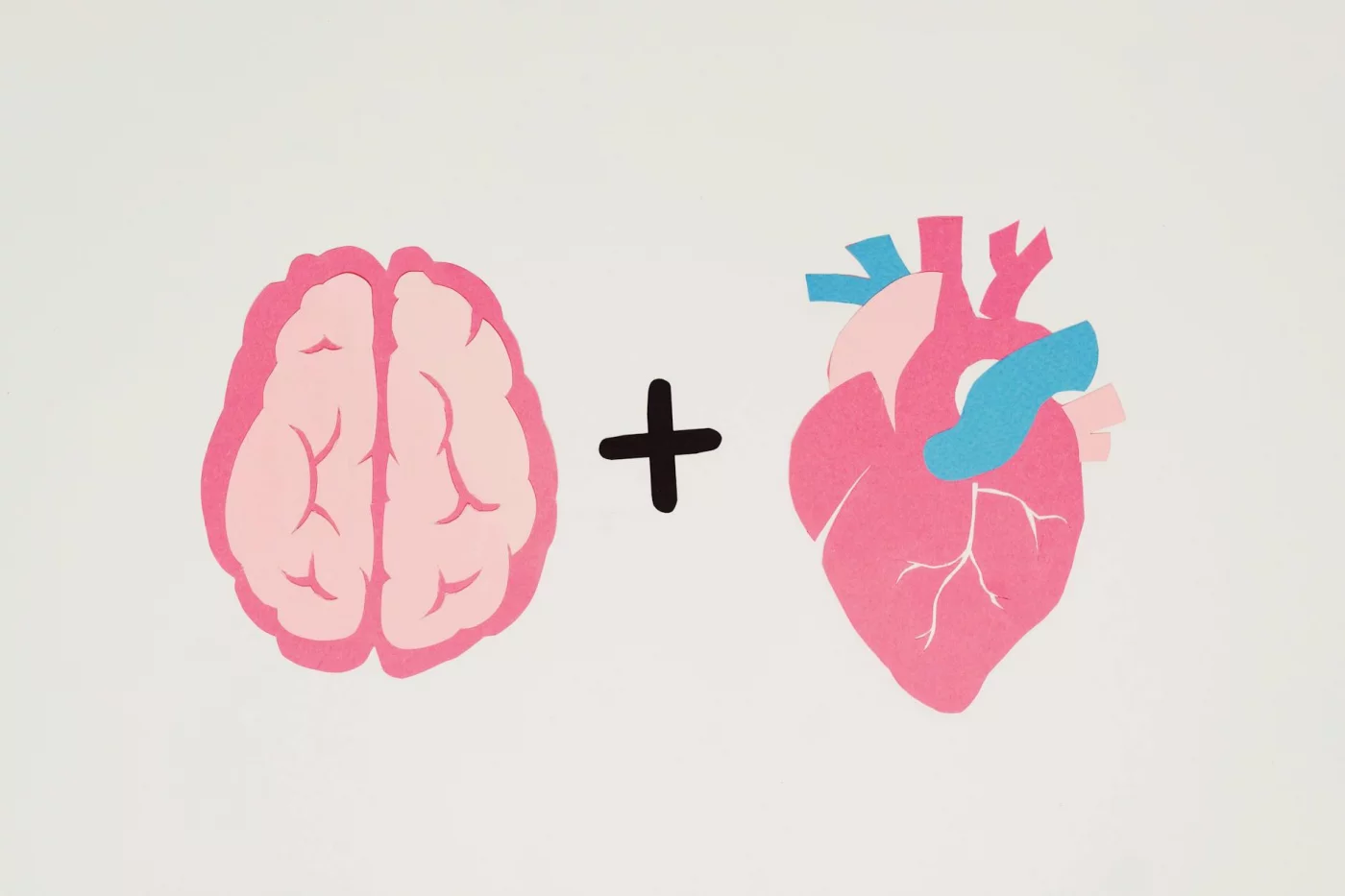
How to start this week
- Step 1: Fix sleep first.
- Step 2: Add realistic aerobic exercise.
- Step 3: Build a Mediterranean-style eating pattern.
- Step 4: Stabilize blood sugar with better meal structure.
- Step 5: Lower chronic stress with small daily habits.
- Step 6: Reduce avoidable exposures.
- Step 7: Track memory, focus, and recovery weekly.
Step 1-2: Sleep and exercise first
Sleep is the highest-leverage fix for most people. Keep a consistent wake time, get morning light within an hour of waking, cut caffeine 8-10 hours before bed, and use a short wind-down routine like this body scan for sleep; if you have persistent insomnia patterns, reading about sleep restriction therapy may be worth it.
Then add aerobic work you can repeat: brisk walking, cycling, or easy jogging several times a week. Research from the CDC and large exercise reviews suggests regular cardio supports blood flow, mood, sleep, and metabolic health, which all matter for exercise and brain health.
Step 3-5: Food, blood sugar, and stress habits
Personally, I think this is where people overcomplicate things. Harvard’s nutrition overview on Mediterranean eating supports a pattern built around vegetables, legumes, olive oil, nuts, fish, berries, and whole grains rather than chasing a perfect “antioxidant” food.
For how to reduce oxidative stress naturally, structure matters. Try a protein-rich breakfast, prep exam-week lunches, add fiber at meals, and avoid the long fasting-then-binge cycle plus ultra-processed study snacks. Then lower stress with 5-minute breathing, a 10-minute walk after lunch, body scans before bed, and ultradian breaks to reduce overload.
Step 6-7: Reduce exposures and track progress
Next, cut what keeps the fire burning: smoking, heavy alcohol use, poor air exposure when possible, and late-night overstimulation. If you’re still asking can stress cause memory loss, this is where the pattern often becomes obvious over time.
- Sleep hours and wake consistency
- Morning energy
- Focus blocks completed
- Memory lapses or brain fog episodes
Track those for 2-4 weeks instead of guessing. Which brings us to the next question: which foods that reduce oxidative stress and best antioxidants for brain health actually have the strongest evidence?
Best foods, antioxidants, and testing
So you’ve lowered the obvious stressors. Next, it helps to look at what you eat and whether testing would actually tell you anything useful. If you’re wondering can stress cause memory loss, diet won’t “fix” everything, but it can support brain health while you work on the bigger stress loop.
Food-first options that make sense
The best-supported pattern is Mediterranean-style eating: berries, leafy greens, beans, lentils, nuts, extra-virgin olive oil, fish, tea, and even modest cocoa. These are among the best antioxidants for brain health because they supply polyphenols, vitamin-rich plant compounds, and omega-3 fats in forms people can sustain.
- Swap chips for walnuts or almonds
- Add blueberries or frozen berries to yogurt or oats
- Use olive oil instead of butter more often
- Aim for salmon, sardines, or trout 1-2 times weekly
Thing is, foods that reduce oxidative stress usually work as a pattern, not a single “superfood.” Glutathione matters inside the body, but your best bet is supporting its production with protein, legumes, and sulfur-rich vegetables rather than chasing miracle claims. And if stress is wrecking focus too, this guide on stress and brain fog facts connects the dots clearly.
Supplements: where to be careful
Food-first is usually the safer default. Personally, I think this is the part most people get wrong: supplement marketing often promises more for memory than human evidence supports.
Some antioxidant supplements for brain health may help specific deficiencies, but “how to reverse oxidative stress” is usually oversold. If you take medications, have a medical condition, or are considering high-dose products, talk with a qualified clinician first.
Should you get tested?
Short answer? Usually not as a first move. Common biomarkers of oxidative stress in research include F2-isoprostanes, malondialdehyde, oxidized LDL, and 8-OHdG, but an oxidative stress biomarkers test is far more common in studies than in routine care.
For everyday brain fog or forgetfulness, these tests often aren’t actionable. If symptoms are persistent, getting worse, or showing up with sleep changes, mood shifts, headaches, weight loss, weakness, or other health changes, see a clinician instead of buying a consumer panel.
📋 Quick Reference
Best bets: berries, greens, legumes, nuts, olive oil, fish, tea, cocoa, and a Mediterranean-style pattern.
Be cautious with: high-dose antioxidant stacks and “memory booster” claims.
Testing: biomarkers exist, but routine consumer testing is limited and often less useful than a proper clinical evaluation.
Which brings us to the practical part: how to turn this into a simple real-world plan you can actually follow.
Real-world plan and quick reference
Food and testing matter. But if you’re still wondering, can stress cause memory loss in daily life, the practical answer is yes—especially when poor sleep, overload, and constant pressure pile up together.
From experience: what helps fastest
After building FreeBrain tools and watching how learners perform under stress, the fastest gains usually come from lowering cognitive load first. Personally, I think this is the part most people miss: they try harder when their brain needs less input, better sleep, and smarter recall practice.
Use active recall, chunk information into smaller units, and cut multitasking. During recovery, lighter study sessions often beat marathon sessions, and habits that actually stick matter more than perfect motivation.
A one-week starter plan
- Set one fixed wake time for 7 days.
- Take 3 brisk 20-minute walks.
- Add 1 high-fiber meal daily.
- Stop caffeine 8 hours before bed.
- Rate brain fog from 1 to 10 each evening.
Exam week? Shrink study blocks and quiz yourself. Burnout recovery or high-pressure work stretch? Protect sleep and reduce decision load first. And yes, oxidative stress and memory loss may be linked through chronic strain, but simple brain health habits still do a lot of the heavy lifting.
📋 Quick Reference
Do first this week: fix wake time, walk 3 times, cut late caffeine.
Track: sleep length, brain fog, missed details, stress level.
Seek help: if memory changes are sudden, worsening, or still there after stress improves.
Bottom line
So, can stress cause memory loss? Often, stress-related memory problems improve when you lower the load on your brain and support cognitive health with sleep, movement, and better study methods. But wait—persistent, severe, or sudden changes deserve medical review, because brain health symptoms shouldn’t be guessed at. Pick one habit this week, make it repeatable, and the FAQ will help you decide what matters most next.
Frequently Asked Questions
Can stress cause memory loss or just temporary forgetfulness?
Yes — can stress cause memory loss is a fair question, because stress can lead to both mild forgetfulness and more noticeable memory problems. Short-term stress often disrupts attention first, which means your brain never encodes information clearly in the first place, and poor sleep can make that even worse. The good news? A lot of stress-related memory issues improve when stress, sleep, and recovery improve. But if your symptoms are persistent, worsening, or affecting daily life, get a medical evaluation rather than assuming it’s “just stress.”
What is oxidative stress in the brain?
What is oxidative stress in the brain? In simple terms, it’s an imbalance between reactive oxygen species and your brain’s ability to neutralize them with antioxidant defenses. Your brain is especially vulnerable because it uses a huge amount of energy and oxygen relative to its size, which means more opportunities for oxidative byproducts to build up. Over time, that imbalance may affect neurons, cell membranes, and signaling systems involved in thinking and memory.
How does oxidative stress affect memory and learning?
When people ask how oxidative stress affects memory, the most likely answer involves the hippocampus, synaptic plasticity, and attention-related brain systems. Research suggests oxidative damage may interfere with how brain cells communicate and adapt, which can make learning less efficient and memory formation less stable. But wait — this part matters: human evidence is still suggestive, not proof that oxidative stress is a single direct cause of memory problems in every case. It’s better to think of it as one possible contributor in a bigger cognitive picture.
Does oxidative stress cause brain fog?
Brain fog and oxidative stress may be connected, but brain fog is a vague symptom, not a diagnosis. Sleep deprivation, anxiety, depression, infections, medication side effects, and metabolic issues can all create the same “mentally fuzzy” feeling. So don’t self-diagnose from symptoms alone. If brain fog keeps showing up, especially with memory trouble or fatigue, it’s smarter to get a proper clinical review and also check the basics like sleep, stress load, and nutrition.
How can you reduce oxidative stress naturally?
If you want to know how to reduce oxidative stress naturally, focus on boring basics that actually work: sleep well, do regular aerobic exercise, eat a Mediterranean-style diet, keep blood sugar more stable, reduce chronic stress, and avoid smoking or heavy alcohol use. Personally, I think this is the part most people skip because supplements sound easier. But consistency beats quick fixes almost every time. If you want help tightening your routines, start with FreeBrain’s study and focus tools to reduce overload and make recovery habits easier to stick to.
Can oxidative stress cause memory loss in aging adults?
Oxidative stress and memory loss are linked in aging research, but oxidative stress is only one mechanism among many. Vascular health, inflammation, sleep quality, physical activity, medications, and neurodegenerative disease processes can all shape memory changes with age. So yes, it may contribute to cognitive decline, but it would be inaccurate to say oxidative stress alone causes dementia or all age-related memory loss. If memory decline is new or progressing, older adults should get evaluated rather than guessing at the cause.
What are biomarkers of oxidative stress, and should you get tested?
An oxidative stress biomarkers test usually refers to lab measures used more often in research than in everyday consumer care. Some biomarkers exist, but routine testing is limited, results can be hard to interpret, and they often don’t give you a clear next step. Which brings us to the practical answer: if you have significant or ongoing cognitive symptoms, a clinical evaluation is usually more useful than buying a standalone oxidative stress panel. For general background, the NCBI Bookshelf is a solid place to read evidence-based summaries.
What is the difference between oxidative stress and inflammation in the brain?
Oxidative stress vs inflammation brain is a useful distinction because they overlap, but they aren’t the same thing. Oxidative stress is mainly about excess reactive molecules overwhelming defenses, while inflammation involves immune signaling and inflammatory responses in brain tissue. And here’s the kicker — each can worsen the other over time, which is one reason both matter for long-term cognitive health. If you’re also wondering can stress cause memory loss, evidence suggests chronic stress may feed into both pathways indirectly through sleep disruption, hormonal strain, and lifestyle changes; for a broad overview, see APA’s stress resources.
Conclusion
So here’s the practical bottom line: if you’re wondering can stress cause memory loss, the evidence points to yes — especially when stress becomes frequent, sleep gets worse, blood sugar swings more, and your brain stays stuck in “survival mode.” The most useful next steps are simple but specific: protect your sleep schedule, eat in a way that keeps energy steadier, lower your daily stress load with small repeatable habits, and watch for patterns like forgetfulness, mental fog, or trouble focusing after stressful periods. And yes, this is the part most people miss — consistency matters more than intensity.
If your memory has felt off lately, don’t panic. Temporary lapses under stress are common, and in many cases they can improve when you support the basics your brain depends on. Well, actually, that’s the encouraging part here: you don’t need a perfect routine to start feeling sharper. A few better days of sleep, food, movement, and recovery can begin to change the trend. If your symptoms feel severe, persistent, or unusual, talk with a qualified healthcare professional to rule out other causes.
Which brings us to your next move. If you want more practical help, explore FreeBrain’s related guides on how to improve memory and how to focus better. They’ll help you turn what you’ve learned here into a daily system you can actually stick with. Start small, track what changes, and give your brain the conditions it needs to work well again.