

Quantum computing is trending, and that means a lot of people are suddenly asking how to study complex topics without frying their brain by page three. The short answer: how to study complex topics gets much easier when you reduce cognitive load, break ideas into dependencies, use retrieval practice, and review on a schedule instead of cramming.
If you’ve ever opened a textbook, lecture, or technical tutorial and felt like every sentence assumed five things you didn’t know, you’re not imagining it. Research around cognitive load helps explain why dense, abstract material can feel mentally heavy so fast — especially when the topic has layers of hidden prerequisites.
So here’s the deal. This article shows you exactly how to study complex topics with a practical system: how to break a subject into learnable chunks, when to use a chunking memory technique, how to build a simple concept map from dense material, and how to turn passive reading into active recall for difficult subjects.
You’ll also get a realistic review rhythm, including when ultradian study blocks make more sense than marathon sessions, plus worked examples and adaptations for high school, college, and self-taught technical learners. Not generic motivation. A system you can actually run this week.
Quick preview of the 8 steps:
1) define the target and prerequisites, 2) break the topic into dependencies, 3) build a rough map before deep study, 4) study one layer at a time, 5) use active recall for difficult subjects, 6) schedule spaced repetition for hard subjects, 7) test understanding by explaining and solving, 8) adjust the plan when overload shows up.
I’m a software engineer, not a neuroscientist — but I’ve spent years testing these methods on technical subjects and building FreeBrain tools around the same learning principles. If you want how to study complex topics explained in a way that’s evidence-informed, concrete, and usable when your subject feels overwhelming, you’re in the right place.
📑 Table of Contents
- What how to study complex topics really means
- How to study complex topics step by step: the 8-step system
- A real-world application: how to study difficult topics like quantum computing
- How to use active recall, spaced repetition, and concept mapping for complex subjects
- Common mistakes that make hard subjects feel harder
- Quick Reference: study schedules, checklist, and how to study complex topics for students
- Frequently Asked Questions
- How do you study complex topics step by step?
- How do you learn difficult topics faster without getting overwhelmed?
- What is the best way to study difficult topics?
- How do you use active recall for complex topics?
- How do you use spaced repetition for difficult subjects?
- What is the 2/3,5/7 study rule?
- What is the 7 3 2 1 study method?
- What is the 15/30/15 method?
- Conclusion
What how to study complex topics really means
So here’s the deal. How to study complex topics really means reducing cognitive load, defining scope, learning dependencies in order, and using retrieval-based review instead of passive rereading. For more on learning and study skills, see our learning and study skills guide.
If you’re wondering how to study complex topics without frying your brain, that’s the core idea. I’m a software engineer and self-taught learner who built FreeBrain tools around these problems, and the approach here is grounded in well-known findings on retrieval practice, spacing, worked examples, and chunking memory technique.
Why do so many people get stuck? Because they jump into trendy subjects like quantum computing, hit unfamiliar terms, hidden prerequisites, and too much information at once, then assume they’re bad at learning. But wait. That’s usually overload, not low ability.
Research on working memory and cognitive load points to a simple limit: your mind can only actively juggle a small number of interacting ideas at one time. Five to nine disconnected ideas can feel impossible, while the same material often becomes manageable when you group it into three or four linked units.
Why complex subjects feel overwhelming
Complex subjects feel hard because many parts interact at once. That’s the part most people get wrong. In math, science, coding, finance, and other technical fields, confusion usually comes from missing prerequisites, not from a lack of intelligence.
Take quantum computing. If you try to learn quantum gates before understanding basic linear algebra, the symbols may look memorisable, but the logic won’t stick. That’s why how to study difficult topics starts with dependency mapping: what must make sense first?
And understanding hard material is different from memorizing terms. Knowing the definition of a qubit isn’t the same as explaining superposition, applying it in an example, and comparing it to a classical bit. If you want to know how to study complex subjects effectively, that contrast matters.
The promise of this system
This isn’t generic motivation. It’s a practical workflow for how to study complex topics for students, self-learners, and anyone facing dense material under real deadlines.
Personally, I think the best study methods for difficult subjects are the ones you can actually repeat. That means building a simple map first with strong textbook note-taking methods, studying in realistic ultradian study blocks, and adjusting the system to your subject, timeline, and current level.
If stress, anxiety, sleep problems, burnout, or attention issues are seriously interfering with your studying, consult a qualified healthcare or mental health professional. For the learning side, evidence summarized by research on retrieval practice and learning strategies supports active recall over rereading.
- Define the exact scope.
- List prerequisites.
- Break the topic into chunks.
- Build a concept map.
- Study worked examples.
- Practice retrieval.
- Review with spacing.
- Teach it back simply.
That’s the real meaning of how to study complex topics. Next, I’ll show you exactly how to do it with the 8-step system.
How to study complex topics step by step: the 8-step system
So now we move from definition to action. If you want to know how to study complex topics without drowning in detail, use a sequence that builds understanding before heavy memorization.
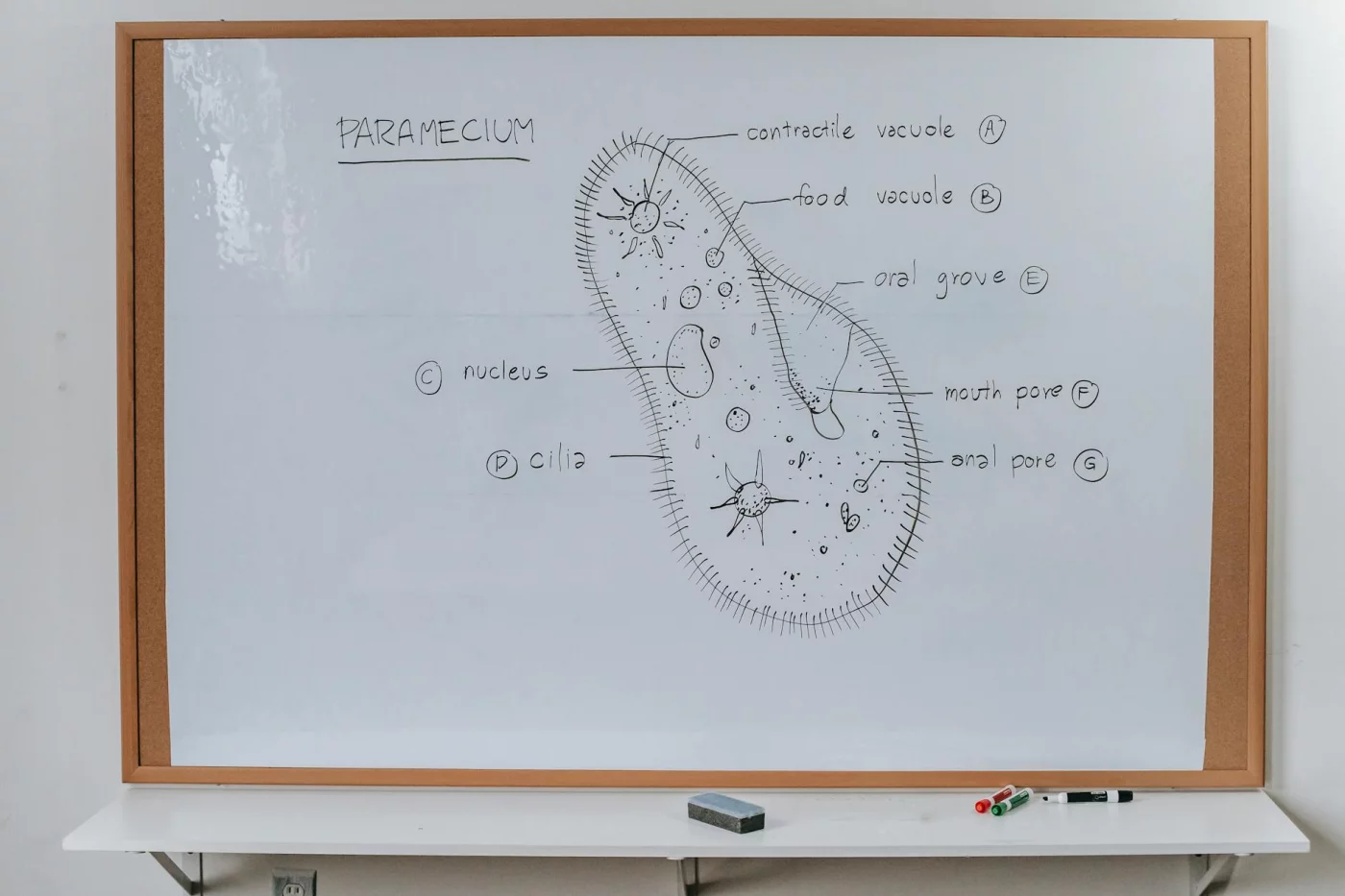
This is the part most people get wrong. They follow chapter order, not dependency order, or they start testing memory before they’ve built even a rough mental model.
Step 1-4: Scope, map, chunk, and use worked examples
Here’s the first half of how to study complex topics step by step. Keep it simple, because complexity punishes vague plans fast.
How to study complex topics step by step
- Step 1: Define the exact scope and outcome in one sentence. For example: “Explain qubits, superposition, and basic gates well enough to solve beginner problems by Friday.” That gives you a finish line, not just a subject name.
- Step 2: Build a simple map before deep study. Use textbook headings, lecture slides, or your syllabus to sketch the main ideas and how they connect. If the source material is dense, these textbook note-taking methods help you extract structure instead of copying paragraphs.
- Step 3: Break the topic into chunks and dependencies. In calculus, limits come before derivatives; in organic chemistry, bonding and functional groups come before reaction mechanisms. FreeBrain has more on the chunking memory technique, but the short version is this: split the topic into units you can study in 20-40 minutes.
- Step 4: Learn one chunk with worked examples before full independent practice. Research on worked examples in novice learning suggests beginners often learn faster when they first study 1-3 solved problems, then try similar ones alone. So if you’re learning matrix multiplication in machine learning, first walk through two solved examples line by line, then do one yourself.
Why does this work? Because how to study complex topics is really about reducing cognitive overload. You’re not trying to master everything at once; you’re trying to understand the next dependency clearly enough to move forward.
- Bad approach: “Study chapter 6 tonight.”
- Better approach: “Understand eigenvectors well enough to explain the geometric meaning and solve two basic problems.”
- Best approach: “Study only prerequisite ideas first, then practice in dependency order.”
Step 5-8: Recall, spacing, interleaving, and teaching
Now this is where it gets interesting. Once you’ve built a basic model, how to study complex topics shifts from input to retrieval.
- Step 5: Use active recall. Replace rereading with blank-page recall, self-quizzing, and short retrieval prompts. For quantum computing, close your notes and answer: “What is superposition?” “How does a Hadamard gate change a qubit?” Research summarized in a review on retrieval practice in education supports this approach for long-term retention.
- Step 6: Space your reviews. Review before you fully forget. A simple starting pattern is day 1, day 3, and day 7. Not magic, just useful. Evidence from the American Psychological Association’s overview of memory and learning aligns with the broader finding that spaced practice beats cramming for durable memory.
- Step 7: Interleave related problem types. After basic understanding is in place, mix similar but distinct questions. In organic chemistry, alternate reaction identification, mechanism steps, and product prediction instead of drilling one format for an hour.
- Step 8: Teach it back, test weak spots, and refine. Explain the idea in plain language, then check where your explanation breaks. If you can’t explain backpropagation without jargon, you probably don’t understand it yet. That’s where the Feynman technique evidence becomes useful: explanation exposes gaps fast.
Personally, I think this is the most reliable answer to how to study complex topics for college students, self-learners, and anyone tackling technical material. And once you see the system in action, it gets much easier to trust it.
Which brings us to the next question: what does this look like with a truly hard subject in the real world, like quantum computing?
A real-world application: how to study difficult topics like quantum computing
The 8-step system gets clearer when you see it on a hard subject. If you’ve been wondering how to study complex topics without getting buried in jargon, quantum computing is a great stress test.
I’m coming at this as a software engineer and self-taught learner. Personally, I think the biggest mistake in how to study complex topics is treating motivation as the system instead of building a structure that still works when your brain feels foggy.
From vague confusion to a study map
Start with the messy goal: “learn quantum computing.” That goal is useless on its own. OK wait, let me back up. What you actually need is a study map made of dependencies, not a pile of resources.
For quantum computing, I’d first use a chunking memory technique to reduce the topic into 4-6 chunks. Not chapters. Chunks.
- Binary logic and bits
- Vectors and basic linear algebra
- Probability vs amplitudes
- Matrix operations and simple gates
- Qubits, superposition, and measurement
- Basic circuits and worked examples
Notice the order. It follows dependency order, not source order. A textbook might introduce elegant theory first, but that’s not always how to study complex topics when you’re learning alone.
Then turn each chunk into questions you can answer in plain language. For example: What is a qubit? How is superposition different from uncertainty? What does a Hadamard gate do? Why do amplitudes matter? That’s already far more usable than “watch a course.”
And yes, note linking can help, but only when it clarifies relationships. If a note on vectors connects to a note on state representation, great. If you’re building a beautiful web of notes before you understand the basics, you’re procrastinating with better branding. Using solid textbook note-taking methods helps you extract structure first, then connect ideas later.
Research on cognitive load suggests working memory gets overloaded fast when too many unfamiliar elements appear at once; that’s the core idea behind cognitive load theory. Which brings us to the practical rule: don’t begin with 3 hours of advanced videos, and don’t make 80 flashcards before you know how the pieces fit.
What a first week actually looks like
So what does how to study complex topics look like on your calendar? Not heroic marathons. A realistic first week is 5 sessions of 35-45 minutes, each starting with a 10-minute review, plus one longer consolidation block at the end of the week.
- Session 1: bits, binary logic, and why qubits are not just “better bits”
- Session 2: vectors and basic state representation
- Session 3: probability, amplitudes, and measurement basics
- Session 4: recall-only session on qubits, superposition, and measurement
- Session 5: recall-only session on gates and simple matrix actions
- Weekly consolidation block: 60-90 minutes for mixed review and one worked example
A simple worked example might be tracing what a Hadamard gate does to the basis state |0⟩. Can you describe the before state, the transformation, and the meaning of the result without copying the book? That’s a much better test of how to study complex topics than rereading notes.
If your energy dips, use 40/10 blocks or try ultradian study blocks instead of forcing longer sessions. Thing is, consistency beats intensity for technical subjects, especially when every paragraph introduces new symbols.
And here’s the kicker — retrieval matters. Research summarized by the National Library of Medicine on retrieval practice shows that recalling information strengthens long-term learning better than passive review alone. That’s why two of the five sessions above are recall sessions, not new-learning sessions.
This same workflow transfers well to calculus, anatomy, coding, accounting, and even language learning plateaus. Different content, same logic: map prerequisites, chunk the topic, use worked examples, test yourself early, and review on schedule. In the next section, I’ll show how active recall, spaced repetition, and concept mapping make that system stick.
How to use active recall, spaced repetition, and concept mapping for complex subjects
If the last section showed you a real example, this is the reusable system. When people ask me how to study complex topics, I usually give the same answer: break the subject into chunks, test yourself on relationships, and review on a schedule instead of rereading.
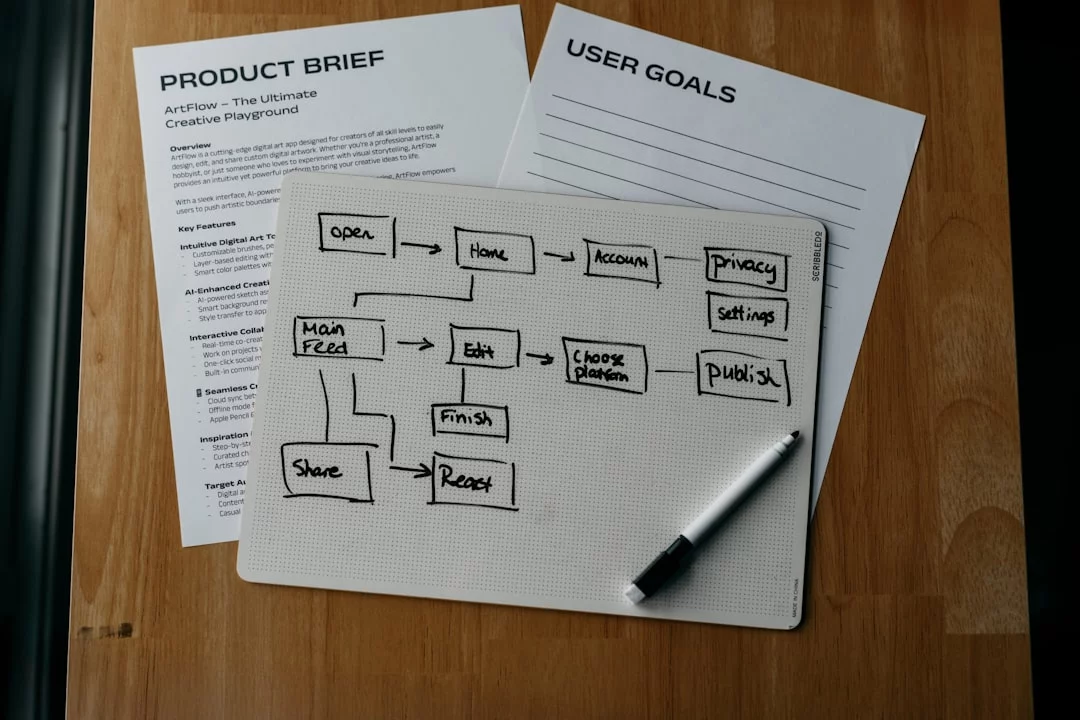
Start by using the chunking memory technique to split a hard chapter into 5-10 units: core terms, processes, formulas, diagrams, and common confusions. That matters because active recall works best when you already know the rough structure. If you’re still asking, “What even belongs with what?” flashcards are too early.
For how to study complex topics, active recall is strongest on definitions, processes, causal chains, formulas, diagrams, and comparison questions. Why? Because these are the parts you need to retrieve cleanly under pressure. Research on retrieval practice and spacing is much stronger than most note-format arguments, and a review of retrieval-based learning in medical education on PubMed Central summarizes why pulling information from memory improves long-term retention better than passive review.
But wait. Spaced repetition for hard subjects only works if the prompts are worth reviewing. And yes, this is the part most people get wrong. They make hundreds of shallow cards, then wonder why memory retention stays weak.
If you’re reading dense material first, build a rough map from headings, subheadings, and key terms before you memorize details. That’s where solid textbook note-taking methods help: extract structure first, then test yourself on it later. For how to study complex topics, order matters more than aesthetics.
What to put on flashcards for complex topics
Use one idea per card. Not one page per card. For active recall for difficult subjects, I like a rough mix of 30% facts, 40% relationships, and 30% application or explanation prompts.
- Definition cards: “What is oxidative phosphorylation?”
- Mechanism cards: “How do electrons moving through the chain help produce ATP?”
- Comparison cards: “How is a Hadamard gate different from a Pauli-X gate?”
- Error-checking cards: “What is wrong with this derivation step?”
- Worked-example prompts: “Given this circuit, what state change happens next?”
Use cloze deletions for terminology, image occlusion for diagrams, and “Why does X happen?” prompts for deeper retrieval. That last type matters a lot for how to study complex topics because explanation questions force you to retrieve causes, not just labels. If you want stronger encoding, pair flashcards with elaborative rehearsal examples so each answer connects to something else you already know.
What about the best flashcard app for complex subjects? Personally, I think features matter less than card quality. You need spaced scheduling, image support, and fast editing. Fewer high-quality cards beat 400 vague ones every time.
And when are flashcards the wrong tool? Four cases: first-pass understanding, multi-step derivations, messy open-ended essays, and topics you haven’t mapped yet. If you can’t explain the path from A to B, don’t turn the page into trivia.
Concept mapping vs mind mapping for studying
Here’s the practical distinction. Concept mapping shows labeled relationships between ideas: causes, depends on, inhibits, converts to, leads to. Mind mapping is faster and looser, so it’s better for brainstorming, chapter previews, and first-pass orientation.
Say you’re learning cellular respiration. A concept map should show that glycolysis produces pyruvate, pyruvate feeds the citric acid cycle, and electron carriers drive ATP production. A mind map, by contrast, is better at the start: one central topic, then branches for stages, enzymes, outputs, and likely exam questions.
For how to study complex topics, concept maps work best once you know the core terms. Mind maps work best before that. And here’s the kicker — don’t link notes just because software makes it easy. Add a connection only if it helps a future retrieval question.
📋 Quick Reference
Use active recall for: definitions, mechanisms, formulas, diagrams, comparisons, and cause/effect chains.
Use spaced repetition for: cards you already understand and can answer from memory.
Use concept maps for: dependencies and labeled relationships after the basics are clear.
Use mind maps for: previews, brainstorming, and quick chapter structure.
Avoid: making beautiful maps you never review or huge flashcard decks full of weak prompts.
One more thing: schedule reviews in realistic focus blocks, not marathon sessions. Using ultradian study blocks makes spaced repetition for hard subjects easier to sustain because you review, pause, and come back before your attention collapses. That’s a much better answer to how to study complex topics than trying to brute-force six hours of rereading.
Next, we need to talk about the mistakes that make hard subjects feel harder than they really are.
Common mistakes that make hard subjects feel harder
The methods in the last section work, but only if you avoid the habits that quietly cancel them out. If you’re figuring out how to study complex topics, these mistakes are often the real reason progress feels slow.
Most students don’t fail because the material is impossible. They fail because they use strategies that create familiarity, not mastery, and they skip the hard middle step of breaking ideas into stable chunks with a chunking memory technique.
Passive review traps and false confidence
This is the part most people get wrong. Passive review feels productive because your brain recognizes the page, the diagram, or the teacher’s explanation. But recognition isn’t recall, and it definitely isn’t flexible understanding.
A classic example: you look at a physics formula and think, “Yeah, I know that.” Then you close the book and can’t write it, define the variables, or say when to use it. That’s why learning how to study complex topics means testing production, not just exposure.
Research from cognitive psychology has repeatedly found that retrieval practice beats rereading for long-term retention. And here’s the kicker — rereading can increase confidence even when actual recall barely improves.
- Rereading: replace the second pass with 3-5 questions from memory before you look back.
- Highlighting everything: limit yourself to key definitions, constraints, or steps, then explain why each one matters.
- Copying notes: turn notes into prompts, comparisons, or mini problems instead of rewriting them neatly.
- Watching explanations: pause after 5-10 minutes and do self testing without the video open.
Want the best way to study difficult topics? After every short study block, ask: can I explain this in plain language, solve one problem, and spot one common mistake? If not, you probably reviewed passively.
Another trap is memorizing before understanding. Students build huge flashcard decks for difficult subjects they still can’t explain to a friend. Well, actually, flashcards are great later — but first you need a simple mental model, the core relationships, and one worked example you truly understand.
Overload, perfectionism, and outsourcing your thinking
Now this is where it gets interesting. A lot of “studying” is really avoidance with good branding: color-coding, making the perfect Notion dashboard, collecting five textbooks, or searching for a better explanation instead of wrestling with the one in front of you.
I’ve seen this pattern constantly in self-learners tackling technical material. They spend 2 hours organizing a system to avoid 20 minutes of difficult practice. If that sounds familiar, read this guide on stop perfectionism procrastination after this section.
And yes, tool misuse belongs here too. An AI tutor can help summarize, generate examples, or explain a stuck step. But if you use an AI tutor as a replacement for self-explanation, verification, and problem solving, you outsource the exact thinking that builds expertise.
Use this quick check for how to study complex topics without spiraling into overload:
- Don’t jump between topics until one chunk is stable enough to recall and use.
- Don’t do marathon sessions that destroy attention after the first hour.
- Don’t skip spaced review and expect tomorrow’s recall to hold.
- Don’t keep ten tabs, three apps, and nonstop notifications open while studying difficult subjects.
Hidden overload matters. Digital clutter, constant context switching, and endless resource-hopping make difficult subjects feel harder than they are because your working memory gets eaten by setup costs and distractions.
Watch for warning signs: declining recall, irritability, rereading the same paragraph, and needing more time for less output. That’s usually a signal to reduce load, simplify the plan, and recover before pushing harder.
This section is educational, not medical advice. If attention problems, anxiety, sleep issues, or low mood are severe or persistent, consult a qualified healthcare professional or school support service.
If you’re serious about how to study complex topics, avoid fake productivity, protect your attention, and test understanding early. Next, I’ll turn that into a practical quick reference with study schedules, a checklist, and a student-friendly system for mastering difficult material consistently.
Quick Reference: study schedules, checklist, and how to study complex topics for students
If the last section showed what to stop doing, this one gives you what to do instead. When people ask me how to study complex topics, they usually don’t need more motivation — they need a repeatable system.

Best weekly rhythm: map, practice, recall, review, mix, teach, repair.
Best break timing: 25/5 if you’re tired or new, 40/10 for most study sessions, 60-90 minutes for deep work when focus is strong.
Core rule: define one chunk, do one worked example, close notes, recall from memory, mark weak spots, schedule the next review.
A 1-week study plan template
Here’s a screenshot-friendly study schedule for how to study complex topics without drowning in detail. Start by breaking the subject into chunks using a simple map — if you need help with that, this guide to chunking memory technique makes the process much easier.
- Monday: build a concept map, define one chunk, and do 2 worked examples.
- Tuesday: close your notes and do active recall for 20-30 minutes, then check gaps.
- Wednesday: learn one new chunk only. Not three. One.
- Thursday: spaced review of Monday and Tuesday material.
- Friday: interleave 2-3 related problem types so your brain learns discrimination, not just repetition.
- Weekend: teach it back out loud, then repair weak spots with targeted practice.
That rhythm works for math, biology, coding, economics, and most technical subjects. And yes, it also works for how to study complex topics in college, because college courses usually punish passive rereading and reward retrieval plus transfer.
What about the 15/30/15 method? It’s a simple structure: 15 minutes preview, 30 minutes deep work, 15 minutes recall and error review. Personally, I think it’s great when you’re overloaded, but 40/10 blocks are more flexible for most learners.
How long should you study before a break? Use 25/5 if you’re a beginner, low-energy, or restarting after a slump. Use 40/10 for most sessions. Use 60-90 minute blocks only when attention is solid and the task is clear. Sleep and caffeine can help alertness, sure, but they’re support factors, not substitutes for a good study plan for complex subjects.
Before each session and after each session
If you want a practical answer to how to study complex topics for students, use this checklist every time. Quick sidebar: this is the part most people skip, and it’s exactly why hard topics stay fuzzy.
- Before: define one chunk or question.
- Before: remove distractions and open only the sources you need.
- Before: preview headings, diagrams, and examples for 3-5 minutes.
- During: do one worked example before making summary notes.
- After: close notes and recall the main idea from memory.
- After: mark weak spots, confusion points, and next questions.
- After: schedule the next review before you end the session.
Need audience-specific tweaks? High school students usually need tighter deadlines, more teacher-aligned practice, and a calendar tied to tests — especially for AP-style courses, where an AP exam study plan helps. College students need stronger filtering, fewer notes, and more independent retrieval. Self-learners need clear scope, worked examples, and feedback loops so they don’t confuse exposure with mastery.
And if you’re wondering how to study complex topics for high school versus self-study, the difference is structure, not intelligence. High school rewards consistency and alignment. Independent learning rewards scope control and honest self-testing.
So here’s your next step: save this study checklist, try the system on one hard topic this week, and review it after 48 hours. That’s the fastest way to learn how to study complex topics without overcomplicating the process. Next, let’s wrap up with the most common questions and the final takeaways.
What to do when a complex topic starts melting your brain mid-session
Even with a good plan, there will be moments when a hard topic suddenly stops making sense. That does not always mean you need more effort. Usually, it means you need a better next move. If you are trying to figure out how to study complex topics without spiraling into confusion, use this quick reset sequence.
First, stop after 10-15 minutes of unproductive rereading. A simple rule: if you have read the same paragraph twice and still cannot explain it in one or two plain sentences, do not keep pushing forward. Move backward one layer. Ask, “What idea is this assuming I already understand?” If the section is about derivatives, maybe the real gap is functions or limits. If it is about quantum gates, maybe the gap is vectors or notation.
Second, switch from input to output. Close the book or tab and write three things: what the topic is trying to explain, one term you do understand, and one exact point of confusion. For example: “This section explains why matrix multiplication changes a vector. I understand what a vector is. I do not understand why order matters.” That turns vague overload into a specific problem you can solve.
Third, shrink the task until it fits one study block. Instead of “learn chapter 4,” use a target like “solve one worked example and explain each step out loud.” If you need help choosing the right technique for that smaller task, the Study Method Picker can help you match the method to the material. If your session keeps running too long, the Focus Session Planner is a practical way to set a shorter block with a real stopping point.
Fourth, choose the right recovery method based on the problem:
If the material feels dense but familiar, use retrieval. Write 5-10 questions from memory, then check your notes. The Active Recall Builder fits well here.
If you understood it yesterday but it feels fuzzy today, review on a schedule instead of restarting from zero. The Spaced Repetition Generator is useful when the issue is retention, not first-time understanding.
If every sentence contains unknown terms, pause and build a mini prerequisite list before continuing. You may need to study two or three foundation ideas first.
If you can explain the idea but cannot solve problems, go back to worked examples and compare your steps with the model.
Finally, end the session with a decision, not frustration. Write one line for next time: “Start with prerequisite review,” “Do two recall questions,” or “Redo example 2 without notes.” That keeps the next session clean and prevents you from wasting the first 15 minutes figuring out where to restart. When people ask how to study difficult topics without getting mentally overloaded, this is often the missing piece: not just a study system, but a recovery system for the exact moment confusion hits.
Frequently Asked Questions
How do you study complex topics step by step?
If you’re wondering how to study complex topics step by step, use this order: define scope, map the topic, break dependencies, study one chunk, use active recall, space reviews, interleave, and teach/test/refine. That sequence matters because how to study complex topics works best when understanding comes first and heavy memorization comes after you can explain the structure. If you skip straight to memorizing details, you usually get lost, forget faster, and waste review time.
How do you learn difficult topics faster without getting overwhelmed?
How to learn difficult topics faster usually means cutting wasted effort, not finding some magic speed hack. For how to study complex topics, keep sessions small, use worked examples, quiz yourself after each chunk, and schedule reviews instead of doing one long marathon session. And here’s the kicker — shorter, focused rounds often feel slower at first, but they reduce overload and help you remember more by the end of the week.
What is the best way to study difficult topics?
The best way to study difficult topics depends on whether you’re learning math, biology, programming, or theory-heavy material, but the core pattern stays the same: understanding first, retrieval second, spaced review throughout. If you’re trying to figure out how to study complex topics, start by building a simple mental model, then test yourself often, then revisit weak spots over time. Passive rereading can help with familiarity, sure, but it’s rarely enough on its own for difficult subjects.
How do you use active recall for complex topics?
If you want to know how to use active recall for complex topics, don’t stop at definition questions. For how to study complex topics, ask explanation questions (“Why does this work?”), comparison questions (“How is X different from Y?”), and application questions (“When would I use this?”), then use blank-page recall, flashcards, or self-quizzing after each chunk. Personally, I think this is the part most people get wrong: recall should test relationships and reasoning, not just isolated facts.
How do you use spaced repetition for difficult subjects?
A simple starting point for how to use spaced repetition for difficult subjects is to review on day 1, day 3, and day 7, then adjust based on how well you can retrieve the material. For how to study complex topics, spacing works best when each review includes active retrieval, problem-solving, or explanation rather than just rereading notes. If you want a science-based overview, the NCBI summary on the spacing effect is a solid place to start.
What is the 2/3,5/7 study rule?
What is the 2/3,5/7 study rule? Usually, it refers to reviewing material after short and slightly longer intervals, though the exact definition changes depending on who explains it online. For how to study complex topics, the label matters less than the result: use any rule only if it helps you review consistently and include active recall instead of passive rereading. OK wait, let me back up — if a rule is easy to remember and you actually follow it, that’s already useful.
What is the 7 3 2 1 study method?
What is the 7 3 2 1 study method depends on the version you’re seeing, because different creators use the same name for different schedules. When you’re learning how to study complex topics, focus on the underlying principle: repeated exposure, retrieval practice, and gradually narrowing in on weak spots over time. And yes, named methods can be helpful, but don’t treat them as universal if they don’t fit your subject, your deadline, or your current level.
What is the 15/30/15 method?
What is the 15/30/15 method? In most cases, it’s a time-blocking approach with a short preview, a focused study block, and a quick review, though definitions vary. For how to study complex topics, that kind of shorter cycle can reduce cognitive overload when the material is dense or your attention is fading, especially if you use the final 15 minutes for self-testing. If you need help choosing a study approach that fits the material, try FreeBrain’s study method tools and planning resources to match your review style to the topic.
Conclusion
If you remember only a few things about how to study complex topics, make them these: shrink the topic into smaller chunks, build a simple map of how ideas connect, test yourself before you reread, and revisit the material on a spaced schedule instead of cramming. That combination matters more than willpower. And here’s the kicker — when a subject feels overwhelming, the fix usually isn’t “study harder.” It’s to lower the cognitive load, work in focused passes, and use retrieval practice so your brain has to rebuild the idea from memory.
If you’ve been stuck on a hard subject, you’re not behind. You’re probably just using a method that asks your brain to hold too much at once. Personally, I think this is the part most people get wrong. Complex learning is supposed to feel a little messy at first. But once you know how to study complex topics with structure, the confusion starts turning into pattern recognition, then confidence, then real skill. Start small. One concept map. One recall session. One focused block today.
Which brings us to your next step: keep building a study system you can actually stick with. On FreeBrain.net, you can explore more practical guides like Active Recall: The Study Method That Actually Builds Memory and How Spaced Repetition Helps You Remember What You Study. If you’re serious about learning how to study complex topics without burning out, use what you learned here in your very next session — then refine as you go. Progress beats overload. Start your next study block with a plan and make it count.