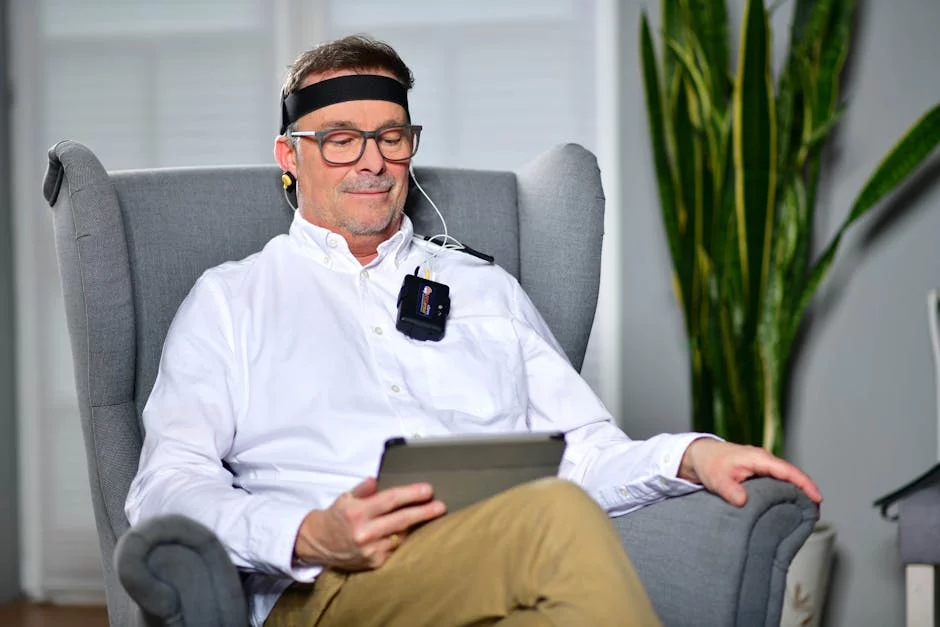

Body scan meditation for sleep is a simple practice where you move your attention through your body, notice tension without fighting it, and let your system settle enough for rest. If you want a practical body scan meditation for sleep, this article gives you exactly that: usable scripts you can follow tonight, plus a plain-English look at what the research says and where it still leaves open questions.
If your brain gets louder the moment your head hits the pillow, you’re not imagining it. A lot of people don’t struggle with sleep because they “aren’t tired enough” — they struggle because their attention is still hooked on planning, replaying, and low-grade stress. And if that’s you, a short body scan can also work for stress, anxiety, and even study breaks, especially when paired with a sustainable daily meditation practice guide or a simpler reset like the 5-4-3-2-1 grounding technique. Shorter versions are often easier to stick with, by the way. Worth it? Absolutely.
Here’s what you’ll get: a beginner-friendly explanation of how to do a body scan meditation, four scripts mapped to different situations, and troubleshooting for the moments most people get stuck. You’ll see when to use a 3-minute reset, when a longer body scan meditation for sleep makes more sense, and how to choose a script for bedtime, stress relief, or anxious overthinking.
You’ll also get a clearly labeled science summary. Research reviews indexed by PubMed Central on mindfulness-based interventions suggest mindfulness practices may help with stress, sleep, and emotional regulation, but the effects vary and they’re not a magic off-switch. Personally, I think that nuance matters.
I’m a software engineer, not a neuroscientist, and I built FreeBrain by testing evidence-based learning and focus tools on real problems people actually have. So this guide is practical first, research-grounded second, and educational only — not medical advice. If sleep problems, anxiety, or panic symptoms are persistent or severe, talk with a qualified healthcare professional before relying on body scan meditation for sleep alone.
📑 Table of Contents
- What Is Body Scan Meditation for Sleep?
- How to Do a Body Scan Meditation Step by Step
- 4 Body Scan Meditation for Sleep Scripts by Length and Goal
- What the Science Says About Body Scan Meditation for Sleep, Stress, and Anxiety
- Common Body Scan Meditation Mistakes and What to Avoid
- Quick Reference: Best Body Scan Meditation Length, Habit Tips, and Next Steps
- Frequently Asked Questions
- What is a body scan meditation?
- How do you do a body scan meditation step by step?
- Does body scan meditation work for stress and focus?
- Can body scan meditation help sleep if your mind races at night?
- Can body scan meditation help anxiety, or can it make anxiety worse?
- How long should a body scan meditation be for beginners?
- Should you do body scan meditation lying down or sitting?
- What happens in the brain during body scan meditation?
- Conclusion
What Is Body Scan Meditation for Sleep?
If the intro made this sound abstract, here’s the plain-English version. Body scan meditation for sleep is a mindfulness practice where you move attention slowly through your body, noticing sensations without trying to force relaxation or “empty” your mind. For more on stress and sleep, see our stress and sleep guide.
This section is educational, not medical advice. If you have a trauma history, panic symptoms, persistent insomnia, chronic pain, or mental health concerns, consult a qualified clinician if body-focused practices feel overwhelming.
A simple definition beginners can use right away
What is a body scan meditation? It’s a simple awareness exercise you can do lying down or sitting, where you notice one body area at a time—jaw, shoulders, chest, hands, legs, feet—and label what’s there. That might be tightness, warmth, tingling, heaviness, or nothing obvious at all.
The main goal isn’t relaxation first. It’s awareness first, relaxation second. So if you notice jaw tension, shoulder heaviness, or warmth in your feet, you don’t need to change it. You just notice it. And weirdly, that’s often what helps your nervous system settle.
Body scan meditation for sleep works well at bedtime because it gives your mind one job instead of letting it bounce between tomorrow’s tasks, random memories, and phone-triggered stimulation. If you’re building a sustainable routine, pair it with a simple daily meditation practice guide so it becomes a habit instead of a one-night experiment.
How body scan differs from breath meditation and PMR
Here’s the distinction most people miss. Breath meditation keeps attention mostly on breathing. Progressive muscle relaxation, or PMR, asks you to tense and release muscles on purpose. A body scan mindfulness script is different because it focuses on observing sensations across body regions with less effort and less “doing.”
Which is better? Depends on the moment.
- Breath meditation: best when your breathing feels steady and focusing on one anchor feels easy.
- PMR: useful if your body feels physically wound up and you want a more active release method.
- Body scan meditation for sleep: helpful when you feel mentally busy, physically restless, or frustrated by breath focus.
Personally, I think shorter versions work best for beginners. A 3-minute scan can reset a study block, help after a stressful workday, or support pre-exam calming alongside these calm test anxiety methods. And if body sensations feel too intense, the 5-4-3-2-1 grounding technique may feel simpler.
I’m a software engineer, not a clinician, so I rely on published research for health-adjacent claims. Evidence reviewed by the National Center for Complementary and Integrative Health on meditation and mindfulness suggests mindfulness practices can help with stress and sleep-related outcomes, and this overview of progressive muscle relaxation gives a useful contrast with more active relaxation methods.
So that’s the “what.” Next, I’ll show you exactly how to do body scan meditation for sleep step by step.
How to Do a Body Scan Meditation Step by Step
Now that you know what it is, the next question is simple: how do you actually do a body scan meditation for sleep tonight? The good news is that body scan meditation for sleep is beginner-friendly, low effort, and easy to repeat as part of a daily meditation practice guide.
Set up your position: lying down or sitting
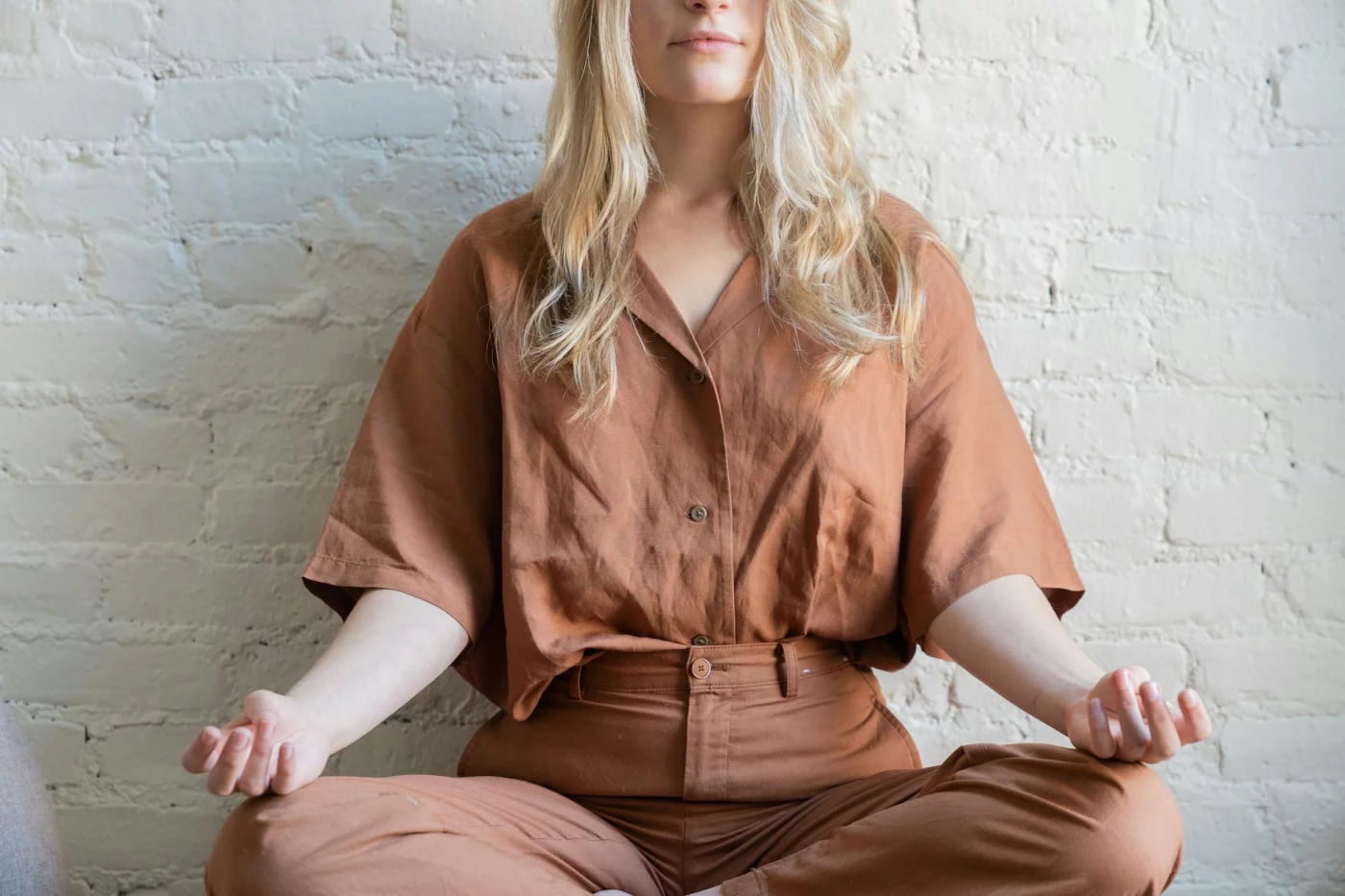
Start with posture. For body scan meditation for sleep, lying down is usually the better choice because your goal is to settle into rest, not stay sharply alert. But if you’re using it during the day for focus, stress relief, or before studying, sitting may work better because you’re less likely to drift off.
Keep the setup simple. Dim the lights, silence your phone, and set a timer for 3, 5, 10, or 15 minutes with a gentle tone. Eyes can be closed or softly open. For meditation for beginners, less friction matters more than perfect conditions.
And yes, shorter counts. If three minutes feels doable, start there. Research on mindfulness-based practices suggests consistency matters more than heroic session length, and attention training works best when you stop trying to do three things at once—something we cover in our article on brain multitasking evidence.
How to do a body scan meditation for sleep
- Step 1: Choose your position. Lie down if sleep is the goal; sit upright if you want calm without getting drowsy.
- Step 2: Set a timer for 3, 5, 10, or 15 minutes. A gentle chime works better than a harsh alarm.
- Step 3: Take 1-2 slower breaths. Not huge breaths. Just enough to mark the start.
- Step 4: Move your attention through the body in order, either toes to head or head to toes.
- Step 5: Pause for about 5-20 seconds on each area, depending on how long your session is.
- Step 6: When your mind wanders, gently return to the last body part you remember noticing.
Move attention through the body without forcing relaxation
Here’s the core move in how to do a body scan meditation: place attention on one body area at a time and notice what’s there. A simple order is feet, calves, knees, thighs, hips, belly, chest, hands, arms, shoulders, jaw, face, and scalp. If you prefer head to toes, that works too.
What should you notice? Pressure, temperature, tingling, tightness, pulsing, numbness, contact with the bed, or even not much at all. That last one matters. You’re not trying to relax your calf; you’re noticing that it feels tight, warm, or blank. That’s nonjudgmental awareness.
Personally, I think this is the part most people get wrong. They turn the scan into a hidden relaxation test. But wait. The job isn’t to create a special feeling. It’s to notice what’s already present, which lines up with how mindfulness is described by the American Psychological Association’s overview of mindfulness and broader summaries of meditation research from the National Center for Complementary and Integrative Health.
If you’re using body scan meditation for sleep after a wired evening, keep the pace slow and plain. Five seconds per area is enough in a 3-minute scan. Ten to twenty seconds fits better in a 10- or 15-minute version of the practice.
What to do when the mind wanders
Your mind will wander. Especially at bedtime. And especially when you’re stressed, overloaded, or stuck in future-thinking. That doesn’t mean you’re bad at meditation for beginners. It means you have a human brain.
So what do you do? Label it lightly with a phrase like “thinking,” “planning,” or “back to the feet,” then return. If attention drifts 10 times in 2 minutes, that still counts as practice. The rep is noticing and returning.
Well, actually, that return is the skill. If anxious thoughts are too sticky, some people do better starting with the 5-4-3-2-1 grounding technique first, then shifting into a body scan meditation for sleep once attention feels steadier.
And if you want a fast daytime version before an exam, presentation, or study block, use a 3-minute scan while sitting upright. It pairs well with our guide to calm test anxiety methods because the goal is the same: reduce mental noise without fighting it.
Next, I’ll give you four body scan meditation for sleep scripts by length and goal, so you can pick one that fits your night, your energy, and your attention span.
4 Body Scan Meditation for Sleep Scripts by Length and Goal
Now that you know the basic sequence, the next question is simple: how long should your scan be? A good body scan meditation for sleep or stress works best when the length matches the moment, not when you force one version into every situation.
Personally, I think this is where most people get stuck. They assume longer is better, but when I build focus and study systems, short resets are usually easier to repeat consistently than long sessions that start to feel like homework. If you want the habit to last, pairing a short scan with a daily meditation practice guide often works better than chasing the “perfect” session.
3-minute body scan mindfulness script short for study breaks
Use this 3 minute mindfulness body scan script between deep work blocks, before exams, or after screen overload. It’s also a practical reset if you’re trying to study without overload and your attention feels scattered. Best posture? Sit upright with both feet on the floor, hands resting loosely, eyes closed or lowered.
Keep the pacing brisk: about 10 to 15 seconds per region. This isn’t a full unwind. It’s a fast nervous-system reset and attention check, which fits how short practices support adherence in mindfulness programs described by the American Psychological Association’s overview of mindfulness meditation.
- Feet and legs: 20-30 seconds
- Hips and belly: 20-30 seconds
- Chest, shoulders, hands: 30-40 seconds
- Jaw, eyes, forehead: 20-30 seconds
Script cue: “Sit still and notice your feet on the ground. Scan your calves and thighs. Release any extra effort in your hips and belly. Notice your chest, shoulders, and hands. Unclench your jaw, soften your eyes, relax your forehead. Take one steady breath and return to the next task.”
Before an exam, this body scan mindfulness script short version can settle physical tension without making you drowsy. And yes, that matters. If performance nerves are the issue, pair it with these calm test anxiety methods.
5-minute mindfulness body scan script for stress relief
This 5 minute mindfulness body scan script is ideal after meetings, commuting stress, or that late-afternoon overload where everything feels loud. Use a chair, couch, or lie down if you’re home. Pacing should slow slightly, with 15 to 25 seconds in each area and extra time in the shoulders, jaw, chest, and hands.
Script cue: “Notice your feet and lower legs. Let the chair or floor hold your weight. Move to your hips and lower back. Soften your belly without forcing it. Bring attention to your chest and notice any tightness. Let your shoulders drop one percent. Uncurl your hands. Relax your jaw, lips, and eyes. If it helps, make the exhale a little longer than the inhale, then continue scanning.”
This version works well as a body scan meditation for stress relief because it targets the places where tension hides in plain sight. Quick sidebar: many people miss their hands and jaw completely, even though those zones often stay braced for hours.
10-minute body scan meditation for sleep and 15-minute script for anxiety
If your main goal is bedtime, the 10-minute body scan meditation for sleep is the sweet spot for most beginners. Lie on your back or side, dim the lights, and slow down to 20 to 40 seconds in larger regions. Research on mindfulness-based approaches summarized in a PubMed Central review of mindfulness meditation and sleep suggests these practices may help reduce arousal that keeps people awake.
10-minute script cue: “Feel the weight of your heels, calves, and thighs. Notice your hips sinking into the bed. Scan your belly and lower back. Let your chest move naturally. Soften your shoulders, arms, and hands. Relax your throat, jaw, tongue, cheeks, eyes, and forehead. If your mind wanders, return to the last body area you remember. There is nothing to solve right now.”
Need more downshifting? Use the 15 minute body scan meditation script when anxiety is high and your body feels keyed up. Spend longer in the chest, belly, jaw, and face, because anxious arousal often shows up there first. That makes this version useful as a body scan meditation for anxiety, especially when thoughts are racing but you can still tolerate body-focused attention.
15-minute script cue: “Start at the feet and move slowly upward. In the belly, notice movement without changing it. In the chest, observe tightness, fluttering, or pressure with gentle curiosity. In the jaw and face, release the muscles around the mouth, eyes, and forehead. If you notice fear or restlessness, name it softly and return to sensation.”
But wait. If body focus makes you more anxious, stop the scan and switch to an external anchor like the 5-4-3-2-1 grounding technique. A 30 minute body scan meditation script can work well for experienced users, but most beginners stick more reliably with 3 to 10 minutes.
Save these scripts, print them, or turn them into your own bedtime PDF so your body scan meditation for sleep is ready when you need it. Which brings us to the next question: what does the research actually say about this practice for sleep, stress, and anxiety?
What the Science Says About Body Scan Meditation for Sleep, Stress, and Anxiety
Now that you’ve seen a few scripts, the obvious question is: does body scan meditation for sleep actually help? Short answer: for some people, yes — especially for stress reduction, anxiety symptoms, and modest improvements in sleep quality when practiced consistently.
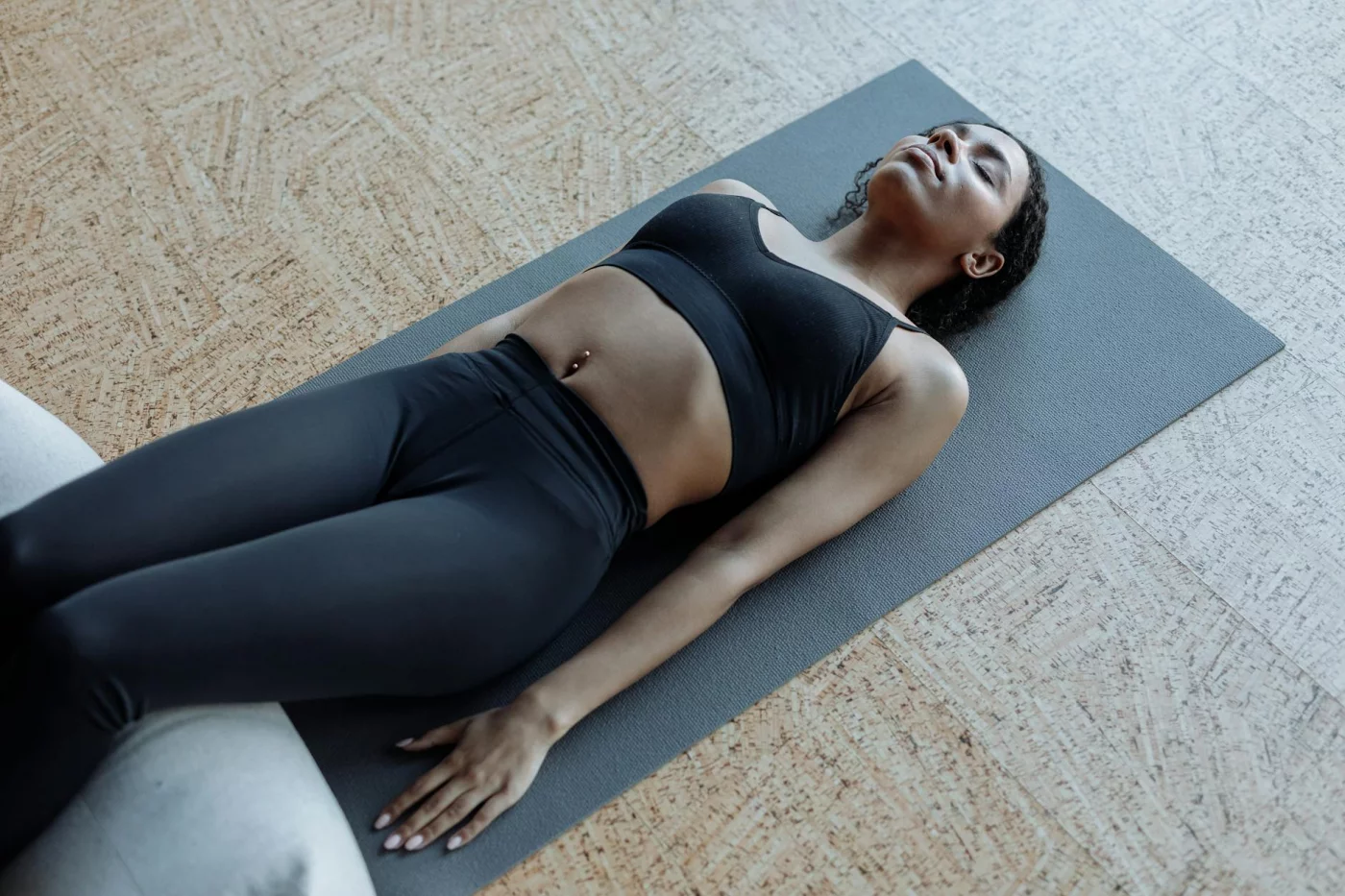
Personally, I think this is the part most people skip. They try body scan meditation for sleep once, feel only slightly calmer, and assume it “didn’t work,” when the research on mindfulness usually points to practice effects over days or weeks, not one perfect night.
If you want to make it a repeatable habit, pair it with a simple routine from this daily meditation practice guide. And if stress is already wrecking your focus during the day, these stress and brain fog facts help explain why your mind feels so noisy at night.
📋 Quick Reference
Best-supported uses: stress reduction, better emotion regulation, mild improvement in sleep quality, and stronger body awareness.
Less certain: large effects on chronic insomnia, chronic pain, or severe anxiety without broader treatment.
Practical expectation: body scan meditation for sleep is more like a trainable skill than a sedative. Think “lower arousal and less mental spiraling,” not “instant knockout.”
Research summary table by outcome
What does science say about body scan meditation? Broadly, evidence based mindfulness programs such as MBSR body scan practices show the most consistent benefits for stress and general well-being. Sleep and pain findings are promising but more mixed, partly because studies use different populations, session lengths, and outcome measures.
| Outcome | What research suggests | Strength of evidence | Practical takeaway | Caution |
|---|---|---|---|---|
| Stress | Mindfulness programs often reduce perceived stress and rumination. | More consistent evidence | Useful when your mind won’t “power down.” | Not a fix for ongoing burnout drivers. |
| Anxiety | May ease anxiety symptoms by interrupting spiraling attention. | Moderate evidence | Try a shorter practice before bed or before exams; for performance stress, combine it with these calm test anxiety methods. | Not a cure for anxiety disorders. |
| Sleep | Body scan meditation for sleep may improve sleep quality and pre-sleep calm. | Mixed to moderate evidence | Best for “tired but wired” nights. | Effects on diagnosed insomnia are usually modest. |
| Pain | Some people report less pain distress, even when pain intensity changes little. | Mixed evidence | Can help you relate differently to discomfort. | Not a replacement for pain care. |
| Interoception | Practice may strengthen awareness of tension, breath, and bodily cues. | Moderate but narrower evidence | Helpful for catching stress earlier. | Body focus can feel intense for some people. |
For a reliable overview, the NCCIH review of meditation and mindfulness effectiveness and safety is a good starting point. A body scan meditation script backed by science usually comes from broader mindfulness protocols, not from one magical script length.
What may be happening in the brain and nervous system
So here’s the deal. Body scan meditation for sleep probably works through a few plain-English mechanisms: attention training, less cognitive spiraling, more interoceptive awareness, and possible shifts toward parasympathetic activation.
In practice, that means you keep bringing attention back to physical sensations instead of feeding the next worry. And yes, that sounds simple. But single-focus practices matter because your brain handles attention poorly when it’s constantly switching, which is why the brain multitasking evidence lines up so well with mindfulness training.
Now this is where it gets interesting. An MBSR body scan can help you notice tight shoulders, jaw clenching, shallow breathing, or a racing chest before those signals turn into a full mental cascade. That doesn’t guarantee deep relaxation every time, but it can lower the odds that one stressful thought becomes twenty.
What research can and cannot claim
Here’s the honest version: body scan meditation for sleep may help some people sleep better, feel calmer, and react less strongly to stress. But it is not a cure for insomnia disorders, anxiety disorders, or chronic pain, and research backed meditation still shows wide variation by person, practice frequency, and study design.
Well, actually, this matters a lot. If body-focused attention makes you more agitated, a simpler external grounding method like the 5-4-3-2-1 technique may fit better than a long inward scan.
Think of body scan meditation for sleep as a skill. Not a one-night fix. Which brings us to the next section: the common mistakes that make body scans less effective than they should be.
Common Body Scan Meditation Mistakes and What to Avoid
The research is encouraging, but practice is where most people get stuck. And with body scan meditation for sleep, the biggest problems usually come from trying too hard, moving too fast, or using the wrong tool for the moment.
Mistake 1: Forcing relaxation instead of noticing
This is the classic trap. You start a body scan meditation for sleep, then quietly ask, “Am I relaxed yet?” every 20 seconds. That mental checking can keep your brain alert, which is the opposite of what you want at bedtime.
Sleep works best when you stop chasing it. Personally, I think this is the part most people get wrong: the goal of body scan meditation for sleep isn’t to knock yourself out on command. It’s to build mind body awareness, soften unnecessary tension, and give attention a simple place to rest.
Take a common bedtime example. You notice your jaw is tight and your shoulders are slightly lifted. Good. That’s already success. You don’t need to force those areas to “let go” right now; just notice pressure, warmth, heaviness, or even “tight.”
And if a body part feels blank? No problem. Stay there for 5 to 10 seconds, note “little sensation” or “numb,” then move on. You’re not supposed to manufacture feelings. A good body scan meditation for sleep is more like observation than performance.
- Don’t ask, “Why am I not asleep yet?”
- Do ask, “What do I notice in my face, neck, chest, or legs right now?”
- Don’t scan every tiny point at high speed.
- Do slow down or scan larger regions if you feel agitated.
Restlessness and sleepiness need different fixes. If you’re restless, shorten the practice to 3 to 5 minutes or scan bigger areas like “both legs” instead of every toe. If you get sleepy, that’s fine at bedtime — but during daytime practice, sitting upright usually works better.
Mistake 2: Treating distraction as failure
Your mind will wander. Repeatedly. Well, actually, that’s not a bug — it’s the training. A self awareness practice only works because you notice attention drifting and bring it back.
Use one return cue and keep it boring. Something like: “thinking, back to body” or “back to breath awareness.” That tiny move is the rep. Which brings us to the bigger point: attention improves through returns, not through perfect focus.
Research on mindfulness-based practices suggests that this cycle of noticing and returning is part of how attention regulation improves over time. So if your body scan meditation for sleep includes ten distractions, you didn’t fail ten times. You practiced ten returns.
Expecting strong sensations everywhere also causes frustration. Some areas feel vivid. Others feel vague. That’s normal in any self awareness practice, especially when you’re tired, stressed, or learning a new routine.
Mistake 3: Using body focus when you need external grounding
But wait. Body-based attention isn’t always the best choice. For some people, especially during high stress, body scan meditation for anxiety can feel too intense or too internal.
If focusing inside your body seems to amplify panic, pain, dissociation, or spiraling thoughts, switch methods. Try an eyes-open practice, name objects in the room, or use the 5-4-3-2-1 grounding technique for a more external anchor. A body scan mindfulness script short enough to feel safe may also help, but sometimes external grounding is simply a better fit.
So what should you remember? Don’t force relaxation. Don’t rush the scan. Don’t judge distraction. And don’t assume internal focus is always the right tool. In the next section, I’ll make this practical with a quick reference for ideal body scan lengths, habit tips, and what to do next.
Quick Reference: Best Body Scan Meditation Length, Habit Tips, and Next Steps
If you’ve been avoiding the common mistakes, the next question is simple: how long should your practice actually be? For most people, the best body scan meditation for sleep or stress relief is the one you’ll repeat consistently, not the longest one.
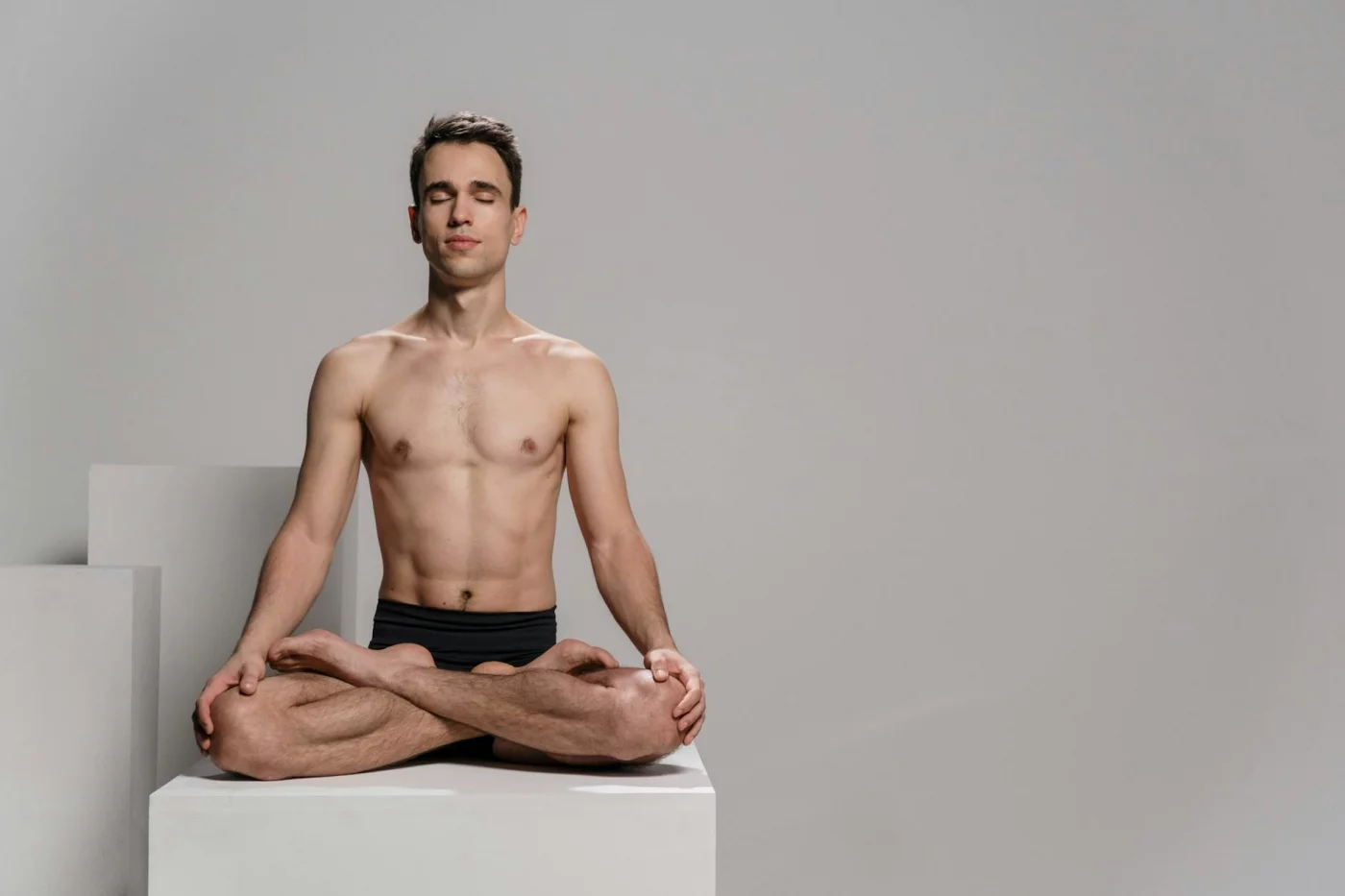
Choose the right length for your goal
So here’s the deal. If you’re wondering how long should a body scan meditation be, match the length to the job instead of chasing an “ideal” session.
📋 Quick Reference
- 3 minutes: best for busy days, study resets, and transitions between deep-work blocks.
- 5 minutes: solid for stress spikes; keep the scan broad and move head to toe without overthinking.
- 10 minutes: the best starting point for body scan meditation for sleep and bedtime guided relaxation.
- 15 minutes: useful for anxiety, restlessness, or when you want deeper relaxation without committing to a long sit.
- 30 minutes: try this only if longer sessions already feel sustainable; otherwise it’s easy to skip.
Personally, I think the best body scan meditation length for beginners is usually 5 to 10 minutes. Why? Adherence research on meditation habits generally points in one direction: shorter, repeatable sessions beat ambitious routines that collapse after three days.
Real-world use is even simpler:
- Before studying: use 3 minutes between ultradian rhythms for studying blocks.
- Before bed: use a 10-minute body scan meditation for sleep.
- During stress spikes: use 5 minutes and keep attention broad, not perfect.
From experience: make it easy enough to repeat
This is the part most people get wrong. They build an ideal routine instead of a low-friction one. Attach your body scan meditation for sleep to brushing your teeth, shutting your laptop, or getting into bed, because consistency beats intensity.
And yes, make reuse easy. Save your favorite notes as a phone note, print a short 30 minute body scan meditation script or shorter version, and turn your guided relaxation prompts into a personal PDF you can open in one tap.
Next, I’ll wrap this up with the most common questions, plus where to go next for meditation consistency, anxiety grounding, sleep routines, and recovery from overload.
Frequently Asked Questions
What is a body scan meditation?
What is a body scan meditation? It’s a mindfulness practice where you move your attention slowly through different body regions, often from your toes to your head or the other way around. The point isn’t to force relaxation or make yourself fall asleep on command. In a body scan meditation for sleep, your job is simpler: notice sensations like warmth, pressure, tension, or tingling without judging them, then keep returning to the body as your anchor.
How do you do a body scan meditation step by step?
How do you do a body scan meditation without overthinking it? Start by lying down or sitting comfortably, set a short timer, and bring attention to one area at a time—feet, legs, hips, belly, chest, arms, shoulders, and face. If your mind wanders, and it probably will, gently return to the last body area you remember rather than starting over. For a body scan meditation for sleep, keep the pace slow, breathe naturally, and stop trying to “perform” the practice perfectly.
Does body scan meditation work for stress and focus?
Does body scan meditation work for stress and focus? Research suggests mindfulness practices can help some people lower perceived stress and improve attention regulation, especially when practiced consistently over time rather than in one extra-long session. That’s the part most people get wrong: repeating a 5-minute body scan meditation for sleep or daytime reset most nights often helps more than doing one 30-minute session once in a while. If you want a simple routine, pair it with a wind-down habit or a study break.
Can body scan meditation help sleep if your mind races at night?
Can body scan meditation help sleep when your thoughts won’t slow down? It may help by shifting attention away from rumination and back to present-moment body sensations, which can make bedtime feel less mentally noisy. But wait—it’s not a cure for insomnia, and ongoing sleep problems are worth discussing with a qualified clinician. A body scan meditation for sleep works best as a gentle attention exercise, not as pressure to knock yourself out fast.
Can body scan meditation help anxiety, or can it make anxiety worse?
Can body scan meditation help anxiety? Sometimes yes, sometimes no. Some people find a body scan meditation for sleep calming because it gives the mind a steady place to rest, while others feel more activated when they focus inward and notice heartbeat, tightness, or restlessness. If that happens, switch to external grounding—like naming five things you can see or feel—and if the practice regularly triggers panic or overwhelm, it’s smart to consult a mental health professional. For general anxiety information, the National Institute of Mental Health has a solid overview.
How long should a body scan meditation be for beginners?
How long should a body scan meditation be when you’re just starting? Usually 3 to 10 minutes is enough, because short sessions are easier to repeat and less frustrating when your attention keeps drifting. Longer sessions can be useful later, sure, but adherence matters more than duration for most beginners using body scan meditation for sleep. If 10 minutes feels like too much, start with 4 minutes and build from there.
Should you do body scan meditation lying down or sitting?
Should you do body scan meditation lying down or sitting? It depends on your goal: lying down is usually better for a body scan meditation for sleep, while sitting often works better if you want calm focus during the day without getting drowsy. Three things matter: comfort, alertness, and consistency. Choose the posture that makes the practice easy to keep doing, because the “best” position is the one you’ll actually use.
What happens in the brain during body scan meditation?
What happens in the brain during body scan meditation is still being studied, but research suggests mindfulness may influence attention regulation, body awareness, and stress-related processing. Well, actually, the practical takeaway matters more than the hype: a body scan meditation for sleep may help you notice sensations sooner, interrupt spirals of thought, and return attention with less effort over time. If you want a broader evidence-based overview of mindfulness research, Harvard Health has a useful summary here: mindfulness meditation and stress.
Conclusion
If you want body scan meditation for sleep to actually work, keep it simple: pick a script length that matches your energy level, move your attention slowly from head to toe or toe to head, notice sensations without trying to force relaxation, and practice often enough that your brain starts to treat the routine as a sleep cue. And yes, details matter. A 5-minute scan can help on restless nights, a 10-15 minute version often works better for winding down after stress, and avoiding common mistakes—like judging yourself, rushing, or trying too hard to “sleep perfectly”—usually makes the practice more effective.
Thing is, not every night will feel calm right away. That’s normal. Some nights your mind will wander every 10 seconds, and other nights a body scan meditation for sleep will feel surprisingly easy. Personally, I think this is the part most people get wrong: they expect instant results instead of giving the method a little repetition. If tonight is messy, that doesn’t mean you failed. It means you’re practicing a skill, and skills get better with reps.
Which brings us to your next step: try one script tonight, then stick with it for a week before judging it. If you want more practical help building a better wind-down routine, read How to Fall Asleep Fast and Bedtime Routine for Better Sleep. FreeBrain.net has more evidence-based guides you can actually use, whether you’re improving sleep, focus, or stress recovery. Start with one body scan meditation for sleep tonight, make it repeatable, and let consistency do the heavy lifting.