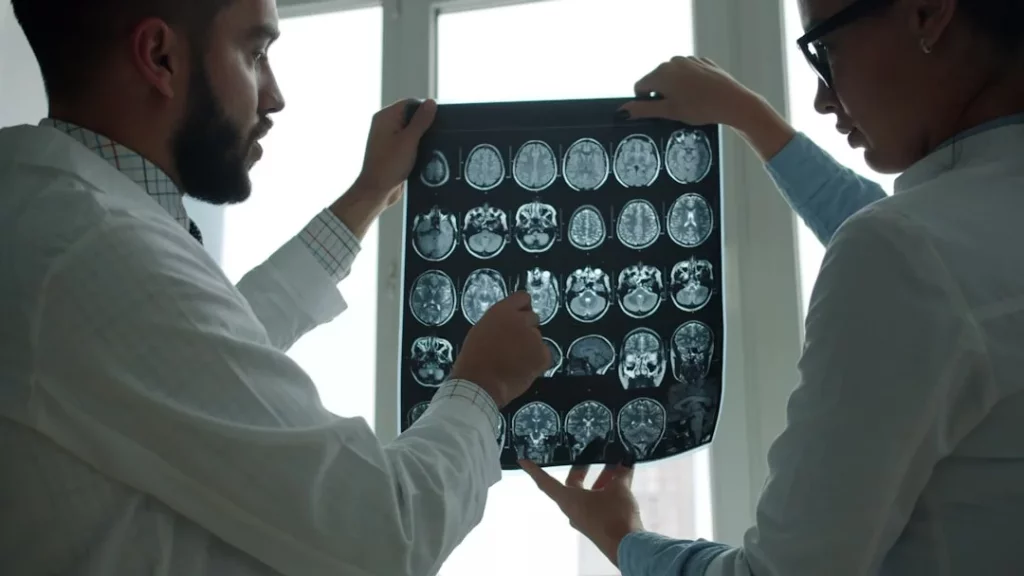
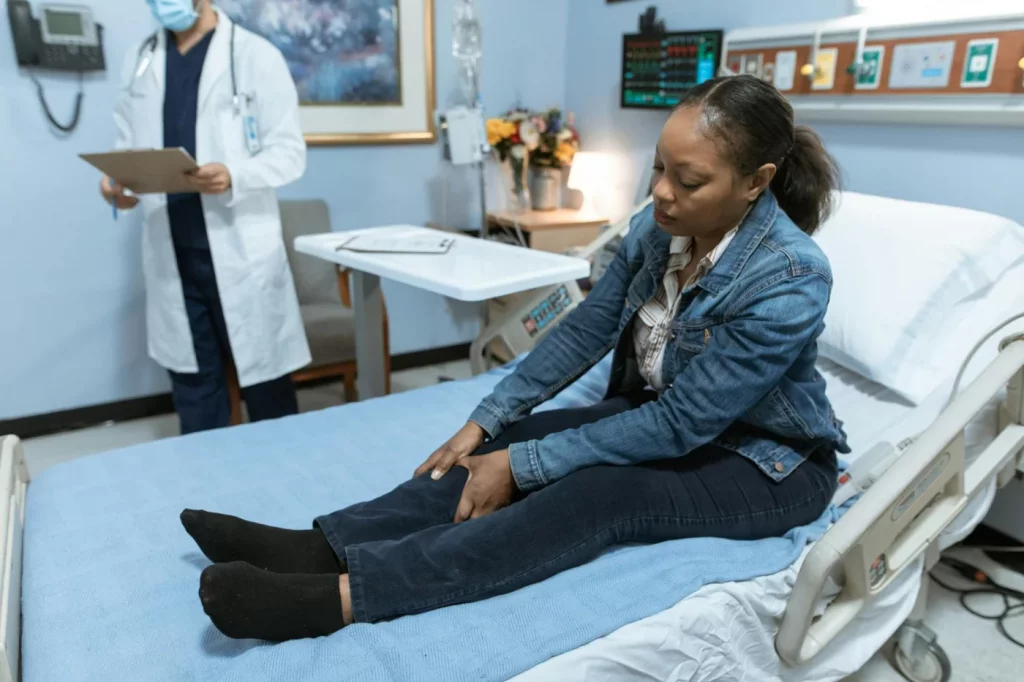
If you’re wondering when should you see a neurologist, the short answer is this: persistent headaches, numbness, weakness, seizures, memory changes, tremors, or unexplained balance problems can all justify a neurology evaluation. And if you’re searching for Virtua neuroscience services, you’re probably asking two things at once — when should you see a neurologist, and what those brain, nerve, and spine clinics or hospital units actually do.
But don’t read further if you’re dealing with sudden stroke-like symptoms, a seizure, severe confusion, fainting with neurological symptoms, or sudden weakness on one side. Those need urgent medical care now, not more Googling. According to the CDC’s stroke warning signs guidance, fast treatment can make a major difference.
Thing is, a lot of people aren’t sure whether their symptoms are serious, stress-related, sleep-related, or something that belongs in a neurology clinic. Maybe you’ve had migraines that keep changing, tingling that won’t go away, or memory lapses that feel different from normal distraction. Maybe you’re also a student trying to figure out what kind of patients are on a neuroscience unit, what a neuroscience unit in a hospital treats, or what students actually learn in neurology clinics.
This article will help you sort that out quickly. You’ll get seven clear signs you need to see a neurologist, a plain-English explanation of conditions treated by neurologists and what a neuroscience unit treats, plus practical context for patients, families, and students. We’ll also show where symptoms can overlap with everyday issues like poor sleep and stress, which is why understanding sleep stress memory and focus matters, and why memory changes sometimes need a closer look through topics like how anterograde amnesia works.
I’m a software engineer, not a neurologist. But at FreeBrain, my work is translating brain science into useful, evidence-based guidance that helps you improve brain function and memory without hype — and that includes being clear about when should you see a neurologist, what to expect from neurological care, and when symptoms shouldn’t be brushed off.
📑 Table of Contents
- What Virtua neuroscience usually means for patients and students
- When should you see a neurologist? 7 signs you need to act
- What is a neuroscience unit in a hospital, and what happens during a neurology consultation?
- Quick reference: how patients, caregivers, and students should evaluate neuroscience care
- Frequently Asked Questions
- When should you see a neurologist instead of a primary care doctor?
- What are signs you need to see a neurologist for headaches or migraines?
- What is a neuroscience unit in a hospital?
- What kind of patients are on a neuroscience unit?
- What happens during a neurology consultation?
- How do students get neurology shadowing opportunities?
- Conclusion
What Virtua neuroscience usually means for patients and students
Now that we’ve framed the topic, here’s the plain-English version. Virtua neuroscience usually means neurology and related brain, spine, and nervous-system care delivered through outpatient clinics, hospital services, and specialty referrals. A lot of people searching this term are also really asking when should you see a neurologist, not just hunting for an address or doctor list. For more on memory and brain health, see our memory and brain health guide.
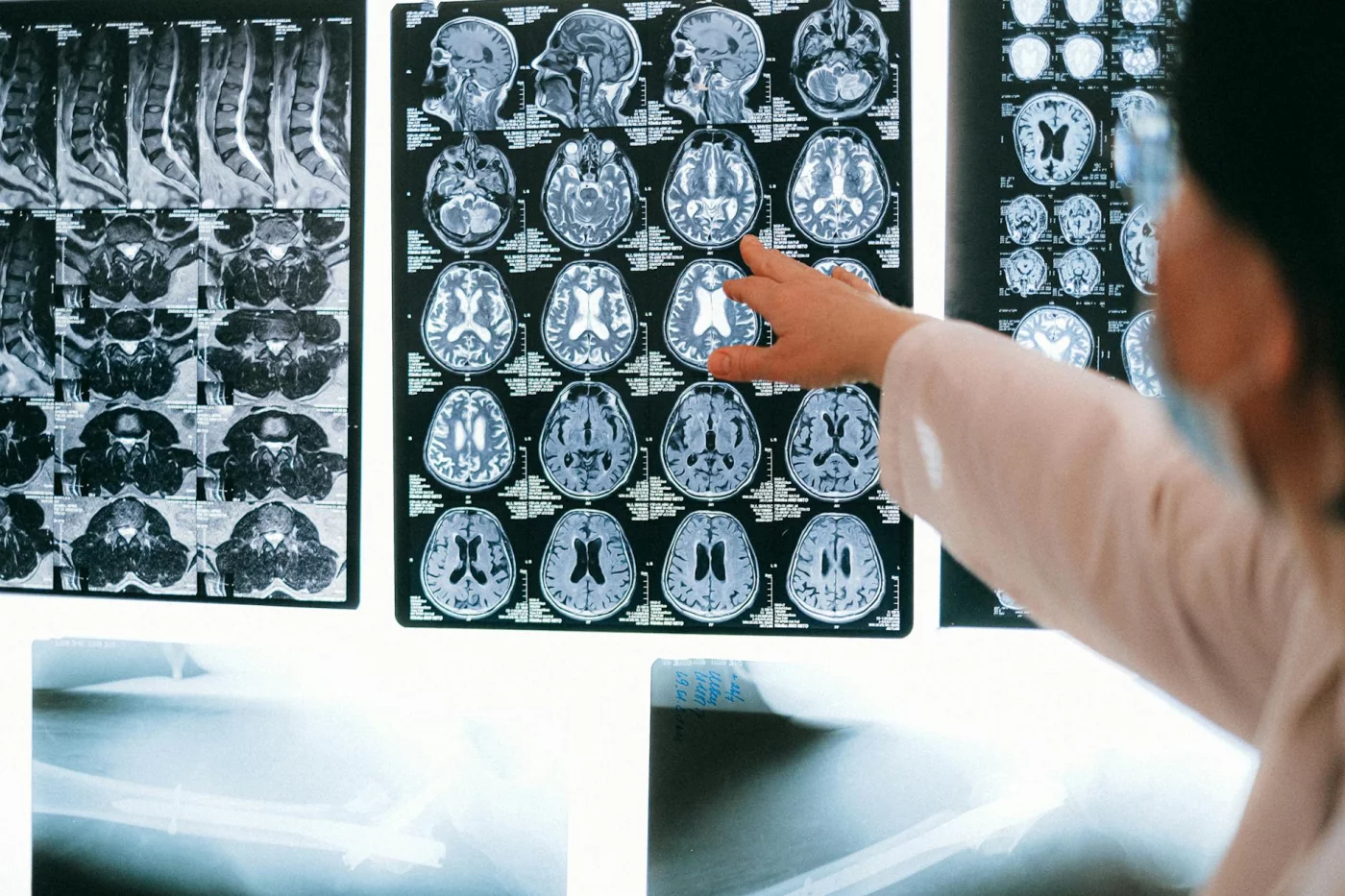
That matters if you’re a patient, a caregiver, or a student trying to understand how a neurology clinic fits into broader brain and spine care. At FreeBrain, we focus on evidence-based education, not direct clinical care, so this section is here to make the search more useful. If you want broader context on cognition, focus, and how to improve brain function and memory, that’s a good next stop too.
One safety note first. If someone has sudden stroke-like symptoms, a seizure, severe confusion, sudden weakness, or loss of consciousness, don’t keep googling when should you see a neurologist—get urgent medical care right away. Guidance from the CDC on stroke warning signs and the National Institute of Neurological Disorders and Stroke is clear on that point.
Neurology, neurosurgery, and neuroscience care: the difference
Neurology focuses on disorders of the brain, spinal cord, nerves, and muscles. Think migraines, epilepsy, neuropathy, tremor, Parkinsonian symptoms, memory concerns, stroke follow-up, and multiple sclerosis. So, when should you see a neurologist? Usually when symptoms suggest a nervous-system problem that needs expert evaluation, testing, or long-term management.
Neurosurgery is different. It deals with surgical treatment for structural brain or spine problems, such as some tumors, bleeding, compressed nerves, or spine instability.
A neuroscience unit in a hospital is broader still. It may include neurology, neurosurgery, stroke care, rehab, imaging, and inpatient monitoring.
- Neurology: diagnosis and medical treatment
- Neurosurgery: operations and procedure-based care
- Neuroscience care: the umbrella system around both
Memory symptoms can be especially confusing. Sometimes poor sleep or stress is part of the picture, which is why it helps to understand sleep stress memory and focus; other times, persistent new cognitive changes raise the question of when should you see a neurologist. And if you’re trying to understand one specific memory issue, this guide on how anterograde amnesia works can help you separate concepts.
Why people search Virtua neuroscience in the first place
Mixed intent. That’s really the story here. Some people want providers and locations, like virtua neurology moorestown nj or virtua neurology voorhees. Others are comparing virtua neuroscience marlton reviews, looking up virtua neuroscience washington township, or trying to figure out when should you see a neurologist before booking anything.
Students have a different angle. They may be curious about what conditions treated by neurologists actually look like in practice, what a neuroscience unit in a hospital does, or what brain and spine care involves day to day.
Thing is, many hospital system pages are thin. They list services, but they rarely explain symptoms, realistic next steps, or when should you see a neurologist versus a primary care doctor. Which brings us to the next section, where we’ll make that decision much clearer with seven specific signs to act on.
When should you see a neurologist? 7 signs you need to act
Now that we’ve covered what neuroscience care usually includes, the practical question is when should you see a neurologist. The short answer: when symptoms suggest a problem in the brain, spinal cord, nerves, or muscles — especially if they’re new, worsening, unexplained, or interfering with daily life.
That includes headaches, weakness, memory changes, tremor, seizures, and progressive numbness. And yes, lifestyle matters too; sleep, stress, and habits can affect how you improve brain function and memory, but persistent neurological symptoms still need proper evaluation.
Symptoms that need urgent medical attention now
If you’re asking when should you see a neurologist because something changed suddenly, don’t start with an outpatient appointment. Start with emergency care. These are not wait-and-see symptoms.
The CDC’s stroke warning signs use FAST: Face drooping, Arm weakness, Speech difficulty, Time to call emergency services. Add sudden one-sided numbness, sudden vision loss, severe confusion, or a thunderclap headache that peaks within seconds. Those are major signs you need to see a neurologist — but through the ER first.
- New seizure or blackout
- Sudden trouble speaking or understanding words
- Sudden severe headache, especially with fever or weakness
- Sudden one-sided weakness or facial droop
- Acute confusion or sudden loss of vision
Repeated “fainting” episodes can also be misleading. Well, actually, some fainting-like spells are seizures, which is one reason unexplained blackouts deserve urgent assessment.
Symptoms that often lead to an outpatient neurology referral
Most people asking when should you see a neurologist aren’t dealing with an emergency. They’re dealing with symptoms that keep coming back, slowly worsen, or stay unexplained after a primary care visit.
Common outpatient reasons include migraines, neuropathy, tremor, dizziness, memory changes, chronic numbness, and weakness. This is also when should you see a neurologist for headaches: if headaches are severe, frequent, changing pattern, associated with neurological deficits, or not improving with standard treatment.
Three examples matter. Progressive numbness creeping up a foot over weeks. A tremor that starts affecting handwriting or buttoning a shirt. Memory lapses that cause missed bills, repeated questions, or medication mistakes. If memory symptoms are prominent, it helps to understand how anterograde amnesia works so you can describe the problem clearly.
Primary care often starts the workup with labs, medication review, and basic screening. But if the diagnosis stays unclear, symptoms persist, or function drops, neurology referral makes sense because these are classic conditions treated by neurologists.
And here’s the kicker — poor sleep, stress, anxiety, and attention problems can mimic brain fog. Research on sleep and memory supports that connection, which is why tracking sleep stress memory and focus can be useful before your appointment. But persistent or concerning patient symptoms still deserve professional evaluation.
Common mistakes and what to avoid before assuming it’s nothing
This is the part most people get wrong. They wait too long, assume everything is stress, and show up with no timeline.
Avoid these mistakes:
- Minimizing symptoms because they come and go
- Ignoring progression over days or weeks
- Skipping your medication and supplement list
- Self-diagnosing from social media or reviews alone
- Delaying urgent care for sudden neurological changes
Personally, I think the best prep is simple: write down when symptoms started, what makes them worse, how long they last, and what daily tasks they disrupt. The National Institute of Neurological Disorders and Stroke information on migraine also reinforces how symptom pattern and red flags shape evaluation.
So, when should you see a neurologist? When symptoms are new, worsening, unexplained, or affecting safety and daily life. Which brings us to the next practical question: what actually happens in a neuroscience unit or during a neurology consultation?
What is a neuroscience unit in a hospital, and what happens during a neurology consultation?
If you’re still wondering when should you see a neurologist, this is the practical next question: where does neurological care actually happen, and what should you expect? On FreeBrain, we usually focus on tools that help people improve brain function and memory, but hospital neurology care is a different world entirely.
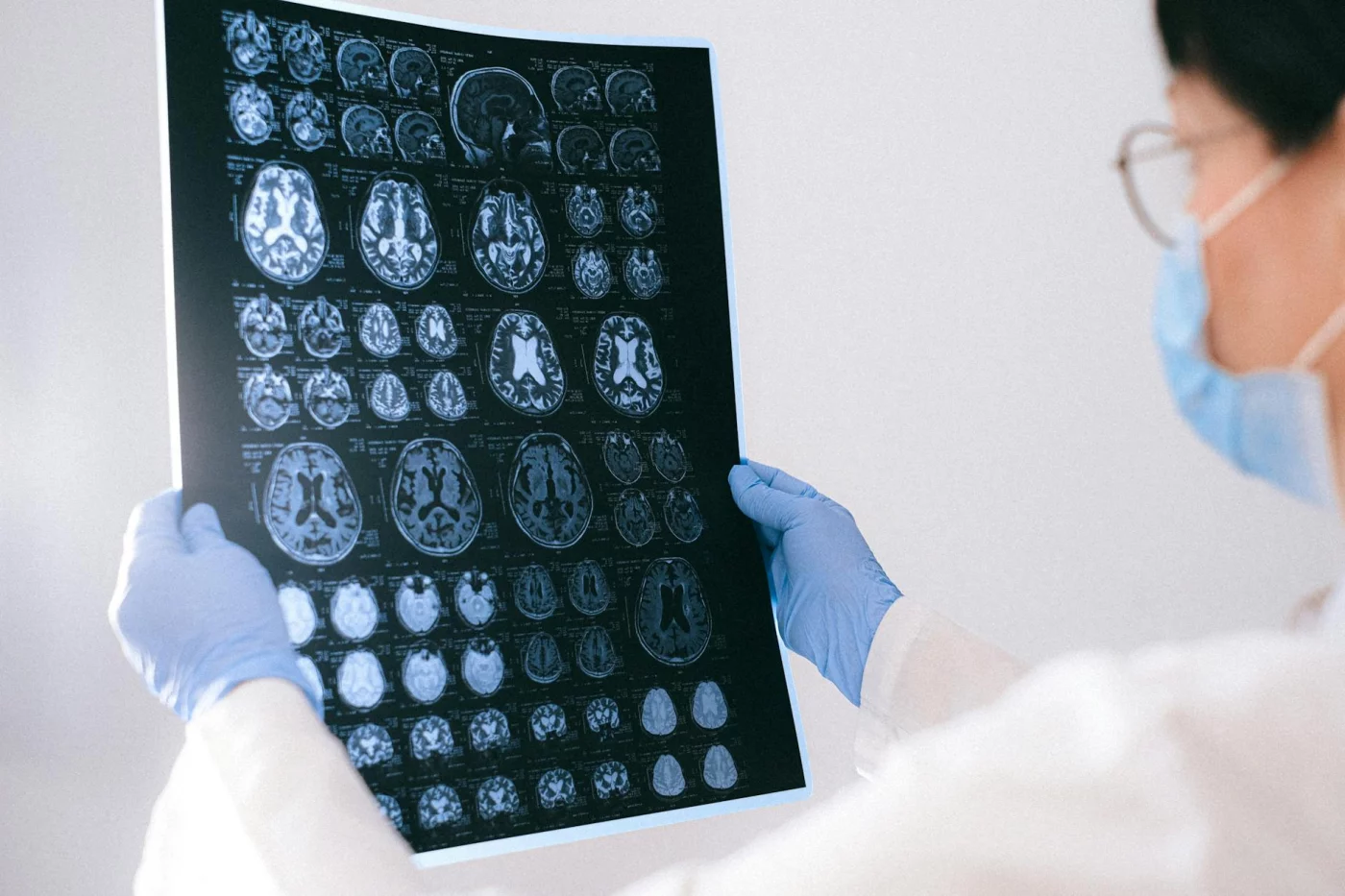
So here’s the deal. A neuroscience unit in a hospital is a specialized inpatient unit for people with neurological or neurosurgical conditions who need close monitoring, coordinated care, and treatment that a regular medical floor may not provide. That matters because people asking when should you see a neurologist often mix up a routine clinic visit with a hospital stay.
What kind of patients are on a neuroscience unit?
What kind of patients are on a neuroscience unit? Usually people with urgent or unstable brain, spine, or nerve problems. This is hospital-level care, not a standard office appointment.
- Stroke patients who need frequent neuro checks, imaging, and rehab planning
- People with seizures, status epilepticus, or unexplained seizure-like episodes
- Traumatic brain injury cases after falls, crashes, or head trauma
- Post-neurosurgery patients recovering after brain or spine procedures
- Patients with spinal cord compression, sudden weakness, or severe numbness
- People with meningitis, encephalitis, or other infections affecting the nervous system
And yes, the neuro care team is usually interdisciplinary: neurologists, neurosurgeons, neuroscience nurses, rehab therapists, pharmacists, and case managers. From building FreeBrain resources, one recurring pattern is that readers assume a hospital neurology department is just a bigger clinic. Well, actually, it usually handles patients who need monitoring every few hours, not every few months.
What does a neuroscience unit treat?
What does a neuroscience unit treat in real life? Common examples include stroke, epilepsy, brain injury, spinal disorders, severe headaches with complications, movement disorders under urgent evaluation, and sudden neurological decline. If you’re trying to judge when should you see a neurologist, a key distinction is whether symptoms are stable enough for outpatient follow-up or severe enough for inpatient care.
Monitoring is the big reason admission happens. After a stroke, for example, nurses may repeat neurological checks often to catch worsening weakness, confusion, or speech changes early. Seizure patients may need EEG monitoring, while someone with new memory loss may need a workup that overlaps with conditions explained in how anterograde amnesia works.
How to prepare for a neurology consultation: step by step
How to prepare for a neurology consultation
- Step 1: Build a symptom timeline. Write when headaches started, how many days per month they happen, when numbness began, or how long seizure-like episodes last.
- Step 2: Bring a full medication and supplement list. Include doses, start dates, and anything you recently stopped.
- Step 3: Gather prior scans, lab results, and discharge papers. MRI, CT, EEG, and blood work can prevent repeat testing.
- Step 4: Note family history. Stroke, migraine, epilepsy, Parkinson’s disease, and multiple sclerosis can matter.
- Step 5: Write your top 3 questions. Ask what the leading possibilities are, what diagnostic testing is needed, and what symptoms mean you should seek urgent care.
- Step 6: Bring a caregiver if memory problems, confusion, or seizures are involved. They may notice details you miss.
What happens during a neurology consultation? Usually a neurologist reviews your history, symptom pattern, medications, prior imaging, and daily functioning, then does a neurological exam checking strength, reflexes, sensation, coordination, vision, speech, and gait. Depending on the problem, next steps may include MRI, EEG, EMG, nerve conduction studies, or brief cognitive screening.
But wait. If you’re still unsure when should you see a neurologist, remember this: sudden weakness, a first seizure, rapidly worsening confusion, or severe neurological change points to urgent evaluation, while stable symptoms often start with an outpatient neurologist appointment. Which brings us to the next section: a quick reference for how patients, caregivers, and students should evaluate neuroscience care and decide what to do next.
Quick reference: how patients, caregivers, and students should evaluate neuroscience care
Now that you know what happens in a neuroscience unit and during a consult, the practical question is simpler: when should you see a neurologist, and how do you judge whether a clinic fits your needs? That matters for patients choosing care, caregivers organizing details, and students trying to understand how outpatient neurology actually works.
📋 Quick Reference
Patients: Ask about referral speed, imaging access, follow-up timing, telehealth, and who handles urgent symptom changes.
Caregivers: Bring a symptom timeline, medication list, prior scans, and questions about stroke care, epilepsy treatment, or multiple sclerosis care.
Students: Expect to observe exams, history-taking, and team communication more often than procedures. Follow privacy rules, dress professionally, and use formal shadowing channels.
Bottom line: If symptoms are sudden, severe, or stroke-like, seek urgent care. If symptoms are persistent but not emergent, primary care or a specialist referral may be the right first step when deciding when should you see a neurologist.
Questions patients and caregivers should ask before choosing care
If you’re trying to decide when should you see a neurologist, start by asking how the clinic handles access and follow-up. A good center should explain whether you need a referral, how urgent referrals are triaged, how long new-patient visits usually take, and whether telehealth is available for follow-ups.
And yes, reviews help, but only up to a point. Searches like virtua neuroscience marlton reviews may tell you about parking, scheduling, or front-desk delays, not whether the clinic is the best fit for seizures, neuropathy, headache, or movement symptoms. Check official service pages, clinician bios, and whether the program clearly outlines care pathways for stroke care, epilepsy treatment, or multiple sclerosis care.
- How quickly are urgent outpatient neurology referrals reviewed?
- Is MRI, EEG, EMG, or vascular imaging available on-site or through a connected network?
- How are test results communicated: portal, phone call, or follow-up visit?
- Who should you contact if symptoms worsen after hours?
- How soon are follow-up visits scheduled after testing?
- Does the clinic have specific expertise in stroke care, epilepsy treatment, or multiple sclerosis care?
- Are telehealth visits appropriate for medication checks or symptom review?
One more thing. Bring a full medication and supplement list, because interactions matter; if you’re taking over-the-counter products marketed for focus or memory, review evidence and safety first with resources like best brain supplements for adults, then discuss them with your clinician. Sleep, exercise, and stress management can support brain health, but they don’t replace medical evaluation when you’re figuring out how to know if you need a neurologist.
What students can observe in a neuroscience clinic
So what do students learn in a neuroscience clinic? Usually the basics done well: history-taking, cranial nerve testing, gait assessment, reflex testing, sensory screening, and how clinicians turn scattered symptoms into a differential. What students can observe in a neurology clinic often depends on patient consent, clinic flow, and site policy.
Well, actually, this is the part most students misjudge. You may not see every procedure, and you may spend more time watching communication than hands-on care. But that’s still valuable, because neurology is full of pattern recognition, careful documentation, and interdisciplinary teamwork with nurses, therapists, and imaging staff.
For readers exploring virtua neuroscience for patients and students, the realistic takeaway is this: observation is usually strongest in exam technique, chart review basics, and patient communication, not dramatic interventions.
How students look for shadowing opportunities and clinical rotations
If you’re asking when should you see a neurologist for your own symptoms, that’s a care question. If you’re asking how do students get neurology shadowing opportunities, that’s an access question. Different issue, different path.
Use official routes first: hospital volunteer offices, school coordinators, pre-health advisors, or formal student opportunities in neurology clinics. Cold-emailing random clinicians with “Can I shadow sometime?” rarely works, and privacy rules limit informal arrangements.
- State your school, year, and career interest clearly.
- Ask about formal shadowing or rotation processes, not favors.
- Mention your availability, vaccination or onboarding status if relevant, and willingness to follow confidentiality rules.
- Keep it brief, professional, and specific.
Show up early, dress appropriately, never record patients, and assume access can be restricted at any time. For patients, when should you see a neurologist becomes urgent with sudden weakness, facial droop, new seizures, severe acute confusion, or a thunderclap headache; for non-urgent concerns, primary care may be the best first stop. Which brings us to the final FAQ and bottom-line takeaways.
Frequently Asked Questions
When should you see a neurologist instead of a primary care doctor?
In general, when should you see a neurologist? You should see one when your symptoms suggest a problem involving the brain, nerves, spinal cord, or muscles, especially if those symptoms are persistent, worsening, unexplained, or starting to interfere with daily life. A primary care doctor often handles the first evaluation and can rule out common causes, but referral to neurology is common for seizures, neuropathy, tremor, migraine with red flags, memory decline, fainting with concerning features, or abnormal findings on a neurological exam.
What are signs you need to see a neurologist for headaches or migraines?
If you’re wondering when should you see a neurologist for headaches, start with the red flags: a sudden “worst headache of your life,” headache with fever, confusion, weakness, numbness, speech trouble, or major vision changes needs urgent medical evaluation. And yes, this also fits the bigger question of when should you see a neurologist—frequent migraines, headaches that no longer respond to treatment, or a clear change in pattern, intensity, or triggers often justify a neurology referral. For general headache warning signs, the MedlinePlus headache overview is a solid starting point.
What is a neuroscience unit in a hospital?
What is a neuroscience unit in a hospital? It’s a specialized inpatient hospital unit for people with serious neurological or neurosurgical conditions who need close monitoring, fast testing, and coordinated care from teams that may include neurologists, neurosurgeons, nurses, rehab staff, and critical care specialists. That’s very different from the outpatient side of when should you see a neurologist, where you go to a clinic visit for evaluation, follow-up, and longer-term management rather than hospital-level treatment.
What kind of patients are on a neuroscience unit?
If you’re asking what kind of patients are on a neuroscience unit, common examples include people hospitalized for stroke, seizures, brain injury, recovery after neurosurgery, spinal cord problems, severe infections affecting the nervous system, or sudden neurological decline. These patients often need frequent neuro checks, imaging, IV treatment, rehab input, or continuous monitoring, which is a different situation from deciding when should you see a neurologist in an outpatient clinic. Quick rule of thumb: clinic neurology is for evaluation and management; a neuroscience unit is for conditions serious enough to need hospital care.
What happens during a neurology consultation?
What happens during a neurology consultation usually follows a clear sequence: your symptom history, a medication review, discussion of prior scans or lab work, a neurological exam, and then a plan for next steps such as MRI, EEG, EMG, blood tests, or referrals. If you’re trying to figure out when should you see a neurologist, it helps to come prepared with a symptom timeline, a full medication list, copies of prior records, and—if episodes affect memory, awareness, or speech—a family member or witness who can describe what happened. Personally, I think this prep matters more than most people realize because it can save a lot of back-and-forth and help the neurologist spot patterns faster.
How do students get neurology shadowing opportunities?
How do students get neurology shadowing opportunities? The best route is usually formal: ask your school pre-health office, volunteer department, hospital education office, or an official clinic administrator rather than cold-approaching physicians in patient areas. Privacy rules and scheduling limits mean informal shadowing is often restricted, so professionalism matters—use a short email, explain your goals, mention your availability, and be ready to complete paperwork, vaccination records, or confidentiality training; and while this is separate from when should you see a neurologist as a patient, you can learn a lot about real neurology care by following official channels. If you’re building your broader study plan for healthcare learning, you can also browse FreeBrain for practical learning tools and study systems.
Conclusion
If you’re still wondering when should you see a neurologist, focus on the patterns that matter most: sudden or severe headaches that feel different from your usual baseline, repeated numbness or weakness, seizures or fainting episodes, and ongoing problems with memory, balance, vision, or speech. And yes, persistence matters too. Symptoms that keep coming back, get worse over time, or start interfering with work, school, driving, or daily life deserve medical attention sooner rather than later. Quick sidebar: the goal isn’t to panic over every symptom. It’s to notice red flags early, document what’s happening, and get the right evaluation.
That can feel overwhelming. I get it. Neurological symptoms are unsettling because they affect the systems you rely on for literally everything — thinking, moving, remembering, and functioning day to day. But acting early gives you more clarity, more options, and often a better path forward. If you’ve been asking yourself when should you see a neurologist, take that question seriously. Write down your symptoms, note timing and triggers, and bring that information to your primary care doctor or a qualified specialist. And if symptoms are sudden or severe, seek urgent care right away.
Want to keep learning? Explore more practical, evidence-based guides on FreeBrain.net, including What Is Neuroscience? and How to Improve Memory. Those resources can help you understand brain-related symptoms, build better questions for appointments, and feel more confident about next steps. The bottom line: if you’re unsure when should you see a neurologist, don’t wait for “perfect certainty.” Pay attention, act early, and move forward with a plan.