If you’re here for a clear verdict, here’s the short version: the Andrew Huberman sleep cocktail is not the main thing that improves sleep or focus. The parts of Huberman’s advice that hold up best are morning light, a consistent wake time, smart caffeine timing, cooler and darker sleep conditions, and limiting alcohol; the Andrew Huberman sleep cocktail is more optional, more individual, and worth more caution than the internet usually admits.
That matters because bad sleep doesn’t just make you tired. It wrecks attention, working memory, and learning the next day — which is exactly why I often point readers to our guide on sleep, stress, memory, and focus before they obsess over pills or powders.
📋 Quick Reference
Best-supported habits: morning sunlight, fixed wake time, less late caffeine, lower evening light, cooler bedroom, less alcohol.
Use caution with: the Andrew Huberman sleep cocktail, especially if you’re stacking supplements without understanding dose, timing, or interactions.
Main goal of this article: better sleep for better focus, not just better sleep scores.
Maybe that’s your situation too. You sleep seven or eight hours on paper, but your brain still feels foggy by 10 a.m., you need another coffee by lunch, and by afternoon you’re wondering whether a power nap for better focus would help more than another stimulant. Sound familiar?
And here’s the kicker — public interest spikes every time Huberman sleep clips start circulating again, but the advice often gets flattened into a supplement stack and a few catchy rules. Meanwhile, broader research from the National Heart, Lung, and Blood Institute on sleep deprivation makes something very clear: even modest sleep loss can impair attention, reaction time, and decision-making.
So this article does three things. First, it sorts Andrew Huberman sleep tips into what has strong support, what’s reasonable but overhyped, and what needs caution. Second, it compares the popular sleep rules people keep mixing together — 3-2-1, 10-4-3-2-1, even the so-called 3-3-3 rule — against what Huberman actually recommends. Third, it connects all of that to real life: students, parents, shift workers, and high-performers who care less about sleep theory and more about whether they’ll focus better tomorrow.
Quick note on my angle: I’m a software engineer, not a neuroscientist, and I built FreeBrain tools because I needed practical systems for self-directed learning. I’ve tested a lot of these routines personally, but well, actually, the evidence matters more than anyone’s routine — including mine — and that’s the standard I’m using here when we evaluate the Andrew Huberman sleep cocktail and the rest of the toolkit.
📑 Table of Contents
- Quick Answer: Andrew Huberman Sleep Tips That Help Focus Most
- Why Sleep Quality Drives Focus, Attention, and Learning
- What Huberman Actually Recommends for Sleep vs Viral Sleep Rules
- Morning Sunlight, Caffeine Timing, and Night Environment: The Best-Supported Habits
- The Andrew Huberman Sleep Cocktail: Evidence, Ingredients, and Cautions
- How to Fall Asleep Fast According to Huberman: A Step-by-Step Plan
- Bottom Line: Best Huberman Sleep Tips for Students, Shift Workers, and High Performers
- Frequently Asked Questions
- What does Huberman recommend for sleep?
- What is in the Andrew Huberman sleep cocktail?
- Does Huberman recommend sleep supplements for everyone?
- How to fall asleep fast according to Huberman?
- What is the Huberman 321 rule for sleep?
- What is the 10 4 3 2 1 sleep rule?
- What is the 3 3 3 rule for sleep?
- How much morning sunlight do you need for better sleep and focus?
- Conclusion
Quick Answer: Andrew Huberman Sleep Tips That Help Focus Most
So here’s the direct answer after the intro: the habits with the best support are morning light, a consistent wake time, smart caffeine timing, darker and cooler evenings, and limiting alcohol. The Andrew Huberman sleep cocktail can help some people, but it’s optional, not foundational. For more on stress and sleep, see our stress and sleep guide.
If you have persistent insomnia, loud snoring, gasping during sleep, severe daytime sleepiness, pregnancy, medication use, or chronic health issues, talk with a licensed clinician before trying supplements or major sleep changes. Better sleep improves next-day attention, alertness, and learning, which is why it matters for sleep, stress, memory, and focus so much.
As a software engineer and tool builder at FreeBrain, I care less about personality-driven advice and more about what actually holds up when you compare claims against published evidence. And yes, the verdict here is based on that evidence, not on whether the Andrew Huberman sleep cocktail sounds appealing on a podcast.
📋 Quick Reference
Strong evidence: morning outdoor light, stable wake time, caffeine timing, limiting alcohol close to bed.
Moderate evidence: cooler rooms, darker evenings, simple wind-down routines.
Limited or context-dependent evidence: specific supplement stacks, including the Andrew Huberman sleep cocktail.
Bottom line: the first three habits usually beat any supplement stack for focus, reaction time, and learning.
The 7 highest-value habits in one list
If you want the shortest version of Andrew Huberman sleep tips, start here. These are ranked by evidence strength and ease of use, and the first three usually matter more than the Andrew Huberman sleep cocktail.
- Get outdoor light within 30–60 minutes of waking. Example: if you wake at 7:00 a.m., get outside by 7:30. Light helps anchor circadian timing, which supports earlier melatonin release that night and better vigilance the next day.
- Keep your wake time stable within about 30–60 minutes. Not perfect. Just consistent enough that your brain knows when “day” starts.
- Stop caffeine early enough for your bedtime. For many people, a 2:00 p.m. cutoff works if bedtime is around 10:30 or 11:00 p.m. If you’re dragging in the afternoon, a short power nap for better focus often beats more caffeine.
- Dim evening light. Bright overhead light and screens late at night can delay sleepiness. Lowering light is a simple sleep tip for better focus the next day.
- Keep the room cool and dark. A target around 65–67°F works for many adults, though not everyone. Cooler, darker rooms tend to make sleep more continuous.
- Avoid heavy late meals and alcohol close to bed. Alcohol may make you sleepy at first, but it often fragments sleep later. That tradeoff hurts attention and reaction time more than people expect.
- Use supplements only after behavior changes. If the basics are weak, the Andrew Huberman sleep cocktail is usually a distraction, not a solution.
Why does this matter for focus? Even modest sleep restriction can impair vigilance, working memory, and learning efficiency, according to research summarized by the CDC’s guidance on sleep and health. For students, coders, and knowledge workers, that means more careless errors, slower debugging, weaker recall, and worse sustained attention.
What “holds up” means here
OK wait, let me back up. When I say something “holds up,” I mean the evidence is consistent, practical, and not overly dependent on one influencer, one study, or one supplement protocol.
Strong evidence means multiple lines of research point the same way. Circadian light timing, caffeine timing, sleep schedule consistency, and alcohol’s negative effect on sleep quality fit that category, and the biology is well described by NCBI’s overview of circadian rhythms and the sleep-wake cycle.
Moderate evidence means the idea makes sense and often helps, but results vary more by person. Cooling the room and using a wind-down routine fall here. Worth trying? Absolutely.
Limited or context-dependent evidence means the effect may be small, mixed, or highly individual. That’s where the Andrew Huberman sleep cocktail lands. So if you’re asking what does Huberman recommend for sleep, the fair answer is: mostly behavior first, supplements second.
And here’s the kicker — popularity on the Huberman Lab sleep podcast or social media isn’t proof. This article isn’t a fan piece or a takedown. It’s a practical comparison of what actually deserves your effort, especially if your goal is better focus tomorrow, not just falling asleep a bit faster tonight.
Which brings us to the next question: why do these sleep habits change attention, reaction time, and learning so much in the first place?
Why Sleep Quality Drives Focus, Attention, and Learning
So here’s the deal: the reason people keep searching for the Andrew Huberman sleep cocktail isn’t really about supplements alone. It’s about getting better focus tomorrow, because sleep quality shapes attention, memory, and daytime alertness more than most productivity hacks ever will.
If you want the bigger picture on sleep, stress, memory, and focus, start there. But the short version is simple: when sleep slips, your brain pays for it the next day.
High-authority guidance from the Centers for Disease Control and Prevention on sleep deprivation is clear that insufficient sleep hurts alertness, performance, and safety. And yes, that shows up in ordinary student and knowledge-work tasks too: forgetting what you just read, rereading the same paragraph, slower coding and debugging, and making more impulsive decisions because your mental brakes are weaker.
Three terms matter here. Sleep latency means how long it takes you to fall asleep. REM sleep means rapid eye movement sleep, a stage linked to vivid dreaming and important parts of emotional processing and learning. Circadian rhythm is your internal roughly 24-hour clock that helps regulate sleepiness, wakefulness, hormones, and timing of alertness.
What poor sleep does to attention, working memory, and reaction time
Poor sleep hits fast. One bad night is often enough to lower focus and attention the next day, but repeated short nights are where performance really starts to slide.
What does that look like in real life? You answer emails too quickly and miss details. You open your notes, read a page, and realize nothing stuck. You write code that technically runs but includes sloppy logic you would’ve caught in two minutes if you were rested.
Working memory gets weaker too. That’s the mental scratchpad you use to hold and manipulate information for a few seconds, like keeping a formula in mind while solving a problem or remembering the first half of a sentence while reading the second. When sleep quality drops, that scratchpad gets smaller and noisier.
And here’s the kicker — many people think they’re “awake enough” while objective performance is still worse. Research summarized by the National Heart, Lung, and Blood Institute on sleep deprivation notes that sleep loss can impair judgment, mood, and reaction time even when people don’t fully recognize how impaired they are. Caffeine can mask sleepiness, sure, but it doesn’t fully restore error monitoring or self-control.
Personally, I think this is the part most people get wrong. They treat the Andrew Huberman sleep cocktail like a shortcut, when the real issue is that tired brains respond slower, make more careless mistakes, and get frustrated faster.
- Slower response speed during lectures, meetings, and driving
- More careless errors on routine tasks
- Weaker inhibition, so distractions win more easily
- Lower frustration tolerance when work gets hard
If your daytime alertness is crashing, a short power nap for better focus can help more than another late caffeine hit. Worth it? Often, yes — but naps help recovery; they don’t fully replace solid nighttime sleep.
Why students and professionals feel the cost the next day
Sleep is when a lot of memory consolidation happens, meaning newly learned information gets stabilized and integrated. That matters for exam prep, technical learning, and skill retention. You can brute-force more study hours when tired, but what you keep is often worse.
From experience building learning tools, that pattern shows up constantly. Users can push through quizzes and study sessions on inconsistent sleep, but recall quality and sustained attention drop off noticeably.
So what happens the next day? Lectures feel blurrier. Meetings are harder to track. Deep work blocks shrink because your brain keeps reaching for easy stimulation instead of effortful thinking.
Even good planning systems work worse on a tired brain. If you use pomodoro vs time blocking strategies, sleep quality affects whether those blocks become real focus or just organized procrastination.
And yes, this matters if you’re searching for the Andrew Huberman sleep cocktail for learning benefits. The cocktail question is really a performance question: can you hold attention, learn faster, and stay emotionally steady tomorrow?
Quick answer: sometimes better sleep habits help more than supplements. And if you’re comparing formulas, stacks, or the Andrew Huberman sleep cocktail itself, it’s smart to also review broader evidence on best brain supplements for adults, especially because supplements can interact with health conditions or medications. For persistent sleep problems, talk to a qualified clinician.
Which brings us to the next question: what does Huberman actually recommend for sleep, and how much of the viral advice matches his real guidance?
What Huberman Actually Recommends for Sleep vs Viral Sleep Rules
If the last section explained why sleep quality shapes attention and learning, this section answers the obvious next question: what should you actually do? Most people searching for the Andrew Huberman sleep cocktail really want a simple system that improves alertness, memory, and consistency, not a scattered list of podcast clips. For the bigger picture on sleep, stress, memory, and focus, it helps to see where supplements fit — and where they really don’t.
The core protocol across podcasts and interviews
Here’s the short version of what does Huberman recommend for sleep: behavior first, supplements second. Across Huberman Lab sleep podcast episodes and interviews, the recurring themes are morning light exposure, a regular wake time, dimmer light at night, cooler sleep conditions, smart caffeine timing, sensible exercise timing, and avoiding alcohol close to bedtime.
That’s the real center of gravity. Not the Andrew Huberman sleep cocktail. And definitely not a hyper-detailed 47-step bedtime script.
- Get outdoor light soon after waking, ideally within the first hour.
- Keep your wake time more consistent than your bedtime.
- Reduce bright light exposure in the evening, especially overhead light.
- Stop caffeine early enough that it doesn’t spill into the night; for many people that means 8-10 hours before bed.
- Exercise regularly, but avoid very intense late-night sessions if they keep you wired.
- Keep the bedroom cool and dark.
- Avoid alcohol near bedtime because it can fragment sleep even if it makes you sleepy.
Research broadly supports this stack. Circadian timing, light exposure, body temperature, and stimulant timing are all standard sleep hygiene territory, not fringe biohacking. The CDC’s sleep hygiene guidance overlaps with much of this, which is a good sign that the basics matter more than branding.
And yes, that matters for daytime performance. If you’re dragging by early afternoon, a power nap for better focus may help more than another coffee, especially if caffeine is already pushing your bedtime later. Personally, I think this is the part most people miss: better sleep helps your study blocks work better, whether you use deep work, timed sessions, or even pomodoro vs time blocking to manage attention.
Popular sleep rules compared: useful shortcut or oversimplified?
Now this is where it gets interesting. The internet loves slogans, so the Andrew Huberman sleep cocktail often gets bundled with catchy “rules” that sound official. But are these actually central to his advice? Usually, no.
| Rule | What it means | Evidence fit | Practical verdict |
|---|---|---|---|
| Huberman 3-2-1 rule | Usually shorthand for stopping food 3 hours before bed, fluids 2 hours before, work/screens 1 hour before | Reasonable as a memory aid, but not a formal law and not the main thing Huberman repeats most | Useful if it helps, but don’t treat it as sacred |
| 10-4-3-2-1 sleep rule | Often: no caffeine 10 hours before bed, no food 4 hours before, no alcohol 3 hours before, no work 2 hours before, no screens 1 hour before | Mixed but directionally sensible; caffeine and alcohol timing matter more than the exact slogan | Good checklist, not personalized science |
| 3-3-3 rule for sleep | Definitions vary online, which is the problem | Weak as a standardized framework because there isn’t one accepted version | Too vague to be a reliable protocol |
So, what is the Huberman 321 rule, what is the 10 4 3 2 1 sleep rule, and what is the 3 3 3 rule for sleep? They’re mostly memory aids. Helpful? Sometimes. But the mechanism matters more than the meme. A consistent wake time beats perfect slogan recall every time.
If you searched Huberman sleep toolkit pdf, that usually signals you want a clean summary. Fair. What people need is a one-page protocol: light, timing, temperature, caffeine, alcohol, and wind-down. Not 12 disconnected clips plus an overhyped Andrew Huberman sleep cocktail mention.
Common mistakes: what to avoid
First mistake: turning sleep into a perfection project. Well, actually, that backfires a lot. Sleep effort can create more bedtime arousal, especially in anxious or high-performing people.
Second mistake: obsessing over blue light while ignoring bigger disruptors. Evening light matters, but late caffeine, irregular wake times, and alcohol often hit harder. On alcohol specifically, the sleep cost is one reason to understand brain recovery from alcohol if you’re trying to improve next-day focus.
Third mistake: treating the Andrew Huberman sleep cocktail as first-line treatment. Supplements may help some people, but they don’t erase poor timing habits. And this is where evidence-based caution matters: the NIH overview on melatonin makes it clear that timing, dose, and individual response all matter. If you’re comparing the Andrew Huberman sleep cocktail with other options, see our guide to best brain supplements for adults for a more grounded overview.
One more thing. If sleep problems are persistent, severe, or tied to anxiety, snoring, or possible insomnia, talk to a qualified healthcare professional. Educational content can help you build better habits, but it shouldn’t replace medical care.
Which brings us to the habits with the strongest support: morning sunlight, caffeine timing, and the sleep environment you create every night.
Morning Sunlight, Caffeine Timing, and Night Environment: The Best-Supported Habits
If the last section cleared up the myths, this is the part that matters most in practice. Before you worry about the Andrew Huberman sleep cocktail, get these basics right, because they have stronger support and a bigger effect on sleep quality, daytime energy, and sleep, stress, memory, and focus.

Why early light helps circadian timing and daytime alertness
Your circadian rhythm is your internal timing system. It helps decide when you feel alert, when melatonin rises, and when your body starts preparing for sleep.
Morning sunlight for better sleep and focus is one of the best-supported habits because outdoor light is dramatically brighter than indoor light, even on cloudy days. That bright light signal helps anchor your clock earlier, which can make you feel more awake in the morning and sleepier at a more useful time at night. And yes, this matters more than most people expect.
Research on light and circadian timing has shown that bright daytime light is a major cue for the brain’s clock in the suprachiasmatic nucleus; the National Center for Biotechnology Information’s overview of circadian rhythms gives a solid summary of that mechanism. So if you’re evaluating the Andrew Huberman sleep cocktail, remember that light exposure usually deserves attention first.
What should you actually do? In bright conditions, 5 to 10 minutes outside soon after waking is a realistic target. If it’s overcast, winter, or you wake before sunrise, stay out longer when you can, and do what you can rather than treating it like an all-or-nothing rule.
- Commuters: get off the bus one stop early or stand outside with your coffee.
- Students: walk a lap around campus before your first class instead of scrolling in bed.
- Remote workers: take your first call while walking outdoors if possible.
Why does this help focus too? Better circadian alignment usually means steadier alertness, fewer afternoon crashes, and less need to chase energy with another latte. If you’re dragging midday, a short walk or even a power nap for better focus often beats stacking more caffeine.
Why caffeine can still hurt sleep even if you fall asleep fast
This is the part most people get wrong. Falling asleep quickly doesn’t prove caffeine timing is fine.
Sleep latency is how fast you fall asleep. Sleep quality is what happens after that: how deep you sleep, how often you wake, and how restored you feel the next day. You can knock out fast and still get lighter, more fragmented sleep if caffeine is hanging around in your system.
Caffeine’s half-life is often around 5 hours, though it varies a lot between people. So if your bedtime is 11 p.m., a full-dose coffee at 4 p.m. can still leave a meaningful amount active at night. That’s one reason the Andrew Huberman sleep cocktail gets so much attention while basic caffeine timing gets ignored.
A practical framework works better than one universal cutoff:
- Bedtime around 10 to 11 p.m.: last full-dose caffeine often fits best in the late morning or early afternoon.
- Students studying late: taper from coffee to water, decaf, or a brief movement break after lunch.
- Late exercisers: test whether pre-workout caffeine shifts sleep depth, not just sleep onset.
- Shift workers: you’ll need more individualized timing based on your actual sleep window.
OK wait, let me back up. If anxiety is part of why you’re lying awake, caffeine can amplify that too, which is why it helps to pair better caffeine timing with strategies for how to sleep when stressed. For many people, that does more than jumping straight to the Andrew Huberman sleep cocktail.
What matters more than blue-light panic
Evening light matters, but not in the cartoon version people share online. Light exposure at night is really about total brightness, stimulation, and consistency, not obsessing over one “bad” bulb.
Personally, I think the higher-return move is simple: make evenings dimmer and less activating. Lower overhead lights, reduce intense screen brightness, and stop turning bedtime into a second work shift. If you want one practical place to start, learn how to stop doomscrolling before bed, because that habit combines bright light, cognitive stimulation, and stress.
A cool sleeping environment helps too. Many people sleep better in a room that feels slightly cool, dark, and quiet, with a repeatable wind-down routine that tells the brain, “we’re done for today.”
Quick summary? Three habits matter most: early outdoor light, smarter caffeine timing, and lower-stimulation nights. Get those right, and you’ll usually improve sleep continuity, attention, and daytime focus before you ever need to think hard about the Andrew Huberman sleep cocktail. Which brings us to the next question: if people still want that sleep stack, what’s actually in it, what does the evidence say, and where are the real cautions?
The Andrew Huberman Sleep Cocktail: Evidence, Ingredients, and Cautions
After habits like morning light, caffeine timing, and a darker bedroom, people usually ask about the Andrew Huberman sleep cocktail. Fair question. The Andrew Huberman sleep cocktail gets attention because it sounds like a simple shortcut, but better sleep still does more for focus, memory, and daytime alertness than most supplement stacks, as I explain in sleep, stress, memory, and focus.
Magnesium threonate, apigenin, and theanine explained
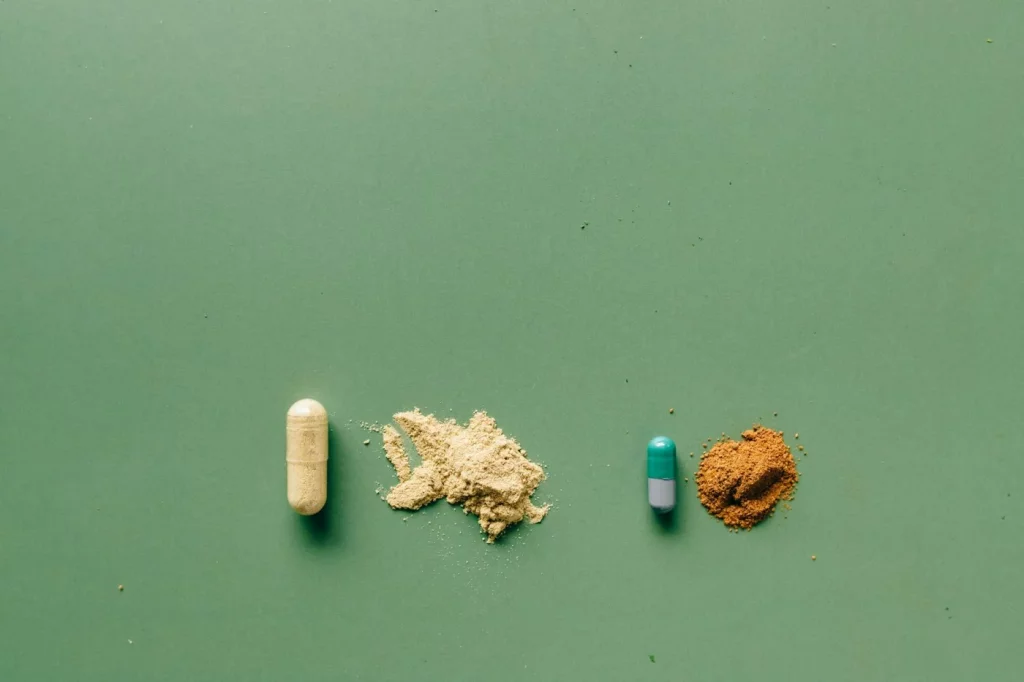
When people mention the Andrew Huberman sleep cocktail, they usually mean three supplements: magnesium threonate, apigenin, and L-theanine. Sometimes melatonin gets added to the conversation too, but that’s better treated separately because it’s a hormone, not just another calming supplement.
So what are these, exactly?
- Magnesium threonate: a form of magnesium marketed for brain penetration. People think it may help by supporting relaxation and nervous system function, but direct evidence for magnesium threonate specifically improving sleep in healthy adults is limited.
- Apigenin: a plant compound found in chamomile. It’s often discussed for calming effects, partly because chamomile has long been used as a sleep aid, though supplement-specific outcome data are much thinner than the online hype suggests.
- L-theanine: an amino acid found in tea. Research suggests it may promote relaxation and reduce subjective stress in some people, which can help if your real problem is mental overactivation at bedtime.
This is the part most people get wrong. Mechanistic plausibility is not the same as strong real-world evidence. A supplement can make sense on paper and still have small, inconsistent, or highly individual effects in practice.
That matters for the Andrew Huberman sleep supplements list. There are studies on magnesium, theanine, chamomile-related compounds, and sleep quality, but the evidence is mixed, populations differ, and many trials are small. Supplement quality varies too — and yes, that’s a huge variable — because dose accuracy and purity are not always consistent across brands.
If you’re searching Huberman sleep cocktail ingredients and dosage, be careful. You’ll see commonly discussed online amounts for magnesium threonate, apigenin, and L-theanine, but those are not universal recommendations and shouldn’t be treated like established medical guidance. Personally, I think the safer takeaway is that the Andrew Huberman sleep cocktail is optional at best, while light exposure, alcohol reduction, and consistent wake time have broader support.
What the evidence says — and who should be cautious
Does Huberman recommend sleep supplements? Broadly, yes, he has discussed them as tools. But wait. That doesn’t mean supplements are the strongest part of the protocol, or the first thing you should try.
Evidence for a specific Andrew Huberman sleep cocktail stack is weaker than evidence for behavioral sleep basics. Research across sleep medicine consistently supports regular wake times, appropriate light exposure, limiting late caffeine, and reducing evening alcohol. Those habits affect your biology every day; supplements may or may not add much on top.
Melatonin deserves extra caution. It helps regulate circadian timing, and evidence supports its use in some jet lag and shift-work situations, but timing matters and more is not always better. The NCCIH notes that melatonin can cause side effects and interact with medications, which is why I’d avoid treating it like a harmless nightly vitamin.
And here’s the kicker — interactions are the boring part people skip, but they matter most. “Natural” doesn’t mean risk-free. If your sleep problem includes panic symptoms, loud snoring, frequent awakenings, restless legs, or daytime sleepiness, supplements can also distract you from the real issue.
Quick verdict? The Andrew Huberman sleep cocktail may help some people, especially if stress and bedtime arousal are the bottleneck. But the best-supported part of Huberman’s sleep advice is still behavior first, supplements second, melatonin with extra caution, and medical input when the picture is messy. Next, let’s get practical and walk through how to fall asleep fast according to Huberman, step by step.
How to Fall Asleep Fast According to Huberman: A Step-by-Step Plan
So if the previous section covered the ingredients and cautions, this part answers the practical question: how do you actually use the Andrew Huberman sleep cocktail in a way that supports faster sleep instead of treating it like a magic off-switch? The short answer is that Andrew Huberman how to fall asleep fast starts hours before bed, because sleep latency is mostly shaped by timing, light, stimulation, and arousal level.

What helps sleep latency most
The biggest wins for sleep latency usually aren’t exotic tricks. They’re boring, repeatable inputs: a stable wake time, earlier caffeine cutoff, lower evening light, and less mental activation right before bed.
That’s also why the Andrew Huberman sleep cocktail should sit at the end of the system, not the beginning. If your schedule is chaotic, your room is bright, your brain is still in work mode, and dinner was huge at 10 p.m., supplements probably won’t rescue the night.
Research in sleep medicine consistently shows that regular timing helps circadian alignment, and evidence suggests that trying too hard to force sleep often backfires by increasing cognitive arousal. OK wait, let me back up. The goal isn’t to “make” yourself sleep. It’s to remove the inputs that keep you awake.
Personally, I think this is the part most people get wrong. They search Andrew Huberman how to fall asleep fast, then focus on the last five minutes before bed instead of the last five hours. And if better sleep matters because you want sharper attention tomorrow, this is where the payoff starts for sleep, stress, memory, and focus.
How to fall asleep fast: 6-step evening routine
How to build a realistic evening plan
- Step 1: Set a stable wake time first. If you wake at 7:00 a.m. on weekdays and 10:30 a.m. on weekends, your body clock gets mixed signals. A consistent wake time anchors sleep pressure and circadian rhythm better than obsessing over the perfect bedtime.
- Step 2: Stop caffeine early enough. For many people, that means no caffeine 8-10 hours before bed, sometimes longer if you’re sensitive. A 3 p.m. coffee can still be part of the problem at 11 p.m.
- Step 3: Keep dinner lighter and alcohol limited. Heavy meals close to bedtime can raise body temperature and discomfort, while alcohol may make you sleepy at first but often fragments sleep later in the night. Trying to “knock yourself out” with the Andrew Huberman sleep cocktail plus alcohol? Bad trade.
- Step 4: Dim lights and cut stimulating input 60-90 minutes before bed. Doomscrolling, heated texts, gaming, and emotionally activating videos all tell your nervous system to stay on. But wait. Even “relaxing” content can be too engaging if your mind keeps rehearsing it in bed.
- Step 5: Use a short wind-down routine. This can be 5-10 minutes of breathing, light stretching, reading something low-stakes, or NSDR. NSDR means non-sleep deep rest: guided relaxation practices that may help some people downshift, but they’re not a guaranteed insomnia fix. If you want to compare methods, see box breathing vs 4-7-8; the best breathing pattern is the one you can do consistently without making yourself more alert.
- Step 6: If you can’t sleep, don’t start clock-watching. Keep the room cool, dark, and calm, and avoid turning the struggle into a performance test. The more you monitor whether the Andrew Huberman sleep cocktail is “working,” the more awake you may feel.
Quick comparison: box breathing can feel structured and steady, while 4-7-8 may feel more sedating for some people. Which is better? Honestly, whichever lowers tension without making you concentrate so hard that you wake yourself up.
- Best for racing thoughts: simple, low-effort breathing or NSDR audio
- Best for digestion issues: earlier, lighter dinner and less alcohol
- Best for overstimulation: dimmer lights and less emotionally loaded content
Real-World Application: imperfect schedules still count
You might not be able to follow an ideal plan every night. Students hit exam weeks, parents get woken by newborns, and shift workers live in a different reality entirely.
So here’s the deal. Partial consistency still helps. If bedtime is messy, protect wake time when possible, get light exposure after waking, and keep your pre-sleep routine short enough that you’ll actually do it.
For students, that may mean a fixed wake time, no caffeine after early afternoon, and a 10-minute shutdown routine after late study sessions. For parents, it may mean accepting fragmented sleep while keeping the bedroom dark and avoiding bright-phone spirals during wake-ups. For rotating shifts, the priority is controlling light, caffeine timing, and meal timing around the sleep window rather than chasing a perfect version of the Andrew Huberman sleep cocktail.
And here’s the kicker — how to fall asleep fast according to Huberman is less about intensity and more about repeatability. The Andrew Huberman sleep cocktail may be one tool, but the real system is rhythm, lower evening arousal, and fewer self-sabotaging habits. Which brings us to the bigger question: which sleep tips are actually worth keeping if you’re a student, shift worker, or high performer trying to protect focus too?
Bottom Line: Best Huberman Sleep Tips for Students, Shift Workers, and High Performers
If the step-by-step plan felt like a lot, here’s the simple verdict. For most people, the best results come from habits first, while the Andrew Huberman sleep cocktail sits much lower on the list.
That matters because better sleep usually means better attention, memory, and daytime alertness the next day. If you want the bigger picture, our guide to sleep, stress, memory, and focus connects sleep quality directly to learning and recall.
Best-supported habits vs optional extras
Here’s the ranking that holds up best from Andrew Huberman sleep tips: 1) morning light, 2) consistent wake time, 3) caffeine timing, 4) limiting alcohol and heavy late meals, 5) a cool, dark room, 6) a simple wind-down routine, 7) supplements. Personally, I think this is the part most people get wrong. They jump to the Andrew Huberman sleep cocktail before fixing the stuff with the biggest payoff.
- High-ROI habits: bright morning light, same wake time, no late caffeine, lighter evenings, cooler darker bedroom.
- Optional extras: magnesium, the Andrew Huberman sleep cocktail, and other add-ons that may help some people but won’t rescue a chaotic schedule.
Research from circadian labs, including work discussed by Stanford researchers, consistently points to light timing and wake regularity as strong anchors for sleep timing. And yes, the Andrew Huberman sleep cocktail may help some readers relax, but behavior beats supplements for most people seeking sleep tips for better focus.
| User | Wake anchor | Caffeine cutoff | Evening priority |
|---|---|---|---|
| Students | 7:00 am | 2:00 pm | No heavy meal after 8:00 pm |
| Shift workers | Within 30 min of main wake | 8 hours before planned sleep | Dark, cool room after shift |
| Parents | Earliest realistic family wake time | 1:00 pm | 10-minute wind-down |
| High performers | 6:00 am | 12:00 pm | Screens off 30-60 min before bed |
Your next 7 days
So what does Huberman recommend for sleep in real life? Test only three variables: your wake time, your caffeine cutoff, and your next-day focus rating from 1 to 10. That’s enough to spot patterns without turning sleep into homework.
- Pick one morning habit: get outside within 30-60 minutes of waking.
- Pick one evening habit: stop caffeine 8-10 hours before bed or keep dinner lighter.
- Ignore fancy rules unless they help you stick to basics. The 10-4-3-2-1 rule and 3-2-1 style routines can be useful, but they’re just reminders, not magic.
And if you’re curious about the Andrew Huberman sleep cocktail, try it only after your schedule is reasonably stable. If sleep problems are persistent, loud snoring, insomnia, or daytime exhaustion keep showing up, talk to a qualified healthcare professional rather than relying on the stack alone.
Best next step? Don’t overhaul everything tonight. Choose one morning habit and one evening habit for the next 7 days, then keep reading for the quick FAQ and final takeaways.
Frequently Asked Questions
What does Huberman recommend for sleep?
If you’re asking what does Huberman recommend for sleep, the core advice is mostly behavioral, not supplement-based: get outdoor light soon after waking, keep a consistent wake time, cut off caffeine early enough, dim light at night, keep your sleep environment cool, and limit alcohol because it can disrupt sleep quality. That’s the real foundation behind the Andrew Huberman sleep cocktail discussion. Supplements are usually presented as optional add-ons, not the main fix, which is why your daily routine matters more than copying a stack.
What is in the Andrew Huberman sleep cocktail?
The phrase Andrew Huberman sleep cocktail usually refers to a supplement combination of magnesium threonate, apigenin, and L-theanine. But wait — exact recommendations can change over time, so it’s smart to verify the current version from Huberman’s original podcast, newsletter, or show notes rather than relying on clipped summaries online. Because this is health-adjacent, consult a qualified clinician before trying the Andrew Huberman sleep cocktail, especially if you take medications, have a medical condition, or are pregnant.
Does Huberman recommend sleep supplements for everyone?
No. If you’re wondering does Huberman recommend sleep supplements for everyone, the short answer is no — not as a universal first step. The broader message around the Andrew Huberman sleep cocktail is that behavior changes like morning light, stable wake times, and better caffeine timing usually have stronger evidence and lower risk for most people than jumping straight to supplements.
How to fall asleep fast according to Huberman?
For people searching how to fall asleep fast according to Huberman, the main idea is to reduce arousal before bed rather than chase a magic trick. That means less bright light at night, no late caffeine, and a calming pre-sleep routine; optional tools like NSDR or slow breathing may help some people settle down, but they aren’t guaranteed fixes and they don’t replace the basics behind the Andrew Huberman sleep cocktail conversation. If you want a practical routine, start with one hour of dimmer light, a cooler room, and no stimulating work right before bed.
What is the Huberman 321 rule for sleep?
If you’ve seen posts asking what is the Huberman 321 rule, it’s usually described online as a countdown-style sleep reminder, but it isn’t the clearest summary of Huberman’s central advice. Parts of these mnemonic rules can line up with evidence — like stopping food, alcohol, or work close to bedtime — yet the more reliable habits are still wake-time consistency, morning light, and smart caffeine timing, which matter more than memorizing a slogan tied to the Andrew Huberman sleep cocktail. Personally, I think shortcuts are useful only if they help you actually follow the basics.
What is the 10 4 3 2 1 sleep rule?
The what is the 10 4 3 2 1 sleep rule question usually refers to this plain-English checklist: no more caffeine 10 hours before bed, no food 4 hours before, no alcohol 3 hours before, no work 2 hours before, and no screens 1 hour before sleep. It’s a decent reminder system, and some parts overlap with the same behavior-first logic people discuss around the Andrew Huberman sleep cocktail, but your actual timing may need adjustment based on your sensitivity, schedule, and consistency. Research from the CDC and sleep experts tends to support the broader idea that regular sleep timing and reduced evening stimulation matter more than following any one slogan perfectly; see CDC sleep hygiene guidance.
What is the 3 3 3 rule for sleep?
The tricky part with what is the 3 3 3 rule for sleep is that multiple versions of it circulate online, so vague summaries can be misleading. Some people use it for timing food, alcohol, or screens, while others mean something completely different, which is why it’s better to anchor your routine in evidence-based habits like a consistent wake time and earlier caffeine cutoff rather than chasing a catchy phrase linked loosely to the Andrew Huberman sleep cocktail. If you want a more practical system, build a repeatable evening shutdown routine instead of relying on internet shorthand.
How much morning sunlight do you need for better sleep and focus?
For morning sunlight for better sleep and focus, outdoor light soon after waking is generally more effective than indoor light, even on cloudy days, because natural light intensity is usually much higher outside. A practical range is roughly 5 to 10 minutes on bright mornings and closer to 10 to 30 minutes when it’s cloudy, darker, or winter — though season, weather, and latitude all matter, so don’t treat one number as universal; this same circadian logic supports the routine habits often discussed alongside the Andrew Huberman sleep cocktail. If you want a simple next step, step outside within the first hour of waking and pair it with a short walk; for more sleep habit ideas, you can also read FreeBrain resources on evidence-based study and recovery routines.
Conclusion
If you want better focus tomorrow, keep this simple: get bright morning light within the first hour of waking, cut caffeine early enough that it doesn’t bleed into your night, make your room dark and cool, and use a short wind-down routine instead of chasing random sleep hacks. That’s the stuff that holds up. And while the Andrew Huberman sleep cocktail gets most of the attention online, it matters far less than your light exposure, timing, and environment. Personally, I think this is the part most people get wrong: they obsess over supplements before fixing the basics that actually move sleep quality and next-day attention.
The good news? You don’t need a perfect routine to feel a real difference. Even one or two changes can help your sleep become more consistent, which usually means steadier energy, better learning, and less mental fog. But wait — if the Andrew Huberman sleep cocktail is something you’re considering, treat it as optional, not foundational, and be cautious if you have health conditions, take medication, or deal with ongoing sleep problems. Small, repeatable habits beat heroic effort every time.
Which brings us to your next step: pick one habit and test it for the next 7 days. Then build from there. If you want more practical, evidence-based help, explore FreeBrain’s related guides on how to focus while studying and spaced repetition. And if you’re still curious about the Andrew Huberman sleep cocktail, come back to the fundamentals first — then use the rest as a careful add-on, not the main strategy. Start tonight, keep it consistent, and give your brain the conditions it needs to do its best work.