

If you’re looking for a scientifically proven best morning routine, you probably don’t need another lecture about waking up at 5 a.m., meditating for 40 minutes, and drinking green sludge before sunrise. You need something your actual brain can do. This guide breaks down a scientifically proven best morning routine for focus, study readiness, and mental clarity without the hustle-culture fantasy — and if you’re trying to escape hustle culture, that’s exactly the point.
Because let’s be honest: some mornings you wake up groggy, stressed, under-slept, or already behind. Maybe you’re dealing with classes, work, ADHD, or that heavy half-awake feeling that makes even opening your laptop feel weirdly hard. And a big part of that is biology, not laziness — sleep inertia and circadian timing matter, which is also why it helps to understand why you stay up late and why mornings can feel so rough in the first place.
So here’s the deal. A brain-friendly morning routine isn’t about cramming in more habits; it’s about using a few evidence-based steps to help your brain shift from sleepy and scattered to alert and usable. Research on circadian rhythms and morning alertness, including research from the National Institute of General Medical Sciences on circadian rhythms, shows that timing, light, movement, and sleep pressure all shape how focused you feel after waking.
By the end of this article, you’ll know what actually helps with brain fog, how to wake your brain up to study, and which morning habits support better concentration without wasting time. I’ll walk you through a simple 5-step framework, then give you 5-minute, 15-minute, and 30-minute versions for low-energy days, student schedules, brain fog mornings, and ADHD-friendly use.
Personally, I think this is the part most people get wrong. I’m a software engineer and self-taught learner who built FreeBrain’s study tools while testing routines around deep work, learning, and inconsistent sleep — so this isn’t productivity theater, it’s a practical, flexible system built for real life.
📑 Table of Contents
- What makes a routine brain-friendly?
- Why mornings shape focus and brain energy
- The scientifically proven best morning routine
- Templates, tweaks, and real-life use
- Mistakes to avoid and your next step
- Frequently Asked Questions
- What is a brain-friendly morning routine?
- How do you wake your brain up to study in the morning?
- How do you wake up brain fog fast?
- What is the best morning exercise for the brain?
- Is sunlight good for your brain in the morning?
- What is a low dopamine morning routine?
- What is the best morning routine for students?
- Conclusion
What makes a routine brain-friendly?
So here’s the deal. A scientifically proven best morning routine isn’t a 12-step productivity ritual; it’s a short sequence that reduces sleep inertia, supports circadian timing, stabilizes energy, and makes your first focused task easier. For more on productivity and focus, see our productivity and focus guide.
That’s very different from hustle-culture advice. You do not need to wake up at 5 a.m. to think clearly, and if you’re trying to escape hustle culture, this is the part most people get wrong: consistency beats intensity.
A simple definition you can actually use
What is a brain friendly morning routine? In plain English, it’s a repeatable set of science-backed habits that helps your brain move from groggy to functional with less friction.
Most effective routines use five pillars:
- light to cue wakefulness
- water to support hydration after sleep
- movement to raise alertness
- regulation to lower stress reactivity
- one high-value task to aim attention early
The goal isn’t perfection. It’s faster mental clarity, steadier focus, and fewer bad decisions before 9 a.m.
Why do mornings feel hard in the first place? Sleep inertia can temporarily reduce alertness, working memory, and executive function after waking, especially after poor sleep or an irregular schedule; if that sounds familiar, read our breakdown of why you stay up late, and compare it with the background on sleep inertia.
Why rigid routines usually fail
Long checklists sound disciplined, but they often create decision fatigue before your day even starts. And when a routine depends on motivation instead of cues, it breaks the first time you sleep badly, run late, or wake up stressed.
A student with an 8 a.m. class, a remote worker with a 9 a.m. meeting, and someone waking up exhausted do not need the same plan. Personally, after building FreeBrain study systems, I found that short routines consistently improved the transition into deep work better than rigid 60-minute scripts.
Research on circadian rhythms from the National Institute of General Medical Sciences also supports the bigger point: timing matters, but individual differences matter too.
Who this guide is for
This guide is for students, self-learners, remote workers, and professionals who need a morning routine for focus and energy, not performative productivity. Well, actually, there is no single universally best routine because chronotype, sleep quality, medication, stress, and health conditions all change what works.
If stress is part of your mornings, simple breathing exercises for focus can help you settle before studying or starting work. We’ll show 5-minute, 15-minute, and 30-minute versions next, so you can adapt the scientifically proven best morning routine to real life instead of forcing real life to fit a fantasy routine.
Why mornings shape focus and brain energy
A brain-friendly routine isn’t about copying extreme productivity advice or trying to escape hustle culture with another rigid checklist. The real goal is simpler: line up your biology so focus arrives faster, which is exactly why a scientifically proven best morning routine starts with timing cues, not willpower.

Sleep inertia, brain fog, and executive function
Sleep inertia is that groggy window after waking when your brain is on, but not fully ready. Planning, inhibition, and task initiation can all feel slower, which is why “how to wake up brain fog” is partly a sleep-timing problem, not a motivation problem.
If your nights keep drifting later, your mornings often get harder. That’s where understanding why you stay up late helps, because inconsistent wake times, late-night light, and poor sleep can delay alertness.
Light, movement, and timing cues
Morning light is one of the strongest circadian rhythm signals your brain gets. NIH guidance on resetting your body clock and Harvard Health’s explanation of blue light timing effects both point to the same idea: outdoor light soon after waking usually beats indoor light by a lot.
- Bright morning: try 2-10 minutes outside
- Cloudy morning: stay out longer
- Add light movement to raise arousal and body temperature
And yes, hydration matters too. After 7-9 hours without fluids, many people wake mildly dehydrated, which can worsen fatigue or a headache, even if water alone isn’t a magic fix.
What this means for studying and deep work
When stress is high, attention and working memory get messy. If that sounds familiar, read our piece on stress and memory recall and try simple breathing exercises for focus before reading dense material, coding, writing, or reviewing flashcards.
This is the practical payoff of a scientifically proven best morning routine: better study readiness, less task-switching, and a smoother path into deep work. Next, I’ll turn that into a clear 5-step routine.
The scientifically proven best morning routine
So here’s the deal: the scientifically proven best morning routine isn’t long or extreme. It’s a brain-friendly sequence you can do in 10 to 20 minutes, especially if mornings feel rough because of sleep inertia or why you stay up late.
How to build it in 10 to 20 minutes
- Step 1: Get light and water first for 2 to 3 minutes.
- Step 2: Move for 2 to 5 minutes.
- Step 3: Do 1 to 3 minutes of slow breathing or grounding.
- Step 4: Eat if you’re hungry.
- Step 5: Start one 10-minute high-value task before notifications.
Step 1: Light and water first
Get daylight in your eyes as soon as you can. If you live in an apartment or it’s winter, open curtains, step onto a balcony, or stand by the brightest window, then drink a glass of water; Mayo Clinic’s hydration guidance is practical and avoids hype.
Step 2: Move for 2 to 5 minutes
Keep it easy. Twenty air squats, stairs, a 5-minute walk, or a mobility flow all work. The best morning exercise for the brain is the one you’ll repeat, not the one that looks intense on social media.
Step 3 to 5: Calm, fuel, then focus
Before messages, regulate your state with 1 to 3 minutes of slow breathing. Research-backed NCCIH relaxation techniques support this, and our breathing exercises for focus make it easy to start.
Then eat if you need it: yogurt and fruit, eggs and toast, or oats with nuts. Some people focus fine before breakfast; others need protein, fiber, and slower carbs for a better morning routine for focus and energy.
Last step: do one high-value task before your phone pulls you sideways. Review notes, write one paragraph, or solve three practice problems. That’s how you escape hustle culture without drifting into a reactive morning. Next, I’ll show you how to adapt this into real-life templates.
Templates, tweaks, and real-life use
So what does the scientifically proven best morning routine look like when real life happens? Usually, it’s shorter, simpler, and more repeatable than the extreme advice pushed by hustle culture.
Quick Reference: 5, 15, and 30 minutes
📋 Quick Reference
- 5-minute reset: 2 minutes outdoor light, 1 glass of water, 60 seconds movement, 60 seconds breathing, open one priority task.
- 15-minute focus routine: 5 minutes light/walk, 2 minutes water and setup, 3 minutes movement, 2 minutes breathing, 3 minutes task launch.
- 30-minute full routine: light walk, mobility, short journal or breathing, breakfast if needed, then a 10-minute deep-work starter block.
Choose by time and energy, not ideal conditions. If mornings feel rough because of sleep inertia or circadian timing, it helps to understand why you stay up late.
From experience: what actually sticks
After building FreeBrain tools, I’ve noticed the routines that stick usually have fewer than five actions and start with obvious cues. Tiny first tasks beat a perfect wellness stack. Want a 15 minute morning routine for productivity that leads somewhere? Students can use it before studying at home, remote workers before meetings, and professionals before coding or writing.
And yes, breathing matters: morning stress can blunt working memory, and research on stress physiology summarized by NCBI’s overview of the stress response helps explain why calmer starts improve focus.
ADHD-friendly and low-stimulation tweaks
A low dopamine morning routine isn’t a medical treatment. It’s just a low-stimulation, lower-overload setup: delay scrolling, use one screen, pre-set clothes, keep a filled water bottle ready, and put your first-task card where you can’t miss it.
- Phone in another room
- Shoes by the door
- Habit-stack water with light exposure
- Pair the routine with a 10-minute work block using Pomodoro for ADHD
If you’re a student, turn that first block into something concrete and build a late-start study plan. Next, let’s cover the mistakes that quietly wreck even the best routine.
Mistakes to avoid and your next step
Now you’ve seen the templates. But wait — the scientifically proven best morning routine still falls apart if it’s built on the wrong defaults.
The mistakes that quietly wreck focus
Phone-first mornings are the biggest trap. Notifications push your brain into reactive mode, fragmenting focus and concentration before you’ve chosen a single priority; if you want the mechanism, see FreeBrain’s attention networks explained.
Then there’s caffeine overload, skipped movement, and routines that look perfect on paper but collapse in real life. Think: cold shower, journaling, supplements, 45 minutes of exercise, and a long reading block before 8 a.m. Sounds disciplined, right? On a bad morning, it creates decision fatigue and gets abandoned by day three.
- Don’t check your phone first
- Don’t slam coffee on an empty stomach
- Don’t copy someone else’s chronotype
- Don’t make your routine too long to survive low-energy days
Try this tomorrow morning
So how do you build a brain friendly morning routine? Start with one anchor tomorrow: light, water, 2 minutes of movement, 1 minute of breathing, then a 10-minute first task. After 3-5 consistent days, add one more step.
Use a simple morning routine checklist with yes/no boxes for one week. If you’re overwhelmed, try 5 minutes. If you’re studying or working from home, try 15. If you want a fuller reset, go 30. Download the checklist/PDF, then pick your next read based on your goal: focus, stress reduction, study planning, or neuroplasticity. And that brings us to the common questions people still ask about the scientifically proven best morning routine.
Frequently Asked Questions
What is a brain-friendly morning routine?
What is a brain friendly morning routine? It’s a short, repeatable sequence that helps reduce grogginess, stabilize your energy, and make focused work feel easier instead of forced. The five pillars are simple: light, water, movement, regulation, and one priority task. In practice, that might mean 5-15 minutes of daylight, a glass of water, 2-5 minutes of walking or stretching, one minute of calm breathing, and then starting the first meaningful task before distractions take over.
How do you wake your brain up to study in the morning?
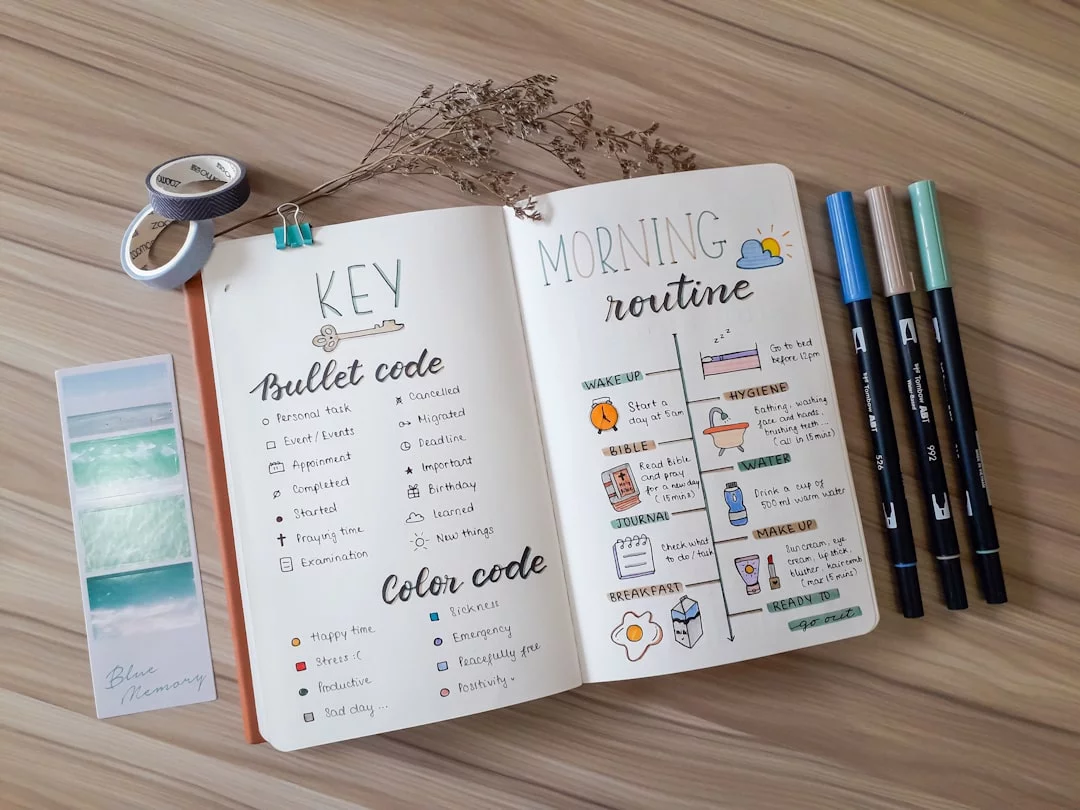
If you’re wondering how to wake your brain up to study, use a short pre-study sequence: get light in your eyes, drink water, move for a few minutes, calm your nervous system, then begin with one easy study action. That last part matters more than most people think. Review yesterday’s notes, answer 3 practice questions, or open your flashcards first — and don’t check your phone before the first study block, because that shifts your attention toward novelty instead of learning. If you want a structured way to start, try FreeBrain’s study tools early in your routine so your first click goes toward work, not scrolling.
How do you wake up brain fog fast?
For how to wake up brain fog, start with the minimum effective routine: bright light exposure, hydration, brief movement, and reduced input for the first few minutes of the day. That means no endless notifications, no rapid app switching, and no trying to “think harder” while half-awake. But wait — if brain fog is severe, persistent, or comes with other symptoms, treat this as an educational starting point only and follow up with a qualified healthcare professional.
What is the best morning exercise for the brain?
What is the best morning exercise for the brain? Usually, it’s the one you’ll actually repeat: brief movement that raises alertness without adding friction or draining you before work. Good options include a brisk 2-5 minute walk, one flight of stairs repeated a few times, a short mobility flow, or basic bodyweight moves like squats and marching in place. Personally, I think consistency beats intensity here, which is why the scientifically proven best morning routine usually includes movement that’s easy to start, not impressive to watch.
Is sunlight good for your brain in the morning?
Yes — is sunlight good for your brain in the morning is one of those questions where the answer is pretty clear: morning light helps signal your circadian timing and can support alertness. Outdoor light is usually much stronger than indoor light, even on cloudy days, which is why stepping outside for a few minutes often works better than sitting near a window. Research summarized by the National Institute of General Medical Sciences explains how light helps regulate circadian rhythms, and that timing affects how awake you feel.
What is a low dopamine morning routine?
What is a low dopamine morning routine? A better way to think about it is a low-stimulation morning setup, not a medical dopamine treatment or brain hack. It usually means delaying scrolling, reducing notifications, keeping music or media simple, and using clear cues like water on your desk, clothes laid out, or notes already open. OK wait, let me be precise: the goal isn’t to “fix dopamine,” it’s to lower early-morning overstimulation so your attention is easier to aim.
What is the best morning routine for students?
What is the best morning routine for students? Usually a 10-15 minute setup that improves study readiness beats a long wellness checklist you can’t sustain. A solid version looks like this: light, water, a few minutes of movement, one calming reset, then a first-task launch such as reviewing notes, doing recall from memory, or solving 3-5 practice questions. And here’s the kicker — the scientifically proven best morning routine for students is rarely the fanciest one; it’s the one that gets you into focused work fast. For more on why light helps, see the CDC overview of circadian rhythm.
Conclusion
The big idea is simple: you don’t need a 5 a.m. alarm to build a brain-friendly morning. What works best is a short sequence you can actually repeat: get light exposure soon after waking, move your body for 5 to 10 minutes, delay instant digital overload, and start with one clear task instead of ten half-starts. Add a steady wake time and a simple first-hour plan, and you’ve got something much closer to the scientifically proven best morning routine than any extreme “rise and grind” script.
And honestly, that should feel like a relief. If your mornings have been messy, inconsistent, or rushed, you’re not broken — you’re probably just trying to follow routines built for someone else’s life. Start smaller than you think. Pick one anchor habit today, stack a second one next week, and let consistency do the heavy lifting. That’s the part most people skip. But it’s also the part that changes your focus the fastest.
If you want help turning this into something practical, explore more on FreeBrain.net. You might start with how to focus better while studying for deeper concentration strategies, or read best study routine for students to build a full day that supports your brain instead of draining it. Your best morning doesn’t need to be earlier. It needs to be repeatable. Build your routine, test it for a week, and make tomorrow easier on purpose.