If you want breathing exercises for beginners that actually help in the next 30 to 120 seconds, start here. You don’t need incense, a meditation app, or a 20-minute routine — you need the right breathing pattern for the problem in front of you: stress, scattered attention, work tension, or that shaky pre-study feeling.
Breathwork is everywhere right now. But wait. Most advice is weirdly vague, and that’s the part most people get wrong. When your heart is racing before an exam, your mind blanks in a meeting, or you’re stuck in a stress spiral like the one I describe in this amygdala hijack guide, you don’t need “just breathe” — you need a method that fits the moment.
And yes, there’s a real reason this works. Your breathing is one of the few things you can change on purpose that can quickly influence arousal, attention, and how calm or activated you feel, which is why the NCBI overview of diaphragmatic breathing keeps showing up in stress-management discussions. Question is, which technique should you use first? Box breathing for focus? 4 7 8 breathing for stress? Slow belly breathing when you’re overloaded?
That’s what this guide will help you answer. You’ll get 7 evidence-based breathing exercises for beginners, a quick way to choose the best breathing techniques for stress and focus, and clear recommendations for common situations like studying, meetings, deadlines, and panic-like symptoms. Speaking of which — if your main goal is sharper concentration, this connects closely to our attention and working memory guide, because calming your system often makes it easier to direct attention where you want it.
I’m a software engineer, not a clinician, and I’ve tested these breathing techniques before studying, during deep work blocks, and under stressful deadlines while building FreeBrain tools. So this won’t be vague wellness talk. It’s a practical, scenario-based guide to breathing exercises for stress relief and concentration — including what to avoid if certain methods make you dizzy, lightheaded, or more anxious.
Quick note: this article is educational, not medical advice. If you have asthma, a respiratory or heart condition, frequent panic attacks, or symptoms that feel severe, talk with a qualified healthcare professional before trying aggressive breath-control methods.
📑 Table of Contents
- Start Here: Pick the Right Breath Fast
- Why Breathing Changes Stress So Fast
- 7 Breathing Exercises for Beginners
- Use the Right Technique in Real Life
- Mistakes to Avoid and a 2-Minute Habit
- Frequently Asked Questions
- What is the most effective breathing technique for stress?
- Which breathing exercise works fastest for stress?
- How does box breathing help with focus?
- Is 4-7-8 breathing good for anxiety?
- What is the difference between box breathing and deep breathing?
- How do you do diaphragmatic breathing correctly?
- Can breathing exercises improve concentration?
- Can breathing exercises make dizziness worse?
- Conclusion
Start Here: Pick the Right Breath Fast
So now to the practical part. Breathing is popular because it can change how stressed or scattered you feel fast—often in 30 to 120 seconds when you use the right pattern for the moment. For more on stress and sleep, see our stress and sleep guide.
As a software engineer, I started testing these during study blocks, deadline crunches, and mentally heavy work. And yes, some worked better before coding or exams than others. If stress is already snowballing, breathing can help interrupt that spiral much like the first step in this amygdala hijack guide, and that often makes attention easier to recover, which I explain more in this better focus practical guide.
📋 Quick Reference
Evidence is stronger for slow breathing, diaphragmatic breathing, and autonomic regulation broadly than for every branded protocol equally. This is educational, not medical advice. If you have panic disorder, asthma, COPD, POTS, cardiovascular disease, pregnancy-related concerns, or persistent symptoms, consult a qualified professional.
Use the comparison table first
If you want breathing exercises for beginners, start by matching the tool to the situation. Before an exam? During a tense meeting? After a stressful email? Different moments need different rhythms.
| Technique | Best use case | Time | Difficulty | Holds? | Best for |
|---|---|---|---|---|---|
| Physiological sigh | Sudden stress spike | 1-3 cycles | Easy | No | Calm |
| Box breathing | Meetings, steady focus | 1-3 min | Medium | Yes | Both |
| 4-7-8 | Restless, keyed up | 1-4 min | Medium | Yes | Calm |
| Diaphragmatic | True beginners | 2-5 min | Easy | No | Both |
| Coherent breathing | Study prep | 3-5 min | Easy | No | Both |
| Paced breathing | Desk stress | 1-5 min | Easy | No | Calm |
| Extended exhale | Hold-sensitive people | 1-3 min | Easy | No | Calm |
For the best breathing techniques for stress and focus, speed matters. A physiological sigh may work in seconds, while breathing exercises for stress relief and concentration like paced or coherent breathing usually need 1 to 5 minutes.
How to choose based on your situation
Here’s the 10-second rule. Sudden stress? Use a physiological sigh. Need calm but also usable focus for work? Try box breathing. Feel agitated and can’t settle? Use 4-7-8. Brand new to this? Start with diaphragmatic breathing.
- Before studying: coherent breathing
- Before a meeting: box breathing
- After a stressful email: physiological sigh, then extended exhale
If you’re asking which breathing exercise works fastest for stress, it’s usually the physiological sigh. For breathing techniques before studying, I like one sigh followed by 1 minute of extended-exhale breathing, especially when you want better attention and working memory instead of just feeling relaxed.
Evidence, limits, and safety in plain English
Broad evidence supports slow breathing for stress regulation and autonomic balance, including summaries from NCCIH on relaxation techniques and Harvard Health on breath control and stress response. Research suggests breathing can lower arousal and help concentration, but it doesn’t cure anxiety disorders or replace care.
But wait—more isn’t always better. Aggressive overbreathing or long holds can worsen dizziness, tingling, or panic sensations in some people. Stop if you get chest pain, faintness, worsening dizziness from breathing exercises, or escalating panic symptoms.
Next, let’s look at why breathing changes stress so fast in the first place.
Why Breathing Changes Stress So Fast
Now that you’ve picked a starting pattern, here’s why it can work so quickly. When stress spikes, your breathing often gets faster and shallower, which can amplify the body’s alarm state and feed the kind of mental tunnel vision described in our amygdala hijack guide.
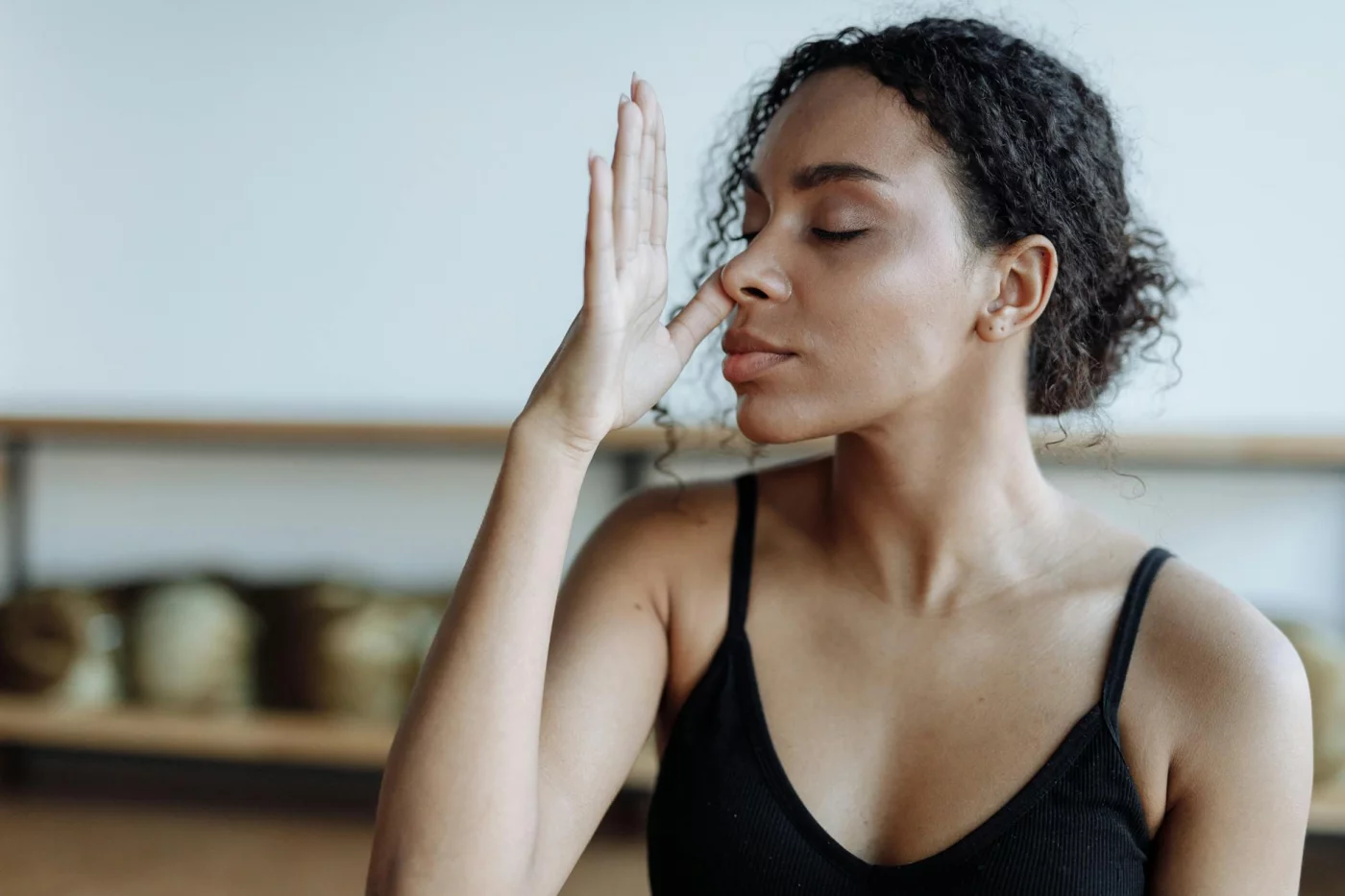
That loop matters. Faster breathing can make urgency feel more real, while steadier breaths can help shift you toward the parasympathetic nervous system — the “downshift” side of your stress response — and support clearer attention, which is why this also connects to our better focus practical guide. For many people, breathing exercises for beginners work not because they’re mystical, but because they change body signals the brain is constantly reading.
What a slower exhale does
In simple terms, inhale tends to be slightly more activating, and exhale tends to be slightly more settling. Not magic. Just physiology.
Research on slow breathing often looks at roughly 5-6 breaths per minute because that range may support autonomic regulation and heart rate variability, a marker linked to flexible stress response. The review on slow breathing in Frontiers in Human Neuroscience explains how this may involve the vagus nerve and parasympathetic nervous system, though responses vary by person and context. And yes, deep breathing vs box breathing matters: “deep breathing” usually means slower, gentler breaths, while box breathing adds equal timing on each side of the breath cycle.
Why overbreathing can backfire
But wait. More air isn’t always better.
Overbreathing means breathing too deeply, too quickly, or too forcefully. That can drop carbon dioxide too much and trigger symptoms like:
- dizziness
- tingling fingers
- air hunger
- chest tightness
- feeling unreal or more panicky
If you get dizziness from breathing exercises, stop forcing “big” breaths and return to a gentler nasal pace. The Cleveland Clinic’s explanation of hyperventilation symptoms is a useful reference for how to breathe to calm down fast without overshooting.
Why calmer breathing can help focus
When your stress load drops, working memory often works better. That’s the short version.
A student before an exam, a developer before debugging, or a knowledge worker before a presentation all need the same thing: less noise, more control. Slower breathing can reduce excess arousal so you have more bandwidth for attention and working memory, which is a big reason breathing exercises for beginners can help with stress and concentration before study or deep work.
Next, I’ll show you 7 beginner-friendly techniques and when each one makes the most sense.
7 Breathing Exercises for Beginners
Now you’ve got the why. Here are the breathing exercises for beginners that actually fit real life, whether you’re trying to stop a stress spike, think clearly, or settle before studying. Research on slow breathing and autonomic regulation, including summaries in a PubMed Central review on slow breathing, suggests cadence matters more than “taking huge breaths,” which is why these patterns work better than random deep breathing.
If stress hits fast, start with the fastest option. If you need steadier attention, use a slower rhythm instead. And yes, that difference matters if you’re dealing with an amygdala hijack guide kind of moment or trying to shift into work using our better focus practical guide.
How to choose and use these patterns
- Step 1: Match the technique to the situation: sudden panic, steady focus, study prep, or work stress.
- Step 2: Keep the breath easy, not dramatic.
- Step 3: Stop or shorten the count if you feel dizzy, air hunger, or more anxious.
1) Physiological sigh
Inhale through your nose, take a second short top-up inhale, then do one long slow exhale through your mouth. Repeat 1-3 times. Best for sudden stress, pre-exam nerves, or a brutal notification. Time: 10-30 seconds. Caution: don’t hammer it for minutes if you get lightheaded.
2) Box breathing
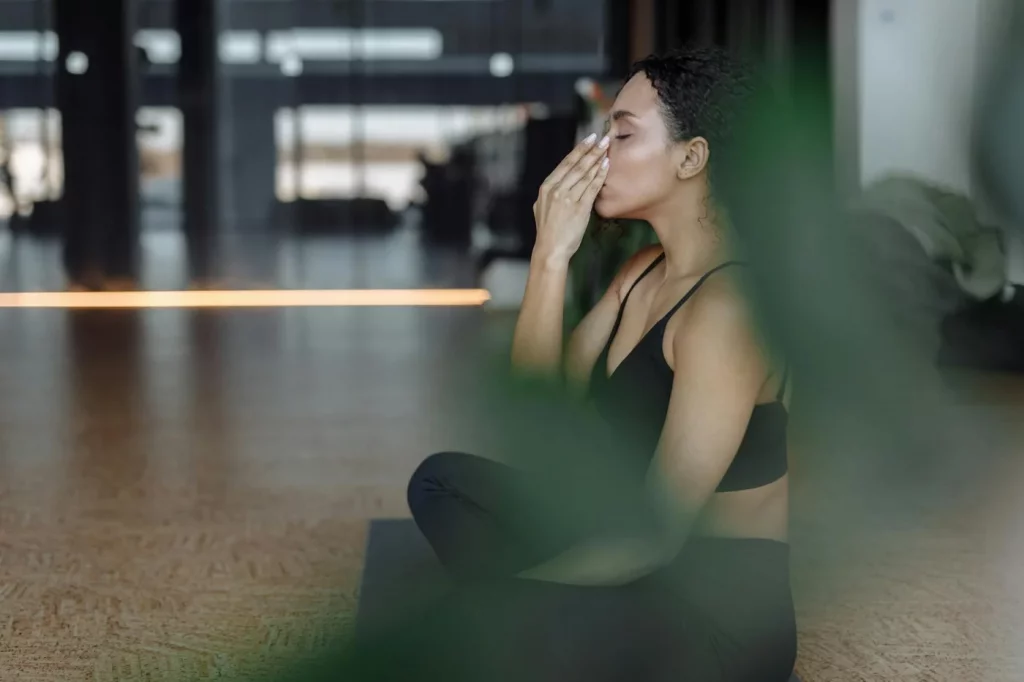
Inhale 4, hold 4, exhale 4, hold 4 for 3-5 rounds. This is solid box breathing for focus during meetings, presentations, or when your attention feels jumpy. Time: 1-3 minutes. Caution: if holds make you tense, skip to extended-exhale breathing.
3) 4-7-8 breathing
Inhale 4, hold 7, exhale 8. Start with 2-4 cycles, not 10. Good when you feel keyed up and can’t settle. Time: 1-2 minutes. Caution: beginners or anxious readers should shorten the counts if dizziness shows up.
4) Diaphragmatic breathing
Put one hand on your chest and one on your belly. Breathe so the lower hand rises more than the upper one. This is the best starting point for anxiety-sensitive beginners and for learning diaphragmatic breathing for anxiety and focus. Time: 2-5 minutes. Caution: don’t force giant breaths.
5) Resonance or coherent breathing
Try 5 seconds in and 5-6 seconds out, ideally through the nose. Best before deep work or study blocks because it supports calm without making you sleepy; it pairs well with our guide on attention and working memory. Time: 3-10 minutes, though 2 minutes can work as a transition. Caution: if 5-6 breaths per minute feels strained, speed up slightly. For background, NIH coverage on slow breathing and the brain is a useful primer.
6) Simple paced breathing
Use an easy rhythm like 3 in, 4 out or 4 in, 5 out, with no holds. Best for breathing exercises for work stress, commuting, or regulating discreetly at your desk. Time: 1-5 minutes. Caution: keep it comfortable; this isn’t a test.
7) Extended-exhale breathing
Inhale 4 and exhale 6. Later, try 4 in and 8 out if it stays easy. This is often the best breathing exercise for anxiety attack feelings when breath holds feel too intense. Time: 1-3 minutes. Caution: if long exhales create air hunger, shorten the ratio.
- Fastest calm-down: physiological sigh
- Best during meetings: box breathing or simple paced breathing
- Best before studying: resonance breathing
- Best for anxiety-sensitive beginners: diaphragmatic or extended-exhale breathing
So which one should you use in real life, and when does one backfire? That’s the next piece.
Use the Right Technique in Real Life
You’ve seen the menu. Now the useful question is simpler: which of these breathing exercises for beginners fits this exact moment? From experience building focus routines, the best method wasn’t “the best” overall — it was the one that interrupted the stress loop fastest, especially during an amygdala hijack guide kind of moment.

- Deep diaphragmatic breathing: easiest foundation
- Box breathing: more structured, better for focus
- 4-7-8: often more calming, but too intense for some beginners
If you’re wondering about deep breathing vs box breathing, here’s the plain-English answer: one is looser, one is counted. And that structure can help shift attention control, which matters for attention and working memory. Research on slow breathing suggests it can support stress regulation and autonomic balance, as summarized in a review on slow breathing and physiology.
Before studying or an exam
The best breathing exercise before studying is usually not the sleepiest one. Try 1 physiological sigh, then 60 to 120 seconds of coherent or extended-exhale breathing, about 4 seconds in and 6 seconds out. That’s often enough to lower urgency before opening notes or starting a practice test, and it pairs well with test anxiety study skills.
During meetings or work stress
For breathing exercises for work stress, keep it discreet. Box breathing works well, but a desk-friendly version is even easier: breathe through your nose for 3 seconds in, 4 seconds out while reading or listening. This isn’t about forced productivity. It’s about getting steady enough to think clearly.
If panic symptoms or dizziness show up
But wait. If symptoms spike, don’t force huge breaths or long holds. Breathing exercises for beginners can backfire here and make dizziness feel worse, so switch to gentler nasal breathing, stop the drill, and ground your eyes on stable objects. If episodes keep happening — especially with panic disorder, asthma, COPD, POTS, or heart concerns — consult a qualified clinician. Next, I’ll show you the mistakes that trip people up and a 2-minute habit that actually sticks.
Mistakes to Avoid and a 2-Minute Habit
Using the right method in real life matters. But a few common errors can make breathing feel worse, not better—especially when you’re just starting pomodoro for ADHD tweaks or building a study routine.
Common mistakes that backfire
The big ones are simple: breathing too deeply, too fast, through your mouth by default, or forcing long holds. That can increase dizziness from breathing exercises because your breath cadence gets pushed out of sync, and you may blow off too much carbon dioxide.
- Use gentle nasal breathing when possible.
- Don’t chase a huge inhale.
- Skip long breath holds if they make you tense.
- Don’t expect instant calm; aim for “a little steadier.”
And yes, using the wrong technique for the goal matters. A calming pattern before sleep isn’t always the best choice for focus or pre-meeting energy.
A 2-minute habit that actually sticks
Pick one anchor: after opening your laptop, before a Pomodoro, after a stressful email, before a meeting, or before a study sprint. Then use a tiny routine: 1 physiological sigh, 1 minute of extended exhale breathing, then 30 seconds of normal breathing with a simple breathing timer.
What to do next
Try this progression: Week 1, do diaphragmatic or paced breathing for 2 minutes once daily. Week 2, add it before study or meetings. Week 3, test one faster reset and one focus method for 3-5 days in the same context so you can compare fairly.
Personally, I think the best breathing exercises for beginners are the ones you can do comfortably and repeat without friction. Next, let’s answer the practical questions people usually have about stress, focus, and what to try first.
Frequently Asked Questions
What is the most effective breathing technique for stress?
There isn’t one universal winner. When people ask what is the most effective breathing technique for stress, the real answer depends on your goal: fast calming, steady focus, or gentle regulation. For sudden stress spikes, the physiological sigh is often a strong first option; for a softer, more beginner-friendly approach, extended-exhale breathing or diaphragmatic breathing usually works better.
Which breathing exercise works fastest for stress?
If you’re wondering which breathing exercise works fastest for stress, the physiological sigh is one of the quickest options because it can help within 1-3 cycles. But wait — fastest doesn’t mean best for everyone. Some people, especially those trying breathing exercises for beginners, feel better with simple longer exhales like inhaling for 4 and exhaling for 6.
How does box breathing help with focus?
How does box breathing help with focus? It gives your attention a simple structure: inhale, hold, exhale, hold, all for equal counts. That steady rhythm can help settle arousal before meetings, studying, presentations, or mentally demanding work, and many people find the brief holds grounding. If holds make you feel tense, though, paced breathing without holds may be a better fit.
Is 4-7-8 breathing good for anxiety?
For some people, yes — is 4 7 8 breathing good for anxiety depends on how your body responds to slow breathing and breath holds. It may help you feel less keyed up, especially at night or when you’re restless, but the long hold can feel intense for beginners or for people who are sensitive to panic-like sensations. A shorter version, like 3-3-6 or 4-4-6, is often easier to start with.
What is the difference between box breathing and deep breathing?
What is the difference between box breathing and deep breathing? Deep breathing is a broad category, usually meaning slower, fuller breaths — often diaphragmatic breathing that expands the belly more than the chest. Box breathing is much more specific: it uses equal inhale, hold, exhale, and hold counts, such as 4-4-4-4. So one is a general style, and the other is a defined pattern.
How do you do diaphragmatic breathing correctly?
If you’re asking how do you do diaphragmatic breathing correctly, start by putting one hand on your chest and one on your belly. Breathe in gently through your nose and aim for the belly hand to rise more than the chest hand, then exhale slowly without forcing the breath bigger than feels comfortable. The key is a low, easy breath — not a dramatic one — which is why it’s one of the best breathing exercises for beginners. For a basic walkthrough, you can also review guidance from NCBI on diaphragmatic breathing.
Can breathing exercises improve concentration?
Yes, breathing can help attention indirectly, so can breathing exercises improve concentration is really a question about reducing mental noise first. A minute or two of slow breathing before studying, coding, writing, or a meeting can lower stress load and make it easier for your attention to settle on the task in front of you. Personally, I think this is where simple breathing exercises for beginners shine: they’re easy to repeat before any focused work block.
Can breathing exercises make dizziness worse?
Yes — can breathing exercises make dizziness worse is an important question, and the answer is absolutely they can if you breathe too deeply, too quickly, or use long breath holds before you’re ready. If you start feeling lightheaded, stop forcing the exercise, return to normal breathing, and try a gentler pace next time. If dizziness is persistent, severe, or happens often, consult a qualified healthcare professional; FreeBrain’s breathing exercises for beginners guide can help you choose a simpler starting pattern.
Conclusion
If you want this to work in real life, keep it simple. Pick one technique for one job: use a physiological sigh when stress spikes fast, box breathing before a task that needs steady focus, and longer exhales when your body feels keyed up at night. Keep each practice short — even 60 to 120 seconds counts — and avoid the common mistakes we covered: breathing too hard, chasing the “perfect” inhale, or switching methods every day. For most people, the best breathing exercises for beginners are the ones you’ll actually remember to use when it matters.
And honestly, that’s the good news. You don’t need a long routine, a meditation cushion, or perfect discipline. You just need one reliable pattern and a small cue — before studying, after opening your laptop, or right when you notice tension in your shoulders. Thing is, stress management usually improves through repetition, not intensity. Start tiny. Stay consistent. A week from now, your nervous system can feel a little steadier, and your focus can come back faster than you expect.
If you want to build that habit, explore more on FreeBrain.net. You might like How to Focus Better While Studying for practical concentration strategies, or How to Reduce Stress for Students for a bigger-picture system that goes beyond breathing exercises for beginners. Pick one technique, use it today, and give your brain a calmer starting point.