
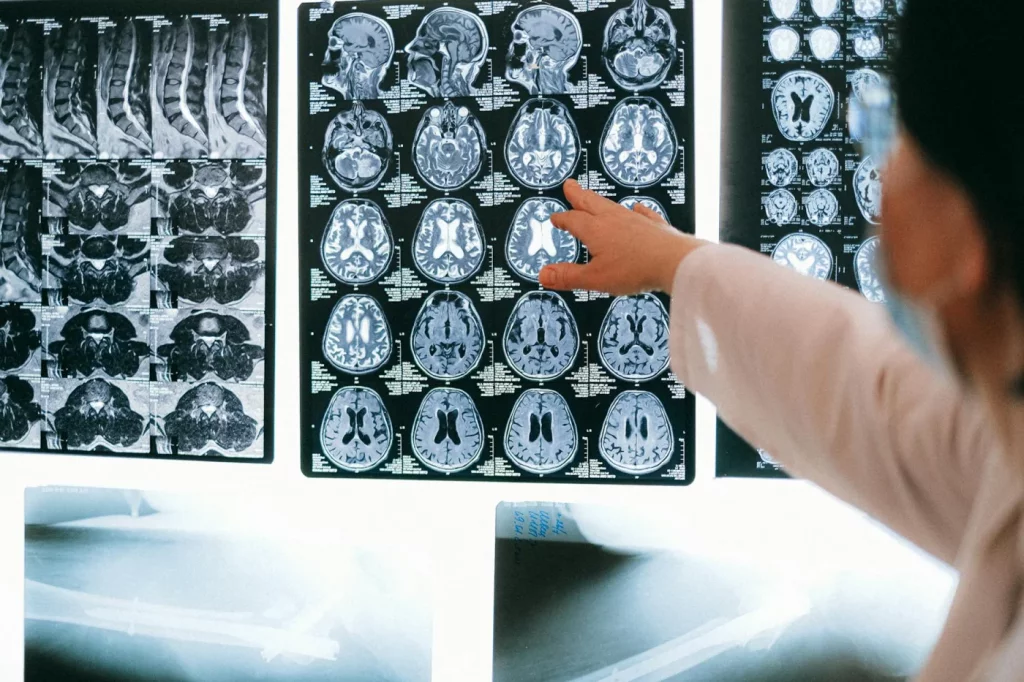
If you’ve ever wondered why you can focus hard one minute and get pulled off task by the smallest sound the next, the answer usually isn’t one “attention center” in your brain. The real story is dorsal attention network vs ventral attention network — two systems that help you aim attention, hold it, and then break it when something grabs you. And once you understand dorsal attention network vs ventral attention network in plain English, a lot of your study struggles start making more sense.
Picture this. You sit down to do deep work, open your notes, and 12 minutes later you’re checking messages, rereading the same paragraph, or thinking about three unrelated problems. Why does that happen even when you’re motivated? Research on large-scale brain systems, including overview research on attention networks, suggests your focus depends on multiple networks coordinating well — not just willpower.
So here’s the deal. This article won’t stop at definitions or throw neuroscience jargon at you. You’ll get a practical model for how brain networks affect attention, learning, distraction, and deep work, with clear links to attention and working memory and to the working memory model explained so you can see why information sticks on some days and slips away on others.
You’ll also get something more useful than a textbook summary: a simple comparison table, a real-world explanation of dorsal attention network vs ventral attention network, and a step-by-step focus routine that connects these systems to the default mode network, executive control network, and salience network. Personally, I think this is the part most people miss. As a software engineer and self-taught learner who built FreeBrain tools and tested evidence-based focus methods in real study and work settings, I care less about sounding technical and more about helping you study better, work deeper, and understand exactly why your focus breaks down.
📑 Table of Contents
- How attention really works
- The 5 networks behind focus
- How networks shape learning
- 6 steps to improve focus
- Quick reference and FAQ
- Frequently Asked Questions
- What is the difference between the dorsal attention network and ventral attention network?
- What brain network controls attention?
- How do attention networks affect learning?
- How does the default mode network affect productivity?
- Which brain network helps you concentrate?
- How can you improve attention network function?
- Why does mind wandering reduce productivity?
- How do brain networks affect deep work and task switching?
- Conclusion
How attention really works
So here’s the deal. Attention doesn’t come from one tiny “focus center” in your brain; it comes from several systems working together. For more on productivity and focus, see our productivity and focus guide.
At the simplest level, the dorsal attention network vs ventral attention network distinction is this: the dorsal system helps you stay locked on a chosen goal, while the ventral system helps you notice unexpected but meaningful changes. If you want the practical version, not just the anatomy, start with FreeBrain’s guides on attention and working memory and what controls memory concentration. We’ll also build toward a comparison table, a simple focus model, and a step-by-step routine you can actually use.
Quick trust note: I’m a software engineer and self-taught learner translating published research into practical tools, not claiming clinical authority. And yes, that matters, because most people don’t need more jargon. They need a model that helps them study better.
The short answer
In plain English, the dorsal network handles goal-directed attention. The ventral network helps reorient attention toward salient events, a distinction also summarized in Wikipedia’s overview of the dorsal attention network and supported by network research indexed by PubMed Central articles on attention systems.
But neither system works alone. What brain network controls attention? Well, actually, that’s the wrong question. Concentration depends on coordination among attention networks in the brain, executive control, salience processing, and default mode activity.
Example? You’re writing an essay and ignoring hallway noise just fine. Then someone says your name, and your brain rapidly shifts.
Why this matters for studying and work
This is where it gets practical. During a 25-minute reading block, a phone buzz can pull you off-task in under 2 seconds, while full re-engagement may take several minutes — especially if working memory is already overloaded, which is why our working memory model explained article matters here.
- Weak goal direction can make you drift.
- Overreactive distraction systems can make every alert feel urgent.
- Fatigue, stress, and poor recovery can make switching costs worse.
And here’s the kicker — once you see how brain networks affect focus and learning, you can stop just “trying harder” and choose better systems instead. That’s also why the next section maps the five networks behind focus before we move into more scientifically proven study techniques for deep work and study blocks.
The 5 networks behind focus
So if attention is the moment-to-moment process, these networks are the larger systems coordinating it. And the useful version of the dorsal attention network vs ventral attention network debate is practical: one helps you stay on target, the other helps you reorient when something important changes.

Cognitive neuroscience treats these as large-scale, interacting systems rather than simple on/off switches, which matters if you’re trying to improve attention and working memory in real study sessions.
📋 Quick Reference
The best focus isn’t one network staying active forever. It’s smooth switching: salience flags what matters, dorsal attention stays on task, executive control holds goals and rules, ventral attention interrupts only for relevant change, and default mode returns during breaks, reflection, and planning.
A quick comparison table
| Network | Main job | Helps with | Common failure mode | Practical support |
|---|---|---|---|---|
| Dorsal attention | Sustain target selection | Reading, tracking a problem set | Drifting to tabs | Clear visual target, one-tab work |
| Ventral attention | Interrupt and reorient | Noticing a real error | Overreacting to novelty | Fewer alerts, phone away |
| Executive control | Hold goals and rules | Keeping a math rule active | Losing the task rule | working memory model explained, retrieval practice |
| Salience | Prioritize what matters | Deciding if a ping matters | Stress tags everything urgent | dopamine motivation and focus, task cues |
| Default mode | Internal thought, simulation | Future planning, meaning-making | Mind wandering at the wrong time | Breaks, reflection, sleep |
For background, the default mode network overview on Wikipedia is a decent starting point, and the attention network framework summarized in PubMed Central shows why these models are useful simplifications.
How they work together in real sessions
Picture a 45-minute block. Salience marks the task as worth doing, dorsal locks onto the page, executive control keeps the question active, ventral attention stays quiet unless something truly relevant appears, and default mode comes back during the break for reflection.
The failure version? Open tabs, message pings, vague goals, and stress. Even short interruptions can leave attention residue, so the next few minutes feel slower and sloppier.
- Best case: intentional switching
- Worst case: constant reorienting
- What you notice: lower accuracy, weaker encoding, more rereading
From experience: the model that helps most
After building FreeBrain tools, I think the most useful model isn’t “try harder.” It’s reduce false salience and strengthen goal cues first. Students usually improve faster when they change setup before chasing stamina.
That means one-tab sessions, a visible prompt, and a 30-second distraction review after each block. Which brings us to learning: once these networks are coordinated, the next question is how that changes what actually sticks.
How networks shape learning
Those five networks don’t just control focus in the moment. They shape what actually sticks. In the attention and working memory loop, the real issue in the dorsal attention network vs ventral attention network isn’t abstract brain theory—it’s whether useful information gets encoded before distraction steals the slot.
Encoding, working memory, and distraction
Attention works like a gate. If you’re solving chemistry problems, then checking social media every three minutes, you keep dropping the rule set you were holding in mind. And working memory is tiny, as explained in our working memory model explained article, so competing inputs overload it fast.
That’s why brain networks and study performance are tightly linked. Rereading feels easy, but retrieval practice usually works better because it forces active reconstruction instead of passive recognition.
- Fewer interruptions = better encoding
- Active recall = stronger later retrieval
- Interleaving beats mindless review for durable learning
When mind wandering helps or hurts
Mind wandering isn’t always failure. Research on the default mode network suggests internal thought supports planning, memory integration, and insight. But during dense reading or a lecture, drifting thought usually hurts comprehension.
So here’s the deal: focus for input, wander during recovery, then come back with a target. If you want practical ways to do that, these scientifically proven study techniques pair active recall with smarter task switching.
A note on stress, sleep, and overload
Poor sleep, stress, and anxiety can make irrelevant cues feel urgent, which scrambles how brain networks affect attention. Educational material from the National Institute of Mental Health on stress is useful here. And if concentration problems are persistent, impairing, or tied to burnout, sleep loss, or anxiety, consult a qualified healthcare professional.
That’s the practical meaning of dorsal attention network vs ventral attention network for learning: what you attend to becomes what you can remember. Which brings us to the next question—how do you train these systems day to day?
6 steps to improve focus
So here’s the practical part. If the previous section explained how networks shape learning, this is how you use that model day to day—especially when you’re comparing the dorsal attention network vs ventral attention network in real work, not just theory.

Think of it this way: your goal is to keep top-down focus active while making bottom-up distraction less tempting. That’s the same logic behind attention and working memory and many scientifically proven study techniques.
Step 1-3: Set the target and reduce noise
How to improve focus today
- Step 1: Set one visible target before you start, like “solve 8 calculus problems” or “draft 300 words.” Clear goals help the goal-directed network stay locked on one task.
- Step 2: Remove novelty cues. Silence notifications, close extra tabs, and keep only needed materials open. Why? The ventral system is built to notice change.
- Step 3: Match session length to fatigue: 25 minutes if you’re distractible, 45-50 if your quality holds. Shorter blocks often protect cognitive performance better than forcing marathon sessions.
And yes, setup matters more than people think. If distraction keeps breaking encoding, review this working memory model explained article; it makes the brain networks behind focus and deep work much easier to apply.
Step 4-6: Learn actively and recover well
- Step 4: Use retrieval, not rereading. Self-testing, blurting, and practice questions strengthen learning because effortful recall beats passive exposure.
- Step 5: Protect sleep and stress. Tired brains react more to irrelevant cues, and evidence summarized by the NCBI overview of sleep deprivation effects shows attention control drops fast when recovery slips.
- Step 6: End with a 1-minute distraction review. Note what pulled you off task: phone checks, unclear goals, boredom, or avoidance.
Common mistakes to avoid
Most people blame willpower. But wait—often it’s a setup problem. Other misses: using 90-minute sessions when quality dies after 20-30, confusing passive review with learning, ignoring sleep debt, and trying to multitask on demanding work.
That’s the useful version of dorsal attention network vs ventral attention network: build conditions that support one and stop triggering the other. Next, I’ll condense this into a quick reference and FAQ you can scan in under a minute.
Quick reference and FAQ
You’ve got the six-step plan. Now let’s compress it into something you can scan in under a minute and actually use this week.
Think of dorsal attention network vs ventral attention network as the core contrast: one aims your focus, the other flags what might need it. For a deeper link between focus and learning performance, see attention and working memory.
Quick reference summary
📋 Quick Reference
- Dorsal network: goal-directed focus. Support it with one clear target and a timed block.
- Ventral network: interrupt detection. Support it by reducing alerts, tabs, and visual cues.
- Executive control: holds the rule. Use a written task rule: “finish 10 recall questions first.”
- Salience network: prioritizes what matters. Tie work to stakes, reward, or relevance.
- Default mode: supports internal thought. Use breaks and short reflection reviews.
7-day checklist: pick one block length, one distraction change, and one active method like retrieval practice.
- One target
- Fewer cues
- Timed block
- Retrieval
- Break
- Review
If concentration problems are persistent, severe, or affecting daily life, talk with a qualified professional. This is educational, not medical advice.
What the research supports
Systems neuroscience strongly supports interacting large-scale networks in attention and cognitive control. Research using fMRI and brain connectivity methods consistently finds coordinated roles for dorsal, ventral, executive, salience, and default mode systems.
But wait. These are simplified maps, not exact switches. Exact boundaries vary across studies, and no single routine improves focus for everyone. So use dorsal attention network vs ventral attention network as a practical framework for better habits, not a rigid brain myth.
Next up, I’ll answer the most common questions and help you build a personalized focus system with FreeBrain’s evidence-based guides.
Frequently Asked Questions
What is the difference between the dorsal attention network and ventral attention network?
The simplest way to understand dorsal attention network vs ventral attention network is this: the dorsal system helps you focus on what you already decided matters, while the ventral system helps you notice something unexpected that may need attention. One supports goal-directed focus; the other supports reorienting when the environment changes. In real work or study sessions, that means one network helps you stay on task and the other helps you break focus when needed instead of missing something important.

What brain network controls attention?
No single system answers the question what brain network controls attention, because attention is a coordinated process rather than a one-network job. Research suggests it emerges from interaction among the dorsal attention network, ventral attention network, executive control systems, and salience-related systems that help prioritize what matters. And the default mode network matters too, since internally focused thought can either disrupt performance or support planning and memory depending on when it shows up.
How do attention networks affect learning?
If you’re wondering how attention networks affect learning, the short answer is that they shape what gets selected, held in working memory, and encoded for later recall. Frequent distraction hurts learning because your brain keeps reorienting instead of stabilizing the target material long enough to build strong memory traces. Personally, I think this is why active recall works so well: it pushes goal-relevant processing and helps the brain keep returning to the right information rather than passively drifting.
How does the default mode network affect productivity?
The connection between default mode network and productivity is all about timing. The default mode network is linked to internal thought, memory, and mental simulation, so too much untimed mind wandering during demanding work can reduce output and increase mistakes. But during breaks, reflection and idea generation can be useful, and research from the NCBI Bookshelf overview of the default mode network suggests this system plays a real role in internally directed cognition that can support later performance when used at the right moment.
Which brain network helps you concentrate?
When people ask which brain network helps you concentrate, they’re usually looking for one answer, but concentration is more of a team effort. The dorsal attention network and executive control network do a lot of the heavy lifting, while the salience network helps decide what deserves priority right now. So here’s the deal: good concentration usually comes from several systems working together, not one isolated circuit doing everything by itself.
How can you improve attention network function?
The best answer to how to improve attention network function is surprisingly practical:
- Set clear task goals before you begin, so your brain has a stable target.
- Reduce novelty cues like notifications, open tabs, and visible distractions.
- Work in realistic intervals and use retrieval practice instead of only rereading.
- Protect sleep and stress recovery, because tired brains are easier to pull off course.
And yes, this matters more than motivation speeches. If you keep getting distracted, review the setup itself and fix the trigger points instead of assuming your willpower is the problem. For a practical next step, you can pair this with FreeBrain’s focus and study tools to make your environment do more of the work for you.
Why does mind wandering reduce productivity?
The main reason behind why does mind wandering reduce productivity is that it pulls processing away from the current task and weakens working memory and encoding. The cost is highest during reading, problem solving, and other input-heavy work where you need to hold details in mind long enough to connect them. But wait, mind wandering isn’t always bad; it’s just expensive when it happens at the wrong time instead of during a planned break or reflection window.
How do brain networks affect deep work and task switching?
The brain networks behind focus and deep work depend on stable goal signals, low interruption pressure, and enough time for the task set to stay active. Task switching adds cognitive overhead because the brain has to reload goals, rules, and context each time you jump, which is one reason the difference in dorsal attention network vs ventral attention network matters so much: one helps maintain focus, while the other helps redirect it when something new breaks in. Reducing unnecessary switches often improves output faster than simply working longer hours, which is why batching similar tasks usually beats constant multitasking. For more on how attention systems interact with distraction and control, the American Psychological Association’s overview of attention is a useful starting point.
Conclusion
If you remember four things, make them these: your focus isn’t powered by one “attention muscle,” but by multiple brain networks working together; the dorsal attention network helps you stay locked on a chosen task, while the ventral attention network pulls your attention toward new or unexpected information; your study setup matters because every notification, tab, and visual distraction gives that bottom-up system more chances to interrupt you; and the fastest way to improve concentration is to train both systems with simple habits like clear task goals, distraction reduction, timed focus blocks, retrieval practice, and deliberate reset breaks. That’s the practical value of understanding dorsal attention network vs ventral attention network — you stop blaming yourself and start designing better conditions for focus.
And honestly, that shift matters. A lot. If your attention has felt messy lately, that doesn’t mean you’re lazy or “bad at focusing.” It usually means your brain is responding exactly the way brains do when the environment is noisy, the task is vague, or your energy is low. The good news? These systems are trainable. Small changes, repeated consistently, can make studying feel less like a fight and more like something you can actually steer.
So here’s your next move: pick one strategy from the six-step plan and use it today. Then keep building from there. If you want more practical help, explore FreeBrain’s guides on how to focus while studying and active recall vs passive review. The more you understand how your attention systems work together, the easier it gets to study with intention, protect your mental energy, and make real progress. Start small, stay consistent, and train your focus on purpose.