

If you’re trying to figure out the hustle culture meaning, here’s the short version: it’s the belief that your value comes from constant output, constant improvement, and never really switching off. On the surface, that can look like ambition. But when rest feels guilty, every break feels “wasted,” and your brain is always scanning for the next task, the hustle culture meaning stops being inspiring and starts becoming a trap.
You’ve probably felt it. You check Slack during lunch, answer emails at night, reopen your notes after saying you’re done, or turn a walk into a podcast-and-productivity stack because plain rest feels wrong. And here’s the kicker — that nonstop mode doesn’t just drain you emotionally; it can also hurt focus, memory, and learning by overloading attention and working memory and reinforcing compulsive reward loops tied to dopamine and learning habits.
This article will make the hustle culture meaning clear, fast. You’ll see the difference between toxic productivity vs healthy ambition, learn the most common signs of toxic productivity, and spot real-world examples in school, work, freelancing, and social media. I’ll also walk you through why hustle culture is toxic for so many people, what the psychology behind it looks like, and a practical 7-step plan for how to recover from toxic productivity without giving up your goals.
Personally, I think this is the part most people get wrong: hard work itself isn’t the problem. Temporary intense effort can be useful. The problem is when pressure, self-worth, and performance get fused together — a pattern that research from the American Psychological Association on stress has long linked to mental and physical strain.
I’m a software engineer, not a neuroscientist. But after building FreeBrain tools for self-learners and testing what actually helps people study and work better, I’ve learned one thing pretty quickly: effective productivity has to be sustainable, not compulsive. So let’s separate healthy drive from burnout bait and give you a way out that actually works.
📑 Table of Contents
- Start here: what’s really going on
- Hustle culture meaning and why it turns harmful
- Signs, examples, and what to avoid
- Healthy ambition vs toxic productivity
- Recover in 7 steps and reset each week
- Frequently Asked Questions
- What is toxic productivity?
- Is hustle culture harmful?
- How does hustle culture affect mental health?
- What are signs of toxic productivity?
- Can hustle culture cause burnout?
- Why do I feel guilty when I rest?
- What is the difference between healthy ambition and toxic productivity?
- How to recover from toxic productivity?
- Conclusion
Start here: what’s really going on
If the intro felt uncomfortably familiar, that’s the point. You answer Slack during lunch or check your study list in the grocery line, then feel weirdly guilty when you sit still for 20 minutes.
That’s the core hustle culture meaning: a mindset and social norm that praises constant output, visible busyness, and always being “on.” Toxic productivity is the more personal version of that pressure—the belief that your worth depends on doing more, faster, with no real off switch. And here’s the kicker — constant task-switching taxes attention and working memory, which makes learning, focus, and decision-making worse, not better.
But hard work itself isn’t the problem. A tough exam week, a product launch, or a deadline sprint can be healthy when it has edges, recovery, and a clear finish line.
I’m a software engineer, not a clinician, and after building FreeBrain tools for self-learners, I’ve found that systems only help when they reduce overload instead of feeding it. This guide will break down the definition, harms, self-check signs, real-life examples, healthy ambition versus overwork, a 7-step recovery plan, and a weekly reset.
A fast definition you can use
Plainly put, hustle culture meaning comes down to this: busyness gets treated like a moral virtue. If you’re always active, responsive, and optimizing, you look disciplined—even when the work is shallow or unnecessary.
So what is toxic productivity? It’s the internalized version. You overfill your schedule, feel guilty resting, and keep pushing after returns start dropping. Research on reward-driven habits helps explain why constant checking can feel sticky; see FreeBrain’s guide to dopamine and learning habits for the behavior loop behind it.
- Hustle culture = the outside pressure
- Toxic productivity = your behavior and self-talk under that pressure
- Healthy ambition = effort with priorities, limits, and recovery
Why this guide takes a neuroscience angle
Well, actually, this isn’t just a culture issue. Overload, poor recovery, and nonstop checking affect stress regulation, sleep, and working memory, and sleep loss alone is strongly linked with impaired attention and mood in research from the National Center for Biotechnology Information.
Speaking of which — when your nervous system stays keyed up, small demands can trigger bigger reactions. That’s why later we’ll connect hustle culture and mental health to stress reactivity, including patterns similar to what’s described in amygdala hijack explained, and to broader guidance from the American Psychological Association’s stress resources.
Sustainable productivity depends on focus cycles and recovery, not nonstop activation. Which brings us to why this mindset turns harmful so fast.
Hustle culture meaning and why it turns harmful
So here’s the deal. If the last section explained what’s going on, this section answers the harder question: what is the actual hustle culture meaning when it stops being ambition and starts causing damage?
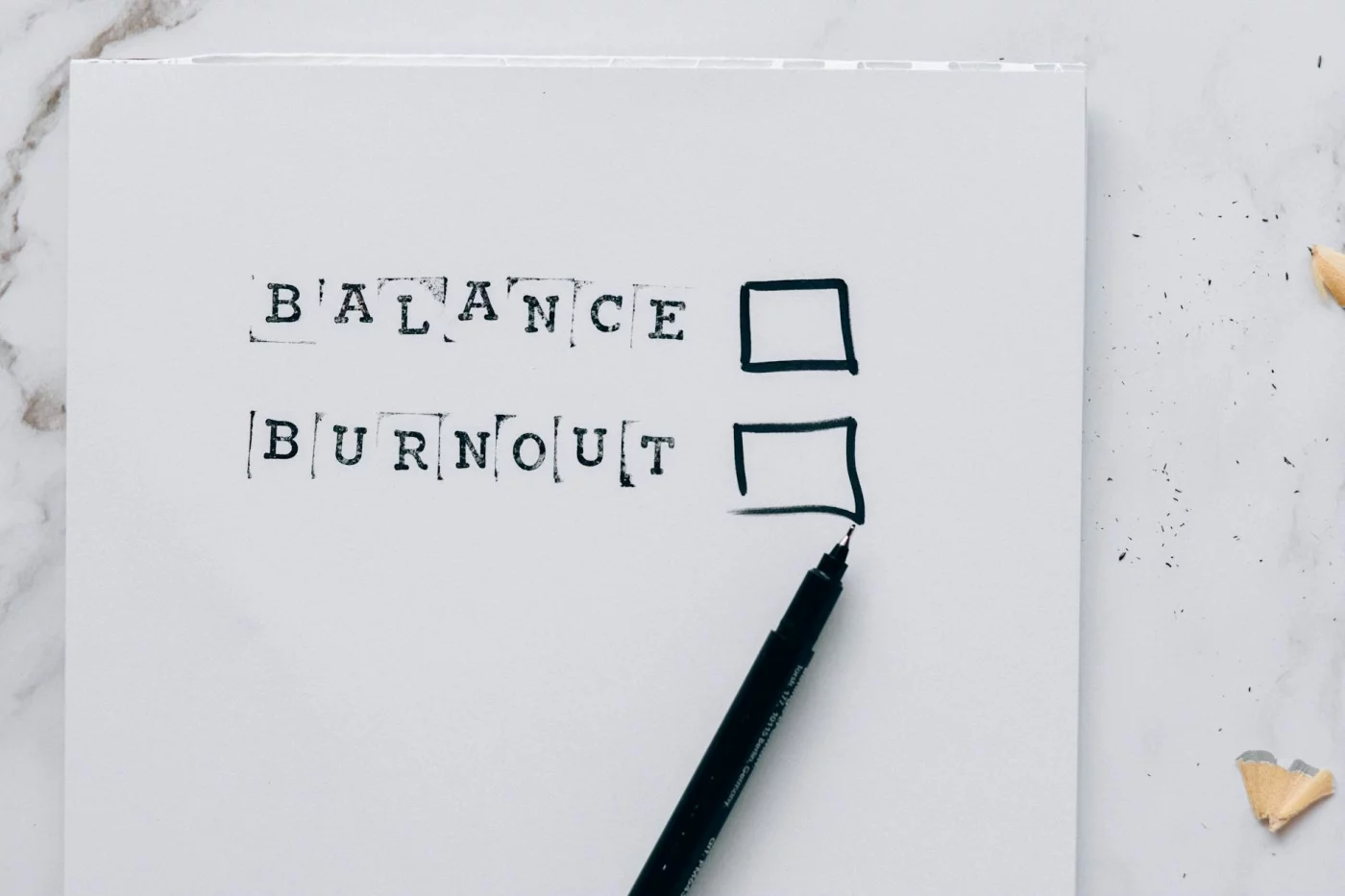
Short answer: yes, hustle culture can become harmful when chronic pressure, poor sleep, and self-worth tied to output replace healthy effort, recovery, and realistic limits. That’s when “working hard” turns into constant strain, fragmented focus, and eventually lower performance.
What chronic pressure does to your brain and body
Research from the American Psychological Association’s stress overview and the CDC’s sleep guidance points in the same direction: chronic stress and short sleep can hurt mood, attention, memory, and physical health. And no, sleep loss doesn’t just make you groggy. It also weakens emotional control and learning efficiency, which is why nonstop task-switching wrecks attention and working memory.
Now this is where it gets interesting. Social feeds, inbox refreshes, streaks, and productivity apps can create short reward loops that feel useful in the moment; our piece on dopamine and learning habits explains why that checking behavior can become sticky fast.
When output becomes your identity
This is the part most people miss. Hustle culture and mental health problems often grow when your value gets fused to grades, billable hours, follower growth, or visible busyness.
Perfectionism can look productive, but often it’s fear in disguise. Some people overwork because stopping brings guilt, and others bounce between overplanning and avoidance; that pattern is common in fear of failure and procrastination.
The systems pushing you to overwork
- Students brag about all-nighters and treat exhaustion like proof of commitment.
- Workers answer messages at 11 p.m. because presenteeism gets rewarded.
- Freelancers feel pressure to monetize every hobby during feast-or-famine months.
So, is hustle culture harmful? It can be, especially when the environment keeps rewarding overextension. Personal habits matter, sure, but school norms, economic insecurity, and social comparison are a huge part of why hustle culture is toxic.
Next, let’s make this concrete with the signs, real-world examples, and patterns you should avoid.
Signs, examples, and what to avoid
So now we move from the hustle culture meaning to what it actually looks like in daily life. And, honestly, this is where people usually recognize themselves a little too quickly.
A quick self-check
If you want fast signs of toxic productivity, scan this in 60 seconds. Constant task-switching also drains attention and working memory, and compulsive checking can get reinforced by the same reward loops discussed in dopamine and learning habits.
- Behavioral: you keep adding tasks after finishing tasks, multitask constantly, skip meals, or cut sleep to stay “on top of things.”
- Emotional: you feel guilty resting, irritable when unproductive, or weirdly empty after a “lazy” evening.
- Cognitive: you can’t stop thinking about work or study, check messages compulsively, and still feel behind after a full day.
If 4 or more feel frequent, the pattern is worth addressing. That doesn’t mean something is “wrong” with you; it means your pace may be running you.
📋 Quick Reference
Red flag pattern: guilt during rest + compulsive checking + sleep disruption + self-worth tied to output.
Rule of thumb: frequent, not occasional, is the issue. Busy week? Normal. Permanent overdrive? Different story.
Real-world examples readers will recognize
Toxic productivity examples are rarely dramatic. They’re ordinary habits that slowly become your identity.
At work, that can mean replying instantly to prove commitment, eating lunch at your desk, staying online after hours, and measuring your value by visible busyness. Research on burnout and work stress summarized by the World Health Organization’s burnout overview helps explain why that “always available” mode wears people down.
In school, examples of toxic productivity in students often look “responsible”: rewriting notes for three hours instead of testing yourself, studying while exhausted, treating every break as laziness, or panic-checking grades. If that sounds familiar, our guide on test anxiety study skills may help separate pressure from effective learning.
Freelancers and self-improvement circles get hit too. You monetize every hobby, stack five habits before breakfast, and turn recovery into another scorecard. And yes, that still counts under the broader hustle culture meaning.
Common mistakes that keep the cycle going
Four mistakes show up again and again:
- Calling all rest “wasted time.”
- Watching productivity content instead of doing the one important task.
- Treating a temporary push season as a permanent lifestyle.
- Ignoring stress signals until your body forces a stop.
But wait. Don’t confuse color-coded planning with recovery. Don’t use rest only to work harder later. And don’t compare your behind-the-scenes to someone else’s highlight reel on social media. Guidance from the American Psychological Association on stress is useful here, especially when pressure starts feeling constant rather than motivating.
⚠️ Important: This is educational, not medical advice. If you’re dealing with persistent anxiety, depression, insomnia, panic, or severe burnout symptoms, consult a qualified healthcare or mental health professional.
Which brings us to the real question: when is strong ambition healthy, and when does it tip into self-damage?
Healthy ambition vs toxic productivity
The hard part is that ambition can look healthy from the outside. But the real hustle culture meaning shows up in what drives you, how you recover, and whether you can stop without guilt.
How to tell the difference fast
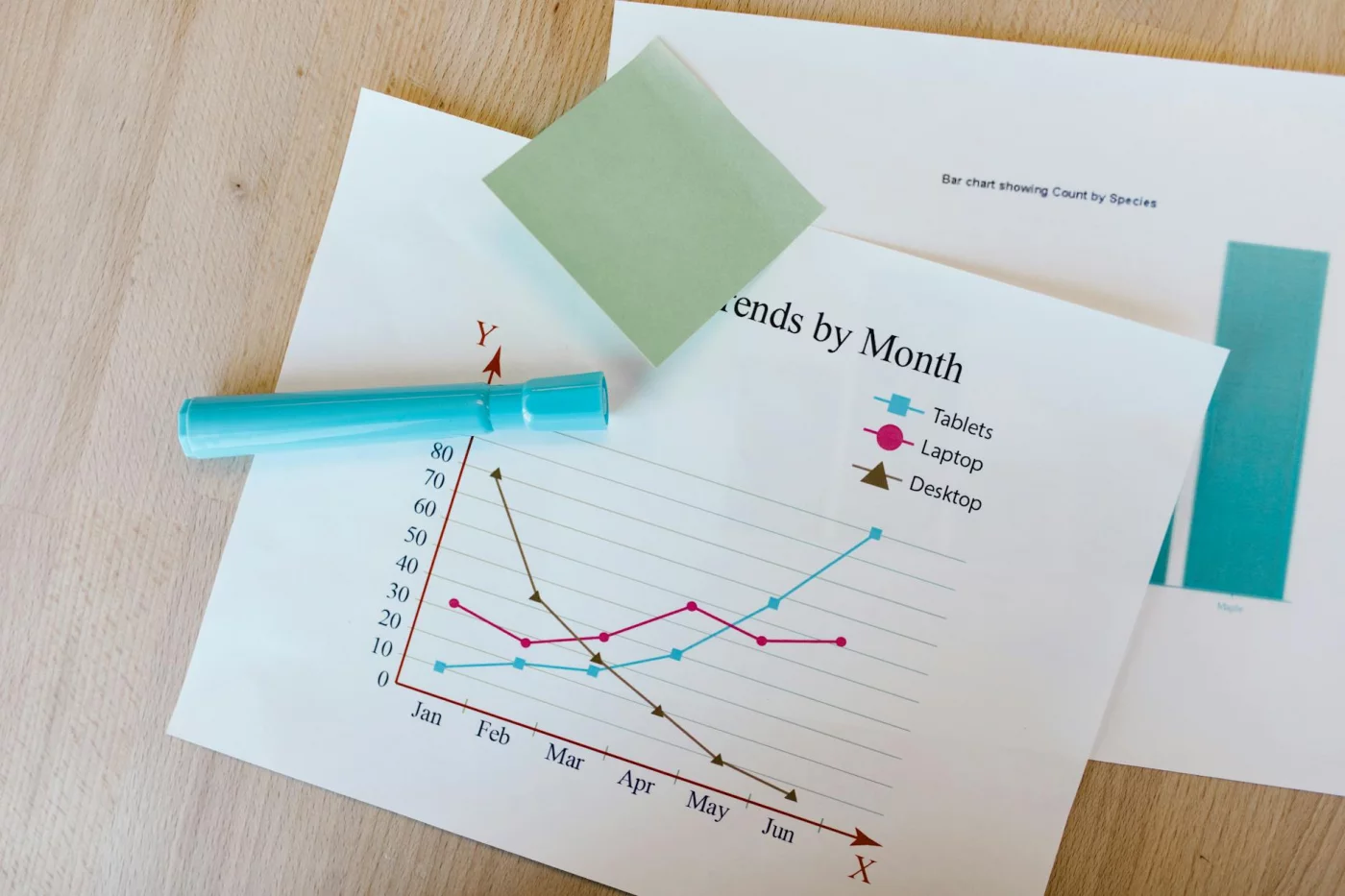
Healthy productivity vs toxic productivity comes down to control. If you’re choosing effort for a clear goal, protecting sleep, and adjusting when life changes, that’s ambition. If you’re stuck in compulsive overwork, constant checking, and panic when you’re not “doing enough,” that’s different — and it also wrecks attention and working memory.
| Healthy productivity | Temporary hard work | Toxic productivity |
|---|---|---|
| Values-driven | Deadline-driven | Guilt-driven |
| Clear boundaries | Short-term stretch | No off-switch |
| Rest is planned | Recovery follows | Rest feels unsafe |
| Flexible | Intense but time-bound | Rigid and chronic |
| Steady | Stressful but temporary | Anxious, ashamed |
| Sleep protected | Brief dip | Sleep sacrificed |
| Deep focus | Narrow sprint focus | Scattered, reactive |
| Sustainable progress | Recoverable fatigue | Burnout risk |
- Finals for 10 days, then recovery: hard but healthy if planned.
- Months of overwork with no off-switch: that’s toxic productivity vs healthy ambition.
Research on burnout and chronic stress summarized by the American Psychological Association on burnout lines up with this: long-term overload hurts mood, sleep, and performance. And yes, reward loops matter too — compulsive checking can train unhelpful dopamine and learning habits.
From experience: what actually works long term
After building and testing FreeBrain study tools, I keep seeing the same pattern. The strongest users don’t maximize every hour; they simplify, pick fewer priorities, review consistently, and recover well.
Personally, I think healthy ambition vs hustle culture gets clearer when you apply the 80 20 rule for studying. A few high-value tasks, done with real focus, beat all-day busyness and constant context switching. So here’s the deal: now that you’ve separated healthy drive from compulsion, the next step is learning how to recover in 7 steps and reset each week.
Recover in 7 steps and reset each week
If the last section helped you see the difference between healthy ambition and overwork, this is where you change your week. The real hustle culture meaning shows up in habits: treating rest as laziness, measuring worth by output, and staying “on” long after your brain is done.
The 7-step recovery plan
Want to know how to recover from toxic productivity without quitting your goals? Start smaller than you think, and make the system visible.
How to reset this week in 7 steps
- Step 1: Audit beliefs and triggers. Mindset shift: overwork is often fear in disguise. Action: write the thought driving you, like “If I rest, I’m falling behind.” Example: notice it when you keep studying after your focus drops.
- Step 2: Redefine success beyond output. Track sleep, focus quality, mood, and top-priority completion, not just hours. Example: 3 focused hours plus 8 hours of sleep beats 9 distracted hours.
- Step 3: Build boundaries around time and tech. Pick one shutdown ritual, one no-email cutoff, one screen-free break block, and mute low-value alerts. Example: no Slack after 7 p.m.
- Step 4: Schedule recovery like real work. Put meals, walks, sleep, and transition time on your calendar first. If it isn’t scheduled, it usually disappears.
- Step 5: Use sustainable focus methods. Research supports active recall, spaced practice, and realistic work-rest cycles over marathon sessions; try these scientifically proven study techniques. Example: two 25/5 or 40/10 blocks, then stop.
- Step 6: Practice rest without optimizing it. Take 10 to 20 minutes of unstructured downtime and notice guilt without obeying it. That’s how you stop hustle culture mindset patterns from running the show.
- Step 7: Get support if symptoms are escalating. If anxiety, low mood, insomnia, or severe burnout keep building, talk to a qualified professional. Don’t wait for a crash.
A simple weekly reset
Do a 10-minute review every Friday or Sunday. Ask:
- What drained me more than it helped?
- What actually moved the needle?
- What recovery time must I protect next week?
Three words help: keep, stop, protect. Write one boundary and one recovery habit on paper or in your calendar. That’s sustainable productivity, not performative busyness.
When to get outside support
This section is educational, not medical advice. But if you’re trying to figure out how to recover from hustle culture burnout and symptoms are persistent or worsening, consult a qualified healthcare or mental health professional. Reliable starting points include NIMH, Mayo Clinic, and WHO.
Choose one boundary and one recovery habit this week. That’s the practical answer to hustle culture meaning in real life—and it sets up the final FAQ and wrap-up.
Frequently Asked Questions
What is toxic productivity?
What is toxic productivity? It’s a pattern where your self-worth gets tied to constant output, and rest starts to feel undeserved unless you’ve “earned” it. On the surface, it can look like discipline or ambition, but over time it often lowers focus, cuts into recovery, and makes your performance less sustainable. If you’re trying to understand the broader hustle culture meaning, this is one of its most common real-world expressions.
Is hustle culture harmful?
Is hustle culture harmful? Yes, it can be when it normalizes chronic overwork, poor sleep, and guilt around doing nothing. But wait — working hard for a short season with clear boundaries isn’t the same as living in a constant always-on mode. The problem starts when rest feels wrong, your workload never really ends, and your body never gets a chance to recover.
How does hustle culture affect mental health?
How does hustle culture affect mental health? It can raise stress, increase irritability, fuel anxiety, create emotional exhaustion, and make it hard to mentally switch off even when you’re technically done working. Research on chronic stress suggests that staying in a prolonged high-pressure state can wear down attention, mood, and recovery. If these symptoms are persistent or getting worse, talk with a qualified mental health professional or healthcare provider; for a general overview of stress, the American Psychological Association’s stress resources are a solid starting point.
What are signs of toxic productivity?
What are signs of toxic productivity? Common signs include guilt when resting, trouble stopping work, sleep disruption, compulsive email or app checking, and mood that rises or crashes based on how much you got done. Three things matter: frequency, intensity, and pattern. One busy week isn’t the issue — the bigger red flag is when this becomes your default setting.
Can hustle culture cause burnout?
Can hustle culture cause burnout? Chronic overwork and poor recovery can absolutely contribute to burnout over time, especially when pressure stays high and rest stays low. That’s different from ordinary tiredness, which usually improves after a good night’s sleep or a lighter weekend. If you’re looking at the hustle culture meaning in practical terms, one major risk is that it teaches you to ignore early warning signs until exhaustion becomes harder to reverse.
Why do I feel guilty when I rest?
Why do i feel guilty when i rest? A lot of people internalize the idea that worth equals output, so slowing down feels like falling behind instead of taking care of yourself. Well, actually, rest isn’t the opposite of effective performance — it’s part of it. If this pattern sounds familiar, try reframing recovery as a job requirement for attention, learning, and emotional stability, not a reward for overworking.
What is the difference between healthy ambition and toxic productivity?
What is the difference between healthy ambition and toxic productivity? Healthy ambition is goal-directed, flexible, and able to adapt when your energy, priorities, or life circumstances change. Toxic productivity is guilt-driven, boundaryless, and often makes you feel like stopping is failure. A simple test: can you pause, recover, and still feel OK about yourself? If not, you’re probably dealing with something closer to pressure-based overwork than healthy drive.
How to recover from toxic productivity?
How to recover from toxic productivity starts with seven moves: audit your beliefs about worth and output, redefine success, set work boundaries, schedule recovery, use sustainable study or work methods, practice guilt-free rest, and get support if needed. Start small — one boundary and one recovery habit this week is enough to begin shifting the pattern. If you want help building a more sustainable system, check FreeBrain’s study and productivity tools at FreeBrain; and if stress or exhaustion keeps escalating, it’s worth speaking with a qualified professional.
Conclusion
If you want to get out of the toxic productivity loop, keep four moves in front of you: name the pattern early, set a clear “enough” point for your workday, stop treating rest like a reward, and run a short weekly reset before burnout builds. That’s the practical core of this article. Once you understand the hustle culture meaning, you can spot the red flags faster: guilt during downtime, constant urgency, measuring your worth by output, and saying yes to work that drains more than it matters.
And here’s the good part — you don’t need to become lazy to step away from hustle culture. You just need a better system. Healthy ambition still has goals, effort, and discipline, but it also has limits, recovery, and room to think. If you’ve been stuck in overwork mode for a while, be patient with yourself. Seriously. Most people don’t flip a switch overnight; they rebuild their habits one boundary, one calmer morning, and one more realistic week at a time.
If you want help turning these ideas into something you can actually use, spend a few more minutes on FreeBrain.net. Start with How to Stop Procrastinating if your overworking is mixed with avoidance, or read How to Focus Better if scattered attention keeps pushing you into longer, more stressful days. Learn the hustle culture meaning, build a healthier way to work, and make your next week feel different on purpose.