
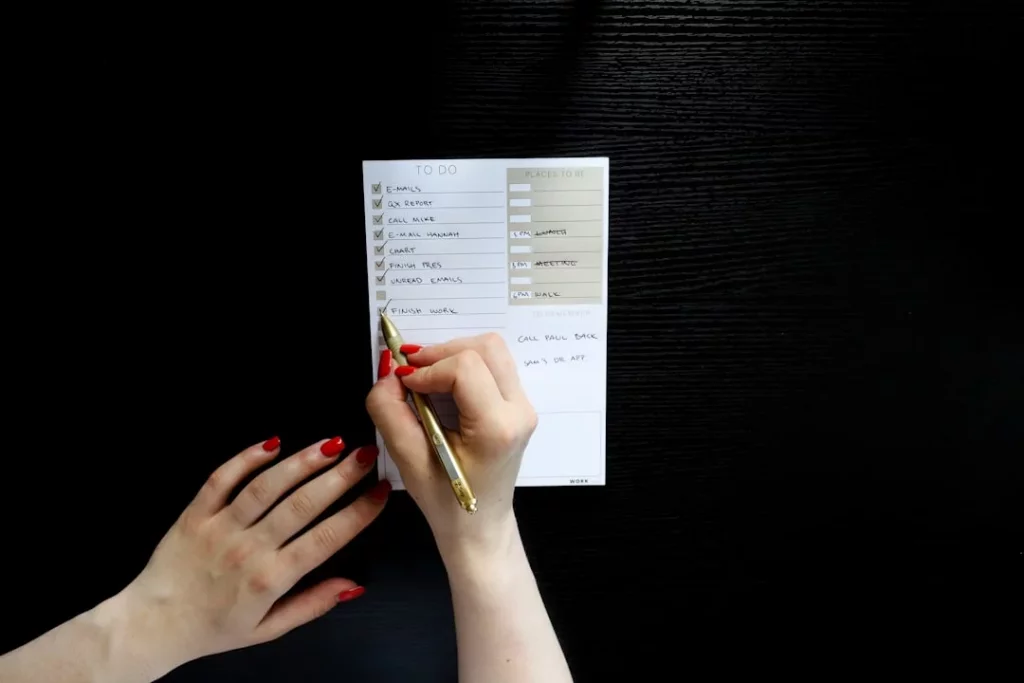
A habit stacking template is a simple formula for building a new behavior onto something you already do consistently. The core idea is this: After I [current habit], I will [new productive habit]. In practice, a good habit stacking template makes productive routines easier to start because you’re not relying on motivation alone.
You’ve probably felt this before. You want to plan your day, start deep work, review notes, or clear distractions — but the hardest part is simply beginning. And that’s exactly why a habit stacking template works so well: it turns vague intentions into repeatable cues, which fits what American Psychological Association guidance on habits describes about how repeated context helps behaviors become more automatic.
So here’s the deal. This article will show you how to build a habit stacking routine for real life, not just wellness checklists that sound nice on paper. You’ll get a plug-and-play habit stacking template, habit stacking ideas for work and studying, and practical setups for a morning routine, focus blocks, and task initiation — including how to pair stacks with a no-phone morning routine or a weekly planning rhythm.
We’ll also cover habit stacking examples for productivity, how does habit stacking work from a behavior design angle, and when habit stacking beats rigid scheduling. But wait, there’s more: you’ll see how to combine a habit stacking template with deep work blocks, distraction reduction, and mindful transitions between tasks so your routine supports focus instead of fighting it.
I’m a software engineer who builds learning and productivity tools, and personally, I think this is where most people get stuck: they try to “be more disciplined” when they really need better triggers. This guide is built to fix that.
📑 Table of Contents
- What Is a Habit Stacking Template and How Does Habit Stacking Work?
- Why Habit Stacking Works for Focus, Executive Function, and Productive Routines
- How to Build a Habit Stacking Routine in 5 Steps
- A Simple Habit Stacking Template You Can Copy for Work, Study, and Morning Routines
- Real-World Habit Stacking Examples for Productivity, Plus Habit Stacking vs Time Blocking
- Common Habit Stacking Mistakes to Avoid + Quick Reference for Starting This Week
- Frequently Asked Questions
- Conclusion
What Is a Habit Stacking Template and How Does Habit Stacking Work?
Now let’s make the idea concrete. A habit stacking template is a simple fill-in-the-blank formula that links a new behavior to an existing habit, so you know exactly when the new action starts. For more on productivity and focus, see our productivity and focus guide.
The One-Sentence Definition
A habit stacking template turns a vague goal like “be more productive” into a specific cue-action plan. In plain English, it answers how does habit stacking work: you attach a new behavior to something you already do automatically.
That matters because “I should focus more” isn’t a plan. But “After I sit at my desk, I will review today’s first task” is. If you want a cleaner morning anchor, pair your stack with a no-phone morning routine so your first cue isn’t your notifications.
The Basic Formula: After I [Current Habit], I Will [New Habit]
Here’s the core formula, verbatim: “After I [current habit], I will [new productive habit].” A useful habit stacking template has three parts: an anchor habit, a cue, and one clear action.
Example: “After I open my laptop, I will write my top 3 priorities.” That’s better than relying on memory because the laptop becomes the trigger.
- Morning: After I pour coffee, I will review my calendar for 2 minutes.
- Workday: After I close a meeting, I will capture the next action before checking messages.
- Study session: After I open my notes, I will study for one 25-minute focus block.
The best anchor is stable, frequent, and hard to forget. Personally, I think this is where most people mess up: they choose anchors that happen randomly. For task switching, stacks also work well with mindful transitions between tasks because the end of one activity becomes the cue for the next.
Why This Works Better Than Relying on Motivation
Thing is, habit stacking for productive routines works through cues, implementation intentions, and repetition—not hype. Psychologist Peter Gollwitzer’s work on implementation intentions, summarized in research on implementation intentions, shows that “if-then” style plans help people follow through more consistently.
And cue-based habits reduce startup friction. You don’t ask, “Should I begin?” You begin because the cue already happened. Research on habit formation published in the National Library of Medicine’s review of habit mechanisms explains why repetition in a stable context helps automaticity build over time.
So this article isn’t about random wellness stacks. It’s about habit stacking template examples for students, remote workers, deep work, and task initiation. Which brings us to why this method can help focus, executive function, and productive routines in the first place.
Why Habit Stacking Works for Focus, Executive Function, and Productive Routines
Now that the basic idea is clear, the next question is simple: why does a habit stacking template actually help you follow through? The short answer is that a good framework reduces choices, lowers startup friction, and turns repeated actions in the same context into something your brain begins to do with less effort.
How Cues Reduce Decision Fatigue
The real bottleneck usually isn’t motivation. It’s the tiny pause where you ask, “What should I do next?” A habit stacking template works by answering that question in advance, so your brain doesn’t have to keep spending executive function on basic sequencing.
That’s why cue based habits are so useful. When you tie an action to “after I open my laptop,” “after I sit at my desk,” or “after I finish my coffee,” you create a reliable trigger that cuts hesitation. Personally, I think this is the part most people miss: the cue matters more than the size of the goal at first.
Research on implementation intentions backs this up. A broad review indexed in PubMed found that making specific if-then plans improved goal follow-through because the response becomes more strongly linked to a cue in the environment according to implementation intention research indexed by PubMed. In plain English, deciding “When X happens, I do Y” is easier to execute than relying on memory later.
And here’s the kicker — this also helps with task switching. If you move from email to focused work with no reset, leftover thoughts can cling to your attention. That’s one reason mindful transitions between tasks can make a work stack feel smoother.
Attention-switching costs are real, and the American Psychological Association has summarized how multitasking and constant switching can reduce performance and increase mental drag in APA coverage of multitasking and attention switching. So when a habit stacking template tells you exactly what comes after a cue, it doesn’t just save time. It protects focus.
- Open laptop → open task list
- Sit down at desk → start 25-minute focus timer
- Finish coffee → review top 3 priorities
Why Small Actions Build Automaticity
A 30-second action often beats a 30-minute goal. Why? Because starting is usually harder than continuing, especially when your brain expects effort, uncertainty, or possible failure.
So here’s the deal. A habit stacking template should begin with actions small enough to feel almost too easy: open your notes, set a timer, write one sentence, review one flashcard. Those actions shrink resistance, and they help close the gap between intention and action — which is exactly where executive function often breaks down.
Well, actually, repetition is doing the heavy lifting here. Habit research suggests automaticity grows when a behavior is repeated in a stable context, not when you occasionally do something intense. That’s why habit stacking for productive routines works better when you repeat the same starter action after the same cue for days or weeks.
For work and study, this is especially useful. A habit stacking template can turn “start deep work” from a vague ambition into a sequence: close chat, open project doc, put phone away, start timer, write first line. If you’re trying to build a distraction-free start to the day, anchoring your first focused action after a no-phone morning routine can make the stack much more reliable.
Where Habit Stacking Helps — and Where It Doesn’t
Habit stacking for focus and productivity is best for task initiation, transitions, and routine consistency. It’s great when you need help starting work, beginning a study block, resetting after lunch, or closing your day with a quick review.
But wait. A habit stacking template won’t solve everything. It’s less useful when your anchor changes every day, when the task requires long uninterrupted planning from the start, or when the real issue is burnout, severe procrastination, chronic sleep loss, anxiety, or ADHD-related impairment.
That’s not a flaw in the method. It’s just scope. Habit stacking for focus and productivity supports behavior consistency, but it doesn’t replace treatment, coaching, sleep care, or mental health support when those are the real bottlenecks.
If attention, sleep, or mood problems are persistent, consult a qualified healthcare professional. This article is educational, not medical advice. Which brings us to the practical part: how do you build a habit stacking template that fits your actual day instead of some ideal version of it?
How to Build a Habit Stacking Routine in 5 Steps
So now that you know why it works, the practical question is simple: how do you build a habit stacking routine that actually sticks? A good habit stacking template turns intention into a repeatable cue-action sequence, which is why it can help with focus, task initiation, and smoother mindful transitions between tasks.
How to build a habit stacking routine
- Step 1: Choose a stable anchor habit you already do without thinking.
- Step 2: Add one tiny productive action that takes about 2 minutes.
- Step 3: Make the action specific, visible, and measurable.
- Step 4: Reduce friction with cues, setup, and a simple tracker.
- Step 5: Scale only after 7 consistent days.
Step 1: Choose a Stable Anchor Habit
Your anchor habit is the trigger. If the trigger is shaky, the whole habit stacking template falls apart.
Strong anchors are frequent, consistent, and already automatic. Think: after brushing your teeth, after opening your calendar, after sitting at your desk, after lunch, or after class ends. For a distraction-free start, some people pair this with a no-phone morning routine so the first cue of the day isn’t a notification.
Personally, I think this is the part most people get wrong. They choose time-based cues like “at 7:00 PM,” but event-based cues often work better because real life shifts. “After I sit at my desk” is usually stronger than “at 9:00 AM.”
- Strong anchors: after making coffee, after logging into work, after lunch
- Weak anchors: when I feel motivated, sometime this afternoon, before bed if I remember
Step 2: Add One Tiny Productive Action
Now attach one action so small it feels almost silly. That’s the point. A habit stacking template works best when the first move beats procrastination, not when it demands willpower.
Use productive actions, not vague self-improvement fluff. Open the document. Write one bullet. Review one flashcard. Set a 25-minute timer. If you want help sizing that first move, FreeBrain’s guide to the 2-minute rule fits perfectly here.
Research on implementation intentions, popularized by psychologist Peter Gollwitzer, suggests that pre-deciding the exact cue and response makes follow-through more likely. And here’s the kicker — “start tiny” matters even more when your brain resists task initiation.
Mini example for students: “After class ends, I will review 5 flashcards.” Mini example for remote workers: “After I open my calendar, I will write one priority for my first focus block.” That’s how to build a habit stacking routine without making it fragile.
Step 3: Make It Specific, Visible, and Easy to Track
Vague stacks fail fast. “Study more” is fuzzy; “review 5 flashcards” is clear.
Use implementation intention wording: “After [anchor habit], I will [tiny action] in [location].” A solid habit stacking template might read, “After I sit at my desk, I will open my project doc and write one bullet at my laptop.”
Then make the action visible. Put the notebook on the keyboard. Leave the flashcard app open. Pre-open the tab you need. Small environment tweaks matter, which is why good workspace design for focus can make a stack feel automatic instead of effortful.
Track it with a simple yes/no checkbox for 7 days. Not duration. Not perfection. Just: did you do the stack after the cue?
Step 4 and Step 5: Reduce Friction, Then Scale Slowly
Step 4 is friction reduction. Step 5 is patience. Most failed routines break because people add too much too soon.
So reduce friction first:
- keep tools visible
- pre-open tabs or documents
- place your notebook where your hands land
- use one checkbox tracker
- set reminders only if the cue is still new
Then wait for consistency before expanding. A good rule is 7 successful days before adding another layer to your habit stacking template. Well, actually, if your schedule is chaotic, 10 to 14 days may be smarter.
For example, a student stack might become: after class ends → review 5 flashcards → start a 25-minute study timer. A remote work stack might become: after opening calendar → choose top task → open project file → begin one 25-minute focus sprint. That’s habit stacking for focus and productivity in real life, not in theory.
Which brings us to the useful part: copy-and-paste examples. In the next section, I’ll give you a simple habit stacking template for work, study, and morning routines that you can use today.
A Simple Habit Stacking Template You Can Copy for Work, Study, and Morning Routines
Now that you’ve seen the 5-step build process, the next question is obvious: what should your routine actually look like? Here’s a habit stacking template you can copy, tweak, and use today for work, study, or a distraction-free morning.
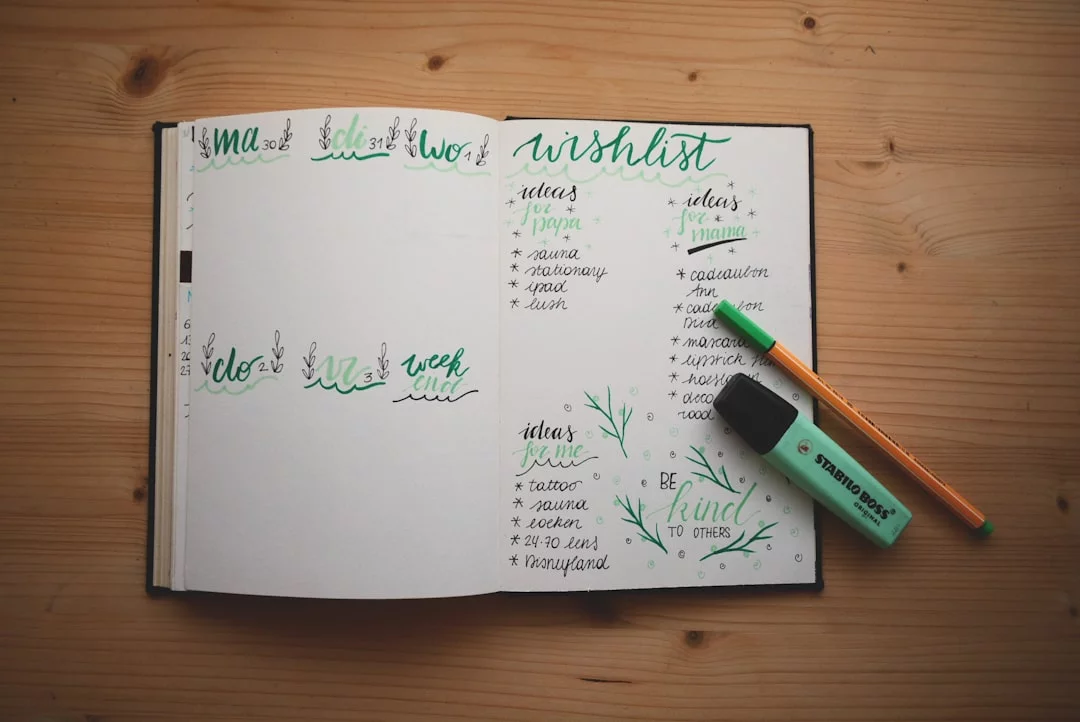
Thing is, the best routine isn’t long. It’s specific. Research on implementation intentions by psychologist Peter Gollwitzer found that people follow through more often when they decide exactly when and how they’ll act, which is why a simple habit stacking template often works better than a motivational checklist.
📋 Quick Reference
Copy this formula: After I [anchor habit], I will [tiny action], then I will [focus action].
Keep it small: use actions that take 10 seconds to 10 minutes to start.
Best anchors: sitting at your desk, making coffee, ending lunch, opening your notes app, finishing class.
Best use cases: task initiation, deep work starts, study review, and phone-free mornings.
One-Step Habit Stacking Template
If you want the simplest possible start, use a one-line habit stacking template: After I [current habit], I will [new tiny action]. That’s it. No app. No complicated tracking. Just one anchor and one behavior.
Personally, I think this is the best format for task initiation because it cuts friction fast. And if your mornings are chaotic, pair your first anchor with a no-phone morning routine so attention doesn’t get hijacked before your day starts.
- After I sit down at my desk, I will put my phone in another room.
- After I open my notes app, I will write the next physical action.
- After I log into my laptop, I will open only the one file I need first.
Want more habit stacking ideas? Keep the action visible and concrete. “Focus better” is vague. “Start a 10-minute timer and outline the first paragraph” is usable.
Three-Step Daily Routine Template
For productive routines, use this habit stacking template: After I [anchor], I will [tiny action], then I will [focus action]. This works well because the tiny action lowers resistance, while the focus action turns momentum into real output.
Example: After I make coffee, I will review my top 3 tasks, then start the hardest one for 10 minutes. That’s a morning habit stacking routine. Short, clear, and hard to misread.
But wait. This is different from a long checklist. A checklist says, “Do 12 things.” A stack says, “When this happens, I do this next.” That reduces decision fatigue, which matters because attention and executive control are limited resources, not endless willpower.
- After lunch, I will plan one focus block, then begin the first task for 5 minutes.
- After I close my email tab, I will write one sentence about the next task, then start it.
- After class, I will review 5 flashcards, then summarize one key idea from memory.
- After I open Todoist or Notion, I will choose one priority, then work on it until the timer ends.
Printable Worksheet Prompts and Plug-and-Play Examples
OK wait, let me back up. If you freeze when starting from scratch, use these worksheet prompts. They turn a habit stacking template into something you can actually stick with.
- My anchor habit is: __________
- My tiny action is: __________
- My focus action is: __________
- I will make it easier by: __________
- I’ll know I completed it when: __________
- If I miss a day, I will restart with: __________
Here are plug-and-play examples for different situations:
- After I open my calendar, I will block 25 minutes for one priority task.
- After my first meeting ends, I will write the next physical action for the project.
- After I put on headphones, I will close chat and start one deep work block.
- After I clear breakfast dishes, I will read one page of my textbook.
- After I return from lunch, I will put my phone on silent and out of reach.
- After I finish class, I will review 5 flashcards.
- After I sit at my home desk, I will open only the document I need.
- After I check email, I will add follow-ups to my task list instead of keeping them in my inbox.
- After I finish one focus session, I will note the next restart step before taking a break.
- After I join my first work session, I will define what “done” means for the next 30 minutes.
- After I notice myself drifting, I will stand up, breathe once, and restart the smallest next action.
For students, remote workers, and knowledge workers, this is where habit stacking at work gets practical. And here’s the kicker — your stack gets even stronger when you review it weekly. If you want that layer, pair this section with a simple weekly review habit so you keep the anchors that work and drop the ones you ignore.
This habit stacking template is meant to be copied, not admired. Use one version for your morning, one for study, and one for work. Next, I’ll show real-world habit stacking examples for productivity and where habit stacking beats time blocking — and where it doesn’t.
Real-World Habit Stacking Examples for Productivity, Plus Habit Stacking vs Time Blocking
Now let’s make the template practical. A good habit stacking template only matters if it survives messy mornings, meetings, study slumps, and the 3 p.m. attention crash.
From building productivity content and tools for FreeBrain readers, I’ve noticed something simple: people don’t usually fail because the habit is too hard. They fail because the start is vague, the cue is weak, or the stack doesn’t fit the real shape of the day.
From Experience: 7 Productivity-First Habit Stacking Examples That Actually Fit Real Days
The best habit stacking examples for productivity solve one problem first: getting started. Research from implementation intention studies led by Peter Gollwitzer suggests that specific if-then plans make action more likely because they reduce decision friction. That’s exactly why a habit stacking template works so well for transitions.
And here’s the kicker — habit stacking for focus and productivity works best when you match the stack to your energy peaks, not your ideal self. If your sharpest thinking happens at 9 a.m., use your strongest cue there. If you’re a student who wakes up slowly, put your review stack after lunch instead of forcing a heroic morning habit stacking routine.
- Morning startup: After I make coffee, I fill my water bottle, open today’s top task, and put my phone face down. This is especially useful if you’re trying a no-phone morning routine.
- Deep work initiation: After I sit down, I close email, start a 50-minute timer, and write the first ugly sentence or line of code. If you want a fuller system, pair this with our deep work method.
- Study session launch: After I open my laptop, I review yesterday’s notes for 3 minutes, list one question, then begin the hardest problem. Great for habit stacking for students.
- Meeting recovery: After a meeting ends, I write one decision, one next action, and one person to follow up with. This prevents context loss.
- Email control: After lunch, I check email once, reply to anything under 2 minutes, then close the tab. That’s habit stacking at work, not inbox grazing.
- Workday reset: After I finish a task block, I stand up, refill water, and rewrite the next priority on paper. Tiny reset, big effect.
- Remote-work shutdown: After my last task, I log tomorrow’s first step, close all tabs, and physically leave the desk. Remote workers need a clear off-switch.
A habit stacking template should feel almost boring. Good. Boring means repeatable.
Habit Stacking vs Time Blocking
These methods aren’t rivals. They solve different problems.
Habit stacking vs time blocking is really about scale. A habit stacking template helps you begin. Time blocking, or calendar blocking, helps you protect enough time to finish meaningful work.
| Method | Best use case | Strengths | Weaknesses |
|---|---|---|---|
| Habit stacking | Starts, resets, transitions | Low friction, easy to repeat, great for cueing action | Doesn’t protect large work blocks by itself |
| Time blocking | Deep work, study sessions, project time | Defends attention, creates boundaries, improves planning | Easy to overplan, harder to restart after interruptions |
So when does habit stacking win? When you keep delaying the first 2 minutes, forget transitions, or bounce between tasks. When does time blocking win? When your day gets eaten by meetings, chat, and reactive work.
Best approach? Combine them. Schedule a 90-minute focus block, then use a habit stacking template to start it: after I open my calendar block, I silence notifications, open the project file, and write the next visible step. That combination is stronger than either method alone.
Best Apps and Tools to Support a Habit Stacking Template
Personally, I think most people over-app this. The best habit stacking apps don’t replace the cue; they just make the stack easier to see and repeat.
- Simple habit tracker: good for checking whether the stack happened at all
- Calendar app: useful when pairing stacks with calendar blocking
- Notes app: ideal for storing one-line versions of each habit stacking template
- Paper checklist: surprisingly effective for work desks and study spaces
Use tools for visibility, not motivation theater. If your app needs five taps before you begin, it’s already adding friction.
One last thing. A habit stacking template should support your real work, not become the work. In the next section, I’ll show you the mistakes that quietly break good stacks — and how to start this week without overcomplicating it.
Common Habit Stacking Mistakes to Avoid + Quick Reference for Starting This Week
Examples are useful. But this is the part most people get wrong: they copy a routine that looks good on paper, then build a habit stacking template that’s too ambitious to survive real life.
If you want habit stacking for productive routines to stick, you need less complexity, not more. Research from behavior scientist BJ Fogg at Stanford has long pointed in that direction: tiny, specific actions tied to reliable cues are easier to repeat than big motivational plans.
The 5 Biggest Reasons Habit Stacks Fail
Here’s the short version. Most failed stacks come from five issues: too much, too weak, too vague, too messy, and too invisible.
- Too many habits in one stack
- Weak or inconsistent anchors
- Actions that are too large or vague
- Poor environment design
- No tracking or review
First mistake: stacking too many habits at once. A habit stacking template should start with one anchor and one tiny follow-up action, not six steps before 8 a.m. If your stack is “After I sit down at my desk, I’ll check my planner, review goals, clear email, organize files, and start deep work,” that’s not a stack. It’s a mini project.
Second: weak anchors. “After lunch” sounds fine until your lunch happens at 11:30 one day and 2:15 the next. Better anchors are stable events like “after I open my laptop,” “after I brush my teeth,” or “after I put my coffee on the desk.” If you struggle with task initiation, this is often connected to avoidance loops, which I covered in why you procrastinate.
Third: making the new habit too big or too vague. “After I wake up, I will do a full 45-minute study session” is too big for most people, especially on low-energy mornings. And “I’ll work on school” is too fuzzy. A better habit stacking template would be: “After I open my notes app, I will study one flashcard for 2 minutes.”
Fourth: ignoring environment design. Want consistency? Reduce friction. Put the notebook on the keyboard, keep the water bottle on the desk, open the task manager before you leave work, or pin your focus document in your browser. Productive routines break when the next action is hidden, inconvenient, or buried under distractions.
Fifth: failing to track. And here’s the kicker — without a visible checkmark, people overestimate how often they followed through. Even simple self-monitoring can help behavior stick; that pattern shows up across behavior-change research because tracking increases awareness, which improves consistency.
Quick sidebar: if you’re a student, remote worker, busy parent, or someone with executive dysfunction, how to start habit stacking without overwhelm is the same basic formula. Use one reliable cue, one action under two minutes, and one way to see whether you did it.
Quick Reference: The Habit Stacking Template Checklist
📋 Quick Reference
Use this habit stacking template for the next 7 days:
- One anchor habit: Pick something you already do daily at a predictable time.
- One tiny action: Make it so small you can do it even on a bad day.
- One visible cue: Put the tool, note, or app where you can’t miss it.
- Friction reduced: Remove one obstacle before the habit starts.
- Tracked for one week: Use paper, Notion, Todoist, or a calendar checkmark.
Personally, I think this checklist is the simplest habit stacking template that still works in real schedules. Worth it? Absolutely. It’s also the best answer I know to how to start habit stacking without overwhelm.
Conclusion: Your 7-Day Habit Stacking Plan
Start today. Choose one anchor habit you already do without thinking, then attach one tiny productive action to it.
- Pick a stable anchor: “After I open my laptop…”
- Choose a tiny action: “…I will write one sentence on my top task.”
- Add a visible cue: leave the task open before you stop work today.
- Track it for 7 days with a simple yes/no mark.
That’s how to build a habit stacking routine that survives busy weeks. Your habit stacking template doesn’t need to be impressive. It needs to be repeatable.
So test one small stack this week, keep the friction low, and let consistency beat complexity. Next, I’ll answer the most common questions and wrap this up with the best next steps.
Frequently Asked Questions
How does habit stacking work?
How does habit stacking work? It works by attaching a new action to something you already do consistently, so the old behavior becomes the cue for the new one. In a good habit stacking template, three things matter: clear cues, repetition, and lower decision friction. Instead of asking yourself whether you’ll do the habit, you make it the automatic next step after a routine that’s already stable.
How do you build a habit stacking routine without overwhelm?
If you’re wondering how to build a habit stacking routine without burning out, start smaller than you think you need to. Use one stable anchor and one tiny action only—something like “After I open my laptop, I write my top task on a sticky note”—then track it for 7 days before adding anything else. A simple habit stacking template helps because it keeps the sequence visible and stops you from building a stack that’s too long to repeat.
What are the best habit stacking examples for productivity?
The best habit stacking examples for productivity are tied to work and study transitions, not random feel-good tasks. For example: after sitting at your desk, open your task list and start a 10-minute deep work sprint; after lunch, plan your next 3 priorities; after finishing a class or meeting, review notes for 5 minutes; after closing your final tab, write tomorrow’s first task and shut down work. A practical habit stacking template makes these sequences easier to repeat because each step has a specific anchor instead of relying on motivation.
How many habits should you stack together?
How many habits should you stack together? Start with one new behavior attached to one stable anchor. That’s the sweet spot for most people, because longer stacks break down fast unless each earlier step is already automatic. If your habit stacking template has four or five new actions from day one, it’s usually too ambitious.
Can habit stacking improve focus and task initiation?
Yes—can habit stacking improve focus? In many cases, yes, because it reduces startup friction and makes the first action obvious, which is often the hardest part of getting into focused work. A well-designed habit stacking template can support a focus routine like “After I put on headphones, I open the document and work for 10 minutes,” but it isn’t a treatment for clinical attention difficulties; if focus problems are persistent or severe, consult a qualified healthcare professional. For more on building better study and work systems, you can also read FreeBrain resources and tools.
Is habit stacking better than time blocking?
Habit stacking vs time blocking isn’t really a winner-takes-all choice. Habit stacking is better for starting behaviors and handling transitions—like beginning a study session or ending the workday—while time blocking is better for protecting 30- to 90-minute chunks of focused work on your calendar. Personally, I think the best setup is both together: use a habit stacking template to start the session, then use time blocking to protect it once you’re in.
What is the best morning habit stack for productivity?
A strong morning habit stacking routine is simple enough to do half-awake: after making coffee, review your top 3 tasks, then start the hardest task for 10 minutes before checking anything else. And yes, this part matters—reduce phone friction in the first 30 minutes by keeping notifications off or leaving your phone out of reach. If you put that sequence into a habit stacking template, you’re much more likely to repeat it on busy mornings.
How do students use habit stacking to study?
Habit stacking for students works best when study actions are attached to events that already happen every day, like the end of class, sitting at a desk, or finishing dinner. For example, after class ends, review 5 flashcards; after setting up your desk, open notes for a 10-minute study sprint; after dinner, write one question from today’s lecture. Research on habit formation, including work summarized by PubMed, suggests repetition in stable contexts helps behaviors stick, and a clear habit stacking template gives students that stability.
Conclusion
If you want this to work in real life, keep four things simple: anchor each new behavior to something you already do every day, make the first version tiny enough to feel almost too easy, write the sequence down in a clear habit stacking template, and fix friction before you rely on motivation. That’s the part most people get wrong. A good routine plan isn’t just a list — it’s a cue-action plan you can actually follow when you’re busy, tired, or distracted.
And yes, you don’t need a perfect routine to start. You need a repeatable one. If your mornings feel messy, your study sessions never begin on time, or your workday keeps slipping into reactive mode, that doesn’t mean you lack discipline. It usually means your system needs better cues and smaller starting points. Personally, I think that’s good news, because systems can be rebuilt. Start with one stack, run it for a week, and adjust from there.
So here’s your next move: copy one habit stacking template from this article, use it today, and track what happens. Then keep building. If you want more help creating routines that actually stick, explore FreeBrain’s related guides on time blocking and spaced repetition. Which brings us to the real goal — not a prettier plan, but a routine you can trust. Pick your first habit stacking template, test it this week, and make your next action automatic.