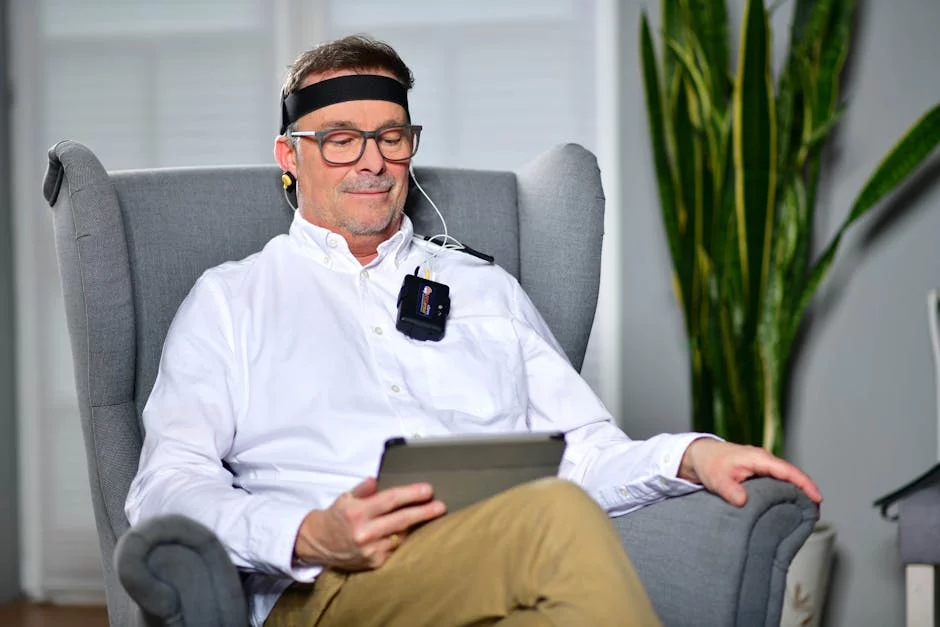

If you’re wondering how to sleep with tinnitus, the short answer is this: most people do better when they reduce total silence, calm their stress response, tighten up basic sleep hygiene habits, and get professional help if symptoms keep dragging on. Tinnitus is the perception of sound without an outside source — often ringing, buzzing, or hissing — and figuring out how to sleep with tinnitus usually means making both your bedroom and your nervous system less reactive at night.
Why does it feel so much worse after dark? Because the world gets quieter, your attention has fewer things to latch onto, and tired brains tend to notice threat-like signals more. Research summarized by the National Institute on Deafness and Other Communication Disorders notes that tinnitus can range from mildly annoying to disruptive enough to affect sleep, mood, and daily function.
And that spiral is real. You sleep badly, the ringing feels louder, your patience drops, and suddenly your focus at work is shot. If you’ve been searching for how to sleep with tinnitus because nights are hard and days feel foggy, you’re not imagining the overlap between poor sleep, stress, and concentration problems — we cover that directly in our guide to tinnitus brain fog and sleep.
In this article, I’ll walk you through seven practical ways to improve how to sleep with tinnitus, including sound therapy, bedtime routines, tinnitus sleeping position, medication questions to raise with a clinician, and what to do when tinnitus anxiety and depression start feeding insomnia. We’ll also get into why tinnitus gets worse at night, whether lack of sleep can make tinnitus distress feel stronger, and how to protect your attention when tinnitus brain fog starts messing with work or study.
I’m a software engineer, not a clinician, but I spend a lot of time translating research into practical systems people can actually use. This article is educational, not medical advice, and if your symptoms are severe, changing, or affecting your mental health, it’s worth talking with an audiologist, ENT, or licensed healthcare professional.
📑 Table of Contents
- Why tinnitus disrupts sleep, stress, and concentration
- How to sleep with tinnitus: the short answer and what to try tonight
- 7 evidence-based ways to sleep better with tinnitus
- Common mistakes that make tinnitus and insomnia worse
- How tinnitus affects concentration, memory, and brain fog during the day
- Quick reference: sound machines, sleeping position, medication, and when to get help
- Frequently Asked Questions
- Conclusion
Why tinnitus disrupts sleep, stress, and concentration
So now that we’ve defined the problem, here’s the practical answer: many people improve how to sleep with tinnitus by reducing silence, lowering stress arousal, tightening up sleep hygiene habits, and getting professional help when symptoms don’t ease. If you’re also dealing with foggy thinking, slower focus, or mental fatigue, the overlap with tinnitus brain fog and sleep is real — and it often runs through the same sleep-stress loop. For more on stress and sleep, see our stress and sleep guide.
Tinnitus is the perception of sound without an outside source. People describe it as ringing in the ears, buzzing, hissing, clicking, or whooshing. According to the National Institute on Deafness and Other Communication Disorders, about 10% of U.S. adults experienced tinnitus lasting at least five minutes in the past year.
If you’re wondering how to sleep with tinnitus, the hard part is usually not just the sound itself. It’s that quiet rooms make the sound stand out, stress makes your brain monitor it more closely, and poor sleep lowers your ability to ignore it the next day.
Tinnitus can cause poor sleep and trouble concentrating because the sound competes for attention, increases distress, and becomes more noticeable in silence. And here’s the kicker — the louder problem at night is often not louder sound, but louder awareness.
A quick definition of tinnitus
Tinnitus is a symptom, not a disease by itself. That matters. Phantom sound perception can be linked with hearing changes, noise exposure, stress reactivity, jaw issues, some medications, and sleep disruption — but tinnitus doesn’t have one universal cause or one universal fix.
- The sound may be steady or intermittent
- It may affect one ear, both ears, or seem “in the head”
- Distress often changes more than loudness does
Well, actually, this is the part most people miss: tinnitus loudness and tinnitus distress aren’t the same thing. The sound may not objectively increase at night, but your awareness and emotional reaction often do, especially during stress or when you’re trying hard to fall asleep. That’s a big reason how to sleep with tinnitus feels easier some nights and much harder on others.
Can tinnitus cause poor sleep and trouble concentrating?
Yes. In quiet rooms, your attention gets pulled toward the sound; during mentally demanding tasks, that same sound can keep “checking in” and stealing bandwidth. People often notice slower reading, more effort in meetings, weaker working memory, and classic tinnitus brain fog at work.
Research from the National Heart, Lung, and Blood Institute on sleep deprivation shows that poor sleep can impair mood, attention, and memory. Which brings us to how to sleep with tinnitus: better nights don’t just help you rest, they often help you think more clearly the next day.
This article is educational, not medical advice. If you have sudden hearing loss, one-sided tinnitus, pulsatile tinnitus, severe insomnia, anxiety, or depression, consult an audiologist, ENT, sleep specialist, or licensed mental health professional. Next, I’ll cover how to sleep with tinnitus tonight — starting with the simplest things that help fastest.
How to sleep with tinnitus: the short answer and what to try tonight
If the last section sounded familiar, here’s the practical part. When people ask how to sleep with tinnitus, the best first-line answer is usually simple: add gentle sound, lower bedtime arousal, and make your sleep setup less stimulating.
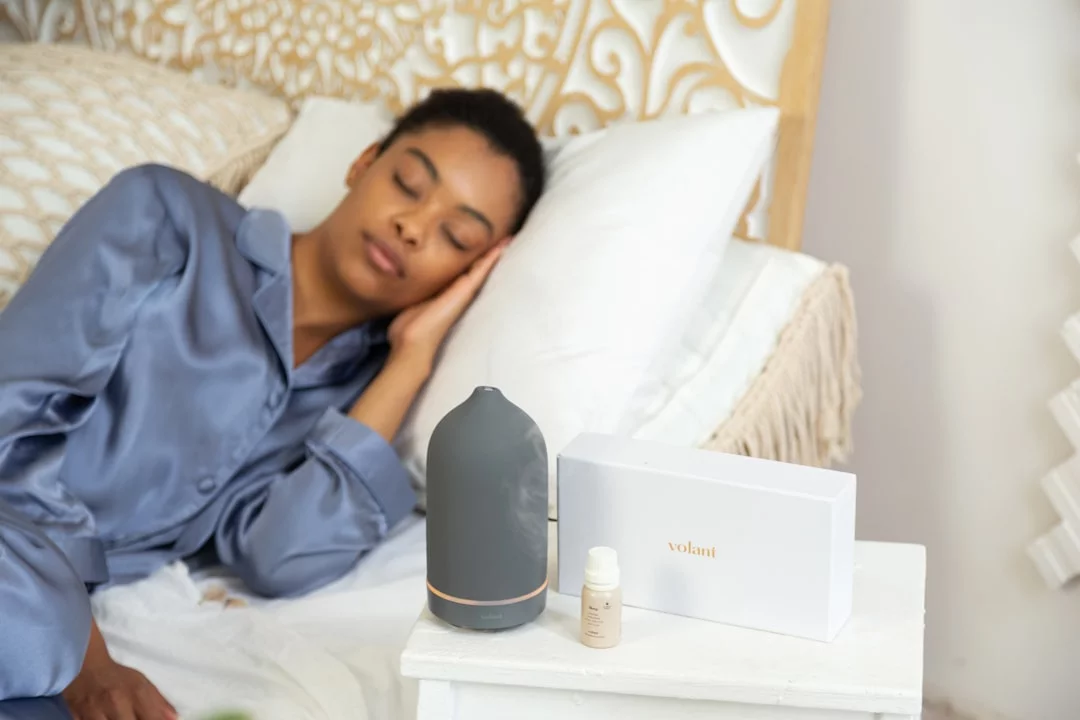
That matters because tinnitus, poor sleep, and next-day focus problems feed each other. If you’re also dealing with daytime mental fog, this guide on tinnitus brain fog and sleep connects the sleep-concentration loop in a useful way.
Why does it feel worse at night? Less background noise. Fewer distractions. More attention available for internal sensations. And when your body stays on alert, you can slip into hyperarousal, which just means your brain-and-body are acting too awake for sleep.
📋 Quick Reference
Short answer: If you want to know how to sleep with tinnitus, start with four things tonight: low-level sound masking, a repeatable wind-down routine, stress downshifting, and a cool, dark, low-stimulation bedroom.
Best sound level: softer than the tinnitus or just enough to blend with it.
Try tonight: dim lights 30-60 minutes before bed, stop stimulating content, start pink noise or rainfall, do 3-5 minutes of slow breathing, and don’t keep checking whether the ringing is still there.
The 4-part bedtime approach
First, reduce silence. For many people asking how to sleep with tinnitus, the fastest relief comes from sound masking or gentle sound therapy for tinnitus sleep. A fan, bedside sound machine, pink noise, rainfall, or low-volume ambient audio can make the tinnitus stand out less.
And here’s the kicker — louder isn’t better. Keep the sound softer than the tinnitus, or just high enough to blend with it. The goal isn’t to blast over the noise. It’s to give your brain a neutral backdrop so the ringing stops being the only thing in the room.
Second, lower arousal with a routine you can repeat. Research on insomnia treatment, including guidance from the National Heart, Lung, and Blood Institute on insomnia, consistently points to stable pre-sleep cues and lower stimulation before bed. That’s where basic sleep hygiene habits help: dimmer light, less doomscrolling, and a predictable sequence your brain learns to associate with sleep.
Third, protect sleep pressure. Personally, I think this is the part most people skip. Keep a regular wake time, get morning light, and cut back late caffeine if you’re serious about how to sleep with tinnitus.
Fourth, know when to get checked. If tinnitus is persistent, one-sided, pulsatile, or linked to hearing changes, evidence-based medical evaluation matters. The National Institute on Deafness and Other Communication Disorders overview of tinnitus is a solid starting point, but for symptoms like those, talk with a qualified clinician or audiologist.
What to try first tonight
Want a practical starting point? Try this for one night before changing everything at once.
- 30-60 minutes before bed, dim the lights
- Stop stimulating content like news, work, or intense video
- Start pink noise, rainfall, or a fan at low volume
- Read something light for 10 minutes
- Do 3-5 minutes of slow breathing or box breathing for sleep
- Keep the room cool, dark, and your phone out of reach
Many people do better when they stop chasing silence and create a neutral sound backdrop instead. That’s often what helps tinnitus and insomnia most in the short term. And if anxiety spikes at bedtime, a brief mindfulness exercise may reduce distress even if it doesn’t erase the sound.
One more thing: don’t keep checking whether the tinnitus is still there. OK wait, let me back up. Monitoring it over and over teaches your attention system that the sound is important, which can make how to sleep with tinnitus feel harder than it needs to be.
Why nighttime feels louder even when the sound may not be
This is mostly an attention problem, not always a volume problem. In quiet, the brain notices what stands out. So nighttime tinnitus can seem louder because there’s less competition from normal environmental sound.
But wait. Stress changes the experience too. Bedtime worry increases monitoring, and monitoring increases distress. That’s why tinnitus can feel more intrusive even when the actual perceived loudness hasn’t changed much.
Three things are different here: loudness, awareness, and distress. Why tinnitus gets worse at night often has more to do with awareness and hyperarousal than a true increase in sound. Which brings us to the next section: seven evidence-based ways to sleep better with tinnitus, starting with the ones most likely to help first.
7 evidence-based ways to sleep better with tinnitus
If you need more than a “try this tonight” answer, this is the practical version. The best approach to how to sleep with tinnitus is usually a mix of sleep-focused habits, stress reduction, and tinnitus coping tools — especially if poor sleep is already affecting concentration, work, or reading, which I cover more in tinnitus brain fog and sleep.
Step-by-step: 7 strategies that help most people
How to sleep with tinnitus more consistently
- Step 1: Use sound therapy or gentle masking. For many people learning how to sleep with tinnitus, silence is the hardest part because the ringing stands out more at night. Try low-level rain, brown noise, soft fan noise, or nature audio, and keep the volume below the tinnitus rather than blasting over it. Research reviews indexed in PubMed suggest sound therapy for tinnitus sleep can reduce awareness and bedtime distress in some people.
- Step 2: Build a tinnitus-friendly sleep routine. Start a 15-30 minute wind-down, dim lights, and aim for a 60-minute screen reduction target before bed. Basic sleep hygiene habits matter more than people think, because a wired brain notices internal sounds faster.
- Step 3: Try CBT-I or CBT-based tinnitus coping. This is the part most people miss. CBT-I targets the habits and thoughts that keep insomnia going, while CBT for tinnitus helps reduce distress, fear, and constant monitoring of the sound. Evidence reviews in PubMed support CBT-I for chronic insomnia and CBT approaches for tinnitus-related distress, so if you’re stuck on how to sleep with tinnitus, this is one of the strongest options.
- Step 4: Use relaxation techniques before bed. Not because relaxation “cures” tinnitus, but because it lowers arousal. Slow breathing, progressive muscle relaxation, and mindfulness for tinnitus anxiety can help you stop fighting the noise; if you want a simple starting point, try box breathing for sleep for 3-5 minutes.
- Step 5: Adjust your sleep environment. Keep the room dark, quiet enough for comfort, and around 18-20°C if that feels good to you. And yes, comfort beats perfection — if a slightly cooler room and a steady fan help, use them.
- Step 6: Test sleeping position for comfort. There isn’t one universal tinnitus sleeping position, but neck tension, jaw pressure, and ear-on-pillow pressure can make symptoms feel worse for some people. Run a 2-week experiment with side, back, and supported side-sleeping, and note what changes.
- Step 7: Get evaluated for hearing loss or other triggers. Hearing loss, earwax, jaw issues, stress, and some medications can all play a role. If tinnitus is new, one-sided, pulsing, or suddenly worse, consult an audiologist or physician promptly; this article is educational, not medical advice.
How to test what works without guessing
Want a cleaner answer on how to sleep with tinnitus naturally? Track it for 7 days. Memory is terrible at spotting patterns when you’re tired, stressed, and frustrated.
- Bedtime and wake time
- Time to fall asleep
- Sound used and volume
- Stress level before bed
- Caffeine timing
- Next-day concentration and brain fog
Rate sleep quality and tinnitus distress separately on a 1-10 scale. That matters because tinnitus distress is variable: you might still hear the sound but feel less bothered, fall asleep faster, and function better the next day. And that’s real progress, especially if tinnitus sleep deprivation has been hurting your focus.
What improvement usually looks like
Here’s the realistic version of how to sleep with tinnitus: better sleep often comes before the tinnitus feels quieter. Well, actually, that’s common. What helps tinnitus and insomnia is often less reactivity, fewer awakenings, shorter sleep-onset time, and better daytime concentration — not silence.
Personally, I think this expectation shift matters a lot. If you judge progress only by loudness, you’ll miss early wins like less bedtime dread, lower tinnitus anxiety and depression symptoms, and better work performance after a rough night. Improvement is usually gradual over days to weeks, not overnight.
So if you’re figuring out how to sleep with tinnitus, aim for better recovery, not a perfect night. Next, let’s cover the common mistakes that quietly make tinnitus and insomnia worse.
Common mistakes that make tinnitus and insomnia worse
The strategies above can help, but what you avoid matters too. When people search for how to sleep with tinnitus, they often focus on fixes and miss the habits that quietly keep the cycle going.
And here’s the kicker — poor sleep, stress, and attention problems feed each other. If that sounds familiar, our guide to tinnitus brain fog and sleep explains why the same loop can affect your nights and your daytime focus.
Mistakes at bedtime
The first big mistake is chasing perfect silence. For many people, total quiet makes nighttime tinnitus stand out more, which helps explain why tinnitus gets worse at night even when the sound itself may not have changed much.
So what should you do instead? Use sleep hygiene and gentle background sound if silence makes you monitor the ringing. The goal in how to sleep with tinnitus isn’t to “win” against the sound. It’s to make your brain treat it as less important.
Another common trap is checking and re-checking. Did the ringing shift? Is it louder in the left ear? Is tonight worse than yesterday? That habit trains attention toward the signal, and attention can amplify distress even when volume stays similar.
Bright screens make this worse. A 2022 review in Sleep Medicine Reviews found that evening light exposure and stimulating media can delay sleep onset and increase arousal, which is the last thing you want when learning how to sleep with tinnitus.
- Don’t scroll news, social media, or work messages in bed.
- Don’t keep testing whether the sound changed.
- Don’t vary your wake time wildly from day to day.
Irregular wake times are underrated. You might think sleeping in after a bad night helps, but it often weakens sleep drive the next night. Personally, I think this is one of the most overlooked reasons people feel stuck.
Mistakes with sound machines and sleep aids
Sound can help, but louder isn’t better. The best sound machine for tinnitus sleep usually doesn’t overpower the ringing completely; it blends with it. If the masking sound is too loud, too bright, or too changeable, it becomes another thing your brain has to track.
White noise isn’t automatically best either. Some people settle faster with pink noise, brown noise, or steady rain because those sound profiles feel softer. White noise vs pink noise is partly personal preference, so test one variable at a time instead of changing volume, sound type, speaker position, and bedtime all at once.
Medication needs caution too. Tinnitus sleep medication can help some people short term, but tinnitus sleep medication pros and cons should be discussed with a clinician, especially if you’re dealing with tinnitus anxiety and depression, next-day grogginess, or other medications.
And yes, that includes supplements. The National Center for Complementary and Integrative Health notes that melatonin may help some sleep problems, but product quality, dosing, side effects, and interactions still matter. Don’t self-prescribe tinnitus sleep medication or supplements without professional guidance.
Mistakes during the day that sabotage the night
Bad nights often start in the afternoon. Long naps reduce sleep pressure, late caffeine increases arousal, and pushing through exhaustion can leave your nervous system stuck in hyperarousal by bedtime.
Can lack of sleep make tinnitus worse? Research suggests yes, at least subjectively. A 2021 study in PLOS ONE found that sleep disturbance and tinnitus distress are closely linked, and many patients report louder or more intrusive tinnitus after poor sleep.
Alcohol is another common shortcut that backfires. It may make you sleepy at first, but it can fragment sleep later in the night and leave nighttime tinnitus feeling more intrusive at 3 a.m. Worth it? Usually not.
Then there’s multitasking. Constant attention switching raises cognitive load and stress, which can intensify tinnitus awareness and daytime fatigue. If you’re trying to figure out how to sleep with tinnitus, don’t ignore your workday habits.
Three daytime mistakes matter most:
- Napping longer than 20–30 minutes late in the day
- Using caffeine in the late afternoon or evening
- Overworking through fatigue instead of taking short recovery breaks
Well, actually, there’s a fourth: assuming one awful night means your plan failed. Learning how to sleep with tinnitus usually means reducing arousal and inconsistency, not finding a perfect hack. Which brings us to the next problem: what poor sleep and tinnitus do to your concentration, memory, and brain fog the next day.
How tinnitus affects concentration, memory, and brain fog during the day
Nighttime is only half the story. If you’re searching for how to sleep with tinnitus, daytime function matters too, because poor sleep and constant ear noise often show up the next day as slower thinking, worse focus, and that washed-out “brain fog” feeling.
And this overlap is real: tinnitus brain fog and sleep often feed each other in a loop. You sleep badly, your attention gets thinner, the sound feels harder to ignore, and then you need even more effort to get through reading, meetings, or routine work.
Why ear noise increases cognitive load
Here’s the plain-English version: your brain has limited attention. Tinnitus can act like a background task you never agreed to run, and that extra load can make concentration feel expensive.
That doesn’t mean the sound always ruins your day. The bigger issue is often your reaction to it — monitoring it, getting irritated by it, checking whether it’s louder, or worrying about whether it will stop you from working. Personally, I think this is the part most people get wrong.
So, can tinnitus cause poor concentration? Yes, it can. But wait, the full answer is messier: concentration problems can reflect both tinnitus and sleep debt, especially if you’re also trying to figure out how to sleep with tinnitus after several rough nights.
Research from the National Heart, Lung, and Blood Institute notes that sleep deprivation can impair attention, memory, reaction time, and mood. You can see the broader evidence on sleep loss from the NIH and NHLBI at NHLBI sleep deprivation resources. That matters because tinnitus sleep deprivation can make the sound feel more intrusive even when the underlying ear noise hasn’t changed much.
Now this is where it gets interesting. People often ask, can tinnitus cause brain fog? Evidence suggests it can contribute, but the fog usually comes from a stack of factors working together:
- part of your attention keeps getting pulled toward the sound
- poor sleep reduces working memory and mental stamina
- stress raises vigilance, so the sound feels harder to tune out
- multitasking and noisy environments increase overload fast
In real life, that can look like slower reading, losing your place halfway down a page, needing people to repeat themselves, or feeling weirdly drained after simple admin work. If you’re trying to learn how to sleep with tinnitus, it helps to know that daytime brain fog isn’t “just in your head” — it’s often an attention-cost problem plus fatigue.
Real-World Application: work, study, and meetings
When attention is taxed, reduce switching costs and externalize memory demands. That’s the systems approach I keep coming back to after building focus tools: don’t ask your brain to do everything internally when it’s already spending energy filtering noise.
For tinnitus brain fog at work, shorter focus blocks usually beat heroic marathons. Try 25 to 45 minutes of single-tasking, then take a 5 to 10 minute reset with movement, water, or a brief visual break before starting the next block.
If you need help structuring those resets, use this guide to reset your focus between tasks. Worth it? Absolutely.
Three things matter most: reduce stimulation, lower memory load, and protect task continuity. If you’re wondering how to focus at work with tinnitus or how to study with tinnitus and brain fog, start here:
- Batch email and messages instead of checking constantly.
- Use captions in Zoom or video meetings to reduce listening effort.
- Ask for written agendas so you don’t have to hold everything in working memory.
- Read with a finger, ruler, or line guide if you keep re-reading the same sentence.
- After a bad night, do lower-stimulation tasks first and save complex analysis for your best hour.
- Choose quieter spaces when possible; open offices often raise fatigue fast.
OK wait, let me back up. Externalizing memory sounds fancy, but it just means getting things out of your head and onto paper: notes, checklists, next-action lists, meeting summaries. If you’re also working on how to sleep with tinnitus, this daytime strategy matters because it reduces the mental spillover that keeps you keyed up at night.
When concentration problems may signal poor sleep or anxiety
If your focus drops sharply after bad nights, sleep may be the main driver. In that case, learning how to sleep with tinnitus can improve daytime attention more than chasing productivity hacks alone.
But if concentration problems come with panic, dread, constant sound-checking, or a sense that you can’t stop monitoring the ringing, anxiety may be amplifying the distress. Speaking of which — research on tinnitus management often points to combined approaches such as CBT-based strategies, relaxation training, and sound support, especially when sleep and stress are tangled together.
If symptoms are persistent, severe, or affecting work and daily life, consult an audiologist, ENT, sleep specialist, or mental health professional. This article is educational, not medical advice.
The next section makes this practical: a quick reference on sound machines, sleeping position, medication, and when to get help while you figure out how to sleep with tinnitus more effectively.
Quick reference: sound machines, sleeping position, medication, and when to get help
If tinnitus wrecks your focus by day, nights often become the reset point that matters most. And that’s the core of tinnitus brain fog and sleep: how to sleep with tinnitus usually gets better through less silence, less arousal, steadier habits, and the right support—not one magic fix.

Quick Reference
📋 Quick Reference
- Best first steps tonight: use low, steady background sound; keep volume below the tinnitus, not over it; avoid doom-scrolling and alcohol close to bed.
- What to test over 1–2 weeks: side, back, or slightly elevated sleeping positions; white noise, pink noise, or nature sounds; a short wind-down routine with slow breathing.
- Get professional evaluation if: tinnitus is one-sided, pulsatile, sudden, painful, paired with dizziness, or causing severe tinnitus insomnia, anxiety, or depression.
People always ask, what is the best sleeping position for tinnitus? Well, actually, there isn’t one universal answer. Side, back, or elevated positions can each help depending on ear pressure, jaw tension, reflux, congestion, or neck comfort, so if you’re figuring out how to sleep with tinnitus, run a simple 1–2 week comfort test and track what changes.
What about sound? Research on sound therapy suggests gentle external sound can reduce contrast with tinnitus at night. The best sound machine for tinnitus sleep is usually the one you can tolerate all night at a low, non-stimulating volume: white noise is broad and steady, pink noise sounds softer, and nature sounds work if they don’t keep grabbing your attention.
Should you use sleep medication for tinnitus? Sometimes short-term use helps, but should you use sleep medication for tinnitus is a doctor-level question because side effects, dependence risk, and next-day grogginess are real. This section is educational, not medical advice, so consult a qualified healthcare professional.
A realistic, evidence-based takeaway
Here’s the honest version of how to sleep with tinnitus: improvement often comes from lowering stress arousal, improving sleep habits, and changing how your brain responds to the sound. Evidence from CBT-I and CBT for tinnitus suggests distress can drop even when the sound doesn’t fully disappear.
So if you’re still asking how to sleep with tinnitus, aim for progress, not perfection. Next, I’ll wrap with the most common questions and the clearest next steps.
Frequently Asked Questions
How do you sleep with tinnitus when silence makes it worse?
If you’re figuring out how to sleep with tinnitus, the first move is simple: don’t aim for total silence. Use low-level background sound like pink noise, rainfall, white noise, or a fan so your tinnitus has something to blend into rather than compete against. Keep the volume gentle, then pair it with a short wind-down routine and slow breathing, because how to sleep with tinnitus usually gets easier when you reduce hyperarousal instead of trying to drown the sound out.
Why does tinnitus get worse at night?
Why does tinnitus get worse at night? Usually because the room is quieter, your brain has fewer distractions, and internal sounds become more noticeable. Stress also matters. Even when the tinnitus signal itself hasn’t objectively changed, hyperarousal can make it feel much more intrusive, which is why learning how to sleep with tinnitus often starts with sound masking, relaxation, and a more predictable bedtime routine.
Can lack of sleep cause tinnitus?
Can lack of sleep cause tinnitus? Usually, poor sleep is more likely to increase tinnitus awareness, irritability, and distress than to be the only root cause. Research suggests sleep loss affects attention, mood, and stress reactivity, which can make tinnitus much harder to ignore, so if you’re working on how to sleep with tinnitus, better sleep can reduce suffering even if it doesn’t fully remove the sound. But wait, if tinnitus is new, persistent, or changing, get evaluated for hearing issues, ear conditions, medication effects, or other medical factors.
Can lack of sleep make tinnitus worse?
Yes — can lack of sleep make tinnitus worse is one of the most common questions for a reason. After a bad night, your frustration tolerance drops, anxiety rises, and attention control gets weaker, and that mix often makes tinnitus feel louder or harder to tune out. So if you’re trying to learn how to sleep with tinnitus, protecting sleep consistency matters almost as much as what you do once your head hits the pillow.
Can tinnitus cause poor concentration or brain fog?
Can tinnitus cause poor concentration? Yes, it can, because tinnitus pulls attention away from the task in front of you and adds cognitive load in the background. This is often worse when you’re tired, stressed, or doing reading-heavy work, and poor sleep can amplify the same brain-fog feeling. Personally, I think this is the part most people underestimate: improving how to sleep with tinnitus can help not just your nights, but your focus the next day too. For practical attention and study strategies, you can also read FreeBrain for evidence-based learning and concentration tools.
What is the best sleeping position for tinnitus?
What is the best sleeping position for tinnitus? There isn’t one universal answer. Comfort matters most, especially if neck tension, jaw clenching, reflux, or nasal congestion are making sleep worse, so the smartest approach for how to sleep with tinnitus is to test a few positions for 1-2 weeks: side sleeping, back sleeping, or a slightly elevated head position, then keep notes on what actually helps you fall asleep and stay asleep.
Should you use sleep medication for tinnitus?
Should you use sleep medication for tinnitus? Sometimes it may help short term, but it isn’t a universal fix, and medication or supplements can come with side effects, interactions, and next-day grogginess. If you’re stuck on how to sleep with tinnitus, talk with a qualified healthcare provider before starting anything new, especially if you already take other medications or have ongoing insomnia. For general sleep guidance, the National Heart, Lung, and Blood Institute has a useful overview of how sleep loss affects health and daytime function.
When should you see a doctor for tinnitus and insomnia?
When should you see a doctor for tinnitus and insomnia? Get prompt medical care for sudden hearing loss, one-sided tinnitus, pulsatile tinnitus, dizziness, or ear pain. And if you’re trying how to sleep with tinnitus but insomnia has lasted for weeks, your daytime function is falling apart, or anxiety or depression is building, it’s time to get help. An audiologist, ENT, sleep specialist, or licensed mental health professional can each help with different parts of the problem.
Conclusion
If you want a practical answer to how to sleep with tinnitus, start simple tonight: use steady background sound instead of silence, keep your bedtime and wake time consistent, avoid doom-scrolling and “testing” the ringing in bed, and use a short wind-down routine that lowers stress before your head hits the pillow. And if one position makes the sound feel louder, adjust your sleeping setup rather than forcing it. Three things matter most: reducing contrast between tinnitus and silence, calming your nervous system, and protecting your sleep schedule.
Now here’s the encouraging part — sleep with tinnitus can get better, even if it feels impossible right now. Personally, I think this is the part most people need to hear. You do not have to fix everything in one night. Small changes, repeated consistently, often work better than dramatic ones. If you’ve been struggling, that doesn’t mean you’re failing; it means your brain is stuck in a stress-sleep loop, and loops can be changed. If your tinnitus, anxiety, or insomnia feels severe or keeps getting worse, consult a qualified healthcare professional for personalized care.
Want more help beyond how to sleep with tinnitus? On FreeBrain, you can keep building a better system for focus, recovery, and daily mental energy. Read How to Focus Better if tinnitus is wrecking your concentration, and check out How to Reduce Stress if bedtime anxiety is fueling the cycle. Speaking of which — the best next step is to pick one strategy from this guide, use it tonight, and test it for 7 days. That’s how you turn advice about how to sleep with tinnitus into real progress.