You’re probably here because you’ve seen people talk about memory, brain fog, and foods that reduce oxidative stress like they’re the missing piece. Sometimes that framing is useful. But oxidative stress isn’t magic or mystery — it’s basically wear-and-tear from unstable molecules that can damage cells when your brain’s defense systems can’t keep up.
And yes, research suggests oxidative stress and memory loss can be connected. But wait. That doesn’t mean every lapse in focus means damage, and it doesn’t mean one smoothie will fix it either — if you’re trying to sort out normal forgetfulness from something more concerning, our memory loss and aging guide can help you get your bearings.
Why is this topic suddenly everywhere? Simple: more people are noticing brain fog, poor sleep, stress overload, and attention problems, then hearing that oxidative stress may play a role in cognitive decline. According to the overview of oxidative stress, this process happens when free radicals and antioxidant defenses fall out of balance — and your brain is especially vulnerable because it uses a lot of oxygen.
So what will you get here? A practical 7-step plan. You’ll learn what oxidative stress in brain health actually means, whether it can affect memory formation, what symptoms and biomarkers do and don’t tell you, and which habits have the best evidence behind them — from sleep and exercise to foods that reduce oxidative stress and the best antioxidants for brain health and memory.
We’ll also separate useful guidance from hype. That includes how oxidative stress may affect areas involved in learning and recall, including the systems covered in our guide on how the hippocampus affects memory, plus when supplements might be worth discussing with a clinician and when they’re mostly marketing.
I’m a software engineer, not a neuroscientist. But I spend a lot of time translating published brain and learning research into tools and habits people can actually use — and personally, I think that’s what most articles miss. You don’t need a dense review paper. You need clear next steps, realistic expectations, and a smarter way to use foods that reduce oxidative stress as one part of protecting your brain.
📑 Table of Contents
- What oxidative stress means for your brain
- Can it cause memory loss or brain fog?
- 7 steps to lower oxidative stress naturally
- Best foods that reduce oxidative stress
- Mistakes, biomarkers, and when to get help
- Frequently Asked Questions
- Does oxidative stress cause memory loss?
- What is oxidative stress in brain health?
- How does oxidative stress affect memory?
- Can oxidative stress cause brain fog?
- How can you reduce oxidative stress naturally?
- Which foods reduce oxidative stress in the brain?
- Can antioxidants improve memory?
- When should memory loss be medically evaluated?
- Conclusion
What oxidative stress means for your brain
Now we can get specific. If you’re here because of brain fog, memory slips, or worry about aging, this section is educational only, not medical advice. And if you’re trying to tell ordinary forgetfulness from something more serious, our memory loss and aging guide can help you frame that question more clearly. For more on stress and sleep, see our stress and sleep guide.
A simple definition first
So what is oxidative stress in brain health, really? It’s an imbalance. Your cells naturally make reactive oxygen species during normal metabolism, and your body also has antioxidant systems to keep them in check.
But wait. Oxygen itself isn’t the villain, and some oxidative signaling is normal. The problem is chronic excess, when free radicals outpace your defenses often enough to start wearing down cell structures.
Personally, I think this is where people get confused. They hear “oxidation” and assume all oxygen is bad, which isn’t true. Research reviews in the NCBI overview of oxidative stress describe it as a balance problem, not a simple on-off switch.
Why the brain is easier to strain
Your brain is especially vulnerable for three big reasons: it uses a lot of oxygen, it burns huge amounts of energy, and much of its tissue is rich in fats that are easier to oxidize. That combination can increase the risk of brain oxidative damage when stressors pile up.
- High oxygen use means more byproducts from energy production
- Mitochondria in brain cells work constantly to meet energy demands
- Fat-rich cell membranes are more prone to oxidative injury
What does that mean for everyday life? Possibly slower recall, shakier focus, or that “my brain feels off” feeling. And yes, regions involved in memory formation matter here, which is why it helps to understand how the hippocampus affects memory.
OK wait, let me back up. Oxidative stress symptoms in the brain aren’t the same as ordinary mental fatigue after a long day. Tiredness from hard thinking usually improves with rest; ongoing cognitive changes deserve a broader look at sleep, stress, health, and lifestyle.
What this guide will and won’t claim
Here’s the direct answer: research suggests oxidative stress is linked with memory problems and cognitive decline, but it’s one factor among many. It doesn’t fully explain brain fog, and it doesn’t diagnose dementia by itself. Reviews on oxidative stress and neurodegeneration point to a real connection, but not a single-cause story.
I’m a software engineer, not a neuroscientist, and my job at FreeBrain is translating evidence into usable habits. So this guide will focus on practical patterns like sleep, exercise, stress load, and foods that reduce oxidative stress, not miracle claims.
And here’s the kicker — antioxidants may support long-term brain health, but they don’t guarantee you’ll prevent Alzheimer’s and dementia. If you have persistent memory changes, confusion, or daily-function problems, talk with a qualified healthcare professional.
Next, let’s answer the question most readers actually care about: can oxidative stress cause memory loss or brain fog?
Can it cause memory loss or brain fog?
Now we can connect the biology to what you actually feel day to day. Evidence suggests oxidative stress is associated with memory problems and brain fog, but it rarely acts alone; it usually overlaps with poor sleep, chronic stress, vascular issues, aging, and inflammation. If you’re wondering whether this is normal forgetfulness or something more, our memory loss and aging guide can help you separate common lapses from red flags.
How memory circuits may be affected
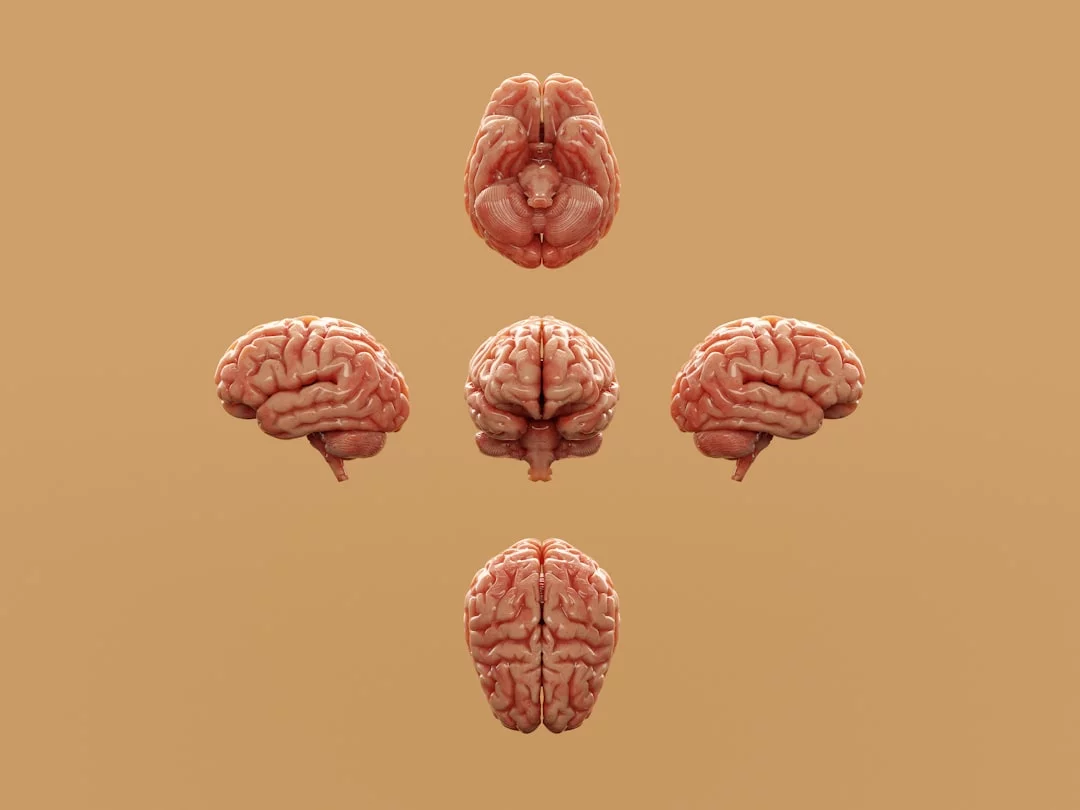
Oxidative stress and memory loss are linked in part because neurons are energy-hungry cells. When reactive molecules build up faster than your defenses can handle, they may strain mitochondria, disrupt synapses, and make the hippocampus less efficient at forming new memories. If you want the plain-English version, here’s how the hippocampus affects memory.
And here’s the kicker — “my memory is broken” often starts as an attention problem. A student under nonstop exam stress, a professional sleeping 5-6 hours, or an older adult noticing more word-finding pauses may be dealing with weaker encoding first, then harder recall.
Symptoms you might notice
Brain fog oxidative stress symptoms are nonspecific, which means they can come from many causes. Research on oxidative stress biology and neuroinflammation in the brain suggests overlap with fatigue, stress load, and cognitive slowing.
- Brain fog
- Slower thinking
- Reduced attention
- Forgetfulness
- Mental fatigue
- Lower stress tolerance
But wait. Sleep debt, anxiety, depression, medication effects, thyroid problems, and burnout can cause the same pattern, so self-diagnosing from symptoms alone isn’t reliable.
When it may be something else
Occasional forgetfulness is common. Persistent memory impairment that affects work, school, navigation, finances, or safety is different.
Get medical evaluation if confusion is rapidly worsening, you get lost in familiar places, or daily functioning drops in a clear way. Personally, I think this is where people should look beyond supplements-first thinking and focus on proper assessment, especially if symptoms are progressing; that also matters if you’re trying to prevent Alzheimer’s and dementia through risk-reduction habits.
Oxidative stress vs inflammation
They overlap, but they aren’t the same. Oxidative stress is a redox imbalance; inflammation is an immune signaling process. In practice, oxidative damage can trigger inflammatory pathways, and neuroinflammation can increase further damage, especially when chronic stress, poor sleep, metabolic problems, or blood-brain barrier dysfunction are in the mix.
That’s why foods that reduce oxidative stress can help as part of a bigger pattern, not as a magic fix. Which brings us to the practical part: 7 steps to lower oxidative stress naturally.
7 steps to lower oxidative stress naturally
If brain fog or forgetfulness has you worried, the goal isn’t to hunt one magic fix. It’s to stack daily habits that protect attention, recall, and the brain systems involved in memory formation, including how the hippocampus affects memory.
How to lower oxidative stress naturally
- Step 1: Build meals around protective foods.
- Step 2: Protect sleep like it matters.
- Step 3: Exercise, but don’t overdo it.
- Step 4: Lower chronic stress load.
- Step 5: Cut the obvious drivers.
- Step 6: Reduce avoidable exposures.
- Step 7: Be careful with supplements.
Step 1: Build meals around protective foods
The strongest nutrition pattern is simple: berries, leafy greens, beans, nuts, olive oil, herbs, tea, cocoa, and fatty fish. Think 1 cup of berries, a handful of walnuts, beans 3-4 times weekly, and fish 1-2 times weekly if you eat it. These are the foods that reduce oxidative stress most convincingly because patterns beat any single “superfood.”
Step 2: Protect sleep like it matters
Poor sleep raises physiological stress and hurts memory encoding. Keep a fixed wake time, dim lights at night, stop caffeine by early afternoon, and give yourself a 30-minute wind-down; if you keep sabotaging bedtime, this guide on why you stay up late can help. Loud snoring, severe sleepiness, or persistent insomnia? Talk with a qualified clinician.
Step 3: Exercise, but don’t overdo it
Moderate training helps antioxidant defenses and blood flow. Aim for brisk walking 30 minutes most days, plus strength work twice weekly, or cycle at a pace where you can still talk.
Step 4: Lower chronic stress load
Chronic stress can worsen sleep, inflammation, and brain fog oxidative stress. Five minutes of slow breathing, walking breaks, workload triage, and fewer notifications work better than most people expect; if you want a simple place to start, try these breathing exercises for stress and focus.
Step 5: Cut the obvious drivers
Smoking, vaping, frequent binge drinking, and meals built mostly from fried packaged foods all push the wrong direction. Don’t moralize it. Just improve the ratio of protective habits to damaging ones.
Step 6: Reduce avoidable exposures
Open windows when air quality is decent, avoid heavy smoke exposure, and use protective equipment for relevant work exposures. Research from the National Institute of Environmental Health Sciences on air pollution is a useful reminder that risk reduction matters, even if it’s not a guarantee.
Step 7: Be careful with supplements
Human evidence is stronger for overall lifestyle patterns than for antioxidant pills. Some compounds look promising, but real-world memory results are mixed, and product quality varies; NIH guidance on antioxidant supplements is a good reality check. If you’re older and focused on long-term protection, pair this with our guide on prevent Alzheimer’s and dementia, and review any supplements for oxidative stress and memory with a clinician, especially if you take medications or manage chronic conditions.
- Student during finals: prioritize sleep, berries, beans, and daily walks.
- Burned-out professional: cut late caffeine, add breathing breaks, reduce alcohol.
- Older adult: focus on exercise, Mediterranean-style eating, and consistency.
Quick note: if symptoms feel beyond normal aging, compare them with our memory loss and aging guide. And if you want more help, FreeBrain has practical resources on sleep, stress, and memory habits. Next, let’s get specific about the best foods that reduce oxidative stress.
Best foods that reduce oxidative stress
Once you’ve handled sleep, movement, and stress, food does a lot of the daily heavy lifting. And if you’re wondering whether diet really matters for memory, it helps to separate normal lapses from red flags in this memory loss and aging guide.
What to put on your plate more often
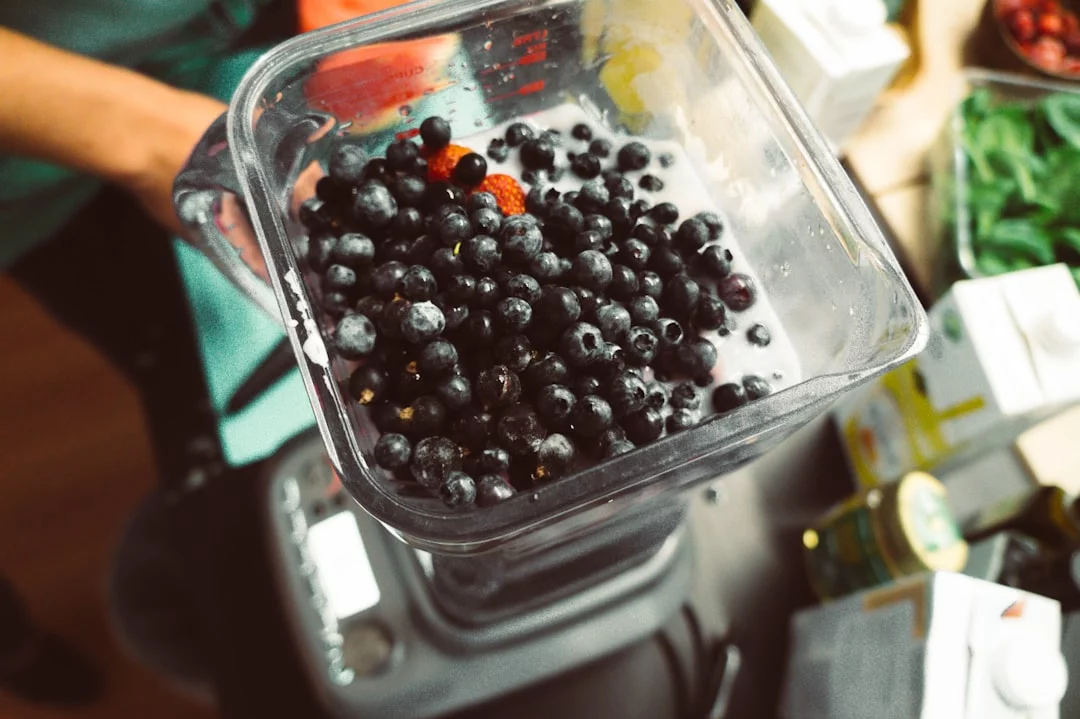
The best foods that reduce oxidative stress tend to come in patterns, not miracle ingredients. Think colorful plants for polyphenols and carotenoids, nuts and seeds for vitamin E, beans and greens for compounds that help glutathione systems, plus fish for omega-3 fats that support cell membranes and cognition.
Why does that matter? Oxidative stress can interfere with the brain systems involved in learning and recall, including the circuits covered in this guide on how the hippocampus affects memory. Research on Mediterranean-style eating summarized by the NIH’s review of the Mediterranean diet and cognitive health suggests overall diet quality has stronger support than isolated antioxidant pills.
| Food source | Proposed mechanism | Evidence strength | Practical serving ideas |
|---|---|---|---|
| Berries | Polyphenols | Moderate | 1 cup fresh or frozen in oats |
| Leafy greens | Carotenoids, folate | Moderate | Spinach in eggs, bowls, soups |
| Beans/lentils | Fiber, minerals, glutathione support | Moderate | 1/2-1 cup canned beans |
| Nuts/seeds | Vitamin E, healthy fats | Moderate | Walnuts, pumpkin seeds |
| Olive oil | Polyphenols, anti-inflammatory effects | Strong for dietary pattern | 1-2 tbsp extra-virgin |
| Fatty fish | Omega-3 and cognition support | Moderate | Salmon or sardines 2x/week |
| Cocoa, tea, coffee | Flavanols and other polyphenols | Mixed to moderate | Unsweetened cocoa, tea, moderate coffee |
| Turmeric and spices | Plant compounds with antioxidant activity | Mixed | Add to soups, grains, eggs |
- Frozen berries beat no berries.
- Canned beans are fine; rinse and use.
- Extra-virgin olive oil is worth buying.
A simple one-day meal pattern
Personally, I think this is where people overcomplicate things. For the best antioxidants for brain health and memory, try breakfast with oats, berries, walnuts, and yogurt or a soy alternative; lunch with a bean-and-greens bowl, olive oil, and whole grains; a snack of an apple with nuts or a little dark chocolate plus tea; and dinner with salmon or lentils, roasted vegetables, and quinoa.
📋 Quick Reference
Build most meals from four parts: a colorful plant food, a protein source, a healthy fat, and a high-fiber carb. That simple pattern usually beats expensive powders.
What not to overhype
No single food detoxes your brain. And “antioxidant” on a label doesn’t mean meaningful memory benefits, especially if the product is mostly sugar. Basic foods that reduce oxidative stress, repeated consistently, are more convincing than juice cleanses or supplement stacks if your goal is to prevent Alzheimer’s and dementia risk over time.
Next, let’s get practical about common mistakes, useful biomarkers, and when it makes sense to get professional help.
Mistakes, biomarkers, and when to get help
Knowing the best foods that reduce oxidative stress is useful. But food is only part of the picture, especially when memory changes are worrying.
Biomarkers, explained simply
Biomarkers are measurable clues researchers use to estimate oxidative damage or antioxidant activity in the body. Common oxidative stress biomarkers brain studies mention include lipid peroxidation markers such as F2-isoprostanes and malondialdehyde, plus antioxidant enzymes like superoxide dismutase and catalase, and glutathione-related measures.
Helpful for research? Yes. A diagnosis by themselves? No. If you’re wondering whether forgetfulness is normal aging or something else, start with this memory loss and aging guide. Clinicians usually look broader, including B12 deficiency, thyroid problems, sleep disorders, depression, medication effects, and alcohol use.
Common mistakes to avoid
- Treating every memory lapse or brain fog as oxidative stress.
- Buying multiple supplements for oxidative stress and memory without checking interactions.
- Focusing on pills while ignoring sleep, exercise, smoking, and diet quality.
- Using online lab lists or quizzes as a substitute for real evaluation.
When to seek medical evaluation
So when should memory loss be medically evaluated? Get checked if symptoms are new, getting worse, affecting daily tasks, or come with confusion, mood changes, falls, headaches, weakness, or speech changes. This content is educational, not medical advice, and persistent memory impairment or supplement questions should be discussed with a qualified clinician.
Before your visit, bring a timeline, medication list, sleep issues, stress level, alcohol intake, and family observations. Next, we’ll wrap up with the biggest questions and the most practical next steps for long-term brain protection.
Frequently Asked Questions
Does oxidative stress cause memory loss?
Research suggests the answer to does oxidative stress cause memory loss is: it can contribute, but it’s rarely the only factor. Memory changes are also shaped by sleep quality, inflammation, vascular health, chronic stress, and normal aging. And here’s the part most people miss — persistent or worsening memory problems deserve medical evaluation, especially if they’re starting to affect work, safety, or daily routines.

What is oxidative stress in brain health?
What is oxidative stress in brain health? In simple terms, it’s an imbalance between reactive molecules that can damage cells and your body’s antioxidant defenses that help keep that damage in check. The brain is especially vulnerable because it uses a lot of oxygen and energy, which means more metabolic activity and more chances for oxidative byproducts to build up. Some oxidative activity is normal, though; the real concern is when that burden stays high over time.
How does oxidative stress affect memory?
If you’re wondering how does oxidative stress affect memory, the main idea is that excess oxidative damage may interfere with neurons, synapses, and brain regions involved in learning, especially the hippocampus. That can show up as slower recall, weaker attention, or less efficient memory formation. But wait — those symptoms aren’t specific, and they can overlap with sleep deprivation, stress, burnout, or anxiety, which is why context matters.
Can oxidative stress cause brain fog?
Can oxidative stress cause brain fog? It may play a role, yes, but brain fog has a long list of possible causes. Common alternatives include poor sleep, anxiety, burnout, depression, medication side effects, hormonal shifts, and medical conditions, so you don’t want to self-diagnose from one symptom alone. If the fog is persistent, worsening, or paired with confusion, it’s smart to talk with a qualified clinician.
How can you reduce oxidative stress naturally?
If you’re asking how can you reduce oxidative stress naturally, start with the boring basics that actually work: better diet quality, enough sleep, regular exercise, stress reduction, and avoiding smoking. It also helps to limit excess alcohol and cut back on ultra-processed foods that tend to crowd out more nutrient-dense options. Personally, I think this is where people overcomplicate things — consistent habits beat quick fixes, and building meals around foods that reduce oxidative stress is usually more useful than chasing trendy supplements.
Which foods reduce oxidative stress in the brain?
Which foods reduce oxidative stress in the brain? Good options include berries, leafy greens, beans, nuts, olive oil, tea, cocoa, and fatty fish like salmon or sardines. Research on Mediterranean-style eating patterns generally looks stronger than claims about single “superfoods,” because your overall pattern matters more than one ingredient. Quick practical tip: build meals around plants, add a healthy fat, and include protein — that’s the simplest way to eat more foods that reduce oxidative stress without turning every grocery trip into a science project.
Can antioxidants improve memory?
Can antioxidants improve memory? Maybe, but the evidence is mixed, especially when we’re talking about supplements rather than whole foods. Dietary patterns rich in plants, healthy fats, and other foods that reduce oxidative stress have better overall support than megadosing pills, and the National Institute on Aging notes that memory changes can have many causes. If you have a health condition or take medications, discuss antioxidant supplements with a clinician before trying them.
When should memory loss be medically evaluated?
The short answer to when should memory loss be medically evaluated is: when it’s persistent, getting worse, affecting daily life, or showing up with confusion, disorientation, or safety concerns. Sudden changes need prompt medical attention, especially if they come with trouble speaking, weakness, severe headache, or unusual behavior. One simple move that helps a lot? Bring a symptom timeline and a full medication list to the appointment so the clinician can spot patterns faster.
Conclusion
If you want to protect your brain, keep it simple. Start with four moves: build meals around foods that reduce oxidative stress like berries, leafy greens, beans, nuts, olive oil, and fatty fish; sleep enough to give your brain time to recover; move your body most days, even if it’s just a brisk 20-minute walk; and cut the biggest sources of oxidative strain, especially smoking, heavy drinking, and ultra-processed foods. And yes, biomarkers and symptoms matter too. If brain fog, memory changes, or unusual fatigue keep showing up, don’t just guess—track patterns and get professional input when needed.
Here’s the encouraging part: you do not need a perfect routine to make progress. Small changes, repeated consistently, can shift the direction of your brain health over time. Personally, I think this is what people miss most—they look for one miracle fix instead of stacking a few evidence-based habits that actually work. So if you’re feeling overwhelmed, start with one breakfast, one walk, and one earlier bedtime this week. That’s enough to begin.
Want to keep going? Explore more practical, research-based guides on FreeBrain.net, including How to Improve Memory Naturally and Brain Fog Causes and Solutions. If you’re ready to turn this into action, pick one meal upgrade today, add more foods that reduce oxidative stress to your next grocery list, and build momentum from there.