
A face blindness test estimates how well you recognize unfamiliar faces, but your score is a screening signal, not a diagnosis. If you’re searching for face blindness examples because your results looked low, borderline, or just confusing, this guide will help you read them more clearly and avoid jumping to the wrong conclusion.
Maybe you did a quick quiz and thought, “Wait, was that bad?” Or maybe you’ve always relied on hair, voice, or context instead of faces and now you’re wondering whether that means something deeper. Thing is, face recognition sits at the intersection of visual processing, attention, and memory — not just “being bad with people” — and factors like fatigue, distraction, or stress and memory loss can drag your score down more than you’d expect.
So here’s the deal. You’ll learn what a low score may mean, what a borderline score often means, and when a “normal” result still doesn’t match your daily experience. I’ll also break down the difference between a casual online screener and more established tools like the Cambridge Face Memory Test, what can distort performance, and which face blindness examples in everyday life actually matter most.
And yes, we’ll get practical. You’ll see how face recognition differs from name recall, why some people remember places better than faces, and how that connects to broader memory systems like the ones behind memory palace examples. For background, the overview of prosopagnosia on Wikipedia is a useful starting point because it summarizes the condition, common signs, and how researchers define it.
I’m a software engineer, not a clinician, and my work at FreeBrain is translating cognitive science into practical steps for self-learners. So this article is educational, not medical advice — if your test results line up with real-world problems at work, school, or in relationships, it may be worth seeking a qualified evaluation. And along the way, I’ll use concrete face blindness examples, not vague theory, so you can make sense of what your score is actually telling you.
📑 Table of Contents
- What a score can really tell you
- Face blindness examples in daily life
- How to take and read the test
- What else can lower your score
- Next steps and quick reference
- Frequently Asked Questions
- What does a face blindness test mean?
- How do you tell if you are faceblind?
- What does a low score on a face blindness test mean?
- Is an online face blindness test accurate?
- What is the Cambridge Face Memory Test?
- Can a face blindness test diagnose prosopagnosia?
- Is prosopagnosia a form of autism?
- When should you see a specialist for face blindness?
- Conclusion
What a score can really tell you
So here’s the deal. A face blindness test estimates how well you recognize unfamiliar faces, but most online checks are screening tools, not diagnoses. That means your score can be useful, sometimes very useful, yet it can’t by itself prove prosopagnosia or rule it out.
The short answer first
If you’re wondering what does a face blindness test mean, the plain-English answer is this: it usually measures recognition of unfamiliar faces, not name memory, social confidence, or whether you feel awkward meeting people. That’s an important distinction. Face recognition overlaps with memory systems, but it isn’t the same as verbal recall, which is why articles like memory palace examples explain a different skill.
And here’s the kicker — a normal score doesn’t erase every real-world difficulty, and a low score doesn’t confirm the condition. Stress, fatigue, and self-doubt can pull scores down, especially if you’re already worried about stress and memory loss.
Screening is not diagnosis
A prosopagnosia test online can flag a possible problem, but diagnosis usually depends on history, symptom pattern, and sometimes multiple tasks. Validated tools such as the Cambridge Face Memory Test are widely used in research and specialist settings, yet even those results need context.
- Screening quiz: quick check, higher risk of false positives
- Validated research tool: stronger design, still not standalone diagnosis
- Clinical assessment: history, function, and differential evaluation
How this guide was built: it’s grounded in peer-reviewed prosopagnosia research, major medical sources, and validated tools used by researchers. If symptoms appeared suddenly after a neurological change, don’t rely on self-testing; review trusted overviews such as NCBI’s clinical summary of prosopagnosia and speak with a qualified professional.
From experience: why people overread one score
After building learning tools at FreeBrain, I’ve noticed people often treat one result like identity-level proof. But face blindness test results meaning depends on attention, perception, confidence, and test setup. One bad session can create false alarm. One good session can create false reassurance.
This article is educational, not medical advice. If daily impairment is major, or if symptoms are new, get professional guidance. And if you’re thinking more broadly about recognition, recall, and attention, our evidence-based resources can help you calm test anxiety and interpret performance more carefully. Next, let’s make this concrete with face blindness examples in daily life.
Face blindness examples in daily life
A score gets more useful when you map it onto real life. And that’s where face blindness examples help: they show the difference between an occasional mix-up and a repeat pattern.
Everyday signs that feel bigger than forgetfulness
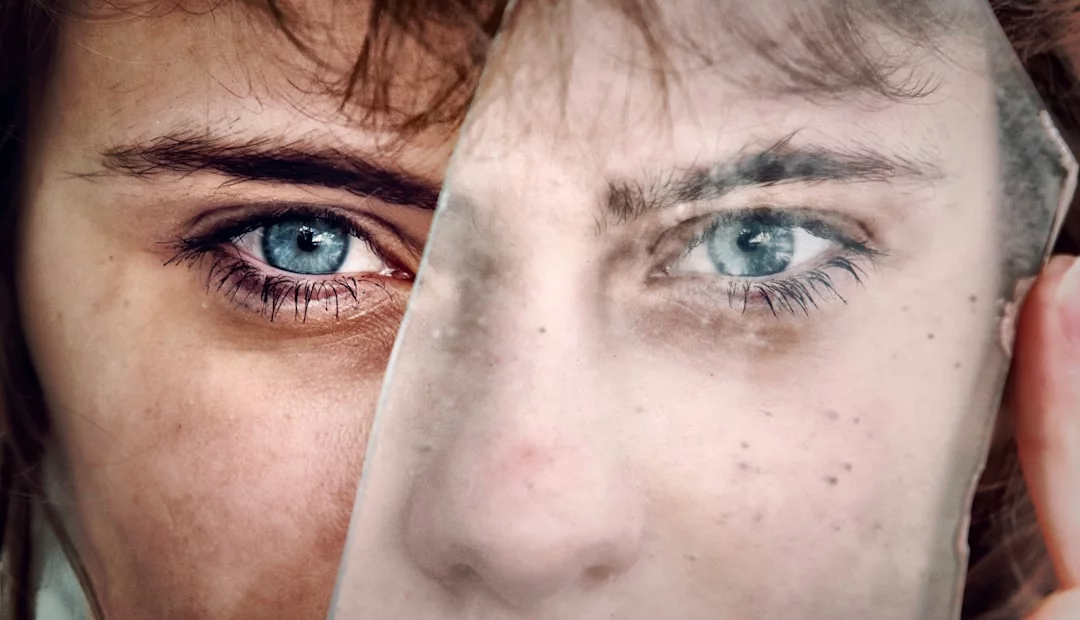
One strong clue is trouble recognizing people out of context. You know your professor in the lecture hall, but pass them on the street and get nothing. Same with a coworker in a grocery store, a neighbor outside their usual building, or movie characters who become impossible to track unless hair, clothes, or voice change.
These are common prosopagnosia symptoms in adults. Many people compensate so well that nobody notices—they lean on voice, posture, gait, or location, much like how memory systems tie people to places in memory palace examples. And yes, stress can make confidence worse, even when the core issue is face recognition rather than general stress and memory loss.
What people usually still see
Face blindness doesn’t mean faces look blank or invisible. Most people still see eyes, nose, mouth, age range, emotion, and obvious features—they just struggle to connect that face to identity, as described in Wikipedia’s overview of prosopagnosia and discussed in the NCBI Bookshelf summary of prosopagnosia.
- You may recognize a smile but not the person.
- You may notice glasses or a beard first.
- You may identify people almost automatically by hairstyle, clothing, or voice.
Common mix-ups and what to avoid
But wait—don’t confuse this with poor name recall. Forgetting a name is retrieval; not knowing whose face you’re looking at is different. Low sleep, distraction, social anxiety, and brain fog and focus can also cause false alarms.
The difference between face blindness and autism matters too. Some autistic people have face-processing differences, but autism and prosopagnosia aren’t the same condition. Don’t self-diagnose from one awkward moment or one viral post.
Which brings us to the practical part: how to take the test well, interpret it carefully, and avoid anxiety-distorted results—especially if you need to calm test anxiety first.
How to take and read the test
Daily-life face blindness examples can point you toward testing, but one rushed quiz doesn’t settle the question. Before you read any score, get cleaner data first.
How to get a cleaner result
- Step 1: Pick the right test type for your goal.
- Step 2: Reduce distortion from stress, fatigue, screen quality, and distraction.
- Step 3: Log the score with context, not as a standalone fact.
- Step 4: Compare patterns across attempts instead of trusting one number.
Step 1: Pick the right kind of test
A quick prosopagnosia test online is fine for curiosity. But wait, it’s only rough screening. Research-style tasks such as the Cambridge Face Memory Test are more structured, while clinical evaluation matters most if symptoms are strong, sudden, or disrupting work and relationships; the Cambridge Face Memory Test overview gives useful background.
Step 2: Reduce score distortion
Use full-screen mode, stable lighting, corrected vision, and one device you trust. No multitasking, no buzzing phone, and no half-paying attention. Stress can lower online face blindness test accuracy even when face recognition is basically normal, so it helps to read about stress and memory loss and ways to calm test anxiety before a mild face blindness test.
Step 3: Log the result like a scientist
Write down date, device, sleep, stress, and whether you rushed. Also note what felt hard: learning new faces, telling similar faces apart, or just staying focused. Personally, I think this is where most people get sloppy. If image quality, ethnicity familiarity, or visual clutter affected performance, record that too; careful self-tracking works better than guessing, much like using scientifically proven study methods.
What normal, borderline, and low may suggest
- Typical: no obvious problem on that task, though real-world complaints can still matter.
- Borderline: review context and retest later under better conditions.
- Low: may suggest meaningful difficulty, but not every low score means prosopagnosia.
There isn’t one universal cutoff for face blindness examples or test scores. Use only the tool’s own norms if provided, and remember that the National Institute of Neurological Disorders and Stroke on prosopagnosia treats diagnosis as broader than one online result. Next, we’ll look at what else can lower your score.
What else can lower your score
So you’ve taken the quiz and read the result. But wait: poor performance on face blindness examples doesn’t always mean prosopagnosia, especially if the test happened under messy real-world conditions.
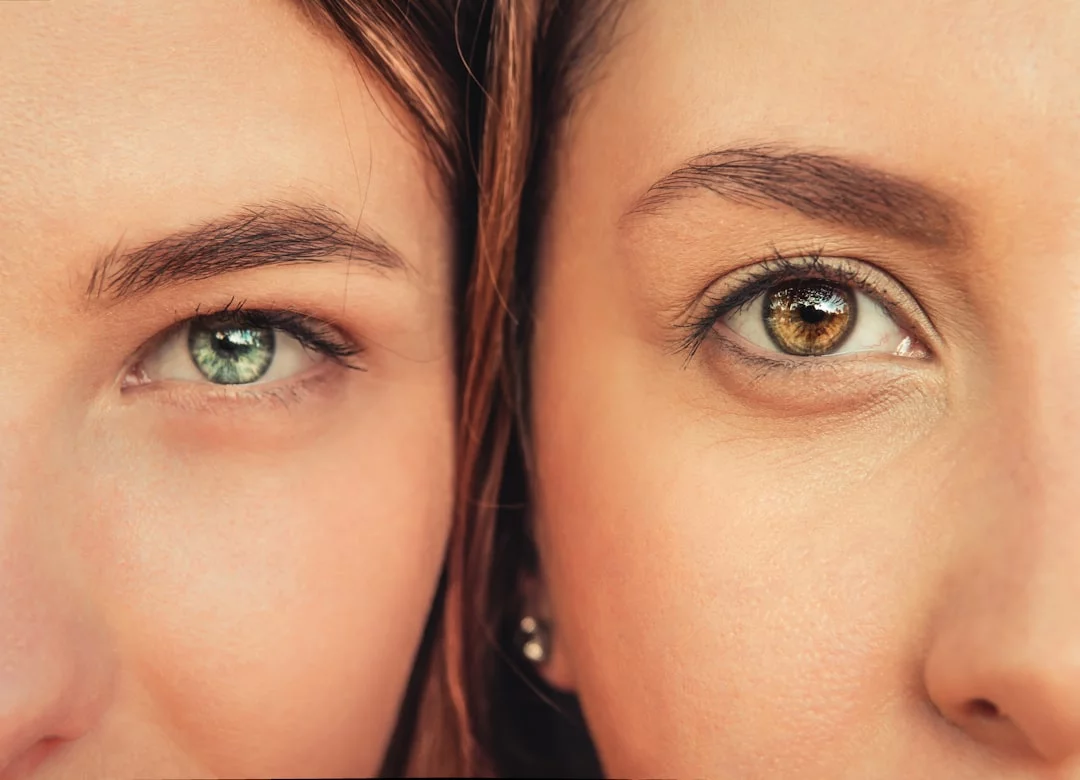
Stress, fatigue, and attention matter more than people think
Face recognition tasks are surprisingly sensitive to your mental state. If you took one late at night, while switching tabs, or while dealing with brain fog and focus problems, a mild-looking deficit can be a false positive.
That matters for online face blindness test accuracy. Social anxiety and test performance can interact too: some people rush because they feel judged, while others second-guess every answer. From experience, people often blame memory when the real issue was distraction, or blame perception when the issue was low confidence and rushed responding.
Vision, image quality, and unfamiliar faces
Glasses prescription, dry eyes, glare, tiny screens, and compressed screenshots all make a facial recognition test harder. And some tasks use unfamiliar faces on purpose, which feels very different from recognizing friends, places, or cues you’d normally encode alongside identity—more like stripped-down matching than everyday memory, not unlike why memory palace examples work better with rich context.
- Use your normal vision correction.
- Avoid phone screens if images look small or blurry.
- Retake only under quiet, well-lit conditions.
Online conditions are simply less controlled than lab measures such as the Cambridge Face Memory Test.
Other conditions that can look similar
The difference between face blindness and autism isn’t “one notices faces, one doesn’t.” There can be overlap, but autism-related social processing differences, ADHD-like inattention, anxiety-driven avoidance, and broader memory complaints aren’t the same thing. Stress can also distort confidence and recall, which is why stress and memory loss can muddy interpretation of face blindness examples.
If the pattern is persistent and affects daily life, professional evaluation makes more sense than reading too much into one online score. Next, I’ll give you a quick reference for what to do with your result.
Next steps and quick reference
A low score can feel unsettling. But most face blindness examples in daily life need context before they mean much, especially after a single online screening test.
When to monitor and when to get help
If your difficulty is mild, long-standing, and not getting worse, self-monitoring is reasonable. Keep notes on real-world misses for 2 to 3 weeks, and use scientifically proven study methods thinking here: look for patterns, not one bad result.
When to seek evaluation for prosopagnosia? If face-recognition problems disrupt work, school, safety, or relationships, professional follow-up makes sense. Depending on the situation, that may mean a neuropsychologist, neurologist, ophthalmologist, or your primary care clinician for referral.
If symptoms started suddenly, followed a head injury, or came with stroke-like signs or a major neurological change, get urgent medical attention.
Practical strategies that actually help
- Use voice, hairstyle, posture, clothing, and location on purpose.
- Ask for advance introductions in groups.
- Add contact labels or notes after meeting people.
There isn’t a simple universal cure. Face blindness treatment options usually mean management strategies, environmental supports, and sometimes formal assessment, especially for mild prosopagnosia.
Quick reference: what your result does and doesn’t mean
📋 Quick Reference
Low score: possible signal, not proof.
Borderline score: retest under better conditions and compare with daily-life problems.
Normal score: useful, but not the final word if strong face blindness examples keep happening.
So what’s your next move? Review your score in context, retest if conditions were poor, and seek evaluation if the problem is persistent, severe, or sudden. The FAQ will clear up the most common edge cases.
Frequently Asked Questions
What does a face blindness test mean?
If you’re wondering what does a face blindness test mean, the short answer is this: it estimates how well you recognize unfamiliar faces on that specific task, under those specific conditions. A strong or weak score can be a useful clue, but an online result usually works best as a screening signal, not a diagnosis. And yes, context matters a lot — lighting, focus, fatigue, and even how carefully you read the instructions can change your result.
How do you tell if you are faceblind?
If you’re asking how do you tell if you are faceblind, look for a repeated real-world pattern rather than one embarrassing mix-up. Strong clues include trouble recognizing familiar people when they’re out of context, relying heavily on voice, hairstyle, clothing, or gait, and needing extra time to identify people in photos or crowded places. Many people search for face blindness examples here, and the most telling ones are consistent everyday problems, not isolated mistakes.
What does a low score on a face blindness test mean?
What does a low score on a face blindness test mean? It may suggest a meaningful difficulty with face recognition, especially if the result matches your day-to-day experience. But wait — low scores can also happen because of stress, poor sleep, distraction, vision problems, or bad test conditions, so it’s smart to treat one result as a clue to investigate, not a final answer.
Is an online face blindness test accurate?
If you want to know is an online face blindness test accurate, the honest answer is: sometimes, but it depends heavily on the test design and how you take it. Some online tools are useful for screening, while others are basically casual quizzes with weak controls, unclear scoring, or inconsistent images. They are less controlled than validated research tools or clinical assessment, so use them as a starting point rather than proof.
What is the Cambridge Face Memory Test?
What is the Cambridge Face Memory Test? The CFMT is a well-known research tool designed to measure face memory under standardized conditions, and it’s widely used in studies of prosopagnosia and individual differences in face recognition. It’s much more informative than a casual internet quiz, and you can read more about the research background through PubMed, but it’s still not a standalone diagnosis by itself.
Can a face blindness test diagnose prosopagnosia?
No — if you’re asking can a face blindness test diagnose prosopagnosia, no single online test can confirm it on its own. Diagnosis usually depends on your symptom history, how much the problem affects daily life, and often broader assessment to rule out other explanations like vision issues or neurological causes. Personally, I think this is the part most people miss: tests matter, but your real-world pattern matters just as much.
Is prosopagnosia a form of autism?
No. If you’re looking for the difference between face blindness and autism, the key point is that they are not the same condition. Some overlap can exist in social or perceptual difficulties, but one does not automatically mean the other, and many autistic people do not have prosopagnosia while many people with prosopagnosia are not autistic. For a broader evidence-based overview of autism, the National Institute of Mental Health is a solid starting point.
When should you see a specialist for face blindness?
If you’re wondering when to seek evaluation for prosopagnosia, get help if the problem is persistent, clearly disruptive, or seems worse than normal forgetfulness. Seek prompt medical attention if face-recognition problems appear suddenly, especially after a head injury or alongside other neurological symptoms like confusion, weakness, vision changes, or severe headache. And if you’ve been collecting face blindness examples from your own life for a while, bring those specific situations to an appointment — they make evaluation much more useful.
Conclusion
Here’s the practical bottom line: don’t treat one low score as a diagnosis, look at the pattern. Compare your result with real-world signs, pay attention to whether stress, fatigue, poor lighting, or rushed test-taking may have dragged your score down, and use the test as a starting point for observation rather than a final label. If the result matched several face blindness examples from daily life, that’s useful information. And if it didn’t? That matters too. The most helpful next step is simple: note the situations where recognizing faces gets harder, then retest under calmer, more consistent conditions.
If this topic hit close to home, you’re not overreacting. A lot of people spend years thinking they’re just “bad with faces” before realizing there may be a more specific reason. But wait — that doesn’t mean you’re stuck. With better awareness, practical coping strategies, and clearer self-observation, you can make social situations feel a lot less confusing. And if your difficulties are persistent or affecting daily life, it’s worth speaking with a qualified professional for proper guidance. Educational tools can point you in the right direction; they just can’t replace a full evaluation.
Want to keep going? Explore more evidence-based guides on FreeBrain.net, including How to Improve Memory and Why Do I Forget People’s Names So Fast?. If you’re still comparing your results with face blindness examples, those articles can help you separate face-recognition problems from attention and memory issues. Keep tracking what you notice, keep testing smart, and take the next useful step today.