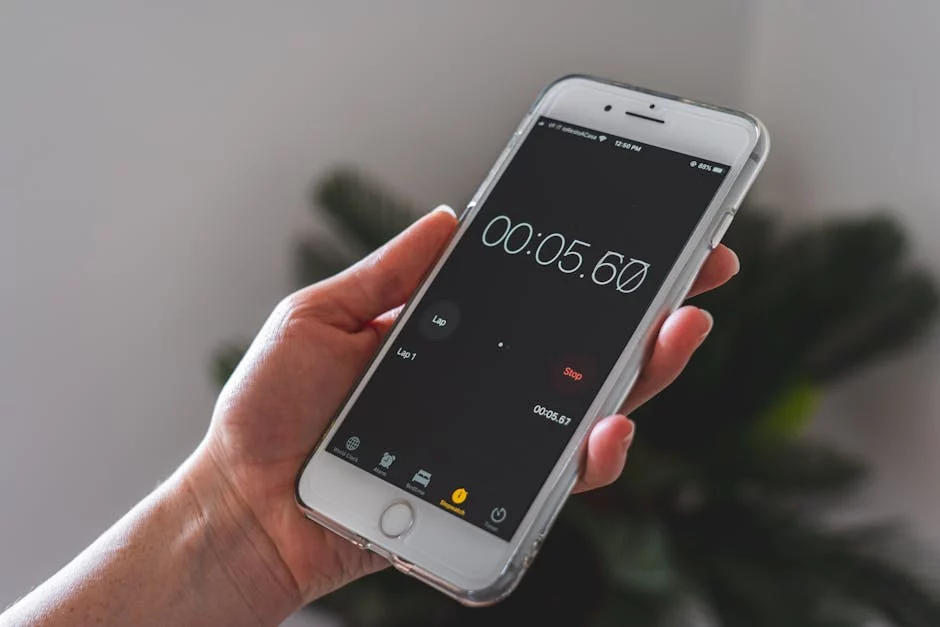

Test anxiety is your body’s stress response kicking in before or during an exam, and the fastest way to calm it is to lower that stress signal in the moment. If you’re wondering what is the 3 3 3 rule for anxiety, it’s a simple grounding method: name 3 things you see, 3 sounds you hear, and move 3 body parts to pull your attention out of panic and back into the room.
That matters because anxiety can make your mind go blank even when you know the material. And if you need relief right now, I’ll show you exactly how to use what is the 3 3 3 rule for anxiety, plus a fast reset and the 5-4-3-2-1 grounding technique to steady your breathing and focus before the exam starts.
Sound familiar? Your heart speeds up, your hands get cold, and suddenly the facts you reviewed last night feel miles away. Research on anxiety from the American Psychological Association’s anxiety overview shows that anxiety affects both your body and your thinking, which is exactly why test stress can wreck recall when you need it most.
So here’s the deal. This article gives you 7 proven methods for how to calm test anxiety before an exam, organized by timing: what to do 5 minutes before, the night before, and during the test itself. I’ll also explain what is the 3 3 3 rule for anxiety, how to calm pre test anxiety without overcomplicating it, and why stress can interfere with memory, attention, and concentration — including the link between stress and brain fog when your brain feels frozen under pressure.
I’m a software engineer, not a clinician, and I built FreeBrain after dealing with the messy reality of self-directed learning in high-pressure subjects. Personally, I think this is the part most students get wrong: they try to “think” their way out of panic, when what actually helps is using a few fast, evidence-based actions that tell your nervous system you’re safe. By the end, you’ll know what is the 3 3 3 rule for anxiety, what can you do to reduce test anxiety, and which calming techniques for test anxiety are worth using when the clock is ticking.
📑 Table of Contents
- What is test anxiety and what is the 3 3 3 rule for anxiety?
- How to calm test anxiety before an exam: a 5-minute reset that works fast
- 7 science-backed ways to calm exam anxiety before and during the test
- Common mistakes to avoid, when to get help, and a quick reference for test day
- Frequently Asked Questions
- Conclusion: Use What Works, Then Walk In Ready
What is test anxiety and what is the 3 3 3 rule for anxiety?
If the introduction felt a little too familiar, you’re not alone. Test anxiety is a stress response that can trigger racing thoughts, shaky hands, nausea, a faster heart rate, and trouble retrieving information you already studied. For more on stress and sleep, see our stress and sleep guide.

So, what is the 3 3 3 rule for anxiety? It’s a fast grounding method: name 3 things you see, 3 sounds you hear, and move 3 body parts to pull attention away from spiraling thoughts and back to the present.
A quick definition students can use immediately
Normal pre-exam nerves can sharpen focus. Test anxiety is different because it disrupts thinking, recall, and performance anxiety control right when you need them most. If you’re wondering what is the 3 3 3 rule for anxiety, think of it as a simple reset you can use in your seat before the exam starts.
Common test anxiety symptoms and exam anxiety symptoms include:
- Racing thoughts or going blank
- Sweaty palms, shaky hands, or a pounding heart
- Nausea, tight chest, or short breathing
- Avoidance, procrastination, or rereading the same line
Personally, I think this is the part most students miss: anxiety isn’t always about being unprepared. Sometimes your body is acting like the test is a threat. And if you want another grounding option, FreeBrain’s 5-4-3-2-1 grounding technique works well too.
Why stress can block memory recall
OK wait, let me back up. Under stress, your brain shifts resources toward threat detection, not careful recall. Research summarized by MedlinePlus on anxiety symptoms and stress responses and the American Psychological Association’s overview of anxiety helps explain why students say, “I knew it last night, then blanked in the room.”
Stress hormones can narrow attention and overload working memory. That’s why stress and brain fog often show up together, and why problems with high cortisol and focus can make recall feel slippery under pressure.
I’m a software engineer, not a clinician, but this section is based on reputable sources like MedlinePlus, APA, CDC, and NCCIH, plus lessons from building FreeBrain tools for self-directed learners. If anxiety is severe, persistent, or feels panic-like, talk with a licensed mental health professional; medication questions belong with a clinician. Next, I’ll show you exactly how to calm test anxiety before an exam with a 5-minute reset that works fast.
How to calm test anxiety before an exam: a 5-minute reset that works fast
Now that you know what test anxiety is and what is the 3 3 3 rule for anxiety, here’s the part most students actually need: what to do in the next five minutes. If your heart is racing, your mind is blank, or you feel panic before a test, this reset is built to help you calm down fast enough to start.
And yes, speed matters. Anxiety can hijack attention and working memory, which is why you suddenly forget material you knew last night; that stress-response pattern overlaps with what many students notice in stress and brain fog and under pressure from high cortisol and focus.
How to do the 5-minute reset
- Step 1: Breathe slowly for 60-90 seconds.
- Step 2: Ground your attention for 60 seconds.
- Step 3: Release muscle tension for 30 seconds.
- Step 4: Replace one anxious thought for 30 seconds.
- Step 5: Choose your first action for the first minute of the exam.
Why this sequence works better than “just relax.” First you lower body arousal, then you anchor attention, then you clean up self-talk, then you move into behavior. That order matters because you can’t think clearly if your body still feels like it’s in danger.
Step 1: Slow your breathing for 60-90 seconds
Start here. Use box breathing at 4-4-4-4, or try inhale for 4 and exhale for 6 if you want a faster way to calm exam anxiety. Research on slow breathing and relaxation suggests slower breathing, especially with a longer exhale, can reduce physiological arousal; the American Psychological Association’s overview of the stress response explains why the body shifts when you reduce that alarm signal.
But wait. Don’t force giant breaths. If deep breathing makes you dizzy, keep the breaths smaller and quieter. The goal isn’t dramatic breathing. It’s steadier breathing.
Step 2: Use the 3-3-3 rule or another grounding cue
If you’re asking what is the 3 3 3 rule for anxiety, here’s the compact version: name 3 things you can see, identify 3 sounds you can hear, and move 3 body parts. That’s the 3-3-3 rule for anxiety in practice, and it works by pulling attention out of catastrophic thoughts and back into the present environment.
Need a longer reset? Use the 5-4-3-2-1 grounding technique if what is the 3 3 3 rule for anxiety feels too short for your stress level. Grounding techniques don’t erase fear, but they often make panic smaller and more manageable. And that’s enough.
- See 3 things
- Hear 3 things
- Move 3 body parts
Step 3: Replace one anxious thought and choose one first action
Now do a 30-second muscle release: unclench your jaw, drop your shoulders, and relax your hands. Then replace one thought. “I’m going to fail” becomes “I only need the next question.” “My mind is blank” becomes “I can restart with one fact.” If perfectionism is fueling the spiral, the fear of failure cycle is often the real problem, not your ability.
Then spend one minute choosing your first move after the exam starts. For example:
- Answer the easiest question first
- Write one formula or keyword on scrap paper if allowed
- Underline command words like “compare,” “define,” or “calculate”
Personally, I think this is where most people get stuck. They chase perfect calm instead of useful action. But research on grounding and relaxation, including material summarized by the National Center for Biotechnology Information on relaxation techniques, points in the same direction: calm enough to begin beats perfectly calm every time. If you want another fast sensory reset, FreeBrain’s grounding resources can help, especially our guide to what is the 3 3 3 rule for anxiety and the related 5-4-3-2-1 method.
So that’s your emergency routine for how to calm pre test anxiety fast. Next, I’ll show you seven science-backed ways to calm exam anxiety before and during the test so you’re not relying on one technique alone.
7 science-backed ways to calm exam anxiety before and during the test
If the 5-minute reset helped a little, good. Now let’s make it practical. If you’re still wondering what is the 3 3 3 rule for anxiety and how it fits into a bigger plan, here are seven evidence-based ways to calm exam anxiety before and during the test.

Right now: breathing, grounding, and muscle release
Start with your body first. When panic rises, slow breathing is one of the fastest ways to lower physical arousal, and the 5-4-3-2-1 grounding technique can help if your thoughts are racing too hard for breathing alone.
Try this 60-second sequence: inhale for 4 seconds, exhale for 6, and repeat five times. Then use the answer to what is the 3 3 3 rule for anxiety: name 3 things you see, 3 sounds you hear, and move 3 body parts. Simple? Yes. Effective when your brain is spiraling? Also yes.
Next, do a fast version of progressive muscle relaxation. The NCCIH lists progressive muscle relaxation among commonly used relaxation techniques, and for pre exam anxiety the best targets are your jaw, shoulders, hands, and stomach.
- Clench your jaw lightly for 5 seconds, then release.
- Shrug your shoulders hard for 5 seconds, then drop them.
- Make fists for 5 seconds, then open your hands fully.
- Tighten your stomach for 5 seconds, then let it soften.
That’s method three. And together, these calming techniques for test anxiety work better than trying to “just relax.”
The night before: study smarter, protect sleep, and time caffeine
Cramming feels productive, but it often creates false familiarity. You recognize the page, not the answer. From experience building FreeBrain study resources, one pattern is obvious: students feel less panic when prep includes active recall instead of passive rereading because uncertainty drops.
So here’s the deal. Use a light review, quiz yourself, and stop heavy studying at a set time. Our guide to the active recall study method is a good place to start, especially if you’re figuring out how to overcome exam anxiety in students without adding more hours.
Pack your materials, choose your clothes, and decide your wake-up time before bed. Avoid late caffeine too; for many students, especially those dealing with how to deal with test anxiety in college, caffeine after mid-afternoon can make sleep before exam night worse. And if anxiety blocks recall, that’s part of why stress and brain fog often show up together under pressure.
Need replacement thoughts for perfectionism? Use these:
- “I do not need a perfect score to perform well.”
- “My job is to answer the next question, not predict the whole outcome.”
If you’re in high school, this works for classroom tests, SATs, and AP exams. If you’re in college, same principle. What is the 3 3 3 rule for anxiety helps in the moment, but better prep reduces how often you need it.
During the test: what to do if your mind goes blank
Blank mind? Don’t wrestle with the hardest item first. Use this rescue sequence for how to calm test anxiety during a test: pause, exhale, mark and move, answer the easiest next item, then return.
Why does this help? Because one solvable question can rebuild momentum and restore access to working memory. Well, actually, that’s the part most people get wrong: they keep staring at the blank spot, which increases panic instead of focus during exams.
- Pause for one breath.
- Exhale longer than you inhale.
- Mark the question and move on.
- Answer the easiest next item.
- Say: “Find one thing I know, then build from there.”
That script is short on purpose. If you’re asking what can you do to reduce test anxiety in the room, this is one of the highest-return moves. And yes, what is the 3 3 3 rule for anxiety still works here too if your attention is slipping.
Next, I’ll cover the mistakes that quietly make exam anxiety worse, when it’s time to get help, and a quick reference you can use on test day.
Common mistakes to avoid, when to get help, and a quick reference for test day
You’ve got the calming tools. Now let’s make sure you don’t accidentally undo them. If you’re still wondering what is the 3 3 3 rule for anxiety, think of it as a fast grounding reset—not a license to ignore the habits that make test anxiety worse.
What to avoid if you want less anxiety, not more
This is the part most people get wrong. They try to calm down exam anxiety with habits that spike body stress first.
- Overbreathing: Taking lots of fast “deep breaths” can lower carbon dioxide too much and make you feel lightheaded, tingly, or even more panicked. Slow exhaling works better.
- Last-minute cramming: Staying up late to reread notes often increases last minute test anxiety because fatigue hurts recall, attention, and working memory.
- Doom-scrolling: Reading “I’m cooked” posts an hour before the exam trains your brain to expect threat, not focus.
- Too much caffeine: Coffee on an empty stomach can feel a lot like anxiety—shaky hands, racing heart, nausea. If caffeine helps you, timing matters. FreeBrain’s guide on the best time to drink coffee can help you avoid that mistake.
- Brand-new supplements: Test morning is not the time to experiment with gummies, powders, or “focus” pills. You don’t know how your body will react.
- Reading the whole test in panic mode: Skimming every question while already stressed can overload you fast. Pick a first-question strategy instead.
So, what can you do to reduce test anxiety instead? Keep it boring. Eat something familiar, arrive a bit early, and use one grounding method you’ve already practiced. If you use what is the 3 3 3 rule for anxiety, pair it with a long exhale and relaxed shoulders. Simple beats dramatic.
When test anxiety may need extra support
Sometimes test anxiety is more than nerves. And yes, that matters. If anxiety leads to repeated avoidance, panic symptoms, major sleep disruption, vomiting, chest tightness, or clear problems in school or work, it may be time to get help from a licensed clinician or school counselor.
Quick sidebar: this article is educational, not medical advice. I’m a software engineer, not a clinician—but trusted health sources like MedlinePlus, the APA, the CDC, and Mayo Clinic all note that anxiety becomes a treatment issue when it causes meaningful distress or impairment.
What about test anxiety medication? There is no single best medication for test anxiety. Treatment depends on your symptoms, health history, other conditions, and clinician judgment. If you’re asking what is the 3 3 3 rule for anxiety because you’re barely functioning before exams, that’s a sign to discuss options with a qualified professional rather than self-prescribing supplements or chasing the “best medication for test anxiety” online.
Quick Reference: your simple test day checklist
📋 Quick Reference
Before the test
- Breathe out longer than you breathe in for 3-5 rounds.
- Use what is the 3 3 3 rule for anxiety: name 3 things you see, 3 sounds you hear, and move 3 body parts.
- Drop your shoulders and unclench your jaw.
- Sip water. Don’t chug caffeine.
- Choose your first-question strategy before the paper starts.
During the test
- Exhale before hard questions.
- Mark and move if you freeze.
- Restart with one question you can do.
- Don’t predict your score mid-exam.
- If panic rises, use what is the 3 3 3 rule for anxiety again and return to the next doable item.
That checklist is meant to be practical enough to screenshot. And if you’re wondering how to calm test taking anxiety in the moment, this is the short answer: exhale, ground, start small, keep moving. Next, let’s wrap up with the key FAQs and final takeaways.
Frequently Asked Questions
What is the 3-3-3 rule for anxiety?
If you’re wondering what is the 3 3 3 rule for anxiety, it’s a simple grounding exercise: name 3 things you see, identify 3 sounds you hear, and move 3 body parts. The goal is to pull your attention out of spiraling thoughts and back into the present moment, which can lower the intensity of anxious feelings fast. And here’s the kicker — what is the 3 3 3 rule for anxiety really about? It’s a quick reset, not a cure-all, so it works best as a short tool you use in the moment rather than your only long-term strategy.
How can I calm pre test anxiety fast?
If you need to know how to calm pre test anxiety fast, use a 5-minute reset: 1 minute of slow breathing, 1 minute of grounding like what is the 3 3 3 rule for anxiety, 1 minute of releasing your shoulders and jaw, and 1 minute to repeat one replacement thought such as, “I don’t need to feel perfect to begin.” Then spend the last minute opening the test or your notes and starting with the first clear step. Personally, I think this works better than panic-rereading, because your job isn’t to get perfectly calm — it’s to get calm enough to start.
How do I calm test anxiety during a test?
For how to calm test anxiety during a test, keep the rescue plan short: pause, exhale longer than you inhale for 2 to 3 breaths, mark the hard question, and move to one easier item. That small win helps rebuild momentum, and momentum often makes focus and memory access come back faster than people expect. One blank moment doesn’t mean you’re failing, and using what is the 3 3 3 rule for anxiety silently in the room can also help you reset without drawing attention to yourself.
What can you do to reduce test anxiety naturally?
If you’re asking what can you do to reduce test anxiety, the best natural strategies usually work in combination: slow breathing, grounding, progressive muscle relaxation, active recall, sleep protection, and smart caffeine timing. Thing is, emergency tricks help, but your between-exam habits matter just as much, because anxiety drops when your brain has more practice retrieving information under low pressure. A short walk, lighter evening stimulation, and a basic wind-down routine the night before can help too, and what is the 3 3 3 rule for anxiety is a useful add-on when your mind starts racing. For practical study methods that reduce panic by improving recall, you can also read our guide to active recall.
How do I deal with test anxiety in college?
Knowing how to deal with test anxiety in college means dealing with college-specific pressure: cumulative exams, heavier workloads, and way less built-in structure. Start earlier than feels necessary, use office hours, do practice tests, and build short active recall review blocks across the week instead of cramming. And if anxiety is persistent or starts hurting your grades, sleep, or daily functioning, don’t just push through it — use campus counseling or disability support, and keep tools like what is the 3 3 3 rule for anxiety for in-the-moment grounding.
Is there medication for test anxiety?
Some students ask about test anxiety medication, and yes, medication options are something some people discuss with a clinician, but there isn’t one best medication for test anxiety for everyone. These decisions depend on your symptoms, health history, and a professional evaluation, so self-medicating isn’t a smart move. What is the 3 3 3 rule for anxiety can help as a fast grounding tool, but if anxiety is severe or ongoing, talk with a qualified healthcare provider or campus health service; the National Institute of Mental Health has a helpful overview of anxiety-related symptoms and treatment options.
Conclusion: Use What Works, Then Walk In Ready
If you remember just four things, make them these: use the 3-3-3 grounding exercise the moment your mind starts spiraling, slow your exhale to bring your body down a notch, stop last-minute cramming when it’s clearly making you more tense, and rehearse a simple test-day reset before the exam starts. That’s the practical answer to what is the 3 3 3 rule for anxiety in this context: a fast way to anchor your attention so panic doesn’t run the show. And yes, pairing it with a few minutes of steady breathing, realistic self-talk, and a clear pre-exam routine usually works better than relying on “just calm down.”
Thing is, test anxiety doesn’t mean you’re unprepared or “bad at exams.” It means your stress response is loud. That’s all. You can train that response. Even small changes help, and they add up faster than most students expect. So if you’ve been wondering what is the 3 3 3 rule for anxiety and whether something that simple can actually help, the answer is: it can—especially when you practice it before you need it. Personally, I think this is the part most people miss. Don’t wait for exam day to try your reset for the first time.
Want more practical tools? Explore more study and stress-management strategies on FreeBrain.net, including How to Study for an Exam and How to Focus While Studying. And if you still catch yourself asking what is the 3 3 3 rule for anxiety, write it on your scratch paper, practice it this week, and make it part of your test-day system. Start now. Train the skill. Walk into your next exam steadier and more in control.