

You procrastinate on easy tasks for a weird reason: they’re often not hard enough to feel urgent, but annoying enough to trigger avoidance. If you’re wondering how to overcome procrastination when the task should “only take 10 minutes,” the answer usually isn’t more discipline. It’s figuring out whether the real blocker is boredom, resentment, shame, mental friction, or plain old low urgency.
You know the pattern. Reply to that email later. Book the appointment tomorrow. Rename the file, pay the bill, send the form — and somehow the tiny task hangs over your day like a thundercloud. Why do you procrastinate on easy things even when it feels bad? Because your brain doesn’t judge tasks by objective size; it reacts to emotion, context, and how hard it feels to start. Research on procrastination summarized by the American Psychological Association’s overview of procrastination points in that direction too: avoidance is often about emotion regulation, not laziness.
So here’s the deal. This article will help you identify why you procrastinate on simple tasks, match the cause to the right fix, and use a practical 7-step system to get moving fast. We’ll cover the psychology behind low-stakes avoidance, a quick self-check, what helps with procrastination when the task is boring or vague, and where everyday delay starts to overlap with ADHD-style executive friction — without turning every missed errand into a diagnosis.
And yes, systems beat motivation. If you want a bigger-picture framework, start with how to build habits that stick and a simple GTD setup for students to reduce task friction before little obligations pile up.
I’m approaching this as a software engineer and self-taught learner who builds tools at FreeBrain and tests these methods in real workflows. Personally, I think that’s the part most procrastination advice misses: how to overcome procrastination gets much easier when you stop treating every delay like a character flaw and start treating it like a pattern you can debug.
📑 Table of Contents
- Why easy tasks still get delayed
- Find your real procrastination trigger
- How to overcome procrastination in 7 steps
- Real-world examples and common mistakes
- When it’s more than procrastination
- Frequently Asked Questions
- Why do I procrastinate on simple tasks even when they only take 10 minutes?
- Why do easy tasks feel overwhelming when they are objectively small?
- What are some reasons for procrastination on boring or low-urgency tasks?
- What helps with procrastination when motivation is low?
- Is procrastination a type of ADHD?
- What is the 5-minute rule for ADHD or procrastination?
- What is the 5-4-3-2-1 rule for procrastination?
- How can I stop procrastinating on small tasks at home or work?
- Conclusion
Why easy tasks still get delayed
So here’s the deal. A lot of procrastination starts with tiny tasks, not giant ones. For more on productivity and focus, see our productivity and focus guide.
Easy tasks often get delayed not because they’re objectively hard, but because they feel low-urgency, low-reward, boring, or weirdly irritating. If you’ve wondered how to overcome procrastination when the task should only take 10 minutes, the answer usually starts with initiation friction, not laziness.
The short answer
If you’re asking, “why do i procrastinate on easy things?” the short answer is this: simple task avoidance happens when a task feels dull, resentful, unclear, or easy to postpone. Replying to one email, booking an appointment, washing six dishes, or filling out a short form can trigger more resistance than effort.
And yes, that’s frustrating. You think, “this should take 10 minutes,” then somehow avoid it for three days. Research on procrastination summarized by the American Psychological Association’s overview of procrastination points to emotion regulation as a big piece of the puzzle: people often delay tasks to escape discomfort now, even when it makes life worse later.
Why “easy” doesn’t feel easy to start
This is the part most people get wrong. Task difficulty and start difficulty are not the same thing.
A 7-minute scheduling task can feel harder to start than a 45-minute project you actually care about. Why? Because low-stimulation tasks lose to messages, open tabs, and quick distractions that give faster feedback. From building FreeBrain tools and studying self-directed learning systems, I’ve noticed small tasks fail most often when there’s no clear trigger and no visible first action. That’s also why systems like a GTD setup for students help: they reduce friction before the task becomes mental clutter.
- Low urgency says, “later is fine.”
- Low reward says, “this won’t feel satisfying.”
- High friction says, “ugh, where do I even start?”
Personally, I think shame makes easy task procrastination worse. Once a tiny task starts to feel embarrassing, it can blend into the same avoidance loop discussed in our guide on fear of failure and procrastination.
What this article will help you do
Here’s what helps with procrastination: identify the real cause, match the fix to that cause, then use a simple 7-step system instead of waiting for motivation. If you want to build habits that stick, this matters because consistency comes from reducing friction, not from feeling inspired every day.
We’ll also separate ordinary avoidance from patterns that may overlap with executive dysfunction. Well, actually, let me be precise: this article is educational, not medical advice, and if procrastination is severe, persistent, or affecting daily functioning, it’s worth talking with a qualified professional. Research indexed by PubMed on procrastination and self-regulation supports the idea that delay is often about managing mood and control, not just poor time management.
Next, we’ll find your real procrastination trigger so you can stop guessing and start using the right fix.
Find your real procrastination trigger
If easy tasks keep slipping, the problem usually isn’t laziness. It’s mismatch: the task looks small, but the friction hiding inside it isn’t. And if those tiny tasks stay uncaptured, they get heavier fast, which is why a simple GTD setup for students helps more than waiting for motivation.
This is the part most people miss about how to overcome procrastination. The right fix depends on the cause, and systems that build habits that stick work better when you diagnose the resistance first.
60-second self-check
Want a fast answer to what are some reasons for procrastination in your case? Score each prompt yes or no, then circle the one that feels most true. Don’t pick all seven at once.
- Do I know the exact first action?
- Am I avoiding boredom more than difficulty?
- Am I weirdly annoyed by this task?
- Am I trying to do it “properly” instead of just finishing?
- Am I too mentally tired to decide?
- Has this task been sitting around long enough to create shame?
- Do I often struggle with task initiation or lose track of time?
The 7 most common causes
Usually it’s one of these: low urgency, boredom, perfectionism, unclear next step, shame or resentment, decision fatigue, or executive dysfunction/time blindness. That’s why people procrastinate on an inbox reply, dishes, booking an appointment, a reimbursement form, or a five-minute admin task that somehow turns into a wall.
Psychology research summarized by the American Psychological Association on procrastination frames delay as an emotion-regulation problem, not just poor planning. And when perfectionism or self-judgment is driving the avoidance, fear of failure and procrastination often explains why even tiny tasks feel loaded.
Match the cause to the fix
| Low urgency | Add a 10-minute deadline and visible reward |
| Boredom | Use music, a timer, or body doubling |
| Perfectionism | Set a “bad first draft” rule |
| Unclear step | Name the first visible action |
| Shame/resentment | Use a neutral restart script: “Just reopen it” |
| Decision fatigue | Reduce choices and batch admin |
| Time blindness | Use a countdown or external timer |
Behavioral activation is useful here: action often comes before motivation, not after, a pattern discussed in NCBI’s overview of behavioral activation. So if you’re asking how to overcome procrastination, start by matching the trigger to the tool. Next, I’ll show you the 7-step process.
📋 Quick Reference
Ask one question first: what kind of resistance is this? Boredom needs stimulation. An unclear task needs a smaller first move. Shame needs a neutral restart. Low urgency tasks need a deadline outside your head.
How to overcome procrastination in 7 steps
Once you know your trigger, the fix gets simpler. If you’re wondering how to overcome procrastination on annoying little tasks, the answer usually isn’t more motivation; it’s smaller starts, less friction, and tighter cues.
How to do it
- Step 1: Shrink the task to one visible action.
- Step 2: Use the 2-minute rule or a 5-minute start.
- Step 3: Remove friction before you need willpower.
- Step 4: Write an implementation intention.
- Step 5: Add accountability or body doubling.
- Step 6: Reward completion right away.
- Step 7: Review patterns weekly and restart fast.
Step 1-2: Make the start tiny
Step 1: define the first action so clearly you can’t hide from it: “open the form,” “write the subject line,” or “put the plate in the sink.” That’s how to stop procrastinating on small tasks. Systems beat mood, which is why it helps to build habits that stick.
Step 2: use the 2-minute rule for truly tiny actions, and the 5-minute rule for tasks with more resistance. What is the 5 minute rule for ADHD or ordinary avoidance? You commit to just five minutes, not the whole task. Script: “I’ll do this until 10:05, then I can stop.” Research on implementation intentions helps explain why specific starts work.
Step 3-5: Lower friction and add structure
Step 3: make starting easier than delaying. Open the tab, place the form on your keyboard, or adjust your space so it’s easier to focus in an open office or at home. Step 4: write an if-then plan: “If it is 9:00, then I open the insurance form and fill in the first field.”
Step 5: use accountability for sticky tasks. Body doubling works because another person’s presence reduces drift. And if shame or perfectionism is quietly driving avoidance, read more on fear of failure and procrastination.
Step 6-7: Close the loop and learn from patterns
Step 6: reward the finish immediately with a checkmark, stretch, or 2-minute break. Step 7: review your delays once a week and ask: boredom, ambiguity, or fatigue? What is the 5 4 3 2 1 rule for procrastination? Count backward, then move on “1” before your brain starts negotiating. The broader logic fits behavioral activation principles described by the NCBI Bookshelf.
- Restart script: “This is annoying, not impossible. I only need the first 2 minutes.”
- Low-energy script: “Done badly beats delayed perfectly.”
- Capture script: “Not now? Fine. I schedule the next visible step.”
Personally, I think this is the clearest way to work on procrastination without turning a 10-minute task into a moral drama. If you want more practical systems, FreeBrain’s productivity and habit guides are a good next stop. Next, let’s look at real-world examples and the mistakes that keep these steps from working.
Real-world examples and common mistakes
The 7-step system works best when you test it on annoyingly small tasks, not just big goals. That’s really how to overcome procrastination in daily life: make the next move visible, small, and boring-proof.

From experience: why small tasks pile up
After analyzing how people use productivity systems, I keep seeing the same pattern: tiny tasks don’t get captured because they feel “too small” to plan. Then “reply to landlord,” “submit receipt,” and “book dentist” turn into expensive open loops, which is why simple task avoidance snowballs unless you capture small tasks with a simple GTD setup for students and build habits that stick.
4 micro-examples you can copy
- Email ignored for a week: open draft, write one sentence, stop if needed.
- 10-minute form: fill name and date first, then continue for 5 minutes.
- Dishes or laundry: set a 5-minute timer; loading counts.
- Work admin: define the deliverable in one line before touching anything.
What to avoid
Common mistakes: waiting for motivation, writing vague tasks like “do taxes,” using perfectionist language on tiny tasks, and multitasking. Research on task switching shows it adds mental cost, not speed; see background on human multitasking and switching limits. And if shame is driving delay, fear of failure and procrastination may be the real issue.
But wait. Not every delay is laziness. Sometimes what can help with procrastination is checking for stress, overload, or sleep debt first—which brings us to when it’s more than procrastination.
When it’s more than procrastination
Some mistakes are normal. But if the same pattern keeps wrecking work, school, or sleep, you may need a different explanation than “I just need more discipline.”
Procrastination vs executive dysfunction
Ordinary delay and executive dysfunction can look similar: missed starts, avoidance, and tasks that stay weirdly untouched. The difference is scope. ADHD procrastination often shows up across settings, over years, and even with tasks you deeply want to do.
So, is procrastination a type of adhd? Not exactly. Procrastination is a behavior; ADHD-related executive dysfunction is a broader pattern involving initiation, planning, working memory, and time blindness, which may be worth discussing with a qualified professional.
Stress, burnout, and the shame cycle
Chronic stress can shrink your mental bandwidth. Small tasks then feel bigger than they are, especially when sleep is off, your head feels foggy, or you’re already ashamed of delaying. That’s why “why do I procrastinate even when it feels bad” is often really a stress question. For context, see FreeBrain’s guide to acute vs chronic stress.
Quick reference and your next 2 minutes
📋 Quick Reference
- Identify the real cause: boredom, fear, overload, or depletion.
- Shrink the task until the first step is visible.
- Start for 2-5 minutes only.
- Remove friction from your environment.
- Use an if-then plan.
- Add accountability if needed.
- Review the pattern, not just the outcome.
If you want to know how to overcome procrastination, do this now: pick one avoided task and complete only the first visible step in under 2 minutes. That tiny start is often what helps with procrastination — and it sets up the final FAQ and wrap-up.
Frequently Asked Questions
Why do I procrastinate on simple tasks even when they only take 10 minutes?
If you’re asking why do I procrastinate on simple tasks, the answer usually isn’t the length of the task. Small jobs can still feel boring, emotionally annoying, or mentally unclear, which makes your brain treat them as something to avoid. And weirdly, low-urgency tasks often get delayed longer than big meaningful work because there is no real deadline pressure pushing you to start.
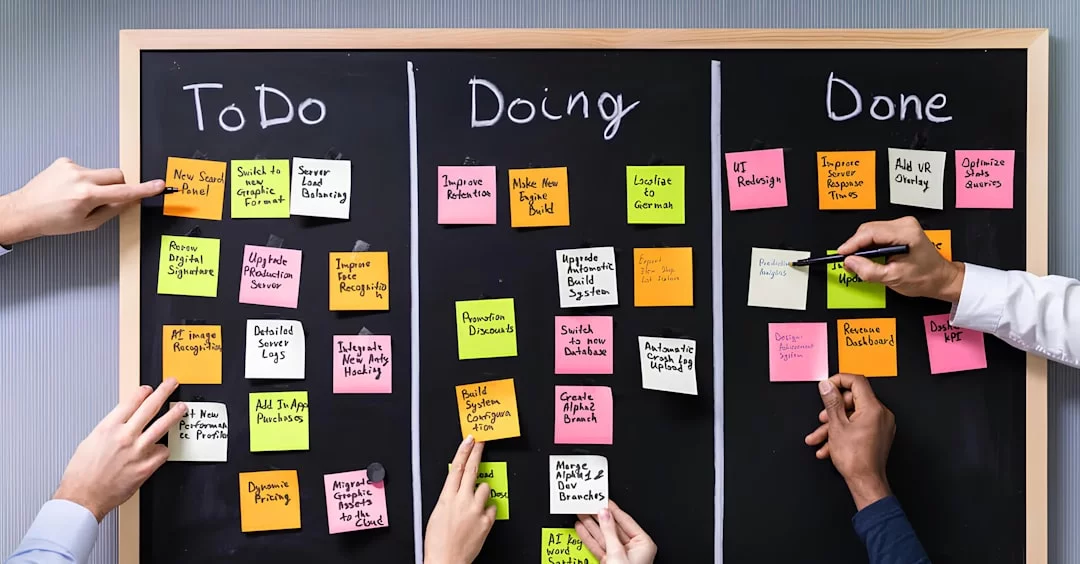
Why do easy tasks feel overwhelming when they are objectively small?
If you’ve wondered why do easy tasks feel overwhelming, the problem is often hidden friction rather than actual task size. A “small” task like filling out a form, scheduling an appointment, or replying to three inbox messages can contain lots of tiny decisions, uncertainty, or emotional resistance. So here’s the deal: when you reduce the friction and define one visible next action, the task usually feels much lighter.
What are some reasons for procrastination on boring or low-urgency tasks?
There are several answers to what are some reasons for procrastination: boredom, weak reward, perfectionism, unclear next steps, resentment, fatigue, and time blindness all show up a lot. Three things matter most: what the task feels like, how clearly it’s defined, and what state you’re in when you face it. Different causes need different fixes, which is why learning how to overcome procrastination starts with identifying the real trigger instead of assuming you’re just lazy.
What helps with procrastination when motivation is low?
If you’re searching for what helps with procrastination, start smaller than feels necessary. Try a 2-minute or 5-minute start, remove friction before the work session, and use an implementation intention like “After I open my laptop, I’ll work on the outline for 5 minutes.” Body doubling can help too, and if you want a deeper breakdown, read FreeBrain’s guide on how to overcome procrastination for practical ways to lower start resistance.
Is procrastination a type of ADHD?
Is procrastination a type of adhd? No, procrastination itself is not the same thing as ADHD, although ADHD can include patterns that look a lot like chronic delay, task avoidance, and difficulty initiating work. If these problems are persistent, show up across school, work, and home, and seriously affect your functioning, it’s worth seeking a professional evaluation. Educational note only: for a medical overview of ADHD symptoms, see the CDC’s ADHD signs and symptoms page.
What is the 5-minute rule for ADHD or procrastination?
What is the 5 minute rule for adhd? It’s a simple strategy where you commit to doing the task for just 5 minutes, not until completion. The point is to lower the mental barrier to starting, because initiation is often the hardest part. But wait, that’s the key: you’re not trying to force deep focus right away, just to get moving so momentum has a chance to build.
What is the 5-4-3-2-1 rule for procrastination?
What is the 5 4 3 2 1 rule for procrastination? It’s a countdown method used to interrupt hesitation and push immediate action before your brain talks you out of it. A simple example: count 5-4-3-2-1, stand up, open the document, and begin the first tiny step like writing one sentence or answering one email. Personally, I think this works best when paired with a very clear next action, because countdowns help you move, but clarity helps you keep going.
How can I stop procrastinating on small tasks at home or work?
If you want to know how to stop procrastinating on small tasks, use a capture list so loose tasks stop bouncing around in your head, define each item as a visible first action, and batch low-effort admin work into one short block. Then review the list weekly to spot repeats like bills, scheduling, forms, or follow-ups that keep turning into mental clutter. That’s one of the most practical ways to learn how to overcome procrastination in daily life, because you’re fixing the system, not just relying on motivation.
Conclusion
If you keep putting off “easy” tasks, the fix usually isn’t more guilt. It’s better diagnosis. Start by naming the real trigger: boredom, perfectionism, unclear next steps, low energy, or quiet anxiety. Then shrink the task until it feels almost too small to resist, set a visible start cue, and give yourself a short finish line like 5 or 10 minutes. And if you notice the same pattern repeating, use a simple reset: remove friction, start before you feel ready, and reward completion instead of waiting for motivation to magically appear.
That matters because procrastination on small tasks can make you feel worse than the task itself. I’ve seen this pattern a lot with self-learners: the problem looks like laziness, but it’s usually task design, emotion, or overload. So be patient with yourself. Progress here doesn’t come from becoming a different person overnight. It comes from building a system that makes starting easier today than it was yesterday. That’s really the heart of how to overcome procrastination — not willpower theater, but smart, repeatable adjustments.
If you want to keep going, explore more practical strategies on FreeBrain.net. You might start with how to stop procrastinating and start studying or time blocking for students. Read one, pick one tactic, and test it on the next task you’ve been avoiding. Small start. Clear trigger. Done today.