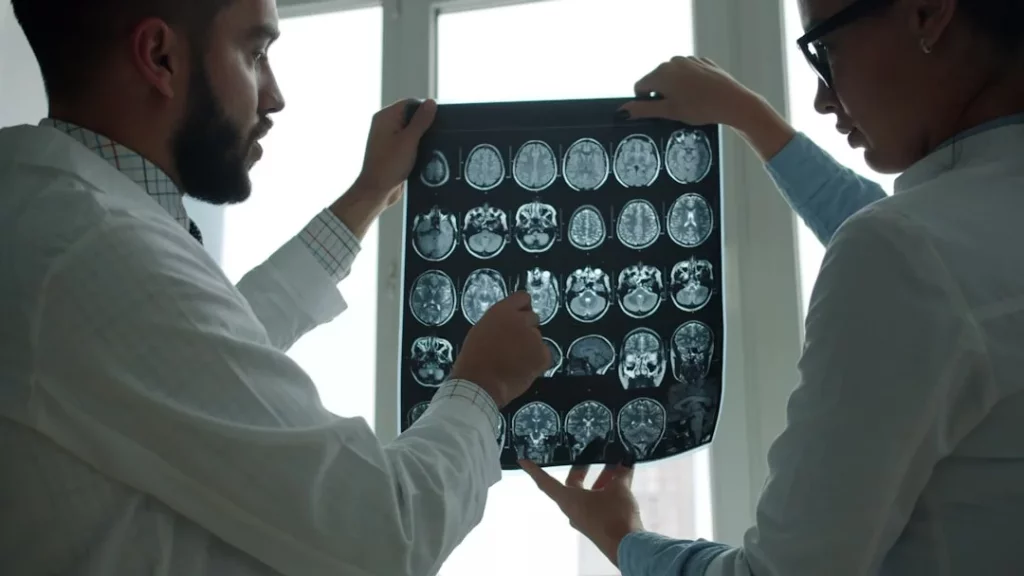
Yes — does weed affect memory when sober? It can, especially your working memory, attention, and ability to learn new information after recent use or frequent high-THC use. But the size of that effect, and how long it lasts, depends on dose, frequency, age, sleep, and the product itself. So if you’re wondering whether does weed affect memory when sober is a real concern, the evidence says yes for some people, but not in one simple, all-or-nothing way.
Maybe you’ve had this happen. You feel fine the next morning, not high at all, but your focus is off, names won’t stick, and studying takes twice as long. Or you took an online quiz and started spiraling — but one rough day doesn’t tell you much about what memory tests measure, especially when sleep, stress, and timing can muddy the picture.
This article separates three questions people usually mash together: what happens while you’re high, whether weed affects memory the next day, and whether cannabis changes memory more persistently with heavy or long-term use. We’ll also break down memory into the parts that actually matter in real life — like working memory and learning — so you can understand why reading a page, holding a plan in mind, or remembering what your boss just said may feel harder after cannabis.
And here’s the kicker — THC and CBD aren’t the same story. Research from the National Academies review on the health effects of cannabis suggests cannabis can impair learning, memory, and attention in the short term, while longer-term effects vary with use patterns and population studied. We’ll compare THC vs. CBD, explain why cannabis affects short-term memory, and give you a practical harm-reduction framework if you’re a student or knowledge worker who wants clearer thinking.
I’m a software engineer, not a neuroscientist. But after building FreeBrain tools for self-learners and digging through the research to answer questions like how long does cannabis affect memory and does weed affect memory long term, I’ve learned that the useful answer is rarely “always” or “never.” This article is educational, not medical advice, and if memory problems are persistent or worrying, you should talk with a qualified healthcare professional.
📑 Table of Contents
- The short answer: yes, sometimes
- Which kind of memory is affected?
- What THC does now, tomorrow, and later
- 7-step plan to protect memory
- Quick reference and FAQs
- Frequently Asked Questions
- Does weed affect memory when sober?
- Does weed affect memory the next day?
- How long does cannabis affect memory?
- Why does cannabis affect short-term memory?
- How does cannabis affect memory and learning?
- Does weed affect memory long term?
- Does CBD impair memory or cause memory loss?
- What does cannabis do to your brain long term?
- Conclusion
The short answer: yes, sometimes
So here’s the direct answer after the intro: yes, cannabis can affect memory when sober, especially working memory, attention, and new learning after recent use or frequent high-THC use. If you want a quick refresher on working memory and learning, that’s usually the first system students and knowledge workers notice slipping. For more on memory and brain health, see our memory and brain health guide.
But wait. “Sober” usually means you don’t feel high anymore, not that your brain is fully back to baseline for focus, recall, or reaction speed. That’s why someone can feel normal the next morning yet still blank on a definition during exam review, or get oddly distractible in a meeting.
What “when sober” actually means
OK wait, let me back up. Subjective sobriety and cognitive recovery aren’t always identical. Research summaries from the National Institute on Drug Abuse on cannabis note that cannabis can affect attention, learning, and memory, with some effects extending beyond the obvious high.
What does that look like in real life? Usually not dramatic movie-style amnesia. It’s more like:
- forgetting multi-step instructions
- losing your place while reading
- needing more repetitions to learn material
- slower recall under pressure
And if you’re wondering how long does cannabis affect memory, the answer varies a lot by person. One bad morning also doesn’t prove damage, which is why you shouldn’t overread a rough study session or even what memory tests measure from a single online score.
How to read this evidence
This is the part most people get wrong. There are really three buckets: acute intoxication effects, residual next-day effects, and longer-term associations seen with repeated use. Those are related, but they’re not the same question.
Why does weed affect my memory in the first place? THC appears to interact with brain systems involved in encoding and consolidation, including regions discussed in our guide to how the hippocampus affects memory. Reviews indexed on PubMed’s cannabis and cognition literature also show the evidence is messy because studies differ on dose, potency, age of first use, alcohol or nicotine co-use, self-report accuracy, and sleep debt.
Educational only, not medical advice. If memory problems persist, or you’re worried about anxiety, dependence, or daily functioning, talk with a qualified healthcare professional.
Which brings us to the next question: which kind of memory gets hit first, and which ones are more likely to recover?
Which kind of memory is affected?
So the short answer was “yes, sometimes.” But if you’re asking does weed affect memory when sober, the better question is: which memory system are we talking about?
That distinction matters. One bad score on an online test doesn’t prove much, especially if you’re tired, stressed, or anxious, which is why it helps to understand what memory tests measure before overreading a rough day.
Working memory vs short-term memory
Short term memory is brief storage. Working memory is storage plus active mental use — and that’s the part students and knowledge workers usually notice first.
Think of it this way: remembering a phone number for 10 seconds is short term memory. Holding three steps of a math problem in mind while updating them, or tracking variables while debugging code, is working memory. If you want a deeper breakdown, our guide on working memory and learning shows why this system matters so much for studying and job performance.
- Exam prep: keeping the question, formula, and next step active at once
- Presentations: remembering your point while adapting to audience reactions
- Task switching at work: returning to a half-finished thought without losing the thread
And yes, short-term memory duration is usually very brief without rehearsal. But wait — “brief storage” and “mental manipulation” aren’t the same thing.
Attention, learning, and recall
Here’s the chain: attention leads to encoding, encoding supports consolidation, and consolidation makes later memory recall possible. If attention is weak, the information may never get in cleanly.
That’s why poor focus can feel like poor memory. Research on cannabis and cognition summarized in a review indexed by PubMed Central suggests THC can affect attention, working memory, and executive function, while the hippocampus’s role in memory consolidation helps explain why later recall may suffer even when the memory system isn’t “damaged.”
Personally, I think this is why students notice it first. Studying, writing, meetings, and debugging all depend on sustained attention plus active mental updating.
What memory tests can and can’t tell you
Screening tools can catch patterns. They can’t tell you, by themselves, why performance dipped today.
Practice effects, fatigue, anxiety, and poor sleep can all shift results. So if you’re wondering how does cannabis affect memory and learning, look for repeatable changes in daily life — not just a single score. Which brings us to timing: what THC does in the moment, the next day, and after longer use can look very different.
What THC does now, tomorrow, and later
So now we can connect the memory types to timing. If you’re asking, does weed affect memory when sober, the honest answer is: sometimes, and it depends a lot on dose, timing, sleep, age, and how often you use.
During intoxication
THC acts on the endocannabinoid system, especially CB1 receptors in the hippocampus and prefrontal networks. In plain English, that can weaken new memory encoding while also making you more distractible, which is why working memory and learning often feel harder in the moment.
How does THC affect memory? Usually through three bottlenecks:
- weaker encoding of new information
- more attention drift
- poorer consolidation after learning
A concrete example helps. You read a chapter while high, it feels vivid, even insightful — but later recall is patchier because the material never got stored cleanly. If you want the brain-side explanation, here’s how the hippocampus affects memory.
The next day
But wait. Does weed affect memory the next day? Research suggests some people still show subtle deficits after sleep, especially after higher-THC products, late-night use, edibles, or disrupted sleep; why sleep affects cognition matters here too.
That can look like slower note-taking, more rereading, mild psychomotor slowing, or a mentally muddy feeling at work. And yes, one rough morning doesn’t prove damage; CDC guidance on cannabis and brain health and NIDA’s overview of marijuana’s effects on the brain both stress dose and frequency.
With repeated heavy use
This is the part most people blur together. Repeated heavy use is more consistently linked with memory and attention problems than occasional adult use, and earlier onset raises concern because adolescent brain development is still underway. Some deficits improve after stopping. Full recovery? Mixed evidence.
THC, CBD, and mixed products
CBD vs THC isn’t a trivial distinction. THC-heavy products are much more likely to impair memory acutely, while CBD alone appears less likely to do so, though dose, labeling quality, and mixed formulations complicate the picture. Older adults and medical cannabis users should be extra careful with potency, timing, and drug interactions.
Next, let’s turn that evidence into a practical 7-step plan to protect memory.
7-step plan to protect memory
So now that you know what THC can do tonight, tomorrow, and over time, the useful question is practical: does weed affect memory when sober enough to change how you study or work? Often, yes—but the biggest differences come from dose, timing, sleep, and whether you’re asking about attention, learning, or recall.
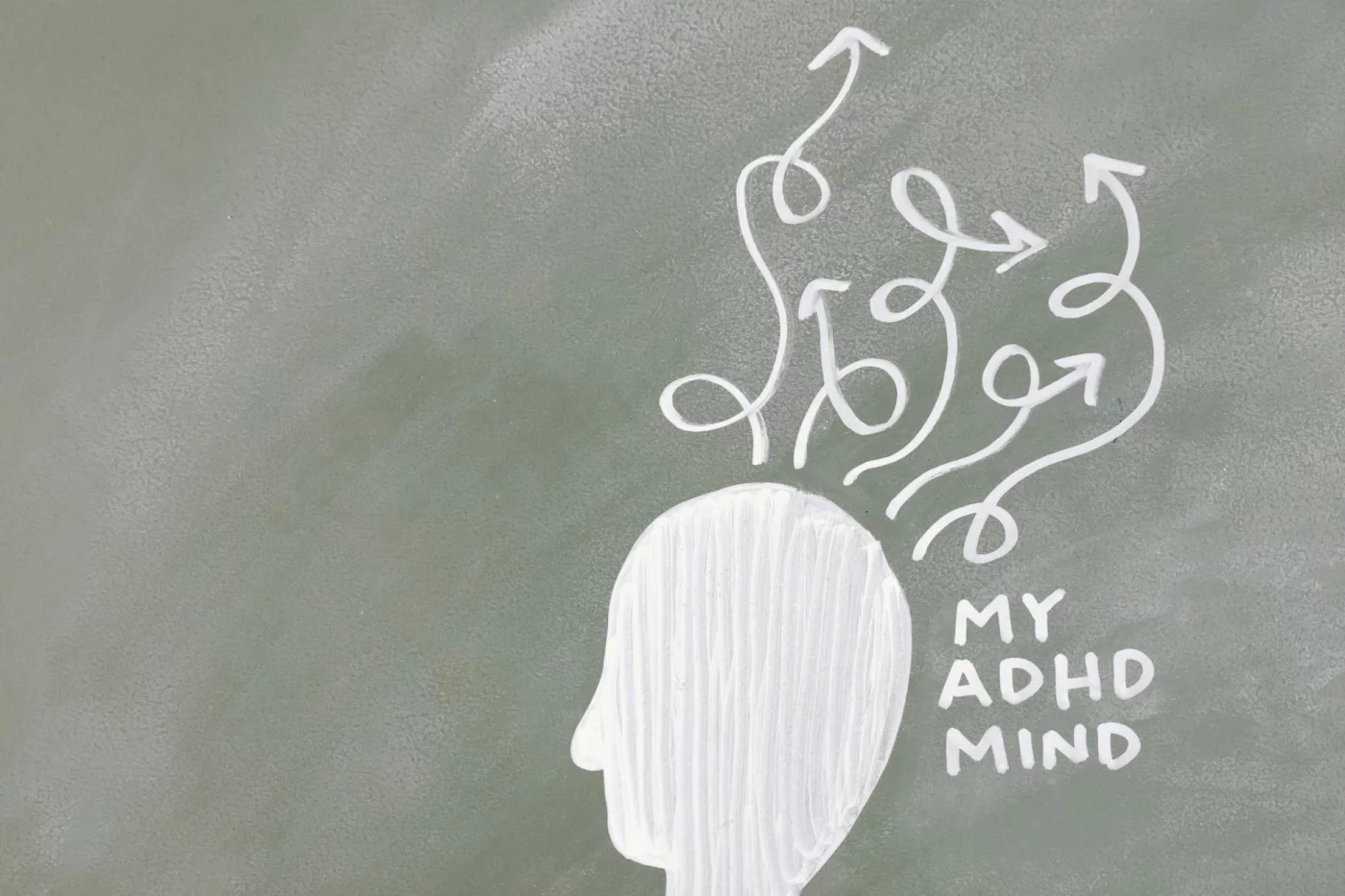
How to protect memory this week
- Step 1: Don’t learn new material while high if retention matters. THC can disrupt working memory and learning, so “it felt interesting” isn’t the same as “I can retrieve it tomorrow.”
- Step 2: Track 14 days: dose, THC %, route, time used, sleep length, and how hard recall feels next morning. That helps separate a bad night from a real pattern linked to how the hippocampus affects memory.
- Step 3: Lower risk variables first: smaller dose, lower-THC product, earlier timing, and no alcohol stacking.
- Step 4: Protect sleep. Why sleep affects cognition matters here because poor sleep can amplify next-day fog.
- Step 5: Keep exams, presentations, coding, driving, and safety-sensitive work cannabis-free.
- Step 6: Test a short break and compare reading speed, rereads, recall after 30 minutes, and distractibility.
- Step 7: Get professional help if memory problems persist, anxiety rises, or use feels hard to control. For background, the NCBI overview of cannabis use disorder is a solid starting point.
A numbered routine for this week
Try this for seven days. On work or study blocks, measure pages read before distraction, number of rereads, 30-minute recall, and morning alertness from 1 to 5. That gives you real harm reduction data for focus and concentration, not guesses.
Common mistakes to avoid
- Blaming cannabis for every lapse when sleep debt or stress may be bigger.
- Assuming edibles and smoking have the same next-day brain fog profile.
- Judging study success by enjoyment instead of later recall.
- Ignoring alcohol or nicotine, which can change dose dependent effects.
From experience: what patterns matter most
As a software engineer building FreeBrain tools, I’ve found the better question isn’t “Do I feel high?” but “Can I hold, manipulate, and retrieve information when it counts?” This is where most people get tripped up. If you’re wondering why does weed affect my memory, don’t overread one bad day—watch patterns, because does weed affect memory when sober can mean very different things for an occasional user versus someone using nightly. Next, I’ll condense this into a quick reference and FAQs.
Quick reference and FAQs
After the 7-step plan, you probably want the fast version. Fair. If you’re still asking, does weed affect memory when sober, the practical answer is yes, sometimes—mostly through weaker attention, working memory, and learning around use rather than dramatic permanent forgetting.
And if you want a cleaner mental model, FreeBrain’s guide to working memory and learning helps separate focus problems from true recall problems.
Quick comparison table
📋 Quick Reference
| Pattern | Working memory, attention, learning | Higher risk | What may improve after stopping |
|---|---|---|---|
| Intoxication | Clear short-term drop in focus, mental holding, and new learning | High-THC users, students, complex-task workers | Usually improves as intoxication wears off |
| Next-day residual | Mild brain fog, slower attention, weaker recall for some | Poor sleep, high dose, edibles | Often improves within 24-72 hours |
| Repeated heavy use | More consistent problems with learning and memory efficiency | Daily users, adolescents, very potent THC | Some recovery over weeks; long-term effects can be less certain |
| CBD-only products | Little evidence of the same memory disruption seen with THC | Product quality issues | Usually not the main concern |
| Mixed THC/CBD products | CBD may blunt some effects, but THC can still impair cognition | Frequent users, teens, older adults | Depends on dose, frequency, and sleep |
What to remember
- The biggest real-world risk is often worse attention and learning near use, not just obvious “memory loss.”
- Occasional cannabis use usually means shorter-lived effects; heavy cannabis use raises the odds of lingering problems.
- Teens face extra concern because adolescent brain development is still ongoing.
Research from the National Institute on Drug Abuse and reviews in PubMed-backed journals points in that direction, especially for THC-heavy products. But wait—CBD vs THC matters a lot, and short-term vs long-term effects aren’t the same thing.
Track your own pattern for 1-2 weeks, protect sleep, and keep important learning tasks separate from cannabis use. If problems persist or get worse, get professional evaluation. Next, I’ll wrap this up with the final FAQ and conclusion.
Frequently Asked Questions
Does weed affect memory when sober?
Yes, sometimes. If you’re asking does weed affect memory when sober, the evidence suggests it can, especially for working memory, attention, and new learning after recent use or with frequent high-THC use. And here’s the part most people miss: feeling sober doesn’t always mean your brain is fully back to baseline, so you may notice slower recall, more distractibility, or trouble holding information in mind even when the obvious “high” is gone.

Does weed affect memory the next day?
It can. If you want the short answer to does weed affect memory the next day, residual effects are more likely after higher doses, edibles, late-night use, or a bad night of sleep. The problems are often subtle rather than dramatic: slower recall, distractibility, brain fog, and weaker focus when you’re trying to study, drive complex routes, or do mentally demanding work.
How long does cannabis affect memory?
How long does cannabis affect memory? It depends on dose, THC strength, how you took it, how often you use it, and your own biology. While high, memory and attention are often clearly impaired; after sleep, some people still have next-day effects; and after repeated heavy use, memory problems can last longer and may take time to improve after stopping. If you’re trying to track patterns, using a simple study or focus log can help you spot whether the issue shows up for hours, days, or mainly after repeated use.
Why does cannabis affect short-term memory?
If you’re wondering why does cannabis affect short term memory, the simple version is this: cannabis can make it harder for your brain to encode new information clearly and consolidate it well enough to remember later. THC interacts with brain systems involved in attention and with the hippocampus, a region that helps form new memories, so during intoxication you’re often more distractible and less likely to store what you just read, heard, or tried to learn.
How does cannabis affect memory and learning?
How does cannabis affect memory and learning? Usually the first hit is to attention and working memory, and that creates a chain reaction: if you don’t focus well in the moment, you learn less, and later recall gets worse. In real life, that can look like rereading the same textbook page three times, forgetting instructions from a meeting, or understanding a concept at work but not being able to explain it clearly the next day. For practical ways to test whether your attention is the bottleneck, you can compare your performance on focused recall tasks and spaced review sessions using FreeBrain’s study tools.
Does weed affect memory long term?
Repeated heavy use is more concerning than occasional adult use. If you’re asking does weed affect memory long term, evidence suggests some people, especially frequent high-THC users, may have lasting issues with attention, learning, and recall, though some changes can improve after reducing or stopping use. But wait — the research is mixed on whether everyone returns fully to baseline, which is why patterns of use, age of first use, and total exposure matter so much.
Does CBD impair memory or cause memory loss?
Does CBD impair memory? CBD on its own appears less likely than THC to impair memory, and it doesn’t seem to produce the same kind of intoxication-linked memory problems most people associate with cannabis. The real-world issue is product quality: many products are mixed, mislabeled, or contain more THC than users expect, so if memory problems show up, check the label carefully and review guidance from sources like NCCIH.
What does cannabis do to your brain long term?
If you’re asking what does cannabis do to your brain long term, the balanced answer is that long-term effects depend on age of first use, frequency, THC potency, and your overall sleep, stress, and health habits. Concern is stronger for adolescents and heavy users because the brain is still developing and repeated exposure may affect attention, learning, and emotional regulation more noticeably; for a research-based overview, see NIDA’s summary of long-term cannabis effects. And if you have persistent brain fog, worsening memory, or trouble functioning at school or work, talk with a qualified healthcare professional rather than guessing.
Conclusion
So here’s the practical answer: if you’re asking does weed affect memory when sober, the evidence points to yes, sometimes — especially for working memory, attention, and new learning. But the effect isn’t the same for everyone. Three things matter most: how often you use, how much THC you use, and whether you give your brain enough recovery time through sleep, spacing, and lower-frequency use. And if you want to protect your memory starting now, the highest-value moves are simple: avoid using before studying, cut back on high-THC products, track patterns between use and forgetfulness, and use active recall instead of rereading when you need information to stick.
That’s the good news. Memory isn’t usually an all-or-nothing trait, and small changes can make a real difference faster than people expect. Personally, I think this is the part most readers need to hear: noticing a dip in focus or recall doesn’t mean you’ve “ruined” your brain. It means you’ve got useful feedback. And once you can see the pattern, you can start changing it.
If you want help rebuilding sharper study habits, spend a few minutes with FreeBrain’s related guides. Start with Active Recall: The Study Method That Actually Works and Spaced Repetition: How to Remember More With Less Cramming. If you came here wondering whether weed affects memory after the high wears off, don’t stop at the answer — use it. Test what changes your focus, protect your sleep, and build a system your brain can trust.